

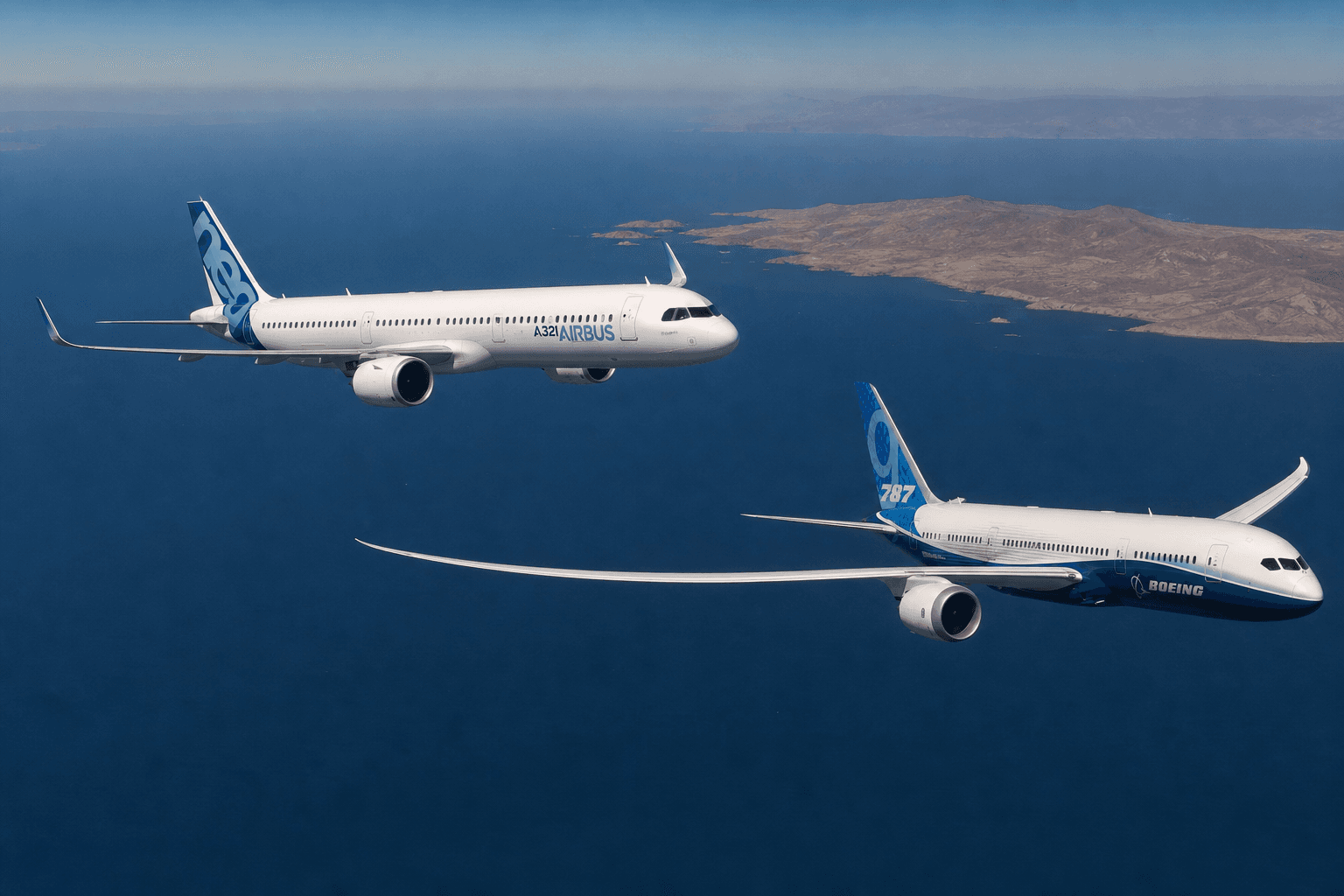
Illustration: The Touch & Go
Iberia A321XLR and Air Europa 787 narrowly avoid collision over Western Sahara airspace
Spanish investigators probe close call as two aircraft flew head-on at 36,000ft on same airway near Canary Islands, resolved by TCAS evasive maneuvers.
The gist
A head-on conflict between Iberia A321XLR and Air Europa 787 at 36,000ft was resolved by TCAS actions with no injuries, under Spanish investigation.
Spanish aviation authorities are investigating a serious airborne safety incident involving an Iberia Airbus A321XLR and an Air Europa Boeing 787-9 that occurred on July 10 in the oceanic airspace near the Canary Islands. Both aircraft were cruising at the same altitude of 36,000 feet but flying in opposite directions on airway N857, a bidirectional route approximately 70 nautical miles off the Western Sahara coast. The proximity of their flight paths triggered evasive maneuvers coordinated by the aircrafts' collision avoidance systems, averting what could have been a catastrophic mid-air conflict.
The Spanish Civil Aviation Accident and Incident Investigation Commission (CIAIAC) has disclosed that the Airbus A321XLR, registration EC-OLE, was heading northeast, while the Boeing 787-9, registered EC-NBM, was traveling southbound when the conflict arose. Normally, airway N857 assigns even-numbered flight levels like 36,000 feet to southbound traffic and odd-numbered levels to northbound traffic. Eurocontrol’s collision-risk analysis and documents from Spanish air navigation service provider Enaire confirm this standard stratification for orderly traffic separation along this airway.
According to CIAIAC, the incident happened during night hours between the ETIBA and BIPET waypoints within the Canary Islands upper information region's oceanic airspace. Both aircraft were inadvertently cleared or deviated onto the same flight level and airway segment but traveling in opposite directions. The details on how this breakdown of vertical and lateral separation occurred are currently under investigation, as this constitutes a violation of established air traffic control procedures intended to maintain safe distances between aircraft.
The close call was resolved through automatic interventions by the Traffic Collision Avoidance System (TCAS) on both aircraft. The Airbus A321XLR executed a descent of 500 feet, while the Boeing 787-9 climbed 400 feet to increase vertical separation. These coordinated escape maneuvers prevented a near-miss or collision scenario. The TCAS-generated commands and pilot response were critical to the incident's safe resolution, highlighting the importance of this onboard safety technology during separation failures.
No injuries were reported among the combined total of 454 passengers and 18 crew members aboard the two aircraft. Both the Iberia and Air Europa flights continued to their destinations without further incident following the evasive action. The incident, despite ending safely, underscores vulnerabilities in monitoring and controlling flight levels on busy oceanic airways where traditional radar coverage is limited and procedural compliance is essential.
This event brings renewed scrutiny to air traffic control and flight monitoring procedures in the Canaries upper information region, a heavily trafficked corridor connecting Europe and Africa. It also highlights the technical challenges in managing bidirectional airways where opposite-direction flights operate closely without conventional radar coverage. The Spanish authorities have initiated a thorough investigation aiming to identify procedural lapses, controller inputs, and potential air navigation system improvements to prevent recurrence.
Collision avoidance incidents such as this are relatively rare in European airspace but carry significant risk, particularly when they involve large passenger aircraft. The use of TCAS as the last line of defense demonstrates its vital role in aircraft safety systems. Nevertheless, reliance on reactive collision avoidance measures rather than proactive preventions is a concern for aviation safety bodies, leading to potential calls for enhanced procedural rigor and technological upgrades.
As CIAIAC continues its probe, the aviation community anticipates detailed findings that may prompt revisions in airway designation, altitude assignment, controller training, or communications protocols. The incident serves as a practical reminder of the operational complexities of oceanic traffic management and the critical need for stringent adherence to assigned flight levels on bidirectional airways.
The investigation’s outcome will also be relevant for other air navigation service providers and international regulators overseeing oceanic flight corridors worldwide. Ensuring robust vertical and horizontal separation standards remain a cornerstone of safe flight operations, particularly in regions where surveillance is limited. For now, the prompt and correct response by flight crews and TCAS has effectively averted disaster in this instance.
Frequently asked questions
- What caused the near head-on conflict between the Iberia A321XLR and Air Europa 787?
- Both aircraft were flying at the same altitude of 36,000ft on the same bidirectional airway N857 in opposite directions, violating standard altitude separation procedures on that airway.
- How was the collision avoided between the two aircraft?
- Their Traffic Collision Avoidance Systems (TCAS) issued resolution advisories leading the A321XLR to descend 500ft and the 787 to climb 400ft, restoring safe vertical separation.
- Were there any injuries or damage following the evasive maneuver?
- No injuries or damage occurred; all 454 passengers and 18 crew members on both planes were safe and the flights completed without further incident.
Read more
All Aviation Safety →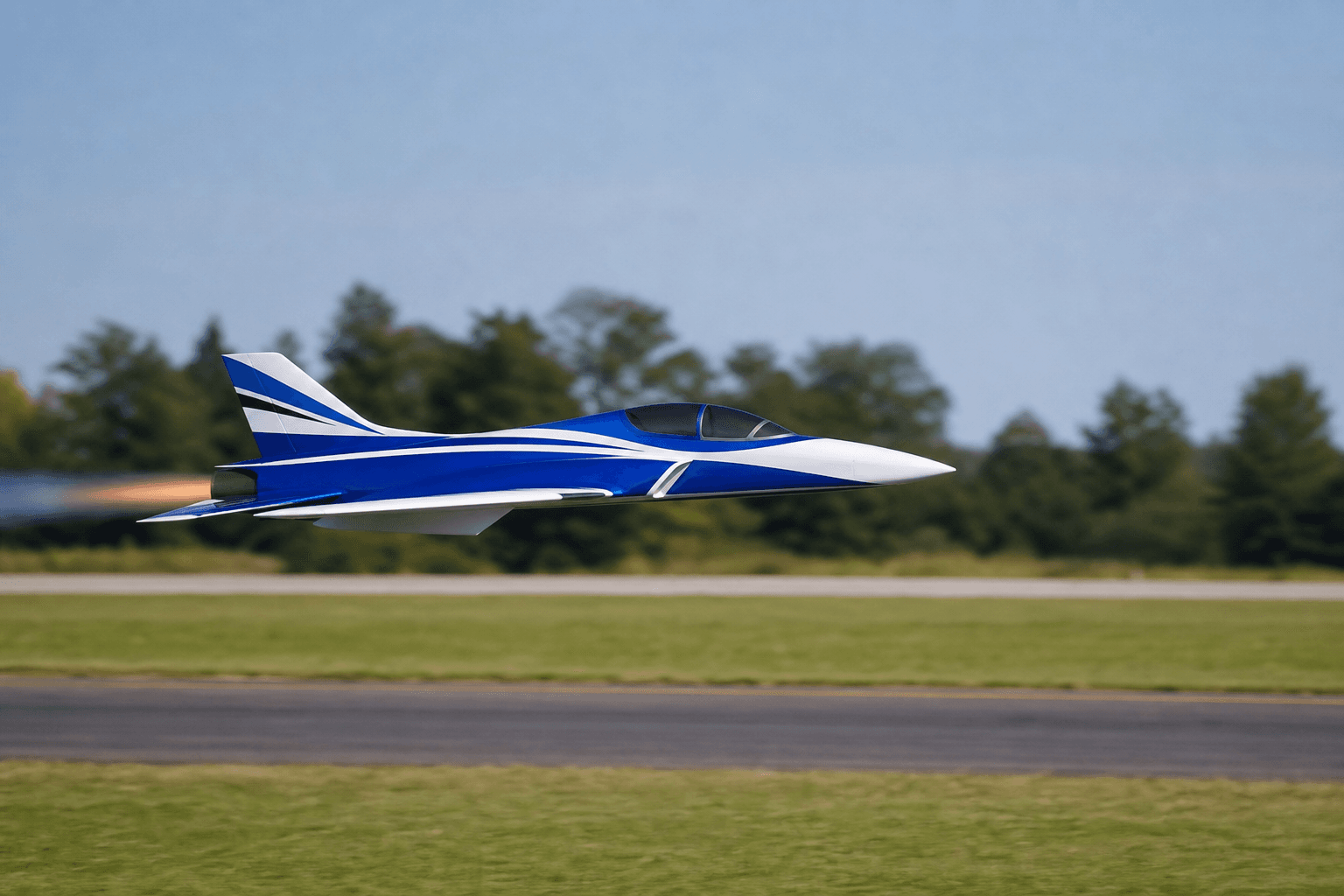
Boom Supersonic Launches $800K Prize for Amateur Supersonic RC Aircraft
Famed U.S. Air Force aviator Chuck Yeager was the first to exceed the speed of sound in 1947, flying a rocket-powered Bell X-1. Nearly 80 years later, $800,000 in prize money is up for grabs for the first to break the sound barrier with an amateur-built, air-breathing aircraft. Boom Supersonic CEO Blake Scholl last week announced the "Boom Prize," challenging armchair engineers to build a radio-controlled airplane that exceeds Mach 1. The winner will receive $750,000 in prize money and $50,000 in the company's stock. Judges include NASA Administrator Jared Isaacman and popular science YouTuber Scott Manley. The Orteig Prize put Lindbergh across the Atlantic and ignited the airline age. The Kremer Prize produced human-powered flight. The Ansari XPRIZE opened private spaceflight. Today, we're announcing The Boom Prize: $750k in cash and $50k in Boom stock for the first American… — Blake Scholl (@bscholl) July 10, 2026 "The Orteig Prize put [Charles] Lindbergh across the Atlantic and ignited the airline age," Scholl wrote on X . "The Kremer Prize produced human-powered flight. The Ansari XPRIZE opened private spaceflight. Today, we're announcing The Boom Prize." To win the competition, which is free to enter, participants must fly and land a remotely piloted, air-breathing aircraft that breaks the sound barrier in level flight. To prove that the feat is repeatable and not a stunt, they must do so twice in a single day between sunrise and sunset. According to Boom , that has never been achieved and may even be impossible. But the company—which is developing what it bills as the first commercial supersonic jet since Concorde—hopes the contest will have the ripple effect of previous aviation prizes. Lindbergh and the Spirit of St. Louis won the $25,000 Orteig Prize in 1927 by making the first nonstop flight from New York to Paris. A number of aviators died while competing for the prize and in subsequent Atlantic crossing attempts. But Lindbergh's effort preceded an explosion of investment and technological advancement in the commercial aviation world. Similarly, Scaled Composites' Tier One program in 2004 won the $10 million Ansari XPRIZE after flying the first privately built, reusable, crewed spacecraft to space—twice in two weeks. More than two decades later, SpaceX is the world's largest provider of orbital launch services, public or private. Supersonic flight may be on a similar precipice. The FAA in June took the first steps toward repealing its 53-year-ban on supersonic commercial flight over the continental U.S., which is intended to address the noise of sonic booms. The agency proposed a set of interim, noise-based certification standards that would permit those operations without a special flight authorization (SFA)—such as the one Boom used to conduct 13 flights of its XB-1 demonstrator in early 2025. However, the proposal would only permit supersonic flight over land if the aircraft can reduce sonic booms to a quieter "thump"—something the XB-1 demonstrated on two of those flights. The Boom Prize tells participants to build, test, and fly their aircraft in a location that is "entirely up to you" but does not require quiet operation. "Not sure how the FAA will take to this idea," Phil Hardy, president and CEO of a Washington, D.C.-based consulting and government relations firm, replied to Scholl's post on X. "Amateur supersonic missile toys. Sure, why not?" An FAA spokesperson told FLYING that entrants will be responsible for complying with all agency safety and operational requirements, including those covering supersonic SFAs, implying that they would need to obtain such permissions. However, the regulator has awarded only four supersonic SFAs, all to private companies rather than individuals. Boom notes that "entrants are fully and solely responsible for the safety of their operations and for compliance with all applicable laws and regulations." How It Works To compete for the Boom Prize, entrants must be U.S. persons and funded by private, personal, or crowdfunded donations. The contest is intended for amateurs such as students and hobbyists. Corporate entrants or teams backed by venture capital, corporate sponsorships, or institutional or government funding are not allowed. Aerospace professionals can still compete but only using their own resources. "Build it in your garage like everyone else," the contest's website states. Registration is free but must be completed before the first supersonic attempt. The competition will remain open through the end of 2030, though Boom could extend it. One key requirement for the Boom Prize is the use of turbojet, turbofan, or ramjet propulsion. Rocket thrusters and onboard oxidizers are not permitted. In addition the aircraft must have a maximum takeoff weight no higher than 55 pounds (including fuel), be fixed-wing and generate lift primarily from aerodynamic surfaces, and allow a human to maintain continuous command and instant abort authority. Teams can build their aircraft using commercial components. But participants will need to prove they did most of the work themselves, "in the spirit of the FAA's amateur-built rule," Boom said. The aircraft will need to sustain a true airspeed faster than the local speed of sound—dependent on air temperature—for five or more seconds, without losing altitude during the transition from Mach 0.80 to Mach 1. Diving and using gravity for acceleration is forbidden. The aircraft must then make a controlled landing in a designated area, such that it does not require replacement of major components to fly again. Between attempts, participants will be able to refuel and make minor repairs. But they must use the same wings, fuselage, engine, and flight control computer for both flights, completing the second on a reciprocal heading to the first. Speed will be measured by onboard instruments and verified using GPS telemetry, ground atmospheric measurements, and other data. In addition to Isaacman and Manley, judges include Phil Condit, the former chairman and CEO of Boeing who oversaw development of the 777. Rounding out the panel is Tom Mueller, the co-founder of SpaceX and CEO of in-space transportation provider Impulse Space. The prize is cosponsored by Josh Buckley, who heads Boom investor Buckley Ventures, Balaji Srinivasan, an angel investor and former CoinBase executive, and Alex Gerko, who founded the British electronic trading firm XTX Markets, as well as a trio of venture capital firms. Boom said the purse could grow as more sponsors sign on. The $750,000 prize money would be paid out within 60 days of verification of the winning team's attempts. Boom stock worth $50,000 at the time of issuance would be awarded to the team's designee "at a valuation determined by Boom," the company said. The firm implied it may collaborate with the winning team, noting that "whoever builds the first supersonic RC airplane knows things we want to know." However, each team will retain intellectual property rights for their aircraft.
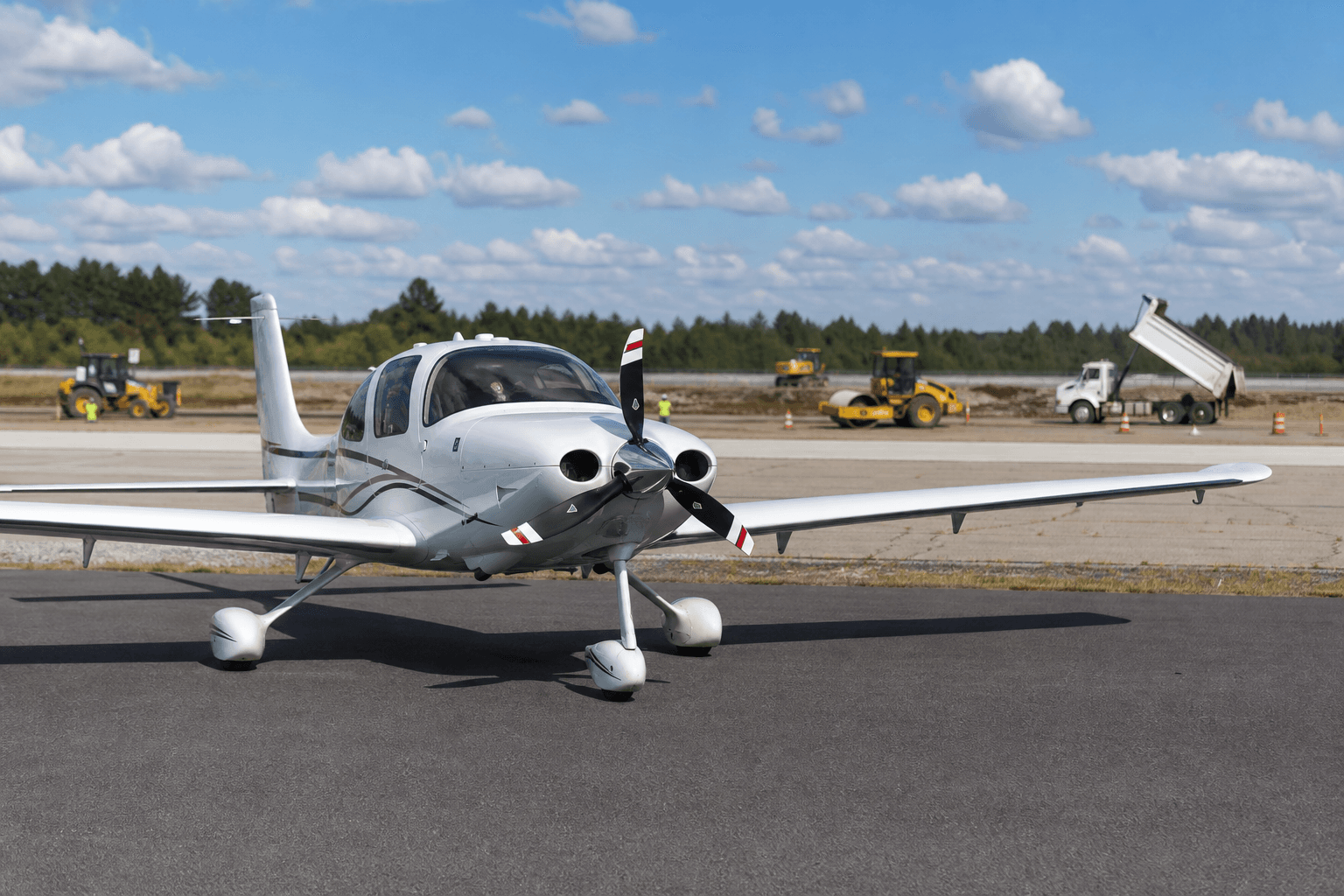
Thun Field Runway Shutdown Forces Flight Schools and Tenants to Shift Operations
Facing a critical four-month shutdown starting July 27, tenants and flight schools at Pierce County Airport-Thun Field (KPLU) in South Hill, Washington, are rushing to relocate as the facility begins a $7.18 million federally funded project to replace its aging runway. "[Runway 17-35] is reaching the end of its lifespan and needs to be reconstructed to remain operational," said Trent Smith, airport manager with the Pierce County Planning and Public Works Department. "This project safeguards a critical county asset. By securing a new 20-to-30-year runway lifespan, this investment eliminates costly emergency repairs and preserves runway access for airport businesses, tenants, pilots, and emergency services." The closure was not a surprise to anyone at the airport, but that doesn't mean the impact won't be felt. For months businesses, tenants, and pilots have been wondering where they will go and what they will do during the temporary closure. Part of the challenge was that Pierce County, the airport sponsor, had discussed the project for several years. It would surface, then be put on the back burner when more pressing matters came up. Airport tenants began to doubt the project would happen in their lifetime. READ MORE: Airport Spotlight: Homeowners Reclaiming Crest Airpark READ MORE: When the Airport Is the Destination As part of the long-term planning the county discussed the need to replace the 3,651-foot-by-60-foot runway. The county told airport users that the runway's length will remain the same, but it will be widened to 75 feet, and the airport hangar's electrical infrastructure will be rehabilitated. Additionally, the field drainage will be improved, new PAPI (precision approach path indicator) lighting will be installed, two taxiway connectors will be realigned and repaved, and the windsock, segmented circle, and wind tee will be relocated. The trees and brush that obstruct pilot sightlines and block the Automated Weather Observing System (AWOS) will also be removed. The construction is being funded by a $7.18 million FAA Airport Improvement Program (AIP) grant. On-site work will kick off with hangar electrical rehabilitation beginning July 24. With fixed-wing operations suspended, flight schools and tenants at Washington's Pierce County Airport-Thun Field (above) are navigating a total facility shutdown. [Credit: Meg Godlewski] During the months of planning the county heard a great deal of concern about the impact a total runway shutdown would have on airport tenants, businesses, and flight schools. Some of them offered the following suggestions to mitigate the impact: • Perform the work in the winter when there is less flyable weather. However, that idea was shot down immediately as it was noted that weather delays would stretch out the project and increase the cost. • Perform the work in phases that would allow part of the runway to remain open or at night so that it could be open during the day. This also was rejected. "While we explored alternatives to minimize disruptions, a phased approach or night work is not feasible for this project," Smith said in a statement to FLYING . "Due to the runway's specific length requirements and strict budget constraints, the reconstruction must be completed in a single, non-phased timeline during daylight hours." • A proposal to use the taxiway on the west side of the runway as a temporary one was nixed as too risky because it is in close proximity to the hangars. The county website notes that "monthly fees for hangars and tie-downs remain in effect as these cover the exclusive use of the storage space, which remains accessible. Tenants are encouraged to review their individual lease for any exceptions." Hangar tenants, some paying $373 per month for one with electricity, were told they would need to continue to make the payments while the runway is closed or risk losing their space. They were also advised to expect an increase in hangar rent in 2027. In airport advisory meetings a few business owners who depend on fly-in traffic asked if they would still have to pay rent during the closure. When the answer was yes, it sent a murmur of displeasure through the audience. "While the runway will be closed to fixed-wing operations during construction, the airport grounds, hangars, and facilities will remain accessible, allowing businesses to continue operating," Smith said. "Lease agreements remain in effect, and Pierce County does not anticipate offering rent reductions or adjustments during this period." Spencer Aircraft, one of the larger businesses at the airport with a pilot supply store, maintenance, and avionics department, has spent several months adjusting logistics to prepare for the shutdown. "Avionics is working out of Auburn [Municipal Airport/S50], and Spencer Aircraft will still be working from our location," said Duane Wetherbee, vice president of Spencer Aircraft. "We will also have a few planes working in our hangar that are staying on the field." Some tenants who requested anonymity stated the extended closure would kill their businesses, some of which have not completely recovered from the COVID-19 pandemic that choked supply chains and made it difficult to get parts for aircraft repair. Field maintenance providers have been looking for temporary locations from which to operate. Flight Schools KPLU is one of the busiest training airports in the Seattle area, with no fewer than three robust flight schools—Safety in Motion (the sister company to Spencer Aircraft), Spanaflight, the oldest flight school in Pierce County, and Clover Park Technical College. As of Friday morning, all three were preparing to temporarily relocate to Olympia Regional Airport (KOLM), 27 nm to the southwest. The airport is a towered Class D facility with a VOR on the field. Spanaflight and Safety in Motion have operated satellite schools out of KOLM for several years. During the work Spanaflight will also operate a temporary facility out of Auburn Municipal, a non-towered airport some 14 nm to the north of KPLU. Clover Park Technical College (CPTC), which has its aviation campus on KPLU’s southeast corner, is also temporarily moving to KOLM. CPTC has been at KPLU since 2000 when a purpose-built facility known as the South Hill campus was constructed to house the flight training and aviation maintenance programs. The main campus for the school is in Lakewood, Washington. CPTC traces its roots back to 1942 when it was established to train people to support the war effort. Claire Korschinowski, CPTC dean of instruction, aviation and advanced manufacturing, said the relocation of the flight program to KOLM is temporary. "Training will be done in our fleet with our employees," Korschinowski said. "We are working under a Part 141 certificate, and the FAA gave us a letter of understanding to allow us to operate in the temporary location. The FAA recognizes this is a set of circumstances that we cannot control, and we want to remain providing service to the community." The CPTC program has 47 students enrolled at this time. Usually there are as many as 60, but some students chose not to return for summer quarter because of the impending closure. Many of them are using their Veterans Administration benefits to pay for training. Korschinowski said it has been careful about keeping the students, as well as VA administrators, informed. "The students will still do their ground school on the CPTC South Hill campus," said Korschinowski, adding that A&P and avionics technician courses will not be interrupted by the closure. She said the school has spent years preparing for this. "This is our busiest flying time of year," she said. "We have been doing lots of strategic planning just waiting for this to happen. A few years ago we heard it was going to happen, and then it didn't, and then it did, and we hired extra staff to keep up with the demand for training and we kept the students in
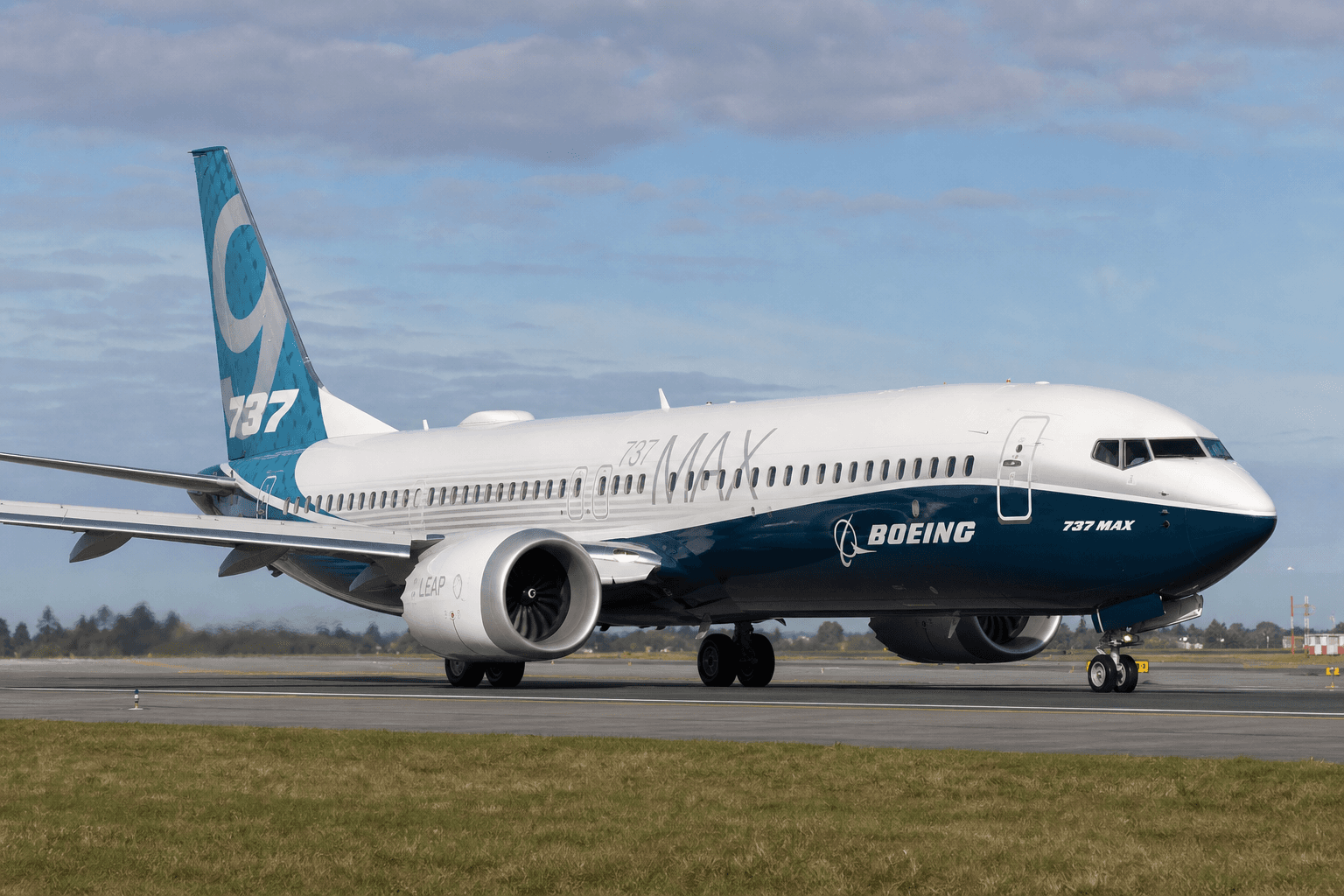
FAA Restores Boeing's Authority to Self-Certify 737 MAX and 787 Aircraft
The Federal Aviation Administration (FAA) is once again letting Boeing consistently issue airworthiness certificates for new 737 MAXs and 787s, years after that was yanked due to production quality issues. This is good news from an efficiency standpoint, but can Boeing be trusted? FAA allows Boeing to issue airworthiness certificates again Effective immediately, the FAA is once again allowing Boeing to issue its own airworthiness certificates for new 737 MAX and 787 aircraft. This is a major development for Boeing, as the aerospace giant had these privileges yanked in 2019 for the 737 MAX, and in 2022 for the 787. For some background, Boeing has of course been under incredible regulatory scrutiny in recent years, and for good reason. First there were the two fatal 737 MAX crashes in 2018 and 2019 (Lion Air and Ethiopian Airlines), and then we've seen all kinds of additional quality control issues with both the 737 MAX and 787. As part of the increased oversight, Boeing's ability to self-certify the airworthiness of new aircraft was taken away. In other words, Boeing couldn't just say that its planes were safe, but it had to actually prove it to regulators, before they'd sign off on that. The concept of self-certifying planes is possible through the FAA's Organization Designation Authorization (ODA) program, which allows authorized organizations to perform certification functions on behalf of the FAA, such as issuing airworthiness and production certifications for aircraft. So the FAA is now once again delegating this to Boeing, so Boeing can decide if an aircraft is safe to operate. Getting to this point has been a process. As of late September 2025, the FAA started to allow Boeing to issue its own airworthiness certificates, but only on alternating weeks. The idea was then to see if there was any difference in production quality for the planes certified directly by Boeing, rather than by the FAA. The FAA claimed that there was no difference in quality. Boeing can again issue its own airworthiness certificates The FAA claims that it's confident in Boeing's quality The FAA claims that safety drives everything that the organization does, and the FAA is only allowing this step because it's confident that it can be done safely. This decision follows a thorough review of Boeing's ongoing production quality, and will reportedly allow FAA inspectors to focus additional surveillance on the production process. For example, there will be more FAA inspectors observing critical assembly stages, examining trends, ensuring Boeing mechanics are performing work to approved type design and engineering requirements, and assessing all activities for Boeing's continuous improvement of its Safety Management System (SMS). Inspectors will also observe Boeing's safety culture, ensuring that Boeing employees can report safety issues without fear of retribution. Here's what FAA Administrator Bryan Bedford had to say about this development: "Safety drives everything we do, and this step forward is only possible because we are confident it can be done safely. Our inspectors will continue rigorous oversight of Boeing's production while focusing more of their time where it has the greatest impact—identifying and addressing potential risks earlier in the manufacturing process." I'm sure people will have conflicting takes on this, with many thinking it reflects the current administration's anti-regulation attitude. I don't have a terribly strong take on this, though this is definitely positive news in terms of Boeing being able to deliver planes more efficiently, which has been a massive issue for the company in recent years. Can Boeing be trusted to self-certify planes in this way, given its track record? I mean, I don't think any for-profit, publicly traded company can be "trusted." However, I do believe that the top executives at Boeing now finally have the mandate to focus on quality and long term sustainability over short term profits, so in that sense, I do think progress has been made. Hopefully this represents Boeing turning a corner in a positive way, though only time will tell. Let's hope this all works out well for air travelers Bottom line Boeing has regained the ability to consistently issue airworthiness certificates for new planes. These are privileges that were taken away in 2019 for the 737 MAX, and in 2022 for the 787. As of late 2025, we saw Boeing regain the ability to issue airworthiness certificates on alternating weeks, and now it can do so consistently. The FAA claims that it's confident in Boeing's quality improvements, and that resources would better be put into oversight of Boeing in other areas. We'll see how this plays out, but it should be good news in terms of the pace at which planes are delivered. What do you make of Boeing regaining the ability to self-certify its aircraft?
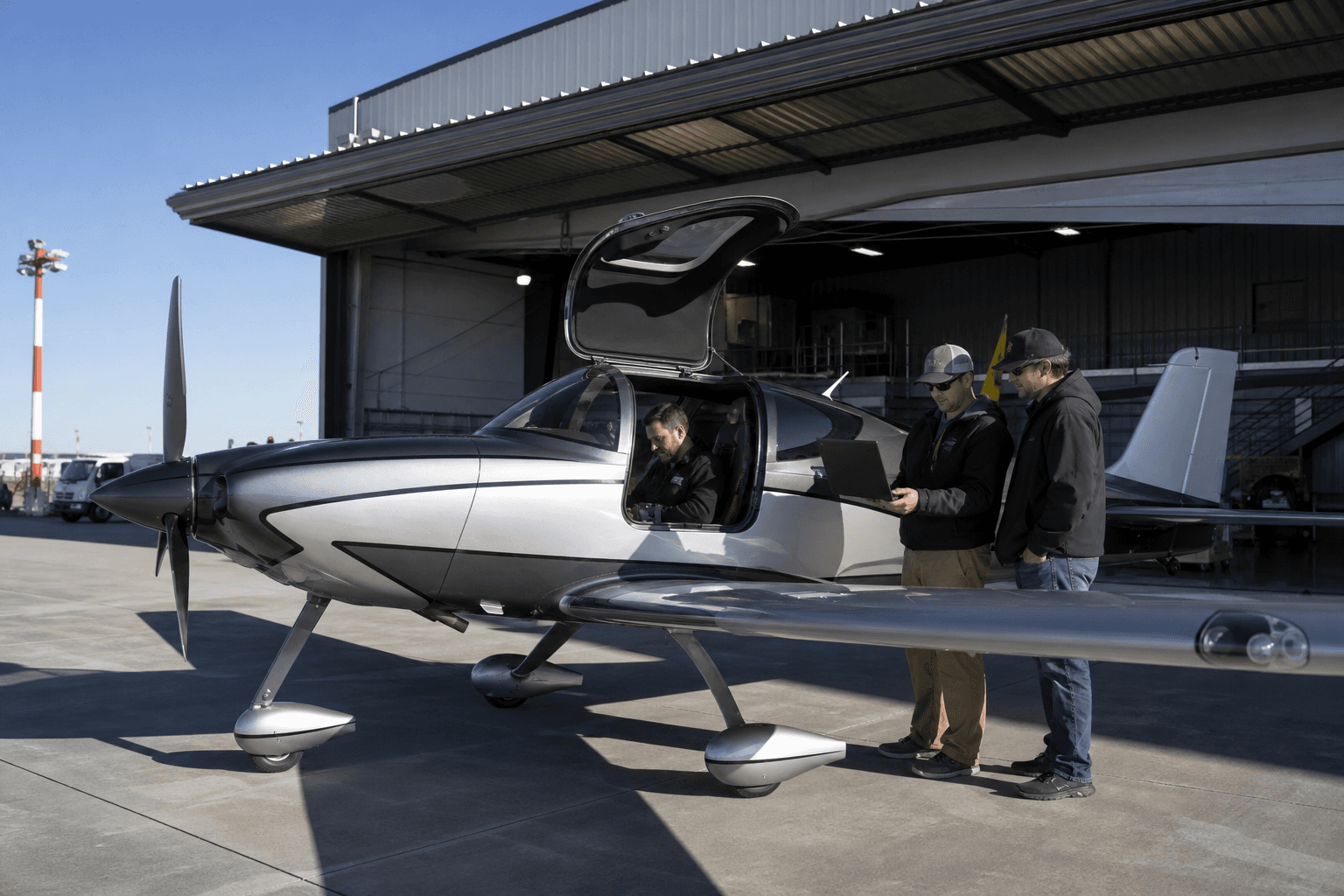
FAA Approves Certification Standards for Next-Gen Light-Sport Aircraft Under MOSAIC
The Federal Aviation Administration (FAA) has accepted a new set of industry standards that will allow manufacturers to begin certifying larger and more capable light-sport aircraft under the agency's MOSAIC rules. The decision gives aircraft makers an FAA-approved way to show that new airplanes, gliders, powered-lift aircraft and gyroplanes meet the design and production requirements that take effect on July 24, 2026. Without those standards, manufacturers had the new regulations but lacked the detailed compliance framework needed to certify aircraft under them. The FAA accepted four ASTM International integration standards as a means of compliance with the new Part 22 airworthiness rules, which took effect on July 16. ASTM's F37 committee organized each integration standard around a package of more detailed requirements covering areas such as aircraft structures, flight characteristics, landing gear, engines, propellers, fuel and electrical systems, installed equipment and occupant protection. The packages also include requirements for production testing, quality assurance, maintenance programs and continued operational safety. Some aircraft may need to meet additional standards for night flight, instrument operations, water operations or certain aerial-work missions. The move removes one of the final obstacles to the aircraft-certification portion of MOSAIC, short for Modernization of Special Airworthiness Certification. The FAA finalized the rule in July 2025. Changes affecting sport pilots and light-sport repairmen took effect in October 2025. MOSAIC replaces several rigid limits from the original light-sport rules with performance-based requirements. The rule opens the category to aircraft with as many as four seats and allows designs with retractable landing gear, constant-speed propellers and a wider range of propulsion systems. The FAA also removed the 1,320-pound maximum takeoff weight for landplanes. Aircraft must instead meet limits based largely on stall speed, maximum level-flight speed and other performance characteristics. The change gives manufacturers room to develop light-sport aircraft with greater payload, range and utility than most aircraft built under the original rules. The FAA's acceptance does not approve any individual aircraft. Each manufacturer must still design and test its aircraft, follow the applicable standards, maintain a production-quality system and submit a statement of compliance before the FAA issues an airworthiness certificate. The agency also accepted only the specific versions of the standards listed in its notice. ASTM revisions will require separate FAA acceptance before manufacturers can use them as an approved means of compliance. The notice does not cover every aircraft category that MOSAIC could eventually accommodate. The FAA, for instance, has not yet accepted an integration standard for light-sport helicopters. ASTM continues to develop that standard through its F37 committee. ASTM F3840-26 includes provisions for multicopters, but the FAA accepted it only for powered-lift aircraft. The agency also said it has not accepted a standard that would allow manufacturers to classify aircraft in the four covered categories as having simplified flight controls. The new standards will apply to light-sport category aircraft certificated on or after July 24 and to eligible experimental light-sport kits whose manufacturers sign their compliance statements after that date. Previously accepted standards will continue to govern repairs and alterations to aircraft certificated under the old light-sport system. They will also continue to apply to certain kit-built aircraft supported by compliance statements signed before the July 24 date. The change does not automatically increase the approved weight or operating limits of aircraft already in service. Existing aircraft will continue to operate under the certification basis and limitations that manufacturers used when they produced them.
The Daily Touch & Go
The day's best aviation news in your inbox. Free, no spam.