Illustration: The Touch & Go
Boom Supersonic Launches $800K Prize for Amateur Supersonic RC Aircraft
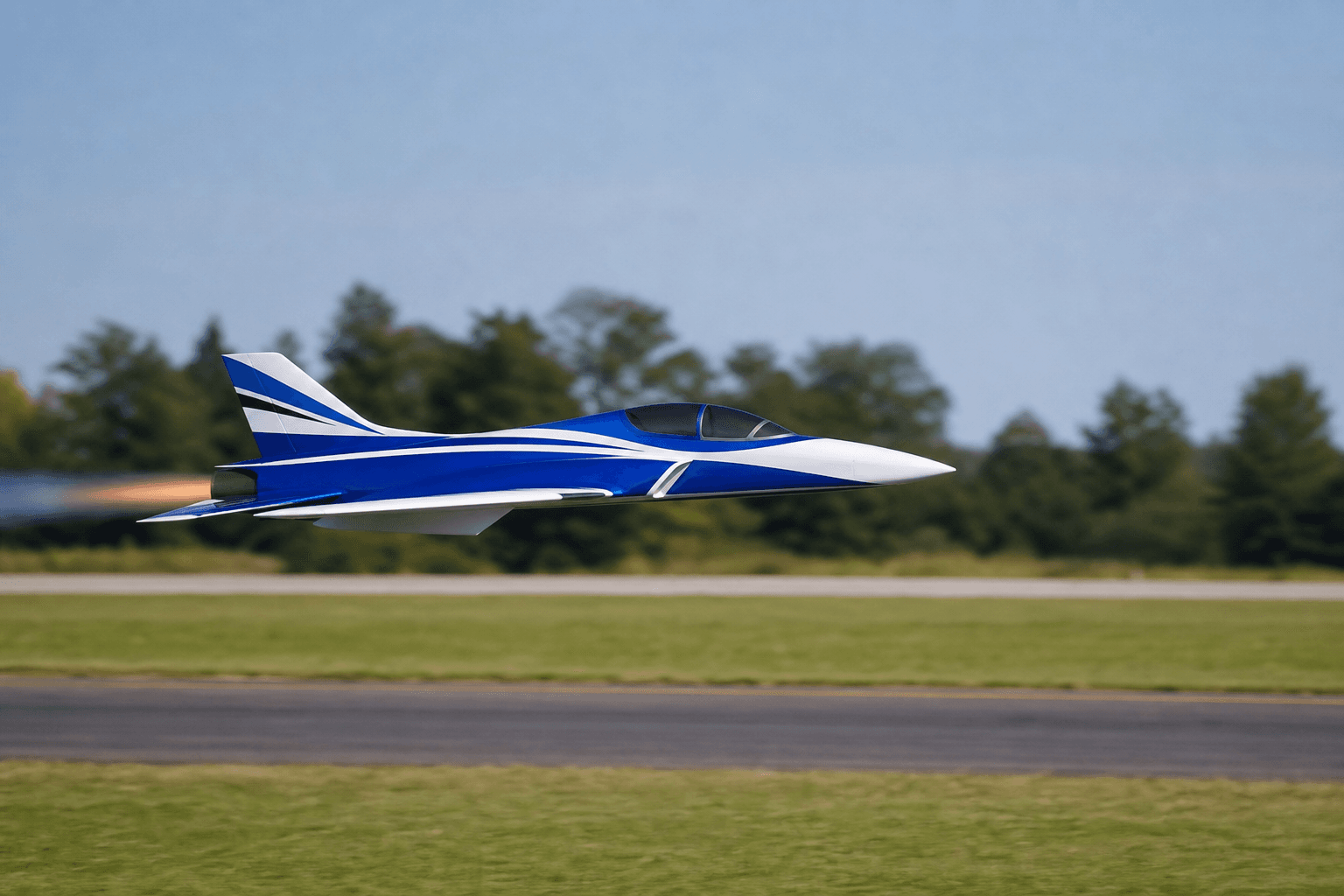
Boom Supersonic offers $750,000 plus stock for the first amateur-built jet-powered model to exceed Mach 1 twice in one day and land safely.
The gist
An $800K Boom Supersonic Prize challenges amateurs to build and fly a supersonic RC airplane with jet propulsion, replicating an aviation milestone.
Continuing coverage
All Faa Regulations →Boom Supersonic has unveiled an $800,000 competition aimed at citizen engineers and hobbyists: the first remotely piloted, air-breathing aircraft to break the sound barrier twice in a single day will claim $750,000 in cash plus $50,000 in Boom stock. This announcement comes nearly 80 years after Chuck Yeager first exceeded Mach 1 in 1947, and at a time when supersonic flight is poised for a commercial revival.
The Boom Prize challenges participants to engineer a radio-controlled airplane propelled by turbojet, turbofan, or ramjet engines—not rockets—with a maximum takeoff weight capped at 55 pounds including fuel. Entrants must demonstrate controlled and sustained supersonic flight in level conditions and complete safe landings without significant repairs to restore airworthiness, proving repeatability by performing two such flights between sunrise and sunset along reciprocal headings.
Judging the competition will be a notable panel led by NASA Administrator Jared Isaacman and science YouTuber Scott Manley, accompanied by aerospace veterans including former Boeing CEO Phil Condit and SpaceX co-founder Tom Mueller. Extracurricular funding or corporate sponsorships are barred to ensure the contest remains accessible to amateurs, students, and professionals operating with personal means only.
Historically, aviation prizes like the Orteig, Kremer, and Ansari XPRIZE have spurred dramatic leaps by incentivizing pioneering feats. Lindbergh’s 1927 nonstop transatlantic flight won the Orteig Prize, igniting the aviation industry. Similarly, the Ansari XPRIZE’s 2004 success in private reusable spaceflight paved the way for industry giants like SpaceX. Boom Supersonic aims to harness this legacy to accelerate innovation in supersonic aviation, a segment once dormant since Concorde’s retirement.
Regulatory conditions remain complex, especially in the U.S., where the FAA’s longstanding ban on supersonic overland flights is beginning to ease. Recent FAA proposals would allow supersonic operations if sonic booms can be mitigated to quieter thumps, achievements Boom’s XB-1 demonstrator has partially demonstrated. However, Boom’s contest does not mandate quiet supersonic operation for entrants, but participants must meet all FAA safety and operational requirements, including obtaining any necessary supersonic flight authorizations.
Applicants will be responsible for all operational safety and legal compliance during their flights. While the FAA has granted only a handful of supersonic flight authorizations to private companies, the Prize encourages amateur efforts to push boundaries, potentially prompting regulatory evolution. The competition opens pathways for innovation in both aerospace engineering and regulatory policy concerning supersonic model flight.
The prize remains open through 2030 with the possibility of extension and does not impose geographic restrictions on flight location. Entrants must use primarily homebuilt methods for their aircraft construction, ensuring the spirit of amateur efforts is preserved. Teams must also supply verifiable data from onboard instruments and ground measurements to authenticate supersonic speeds surpassing local sound velocity.
This initiative by Boom signals a growing enthusiasm and potential rebirth in supersonic aviation technology, driven not only by companies developing commercial jets but also by grassroots innovators worldwide. The contest’s rules mandating air-breathing propulsion and controlled flight challenge participants to meet real aerodynamic and propulsion hurdles mirroring full-scale aviation development.
Frequently asked questions
- What are the requirements to win the Boom Prize?
- To win, participants must build a remotely piloted, air-breathing airplane weighing no more than 55 pounds, fly faster than Mach 1 twice in one day in level flight without altitude loss, and make safe landings using the same core components for both flights.
- Who is eligible to compete in the Boom Prize?
- The competition is open only to U.S. persons using personal or crowdfunded funding; corporate-backed teams or venture capital sponsors are not allowed, encouraging amateur builders such as students and hobbyists.
- What propulsion types are permitted for competing aircraft?
- Entrants must use turbojet, turbofan, or ramjet engines; rocket thrusters and onboard oxidizers are prohibited to ensure the contest focuses on air-breathing propulsion.
Read more
All Aviation Safety →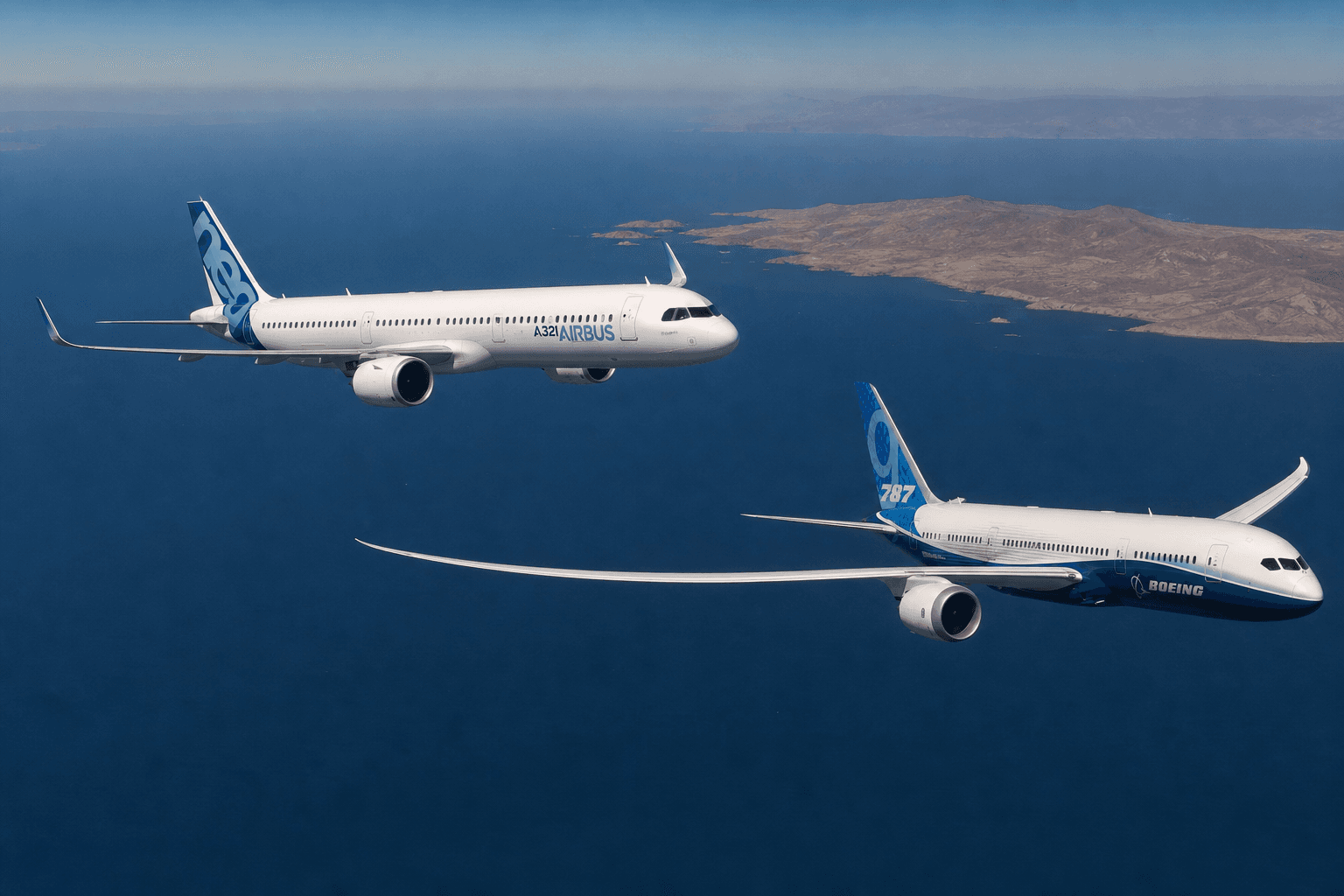
Iberia A321XLR and Air Europa 787 narrowly avoid collision over Western Sahara airspace
Both aircraft were at same cruise altitude on bidirectional airway in Canaries airspace. Spanish investigators are probing an indecent in which a Boeing 787-9 and an Airbus A321XLR took evasive action while travelling head-on along the same airway at the same cruise altitude. The aircraft were converging from opposite directions at 36,000ft on airway N857, according to preliminary information from Spanish investigation authority CIAIAC. CIAIAC identifies the aircraft involved as an Iberia A321XLR (EC-OLE), heading northeast, and an Air Europa 787 (EC-NBM). According to documents from Spanish air navigation service Enaire and a collision-risk analysis from Eurocontrol, airway N857 is bidirectional. Aircraft flying the even-numbered cruise altitude of 36,000ft would typically be southbound on this airway – like the 787 – with northbound aircraft occupying odd-numbered levels. CIAIAC states that the 10 July incident occurred in darkness, between the waypoints ETIBA and BIPET within oceanic airspace of the Canaries upper information region. This section of the airway lies some 70nm off the coastline of the territory of Western Sahara. CIAIAC says the aircraft were "at the same flight level, flying on the same airway in the opposite direction", but has not elaborated on how they came to be in conflict. The inquiry says the conflict was resolved by the collision-avoidance systems on both aircraft, leading the A321XLR to descend by 500ft and the 787 to climb by 400ft. None of the 454 passengers and 18 crew members on board the jets was injured.
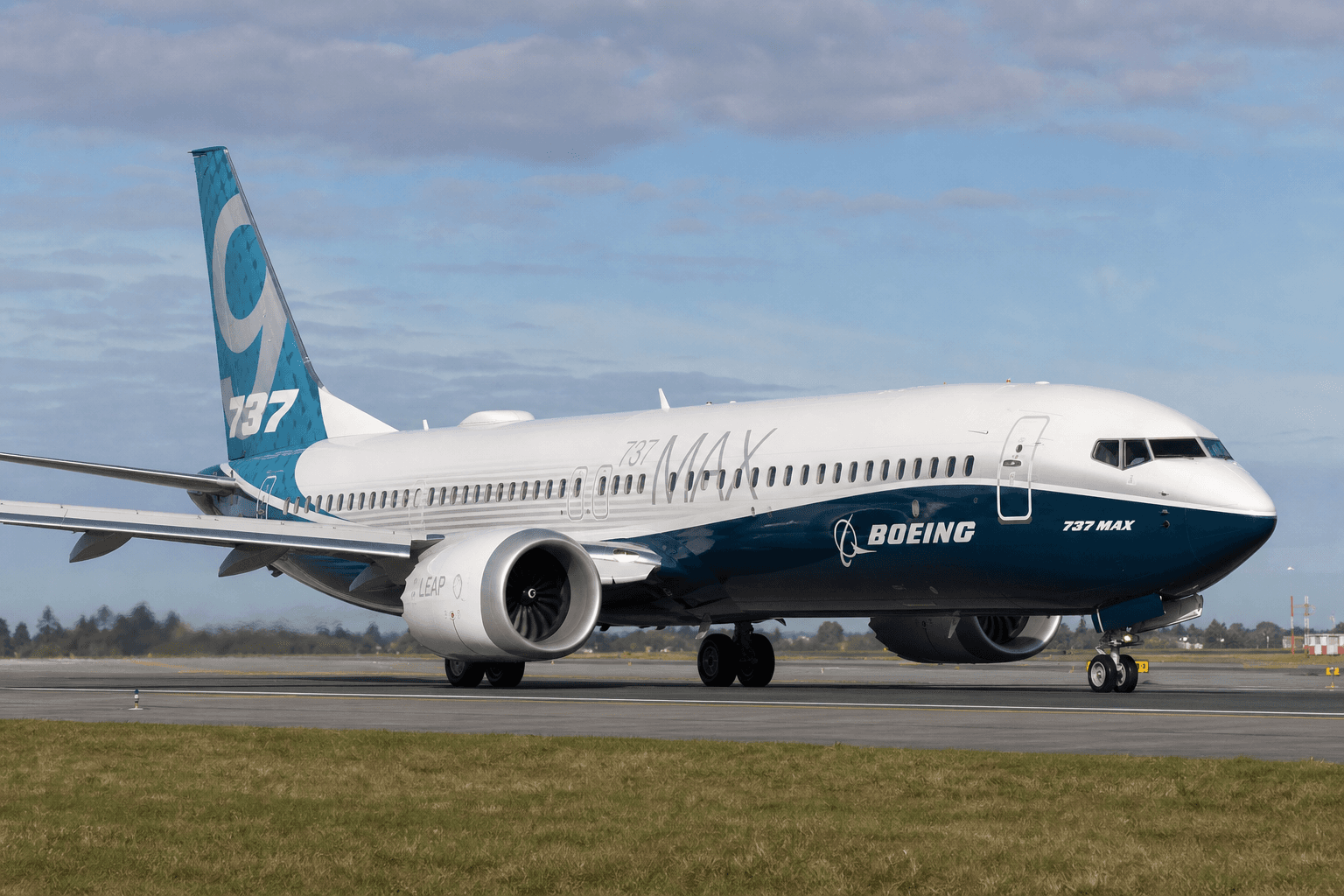
FAA Restores Boeing's Authority to Self-Certify 737 MAX and 787 Aircraft
The Federal Aviation Administration (FAA) is once again letting Boeing consistently issue airworthiness certificates for new 737 MAXs and 787s, years after that was yanked due to production quality issues. This is good news from an efficiency standpoint, but can Boeing be trusted? FAA allows Boeing to issue airworthiness certificates again Effective immediately, the FAA is once again allowing Boeing to issue its own airworthiness certificates for new 737 MAX and 787 aircraft. This is a major development for Boeing, as the aerospace giant had these privileges yanked in 2019 for the 737 MAX, and in 2022 for the 787. For some background, Boeing has of course been under incredible regulatory scrutiny in recent years, and for good reason. First there were the two fatal 737 MAX crashes in 2018 and 2019 (Lion Air and Ethiopian Airlines), and then we've seen all kinds of additional quality control issues with both the 737 MAX and 787. As part of the increased oversight, Boeing's ability to self-certify the airworthiness of new aircraft was taken away. In other words, Boeing couldn't just say that its planes were safe, but it had to actually prove it to regulators, before they'd sign off on that. The concept of self-certifying planes is possible through the FAA's Organization Designation Authorization (ODA) program, which allows authorized organizations to perform certification functions on behalf of the FAA, such as issuing airworthiness and production certifications for aircraft. So the FAA is now once again delegating this to Boeing, so Boeing can decide if an aircraft is safe to operate. Getting to this point has been a process. As of late September 2025, the FAA started to allow Boeing to issue its own airworthiness certificates, but only on alternating weeks. The idea was then to see if there was any difference in production quality for the planes certified directly by Boeing, rather than by the FAA. The FAA claimed that there was no difference in quality. Boeing can again issue its own airworthiness certificates The FAA claims that it's confident in Boeing's quality The FAA claims that safety drives everything that the organization does, and the FAA is only allowing this step because it's confident that it can be done safely. This decision follows a thorough review of Boeing's ongoing production quality, and will reportedly allow FAA inspectors to focus additional surveillance on the production process. For example, there will be more FAA inspectors observing critical assembly stages, examining trends, ensuring Boeing mechanics are performing work to approved type design and engineering requirements, and assessing all activities for Boeing's continuous improvement of its Safety Management System (SMS). Inspectors will also observe Boeing's safety culture, ensuring that Boeing employees can report safety issues without fear of retribution. Here's what FAA Administrator Bryan Bedford had to say about this development: "Safety drives everything we do, and this step forward is only possible because we are confident it can be done safely. Our inspectors will continue rigorous oversight of Boeing's production while focusing more of their time where it has the greatest impact—identifying and addressing potential risks earlier in the manufacturing process." I'm sure people will have conflicting takes on this, with many thinking it reflects the current administration's anti-regulation attitude. I don't have a terribly strong take on this, though this is definitely positive news in terms of Boeing being able to deliver planes more efficiently, which has been a massive issue for the company in recent years. Can Boeing be trusted to self-certify planes in this way, given its track record? I mean, I don't think any for-profit, publicly traded company can be "trusted." However, I do believe that the top executives at Boeing now finally have the mandate to focus on quality and long term sustainability over short term profits, so in that sense, I do think progress has been made. Hopefully this represents Boeing turning a corner in a positive way, though only time will tell. Let's hope this all works out well for air travelers Bottom line Boeing has regained the ability to consistently issue airworthiness certificates for new planes. These are privileges that were taken away in 2019 for the 737 MAX, and in 2022 for the 787. As of late 2025, we saw Boeing regain the ability to issue airworthiness certificates on alternating weeks, and now it can do so consistently. The FAA claims that it's confident in Boeing's quality improvements, and that resources would better be put into oversight of Boeing in other areas. We'll see how this plays out, but it should be good news in terms of the pace at which planes are delivered. What do you make of Boeing regaining the ability to self-certify its aircraft?
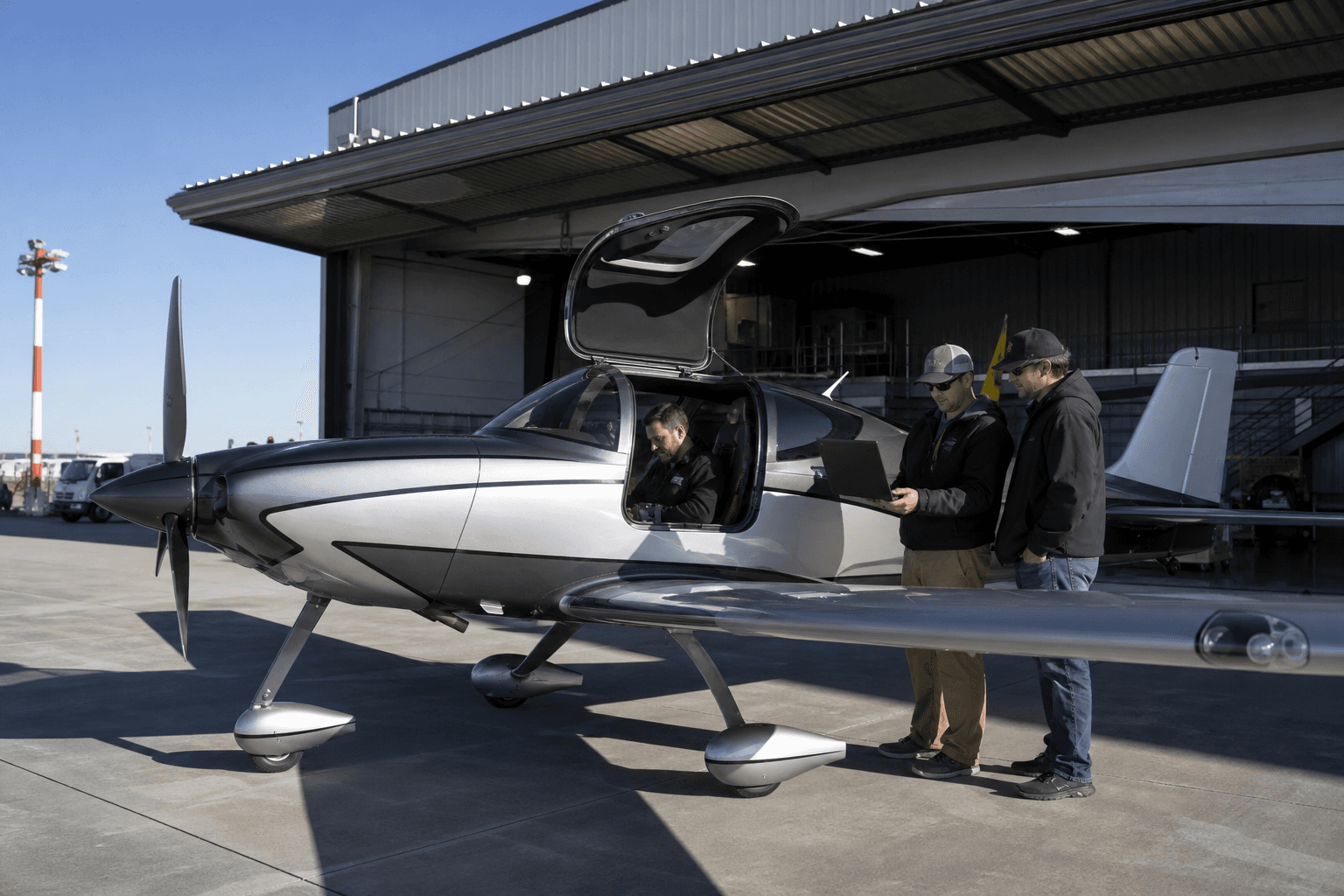
FAA Approves Certification Standards for Next-Gen Light-Sport Aircraft Under MOSAIC
The Federal Aviation Administration (FAA) has accepted a new set of industry standards that will allow manufacturers to begin certifying larger and more capable light-sport aircraft under the agency's MOSAIC rules. The decision gives aircraft makers an FAA-approved way to show that new airplanes, gliders, powered-lift aircraft and gyroplanes meet the design and production requirements that take effect on July 24, 2026. Without those standards, manufacturers had the new regulations but lacked the detailed compliance framework needed to certify aircraft under them. The FAA accepted four ASTM International integration standards as a means of compliance with the new Part 22 airworthiness rules, which took effect on July 16. ASTM's F37 committee organized each integration standard around a package of more detailed requirements covering areas such as aircraft structures, flight characteristics, landing gear, engines, propellers, fuel and electrical systems, installed equipment and occupant protection. The packages also include requirements for production testing, quality assurance, maintenance programs and continued operational safety. Some aircraft may need to meet additional standards for night flight, instrument operations, water operations or certain aerial-work missions. The move removes one of the final obstacles to the aircraft-certification portion of MOSAIC, short for Modernization of Special Airworthiness Certification. The FAA finalized the rule in July 2025. Changes affecting sport pilots and light-sport repairmen took effect in October 2025. MOSAIC replaces several rigid limits from the original light-sport rules with performance-based requirements. The rule opens the category to aircraft with as many as four seats and allows designs with retractable landing gear, constant-speed propellers and a wider range of propulsion systems. The FAA also removed the 1,320-pound maximum takeoff weight for landplanes. Aircraft must instead meet limits based largely on stall speed, maximum level-flight speed and other performance characteristics. The change gives manufacturers room to develop light-sport aircraft with greater payload, range and utility than most aircraft built under the original rules. The FAA's acceptance does not approve any individual aircraft. Each manufacturer must still design and test its aircraft, follow the applicable standards, maintain a production-quality system and submit a statement of compliance before the FAA issues an airworthiness certificate. The agency also accepted only the specific versions of the standards listed in its notice. ASTM revisions will require separate FAA acceptance before manufacturers can use them as an approved means of compliance. The notice does not cover every aircraft category that MOSAIC could eventually accommodate. The FAA, for instance, has not yet accepted an integration standard for light-sport helicopters. ASTM continues to develop that standard through its F37 committee. ASTM F3840-26 includes provisions for multicopters, but the FAA accepted it only for powered-lift aircraft. The agency also said it has not accepted a standard that would allow manufacturers to classify aircraft in the four covered categories as having simplified flight controls. The new standards will apply to light-sport category aircraft certificated on or after July 24 and to eligible experimental light-sport kits whose manufacturers sign their compliance statements after that date. Previously accepted standards will continue to govern repairs and alterations to aircraft certificated under the old light-sport system. They will also continue to apply to certain kit-built aircraft supported by compliance statements signed before the July 24 date. The change does not automatically increase the approved weight or operating limits of aircraft already in service. Existing aircraft will continue to operate under the certification basis and limitations that manufacturers used when they produced them.
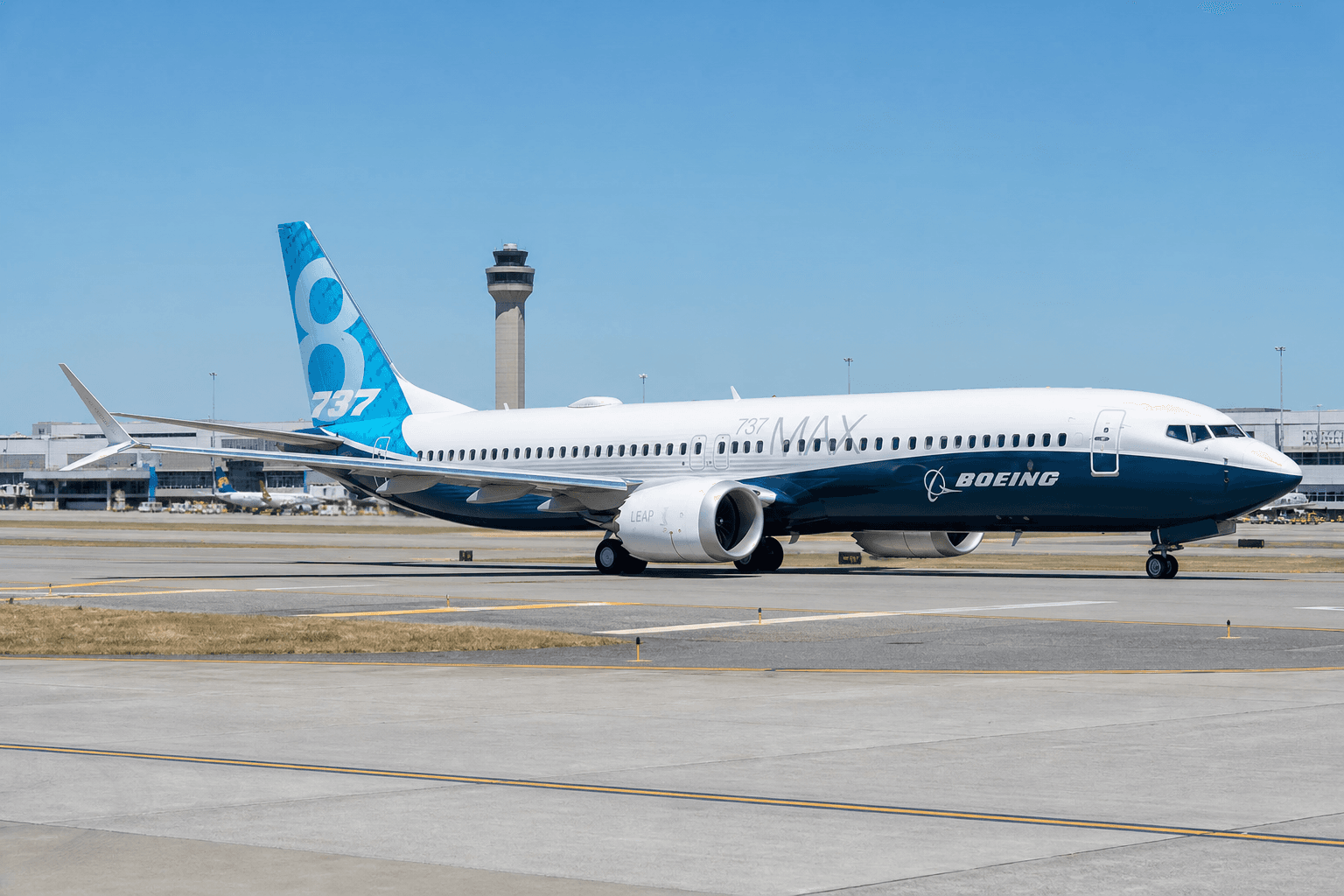
FAA Restores Boeing's Authority to Self-Issue Airworthiness Certificates for 737MAX and 787
The Federal Aviation Administration (FAA) will once again let Boeing mark its own homework after it told the Chicago-headquartered aircraft manufacturer that it is free to issue its own airworthiness certificates for all newly manufactured 737MAX jets and 787 Dreamliners. Boeing has been banned from issuing airworthiness certificates for newly built planes following two fatal crashes of Boeing 737MAX jets. The first belonging to Lion Air, which crashed in October 2018, killing all 189 passengers and crew on board, and the second belonging to Ethiopian Airlines, which crashed in February 2019, with the loss of all 157 passengers and crew. In the aftermath of these crashes, the FAA initially grounded all Boeing 737MAX jets around the world, but even after the planes were allowed to return to the skies some 20 months later, the FAA didn’t reinstate Boeing’s authorization to issue airworthiness certificates for newly built 737MAX jets. Then, in 2022, the FAA also pulled Boeing’s authorization to issue certificates for 787 Dreamliners after serious production quality control issues were made public by insider whistleblowers. But after months of “thorough data and safety review” by FAA inspectors, the agency has decided to reinstate Boeing’s authority to issue its own airworthiness certificates for all new aircraft. The decision comes around 10 months after Boeing was given permission to issue its own airworthiness certificates for specific 737MAX and 787 Dreamliner models. Boeing will be allowed to issue airworthiness certificates under the FAA’s Organization Designation Authorization program, which essentially delegates responsibility for issuing these certificates from federal inspectors to trusted companies. Until now, Boeing wasn’t considered worthy of having ODA authority. "Safety drives everything we do, and this step forward is only possible because we are confident it can be done safely," commented FAA Administrator Bryan Bedford on Friday. "Our inspectors will continue rigorous oversight of Boeing's production while focusing more of their time where it has the greatest impact—identifying and addressing potential risks earlier in the manufacturing process."
The Daily Touch & Go
The day's best aviation news in your inbox. Free, no spam.