

Image: Joe Ravi · CC BY-SA 3.0 · via Wikimedia Commons
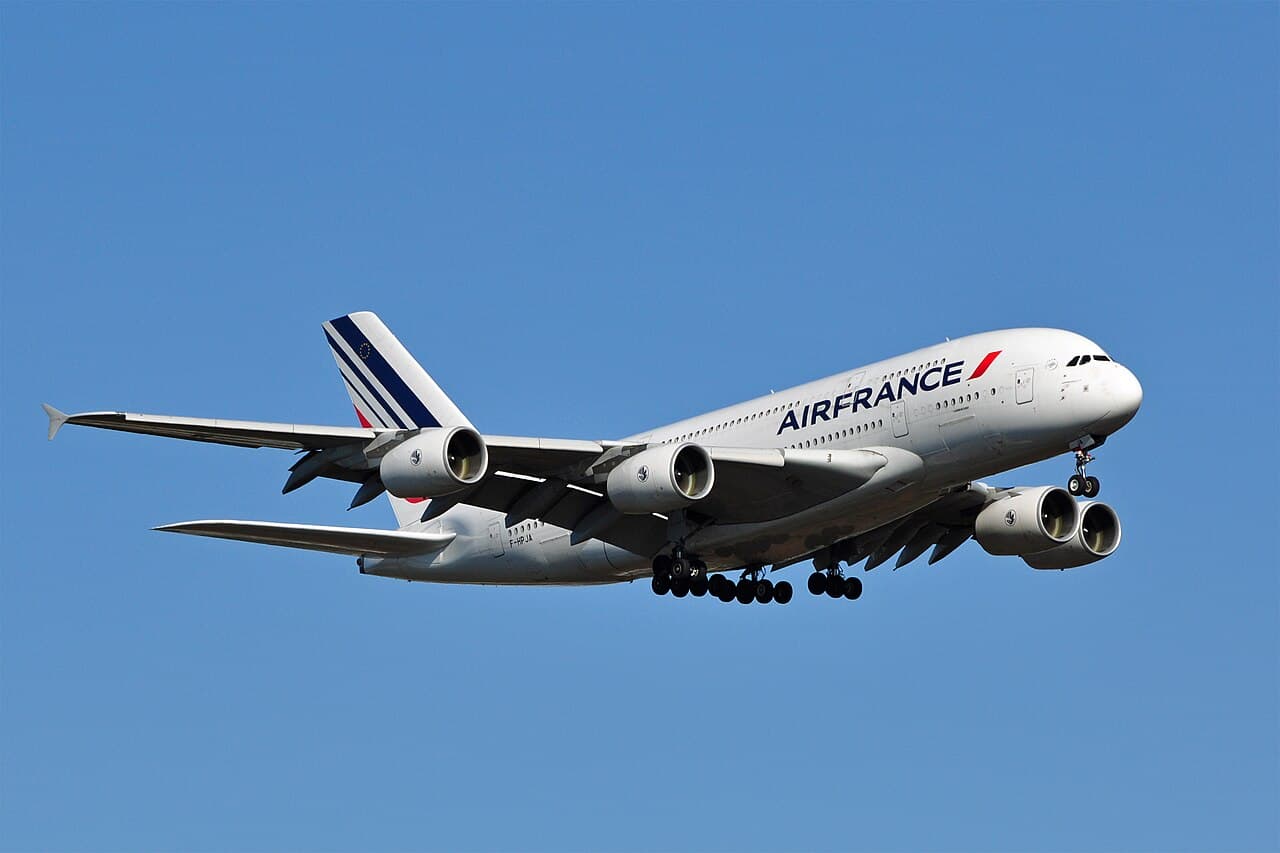
British Airways A380 Returns to Johannesburg After Weather Radar Failure En Route to London
A British Airways Airbus A380 diverted back to Johannesburg seven hours after departure due to a persistent weather radar malfunction preventing safe continuation to London Heathrow.
The gist
Weather radar failure forced a BA Airbus A380 to return to Johannesburg, prioritizing safety over completing its London flight.
On August 8, a British Airways Airbus A380 operating flight BA54 from Johannesburg Airport (JNB) to London Heathrow (LHR) experienced a critical technical issue shortly after takeoff, forcing the aircraft to divert back to its origin airport after approximately seven hours in the air. The primary cause was a malfunction in the aircraft's weather radar system, which failed to provide accurate weather data despite the crew's troubleshooting efforts. After initial post-departure warnings and persistent display clutter on the radar scope, the flight crew determined the system was inoperative and opted for an immediate return to maintain safety margins.
The problem manifested through intermittent warnings on the Electronic Centralized Aircraft Monitor, with the radar screen showing dense, unresolvable clutter that obscured detection of weather hazards such as rain and storm fronts. The crew also attempted to use the backup radar system, but this was nonfunctional. Given the limits this imposed on situational awareness, particularly over the variable weather conditions encountered en route, the pilots made the prudent decision to abort the mission and land the aircraft as soon as safely possible.
Although a weather radar failure does not impede the aircraft's mechanical flight capabilities, it severely limits the crew’s ability to detect convective weather and turbulent cells that could threaten passenger safety. This concern was heightened by the flight’s routing over the Democratic Republic of the Congo, a region known for rapidly developing cumulonimbus storm activity. The high cruising speed and large size of the A380 increase the risk of severe turbulence encounters, which can impose damaging airframe loads and endanger occupants.
The aircraft departed at approximately 9:15 PM local time, flying mostly in darkness until its return at 2:45 AM, according to tracking data. Despite having reached airspace over Central Africa, the plane still carried sufficient fuel necessitating a fuel dump to reduce landing weight. The crew even communicated plans to potentially enter a holding pattern to safely manage weight prior to landing. Handling such a heavily fueled aircraft requires careful coordination with air traffic control and adherence to operational restrictions at the airport.
Weather radar is a vital tool for detecting atmospheric hazards invisible to the naked eye, such as microbursts during final approach and regions of wind shear or hail. The system operates by emitting radio waves through an antenna embedded in the aircraft’s nose cone, analyzing returned energy to map precipitation and movement. Doppler processing enhances hazard recognition by identifying velocity variations in precipitation particles, alerting pilots to threats that could cause rapid loss of lift or aircraft control.
British Airways’ decision to turn back underscores the operational protocols that classify weather radar failure as a non-negotiable no-go condition for long-haul flights, especially when traversing notoriously volatile weather zones. With safety as the paramount consideration, the crew prioritized maintaining full situational awareness over proceeding on the planned route. The unwavering adherence to such standards protects passengers and prevents costly damage from weather-related incidents.
This incident highlights the critical role of aircraft weather radar systems in modern aviation and their impact on flight safety decisions. While rare, technical failures of these systems leave crews reliant on alternative measures, which may not offer adequate protection against rapidly changing weather. Airlines and operators continue to evaluate redundancy and maintenance protocols to minimize occurrences and ensure rapid resolution when faults arise.
Given the A380’s size and passenger capacity—the largest commercial jetliner in service—the implications of undetected severe weather are amplified. Convective turbulence can not only injure passengers but also impose structural stress on the airframe requiring extensive maintenance. The conservative approach taken by the British Airways flight crew reflects industry-wide standards designed to mitigate these risks.
As the aviation community digests this event, attention may turn to advances in weather radar technology, system redundancy, and improved fault detection methods that could offer crew members enhanced reliability in flight. Integrating these improvements will be critical as future operations continue navigating complex global weather patterns with increasingly large and sophisticated aircraft.
Frequently asked questions
- Why did the British Airways A380 return to Johannesburg after takeoff?
- The flight crew determined the weather radar system was malfunctioning and inoperative, impairing their ability to detect weather hazards, so they diverted back for safety.
- What makes weather radar failure a critical issue on long-haul flights?
- Without functioning weather radar, pilots lack essential situational awareness to detect hazards like storms, turbulence, or microbursts, which is especially dangerous over volatile weather zones.
- How did the flight crew manage the aircraft's fuel during the diversion?
- Since the A380 had carried significant fuel for the long flight, the crew planned for fuel dumping and possible holding patterns to safely reduce landing weight before returning to Johannesburg.
Read more
All Airports →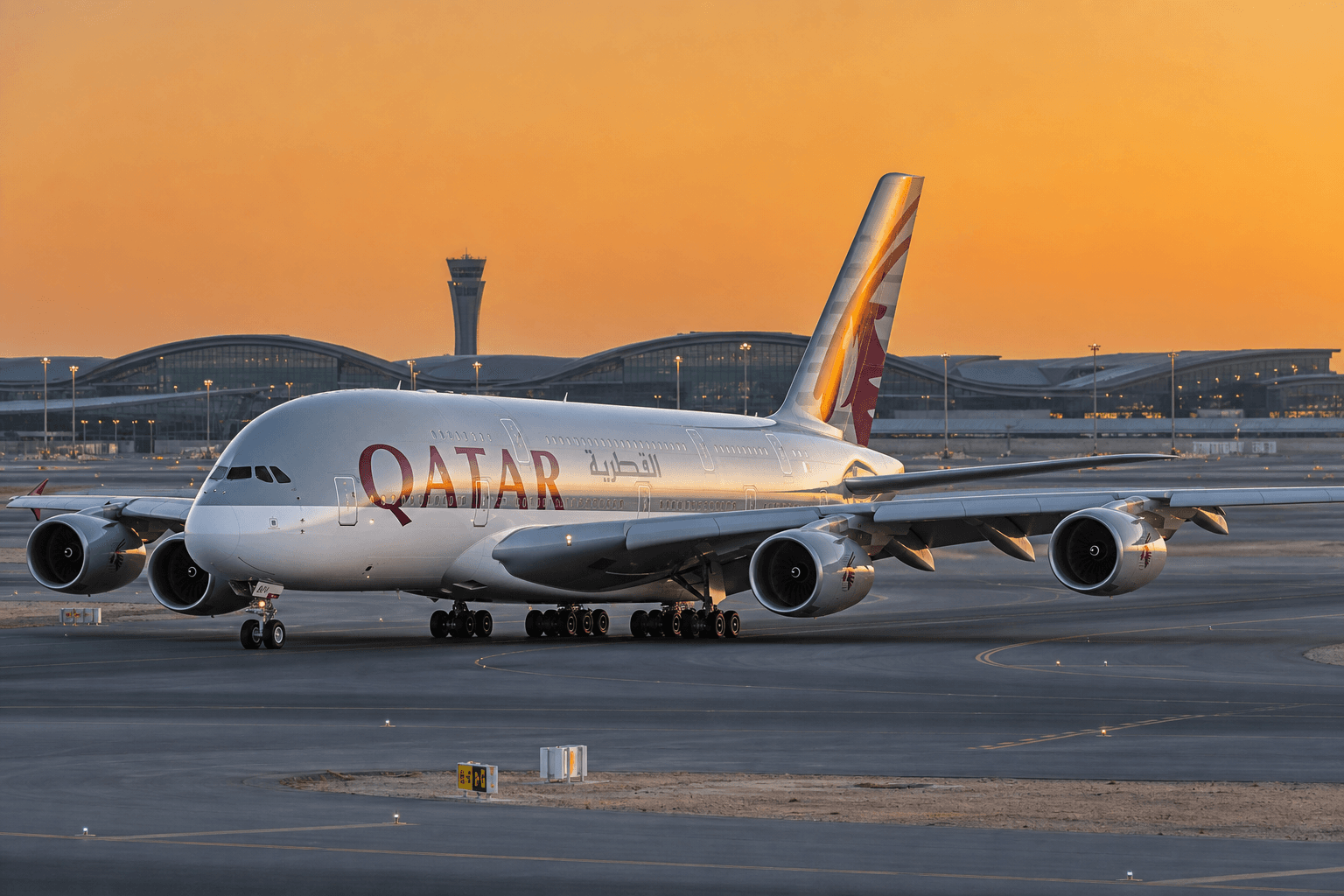
Qatar Airways Reactivates Retired Widebodies After Airbus A350 Grounding Crisis
Few global airlines have leaned on stored and semi-retired widebody aircraft as heavily as Qatar Airways . Facing an unprecedented operational deficit that threatened its core hub-and-spoke model at Hamad International Airport in Doha, the Qatari flag carrier chose an aggressive tactical path to reactivate long-haul airframes it had previously written off or scheduled for permanent phase-out.
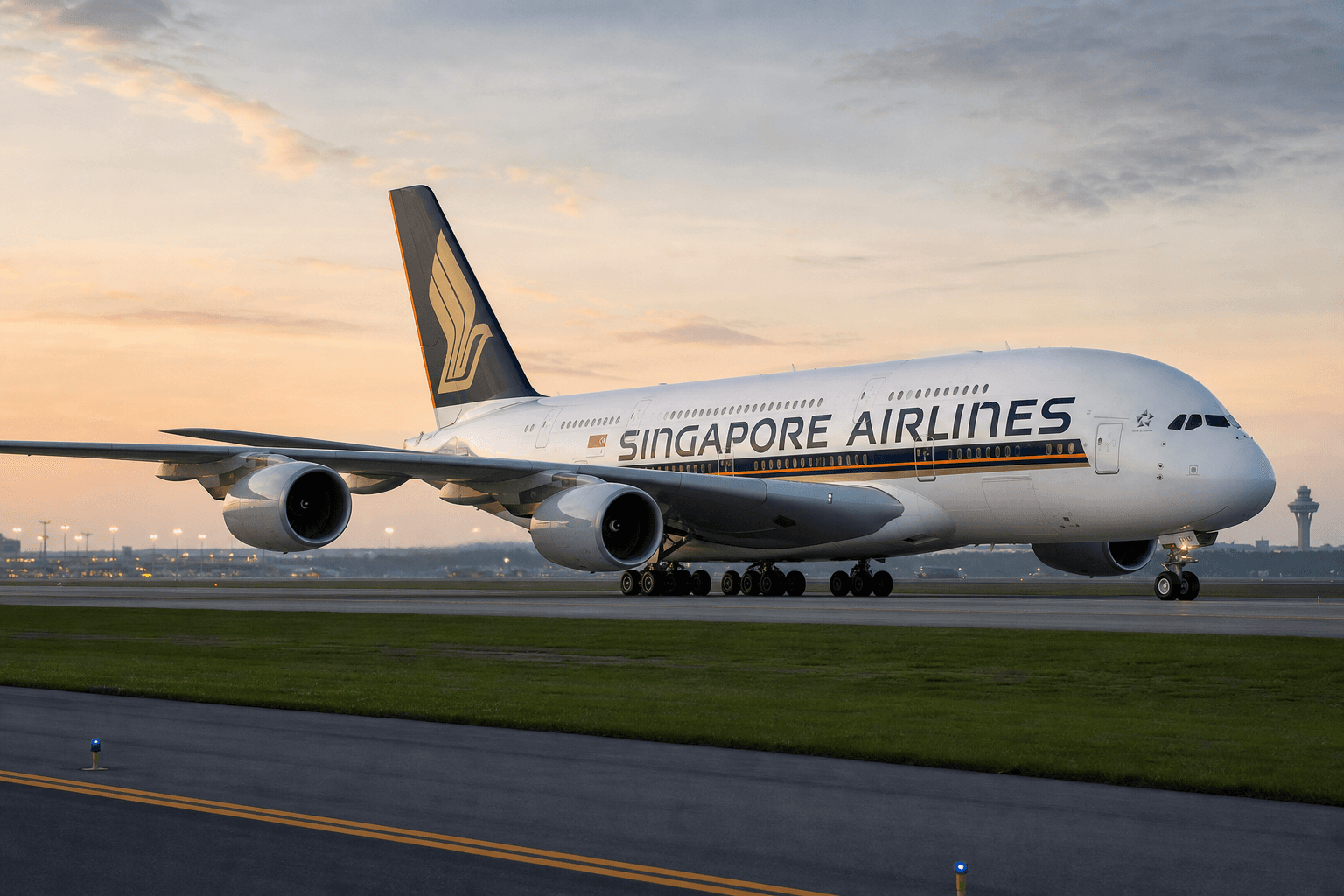
Singapore Airlines schedules Airbus A380 service to Dubai starting March 2027
Due to the ongoing war in Iran, Singapore Airlines has regularly changed the planned launch date of Airbus A380 flights from Singapore Changi Airport (SIN) to Dubai International Airport (DXB). While subject to change, the latest schedule sees the type from the end of next March (if it happens).
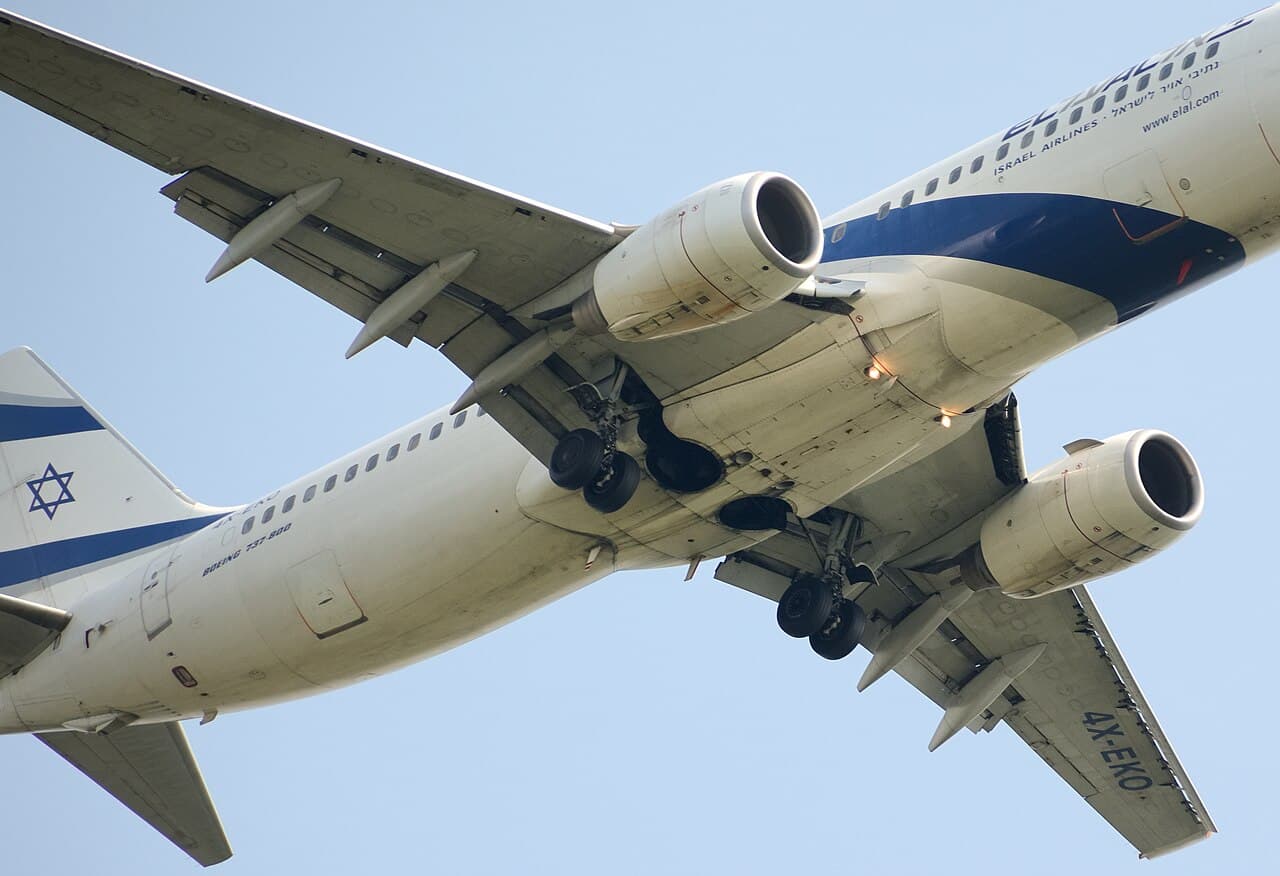
United Airlines Passenger Occupies Entire Boeing 737 Alone After British Airways Incident
A United Airlines passenger ended up as the sole occupant on board a Boeing 737 after he was reportedly abandoned by British Airways at Cincinnati Northern Kentucky Airport on the 4th of July.
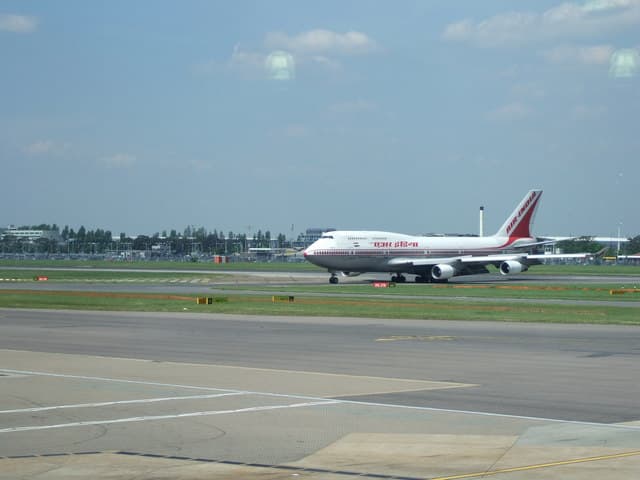
Air India Sets New Flight Frequency Record on Delhi-Melbourne Route This Winter
Air India has scheduled a record number of flights between Delhi Indira Gandhi International Airport (DEL) and Melbourne Airport (MEL) this coming northern winter season, increasing weekly frequencies to ten flights. This is the largest schedule the Indian carrier has ever planned between the two cities as it rebuilds an international network scaled back sharply during the summer.
The Daily Touch & Go
The day's best aviation news in your inbox. Free, no spam.