

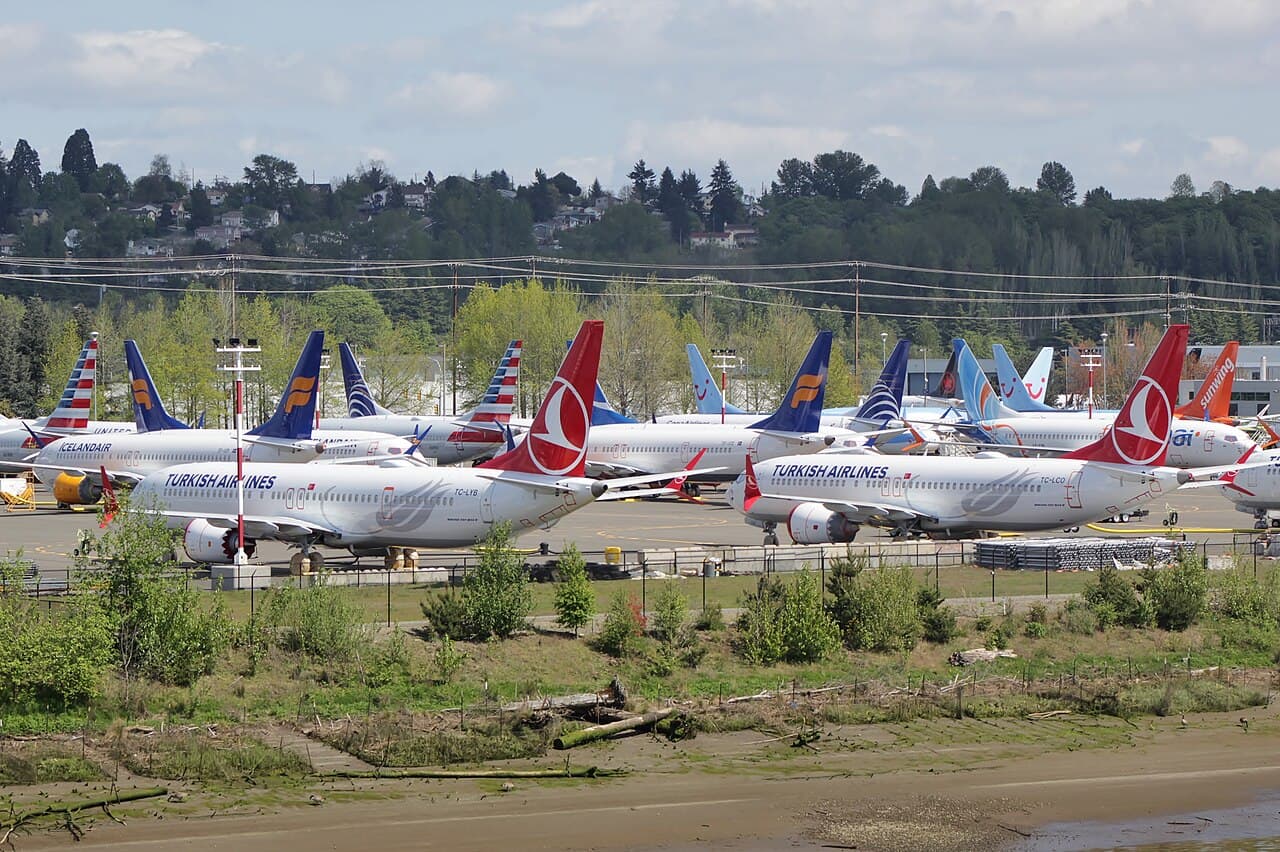
Image: SounderBruce · CC BY-SA 4.0 · via Wikimedia Commons
FAA Orders $2.66M Seat Inspections on 453 Boeing 737 MAX Jets Amid Certification Oversight
The FAA has issued a new airworthiness directive mandating inspection of seats on hundreds of Boeing 737 MAX aircraft due to improper installation concerns, shortly after restoring Boeing's certification privileges.
The gist
FAA mandates costly seat inspections on 453 Boeing 737 MAXs, reaffirming tight oversight despite Boeing regaining certification authority.
Continuing coverage
All Boeing →- Archer Aviation Acquires Boeing's Wisk, Insitu, and SkyGrid to Expand Aerospace AI Platform
- Boeing's July Orders Highlight Significant Deals with Uganda and AerCap
- Boeing Delivers 53 Jets in July Amid Airbus Lead in 2026 Production Race
- Boeing's VC-25B Air Force One Replacements Delayed to 2028-29 Completion
- FAA mandates inspections on 737 Max door straps and proposes 787 Trent 1000 engine fix
The Federal Aviation Administration (FAA) has recently issued a significant airworthiness directive (AD) that calls for inspection and potential repairs of passenger seats on 453 Boeing 737 MAX aircraft registered in the United States. This announcement comes just a week after the FAA restored Boeing's authority to independently certify new instances of its 737 MAX and 787 models, a privilege the manufacturer historically held but lost amid quality and safety concerns in recent years.
Specifically, the FAA's directive targets the seats’ installation on their mounting rails, highlighting that improper assembly may lead to disengagement under increased load conditions. Such loads could occur during turbulence or emergency landings, presenting a safety risk to passengers if seat assemblies detach. Approximately 69 track-mounted passenger seat assemblies per aircraft are subject to inspection, with each inspection taking about one hour and repairs requiring an additional hour per seat if needed. Though multiple technicians can work simultaneously to expedite the process, this directive could lead to notable operational impacts due to aircraft downtime.
This issue initially came to light when Boeing provided guidance to airlines in December 2025 advising them of potential installation faults. The FAA’s issuance of a mandatory AD seals this requirement, underscoring their commitment to stringent oversight despite recent changes in Boeing’s certification responsibilities. The concern mainly revolves around aft shear plungers on seat assemblies failing to properly engage seat tracks during assembly, a problem identified as critical for in-flight safety.
Boeing’s largest US 737 MAX operators, Southwest Airlines and United Airlines, possess 325 and 290 jets respectively. Other major operators include American Airlines, Alaska Airlines, and Allegiant Air, collectively accounting for 839 MAX aircraft in the US fleet. Given the scale, more than half of all US-registered 737 MAXs require seat inspections. Globally, over 2,200 737 MAX jets have been delivered, meaning the directive could prompt widespread inspections and repairs beyond US borders as other aviation agencies are expected to adopt similar mandates.
The estimated financial impact for US operators could reach a combined $2.66 million to cover repairs, a considerable expense despite being relatively modest compared to aircraft acquisition costs. While airworthiness directives are common safety instruments in commercial aviation, this action happens amidst increased scrutiny of the 737 MAX following past safety issues, including two fatal crashes between 2018 and 2019, and other mechanical incidents such as a 2024 door plug blowout event on an Alaska Airlines 737 MAX 9.
The FAA had suspended Boeing's privilege to self-certify new 737 MAX and 787 aircraft in light of past design flaws and ongoing quality control concerns. Since July 20, 2026, Boeing has been permitted again to issue airworthiness certificates for these models, signaling regulatory confidence in the manufacturer's recent production and quality improvements. Boeing has worked extensively to address the problems that led to production halts and regulatory actions, including safety investigations and production process enhancements.
The FAA continues to balance granting operational freedoms to Boeing with rigorous oversight measures. The new seat inspection AD illustrates that even as Boeing regains certification authority, the regulator remains vigilant in ensuring ongoing safety compliance of existing fleets. The 737 MAX production rate, previously constrained to 38 aircraft per month, has been allowed incremental increases up to 47 per month as Boeing demonstrates improved quality assurance capabilities.
Airworthiness directives like this serve as essential tools for maintaining the safety and integrity of commercial airliners throughout their lifespans. While costly and operationally impactful, they reflect a proactive regulatory approach focused on preventing incidents stemming from manufacturing or assembly oversights. This comprehensive oversight is particularly critical for aircraft types with high public scrutiny and significant operational volumes, such as the Boeing 737 MAX series.
Frequently asked questions
- Why did the FAA issue an airworthiness directive for the Boeing 737 MAX seats?
- The FAA found that some seats on 453 US-registered Boeing 737 MAX aircraft may have been improperly installed to the seat rails, risking disengagement during increased loads such as turbulence or emergency landings.
- How many Boeing 737 MAX aircraft in the US are affected by the seat inspection directive?
- The AD affects 453 US-registered Boeing 737 MAX jets, including fleets from Southwest Airlines, United Airlines, American Airlines, Alaska Airlines, and Allegiant Air, totaling 839 aircraft in the US fleet.
- What recent certification change has Boeing experienced regarding the 737 MAX and 787?
- On July 20, 2026, the FAA restored Boeing's authority to independently issue airworthiness certificates for new 737 MAX and 787 aircraft after previously revoking it due to quality and safety concerns.
Read more
All MRO/Maintenance →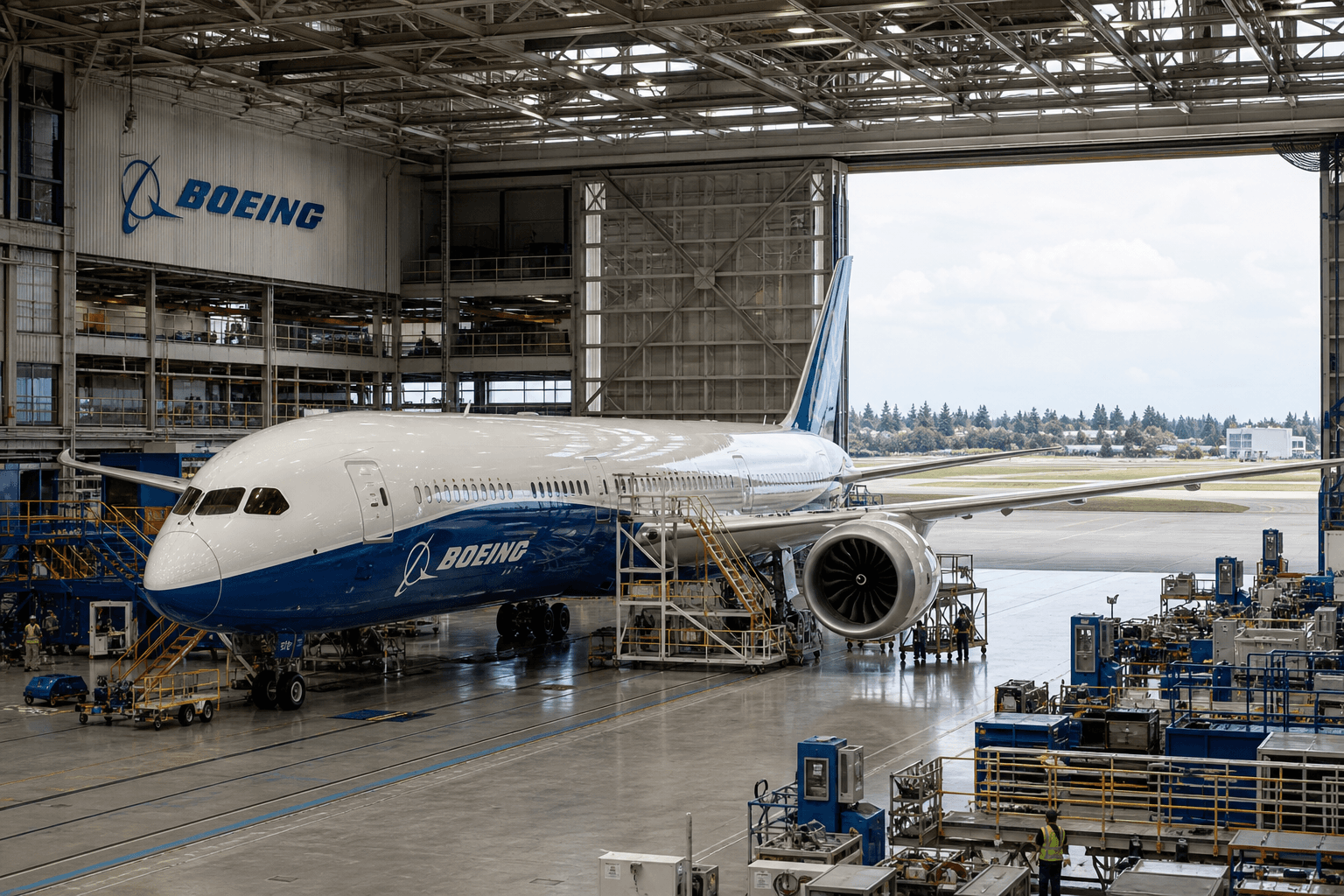
Boeing Forecasts Nearly $5 Trillion Market for Aviation Services and 2.4 Million Jobs by 2045
Boeing has released its latest 20-year outlook, forecasting a massive $4.9 trillion market for commercial aviation support and services through 2045. ezstandalone.cmd.push(function () { ezstandalone.showAds(119); }); The company also projects strong demand for more than 2.4 million new aviation professionals worldwide. This positive outlook highlights the industry’s resilience and long-term growth potential despite current challenges. The forecasts come from Boeing’s 2026 Services Market Outlook and Pilot & Technician Outlook. They show sustained expansion in commercial aviation, with air traffic and demand expected to double over the next two decades. ezstandalone.cmd.push(function () { ezstandalone.showAds(127); }); Near-term supply chain and production issues are not expected to derail this long-term trajectory. Key Trends Driving the Services Several important factors will shape the future of aviation services: ezstandalone.cmd.push(function () { ezstandalone.showAds(128); }); Aircraft lifecycle management and efficiency initiatives Digitalization and data-driven services as fleets become smarter Geographic shifts in where services are needed most Workforce transformation to meet evolving demands Rising retirements that increase the need for new talent “As we look toward the future, we see strong demand for services across the portfolio, new opportunities as fleets become more digitally enabled and a growing need for a skilled workforce,” said Chris Raymond, president and CEO of Boeing Global Services . ezstandalone.cmd.push(function () { ezstandalone.showAds(129); }); Boeing expects digital solutions, maintenance, repair, overhaul, parts supply, and training to drive much of this growth. Airlines and operators will focus on keeping aircraft flying safely, efficiently, and sustainably while adopting new technologies. A rendering of Boeing’s Second 787 Final Assembly Building when complete (Credit: Boeing) Massive Workforce Demand Ahead Fleet growth and retirements will create significant job opportunities. Boeing’s outlook projects a global need for approximately: 674,000 new pilots 728,000 maintenance technicians 1,023,000 cabin crew members ezstandalone.cmd.push(function () { ezstandalone.showAds(130); }); This totals more than 2.4 million new aviation professionals through 2045. About two-thirds of these positions will replace retiring workers, while one-third will support expanding fleets. The industry is turning to innovative training methods to address these shortages. Competency-based training, immersive technologies, and advanced simulation tools will help develop skilled personnel faster and more effectively. “Our industry will keep the expanding global fleet flying safely and efficiently by investing in workforce development worldwide,” said Chris Broom, Vice President of Commercial Training Solutions at Boeing Global Services . “Immersive technologies will enhance training and support the highest quality aviation standards.” ezstandalone.cmd.push(function () { ezstandalone.showAds(131); }); Photo Credit: Boeing Regional Opportunities Vary Widely Demand will not be uniform across the globe. Eurasia leads with $1.185 trillion in services and support demand and 571,000 new personnel. China follows closely at $875 billion and 425,000 workers. North America is projected to need $995 billion in services and 438,000 new professionals. Other notable regions include: Southeast Asia: $425 billion, 258,000 personnel Middle East: $475 billion, 236,000 personnel Latin America: $260 billion, 136,000 personnel Africa: $140 billion, 75,000 personnel These figures reflect shifting economic power, growing middle classes in emerging markets, and varying fleet ages and growth rates. ezstandalone.cmd.push(function () { ezstandalone.showAds(132); }); Photo Credit: Boeing Challenges and Opportunities The industry faces real constraints in production, supply chains, and workforce availability. However, Boeing views these as areas for investment and innovation. Digital modernization, sustainability efforts, and improved training will help overcome barriers and unlock new value. The aviation services sector offers stable, long-term opportunities compared to the more cyclical aircraft manufacturing market. As fleets grow and age, the need for ongoing support creates recurring revenue streams for service providers, airlines, and training organizations. This outlook signals confidence in aviation’s future. Strong passenger demand, technological progress, and global economic expansion should drive the industry forward, creating trillions in economic activity and millions of skilled jobs worldwide. ezstandalone.cmd.push(function () { ezstandalone.showAds(133); }); For aviation professionals, students considering careers in the field, and businesses in the supply chain, Boeing’s forecasts point to a bright horizon filled with opportunity. Success will depend on proactive investment in people, technology, and sustainable practices.
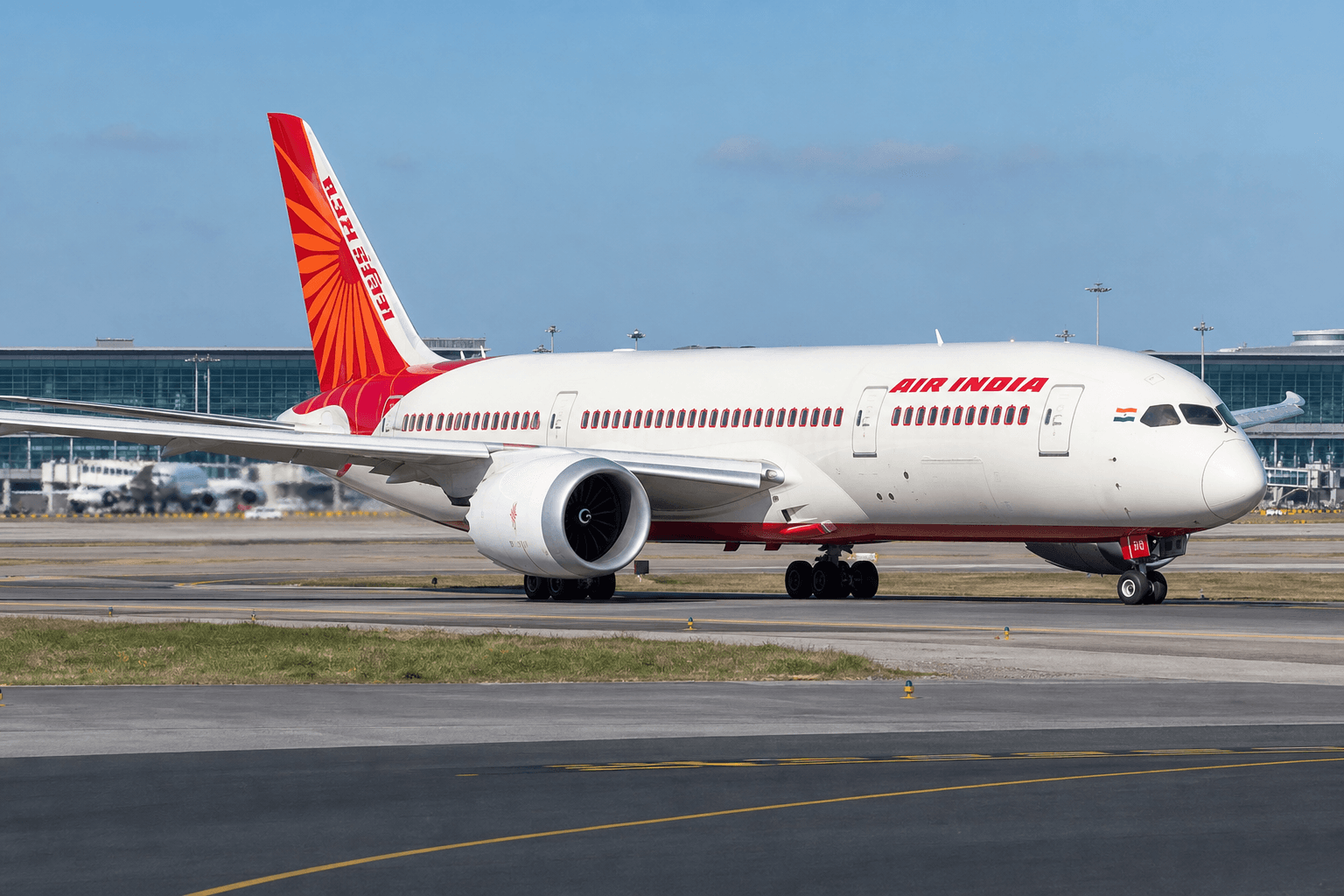
Former Ethiopian Airlines CEO Tewolde Gebremariam appointed as Air India CEO
Former Ethiopian Airlines boss Tewolde Gebremariam has been named as the new CEO of Air India, following a comprehensive search to identify the next leader. On August 5, 2025, Air India announced that Gebremariam's "track record" leading Ethiopian Airlines made him "uniquely suited" to for the position. "Tewolde Gebremariam is widely recognized as one of the most successful aviation chief executives," Air India said. "During his decade-plus tenure as CEO of Ethiopian Airlines Group, he spearheaded a multi-billion-dollar expansion, transforming a regional carrier into Africa's largest, most profitable, and decorated airline group—growing revenue by more than fourfold and fleet size nearly threefold." Air India said its objective was to find a leader with a "proven record of managing mega-scale airline turnarounds". Fortune Global Forum 2019 / Flickr.com The airline praised Gebremariam's ability to manage "complex operational landscapes, driving cultural transformation, building competitive global hubs, and developing world-class MRO (Maintenance, Repair, and Overhaul) and aviation training infrastructure". Gebremariam served as the CEO of Ethiopian Airlines from January 2011 to March 2022 and was succeeded by Mesfin Tasew. "Having completed the initial phase of stabilization, integration, and fleet commitments under Campbell's guidance, Air India is now entering a critical execution and expansion era," N. Chandrasekaran, Chairman of Tata Sons and Air India, said. "Tewolde's track record in building one of the world's most efficient and profitable airline groups makes him uniquely suited to lead Air India." Campbell Wilson announced his resignation on April 7, 2026, ending a nearly four-year tenure leading the Tata Group-owned carrier through a sweeping post-privatization transformation. John Taggart / Creative Commons Gebremariam said it was a "profound honor to be entrusted with leading Air India at such a historic moment in its journey". "Air India carries an incredible legacy, and the opportunity to build a world-class global airline that reflects India's extraordinary economic potential is uniquely exciting," added Gebremariam RELATED Air India CEO Campbell Wilson resigns, will stay until successor named
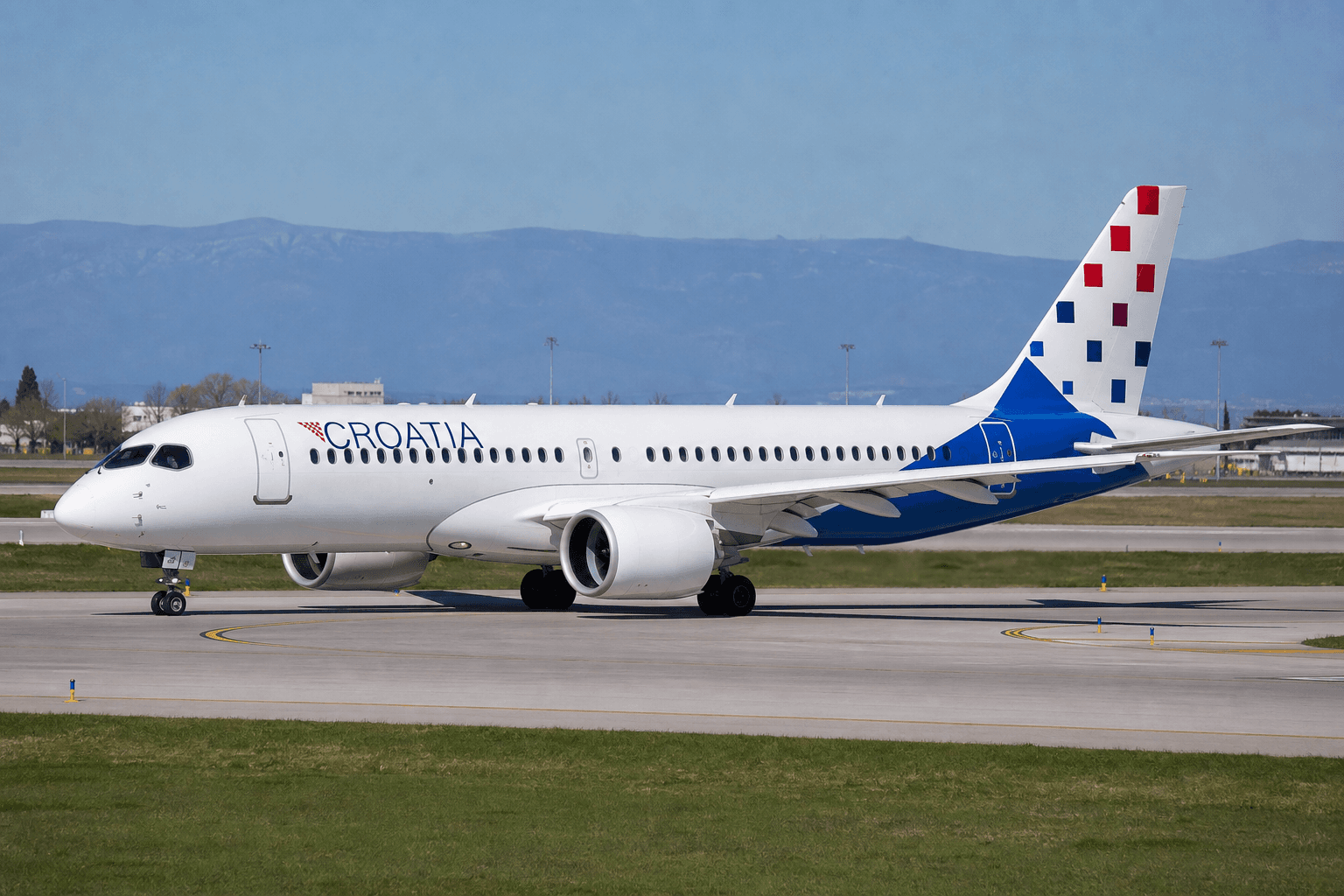
Croatia Airlines sees losses soar to €50 million amid fleet transition and fuel cost pressures
Carrier dealing with complexity of fleet transition as it withdraws older models and shifts to A220s. Croatia Airlines' losses deepened substantially over the first half of this year, as the impact of fuel prices and exchange rates added to the cost burden associated with its fleet transition. It turned in an operating loss of €36.8 million ($42.4 million), which was 73% worse than the previous half-year, while its net loss came close to trebling at around €50 million. Although passenger numbers increased by more than 20% in the first five months – before declining in June – the improved revenue performance was checked by a "significant increase" in fuel prices, says the carrier. Croatia Airlines adds that negative exchange rates contributed heavily to a €16 million rise in net financing costs. The airline is progressing with a fleet modernisation, shifting to the Airbus A220, but is still feeling the effect of transition costs as it introduces the new type. It expects to have 14 of the 15 planned A220 in its fleet by the end of this year – with seven arriving in 2026 – while it gradually withdraws older aircraft from service. Croatia Airlines says the "simultaneous management" of a fleet with three different aircraft types presents an "additional challenge". "Such a structure requires precise resource planning, adaptation of operational procedures [and] increased co-ordination between organisational units," it states. "At the same time, the process of preparing aircraft for retirement from the fleet places an additional burden on the technical sector." Over the course of this year it aims to remove two De Havilland Dash 8-400s, an Airbus A320 and an A319. Two Dash 8s and an A320 were taken out last year, and returned to owners in the first half of 2026. "The fleet renewal project represents the largest strategic step forward in the history of Croatia Airlines and is crucial for the long-term sustainable development of the company," the carrier says. At the half-year mark its operational fleet comprised 15 aircraft: nine A220s, four A319s and two Dash 8s. The airline has also leased an ATR 72 since April to maintain its planned schedule. One of Croatia Airlines' A220 was subsequently damaged in a runway excursion in May, adding to the company's pressures. Croatia Airlines is also having to cover lease costs for two Dash 8s – registered 9A-CQC and -CQD – whose return to their owner has been delayed, owing to limited maintenance capacity and parts availability.
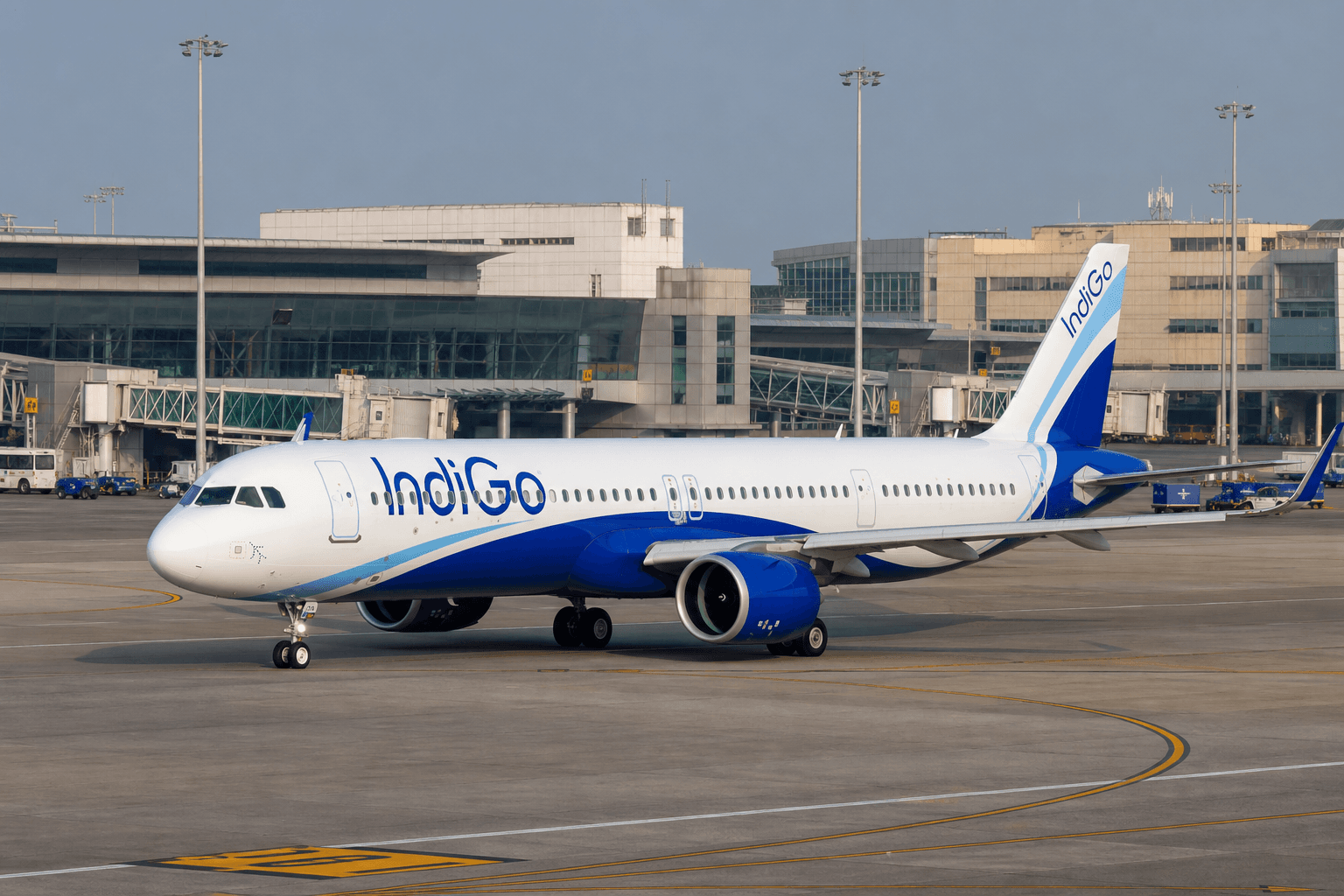
IndiGo suspends London Heathrow and shifts Amsterdam to A321XLR as it awaits Airbus A350 widebodies
Indian carrier suspends London route while switching Amsterdam service to A321XLRs. Indian carrier IndiGo will axe its London Heathrow service until its first Airbus A350-900s arrive, following the decision to terminate its Boeing 787 damp-lease with Norse Atlantic. The end of the damp-lease agreement means all IndiGo widebody operations will cease from 25 October. IndiGo says it will deploy Airbus A321XLRs on the Mumbai-Amsterdam route instead. The carrier adds that it will "temporarily discontinue" its Heathrow service until it receives A350s. IndiGo has 60 of the widebody twinjet type on order and, at the time of the agreements, expected its first to arrive in 2027. The carrier says it entered the Norse damp-lease arrangement, initially covering six 787-9s, to gain "fast-track learning" and "establish brand presence" before the introduction of A350s. "This enabled IndiGo to commence services to markets in the UK and Europe, while accelerating the development of the operational capabilities, commercial expertise and customer insights required to support its future widebody ambitions," it adds. As a result of the damp-lease arrangement, it says, the airline has been able to build "critical competencies" in long-haul network planning, crew operations, maintenance, and other areas. But it says the operating environment – particularly in regard to airspace closures and fuel prices – has "changed considerably" and led to a "significant escalation" in costs. It had already opted to return one of the six 787s to Norse. "Volatility across aviation markets has reduced industry-wide risk appetite – prompting a comprehensive review of the project and evaluation of possible alternative solutions," it adds. IndiGo senior vice-president for planning Abhijit Dasgupta says the situation necessitates a "prudent deployment" of resources in the short term, even as the carrier maintains its long-term objectives. "This [damp-lease] project was never solely about serving specific routes but laying the foundation for our long-haul operations in future," he adds. "As we enter the next phase of our growth, we remain firmly committed to expanding our global footprint across key mid- and long-haul markets."
The Daily Touch & Go
The day's best aviation news in your inbox. Free, no spam.