

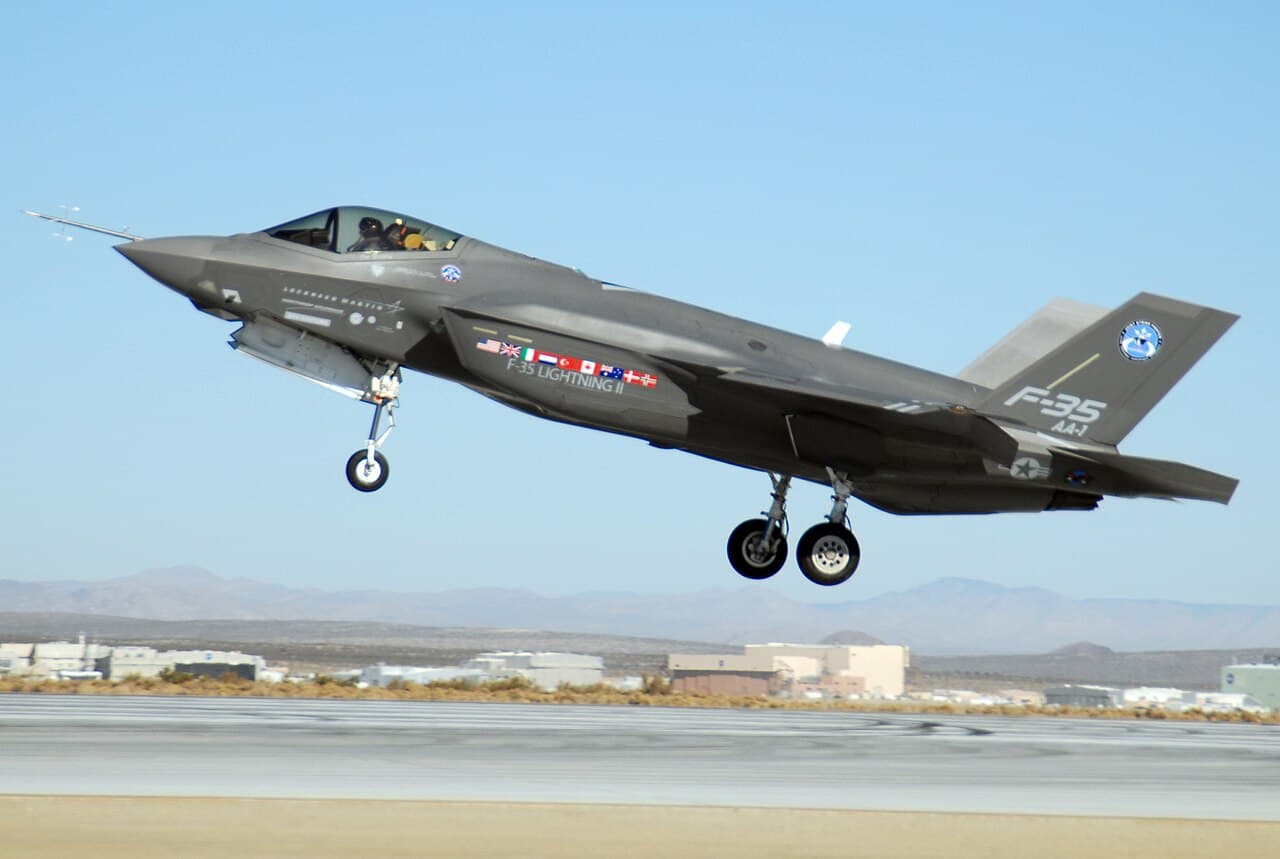
Image: U.S. Air Force photo/Senior Airman Julius Delos Reyes · Public domain · via Wikimedia Commons
Multiple Drones Breach Restricted Airspace Over Australia's RAAF Base Williamtown
Unidentified drones entered the restricted airspace of Australia's key fighter base over three days, raising security questions despite authorities' assurances.
The gist
Several drones infiltrated restricted airspace around Australia’s top fighter base, sparking concerns about airspace security despite ongoing investigations.
Continuing coverage
All F-35 →- Multiple unknown drones breach restricted airspace at Australian F-35 base
- UK delays delivery of expanded F-35 fleet until early 2030s amid strategic and logistical challenges
- US Controls All F-35 Mission Data Updates, Grounding Allied Squadron Autonomy
- Japan's GCAP Fighter Offers Sovereign Control Beyond F-35's Limits
- Lockheed Martin Q2 2026 earnings surge on eased prior contract losses and strong missile sales
In early July 2026, multiple unidentified drones penetrated the restricted airspace surrounding RAAF Base Williamtown in New South Wales, Australia’s principal fighter training facility. These incursions occurred over a three-day period from July 11 to 13, and reportedly also involved Newcastle Airport, which operates from the same airfield as Williamtown under a government agreement. The infiltration of these drones into such sensitive airspace has intensified discussion about the challenges of defending key military assets from small unmanned aircraft threats.
RAAF Base Williamtown is the home to the majority of Australia’s Lockheed Martin F-35A Lightning II jets, among other important military aircraft including the Boeing E-7A Wedgetail early warning aircraft, Hawk 127 trainer jets, and Pilatus PC-21 trainers. Given the base’s strategic role in training and operations, the presence of unauthorized drones in its airspace is a serious breach with potential implications for national security. The Australian Department of Defence has confirmed the drone appearances but has not disclosed detailed information about the drones’ origins or purposes.
Following the reports, personnel at Williamtown were instructed to close window blinds, a precautionary step to prevent the drones from photographing or otherwise gathering sensitive information about base activities or equipment. Despite extensive observations, none of the drones involved were recovered or publicly identified, leaving the motives and operators unknown. This lack of information has added to the uncertainty and concern surrounding the incidents.
The incidents were escalated to the New South Wales Police Counter-Unmanned Aerial Systems Unit for a thorough investigation. Defence Industry Minister Pat Conroy has stated that the investigation has concluded but did not reveal its findings. He also refrained from stating whether the drone activity caused any disruption to military or civilian flight operations or if counter-drone measures were deployed during the incursions.
Recent legislative changes provide military personnel with the authority to seize, disable, or destroy drones operating unlawfully in restricted airspace. Minister Conroy emphasized that Australia has implemented robust, layered security systems designed to safeguard personnel, bases, and critical capabilities. Additionally, the government is investing significantly in technology aimed at both detecting and neutralizing unauthorized unmanned aerial vehicles to mitigate such threats going forward.
These unexplained drone flights have raised alarms among defense experts in Australia because small commercial drones not only can conduct surveillance but could also be used to launch attacks against aircraft or key infrastructure. While no public evidence currently links these incidents to foreign state actors or confirms surveillance objectives, the breaches highlight vulnerabilities in protecting military airspace against emerging unmanned threats.
The proximity of Newcastle Airport—the country’s major commercial airport serving New South Wales’ largest city—to the military base adds complexity to airspace governance and security. Maintaining consistent security protocols across shared airfields is a critical operational challenge, especially in light of unauthorized drone activity. The incidents underscore the increasing necessity for integrated civilian-military coordination in counter-unmanned aircraft system (UAS) operations.
With the expansion of drone technologies globally, defense agencies worldwide confront new dimensions of aerial threats requiring innovative detection and countermeasure solutions. Australia’s response, including legislative and technological initiatives, reflects the urgency in adapting defense postures to evolving unmanned aerial challenges. The recent incursions over Williamtown serve as a stark reminder of the continuing need for vigilance and advancement in airspace security measures to protect high-value military assets.
Frequently asked questions
- Which military base experienced the drone airspace breaches?
- RAAF Base Williamtown in New South Wales, Australia, experienced multiple drone incursions into its restricted airspace from July 11 to 13, 2026.
- What types of aircraft are housed at RAAF Base Williamtown?
- The base hosts most of Australia's Lockheed Martin F-35A Lightning II fighters, Boeing E-7A Wedgetail early warning aircraft, Hawk 127 trainers, and Pilatus PC-21 trainers.
- What actions have Australian authorities taken in response to the drone incursions?
- The incidents were referred to the New South Wales Police Counter-UAS Unit for investigation, and the government has implemented regulations allowing military personnel to seize or disable drones along with investments in detection and counter-drone technologies.
Read more
All Military/Defense →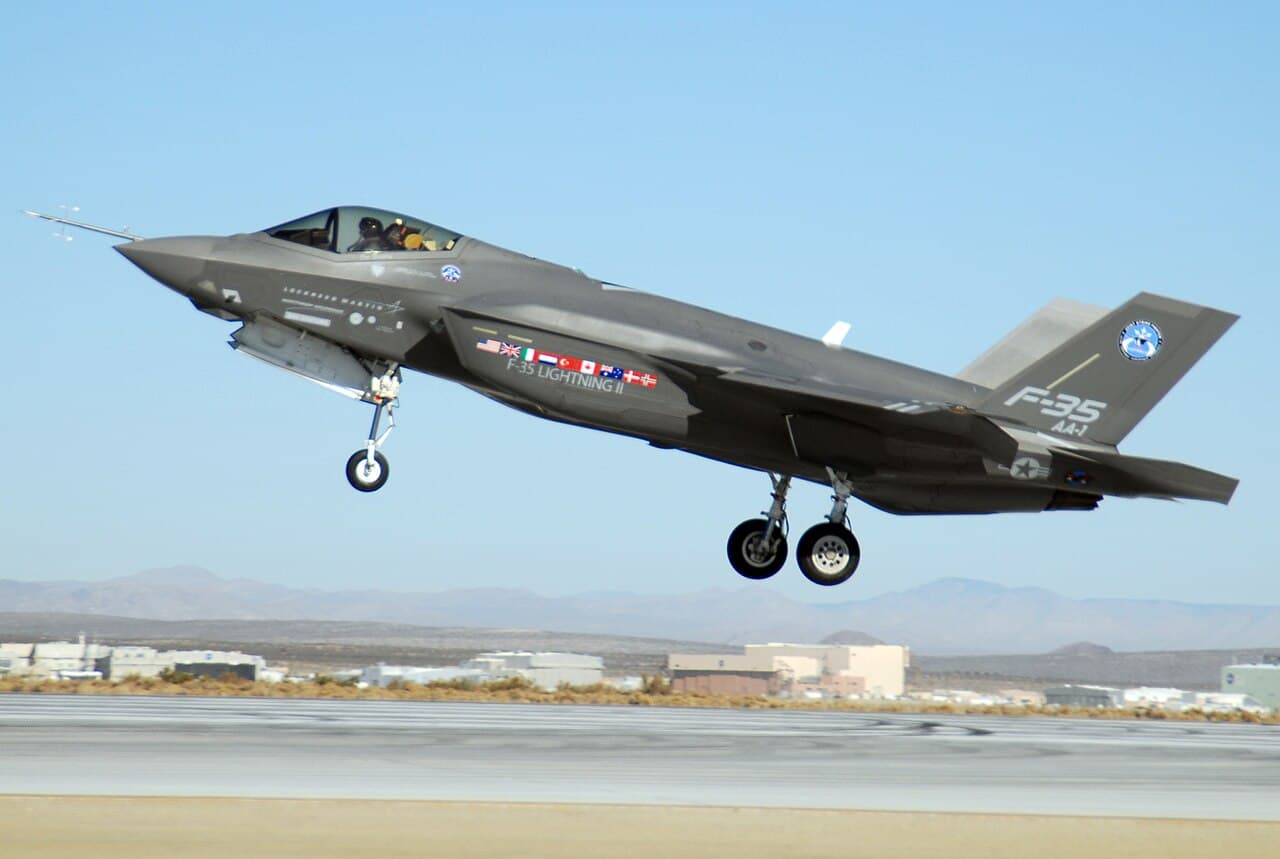
US Controls All F-35 Mission Data Updates, Grounding Allied Squadron Autonomy
The Lockheed Martin F-35 Lightning II is one of the most important weapon systems developed in the 21st century. It represents a major paradigm shift for air power not only in the US Air Force, but the Navy and Marines as well as 19 other US Allied partner nations around the world that are part of the global fleet. In addition to being the most expensive defense industrial project in history, it is also one of the most closely guarded classified projects to ever become a multinational defense program.
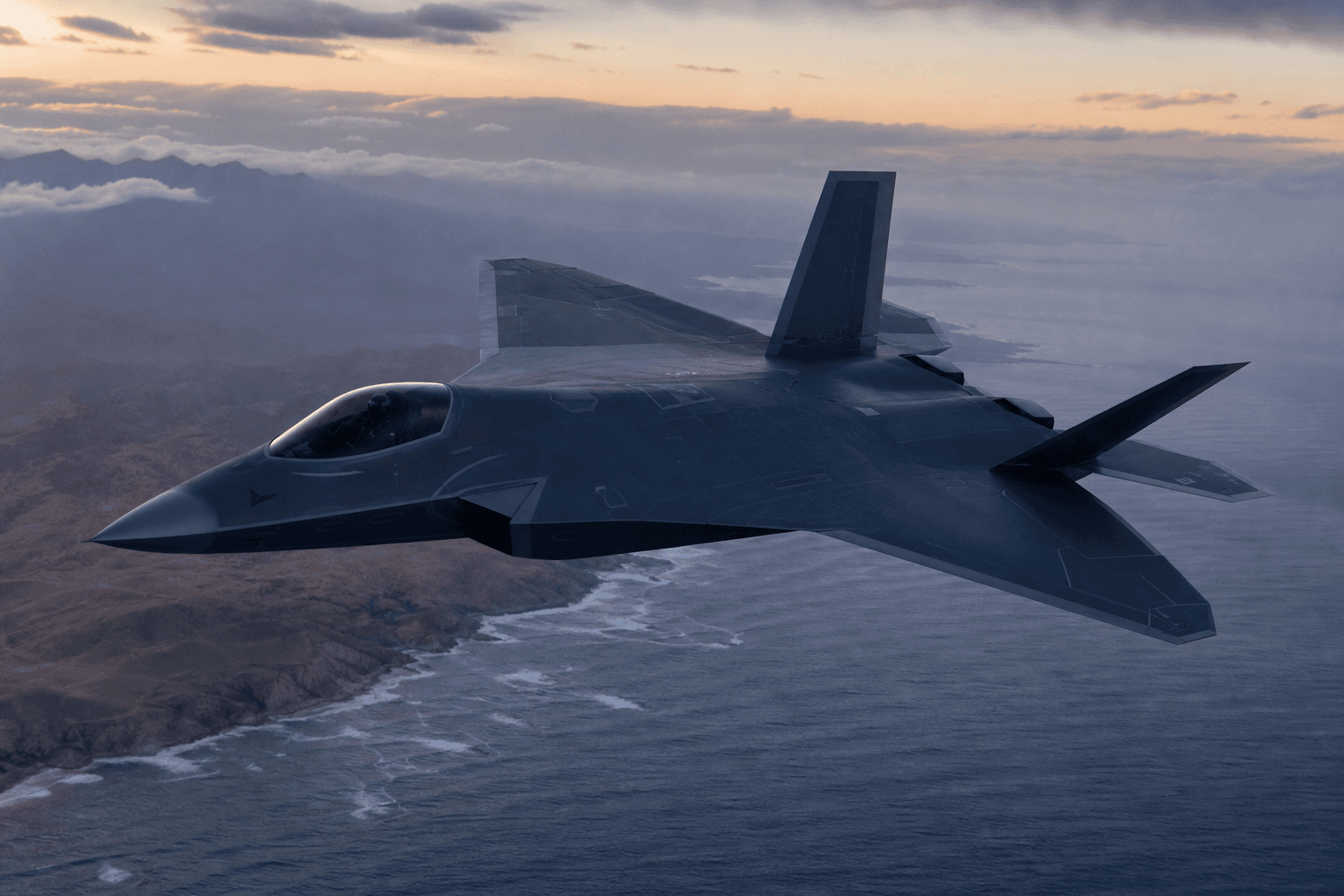
Japan's GCAP Fighter Offers Sovereign Control Beyond F-35's Limits
The Japanese Self-Defense Forces are one of the founding partners under the trilateral Global Combat Air Program. Managed collectively through the EdgeWing Consortium, Japan has partnered with the United Kingdom and Italy to build a sixth-generation stealth fighter jet based on the template of the BAE Systems 'Tempest.' This aircraft will be the first fighter jet airframe in the nation's history developed independently of any of the aerospace manufacturers of the United States.
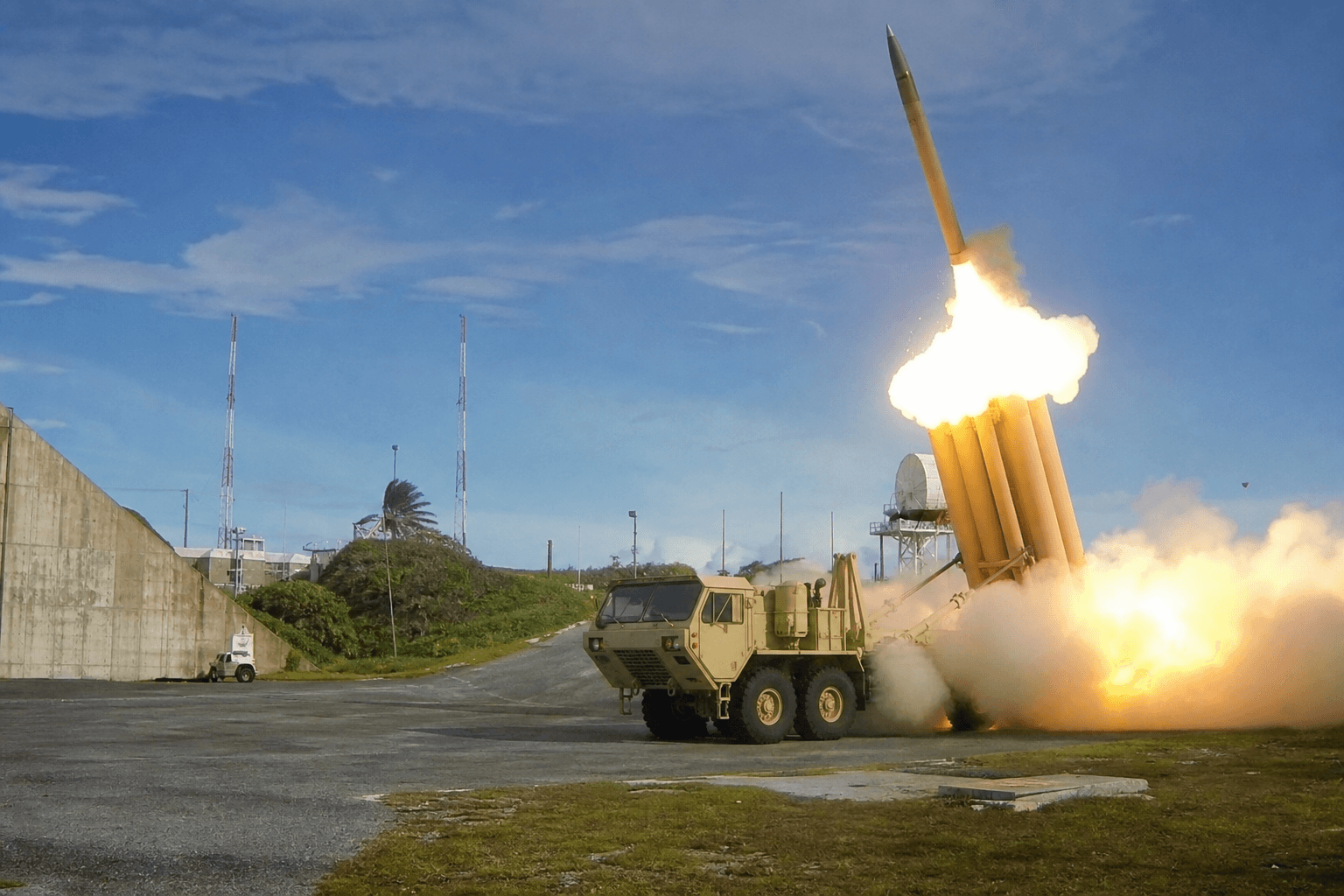
Lockheed Martin Q2 2026 earnings surge on eased prior contract losses and strong missile sales
Lockheed Martin's second-quarter earnings look much stronger than last year, largely because a set of one-time losses from 2025 didn't repeat this time around. The defense contractor reported second quarter 2026 sales of $20.1 billion, up 11% from $18.2 billion a year earlier, while net earnings jumped to $1.8 billion, or $7.94 per share, compared to just $342 million, or $1.46 per share, in the same quarter last year. Much of that swing traces back to a rough second quarter in 2025, when Lockheed absorbed $1.6 billion in program losses tied to a classified Aeronautics contract and two helicopter programs, Canada's Maritime Helicopter Program and Turkey's Utility Helicopter Program. With those losses behind it, this year's results look considerably stronger by comparison, though the company also saw genuine growth from higher production volumes, particularly on the F-35 program and various missile programs. Cash generation told a similar story. The company brought in $3.2 billion from operations this quarter, compared to just $201 million a year ago, while free cash flow came in at $2.9 billion versus a negative $150 million in the same period last year. A record backlog, and a defining new contract Lockheed's order backlog climbed to a record $230 billion, up from $193.6 billion at the end of 2025. A major driver behind that jump was a $35 billion multi-year contract with the Missile Defense Agency to produce THAAD interceptors, part of what Chairman, President and CEO Jim Taiclet described as a broader effort to modernize how the company builds munitions. "We took a major step forward in transforming munitions production, putting the framework agreements we announced earlier this year into action by signing a $35 billion multi-year contract with the Missile Defense Agency for THAAD," Taiclet said. He also pointed to the company's Sanctum counter-drone system, which went from concept to live-fire testing in just 45 days, combining a battle manager, radar, launcher, and missile into a single system. Taiclet added that Lockheed is also investing in expanding its manufacturing base, citing a collaboration with General Motors Defense in the US and an agreement with Rheinmetall to co-produce ATACMS missiles in Europe. How the different divisions performed Lockheed's four business segments, Aeronautics, Missiles and Fire Control, Rotary and Mission Systems, and Space, all posted sales growth this quarter, though the size of that growth varied. Missiles and Fire Control saw the steepest increase, with sales up 19% to $4.1 billion, driven largely by production increases on the PAC-3 and THAAD missile defense programs, along with the Precision Strike Missile program. Aeronautics grew 9% to $8.1 billion, helped by higher volume on F-35 production contracts, while Rotary and Mission Systems also grew 9%, to $4.4 billion, and Space grew 6% to $3.5 billion. Aircraft deliveries told a more mixed story. Lockheed delivered 19 F-35 jets during the quarter, down sharply from 50 a year earlier, while C-130J deliveries rose to seven from just one. Government helicopter program deliveries slipped slightly to 16, from 24 a year ago. Raising the outlook for the rest of the year Lockheed said the strength of its second quarter gave it enough confidence to raise its full-year financial guidance. The company now expects sales growth of approximately 8% for 2026, along with a 28% increase in segment operating profit and free cash flow projected to exceed $7 billion, up from earlier guidance. Taiclet tied the improved outlook directly to the company's broader strategy. "This continued performance reflects more than just increased customer demand – it is evidence that our 21st Century Security strategy, and its focus on integration, partnerships and operational excellence is working," he said, adding that the results give the company "confidence to raise our full year financial guidance."
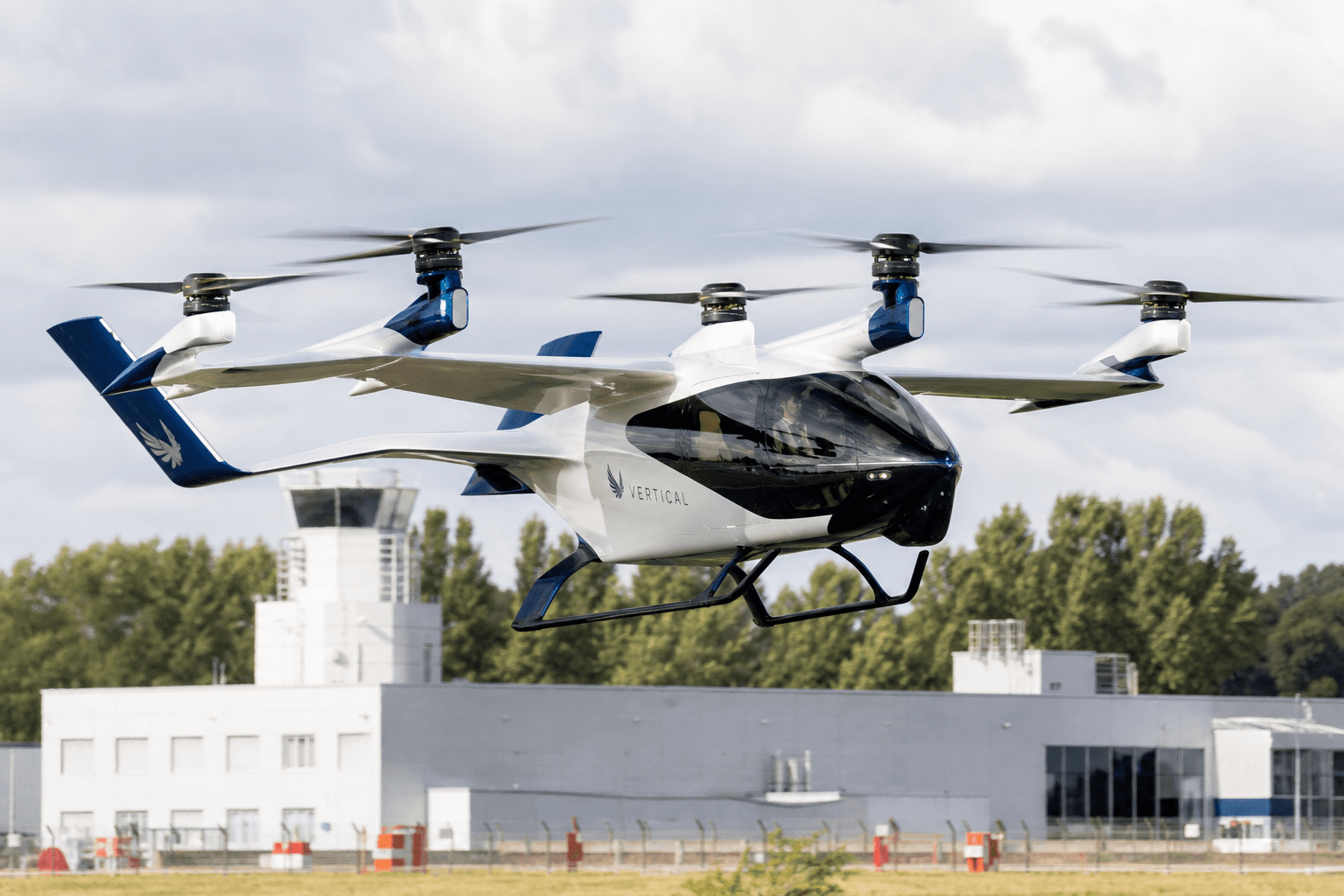
Vertical Aerospace secures tentative $100m funding to advance Valo eVTOL certification and production
Aerospace firm’s eVTOL heads for critical design review as rival Archer unveils consolidation with Boeing. Current and new investors in UK eVTOL developer Vertical Aerospace are prepared to provide some $100 million in further funding to support development of its Valo aircraft. Vertical's largest shareholder, Mudrick Capital, is proposing a $40 million contribution, drawn from an existing convertible note facility, while another $25 million would come from an equity facility with Yorkville Advisors Global. It states, however, that Mudrick's agreement to participate is non-binding and "remains subject to negotiation and execution". Vertical says the balance of $35 million would be sourced through an equity investment. This involves offering a "limited number" of new and current investors a single share, plus a warrant for a further share, at a combined price of $1.05. The company expects the offering will generate net proceeds of around $32.5 million. Vertical Aerospace says the funding commitment is intended to support the certification of the Valo, and the programme's commercialisation. Having successfully achieved crucial technical landmarks, such as piloted transition, the aircraft is progressing towards critical design review. Vertical is also preparing for Valo production as well as work to explore variants – including the development a hybrid-electric version in the first half of next year, as it pursues interest from potential military customers. The company carried out several demonstration flights of the aircraft during the Farnborough air show in July. Vertical says it is riding "significant operational and commercial momentum" for the Valo, and it disclosed the funding just as fierce US rival Archer, designer of the Midnight eVTOL, unveiled a significant industrial consolidation agreement – picking up several Boeing-owned technology firms . "We are focused on converting operational progress and partner engagement into continued advancement of our certification and commercialisation strategy," says Vertical chief executive Stuart Simpson. He adds that the new funding commitments – particularly the entry of new investors – are evidence of "strong confidence" in the company's position and progress. The financing will provide financial resilience and "near-term flexibility" for the next phase of its plans, Simpson says. Critical design review of the Valo will set the certification baseline for the aircraft, and the company is increasingly turning its attention to production requirements including the ramp-up of battery manufacturing capacity.
The Daily Touch & Go
The day's best aviation news in your inbox. Free, no spam.