

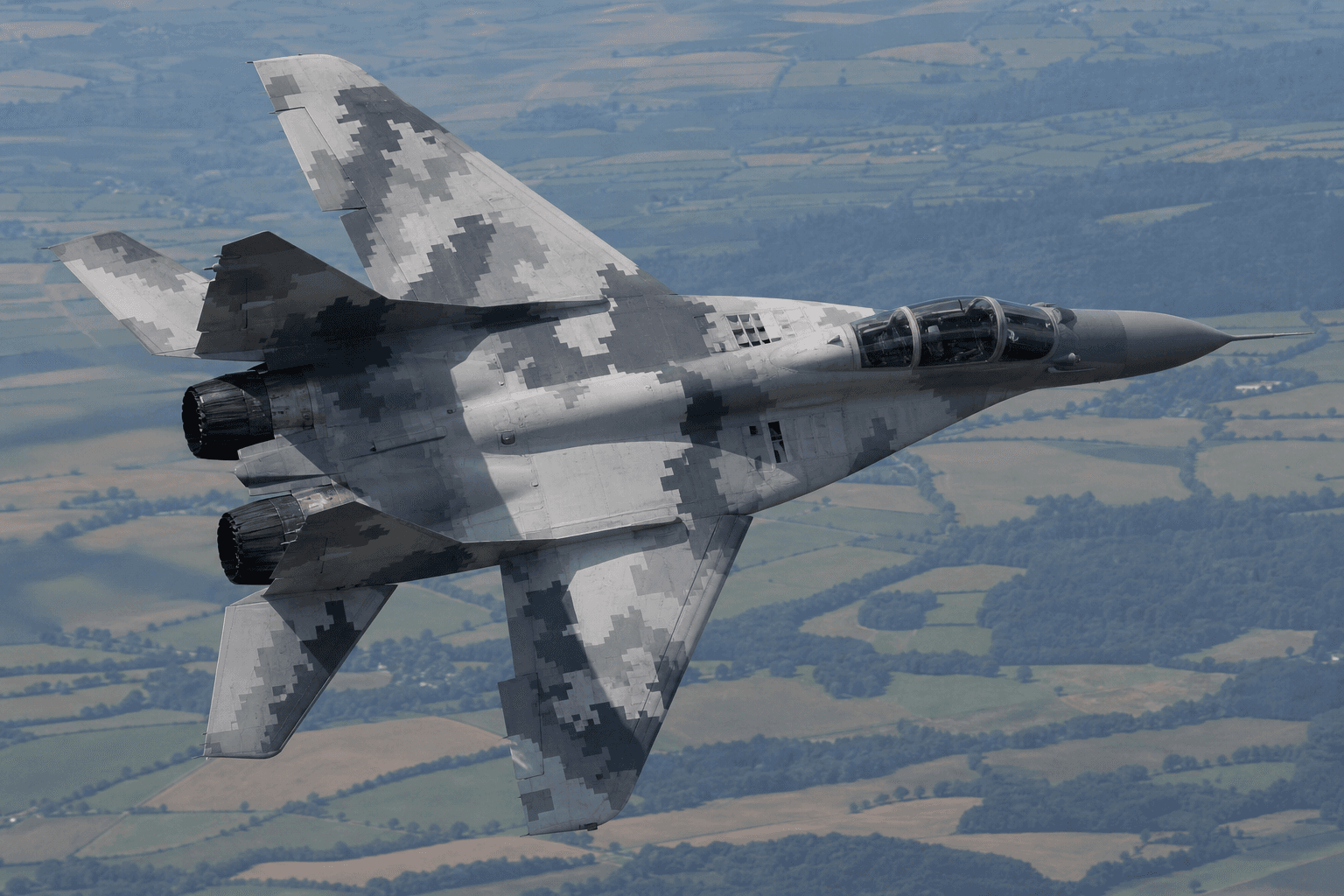
Illustration: The Touch & Go
Ukrainian MiG-29 destroyed after catching fire during missile launch over Odesa
A Ukrainian MiG-29 crashed after a missile launch malfunction caused a fire, marking the fourth combat aircraft loss in two months amid ongoing operations.
The gist
A Ukrainian MiG-29 was destroyed when it caught fire during missile launch on a combat mission over Odesa Oblast; the pilot ejected safely.
On August 10, 2026, a Ukrainian MiG-29 fighter jet was lost after catching fire during the launch of an air-to-air missile over Odesa Oblast in southern Ukraine. The incident occurred while the pilot was conducting a mission to engage Russian aerial targets in the region. Preliminary information indicates that an abnormal event happened during the missile deployment, which led to the aircraft catching fire and the pilot losing control. The pilot made efforts to save the fighter before ejecting and has since been recovered and medically evacuated. An investigation into the root causes of the malfunction is underway.
The Ukrainian Air Force has not specified the exact missile involved, but typically their MiG-29s are armed with Soviet-era R-73 infrared-guided and R-27R radar-guided air-to-air missiles. Since 2023, Ukraine has been maintaining these Soviet-designed fighters with parts and aircraft supplied primarily by Poland and Slovakia, while also adapting the airframes to deploy Western weapons, including the US-made AGM-88 HARM missile. The MiG-29 remains a key asset in Ukraine’s air defense operations, frequently flying intercept missions to counter Russian cruise missiles and one-way attack drones targeting cities such as Odesa.
This crash is the fourth Ukrainian combat aircraft lost in less than two months. Earlier, on June 16, a Su-24M frontline bomber crashed in Khmelnytskyi Oblast resulting in the deaths of both crew members. On June 27, another MiG-29 was lost over Poltava Oblast, although its pilot ejected safely. Most recently before this incident, on July 29, an F-16 fighter went down following an in-flight emergency during an intercept mission with the pilot successfully escaping via ejection.
The current size of Ukraine’s MiG-29 fleet remains undisclosed, but analysts note that it has been sustained through transfers of combat aircraft and spare parts from NATO-aligned countries. Poland has been a major contributor, delivering 14 MiG-29 fighters from its own inventory starting in April 2023. Poland holds an additional batch of 14 upgraded MiG-29s at Mińsk Mazowiecki, which are in better condition than prior deliveries sourced from the Czech Republic and Germany. Negotiations to transfer these additional jets have seen setbacks but recently resumed amid discussions of exchanging Ukrainian drone technology.
Ukraine’s Air Force leadership has indicated the substantial gap in fighter capability compared to Russia, estimating a need for 120 to 130 F-16s to approach parity. To date, the number of Western fighters received remains far below that requirement. Ukrainian F-16s and Mirage 2000-5s primarily support the same air defense roles that older Soviet jets like the MiG-29 still fulfill today, continuing to undertake repeated interceptions of hostile missile and drone attacks.
Longer-term plans to modernize Ukraine’s fighter fleet are progressing, but immediate reinforcements are not yet available to relieve the operational strain on aging jets. In June 2026, Saab signed a contract to supply 16 Gripen E fighters to Ukraine, with deliveries scheduled for 2029 and 2030. Sweden has separately committed to donate 16 used Gripen C/D fighters starting in early 2027. Moreover, in July 2026, France and Ukraine signed a bilateral defense roadmap to deliver an initial batch of 16 Dassault Rafale fighters by 2028 and 2029, along with associated radars and missile production support.
These aircraft acquisitions emerge as part of much larger intentions to eventually receive up to 150 Gripen E and 100 Rafale jets, signed in late 2025. However, until these new platforms arrive, Ukraine continues to rely heavily on its existing jets like the MiG-29 despite the risks and wear inherent in operating older aircraft in frontline combat conditions.
The loss of the MiG-29 on August 10 thus illustrates the extreme operational pressures facing Ukraine’s Air Force amid ongoing hostilities. The incident also calls attention to the complex challenges of maintaining and upgrading a mixed fleet of legacy Soviet and Western aircraft while conducting high-intensity defensive operations against a technologically advanced adversary.
Frequently asked questions
- What happened to the Ukrainian MiG-29 on August 10, 2026?
- The MiG-29 caught fire during an air-to-air missile launch over Odesa Oblast, causing the pilot to lose control and eject safely; the aircraft was destroyed.
- How many Ukrainian combat aircraft have been lost recently?
- Four Ukrainian combat aircraft, including two MiG-29s, a Su-24M bomber, and an F-16, have been lost in less than two months due to crashes or emergencies.
- What plans exist to reinforce Ukraine’s fighter fleet?
- Ukraine plans to receive new Western fighters including up to 150 Saab Gripen E and 100 Dassault Rafale jets between 2027 and 2030, though current deliveries remain limited.
Read more
All Aviation Safety →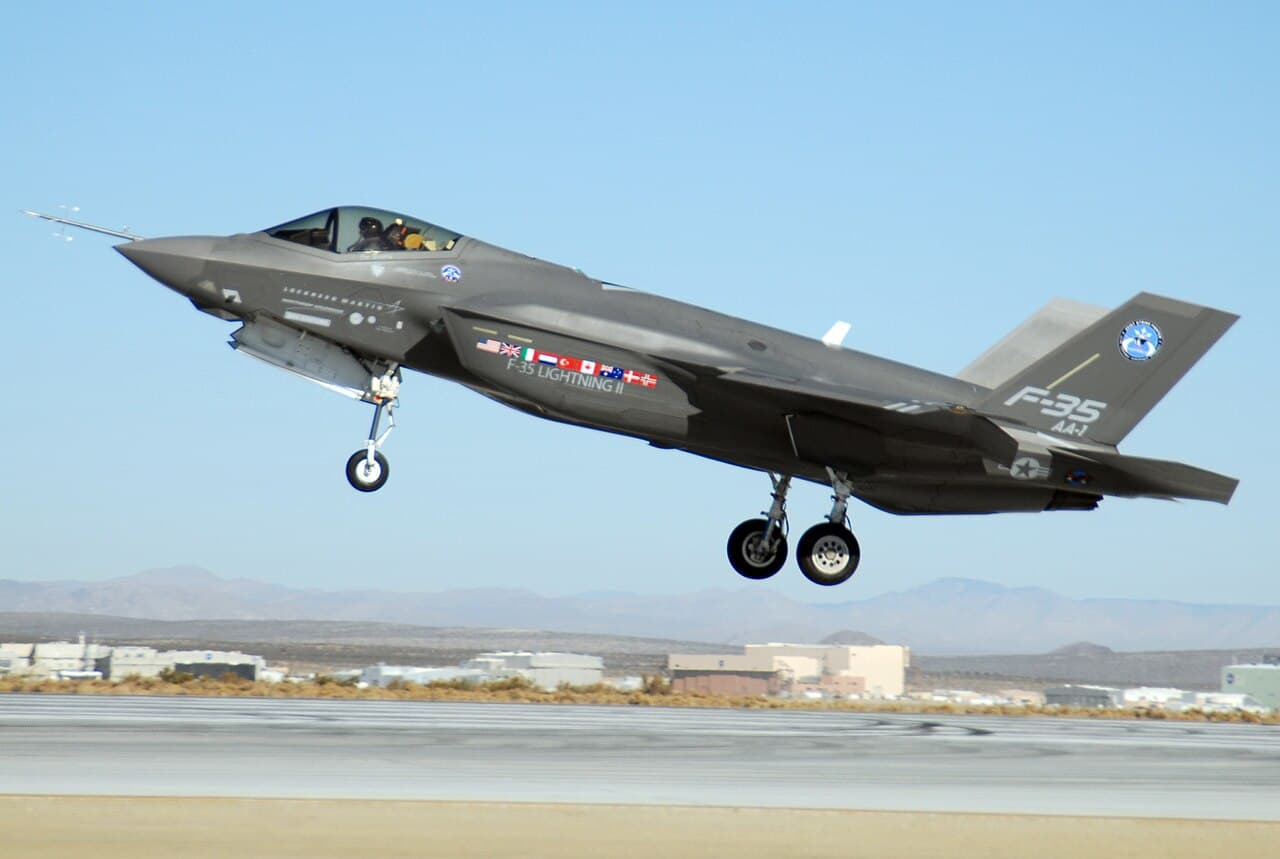
Multiple unknown drones breach restricted airspace at Australian F-35 base
The incident is the latest in a string of drone incursions into secure facilities around the world. The air base housing some of Australia’s most sensitive military aircraft was overflown by multiple drones of unknown origin over the course of three days. RAAF Williamtown in New South Wales is home to the bulk of Australia’s inventory of Lockheed Martin F-35A stealth fighters, as well as the country’s Boeing E-7 Wedgetail airborne early warning and control jets. The facility is collocated with the Newcastle commercial airport. Multiple airspace breaches were logged at Williamtown between 11 and 13 July, according to reporting from The Daily Telegraph . Australia’s minister for defence industry, Pat Conroy, acknowledged the incident in a 10 August interview with broadcaster ABC Newcastle . Conroy describes the incursions as “UAS activity over the airport”. “This is sadly something we’re seeing more often, people operating drones near airports, both civilian and military airports,” he adds. Conroy declines to address specific questions about the incident, such as the number and type of drones involved or the impact on either military or civil operations. The Telegraph report claims the Australian Defence Force does not know who was operating the UAS or what the reason was for the incursion. Military personnel at Williamtown apparently resorted to closing the window blinds at base facilities and calling the New South Wales (NSW) police for assistance. An investigation into the matter by the NSW police is now complete, according to Conroy. The defence industry minister adds that Canberra enacted regulatory changes last year to allow Australian military personnel to “seize, disable or destroy drones” and that the government is investing A$7 million ($4.9 million) in new counter-UAS equipment. Actually stopping marauding quadcopters can prove difficult in practice, particularly in civil airspace. While a range of kinetic, directed-energy and electronic warfare measures can be deployed in combat zones, such systems can also pose a risk to commercial aviation, potentially requiring protracted and disruptive ground stops. In February, the civil regulators at the US Federal Aviation Administration (FAA) ordered a hasty closure of the airspace around El Paso, Texas, which included halting flight operations at El Paso International airport. It was later reported that the FAA ordered the ground stop after the Pentagon and US Customs and Border Protection (CBP) deployed a counter-drone laser weapon to the area around El Paso, which sits on the US-Mexico border. The laser’s deployment was a response to drone activity in the area linked to Mexican drug cartels, according to the Trump administration. CBP fired the directed-energy system at what later turned out to be an innocuous party balloon, according to reporting from The New York Times, without coordinating with the FAA. Drone incursions are a growing issue at secure facilities around the world, both military and civilian. Earlier this month, a drone carrying an explosive device impacted a cargo aircraft at Leipzig-Halle airport in Germany but failed to detonate. A second UAS was discovered on the ground carrying a detonator and explosive device. A police bomb disposal unit was able to disarm the device.
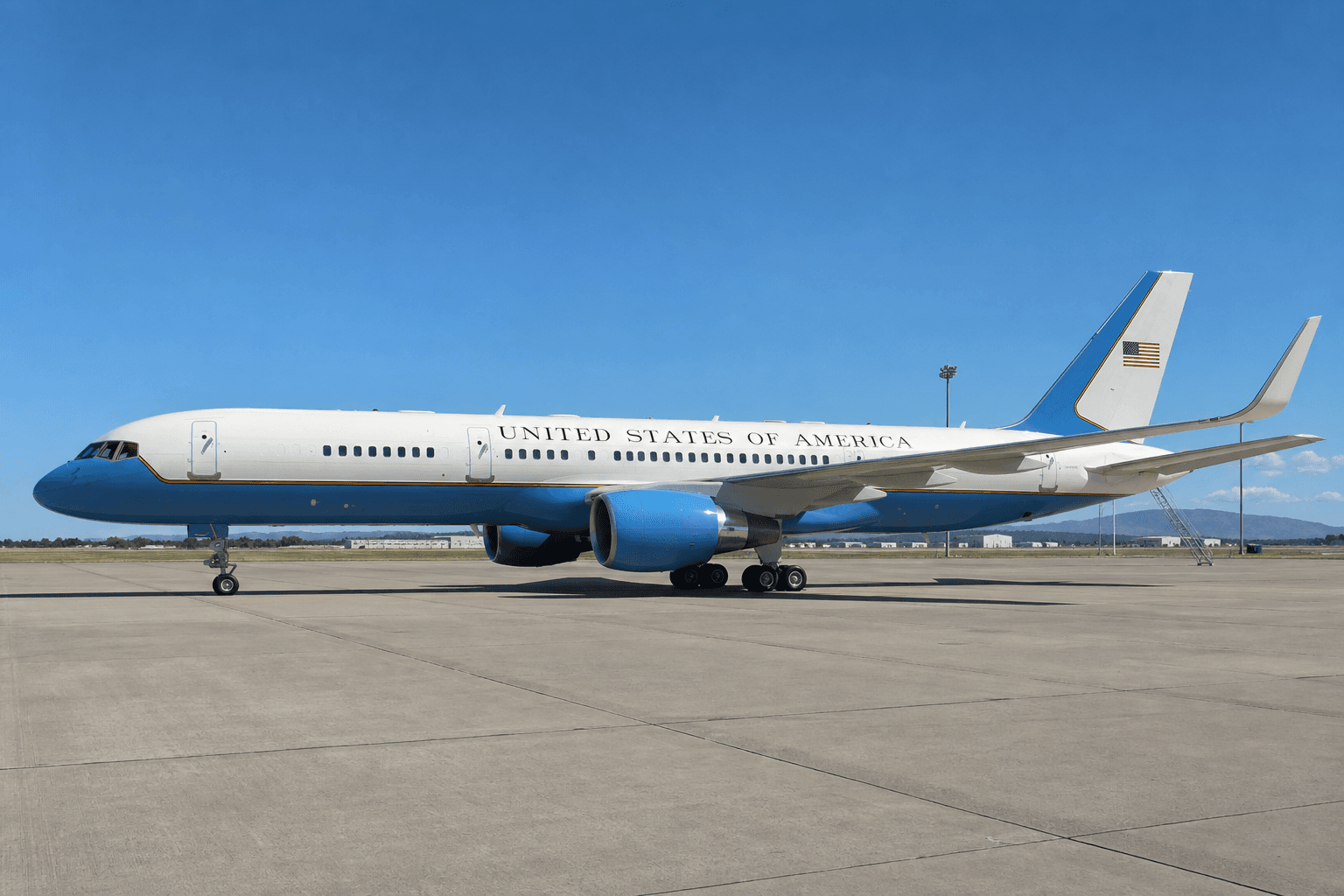
Trump Secretly Boarded Different Aircraft After NATO Summit Amid Iran Threat
President Donald Trump secretly exited Air Force One and boarded a different military aircraft before beginning his journey back from a NATO summit in Turkey in July, according to a Washington Post report. Citing sources familiar with the matter, the newspaper said the switch-up was prompted by a threat on the president's life from Iran. The apparent last-minute decision to use the older, robin's egg blue-and-white Air Force One instead of a jet gifted to Trump by Qatar last year sparked intense speculation about the president's safety while in Turkey and possible limitations on the Qatari aircraft's air defense capabilities. The Post is the first outlet to assert that Trump used neither jet and instead boarded a Boeing C-32, a military variant of the 757 that mainly carries the vice president, first lady, and secretary of state. The president's security detail allegedly devised a complex ruse to make it appear as though Trump actually was on the older Air Force One. Trump boarded the airplane in full view of news cameras but was secretly shuttled to the C-32 using an airport catering truck. Reporters and even some White House staff were unaware of the switch and were led to believe they were on the same aircraft as the president. Trump flew on the C-32 to Royal Air Force Mildenhall in the U.K., where he visited with U.S. troops. Photographers captured Trump exiting Air Force One at the base, suggesting he reboarded the aircraft at some point after landing to maintain the deception. The president flew the rest of the way to Washington, D.C., using the new Air Force One. The Trump administration did not confirm or entirely deny the Post's story. "As the president has said recently, there are many enemies of America who have their sights on him, and we use every tool at our disposal to address those threats," White House communications director Steven Cheung told the Associated Press . Neither the Secret Service nor the Air Force have commented on the report. The Qatari jet, now known as the VC-25B Bridge, entered service as the new Air Force One in early July. The aircraft is intended to serve as a stopgap for Boeing's VC-25B, the next official incarnation of Air Force One, which is set for delivery in 2028, the final full year of Trump's second term. Trump has made no secret of his disappointment with Boeing for repeated delays in the VC-25B program. Upon reentering office in 2025, he began lobbying for a new aircraft to replace the 35-year-old VC-25A, which he considers badly outdated. The gift of a Boeing 747-8 from the Qatari government solved this problem for the White House, even while raising ethics and national security concerns on Capitol Hill. The VC-25A, which has served every president since George H.W. Bush, was on track for retirement, but it unexpectedly appeared in Ankara during the NATO summit July 7-8. Trump said at the time that he would use it on the trip back for "old time's sake." The new Air Force One was sent ahead to Mildenhall so the troops there could get a good look at it, he said. Subsequent reports from the Post and The New York Times suggested that Trump opted not to use the VC-25B Bridge because it may lack some of the defensive capabilities found on the VC-25A. The U.S. was carrying out strikes on Iran at the time of the summit, raising the risk of retaliation from Tehran. Turkey and Iran share a border, and Iran has shown it can strike targets farther away than Ankara with its missiles. The new report from the Post could suggest that the threat from Iran was especially credible or urgent, requiring another layer of subterfuge to get the president out of Turkey. Later in July, Trump said the VC-25B Bridge will be taken out of service to be "maxed out." He did not elaborate on what that would entail. The VC-25A will be used for the president's international flights in the meantime.
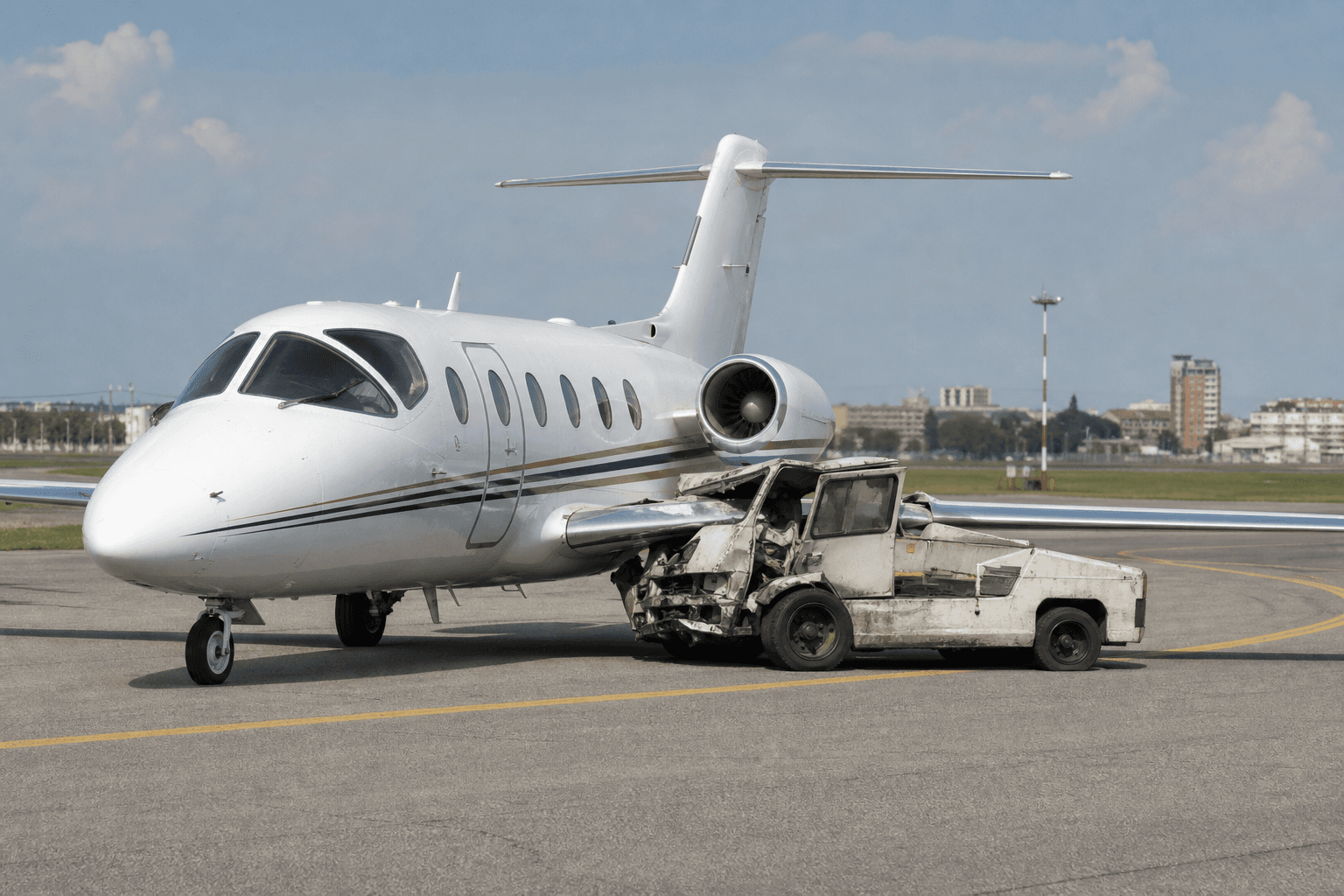
Airport service vehicle collides with taxiing Hawker Beechcraft 400A at Milan Linate
An airport service vehicle slammed into a private jet that was taxiing towards the runway at Milan Linate (LIN) in Italy with the driver seemingly unaware of the approaching aircraft. On August 10, 2026, a Hawker Beechcraft 400A was captured on video navigating along the taxiway when the Panda type vehicle crossed the tarmac and struck the front of the jet. The driver of the vehicle appears to see the Hawker Beechcraft 400A at the last moment and makes a last-ditch attempt to swerve out of the aircraft's path. The force of the impact turns the private jet to the right-hand side of the taxi as both the aircraft and the vehicle come to a halt. Earlier today a ground handling vehicle crossed an active taxiway and collided with a private jet at Milan Airport Luckily no casualties reported @AirNavRadar pic.twitter.com/muzZhwxcIQ — Flight Emergency (@FlightEmergency) August 10, 2026 The aircraft, registered I-AERB, is owned and operated by Slam Lavori Aere, according to Flightradar24 . Photos taken after the incident show the car severely damaged by the aircraft's nose. The right-hand side door and window appear crumpled by the impact. The driver can be seen exiting the video shortly after the collision, and there have been no reports of serious injuries suffered by anyone in the crash. According to Corriere Della Sera , operations at the airport were paused for 40 minutes, and an ITA Airways flight was diverted to Bergamo (BGY), and a KLM flight to Milan Malpensa Airport (MXP). De la aclamada serie "Una mala tarde la tiene cuarquiera" En el capítulo de hoy, "Hefe, yo iba buscando sitio para aparcar, me llamaron y…" pic.twitter.com/dunOcTOfao — Virutas de Goma (@VirutasF1) August 10, 2026 Also known as Slam Air, the Italian aircraft and helicopter rental company was founded in 1974. Slam Air is listed as an Adler Group company. RELATED Two pilots killed in S-64 Skycrane crash while fighting Utah wildfire

Two Pilots Die in Sikorsky S-64 Skycrane Crash Fighting Utah Wildfire
Two pilots were fatally injured Friday when a Sikorsky S-64 Skycrane was involved in an accident during firefighting operations on the Widemouth 2 Fire in central Utah. The accident occurred around 10:40 a.m. near Richfield while the helicopter was conducting water drops, according to wildfire officials. The FAA said two people were in the aircraft. Fire Delayed Access to Accident Site The helicopter was operated by Helicopter Transport Services under an exclusive-use U.S. Forest Service contract. The accident resulted in a fire near the wreckage, and personnel attempting to reach the site encountered steep terrain and active fire conditions. Responders withdrew Friday after conditions prevented continued access. Personnel reached the site on Saturday and confirmed both occupants had been killed. "It was not an easy choice to move those responders," Sevier County Sheriff Nathan Curtis told KUTV. "If we had not done that, we would have lost more lives." The pilots' remains were recovered Saturday and transported to the Utah Office of the Medical Examiner. Pilot Identified Porterville, California, officials on Monday identified one of the pilots as Miles Elliott , a helicopter and airplane pilot who had served on the Porterville Airport Committee and participated in youth aviation programs. The second pilot had not been publicly identified as of Monday afternoon. The FAA and NTSB are investigating the accident. Investigators arrived in Utah by Saturday evening, although active wildfire conditions initially prevented access to the wreckage. The circumstances of the accident remain under investigation.
The Daily Touch & Go
The day's best aviation news in your inbox. Free, no spam.