

Illustration: The Touch & Go
American Airlines Eyes Boeing 787 to Replace Aging 777-200ER Fleet
American Airlines has issued formal requests to Boeing and Airbus for new widebody aircraft, potentially replacing its oldest Boeing 777-200ERs with more efficient models already partly in its fleet.
The gist
American Airlines could replace its oldest 777-200ERs with Boeing 787s already operated, favoring fleet commonality and efficiency over new Airbus widebodies.
American Airlines surprised industry observers in June 2026 by confirming that it had issued formal Requests for Proposals (RFPs) to Boeing and Airbus for new widebody aircraft. The RFP signals the carrier’s intent to replace its 47 oldest Boeing 777-200ER aircraft, which currently form a significant part of its long-haul fleet. This move appears to reverse earlier plans to refurbish the entire 777-200ER fleet with new cabin interiors and premium layouts, shifting instead toward introducing new aircraft to renew and potentially expand its widebody capacity.
Currently, American Airlines operates a widebody fleet of 137 aircraft, consisting of 67 Boeing 777s and 70 Boeing 787 Dreamliners. Additionally, it has 19 Boeing 787-9 widebodies on order for future expansion. In comparison, other major U.S. carriers like Delta and United maintain considerably larger widebody fleets with extensive incoming orders; Delta operates 179 with 84 on order, and United has 237 with 134 pending deliveries. American's large domestic network contrasts with its modest long-haul presence, where it concentrates primarily on Latin America and transatlantic services.
The 47 Boeing 777-200ERs targeted for replacement were mostly delivered between 1999 and 2003, with two delivered in 2006. This means most of these aircraft will approach 30 years in service by the 2030s, raising efficiency and maintenance concerns. Moreover, these 777-200ERs are powered by Rolls-Royce Trent 800 engines, which are unique within American’s fleet and contribute to operational inefficiencies. These factors make their replacement not only a strategic fleet update but also an economic imperative.
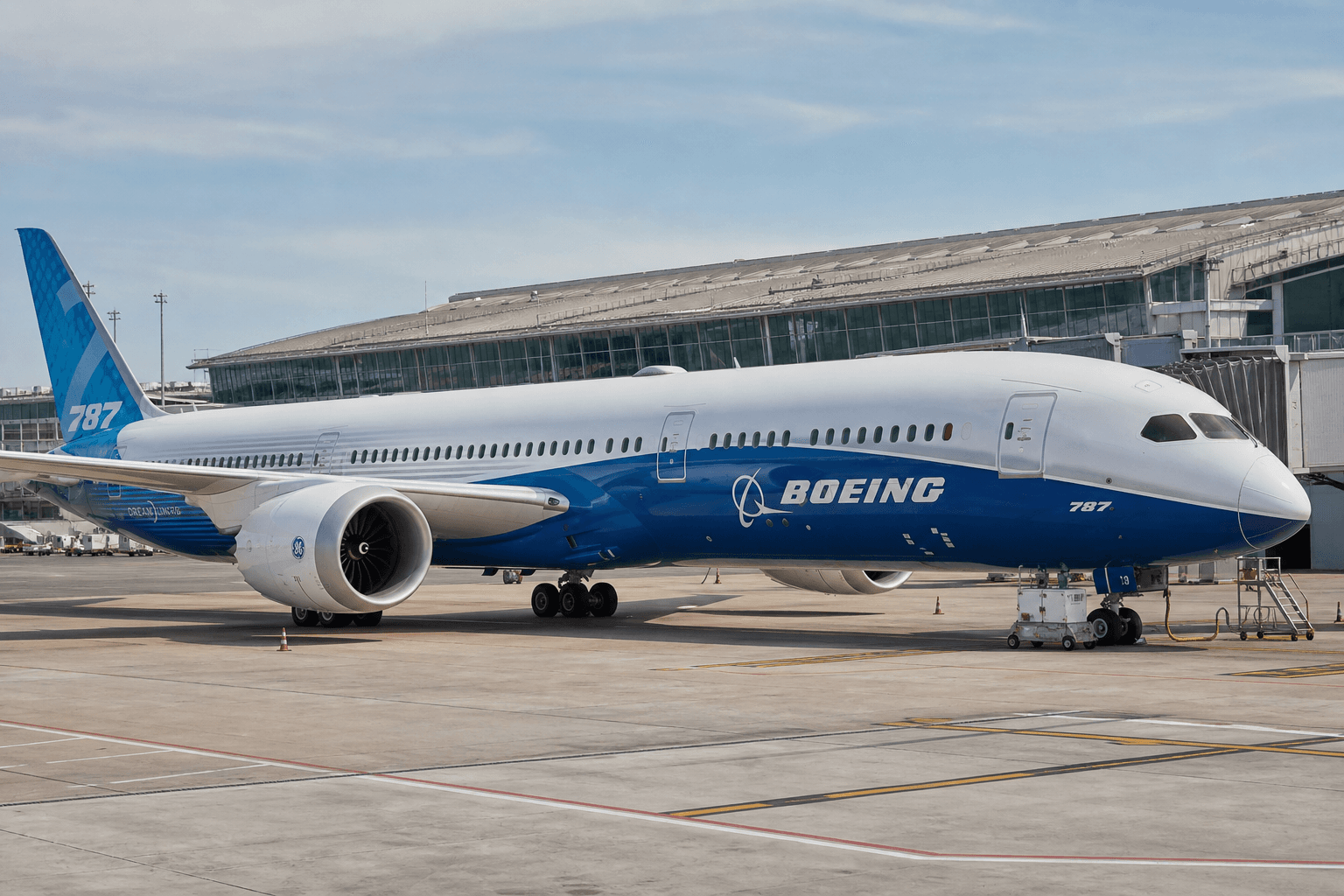
Boeing emerges as the frontrunner to supply replacement aircraft given American’s significant 787 Dreamliner fleet of 89 aircraft, split between 37 787-8s and 52 787-9s. Interestingly, American does not currently operate the 787-10, Boeing's largest Dreamliner, which closely matches the size of the 777-200ER. Boeing’s other newer widebody offering, the 777X, especially the 777-8 variant which could serve as a 777-200ER replacement, remains unlikely to be selected due to its smaller production scale and the oversized 777-9 offering that does not align with American’s current needs.
On Airbus’ side, the A330-900 neo and A350-900 are the main candidates for the replacement. The A330-900 is similar in size to the Boeing 787-9 and slightly smaller than the 777-200ER, offering solid range and reduced acquisition costs. The A350-900, larger and more capable than the A330, provides exceptional range but would introduce higher integration costs and complexity. Despite Airbus’ competitive models, American’s previous phasing out of the A330 fleet during the pandemic and current focus on fleet simplicity poses challenges for Airbus to regain a widebody foothold.
The Boeing 787 Dreamliner offers multiple benefits for American Airlines. Already integrated into American’s operational and maintenance framework, it allows for fleet commonality, lowering retraining and parts inventory costs. The 787-9’s range and efficiency outperform the aging 777-200ERs on ultra-long-haul routes while meeting capacity needs on trunk routes to Europe and South America. For expansion or higher capacity routes, the 787-10 can effectively substitute, despite its shorter range compared to the 777-200ER, as American seldom utilizes the 777s to their maximum range.
American’s decision to replace aging 777-200ERs with more modern widebodies balances operational efficiency, network demands, and financial considerations. The move is also indicative of the airline’s broader strategy to streamline its fleet to fewer aircraft types, thus concentrating maintenance and pilot training resources. While Airbus presents attractive alternatives, the logistical and cost hurdles linked to reintroducing a new widebody type appear formidable against the backdrop of American’s existing Boeing-heavy widebody fleet.
In summary, the impending widebody replacement at American Airlines will likely feature additional Boeing 787s, aligning with the airline’s existing fleet and operational needs. The replacement order will modernize the carrier’s long-haul capabilities ahead of the 777-200ER fleet’s advancing age, improving fuel efficiency and lowering operational costs. How American balances between refurbishing some 777-200ERs and introducing new aircraft will unfold over the coming years, but the Boeing 787 stands as the practical and strategic frontrunner in this critical fleet renewal.
This evolving widebody strategy comes at a time when American competes within a U.S. market where Delta and United aggressively expand their long-haul fleets. American’s choice will influence its long-term competitiveness on international routes, particularly to Europe and Latin America, where aircraft efficiency and passenger experience increasingly dictate market share. Observers should watch closely the aircraft selection following the RFP process, which will set the course for American’s widebody fleet over the next two decades.
Frequently asked questions
- What aircraft is American Airlines planning to replace its oldest widebodies with?
- American Airlines is planning to replace its oldest Boeing 777-200ER aircraft with newer widebody models, most likely additional Boeing 787 Dreamliners which are already heavily present in its fleet.
- Why is Boeing favored over Airbus for American Airlines' widebody replacement?
- Boeing is favored because American Airlines already operates a large fleet of Boeing 787s, which simplifies pilot training, maintenance, and reduces operational costs, whereas reintroducing Airbus widebodies like the A330-900 or A350-900 would entail higher integration costs.
Read more
All Airlines →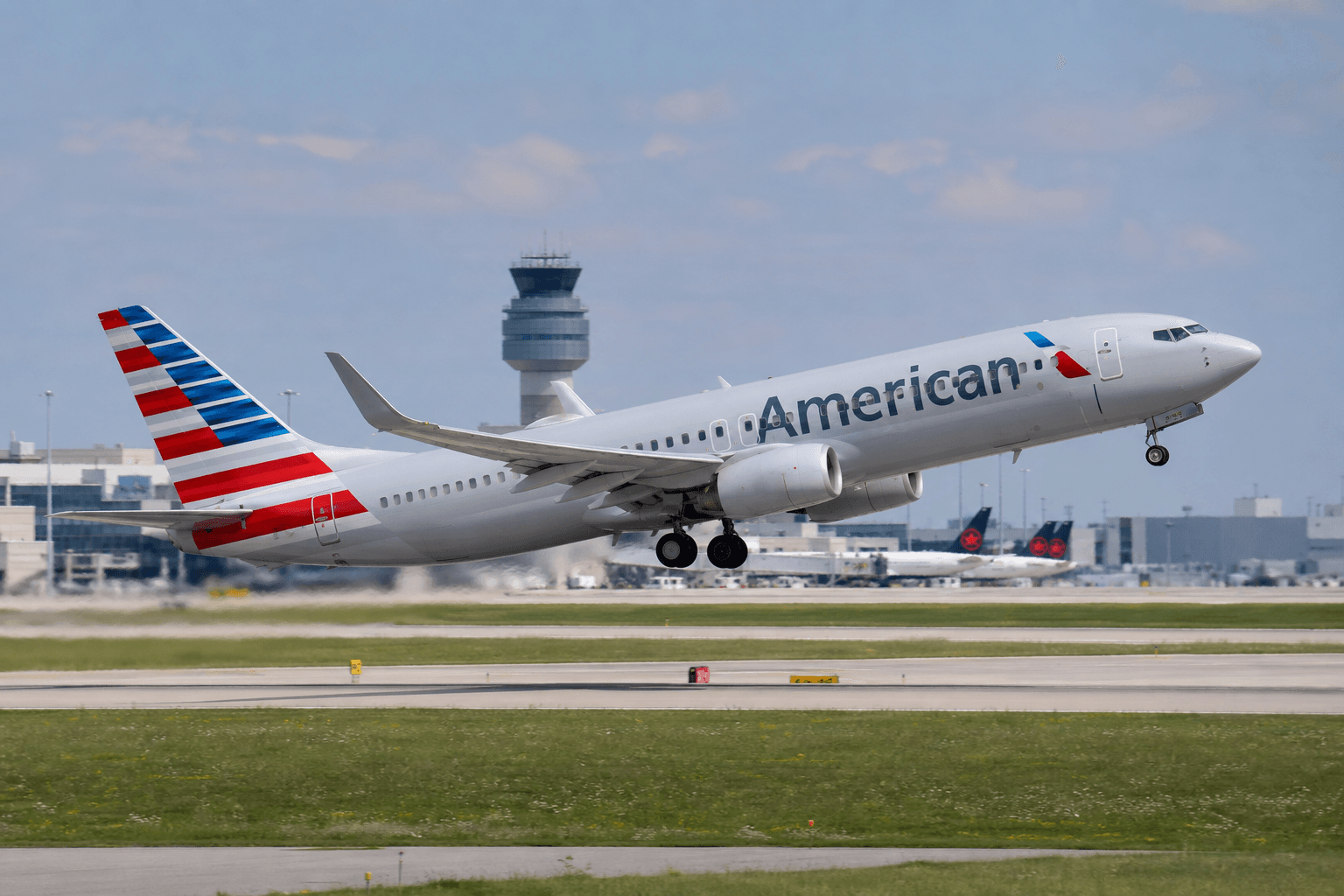
American Airlines Marks 85 Years of Service Connecting Canada and the U.S.
American Airlines is marking a major milestone in 2026: 85 years of continuous service in Canada. ezstandalone.cmd.push(function () { ezstandalone.showAds(119); }); This anniversary highlights the airline’s deep roots in the country and its ongoing commitment to connecting Canadian travellers with the United States and beyond. The journey began on June 24, 1941, when American operated its first flight from Buffalo, New York, to Toronto using a Douglas DC-3 aircraft. ezstandalone.cmd.push(function () { ezstandalone.showAds(127); }); That historic route not only launched transborder service but also became Toronto Pearson’s first international commercial flight. Today, this long-standing partnership continues to thrive, strengthening economic and cultural ties between the two nations. Strong Presence Across Canada Canada remains one of American Airlines’ key international markets. The airline employs more than 200 team members across six Canadian cities: Toronto, Montreal (YUL), Vancouver, Quebec City, Calgary, and Halifax. These dedicated employees help deliver reliable service to passengers while supporting local communities. ezstandalone.cmd.push(function () { ezstandalone.showAds(128); }); “Canada has long been a vital part of our international network, and we’re incredibly proud to have grown alongside the communities we serve here,” said José Freig, Vice President of International and Inflight Dining Operations at American Airlines . He emphasised the airline’s focus on providing a reliable and enjoyable travel experience built on customer trust and team dedication. ezstandalone.cmd.push(function () { ezstandalone.showAds(129); }); Photo Credit: Nathan Coats, CC BY-SA 2.0, via Wikimedia Commons Expanded Summer Schedule and New Routes This summer, American Airlines is significantly boosting its Canadian operations. From Toronto alone, the carrier offers up to 186 weekly flights to eight U.S. destinations, including Charlotte (CLT), Washington D.C. (DCA), Dallas/Fort Worth, Los Angeles (LAX), New York (LGA), Miami (MIA), Chicago (ORD), and Philadelphia (PHL). This represents a 5% increase in flights and a 10% rise in seat capacity compared to the previous summer. Across Canada, American plans up to 61 peak daily departures during the busy summer period — a more than 27% growth in capacity year-over-year. Toronto Pearson will see up to 28 daily flights, while Montreal offers up to 11, Vancouver up to 7, and Calgary, Halifax, and Quebec City up to 6 each. ezstandalone.cmd.push(function () { ezstandalone.showAds(130); }); New service additions further strengthen the network. Starting August 6 through October 4, American will add three weekly flights between New York JFK and Calgary using Boeing 737 aircraft. This complements existing Saturday service to LaGuardia. Additionally, from August 5 to October 12, daily nonstop flights will connect JFK with Quebec City using Embraer 175 aircraft. These routes give travellers more convenient options for business and leisure trips. Giving Back to Local Communities Well as flight operations, American Airlines actively supports the communities it serves. Recently, more than 30 team members volunteered with Food Banks Mississauga, a key member of the Global Food Banking Network. ezstandalone.cmd.push(function () { ezstandalone.showAds(131); }); The group assisted with food sorting and warehouse operations, helping prepare over 12,000 meals for vulnerable families, children, and seniors in the Toronto area. This effort reflects the airline’s broader commitment to corporate social responsibility in Canada. By partnering with local organisations, American contributes directly to addressing food insecurity and supporting those in need. Photo Credit: Lord of the Wings© from Toronto, Canada, CC BY-SA 2.0, via Wikimedia Commons Looking Ahead Carl Jones, Head of Aviation Business Development at Toronto Pearson , praised the long partnership. “American Airlines made history at Toronto Pearson… That legacy continues today, and we’re proud to celebrate this anniversary with the American Airlines team. We look forward to building on our longstanding partnership for many years to come.” ezstandalone.cmd.push(function () { ezstandalone.showAds(132); }); As American Airlines celebrates 85 years in Canada, the focus remains on growth, reliability, and community connection. With expanded routes, increased capacity, and continued investment in Canadian operations, the airline is well-positioned to serve travellers for decades to come. Whether flying for business or pleasure, passengers can expect enhanced connectivity and the high standards that have defined American’s service in Canada since 1941. This milestone marks an exciting future of stronger links between Canada and the United States.
United Airlines Drops 45 Airbus A350 Orders Following Engine Contract Dispute
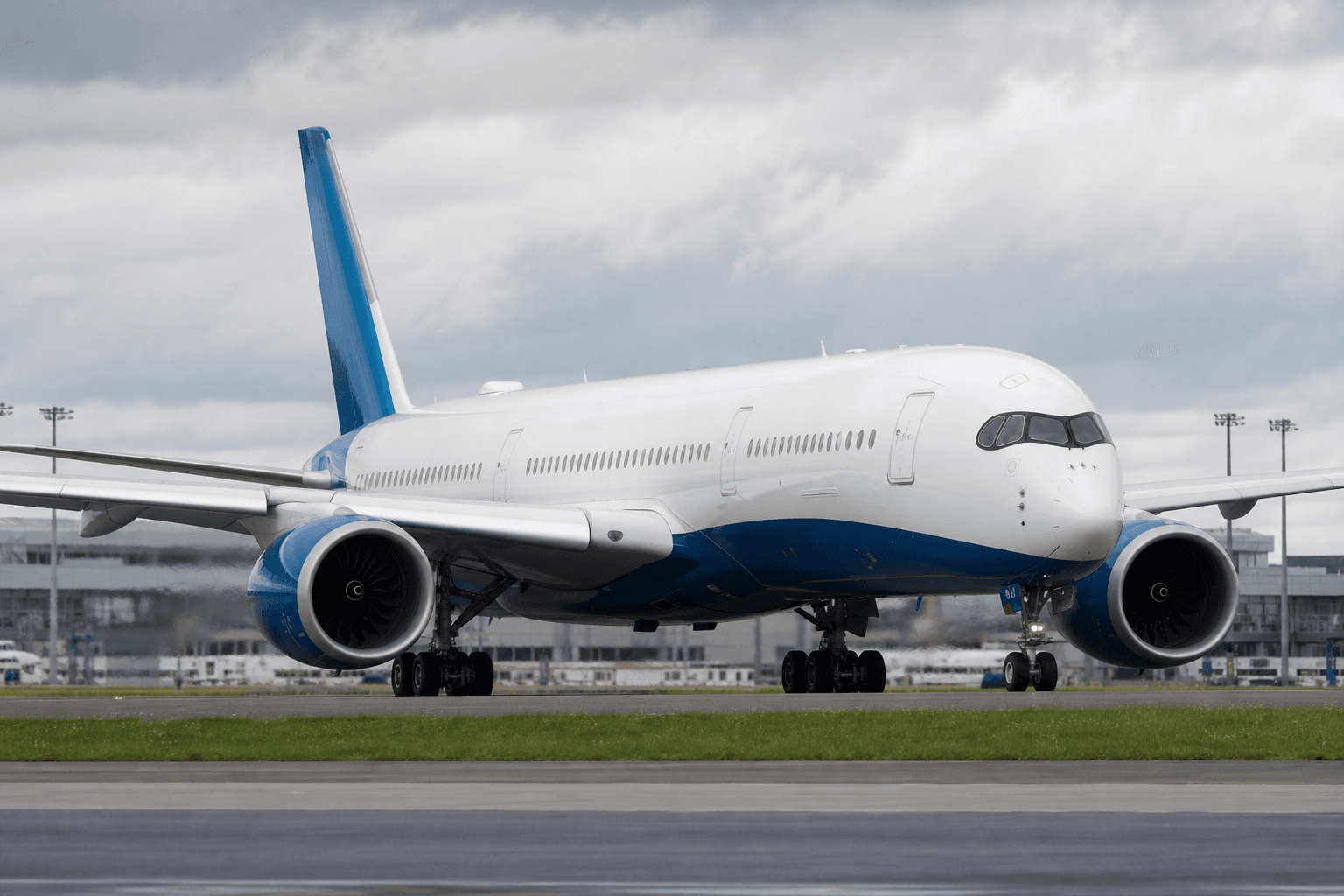
Earlier this year, United Airlines signaled the removal of the Airbus A350-900 aircraft type from its order book. As per the SEC or Securities and Exchange Commission 10-K filing, this decision was made on the basis that the engine manufacturer for the aircraft type had breached a contract. So in this video, we take a look at how a contract dispute between United Airlines and Rolls-Royce has placed one of the airline industry's longest-running aircraft orders in doubt, why a $175 million payment is now at the center of a legal battle, and how the future of 45 Airbus A350s suddenly became uncertain.
American Airlines Likely to Resume Flights to Reykjavik from Philadelphia
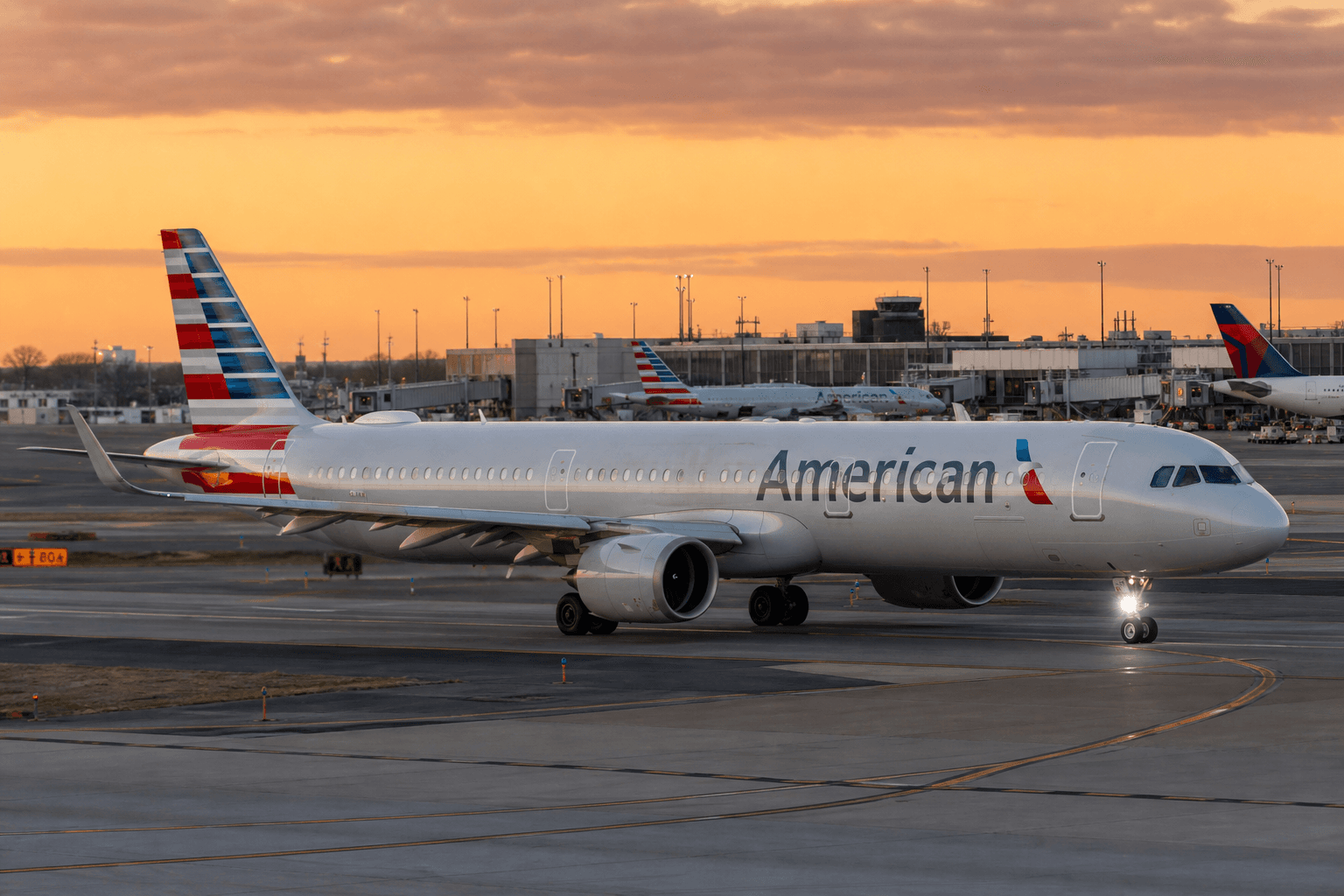
American Airlines is reportedly preparing to return to Reykjavik, reviving Iceland service that disappeared during the pandemic. Philadelphia is the logical gateway, but the airline's choice of aircraft—and whether it might instead revisit Dallas—remains unclear.
American Airlines Teases Five New International Routes to Europe and Latin America
American Airlines posted photo clues teasing five new international routes. The destinations appear to be Naples, Munich, Copenhagen, Quito and Santiago—the remaining questions are which U.S. gateways will serve them and what aircraft American will use.
The Daily Touch & Go
The day's best aviation news in your inbox. Free, no spam.