
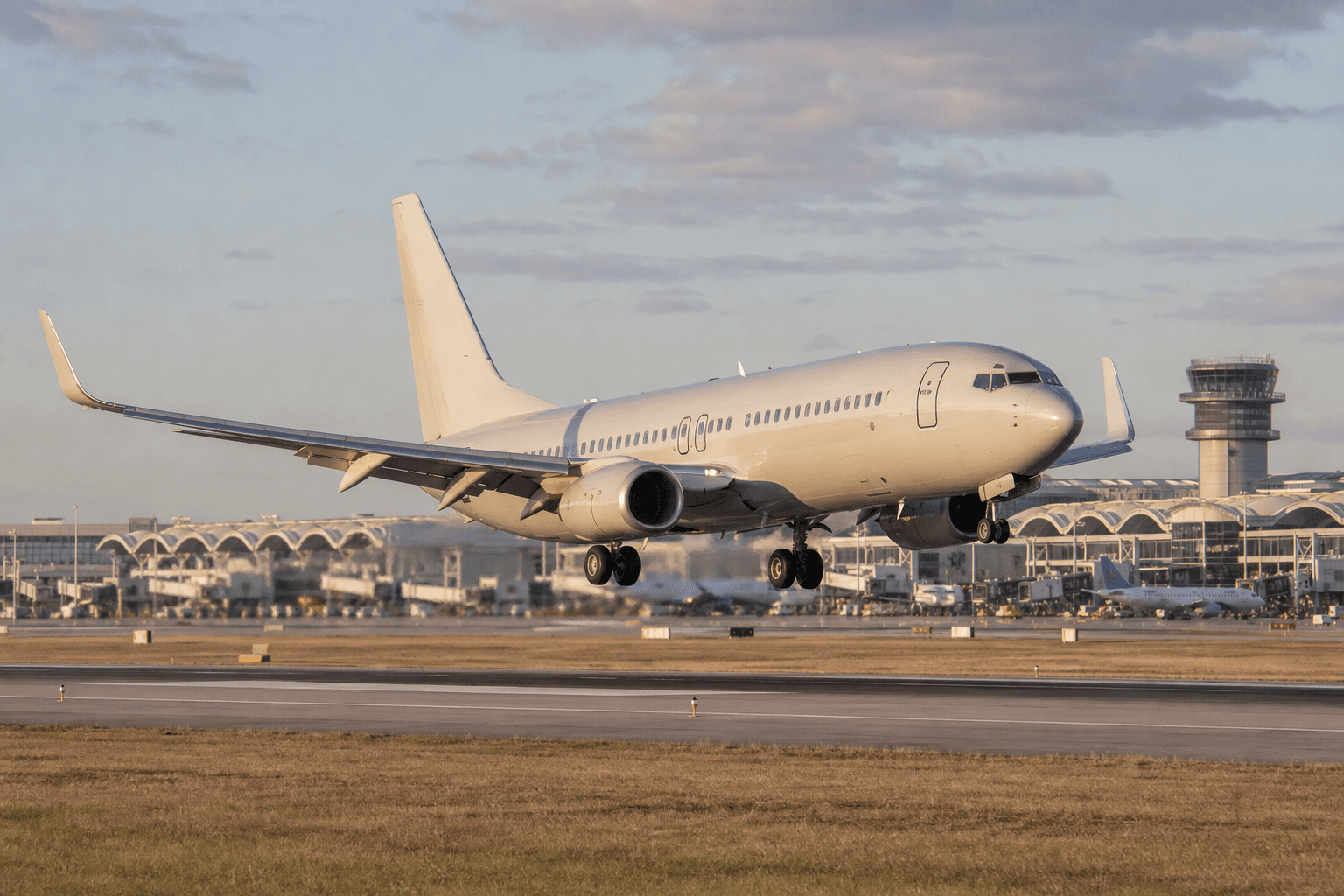
Illustration: The Touch & Go
American, United, and Southwest Match Exact $523 Fare from Chicago to Denver Half the Time
Multiple major U.S. airlines frequently offer identical fares on competitive routes, a practice explained by shared industry pricing systems and strategic revenue management.
The gist
Airlines often show matching fares on popular routes, reflecting industry pricing dynamics rather than illegal collusion.
Three leading U.S. carriers—American Airlines, United Airlines, and Southwest Airlines—have been spotted offering precisely the same fare of $523 for flights between Chicago and Denver. This exact match fares occur across numerous flight options, baffling consumers and raising eyebrows about possible price-fixing schemes. However, the alignment in pricing is linked more to industry-standard fare distribution and competitive pricing practices than to any unlawful collusion.
The pricing similarities stem partly from the role of the Airline Tariff Publishing Company (ATPCO), which functions as a centralized clearinghouse distributing domestic and international fare information. Airlines publish their fares via ATPCO, which then disseminates data to online travel sites and reservation systems. Although this system standardizes fare information, ATPCO does not determine pricing or control seat availability—those decisions remain firmly in the hands of airlines' revenue management teams.
Each airline's revenue management department dynamically adjusts booking classes and fares by analyzing many factors, such as remaining seat capacity and anticipated demand. They also monitor competitors through fare feeds, website checks, Google Flights data, and specialized pricing software to remain competitive. When one airline adjusts fares, others often respond quickly, leading to frequent instances of matching prices, especially on high-traffic routes like Chicago to Denver.
Despite the temptation to undercut a rival by a small price difference, airlines often avoid marginal price drops. A minimal price reduction, like one dollar, could trigger a reciprocal cut and erode overall revenue without substantially increasing market share, given that consumers prioritize additional factors such as flight schedules, airport convenience, loyalty programs, and onboard product offerings. Airlines therefore tend to match competitive fares or adjust pricing selectively on less busy flights.
Historical antitrust scrutiny has targeted fare publication practices, with the Department of Justice taking legal action against ATPCO in the 1990s over suspected collusion in fare setting. Investigations uncovered evidence of coordinated fare increases and strategic price signaling among carriers. However, matching fares alone does not constitute illegal activity if prices are set independently and without explicit agreements. Airlines commonly track each other's fare changes and may choose to mirror prices in a highly competitive marketplace.
Internationally, fare coordination can occur legally under government-sanctioned airline joint ventures, which allow carriers to collaborate on pricing, scheduling, and capacity as a single commercial entity. This exception is a legacy of prior regulatory frameworks aimed at facilitating international air travel stability. U.S. domestic pricing, however, remains strictly regulated against collusion, even though transparent information and rapid competitive responses make fare convergence common.
Airline executives have acknowledged these pricing dynamics in public statements and earnings calls. For instance, Delta's CEO recently emphasized sustaining high revenue levels despite falling fuel costs, highlighting the complex interplay between costs, capacity management, and fare strategies. Fuel price fluctuations influence capacity decisions, which in turn affect supply and demand balance, indirectly shaping fare levels rather than setting fixed price points.
Over the long term, airfares—including ancillary fees—have trended downward in inflation-adjusted terms despite ongoing airline consolidation. Competition, consumer choice, and near-zero marginal costs for an additional passenger on a flight create strong pressure to keep fares aligned with market realities. Identical pricing across carriers is thus more a reflection of competitive intelligence and shared distribution infrastructure than a sign of illicit price-fixing.
Frequently asked questions
- Why do American, United, and Southwest show the same $523 fare from Chicago to Denver?
- They publish fares through the same industry clearinghouse, ATPCO, and closely monitor each other's prices, leading to frequent matching fares set independently by each airline's revenue management.
- Does an identical fare among airlines indicate illegal price-fixing?
- No, identical fares can result from competitive pricing strategies and shared fare distribution systems and do not necessarily imply unlawful collusion.
- How do airlines decide when to lower fares or match competitors?
- Airlines weigh the revenue impact, competitive pricing, flight demand, and other factors, often avoiding small price cuts that would be quickly matched and erode profits without gaining significant market share.
Read more
All Airlines →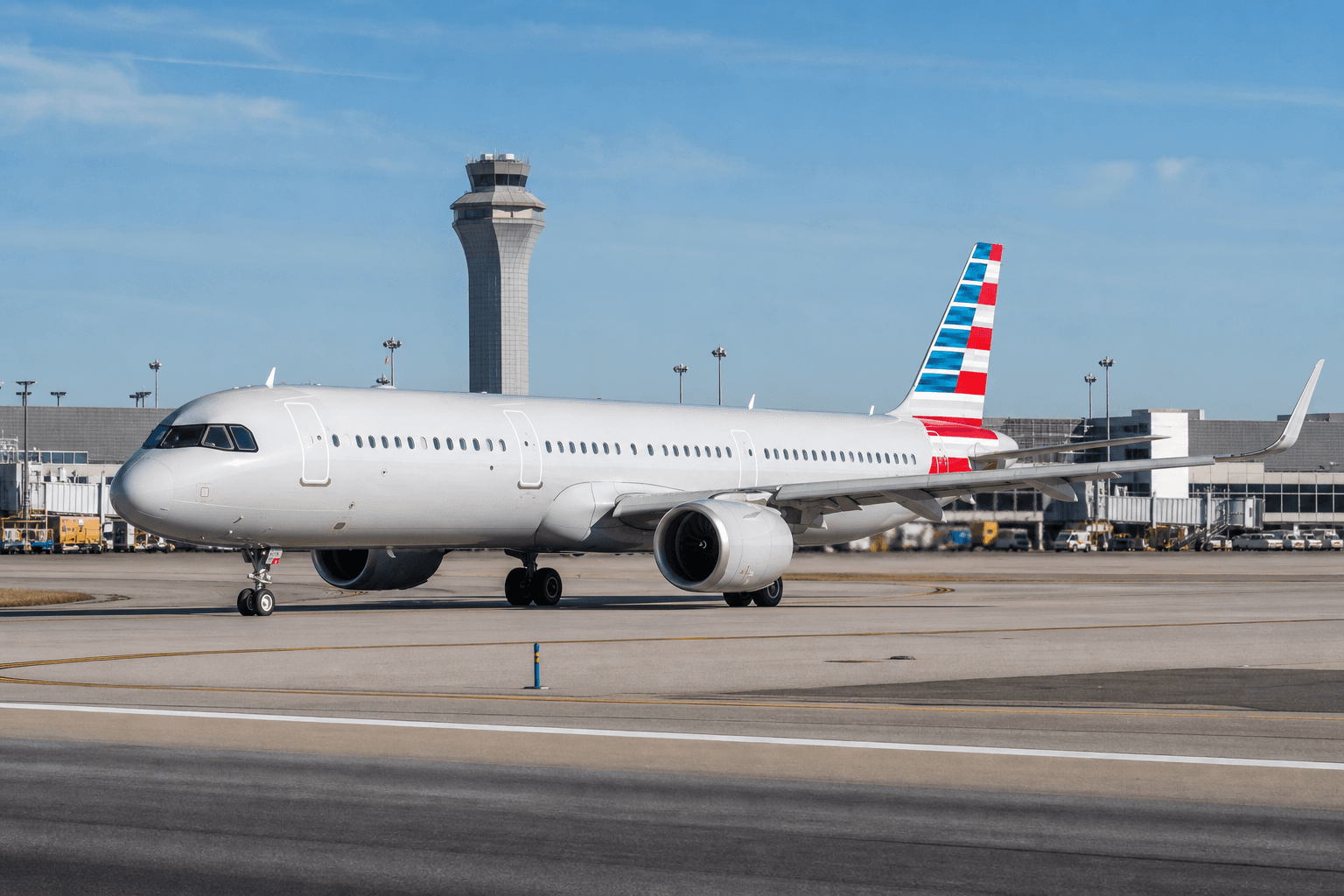
American Airlines A321neo Exit Row Offers More Legroom Than Domestic First Class
American Airlines' Airbus A321neo has become one of the airline's most important domestic aircraft, serving everything from short shuttle flights across the Northeast to longer transcontinental and high-demand leisure routes . On paper, its two-cabin layout appears straightforward, with domestic first class offering a more spacious seat and premium service, while Main Cabin Extra provides additional legroom for other passengers.
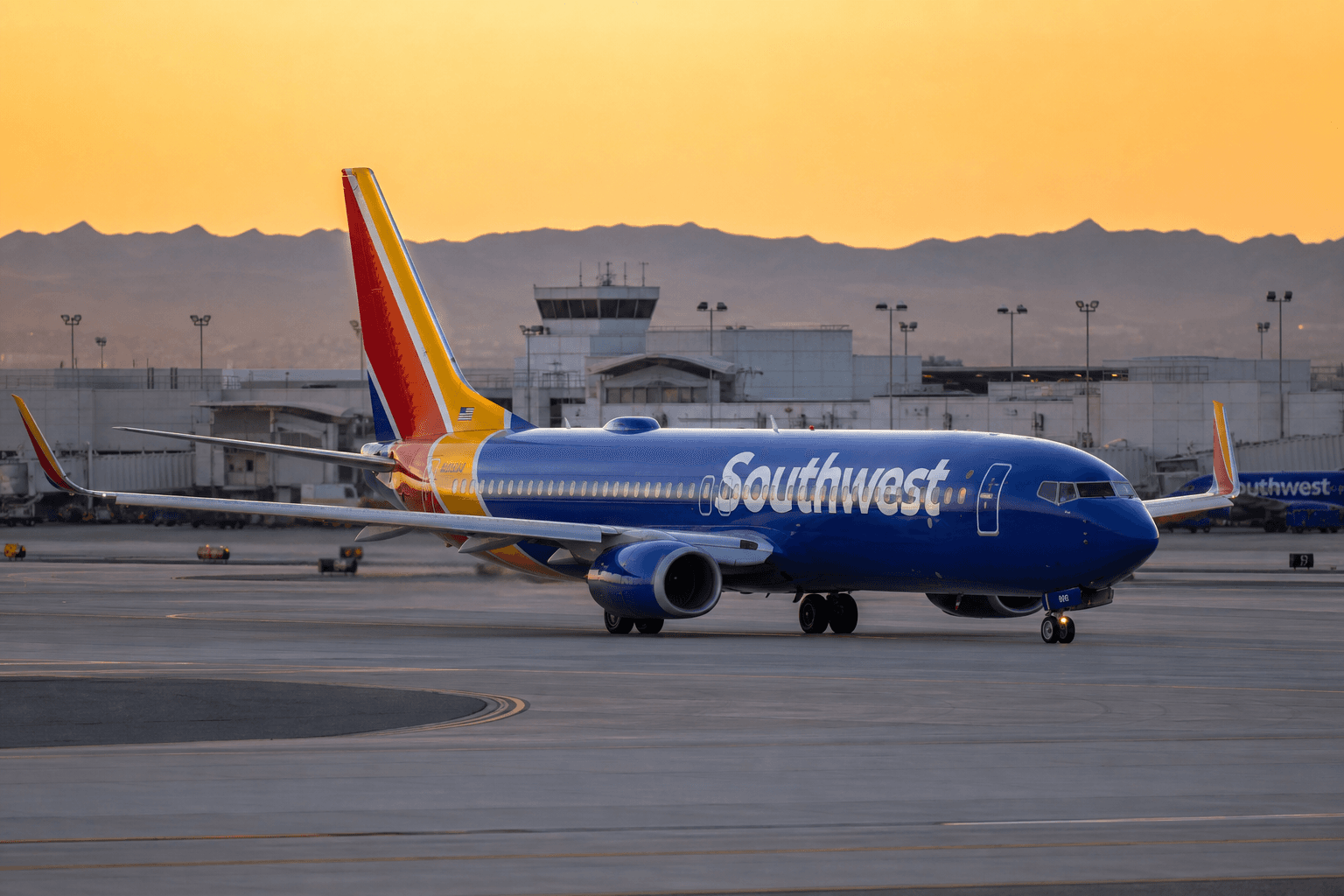
Southwest Airlines Companion Pass 2026 Qualifying Spend Revealed
Companion Pass is a unique and highly lucrative benefit offered by Southwest Airlines , which essentially allows elite members to travel with a companion for almost free. Customers still have to pay the taxes and fees for the second passenger (starting at $5.60 per way), but that's it. In addition, the Companion Pass can be used with no limits within a program year, and it stands as uniquely valuable during an era where scores of airlines have devalued loyalty programs to boost profit margins.
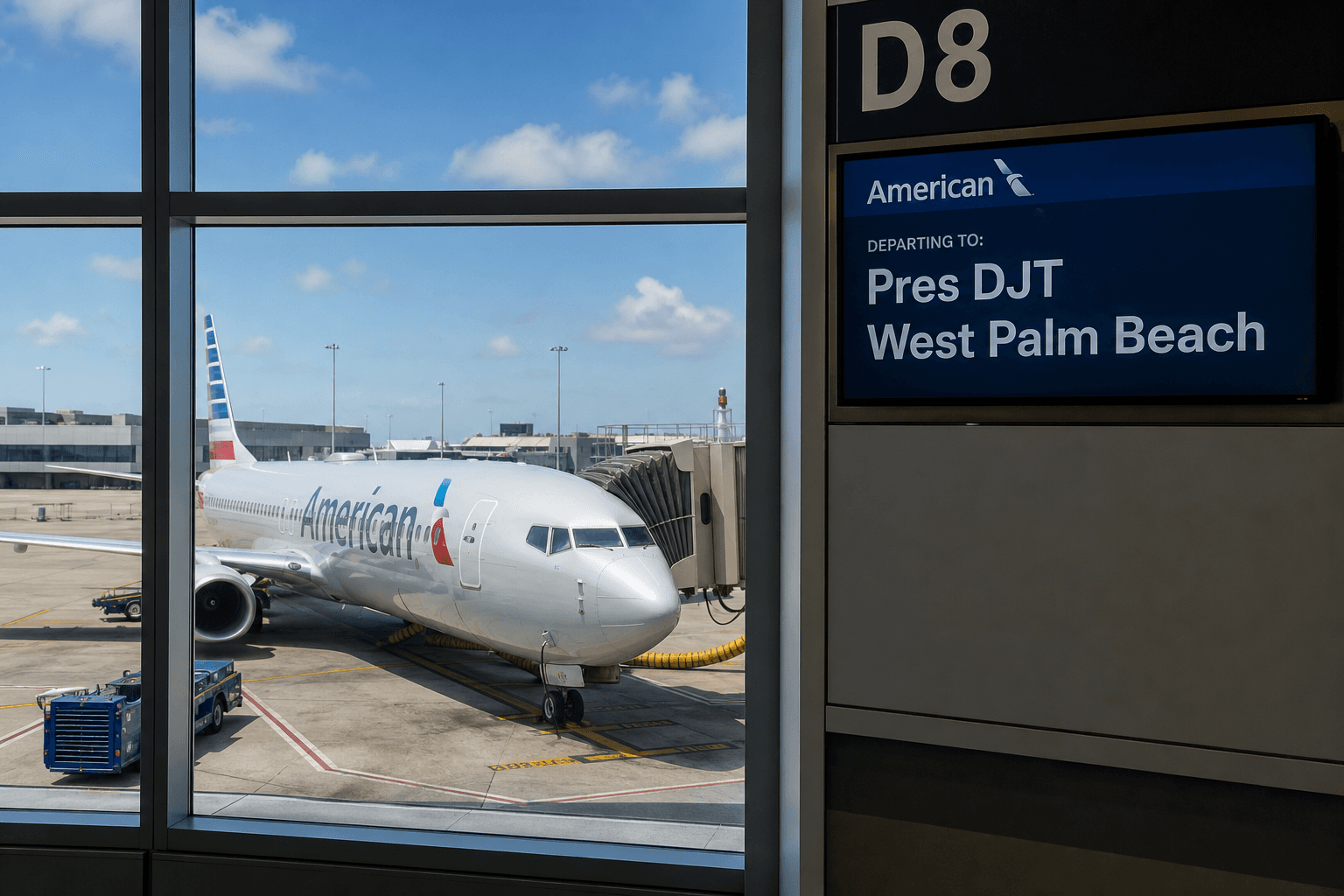
American Airlines Lists West Palm Beach as 'Pres DJT' on Gate Screens, Breaking Usual Naming Pattern
American Airlines now labels West Palm Beach "Pres DJT" on gate screens, departing from its usual practice of naming airports only when distinguishing between multiple airports serving one city. Clinton and Ford airports receive no such treatment.
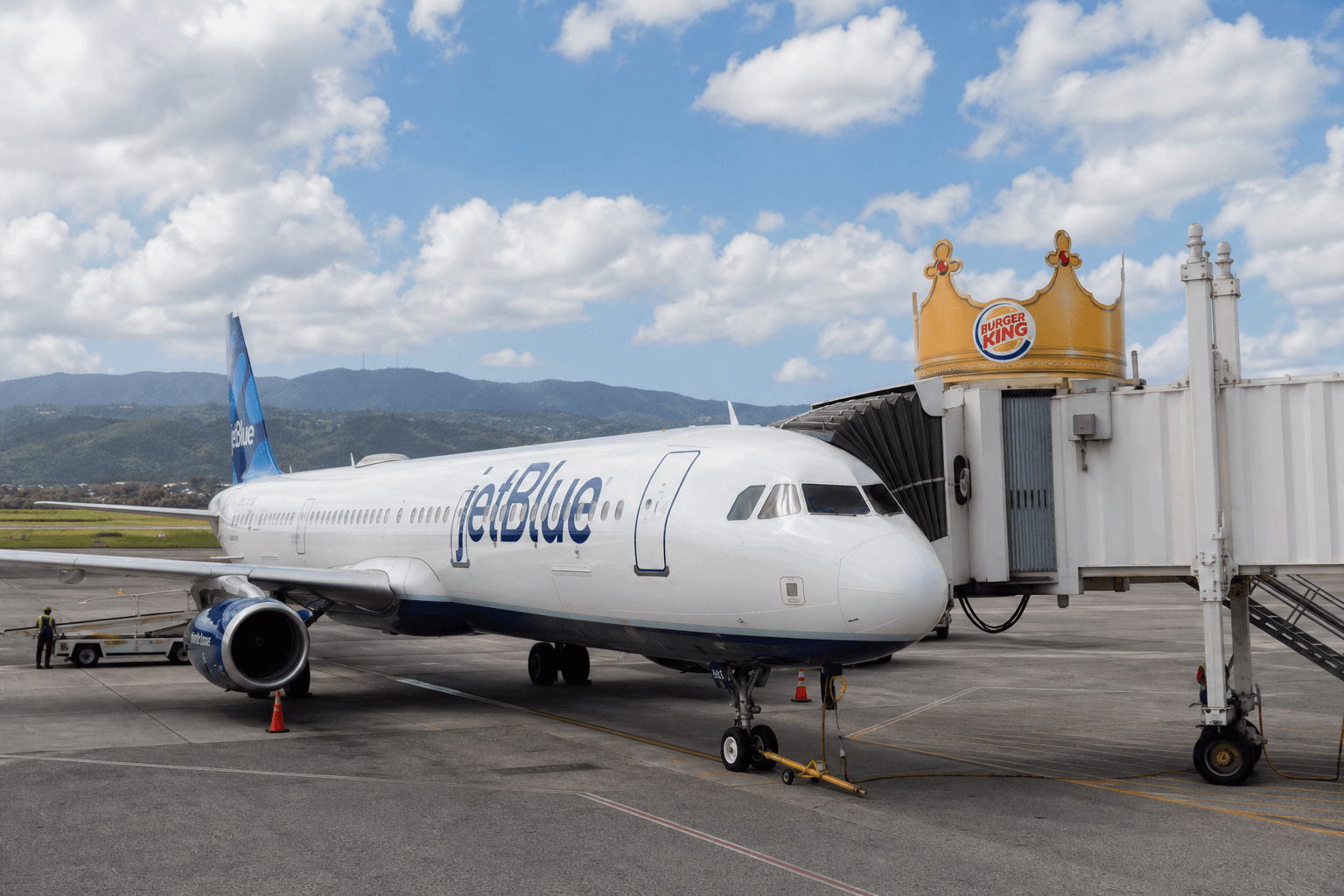
Man Known as Racist Burger King Flew to Jamaica for Facebook Bride, Then Abandoned
The man in the Burger King crown became an airline meme after racist outbursts got him removed from JetBlue and American. A buried Jamaican report says the trip began with a Facebook romance, a promised wedding, $1,000 lost—and nights sleeping on the beach.
The Daily Touch & Go
The day's best aviation news in your inbox. Free, no spam.