Illustration: The Touch & Go
Boeing 737 MAX Surpasses 7,200 Orders, Becoming Company's Best-Selling Aircraft
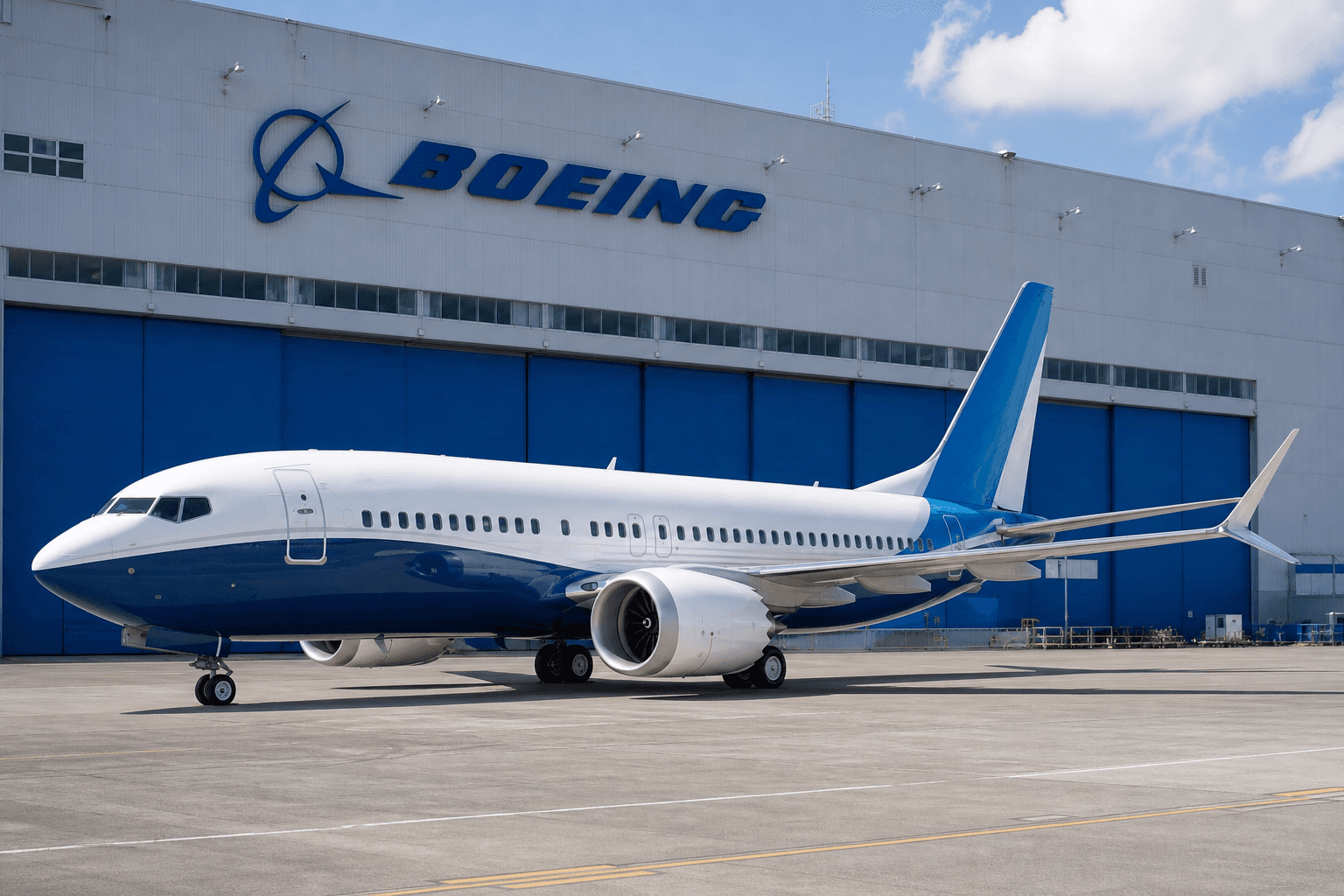
With certification nearing for the MAX 10 and MAX 7, Boeing's 737 MAX family has reached 7,206 orders, overtaking previous models to become the manufacturer's best-selling plane.
The gist
Boeing’s 737 MAX family tops 7,200 orders, surpassing all other Boeing aircraft in sales amid production ramp-up and model certification progress.
Continuing coverage
All Boeing →- US F-47 Sixth-Gen Fighter Faces $300M Price Tag and Limited Fleet Size
- Boeing books 121 jet orders in June while boosting deliveries to highest monthly level in years
- Boeing posts strongest first-half aircraft deliveries since 2018 with 314 jets
- Boeing invests $10 billion to overhaul 737 Max production in historic Everett plant
- Nine Countries Collaborate Globally to Supply Boeing 787 Dreamliner Structural Parts
Boeing’s 737 MAX series has reached a landmark milestone, accumulating a backlog of 7,206 orders across all variants as it approaches the final stages of certification for the MAX 10 and MAX 7 models. This milestone elevates the 737 MAX to Boeing’s best-selling aircraft in the manufacturer’s history, signaling a strong recovery and growth after years of challenges. The final certification steps for the newest MAX variants are critical as Boeing looks to expand its narrowbody offering further and capture additional market share in the competitive single-aisle segment.
Originally launched in 2011, the 737 MAX was Boeing’s fastest-selling jet until it was grounded worldwide following two fatal accidents: Lion Air Flight 610 and Ethiopian Airlines Flight 302, which collectively resulted in 346 casualties. These incidents, linked to issues with the aircraft’s maneuvering characteristic augmentation system, led to the longest and most extensive global grounding in aviation history. Additionally, an in-flight door separation event in 2024 exposed further production vulnerabilities that Boeing has since addressed through rigorous quality and safety reforms.
Following nearly two years of global grounding and intensive redesign efforts, Boeing’s 737 MAX program has rebounded remarkably. The manufacturer has revamped its production processes, consolidating suppliers and reabsorbing key partners such as Spirit AeroSystems—responsible for much of the aircraft’s aerostructure manufacturing—to improve quality control. In mid-2026, Boeing unveiled a $1 billion automated production line at its Everett, Washington facility, signifying a new era of manufacturing efficiency for the 737 MAX after 15 years since the program’s launch.
Sales momentum has built steadily since the FAA authorized Boeing to increase delivery rates in late 2025. By June 2026 alone, Boeing secured 100 new orders for the 737 MAX, surpassing the order total for the 737 Next Generation series, previously the company’s best-selling narrowbody. Boeing aims to ramp production to 53 aircraft per month by early 2027, a significant increase from current rates that underlines the company’s commitment to fulfilling backlogs and customer orders in the post-grounding era.
Despite this milestone, Boeing faces stiff competition from Airbus, which has dominated the single-aisle market with its A320 family. Airbus’s A320neo has been the world’s best-selling airliner since October 2025, having surpassed 12,260 deliveries to date. The A321neo subtype alone boasts 7,769 orders, exceeding the entire Boeing 737 MAX family order book, reflecting Airbus’s continued strong customer preference and deeper order pipeline in this segment.
Boeing CEO Kelly Ortberg highlighted the company’s renewed focus on safety, quality, and customer service in early 2026, emphasizing the goal of restoring Boeing to a dominant position in global aerospace. The consolidation of suppliers and modernization of production lines are part of a larger company culture shift aimed at preventing past mistakes and ensuring the reliability of Boeing’s narrowbody offerings. The order backlog growth observed in 2026 indicates confidence from airlines and leasing firms as the 737 MAX nears full maturity.
The 737 MAX’s recovery demonstrates Boeing’s resilience and ability to regain market trust after one of the most challenging periods in its history. While Boeing still has a significant gap to close against Airbus’s more substantial backlog, the ramp-up in production, combined with the certification and introduction of new variants, positions the 737 MAX family for sustained competitiveness in the global single-aisle market. Maintaining this production momentum will be crucial as Boeing seeks to expand deliveries and recapture sales lost during the grounding years.
The 2024 mid-air door incident linked to supplied aerostructures highlighted vulnerabilities in Boeing’s supply chain management. Since then, the reintegration of Spirit AeroSystems and tighter oversight have been key steps to securing supply chain stability and product quality. These operational changes underscore Boeing’s recognition that reducing complexity and consolidating control over critical manufacturing elements are vital to the 737 MAX’s long-term success and safety profile.
Frequently asked questions
- What milestone has the Boeing 737 MAX recently achieved in sales?
- The Boeing 737 MAX family has reached 7,206 total orders, making it the best-selling aircraft in Boeing’s history.
- What changes has Boeing made to improve the 737 MAX program after its groundings?
- Boeing consolidated suppliers, reabsorbed Spirit AeroSystems, revamped production with a new automated line in Everett, and reformed company culture focused on safety and quality.
- How does the 737 MAX backlog compare to Airbus’s A320neo family?
- The 737 MAX backlog of 7,206 orders is significant but still trails Airbus’s A320neo family, which holds 12,104 orders overall and 7,769 for the A321neo alone.
Read more
All Regulatory →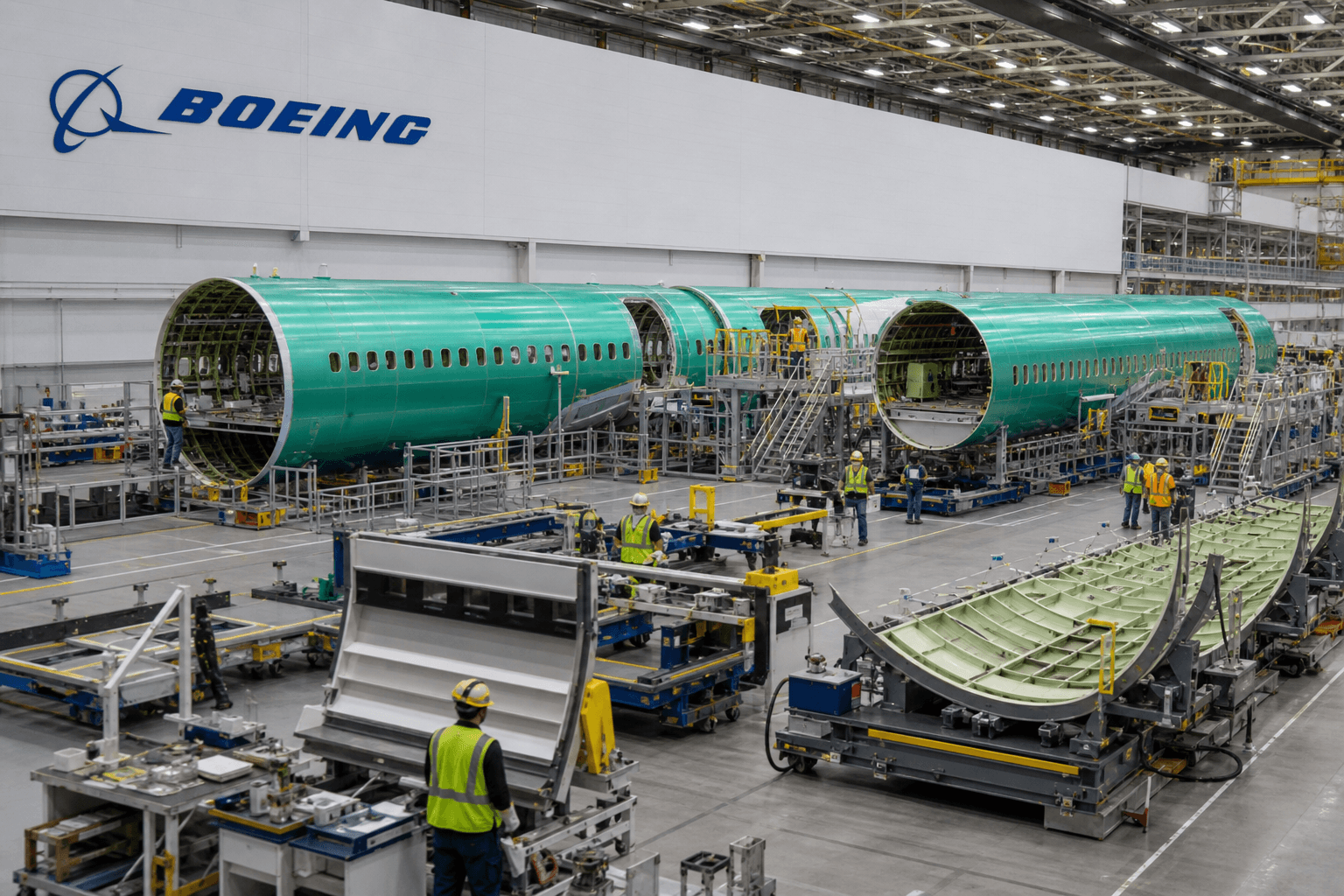
Boeing launches 737 Max assembly at new Everett North Line to boost production
The company intends for the new line to help it achieve a production rate of 52 737s monthly. Boeing has started assembling the first 737 Max on its new line in Everett, marking the start of production at a site the company says will enable it to further accelerate 737 output. The airframer disclosed the milestone in an internal company message on 6 July, saying it began producing the jet on that day and that it will hold a ribbon-cutting ceremony there on 10 July. Boeing has for decades only produced 737s at its Renton facility south of Seattle but several years ago began planning to assemble them also on the new “North Line” at its Everett site north of Seattle. Boeing has said the additional capacity will enable it to ramp production without sacrificing quality. “Boeing teammates began assembling a 737 Max airplane on the new North Line on Monday, marking the start of 737 production at the Everett site. The team worked on the fuselage in the systems installation tool, replicating the build process used on the three 737 production lines about an hour south in the Renton factory,” a message posted to Boeing’s news site reads. The company freed up space in Everett in recent years after ending 747 production entirely and moving all 787 production to its site in North Charleston, South Carolina. The North Line is in the space where Boeing formerly produced 787s. Throughout the last decade, Boeing had assembled 53 737s monthly in Renton. But output slowed following the 737 Max grounding and subsequent Covid-19 pandemic. The company has struggled recently to ramp up production amid persistent quality problems that prompted the Federal Aviation Administration to cap output. Supply chain shortages were also a factor. The supplier issues have since eased, and the FAA has lifted its caps. As a result, Boeing’s production cadence has accelerated, with the company now moving from a rate of 42 to 47 737s monthly. Boeing aims to boost production to 52 jets monthly with assistance from the North Line. Additional rate hikes are also planned. “The build process in Everett will largely be the same as in Renton, apart from the production of the wings. Wings will continue to be built by teammates in Renton and then the 737 Wing Transport Tool will ferry them to Everett for final assembly,” Boeing’s internal message says. The exact composition of the new wing transport system has not immediately been made clear. While the North Line has been designed to accommodate production of all four 737 Max variants, Boeing has said it will initially produce only Max 8s, 9s and 10s – but not Max 7s – in Everett. The Max 7 and Max 10 are not yet certificated but Boeing says it expects to achieve those approvals this year. Workers at the North Line include new employees and those transferred from Renton and another Boeing site in Moses Lake, Washington. Boeing plans first to operate the North Line at "low rate initial production" — a reduced pace that will enable it to closely monitor the production system and demonstrate to the FAA that processes there conform to those in Renton — a requisite for Boeing to receive FAA approval to operate the North Line under its existing 737 production certificate. Boeing previously aimed for the North Line to be running in the second half of 2024 but delayed the plan after the FAA capped 737 output .
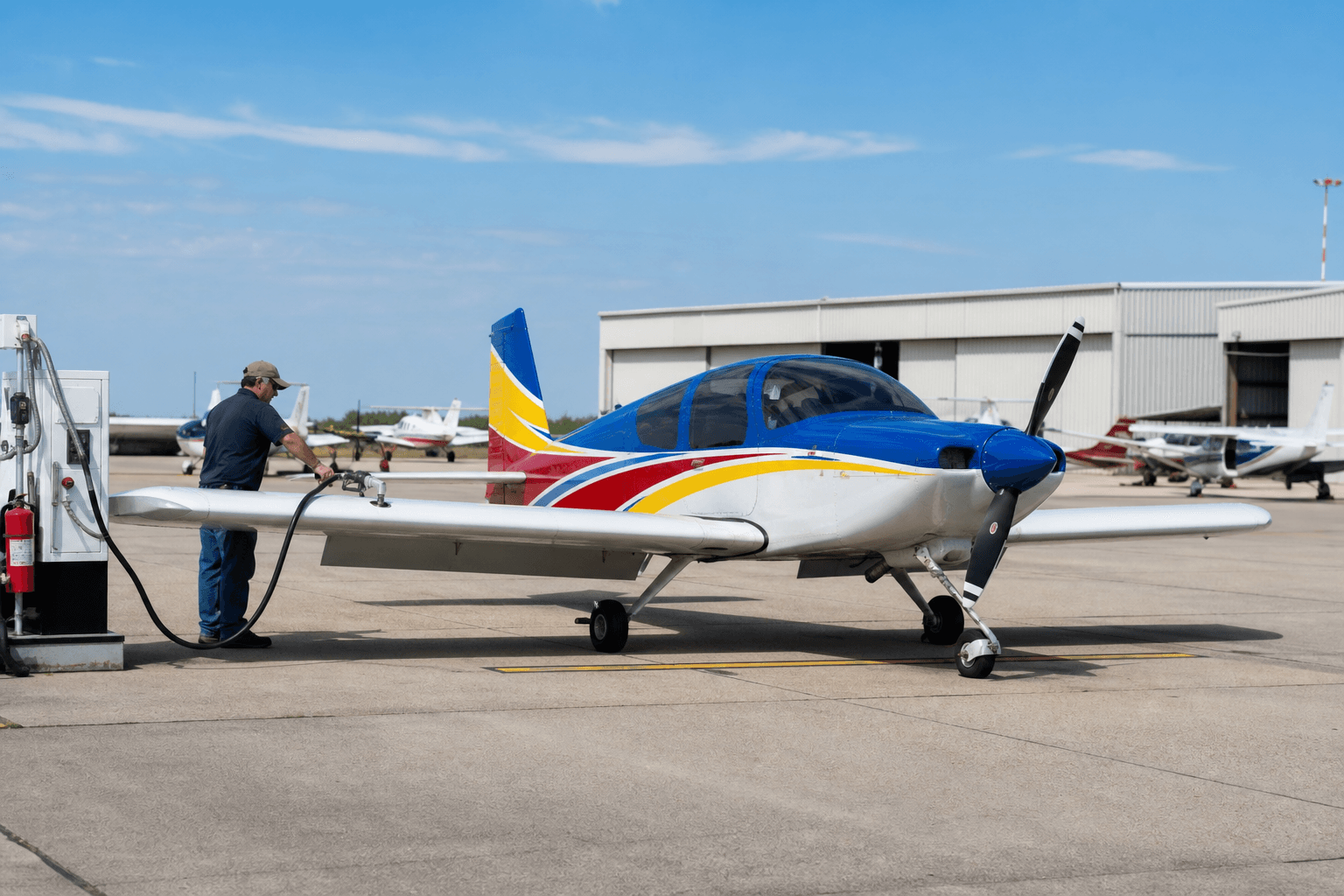
FAA Broadens Eligibility for Swift Fuels 100R Unleaded Avgas to Over 1,600 Aircraft Models
On Tuesday, Swift Fuels announced that the Federal Aviation Administration (FAA) has significantly expanded the list of piston aircraft eligible to operate on its 100R unleaded aviation gasoline, adding more than 1,200 engine models and 1,600 airframe models through updates to the fuel’s Supplemental Type Certificate (STC). According to the company, the expanded Approved Model List (AML) includes engines from more than 80 manufacturers, including approximately 395 Lycoming models, 195 Continental models, 95 Curtiss-Wright models, and 95 Pratt & Whitney models. The airframe expansion covers more than 1,600 aircraft models, including approximately 118 Cessna aircraft, 101 Beechcraft models, 98 Piper aircraft, along with aircraft from Mooney, Grumman, Stinson, WACO, Fairchild and others. The expanded approvals represent another step in the FAA’s effort to support the industry’s transition away from leaded 100LL avgas by the end of the decade. Swift said the newly approved aircraft represent about 56% of current U.S. 100LL consumption and mark the first phase of its broader certification plan. The company expects additional approvals for higher-performance engine and airframe combinations during Phase II and Phase III of the program through 2028. The company noted that 100R is currently the only commercially available 100-octane unleaded avgas that both operates under FAA-approved STCs for eligible aircraft and complies with ASTM International’s D8603 production specification. Pilots must obtain a Swift Fuels STC before using 100R in eligible aircraft. Owners who previously purchased the company’s UL94 STC will automatically receive a 100R STC through Swift’s “Forever STC” program at no additional cost. Swift said 100R has been sold commercially for nearly two years at five U.S. and five European airports and that distribution is now expanding. The company expects the initial transition from UL94 to 100R at participating airports to begin this summer, with locations in 29 states, including California, Colorado, Arizona, Florida, Minnesota, Utah and Wisconsin. International availability has also expanded to airports in Canada, Australia, Germany, France, Austria, the United Kingdom and the Netherlands. The company said work continues with the FAA and engine manufacturers to certify the remaining high-performance piston fleet, with additional approvals expected through 2027 and early 2028. The FAA first approved Swift’s original 100R STC in September 2024. Press_Release_-_FAA_AML_Expansion_-_Final-1 Download

FAA Seeks Members for Aircraft Noise Advisory Committee Over Six Months Late
The FAA published a notice July 10 seeking members for an aircraft noise committee more than six months after the panel's recommendations were due under a congressional timetable. Nominations for the Aircraft Noise Advisory Committee must be submitted by Aug. 10. Committee Created By Congress Congress directed the FAA to establish the committee within 180 days of the FAA Reauthorization Act's May 16, 2024 , enactment. The FAA chartered the panel Jan. 14, 2025. The law required the committee to recommend changes to federal aviation noise policy within one year of establishment, placing that deadline on Jan. 14, 2026, based on the FAA's stated establishment date. The delay also affects the FAA's broader review of aircraft noise policy. The agency said it will wait for the committee's recommendations before completing its Noise Policy Review or updating Part 150 airport-noise regulations. The FAA began the review in 2023 and received 4,857 public comments. Noise Standard Under Review The committee will evaluate the FAA's 65-decibel Day-Night Average Sound Level threshold, alternative noise metrics and existing mitigation strategies. The threshold originated in federal policy adopted in 1976 and was incorporated into Part 150 land-use guidelines in 1981. It helps determine residential land-use compatibility, eligibility for federally funded sound insulation and whether noise effects are considered significant during environmental reviews. Membership will include representatives from engine and aircraft manufacturers, airlines, airports, advanced air mobility companies, higher education and airport-adjacent communities. Those categories were established by Congress and do not include a dedicated seat for general aviation pilots, aircraft owners or GA organizations. Members will serve two-year terms and are expected to meet at least twice annually.
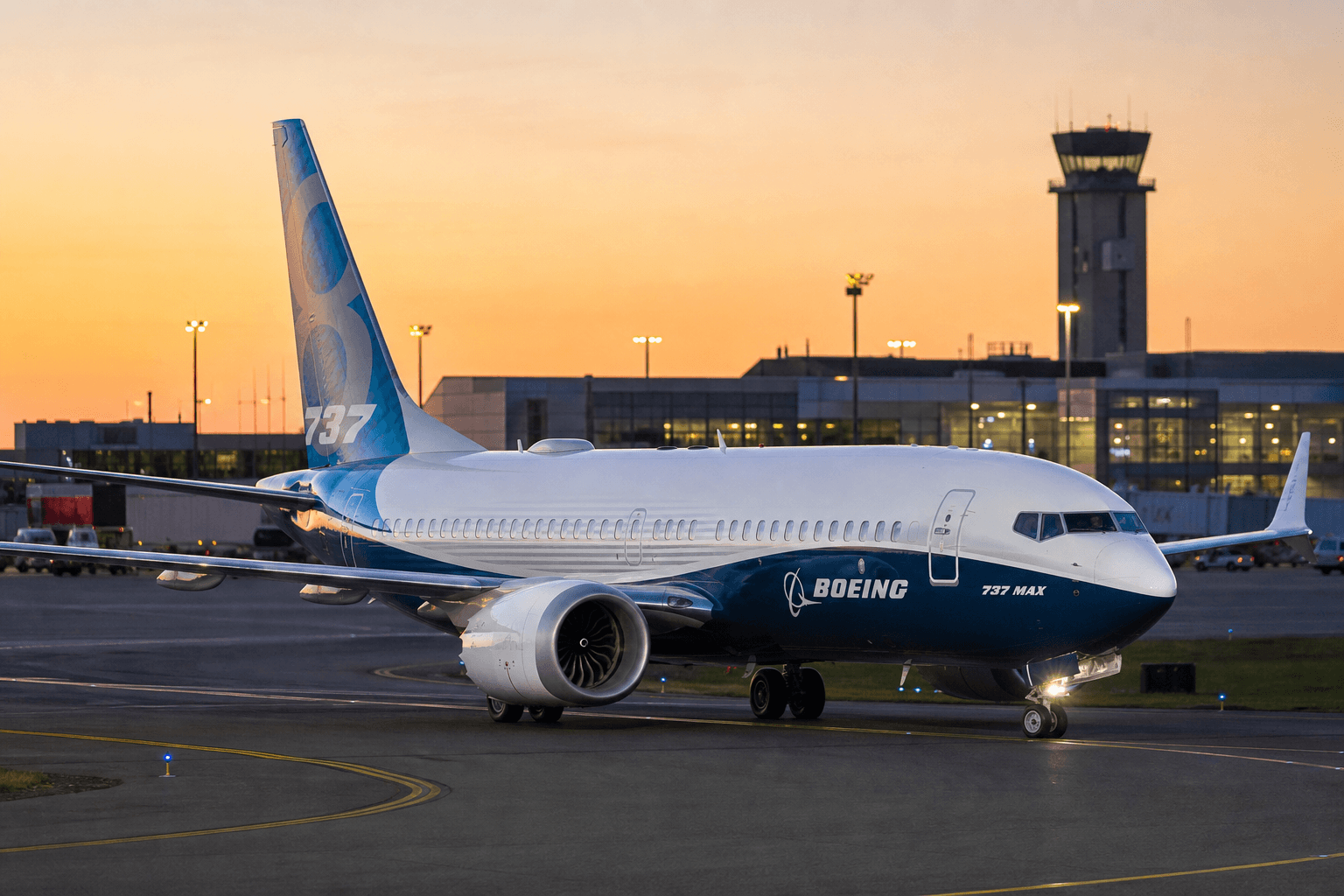
Boeing's 737 MAX 7 Nears FAA Approval More Than a Decade After Launch
Boeing is only weeks away from gaining Federal Aviation Administration (FAA) certification for its 737 MAX 7 aircraft, according to a new Wall Street Journal report. Boeing's smallest variant of the MAX family aircraft was officially launched in May 2013, with Southwest Airlines confirmed as the launch customer. The Dallas-based carrier became the first airline to order the 737 MAX 7, with delivery of the first aircraft initially scheduled for 2019. Seven years later, the US planemaker is said to be finally on the cusp of receiving approval for an aircraft that promised so much, but which has yet to deliver. According to the Wall Street Journal , which has spoken to people familiar with the matter, FAA certification could arrive before the end of July 2026. Anna Zvereva / Creative Commons Powered exclusively by CFM International LEAP-1B engines, the mini-MAX is designed to fly up to 172 single-class passengers with a top range of around 3,800 nautical miles. Its competitor aircraft at Airbus are the A220-300, which carriers up to 160 single-class passengers, and the A320neo, with 194 single-class seats. With Airbus' rumored future A220-500 (or Stretch) expected to carry up to 180 single-class passengers, the market is set to be squeezed even further. Boeing's largest MAX aircraft, the 737-10, is also in the final stages of FAA certification, with the Deputy Administrator Chris Rocheleau indicating it was a case of "dotting 'i's and crossing 't's". RELATED Southwest adds Korea's Air Premia in latest international overseas partner push
The Daily Touch & Go
The day's best aviation news in your inbox. Free, no spam.