

Illustration: The Touch & Go
Pilots Follow Structured Risk Model When Diverting Flights to Ensure Safety
Flight diversions arise from careful risk assessments around safety, weather, fuel, and technical issues rather than sudden decisions.
The gist
Pilots use a disciplined mental model focusing on worst-case scenarios, fuel planning, and strict weather limits to decide when to divert flights.
Flight diversions, while often frustrating for passengers, represent the culmination of careful and deliberate decision-making processes among flight crews prioritizing safety above all else. When unexpected conditions or mechanical concerns arise, pilots do not decide to change course on a whim; instead, they employ structured cognitive frameworks designed to maintain objective assessments under pressure, reducing the risk of tunnel vision or rushed decisions.
A key framework highlighted recently in an FAA WINGS Expert Insights presentation, developed by an experienced US Coast Guard pilot, revolves around four fundamental questions that frame diversion considerations. First is evaluating the worst consequences of not completing the planned flight versus the inconveniences associated with diversion, emphasizing that safety far outweighs operational disruptions. Next, crews assess how easily the situation could deteriorate further, fostering an understanding of rapid compounding risks.
The final two questions establish concrete diversion triggers by defining what factors could change their minds and determining absolute operational limits, all established well before high cockpit workload scenarios emerge. This methodical approach ensures pilots are never forced into last-minute, high-stress decisions when conditions degrade and allows for sound judgement based on pre-established safety criteria. Regulations like 14 CFR 91.3(a) reinforce this by designating the pilot in command as the ultimate authority for aircraft safety decisions, including diversions.
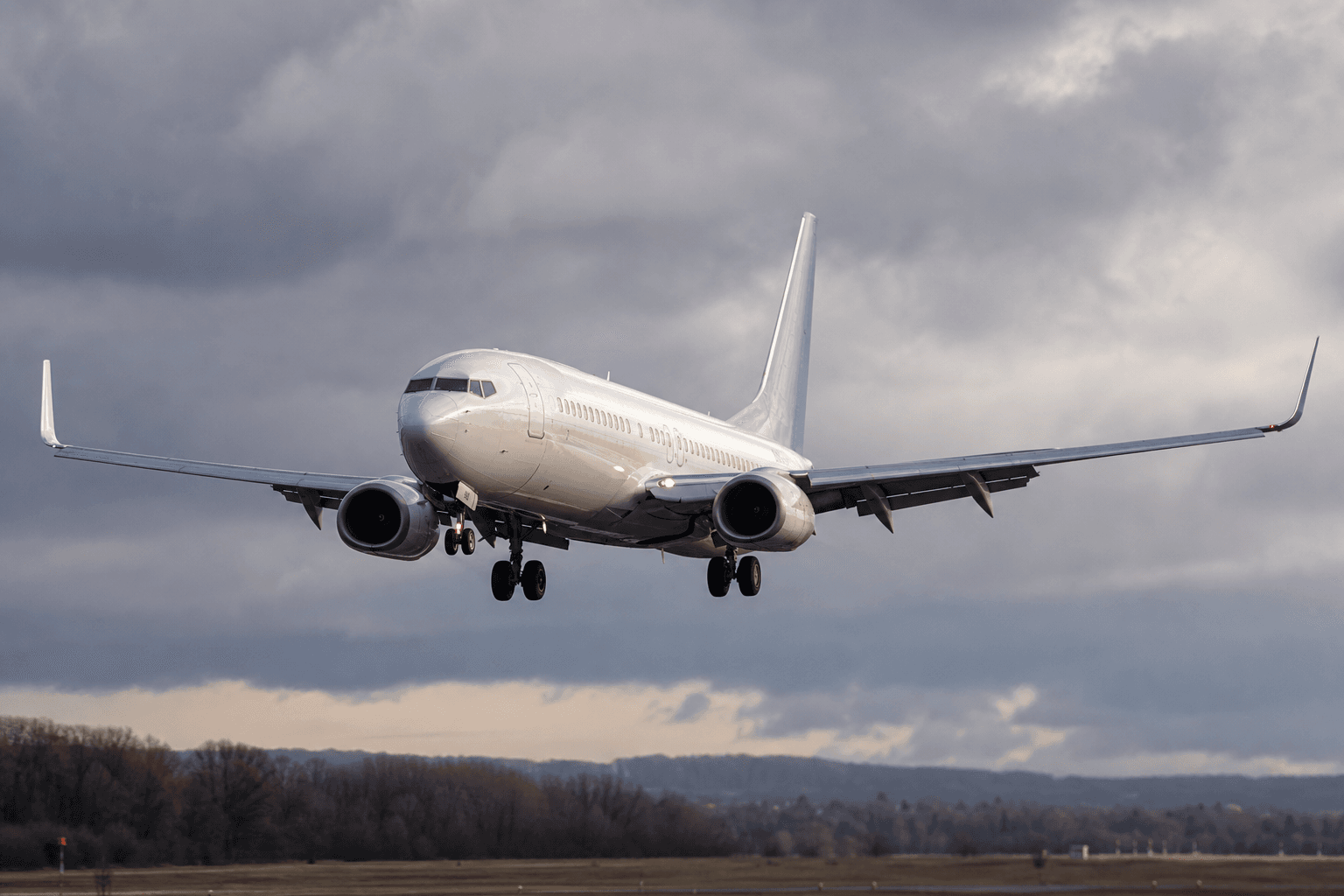
Fuel management plays a critical role in diversion planning and execution. Flight crews collaborate with dispatchers to create fuel plans accommodating the planned route, expected holding patterns, and journeys to alternate airports. For example, a Boeing 737-800 typically maintains a baseline reserve of around 6,000 pounds of fuel to ensure an adequate margin for unexpected scenarios. Despite advanced flight planning software, real-world factors such as missed approaches often require extended operations at lower altitudes where fuel consumption increases substantially.
Pilots counter this by translating fuel reserves into available clock time, pre-briefing precise limits for holding and diversion decisions. This practice ensures that, even amid weather delays or congestion, they retain flexibility and control over diversion timing, enabling careful management without getting backed into operational corners. Effective fuel monitoring is thus inseparable from diversion readiness.
Weather is a constantly shifting challenge requiring continuous updates and detailed analyses of destination and alternate airport conditions. Visibility, ceiling height, and runway surface status, including wet or icy conditions, are critical inputs to flight safety. Strict regulatory minimums govern whether a runway is usable, compelling immediate diversion if these thresholds are breached. Furthermore, pilots factor in mandatory safety margins, adding about 15% to computed landing distances to cover dynamic factors like tailwinds or braking variability.
Finally, technical issues onboard can severely restrict options, often precipitating diversions. Pilots assess any single-system failure against minimum equipment lists and potential cascading malfunctions to determine if continuing is safe or if an immediate diversion is necessary. This holistic approach, examining both environmental and technical parameters within a disciplined risk management framework, is essential to ensuring the highest safety standards in aviation operations.
Frequently asked questions
- What key questions guide pilots when deciding to divert a flight?
- Pilots ask about the worst consequences of not completing the flight, how easily conditions can worsen, what could change their decision, and what their absolute safety limits are.
- How does fuel management affect flight diversions?
- Fuel planning includes reserves for holding and alternate airport arrival, converting fuel levels into clock time to ensure pilots can divert safely before fuel becomes critical.
- Why is weather monitoring critical in diversion decisions?
- Weather affects runway usability, visibility, and safety margins; pilots rely on continuous updates and strict regulatory minimums to determine if landing is possible or diversion is necessary.
Read more
All Airports →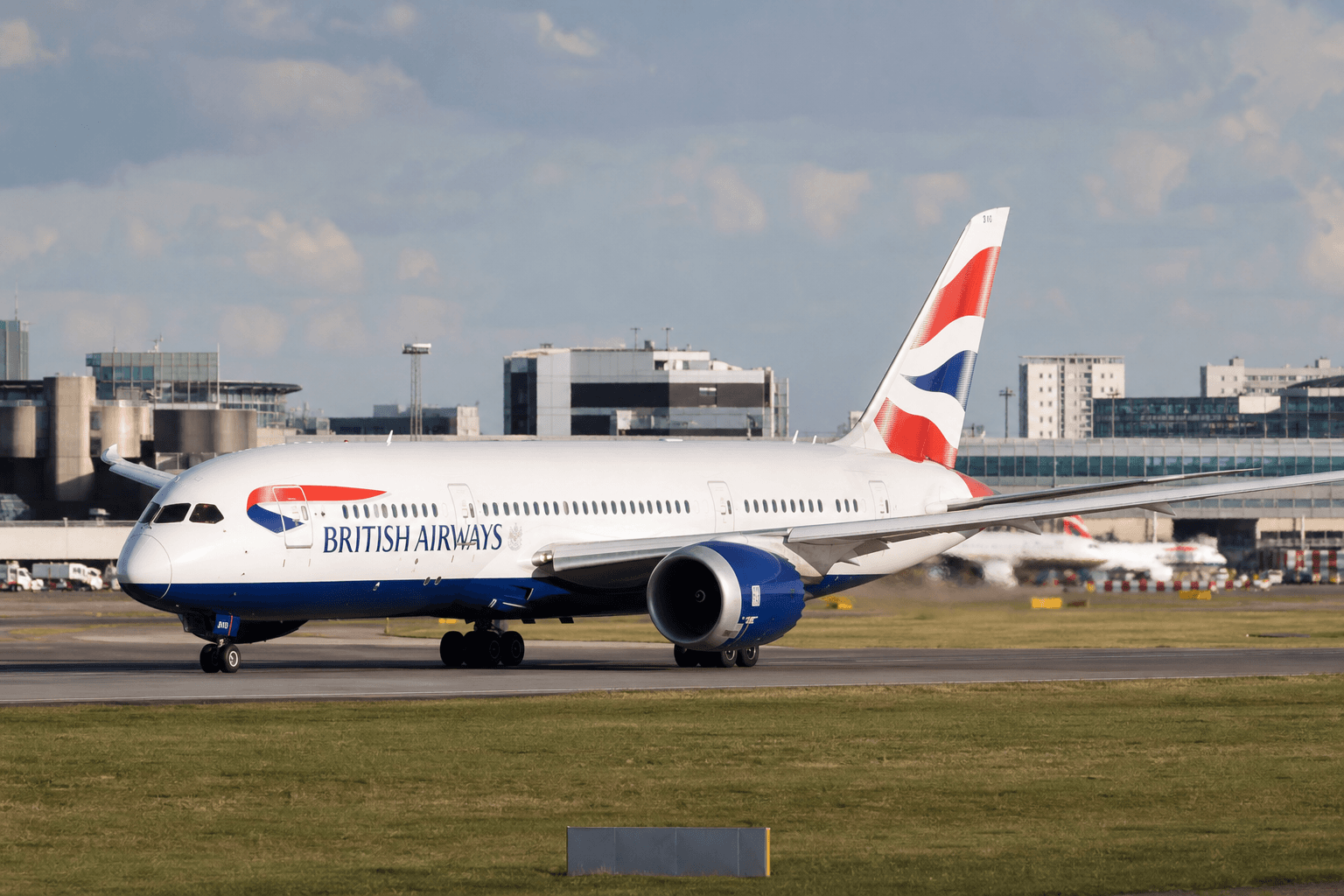
British Airways Drops Seven Long-Haul Routes, Shifts Focus to Heathrow
Between July and the end of the year, British Airways plans 93 daily departures on long-haul routes from London Heathrow Airport (LHR) and London Gatwick Airport (LGW). Influenced by various additional markets , OAG data shows that the offering has risen by 3% compared to the same period last year.
Taiwan and Hong Kong Airlines Cancel Numerous Flights Ahead of Typhoon Bavi
Airlines across Taiwan and Hong Kong have canceled dozens of flights scheduled for July 10 and 11, 2026, as Typhoon Bavi approaches, with consequent disruptions affecting routes to Taiwan, Japan, mainland China and beyond. Taiwan carriers ground fleets EVA Air has announced that it is to cancel most flights departing from or arriving at Taiwan Taoyuan International Airport (TPE) and Taipei Songshan Airport (TSA) from 18:00 local time July 10, 2026 through the end of July 11, 2026. Flights at Kaohsiung International Airport (KHH) will be suspended from 15:00 local time from July 10-11, 2026. Only four long-haul departures from Taoyuan on Friday will operate as scheduled: services to New York, Toronto, Washington and Dallas. Taoyuan airport authorities noted that Taiwanese airlines have canceled all Saturday departures because of the typhoon. Tigerair Taiwan canceled multiple July 10, 2026 flights on routes linking Taiwan with Japan, South Korea and Vietnam. The budget carrier also moved up some departures and postponed a Taoyuan-Fukushima round trip until Sunday. Starlux Airlines said that flights scheduled from Thursday through Sunday could be delayed, rescheduled or canceled. Singapore Airlines has canceled two Taipei-Singapore flights set for July 11, 2026, while Thai Vietjet Air reported cancellations on routes between Taiwan and Bangkok, Sapporo, Okinawa, and Osaka from July 9 through July 11, 2026.. Domestic carriers UNI Air and Mandarin Airlines announced widespread suspensions, with both companies canceling all domestic flights on Saturday. Mandarin Airlines added extra morning flights on July 10, 2026, from Taipei to Kinmen and from Kaohsiung to Penghu, before the suspensions took effect. LIVE: Outer bands of #TyphoonBavi now affecting Japan's Naha (currently No.1 most-affected airport on @flightradar24 – most aircraft have evacuated elsewhere) and Taipei/Taoyuan, where 52kn gusts are expected soon. TPE webcams: https://t.co/BlOY4dT2cc OKA: https://t.co/VzCTjX7xGl pic.twitter.com/1tKiumpinM — Airport Webcams (@AirportWebcams) July 10, 2026 Hong Kong airlines cancel more than 40 flights More than 40 flights operated by Cathay Pacific, HK Express, Hong Kong Airlines, and Greater Bay Airlines have been canceled, with 10 more delayed to Sunday, according to a South China Morning Post check. Affected destinations include Taipei, Taichung, and Kaohsiung in Taiwan, Zhoushan in mainland China, and Okinawa and Ishigaki in Japan. Cathay Pacific has canceled 13 flights to Taipei and four to Kaohsiung on July 11, 2026, along with three Taipei flights and two Okinawa flights on July 10, 2026. HK Express has canceled four Okinawa flights and three Taichung flights, while delaying services to Ishigaki. Hong Kong Airlines has canceled six Okinawa flights from July 10-11, 2026, plus four Taipei departures. Greater Bay Airlines has canceled flights to Taipei, Okinawa, and Zhoushan. Cathay Pacific, HK Express, and Hong Kong Airlines are waiving rebooking fees for affected passengers, with conditions varying by airline. HK Express customers can also switch destinations within the same region or request a full refund. About Typhoon Bavi Typhoon Bavi, named after a mountain range in Vietnam, is forecast to skirt northern Taiwan before making landfall in China's eastern Fujian province on the evening of July 11, 2026, according to China's National Meteorological Centre. Super Typhoon #Bavi prowls toward Guam and the Northern Mariana Islands. It's a beast of a storm, equivalent to a category 5 hurricane, and it's still getting stronger. pic.twitter.com/fysR1QNnwD — Zoom Earth (@zoom_earth) July 3, 2026 With winds approaching 200 kilometers per hour and a span of about 1,000 kilometers at its widest point – roughly the width of France – Bavi could become the largest storm by size to hit Taiwan since 1987. Authorities warned the storm could bring up to one meter of rain to mountains north of Taipei, while around 29,000 soldiers have been placed on standby. The storm arrives as rescue workers in southern China continue searching for victims of Typhoon Maysak, which killed at least 39 people earlier in the week.
DOT Rejects Chautauqua County's Bid to Restore Subsidized Flights at Jamestown Airport
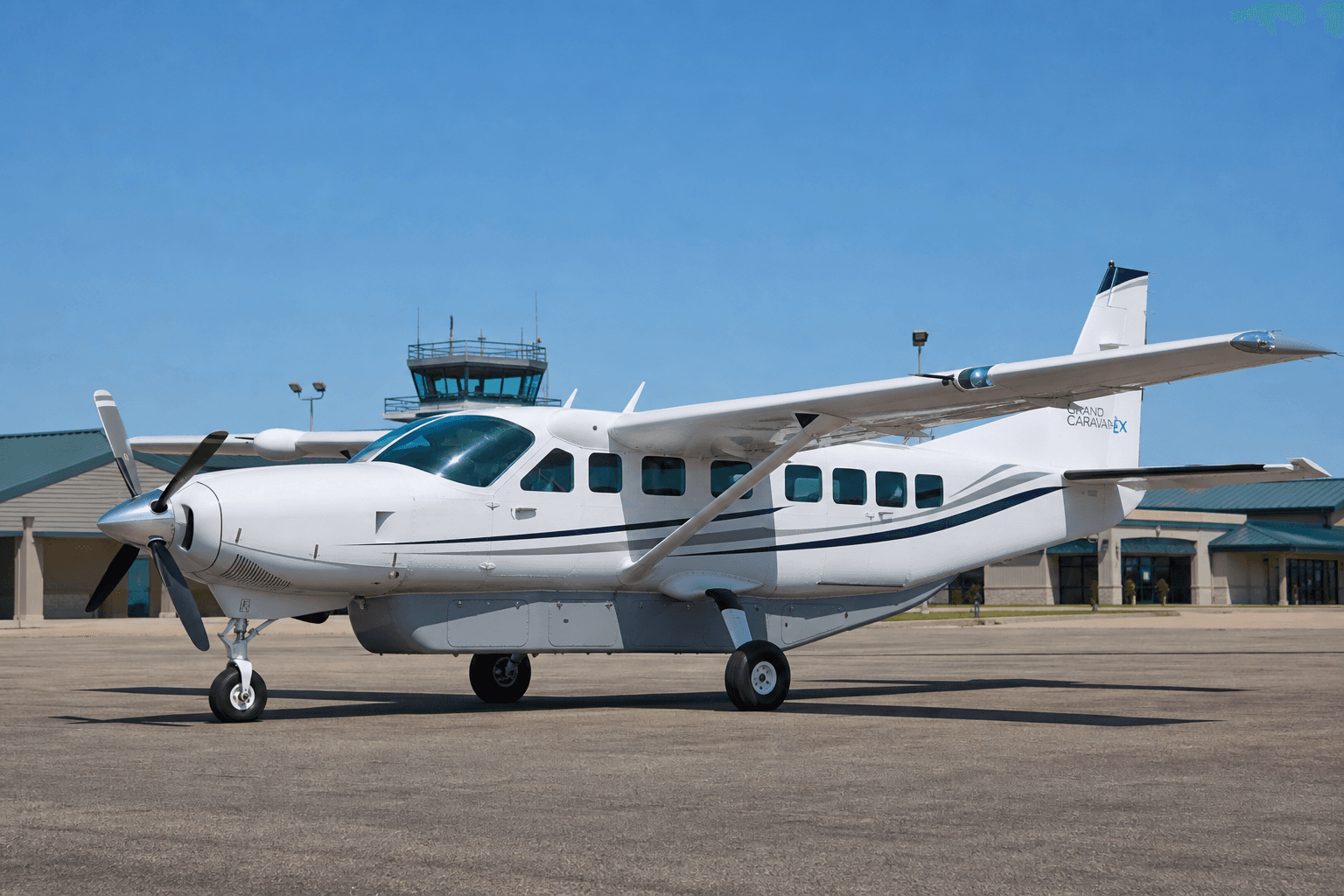
Chautauqua County/Jamestown Airport has not had scheduled commercial air service since 2018.

Midwest Backcountry Airstrips Offer Unique Flying Adventures and Community
I'm going to get some flak for saying this, but after flying in Montana and Idaho, I realized that the backcountry flying in our Great Lakes region definitely doesn't rank at the top. While flying over flat terrain isn't exciting, every destination brings its own story, unique challenge, and sense of adventure that keeps bringing pilots together. Here's a breakdown of some unique aviation spots among the Great Lakes states: Michigan The pristine Mackinac Island (KMCD) is an incredibly popular airport and on the bucket list of most pilots in the Midwest and beyond. However, the Recreational Aviation Foundation (RAF)-maintained airstrip at North Fox Island (6Y3) has been the undisputed crown jewel of this area. Located 23 miles northwest of Charlevoix and about 10 miles south of Beaver Island, this 820 acres of secluded wilderness is surrounded by the turquoise waters of Lake Michigan. The island boasts a 3,000-foot grass airstrip, a fire ring stacked with firewood, a portable toilet, two kayaks, and a whole lot of nothingness. You can spend a weekend hiking the 4-5 miles of wooded trails, taking a dip at the beaches, or kayaking around the island. There's nothing quite like a clear sky at North Fox with the Milky Way, shooting stars, Northern Lights shining at the end of the runway, and the white noise of Lake Michigan. Hanley Field (5Y7) in Munising gives access to the Pictured Rocks kayak and boat tours, and it's a must visit. The airfield has a newly built pilot shelter with air conditioning, hot shower, picnic area, and even a courtesy car. The Two Hearted Airstrip (6Y5) is located where the namesake river meets Lake Superior. This is a challenging spot due to the short runway length and rough surface. However, the unlimited dark sky, trout fishing, and blueberry foraging are good excuses to hone your skills. If you can brave the cold water, a dip in Lake Superior might gain you a temporary "Yooper" tag too– the nickname given to a native or resident of Michigan's Upper Peninsula. One of our recent success stories is the Howard Nixon Memorial Airport (50G) in Chesaning, right in the middle of the mitten-shaped map of Michigan. It doesn't quite fit the template of remoteness like our other RAF airstrips. Then why do we adore it? Well, it's mostly for the people. This is the airport where all our backcountry friends meet, plan, and practice for their next escapade—over an ice cream. During the summer months, the airport hosts a Tuesday ice cream social that sees folks visit from as far as Indiana and Ohio. If I hadn't said this already—we're a little different. Whether it's a farm strip or a crowded fly-in event, pilots enjoy a unique sense of camaraderie in the Midwest. [Credit: Recreational Aviation Foundation] Ohio Noble County Airport (I10) provides access to Ohio's Wolf Run Fly-In Campground through RAF grants, volunteers, and a fully engaged supportive airport board. Once in the campground, you'll find stacked wood, an RAF fire ring, several picnic tables, plus three tent platforms to allow closer access to the lake's edge. Gorilla carts are available for hauling gear. Illinois If you're looking for a dark sky community or place to fly in and enjoy a night sky full of stars, you don't have to go far. Henderson Field (95IL) hosts a fly-in campout and stargazing weekend in April and October every year (check theRAF.org events page). It's located in one of the darkest sky regions in Illinois where the Astronomical Association of Southern Illinois brings several telescopes and its special insight into the cosmos. Wisconsin The pilot camaraderie ascertains my belief that the popular saying "come for the planes, stay for the people" becomes reversed when you attend an RAF event. It's really the friends made around a campfire that brings us back to these places willing to support and volunteer. One of the best examples is Bob and Judy Gillette's Lakewood Lodge Airport (14WS). It's a scenic destination nestled between the trees and waters of Stone Lake, Wisconsin, featuring a 2,400-foot turf runway. In partnership with the RAF, it serves as more than just a landing strip offering immersive outdoor activities like camping, canoeing, cycling, swimming and fishing. The airstrip features a unique tipi tent too. It's maintained by dedicated volunteers, fostering a tight-knit community for pilots and nature enthusiasts seeking a quiet, hidden gem. What's Next? As these spots gain more popularity, our Michigan crew is busy scouting for the next best place. We recently met the Michigan Department of Natural Resources along with our local RAF supporters to understand how we can help keep the airstrip at Black River Ranch (1MI3) in Onaway open. The state recently acquired this property from a private party and opened it to the public, but a decision about the airstrip is yet to be made. The incredible Pigeon River Country State Forest, lovingly called "The Big Wild," opens access to Michigan's largest elk herd, deer, black bear, brook trout fishing, bird watching, and miles of trail system. The already existing 3,800-foot unimproved airstrip will act as an aviation trailhead, enabling Alaska-like access to fly-and-hunt and other recreational opportunities unheard of in this region. With support from the pilot community, this place could become the Moose Creek of the Midwest. [Credit: Recreational Aviation Foundation] In partnership with the U.S. Forest Service, the RAF is planning the grand reopening of Lost Creek airstrip (MI45, new airport identifier will be published soon). It will feature camping, hiking trails, canoeing, horseback riding, and a backcountry wedding venue. Our focus is also on helping the SWAT team (Save Woolsey Airport Terminal) to improve camping facilities at the Woolsey (5D5) airport that serves as a reminder of the rich history of early pioneers in aviation. When we camp at Woolsey, the sight of the moonlit stone building projects the stories of Clint Woolsey, Charles Lindbergh, and Amelia Earhart, who were all known to visit this place frequently. The RAF's Airfield Guide is your best way to plan an unforgettable week of flying in the Midwest. The remoteness of these airstrips and the wonderful summer weather can provide an ideal getaway from a connected life. Hope to see you around a campfire grilling some kabobs. This feature first appeared in the May/June 2026 Issue of Plane + Pilot magazine.
The Daily Touch & Go
The day's best aviation news in your inbox. Free, no spam.