

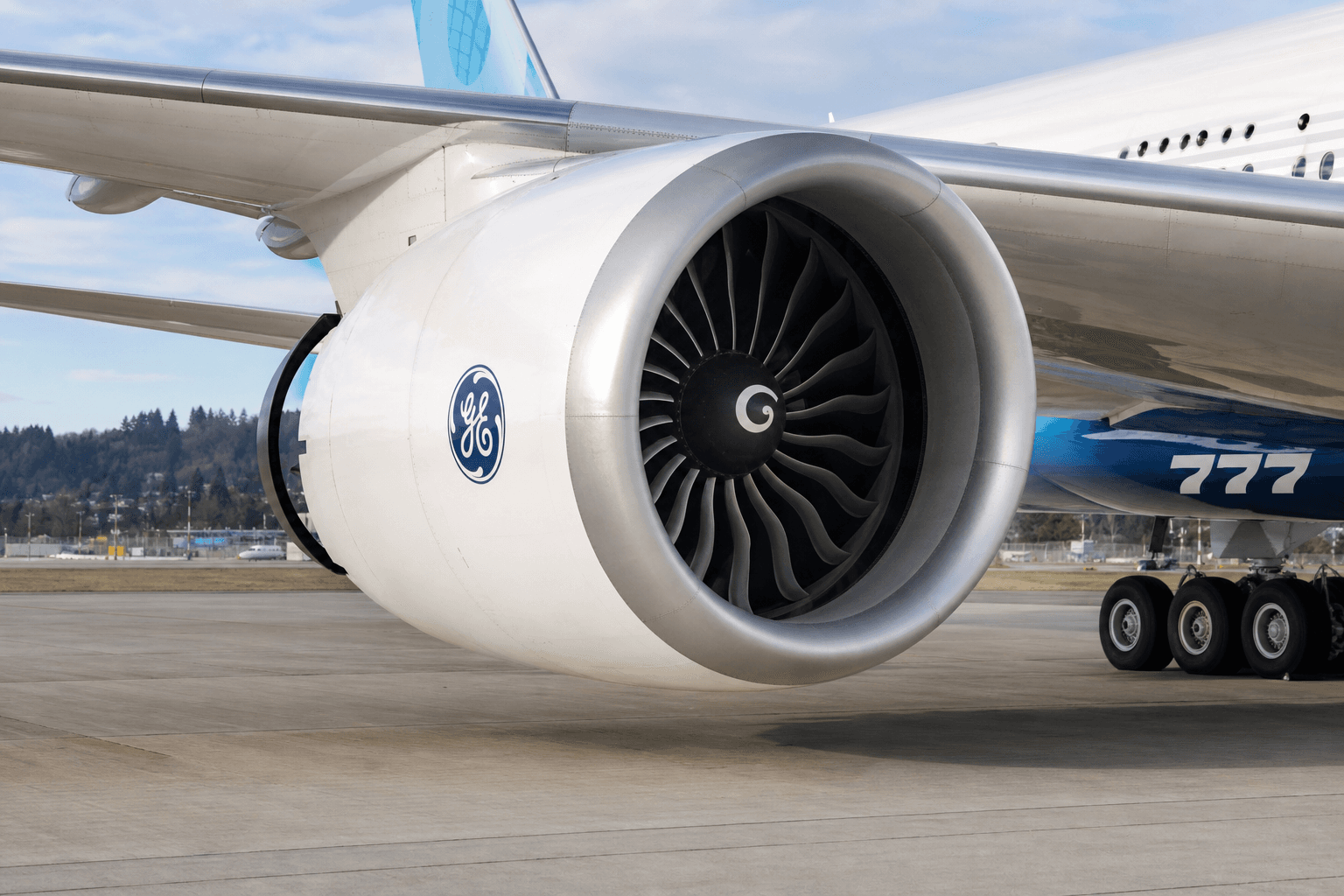
Illustration: The Touch & Go
GE9X Engine's Mid-Seal Crack Identified, Fix Underway as 777X Nears Certification
GE Aerospace found a mid-seal crack in its GE9X engine powering Boeing's 777X and is developing a fix ahead of the aircraft's expected service entry.
The gist
GE Aerospace is addressing a mid-seal crack in the GE9X engine with modifications set to keep 777X certification on track.
Continuing coverage
All Boeing 777x →The GE9X engine, touted as the world's largest and most powerful commercial jet engine, has encountered a technical hurdle with the discovery of a crack in its mid-seal component. This problem emerged during routine maintenance on a Boeing 777-9 test aircraft earlier this year, prompting GE Aerospace to investigate the engine's durability under operational conditions. The mid-seal is vital for maintaining stable airflow between turbine stages, directly influencing engine efficiency and power output.
This mid-seal crack poses material and durability challenges because it exists at the core of the highest-thrust turbofan ever built, where extreme temperatures and pressures demand advanced component resilience. GE Aerospace acknowledged the issue publicly during its Q1 2026 earnings call, confirming the onset of repairs and collaborations with regulators. Boeing and the Federal Aviation Administration were briefed on the situation to ensure transparency throughout the correction process.
The manufacturer is actively modifying tooling and ramping up production of redesigned parts needed to address the crack. The fix requires regulatory approval before being incorporated into new engines and retrofit on existing units. Despite this development, GE’s leadership remains confident the 777X's certification timeline remains unaffected. Boeing’s verified estimates indicate the new twinjet will enter service per the original schedule.
First run in 2016, the GE9X engine was developed exclusively for Boeing’s 777X family. It features a 134-inch diameter front fan with 16 composite blades, larger than the fuselage of a Boeing 737. Its thrust rating maxes out at 134,000 pounds, significantly surpassing rivals like the Rolls-Royce Trent XWB-97 used on the Airbus A350-1000. The GE9X delivers a bypass ratio of 10:1 and promises a 5% fuel burn improvement over other newer twin-aisle engines.
Historically, the GE9X program has faced challenges typical for pioneering aerospace designs. The engine secured FAA certification in 2020 after a two-year delay from its original 2018 target, complicated by issues such as premature wear on high-pressure compressor vanes and thrust link failures. These complications have resulted in temporary groundings and additional engineering efforts to ensure safe operation.
The exclusive engine for the 777X variants—which include the 777-9, 777-8, and 777-8F freighter—is instrumental to Boeing’s strategy to modernize its widebody fleet. The 777-9, the largest twin-engine commercial airplane, boasts up to 426 seats and a range of more than 7,200 nautical miles, reliant on the GE9X’s combination of power and efficiency.
Boeing's 777X program itself has been delayed several years, partly due to these certification and engineering issues with the GE9X and other structural challenges following the 737 MAX crisis. Nonetheless, with new modifications underway and close coordination between GE Aerospace, Boeing, and the FAA, the path toward commercial service remains open with no current schedule changes.
Resolving the mid-seal durability concern is critical not just for entry into service but for establishing confidence in the engine’s long-term reliability under strenuous operational environments. The fix will likely involve updated materials or manufacturing techniques to handle the demanding thermal and mechanical stresses unique to the world’s largest commercial turbofan.
Frequently asked questions
- What is the mid-seal crack found in the GE9X engine?
- The mid-seal crack is a structural defect discovered between the turbine stages in the GE9X engine that could affect airflow stability and engine durability under high temperatures and pressures.
- How is GE Aerospace addressing the GE9X mid-seal crack issue?
- GE Aerospace is developing a component modification, updating tooling, and communicating with Boeing and the FAA to implement fixes on new engines and retrofit existing units, pending regulatory approval.
- Will the GE9X engine issue delay the Boeing 777X certification and service entry?
- According to GE Aerospace and Boeing, the issue will not impact the 777X certification timeline, which remains on track to meet previously communicated customer schedules.
Read more
All Regulatory →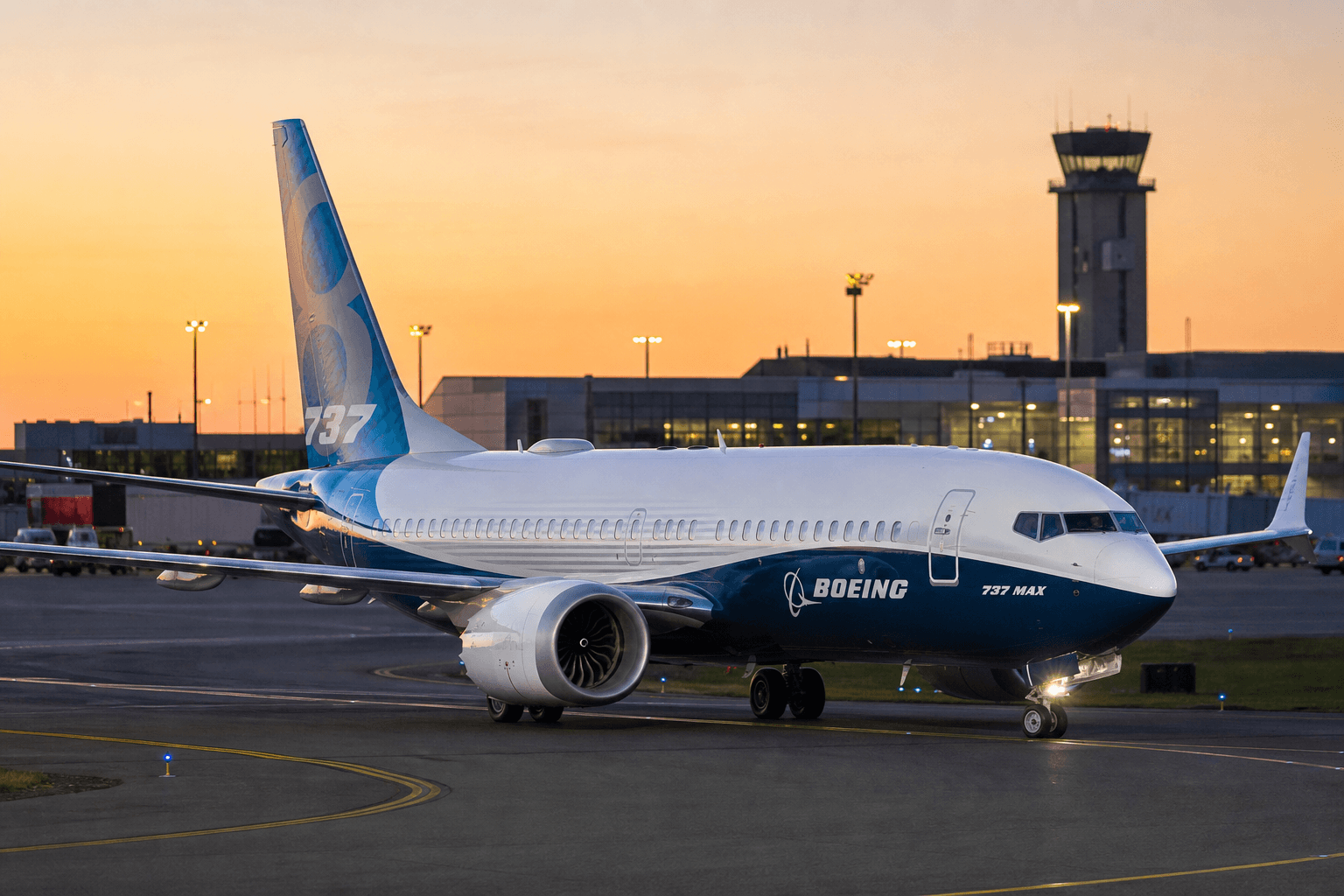
Boeing's 737 MAX 7 Nears FAA Approval More Than a Decade After Launch
Boeing is only weeks away from gaining Federal Aviation Administration (FAA) certification for its 737 MAX 7 aircraft, according to a new Wall Street Journal report. Boeing's smallest variant of the MAX family aircraft was officially launched in May 2013, with Southwest Airlines confirmed as the launch customer. The Dallas-based carrier became the first airline to order the 737 MAX 7, with delivery of the first aircraft initially scheduled for 2019. Seven years later, the US planemaker is said to be finally on the cusp of receiving approval for an aircraft that promised so much, but which has yet to deliver. According to the Wall Street Journal , which has spoken to people familiar with the matter, FAA certification could arrive before the end of July 2026. Anna Zvereva / Creative Commons Powered exclusively by CFM International LEAP-1B engines, the mini-MAX is designed to fly up to 172 single-class passengers with a top range of around 3,800 nautical miles. Its competitor aircraft at Airbus are the A220-300, which carriers up to 160 single-class passengers, and the A320neo, with 194 single-class seats. With Airbus' rumored future A220-500 (or Stretch) expected to carry up to 180 single-class passengers, the market is set to be squeezed even further. Boeing's largest MAX aircraft, the 737-10, is also in the final stages of FAA certification, with the Deputy Administrator Chris Rocheleau indicating it was a case of "dotting 'i's and crossing 't's". RELATED Southwest adds Korea's Air Premia in latest international overseas partner push
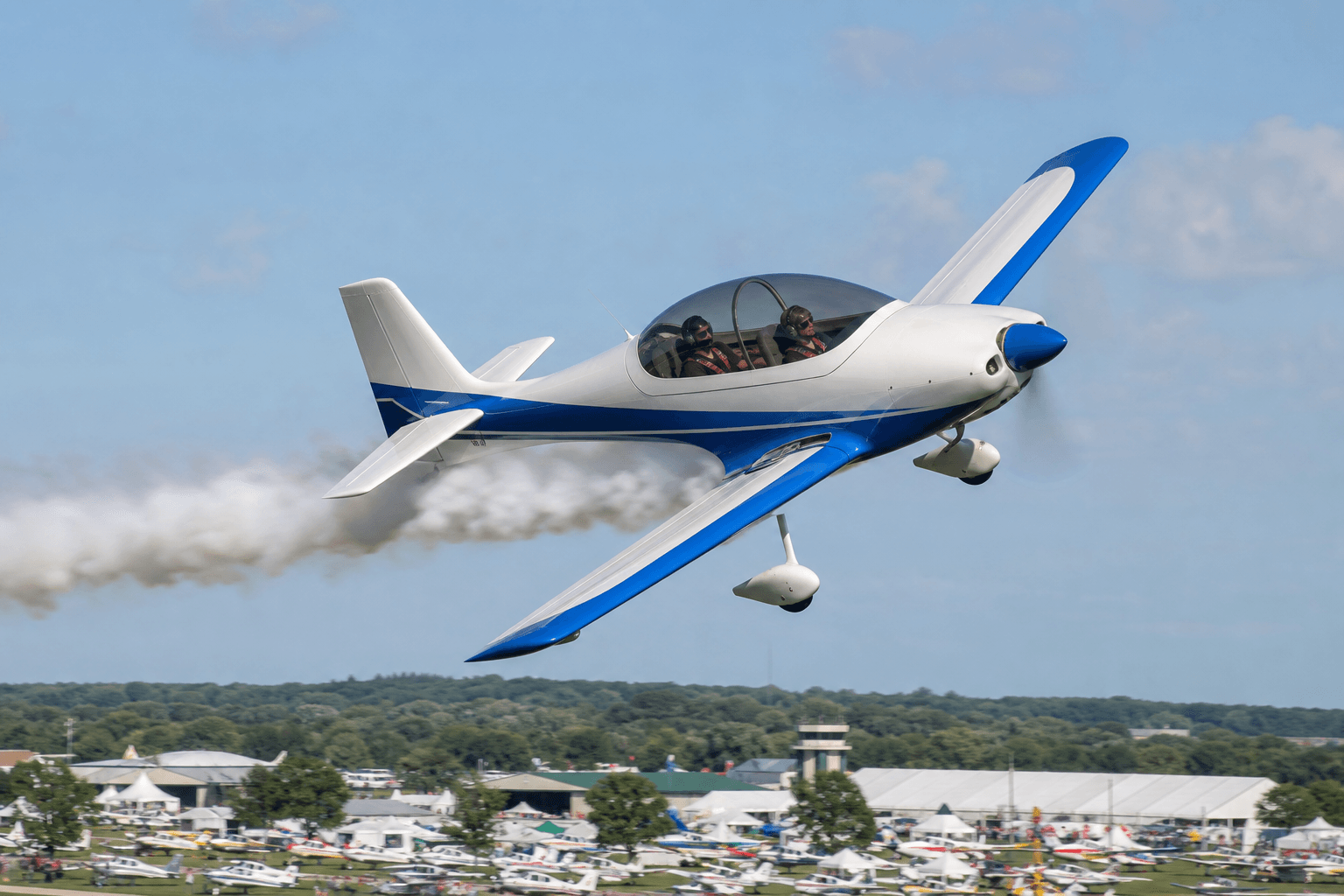
AURA AERO to Showcase INTEGRAL R Aerobatic Trainer at EAA AirVenture 2026
AURA AERO will bring its two-seat INTEGRAL R aerobatic trainer to EAA AirVenture 2026 in Oshkosh, Wisconsin, as the company moves closer to FAA certification for the aircraft. The INTEGRAL R is already certified in Europe and is usually based at AURA AERO's U.S. headquarters in Daytona Beach, Florida. AirVenture Demonstrations The aircraft is scheduled to fly two aerobatic demonstration flights during the show, on Monday, July 20, and Tuesday, July 21. AURA AERO said it will exhibit near the International Aerobatic Club Pavilion during AirVenture, which runs July 20-26. Mike Goulian and Steve Fiegel are scheduled to give a presentation on the INTEGRAL R on July 24 at 1 p.m. local time at the IAC Aerobatics Center. Fiegel has flown the aircraft to three first-place finishes in the Intermediate Power category at IAC competitions since 2025. The company said the INTEGRAL R is capable of plus-7.5 and minus-7.5 G at 935 kilograms. The aircraft utilizes a Lycoming AEIO-390 engine, Garmin G3X avionics, a whole-aircraft parachute, a 150-knot cruise speed and has a 530-nautical-mile range. U.S. Plans "EAA AirVenture Oshkosh is an essential gathering for the global aviation community and a unique opportunity to meet pilots, flight schools and the wider U.S. aviation ecosystem," Drew McEwen, chief commercial officer of AURA AERO, said. "With INTEGRAL R , we are bringing to market a modern, safe and high-performance aircraft, one that is ideally suited to North American expectations." AURA AERO launched its U.S. headquarters and manufacturing site in Daytona Beach in October 2025. The company said the site is planned to produce the INTEGRAL line in piston-engine and electric versions, along with ERA, its 19-seat hybrid-electric regional aircraft. According to the company, ERA will have a 900-nautical-mile range and has a projected 2030 availability date.
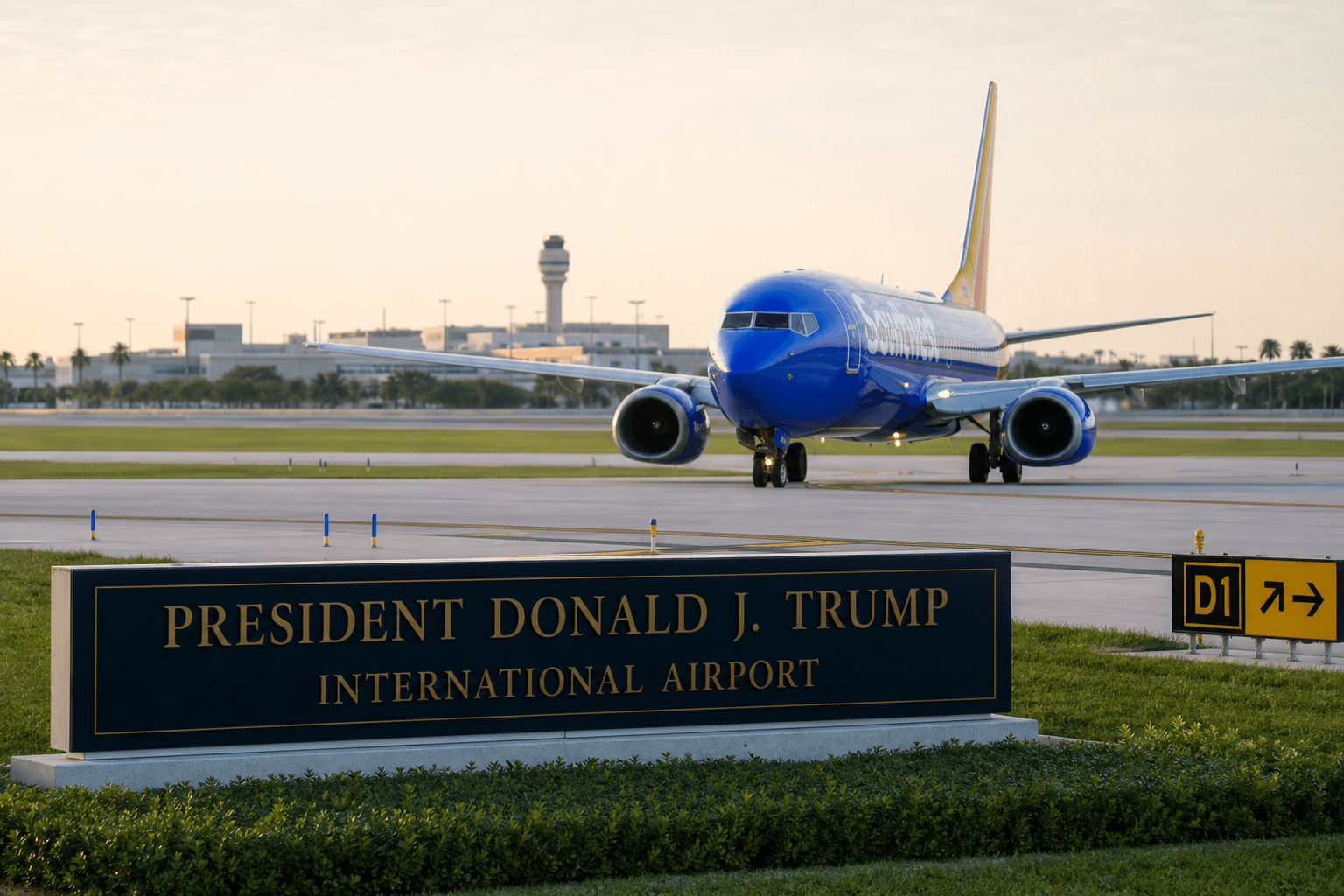
Palm Beach International Airport Renamed to President Donald J. Trump International Airport on July 9
Effective July 9, Florida's Palm Beach International Airport's name and ICAO identifier (PBI) will change to President Donald J. Trump International Airport (DJT). Operators should review FAA information to ensure compliance with the change.
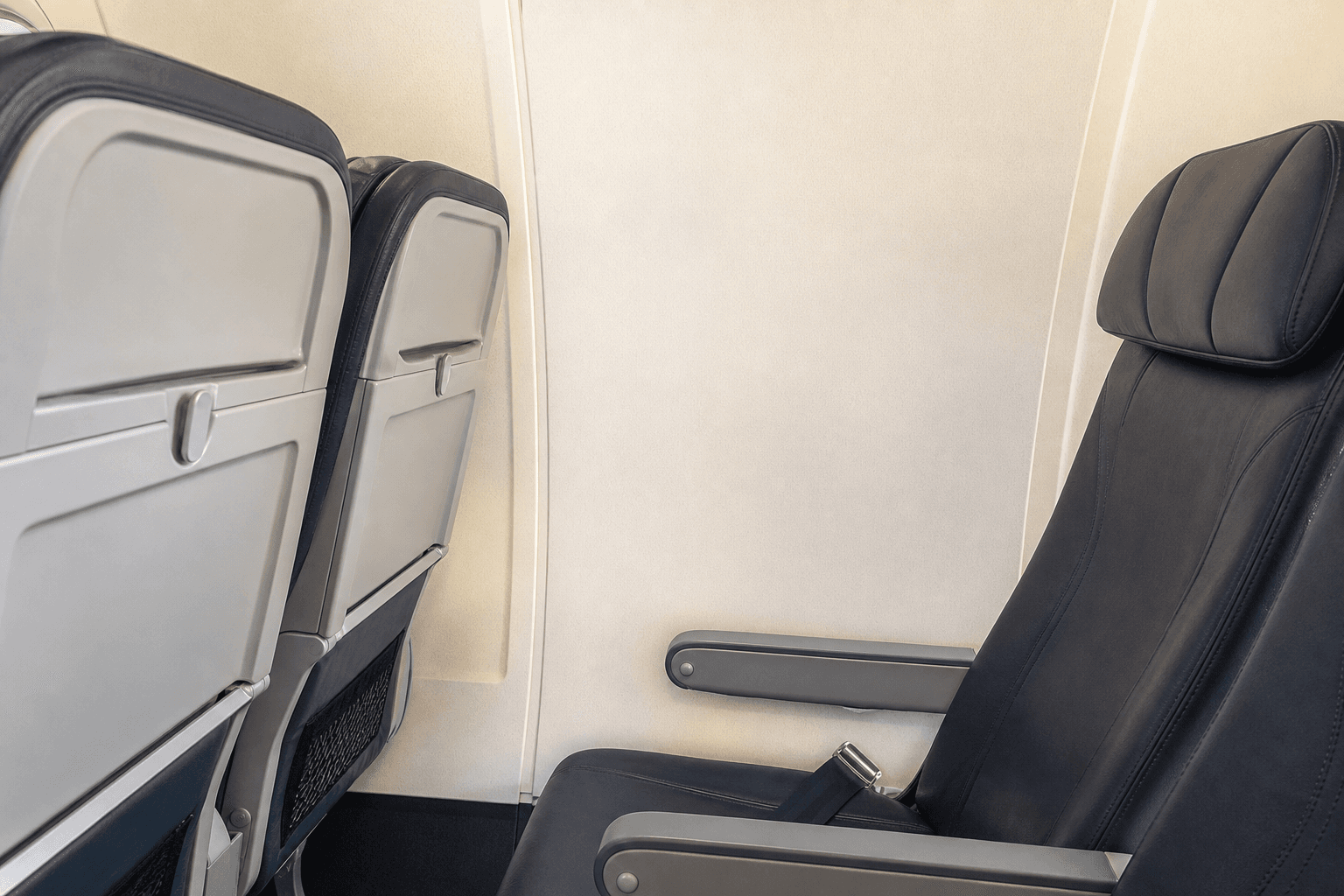
Judge Allows Lawsuit Over United's Windowless Window Seat Claims to Continue
The carrier argued that a "window seat" is defined by its position in the cabin, not its proximity to an actual window.
The Daily Touch & Go
The day's best aviation news in your inbox. Free, no spam.