

Illustration: The Touch & Go
Why Commercial Jets Reduce Engine Thrust Immediately After Takeoff
Commercial aircraft commonly reduce engine thrust just after liftoff to enhance safety, efficiency, and engine longevity, a practice passengers may find surprising.
The gist
After takeoff, pilots reduce engine thrust to improve efficiency and protect engines, a routine yet little-known practice.
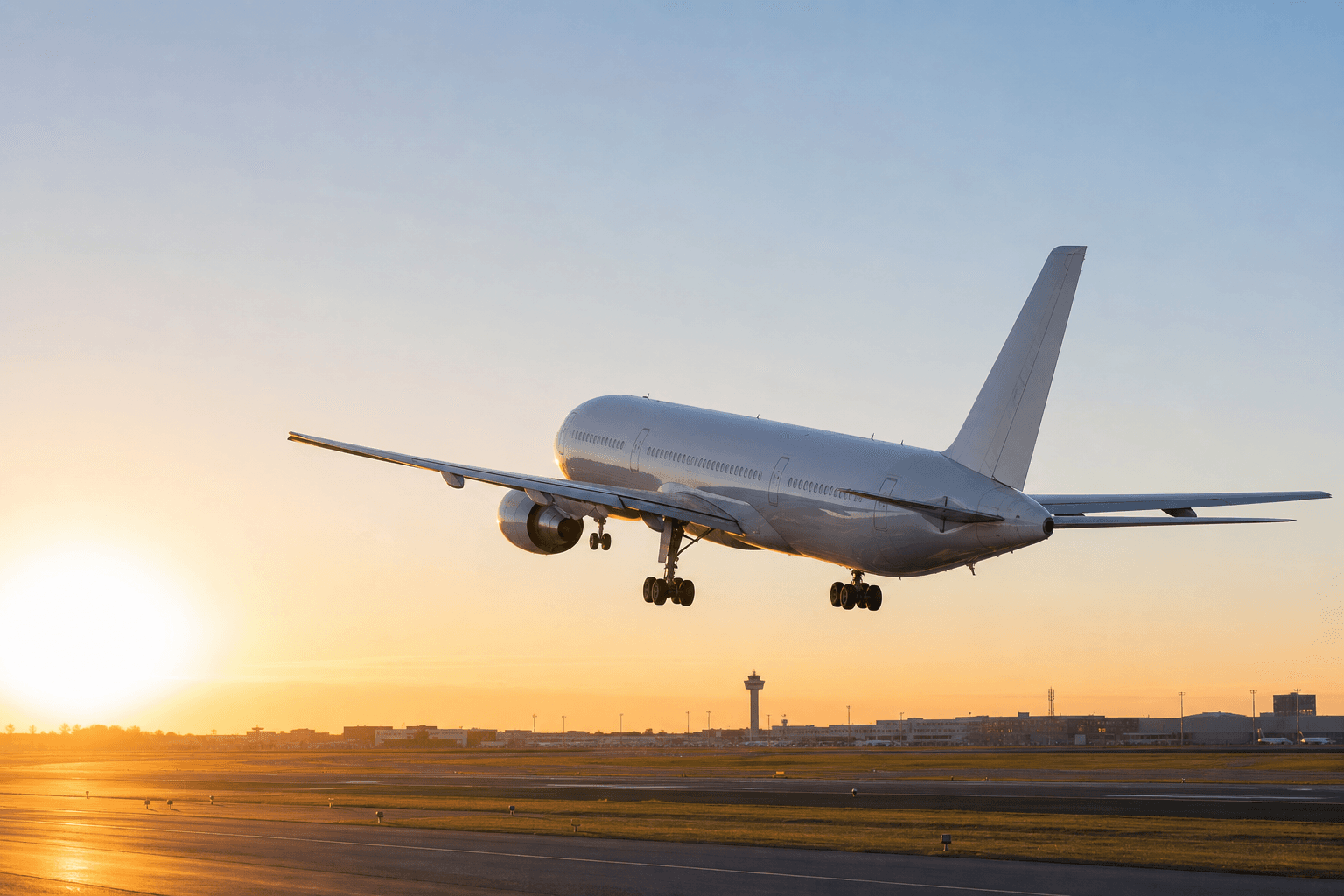
Shortly after a commercial airplane leaves the runway and climbs into the sky, passengers often notice a sudden decrease in engine noise and apparent power. This reduction in thrust occurs despite the aircraft still ascending, which can feel counterintuitive or even unsettling to those unfamiliar with aviation procedures. However, this change is a deliberate and essential part of modern flight operations designed to optimize safety and performance.
During the takeoff roll, aircraft engines operate at maximum or near-maximum thrust to accelerate the airplane to rotation speed safely. Once airborne, pilots promptly reduce engine thrust to a preset level known as climb thrust, which is lower than full takeoff power. This transition happens within moments of liftoff, and the quieter engine sound passengers hear reflects this adjustment.
Modern jet engines and aircraft designs rarely require full takeoff thrust throughout the initial climb phase. Climb thrust provides sufficient power for the aircraft to gain altitude safely while significantly reducing fuel consumption and the thermal and mechanical stresses on the engines. As a result, it extends engine life by minimizing wear and tear, delivering cost savings to operators and reducing maintenance burdens.
The procedure to reduce thrust shortly after takeoff is a standard practice supported by aircraft manufacturers and aviation authorities worldwide. Pilots follow published takeoff climb procedures which specify the timing and target thrust settings. By dialing back the engines after establishing a positive rate of climb, pilots ensure the aircraft maintains safe performance margins while avoiding unnecessary engine strain.
In addition to mechanical benefits, reducing thrust after takeoff has environmental advantages. Lower engine power settings decrease fuel burn during the climb phase, leading to reduced carbon emissions and noise pollution over surrounding areas. This incremental efficiency is one piece of broader industry efforts to make air travel more sustainable.
Passenger perception of engine sound changes during this phase varies. Nervous flyers might interpret the quieter engines as a sign of trouble, but the reality is that this is a controlled and routine aspect of the climb. Flight crews receive extensive training to manage thrust settings precisely, ensuring the aircraft remains well within safety limits throughout flight.
This thrust-reduction technique has evolved alongside advances in engine technology and flight management systems. Modern avionics enable pilots to monitor engine parameters closely and execute thrust changes accurately according to manufacturer recommendations and flight conditions. This approach represents an optimized balance between operational efficiency and safety standards.
Understanding the deliberate reduction in thrust after takeoff provides insight into how airlines manage complex technical and economic considerations during every flight. This procedure improves reliability and longevity of engines, which are among the costliest components on an aircraft. It also highlights how even subtle adjustments contribute to overall safe and efficient air travel.
As airlines continue to innovate and upgrade their fleets with newer, more efficient aircraft, such flight procedures will remain vital. They ensure that the engines operate within optimal environmental and mechanical conditions, supporting the long-term sustainability of aviation operations and passenger safety.
Read more
All Airports →
Heathrow Logs Busiest Day of 2026 with 267,000 Passengers Amid Summer Holiday Rush
As schools closed for the summer holidays, Heathrow Airport experienced its busiest day of 2026 so far. On 19 July, the UK’s largest hub welcomed 267,000 passengers. In total, more than 7.85 million people travelled through the airport last month. ezstandalone.cmd.push(function () { ezstandalone.showAds(119); }); Popular destinations included Italy and Spain. Travellers also headed in growing numbers to Switzerland, Cyprus and the Czech Republic. Many sought sunshine across continental Europe during the peak getaway period. Heathrow prepared thoroughly for the summer rush. The airport deployed hundreds of extra “Here to Help” colleagues across its terminals. These staff members aimed to give passengers a smooth start to their holidays. ezstandalone.cmd.push(function () { ezstandalone.showAds(127); }); Strong Performance Results The focus on service delivered strong results. Last month, 98.5% of passengers waited less than five minutes at security. Heathrow also kept its position as Europe’s most punctual hub. Cargo operations performed well too. On 12 July, the airport handled 5,000 tonnes of cargo. This marked its busiest cargo day of 2026 so far. Overall cargo volumes rose 2% year-on-year. Strong demand from South Asia and North America drove the increase. ezstandalone.cmd.push(function () { ezstandalone.showAds(128); }); Passengers can enjoy new food and retail options this summer. Bill’s has opened in Terminal 2. Terminal 3 now features the first Slim Chickens at a UK airport. Terminal 5 has a new Wagamama kiosk. Families can also use the “Kids Eat Free” offer at selected outlets. Several new airlines have launched summer schedules at Heathrow. ITA Airways, Alaska Airlines and Riyadh Air carried more than 136,000 passengers in July. This shows clear demand for access to the airport. ezstandalone.cmd.push(function () { ezstandalone.showAds(129); }); Photo Credit: Heathrow Airport Istanbul Airport Overtakes Heathrow However, Heathrow is operating at full capacity. In July, Istanbul Airport overtook it as Europe’s busiest hub. Airport leaders say the case for expansion has never been clearer. They argue that growth plans would give the UK the infrastructure needed to stay competitive. Expansion would also support economic growth through trade, investment and tourism. Heathrow CEO Thomas Woldbye commented on the strong start to summer. “Summer is off to a flying start at Heathrow,” he said. ezstandalone.cmd.push(function () { ezstandalone.showAds(130); }); “Together with our airlines and Team Heathrow partners we’ve achieved our busiest day of the year so far and ensured millions of passengers have gotten away smoothly on their well-deserved holidays. “Preparing for summer has been months in the planning. We understand how critical our role is in providing a seamless passenger experience and we’re committed to delivering throughout the summer peak.” “We want to go further, growing our route network and passenger offering. Expanding Heathrow will help ensure the UK remains home to Europe’s leading hub and continues to benefit from the trade, investment and tourism that increased connectivity will bring.” ezstandalone.cmd.push(function () { ezstandalone.showAds(131); }); Photo Credit: Heathrow Airport July Yields Mixed Regional Results July traffic figures show mixed regional results. Total passengers fell 1.5% compared with the previous year. EU routes remained strong, while Asia/Pacific traffic grew. Middle East volumes declined sharply. Air transport movements also edged lower overall. Despite these shifts, the airport continues to prioritise passenger experience. With the school holidays in full swing, Heathrow remains focused on helping travellers start their trips without delay. New dining choices and extra support staff form part of that effort. The combination of high demand, improved service metrics and calls for expansion paints a clear picture. Heathrow handled a record early-summer peak while highlighting the limits of its current capacity. ezstandalone.cmd.push(function () { ezstandalone.showAds(132); }); As the holiday season continues, the airport aims to maintain smooth operations for the millions still set to travel.
Air India Sets New Flight Frequency Record on Delhi-Melbourne Route This Winter
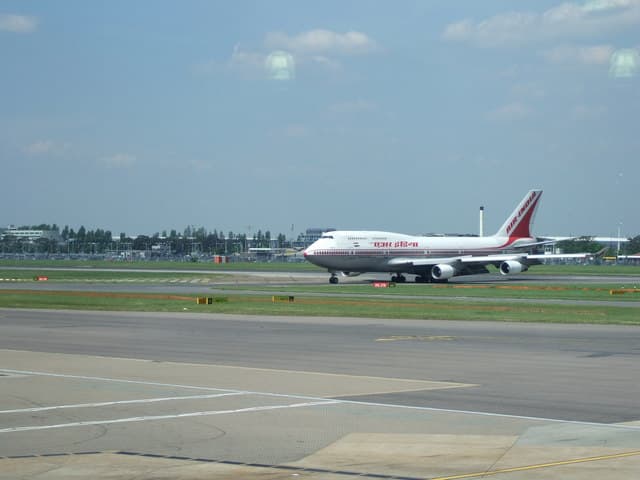
Air India has scheduled a record number of flights between Delhi Indira Gandhi International Airport (DEL) and Melbourne Airport (MEL) this coming northern winter season, increasing weekly frequencies to ten flights. This is the largest schedule the Indian carrier has ever planned between the two cities as it rebuilds an international network scaled back sharply during the summer.
Gulf Air Positions Itself as Signature Premium Connector Amid Gulf Giants
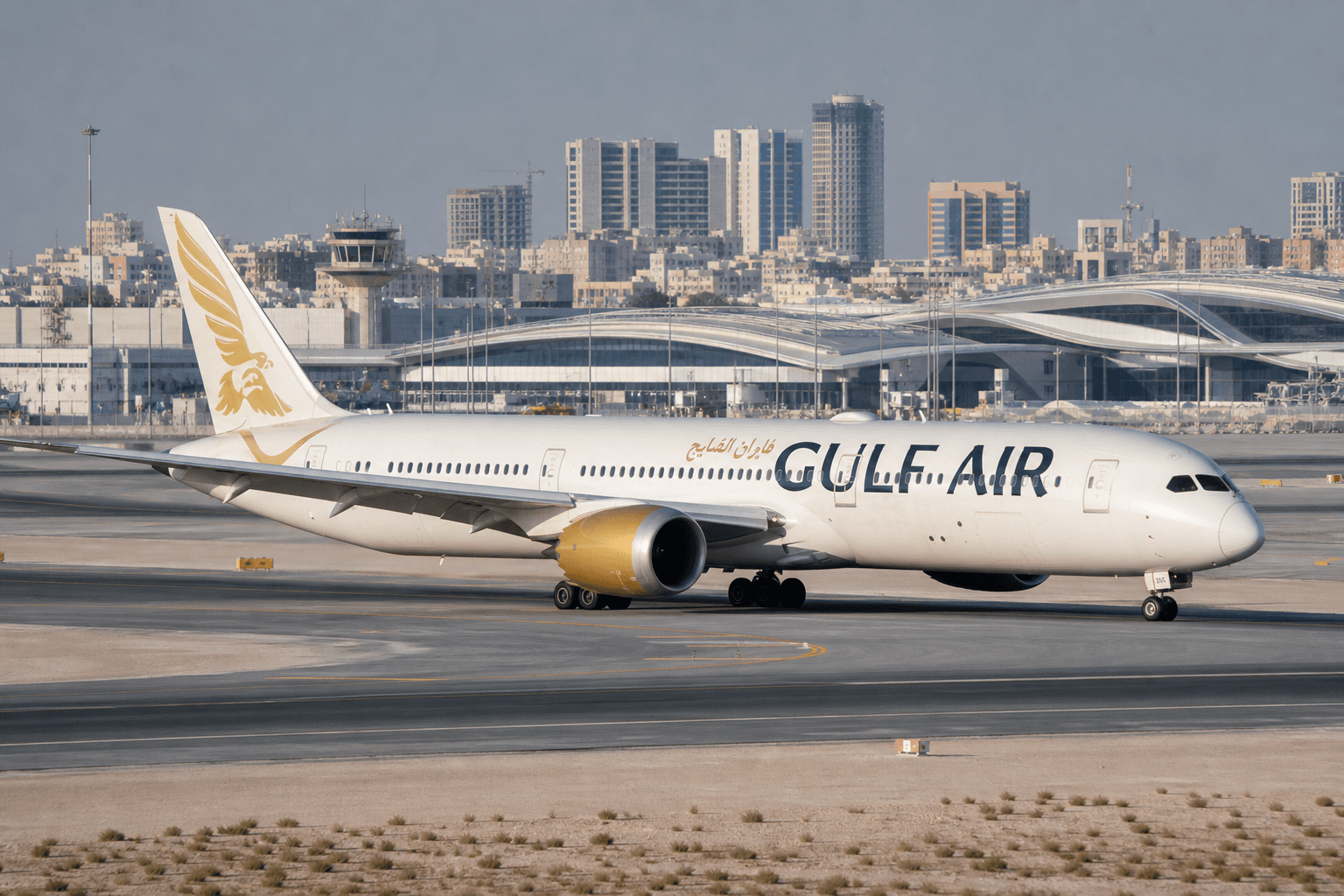
Gulf Air is the flag carrier of the small Gulf state of Bahrain and is based at Bahrain International Airport (BAH), the only commercial airport in the country. However, it is also in a region where it has to compete with much larger and better-known rival airlines . Gulf Air CEO Martin Gauss told Simple Flying at the Farnborough Airshow how the airline is planning to compete with its much larger neighbors that include Qatar's Qatar Airways, the UAE's Emirates and Etihad, and Saudi Arabia's Saudia and Riyadh Air.
British Airways A380 Returns to Johannesburg After Weather Radar Failure En Route to London
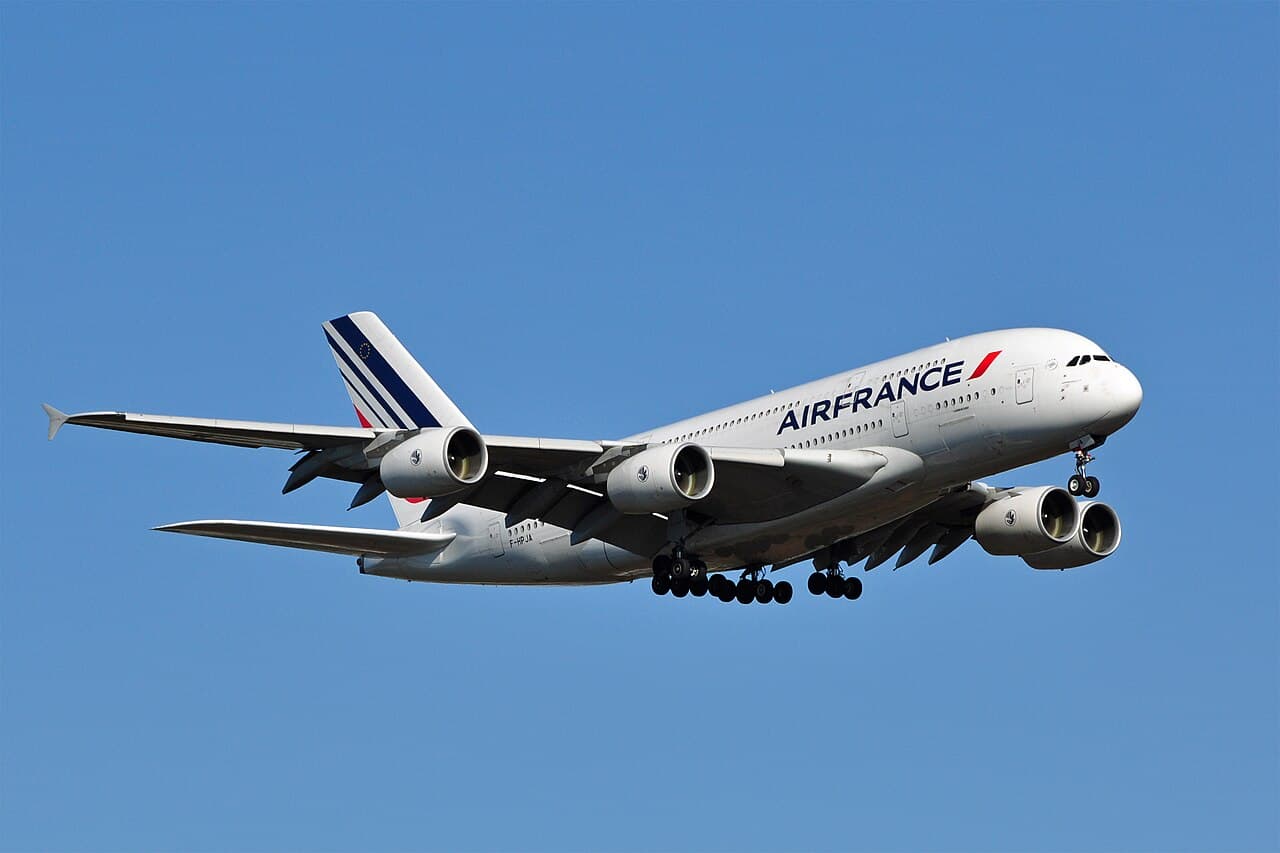
On August 8, a British Airways Airbus A380 was forced to return to base seven hours after departing Johannesburg Airport (JNB) bound for London Heathrow Airport (LHR). The pilots decided to divert back to JNB because the weather radar persistently malfunctioned and no troubleshooting efforts could resolve the issue.
The Daily Touch & Go
The day's best aviation news in your inbox. Free, no spam.