

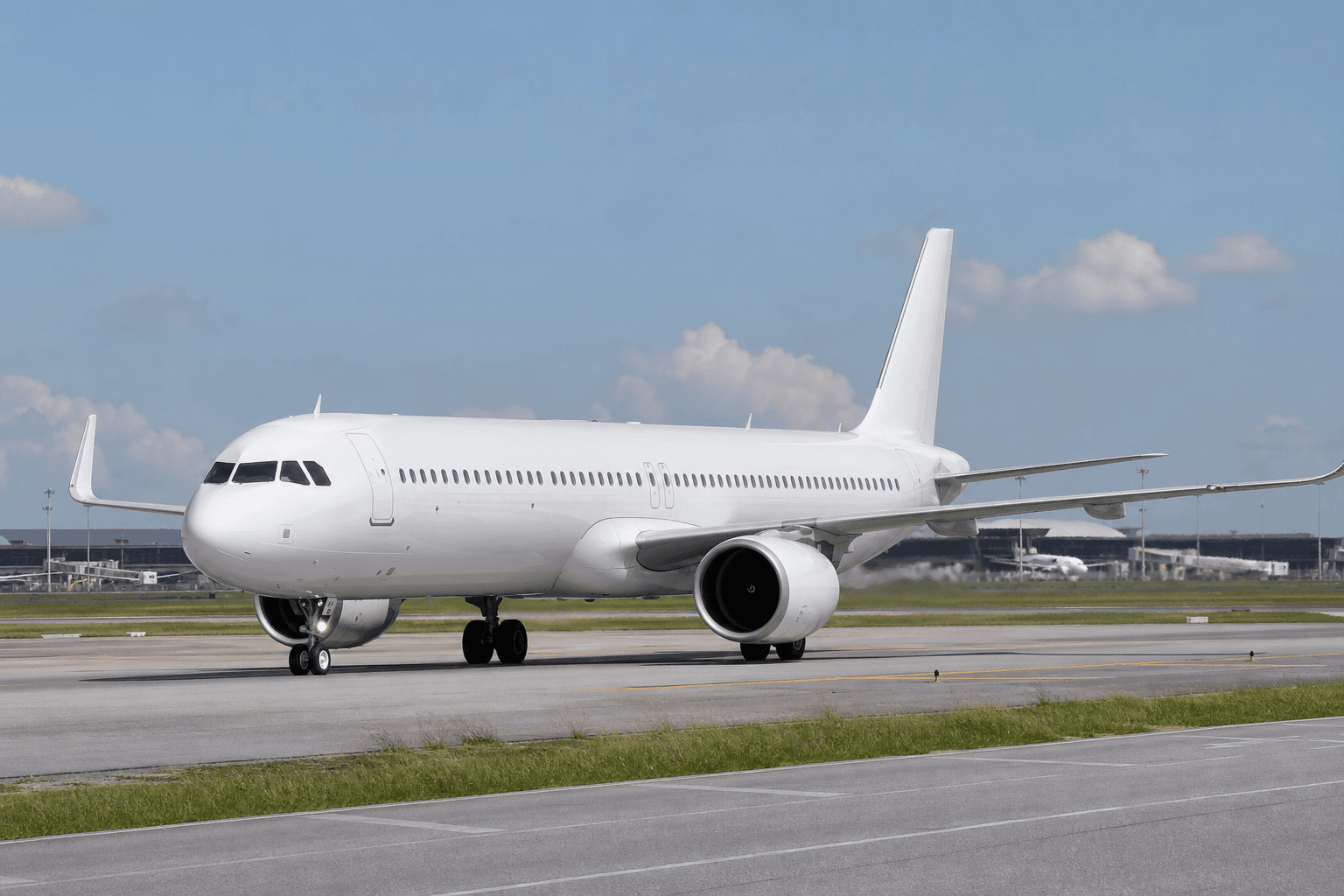
Illustration: The Touch & Go
AirAsia X ends widebody expansion, pivots to Airbus A321XLR single-aisle strategy
AirAsia X cancels 15 Airbus A330neo orders after reassessing low-cost long-haul economics, committing $12.25 billion to A321XLRs for more flexible service.
The gist
AirAsia abandons widebody long-haul model, betting on single-aisle Airbus A321XLRs to enable nimble, profitable routes.
Continuing coverage
All Long-Haul →- British Airways Drops Seven Long-Haul Routes, Shifts Focus to Heathrow
- Thai Airways to finalize new long-haul widebody choice within two years
- Singapore Airlines deploys Airbus A380s on top global routes in 2026
- Inside Singapore Airlines and Cathay Pacific's premium economy cabins on long-haul flights
- Virgin Australia's 2026 Network Features 15-Hour Nonstop Flights via Qatar Airways
In 2026, AirAsia X has formally ceased its plan to expand with Airbus A330neo widebody aircraft, mutually removing 15 jets from Airbus's backlog. This marks an end to the airline’s two-decade-long experiment pioneering low-cost widebody long-haul flights across Asia-Pacific routes. Instead, the group is shifting focus to a single-aisle fleet strategy centered on the Airbus A321XLR, signaling a fundamental strategic reorientation driven by changing economic realities.
The decision to scrap the A330neo order concludes several years of evaluation, postponements, and corporate restructuring. The original model promoted ultra-low-cost carriers (ULCCs) flying high-density, long-haul widebody aircraft to exploit economies of scale, reducing per-seat costs. AirAsia X was among the first to adopt this model to connect Southeast Asia with Australia, China, and Middle Eastern destinations at budget fares.
However, the 2020s brought persistent challenges including rising fuel prices and volatile currency exchange rates. Widebody ULCCs, which rely on consistently high load factors near 90% to profitably fill close to 400 seats, faced risk when demand softened. Legacy carriers mitigate shocks through premium cabins commanding higher yields, but budget airlines have no such buffer, making underfilled long-haul widebodies unsustainably costly. This reality forced AirAsia X to reassess the merits of such large aircraft on thinner, variable routes.
Large twin-aisle jets introduce network inflexibility and force ULCCs into costly hub-and-spoke models to maximize load factors. This contradicts the low-cost carriers’ philosophy of simple, point-to-point flights and frequent services. Secondary city-pair routes often lack the volume to fill widebodies regularly, while less frequent schedules lower traveler appeal. The capital risk of parked or lightly filled widebodies amidst adverse market conditions became untenable under volatile fuel and passenger landscapes.
To replace the capacity of canceled widebodies, AirAsia Group placed a bulk order for 50 Airbus A321XLR single-aisle aircraft, with options for 20 more. Valued at approximately $12.25 billion, this pivot reallocates capital to state-of-the-art narrowbodies offering up to 30% lower fuel burn per seat compared to older widebodies. This smaller, more efficient aircraft carries roughly 236 passengers in a single-class layout, dramatically lowering operational costs and enabling sustainable service on routes that cannot economically support widebodies.
AirAsia Group took delivery of its first Airbus A321LR in May 2026, moving swiftly from order to operation. The A321XLR's advertised range of 4,700 nautical miles, though realistically curtailed to about 4,000 nautical miles for operational factors, opens new market opportunities. It enables direct, point-to-point low-cost flights between Southeast Asia and smaller, secondary destinations across Asia, Europe, and Africa previously inaccessible without widebody aircraft or hub transfers.
This shift removes the need for investment in large aircraft and complex hub networks, allowing AirAsia to tailor capacity and frequency to market demand more flexibly. The airline’s new strategy focuses on sustainable profits per route rather than volume-dependent scale. By leveraging the advanced efficiency and extended reach of the A321XLR, AirAsia aims to expand its global network with a leaner, more adaptable fleet architecture.
Frequently asked questions
- Why did AirAsia X cancel its Airbus A330neo orders?
- AirAsia X canceled 15 Airbus A330neo widebody orders due to economic challenges such as high fuel prices and market volatility making large widebody low-cost operations financially unsustainable.
- What aircraft is AirAsia X focusing on instead of widebodies?
- The airline is shifting to an aggressive single-aisle strategy, with 50 firm orders plus 20 options for the Airbus A321XLR, offering greater flexibility and lower operating costs.
- How does the Airbus A321XLR suit AirAsia’s revised strategy?
- The A321XLR offers a long range of about 4,000 nautical miles operationally, with up to 30% fuel savings per seat versus older widebodies, enabling profitable point-to-point long-haul flights to secondary markets.
Read more
All Airlines →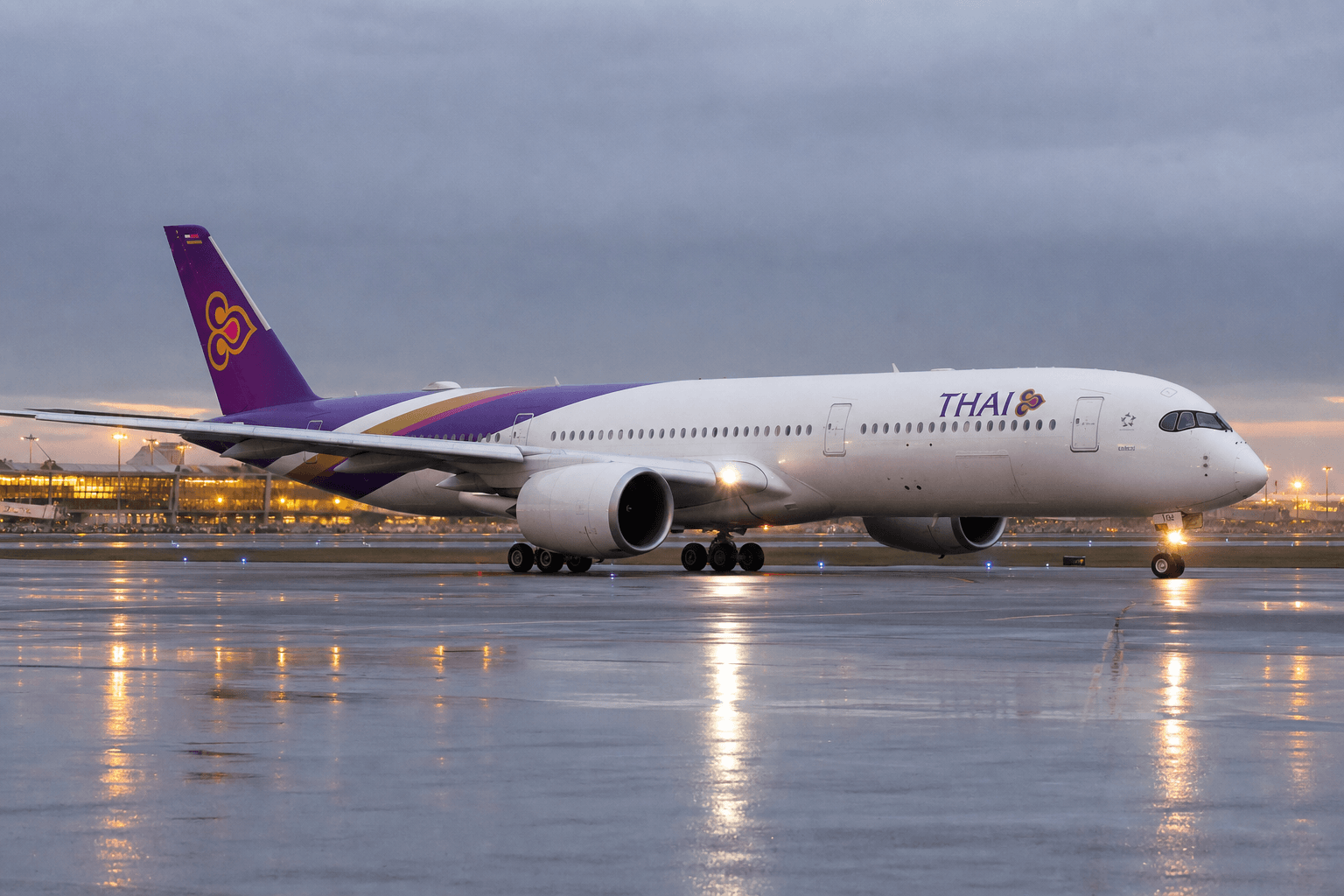
Thai Airways to finalize new long-haul widebody choice within two years
Airline chief Chai Eamsiri says it is assessing the Airbus A350-1000 and Boeing 777X programme. Thai Airways International is to make a decision on new long-haul widebody aircraft within one to two years, says its CEO, in an interview with FlightGlobal sister publication Luchtvaartnieuws. Speaking in Amsterdam on the sidelines of an event marking the…
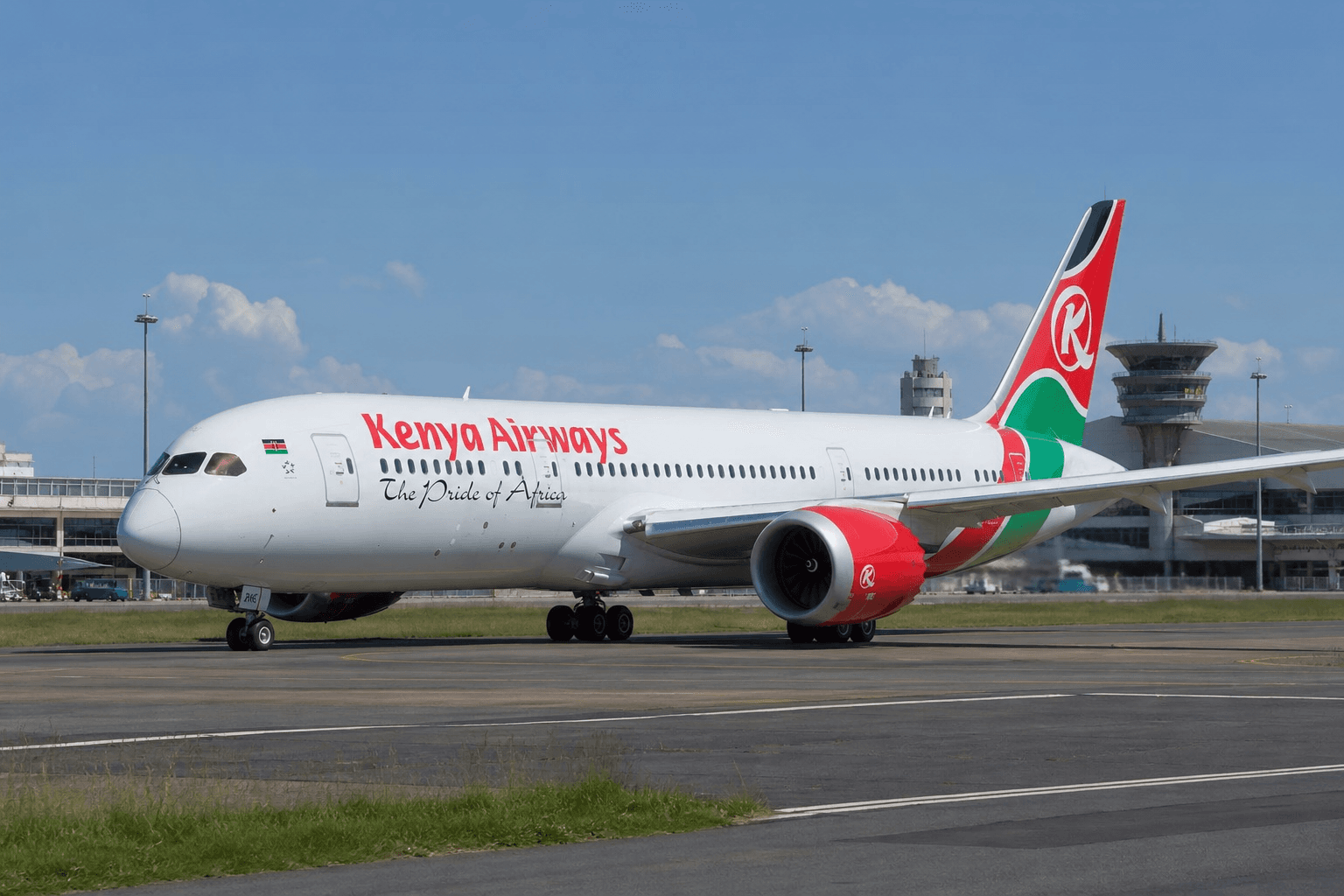
Kenya Airways Dreamliner Returns to Nairobi Due to Flight Controls Spoiler Issue
The New York-bound flight turned around over central Africa and landed safely in Nairobi.
RwandAir Showcases Vibrant Sunburst Livery Reflecting National Identity
The East African carrier's colorful tail draws inspiration from one of Rwanda's national symbols.
Five Regional Aircraft Makers Drive Innovation In Sub-100-Seat Market In 2026
Across all types of routes, airlines are taking advantage of advancements in aerospace manufacturing to begin choosing different types of aircraft for shorter-duration flights. Finding the right balance between route frequency and fuel burn has renewed focus on the sub-100-seat market. Major airframe manufacturers chase larger narrowbody families, all the while several specialist builders remain intensely committed to this essential segment.
The Daily Touch & Go
The day's best aviation news in your inbox. Free, no spam.