

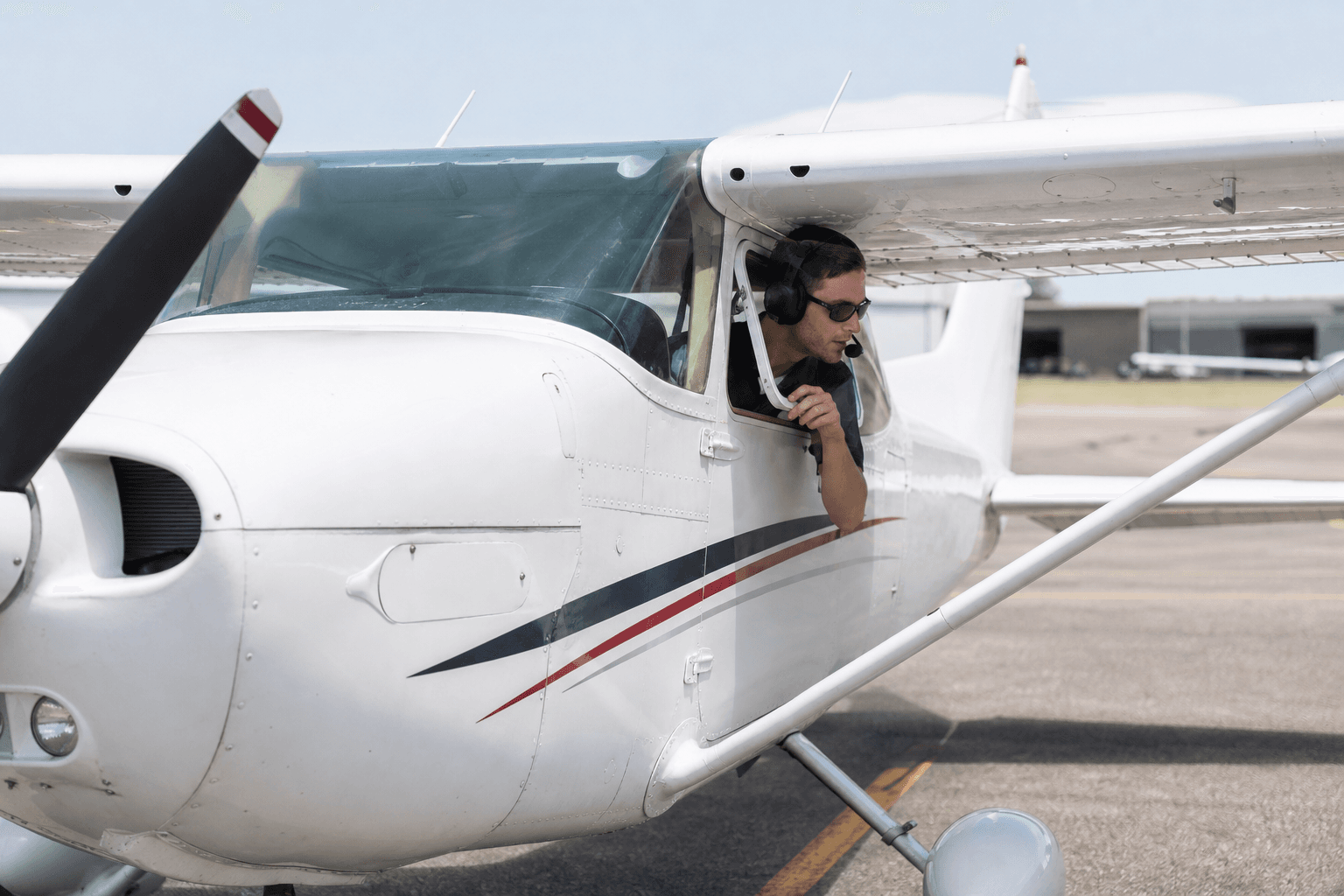
Illustration: The Touch & Go
Essential Safety Steps for Starting Piston Aircraft Engines Emphasized in Training
Properly clearing the propeller and announcing engine start remains a critical safety protocol in pilot training to prevent accidents on the ground.
The gist
Flight instructors stress the vital safety step of visually clearing the prop and loudly calling clear prop before engine start.
Starting a piston-engine airplane demands strict adherence to safety procedures to protect both pilots and bystanders. Flight instructors emphasize a sequence of steps including powering on the battery and beacon lights to signal imminent engine start. This warning alerts ground personnel to the aircraft preparing to engage its engine. After activating these systems, pilots must perform a thorough visual scan around the aircraft including forward, lateral, and rear zones to ensure the propeller arc is free of persons, equipment, or obstacles. This visual clearance is a critical task to prevent potentially fatal prop strikes.
Before engaging the starter, pilots are taught to partially open the cockpit window to communicate clearly with any nearby personnel. A loud, definitive call of clear prop serves as an audible safety checkpoint signaling engine start is imminent. This communication step is standard in flight training and aviation safety materials. The clear prop call helps ensure that everyone nearby is aware and can maintain a safe distance from the spinning propeller, which remains a significant hazard until the engine is fully shut down.
This carefully choreographed procedure is often one of the first safety lessons instructors impart to student pilots, underscoring its foundational importance. The emphasis on visual and auditory cues seeks to minimize ground accidents, which, although rare, can have severe consequences. Such protocols are mandated by best practices and reinforced by organizations dedicated to pilot safety and accident prevention.
Maintaining discipline in these early steps of engine start not only protects human life but also prevents damage to aircraft and ground equipment. This focus on procedural rigor continues to be relevant as aviation technology evolves, reminding pilots and ground crews of fundamental risks associated with piston-engine propellers. Aviation safety experts continue to promote ongoing training and awareness about these basic yet vital practices.
Read more
All Aviation Safety →
New cockpit systems aim to prevent 'impossible turn' accidents in general aviation
In the high-stakes cockpit environment, the margin between safety and disaster is measured in seconds and feet.

FAA restricts select US aircraft operations in Canada over 5G interference concerns
The FAA estimates its newly issued airworthiness directives will affect 1,000 US-registered aircraft. Some US transport aircraft will face operating restrictions in Canada starting on 1 July. That is according to the US Federal Aviation Administration, which on 30 June published several airworthiness directives (ADs) in response to concern that 5G cellular signals near Canadian…
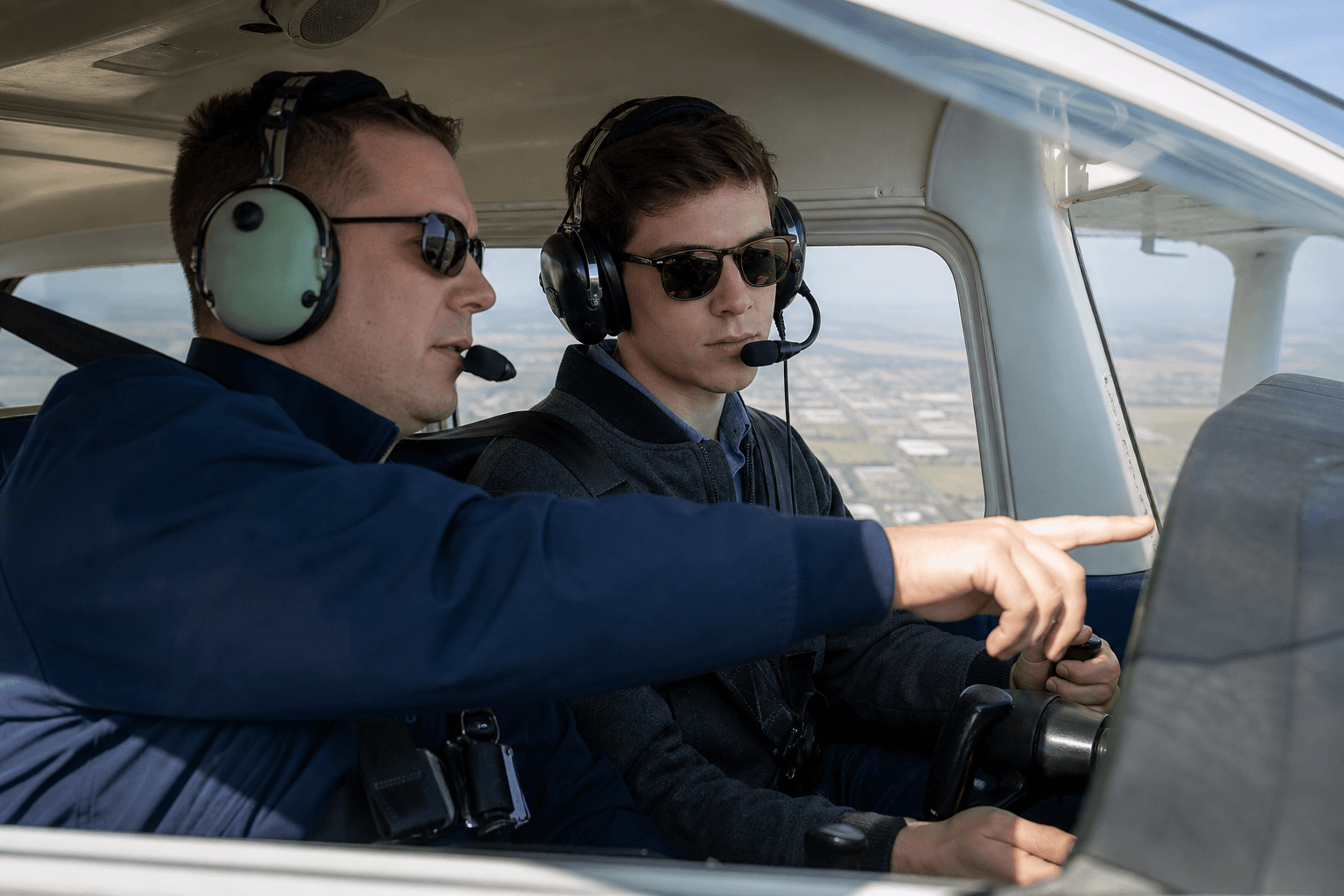
Flight Instructor Candidates Learn Crucial Laws of Learning to Enhance Training Safety
Flight instructor candidates are typically taught a few fundamentals of education theory, including the laws of learning: readiness, exercise, effect, primacy, intensity, and recency.

S7 Airlines Boeing 737-800 overruns Mirny runway days after first officer landing ban
S7 Airlines' Boeing 737-800 overran the runway at Mirny just days after the carrier restricted first officers from landing aircraft.
The Daily Touch & Go
The day's best aviation news in your inbox. Free, no spam.