

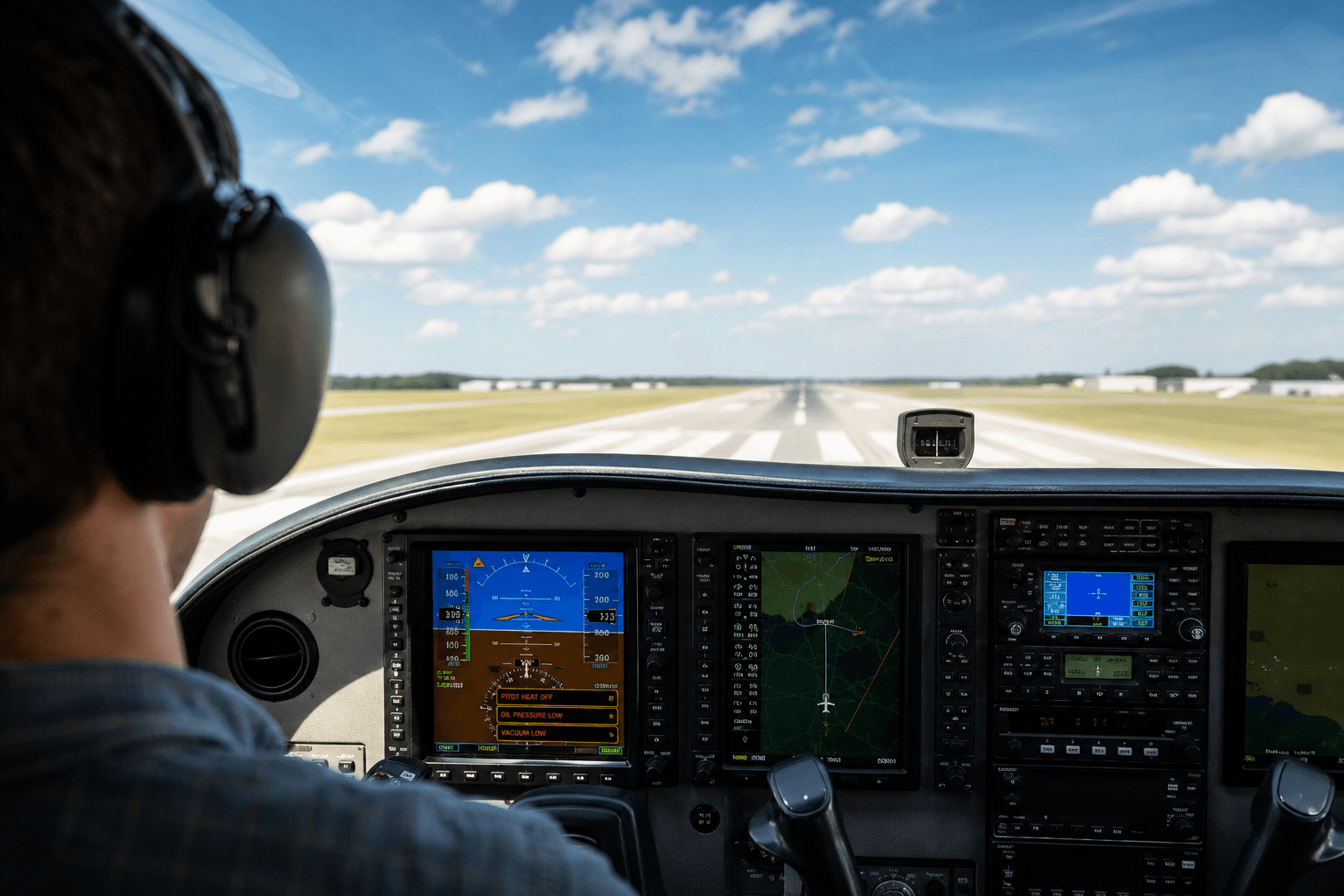
Illustration: The Touch & Go
New cockpit systems aim to prevent 'impossible turn' accidents in general aviation
Advances in technology are helping pilots avoid risky low-altitude turnbacks by providing better warnings and data during engine failures after takeoff.
The gist
Innovative cockpit tools are reducing the risk pilots face when considering turnbacks following engine failure right after takeoff.
The critical decision to attempt a turn back to the runway after an engine failure immediately following takeoff, known as the 'impossible turn,' has long been a deadly challenge for pilots. This maneuver requires split-second judgment and precise flying, as the time and altitude margins are extremely thin. Pilots faced with engine failures at low altitudes must rapidly decide whether to turn back or land ahead, with serious consequences hinging on this choice.
New cockpit technologies are being introduced to eliminate much of the guesswork involved in these situations. Modern systems now provide real-time alerts and flight path data designed to assess whether a safe turn back is possible. Such tools help pilots avoid making dangerous attempts when insufficient altitude or airspeed exist, thereby improving decision-making during emergencies.
These advancements build upon the aviation community's understanding of the risks associated with turnbacks after engine failure. Flight safety organizations have repeatedly underscored that insufficient altitude often makes these maneuvers unrecoverable, and training alone is not always enough. By integrating objective assessments into cockpit displays, manufacturers aim to supplement pilot judgment with actionable information.
The technologies stem from extensive research into past accidents where turnbacks were attempted but led to crashes. By quantifying safe parameters for altitude and bank angle during turnbacks, these systems can trigger safety alerts that might prompt safer alternative actions. This proactive approach marks a shift from reactive procedures to preventative safety measures in general aviation.
As these cockpit enhancements are more widely adopted, they promise to reduce the frequency of fatal accidents related to low-altitude engine failures. Training programs may adapt to incorporate the use of these systems, and regulatory bodies could consider their inclusion as standard safety equipment. The aviation industry’s embrace of these tools reflects an ongoing commitment to integrating technology with pilot skills to improve outcomes.
The immediate future will reveal how pilots utilize these new systems and whether accident rates decline accordingly. Continued vigilance and development will be essential to refine these tools and expand their capabilities to other critical flight scenarios.
Read more
All Aviation Safety →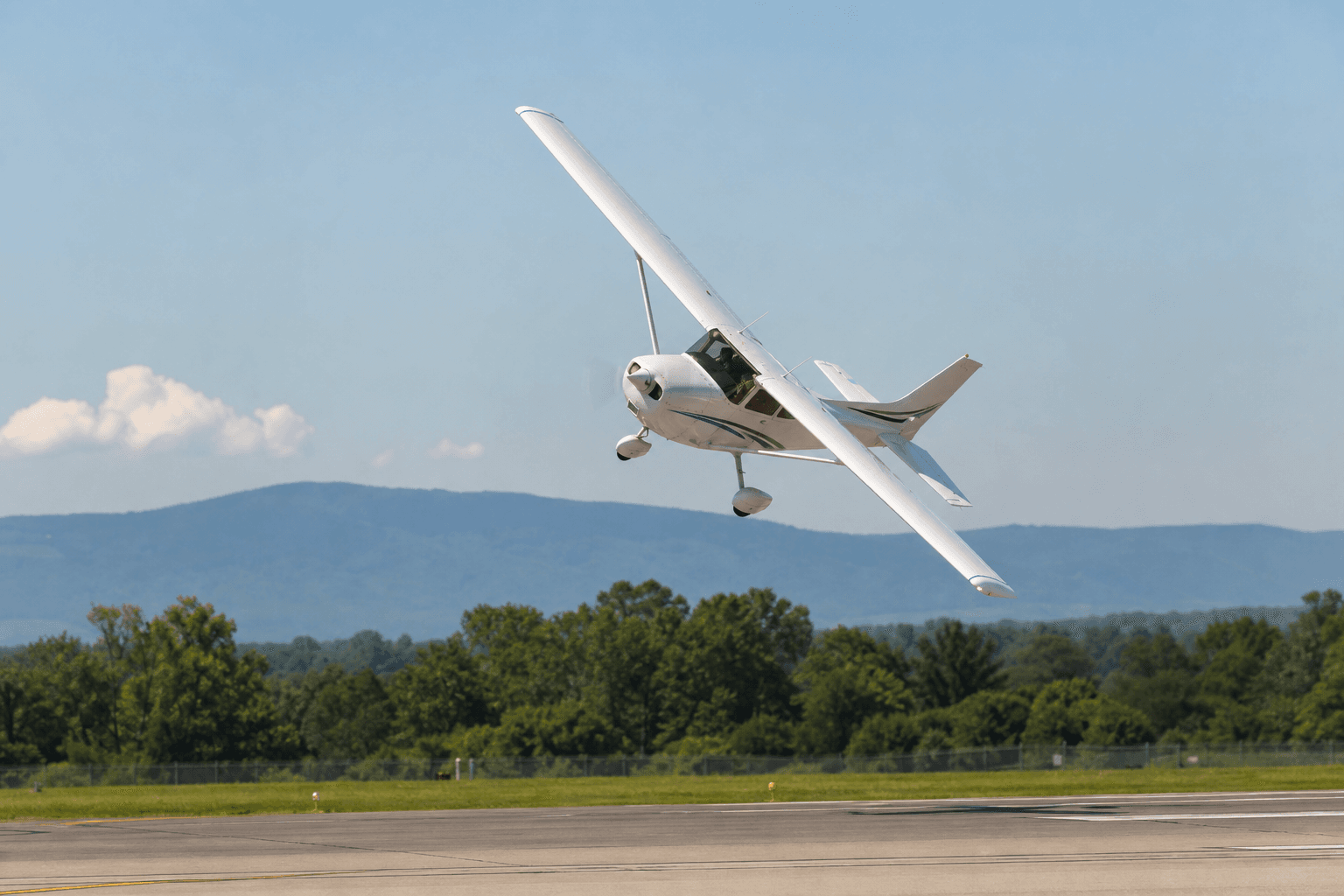
New Training Approaches Aim to Remove Risk from Impossible Turn in General Aviation
In the high-stakes cockpit environment, the margin between safety and disaster is measured in seconds and feet.

FAA restricts select US aircraft operations in Canada over 5G interference concerns
The FAA estimates its newly issued airworthiness directives will affect 1,000 US-registered aircraft. Some US transport aircraft will face operating restrictions in Canada starting on 1 July. That is according to the US Federal Aviation Administration, which on 30 June published several airworthiness directives (ADs) in response to concern that 5G cellular signals near Canadian…
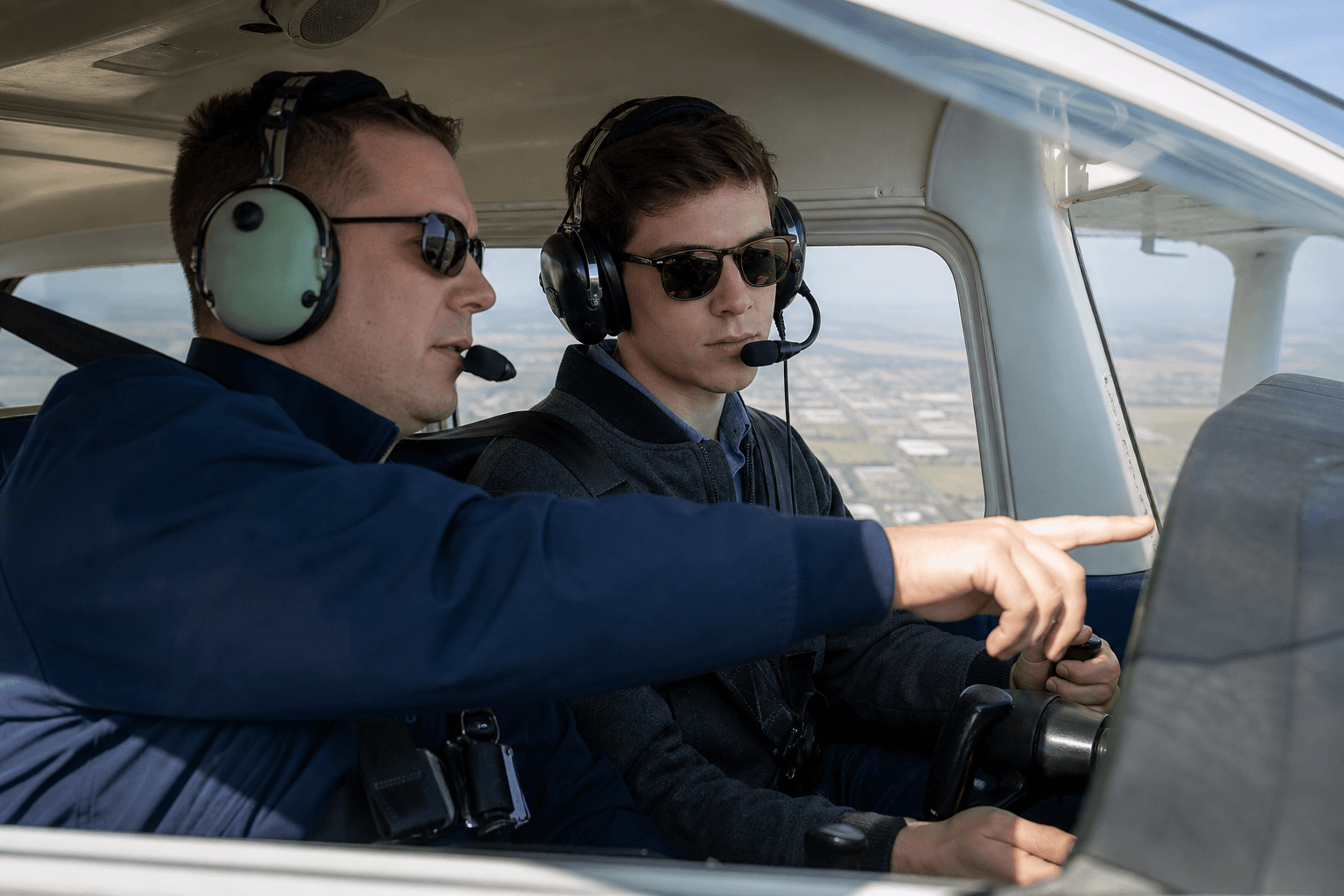
Flight Instructor Candidates Learn Crucial Laws of Learning to Enhance Training Safety
Flight instructor candidates are typically taught a few fundamentals of education theory, including the laws of learning: readiness, exercise, effect, primacy, intensity, and recency.

S7 Airlines Boeing 737-800 overruns Mirny runway days after first officer landing ban
S7 Airlines' Boeing 737-800 overran the runway at Mirny just days after the carrier restricted first officers from landing aircraft.
The Daily Touch & Go
The day's best aviation news in your inbox. Free, no spam.