

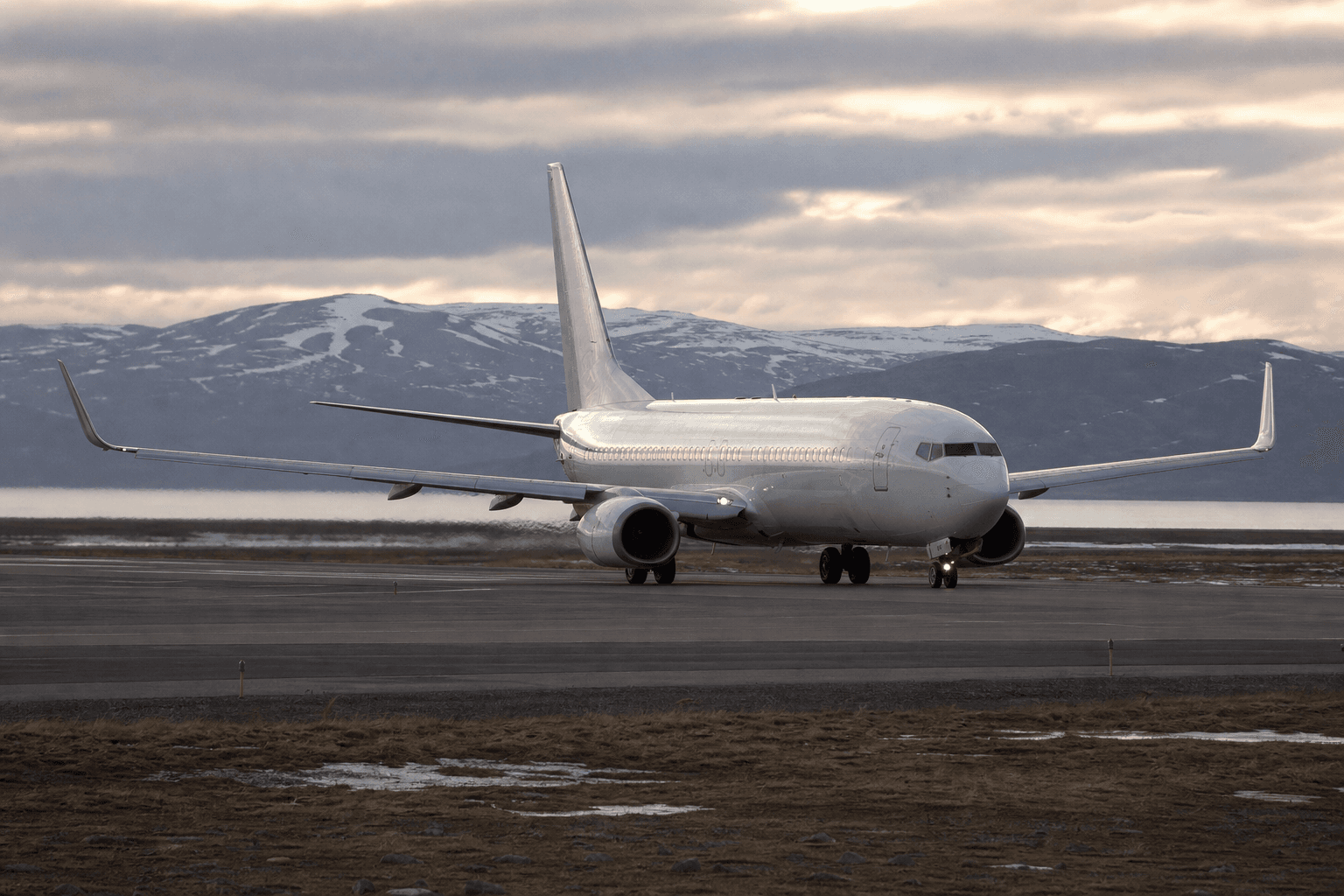
Illustration: The Touch & Go
S7 Airlines Boeing 737 Overruns Runway at Mirny Amid First Officer Landing Restrictions
A Boeing 737-800 of Russia's S7 Airlines exceeded the runway at Mirny Airport with no injuries reported, shortly after the airline limited first officer landings due to hard landing concerns.
The gist
S7 Airlines' Boeing 737-800 overran Mirny’s runway safely days after the carrier restricted first officers from landing to address hard landing issues.
On June 30, 2026, a Boeing 737-800 operated by Russia's S7 Airlines overran the runway upon landing at Mirny Airport (MJZ) in the Sakha (Yakutia) Republic. The aircraft was on flight S7-5241, arriving from Novosibirsk Tolmachevo Airport (OVB) carrying 173 passengers and six crew. Despite the overrun, there were no reported injuries among those on board, and the aircraft came to rest safely beyond the runway end. Emergency services responded swiftly, and investigations were launched by Russian transport authorities to determine the cause of the incident.
Russian investigators from the transport prosecutor’s office and related agencies immediately began examining the circumstances of the runway excursion. Preliminary observations suggest a possible technical malfunction as a factor, but investigators emphasized that the analysis is ongoing and no definitive conclusions have been reached. The accident resulted in a temporary closure of Mirny Airport for runway inspection and clearance before normal operations resumed.
S7 Airlines confirmed the incident and stated that once the aircraft came to a complete stop, the captain followed established procedures to ensure passenger safety. Passengers were disembarked using mobile stairs, and the airline activated its standard internal investigation alongside the official probes. Flight crew involved have been removed from operational duties pending the outcome of these investigations, adhering to the carrier’s safety protocols.
The runway excursion incident occurred against a backdrop of recent operational changes within S7 Airlines. Earlier in June 2026, the carrier imposed temporary restrictions on first officers performing landings at most destinations between June 1 and October 1. This follows a series of hard landing incidents that prompted concerns over aircraft structural integrity and increased maintenance needs.
Under the new policy, first officers are still permitted to land aircraft at major bases such as Moscow Domodedovo, Novosibirsk, Irkutsk, and Vladivostok. However, most other airports have seen first officer landings suspended, with exceptions for training flights and proficiency checks. These measures aim to maintain aircraft availability amid ongoing challenges in parts supply and maintenance caused by sanctions affecting the Russian aviation sector.
Mirny Airport serves a pivotal role in the region's connectivity, particularly given its importance to Russia’s diamond mining industry and the area's remote location. Reliable air services provide critical access where ground transport alternatives are limited. Runway excursions, while uncommon in commercial aviation, are taken seriously due to their complex operational, technical, and safety implications.
The timing of the runway excursion shortly after S7’s first officer landing restrictions has drawn attention, although currently no evidence links the two events directly. The official investigations will seek to understand whether the incident’s root causes lie in technical failures, operational factors, environmental conditions, or a combination thereof. Until formal reports are published, speculation regarding causality remains unfounded.
With the Mirny overrun classified as a serious aviation incident by Russia’s Federal Air Transport Agency (Rosaviatsiya), the outcome of investigations will influence how S7 Airlines manages flight operations and crew restrictions going forward. Additionally, it may impact regulatory oversight and safety protocols for airlines operating under complex geopolitical and operational pressures in Russia.
The incident underscores the challenging operational environment Russian airlines face amid technical maintenance constraints and the imperative to ensure passenger safety. How S7 Airlines balances pilot training, crew duties, and aircraft maintenance will be critical in preventing future runway excursions or hard landings in this environment.
Read more
All Aviation Safety →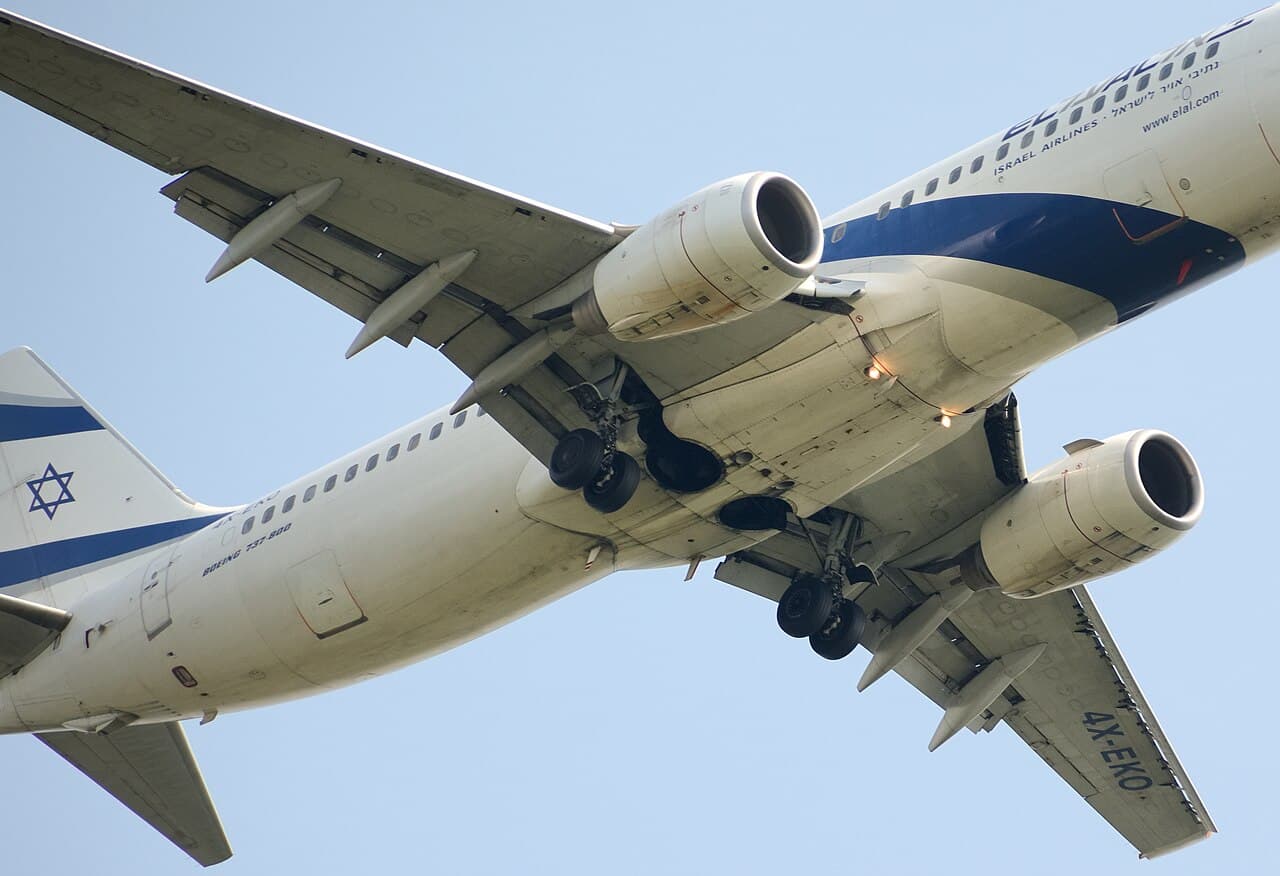
American Airlines Boeing 737-800s with identical callsigns nearly conflicted near Phoenix
Controller acted to separate converging outbound and inbound services on Chicago O’Hare route. Air-ground radio communications have revealed that a controller at Phoenix had to resolve an extraordinary conflict between outbound and inbound American Airlines Boeing 737-800s that were using identical callsigns. The aircraft were both operating the AA2482 service, whose flight number applies to the Phoenix-Chicago and Chicago-Phoenix sectors. Communications from Phoenix departure control, archived by LiveATC, indicate that the conflict occurred just after midnight on 14 August, about 5min after the Chicago-bound aircraft took off from runway 7L. It turned north and its crew informed the controller that they were climbing through 6,000ft to their assigned altitude of 9,000ft. The controller appeared to realise that the aircraft would cross the flightpath of the inbound service, arriving from Chicago, which was descending from the northeast at about 12,000ft. Distinguishing the inbound flight to its crew by referring to its being "on the arrival", the controller instructed it to maintain 10,000ft, which the crew confirmed. The controller then asked: "And there's an American 2482 on a 0730 code, is that correct, on the departure?" When the outbound crew confirmed they were climbing to 9,000ft, the controller acknowledged. "On the departure I need you to maintain 9,000, traffic one o'clock and 10 miles," he instructed, then added: "[It's] your company, same callsign, out of 11,800 descending to 10,000." "Incredible – we're looking, thank you," the outbound crew replied. Publicly-available ADS-B data suggests the outbound aircraft passed behind, and below, the inbound, although their precise horizontal and vertical separation has not been verified. The inbound Chicago-Phoenix flight appears to have been running some 90min behind schedule which would have contributed to the coincidental positioning. Identical callsigns for inbound and outbound services between the same city pairs are not unusual. American's flight AA1888 operates both ways on the Dallas-Raleigh route, as does Delta Air Lines' DL2006 between Milwaukee and Minneapolis.
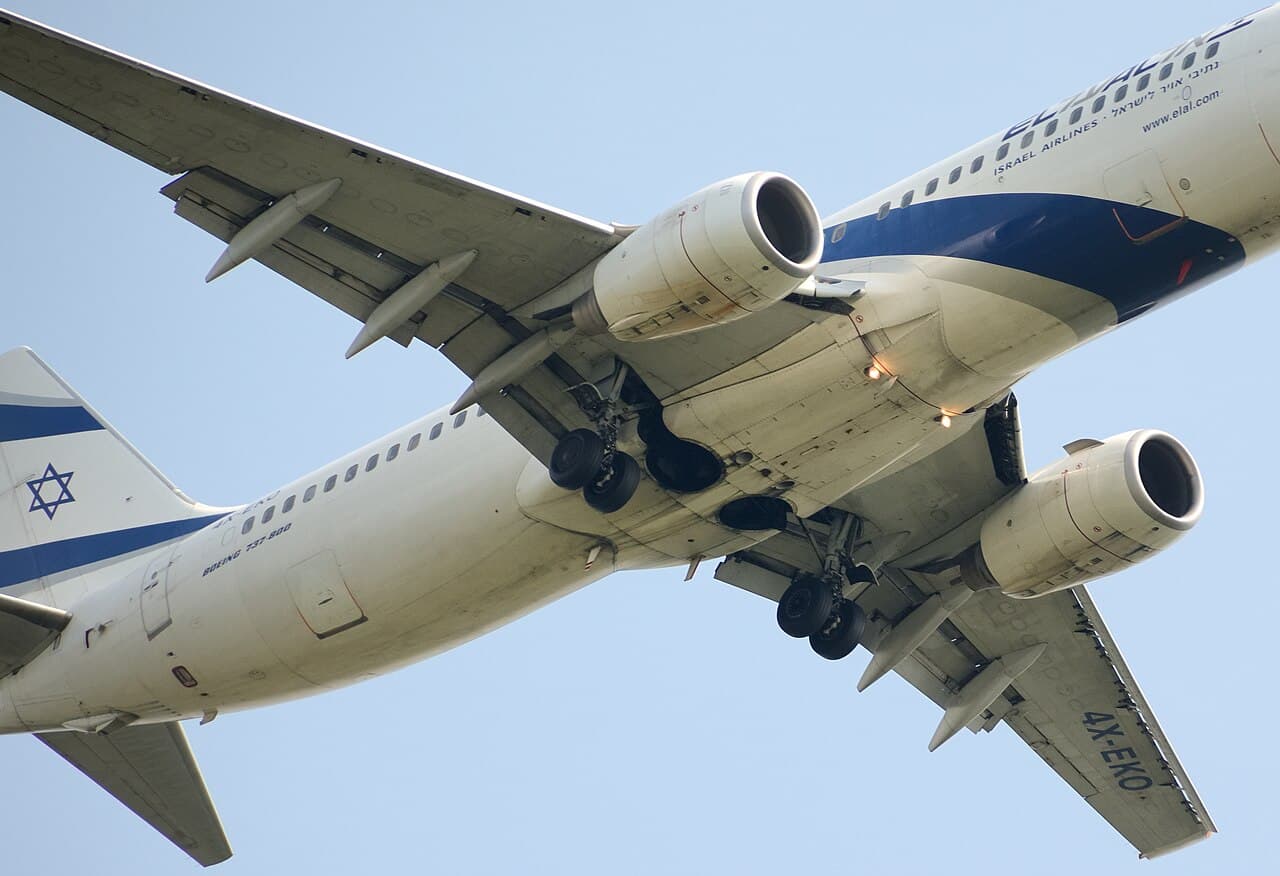
Engine debris caused cabin decompression on Ryanair 737-800, NTSB reveals
A passenger was partially sucked through an open window before being pulled back inside the cabin.
Alaska Airlines Flight Returns to Gate After Passenger Threats in Miami
Alaska Airlines flight 305 returned to the gate in Miami after flight attendants reported passenger threats, including one customer allegedly threatening to take over the aircraft. The pilots stopped departure, placed the cockpit under lockdown protocol, requested law enforcement, and returned to gate E6 while the incident continued to develop.
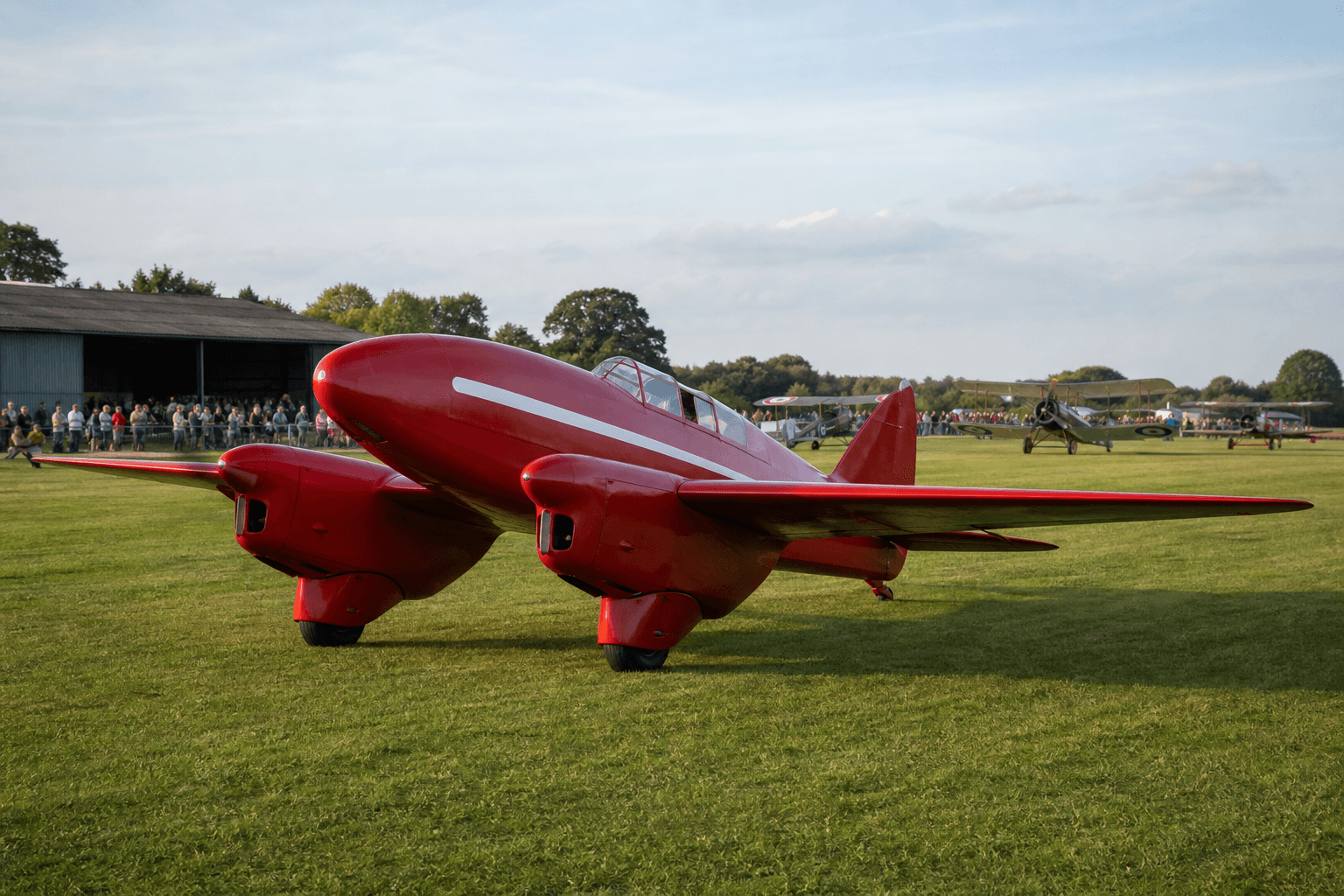
Historic 1934 DH.88 Comet 'Grosvenor House' Crashes at Shuttleworth Airshow
The de Havilland DH.88 Comet G-ACSS "Grosvenor House", the aircraft that won the 1934 MacRobertson England to Australia air race, overturned on landing at Old Warden aerodrome in Bedfordshire, United Kingdom, on August 15, 2026, sustaining extensive damage. The Shuttleworth Trust said the accident happened at approximately 19:20 local time during its Flying Proms air show, with one crew member on board. Emergency services extracted the pilot, who was responding at the scene and was taken to hospital for assessment. Shuttleworth later confirmed that the pilot was discharged from hospital. Nobody else was hurt. Bedfordshire Fire and Rescue Service sent crews from Sandy and Kempston to support the on-site fire service. The UK Air Accidents Investigation Branch, which has investigated several recent accidents involving historic aircraft in the UK , had not commented at the time of writing. An unfortunate incident occurred at the Shuttleworth evening airshow yesterday. The (notoriously tricky) DH -88 Grosvenor House crashed on landing.. Fortunately, the pilot suffered only minor injuries. pic.twitter.com/lgMV2c3nsp — Trev Clark's Obscure Aviation History (@clark_aviation) August 16, 2026 The only airworthy DH.88, and the MacRobertson winner De Havilland built five DH.88s, three of them for the 1934 race. Two survive. G-ACSP "Black Magic" has spent years under restoration, which leaves G-ACSS as the only airworthy example and the only one that actually won. Flown by Charles W. A. Scott and Tom Campbell Black, G-ACSS covered the Mildenhall to Melbourne course in 70 hours and 54 minutes. It was the first British aircraft to combine stressed-skin construction, a cantilever wing, retractable undercarriage, flaps, variable-pitch propellers and an enclosed cockpit in a single airframe, the design vocabulary de Havilland later carried into the Mosquito. The airframe has been rebuilt repeatedly since. Written off in Royal Air Force hands as K5084 and sold for scrap, it was rebuilt by Essex Aero, raced as "The Orphan" and set records as "The Burberry" before reaching the Shuttleworth Collection in 1965. A landing accident already grounded it for 12 years Restored with support from about 50 organizations, G-ACSS flew again on May 17, 1987, from Hatfield. That airfield closed in 1994 and the Comet went back to Old Warden by road, where the runway was initially too short to operate it. On October 28, 2002, after a test flight for its permit renewal, its undercarriage failed on landing. Investigators found that the legs as originally designed were liable to fail under certain conditions, and a modified structure had to be approved by the UK Civil Aviation Authority. The aircraft did not fly again until August 1, 2014. Shuttleworth has not said whether the damage is repairable. Operators of historic fleets typically suspend flying until a cause is established, as the Royal Air Force did with its Battle of Britain Memorial Flight Spitfires and Hurricanes . It is the second accident at Old Warden since May 30, 2026, when an Avro Triplane IV replica came down during the Wings and Wheels air show.
The Daily Touch & Go
The day's best aviation news in your inbox. Free, no spam.