

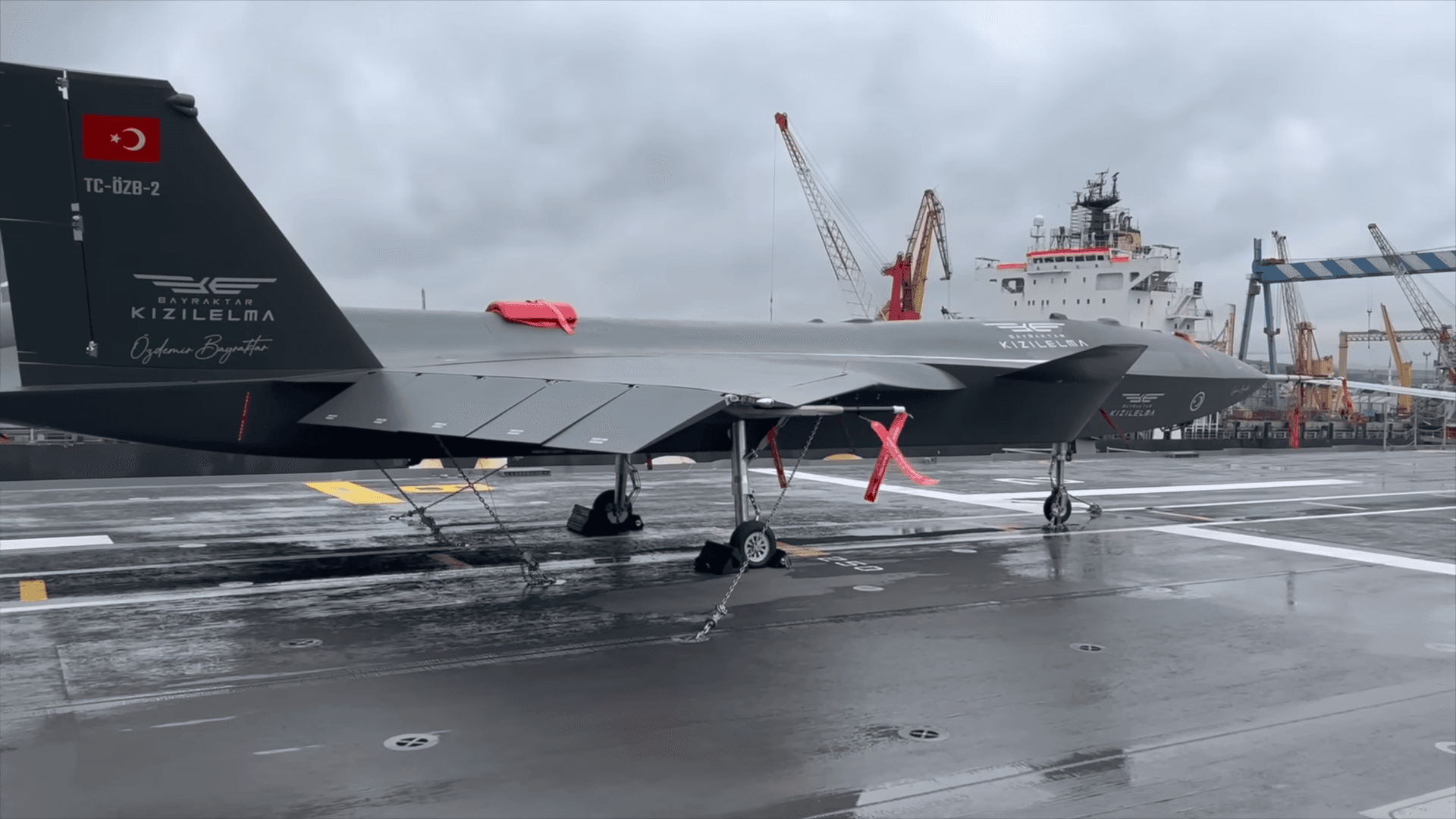
Image: tolgaozbekcom · CC BY 3.0 · via Wikimedia Commons
Baykar Hands Over First Three Kizilelma Unmanned Fighters to Turkish Security Forces
Baykar says the jet-powered Kizilelma entered active service less than four years after its first flight, though it has not named the receiving unit or confirmed combat clearance.
The gist
Turkey's Baykar delivered three Kizilelma unmanned fighters on November 19 and claims the type is the first uncrewed fighter in operational service.
Baykar delivered the first three Bayraktar Kizilelma unmanned fighters to Turkey's security forces on November 19 after the aircraft completed acceptance tests. The Turkish manufacturer said the type had entered active service less than four years after its maiden flight in December 2022. Baykar also claims Kizilelma is the first unmanned fighter anywhere to reach operational service.
The company left key details unstated. It has not identified which unit received the aircraft, and it has not said whether the three jets are cleared for combat missions. Without that information, the depth of their operational readiness is hard to judge.
According to Baykar, the program has flown 600 test and training sorties. Those flights included autonomous formation work, air-to-air missile engagements and releases of precision-guided weapons from an internal bay. Baykar said it paid for the development itself, drawing on experience from its TB2 and Akıncı unmanned aircraft programs.
The aircraft was unveiled in July 2021. Prototype production started in March 2022, and the first flight followed on December 14 of that year. The jet has a maximum takeoff weight of about 8,500 kg (18,740 lb), a 10 m (32.8 ft) wingspan and a stated top speed of Mach 0.9. Baykar puts its endurance at more than three hours.
The largest weapons test came on November 29, 2025, off the Turkish Black Sea coast near Sinop. Kizilelma destroyed a jet-powered aerial target with a Gökdoğan beyond-visual-range missile. The shot combined Aselsan's MURAD AESA radar, the Gökdoğan missile built by TÜBİTAK SAGE and the uncrewed airframe, all Turkish-developed, in a live engagement.
Ground-attack testing ran in parallel. Kizilelma had already fired TOLUN and TEBER-82 guided weapons against surface targets, and in July 2026 Baykar demonstrated releasing both from the internal bay, which is meant to reduce the aircraft's radar signature. Autonomy trials moved forward as well: two Kizilelmas flew in close formation under autonomous control in December 2025, and in May 2026 one flew alongside a Leonardo M-346 in a crewed-uncrewed formation test. The design is also intended for short-deck ships such as the Turkish Navy's TCG Anadolu, but Baykar has not said that capability is operational.
The delivery puts Baykar ahead of better-funded Western rivals in the timeline to service entry. Boeing Australia's MQ-28 Ghost Bat first flew in 2021 and shot down an aerial target with an AIM-120 AMRAAM in December 2025, ten days after the Gökdoğan engagement. Boeing has built multiple MQ-28 airframes, but Australia is aiming for operational capability in 2028.
In the United States, the FQ-42A and FQ-44A began flight testing in 2025 and won production contracts in June 2026. Anduril's FQ-44A carried out an autonomous AIM-120 launch against a simulated target in July, and the US Air Force has started taking aircraft for operational experimentation. Neither program has announced entry into active service. In Europe, MBDA's Remote Carrier Compact, a remnant of the failed Franco-German-Spanish FCAS effort, passed preliminary design review in 2026 and is targeting a demonstrator flight in 2029, with funding for later stages still unconfirmed.
Originally reported by Air Data News
Read more
All Military/Defense →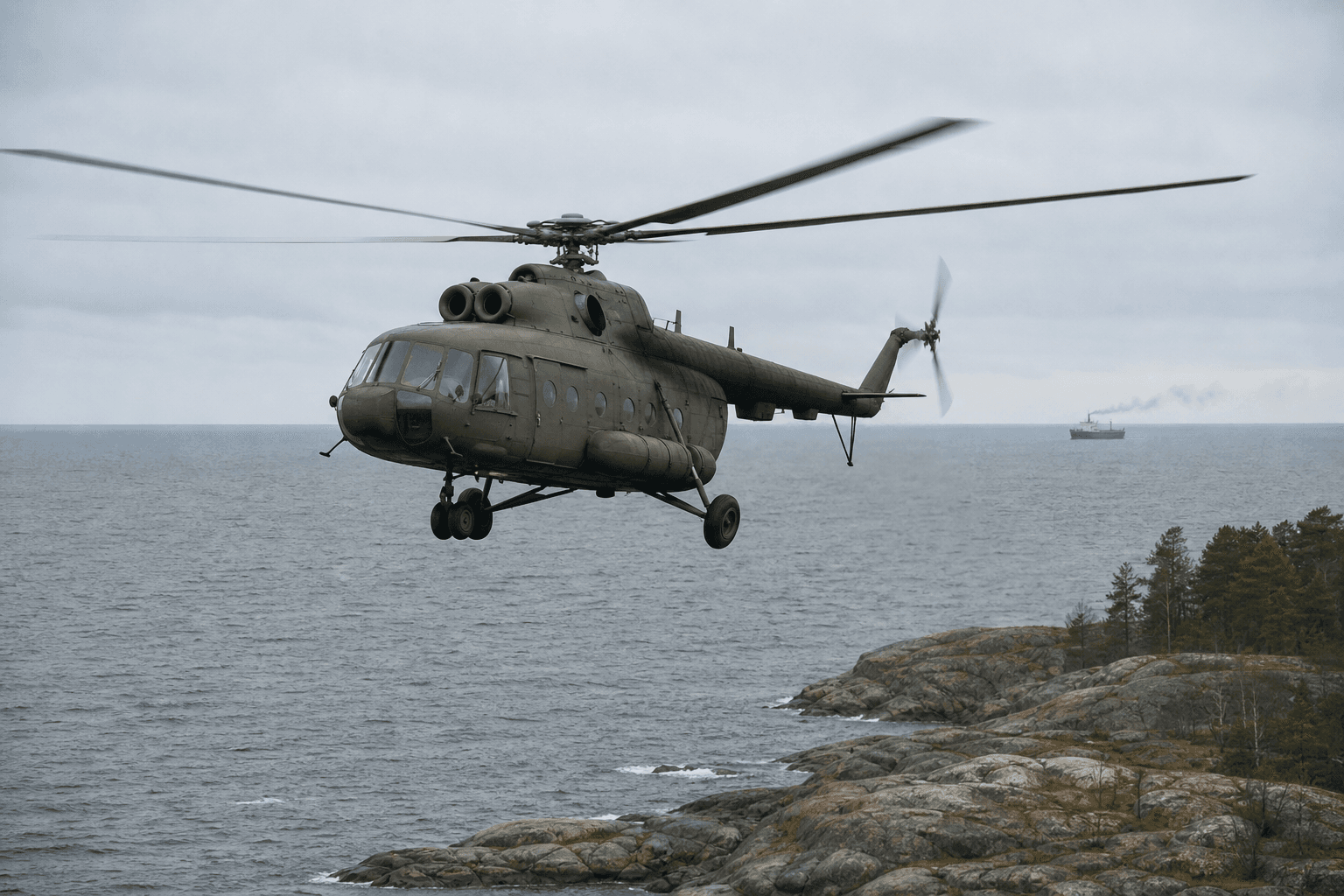
Russian Helicopter Suspected of Breaching Finnish Airspace Off Loviisa After Drone Strike on Cargo Ship
Finland says a Russian helicopter flew up to 4.1 kilometers into its airspace near Loviisa, possibly tied to rescue efforts for the burning cargo ship Sparta II.
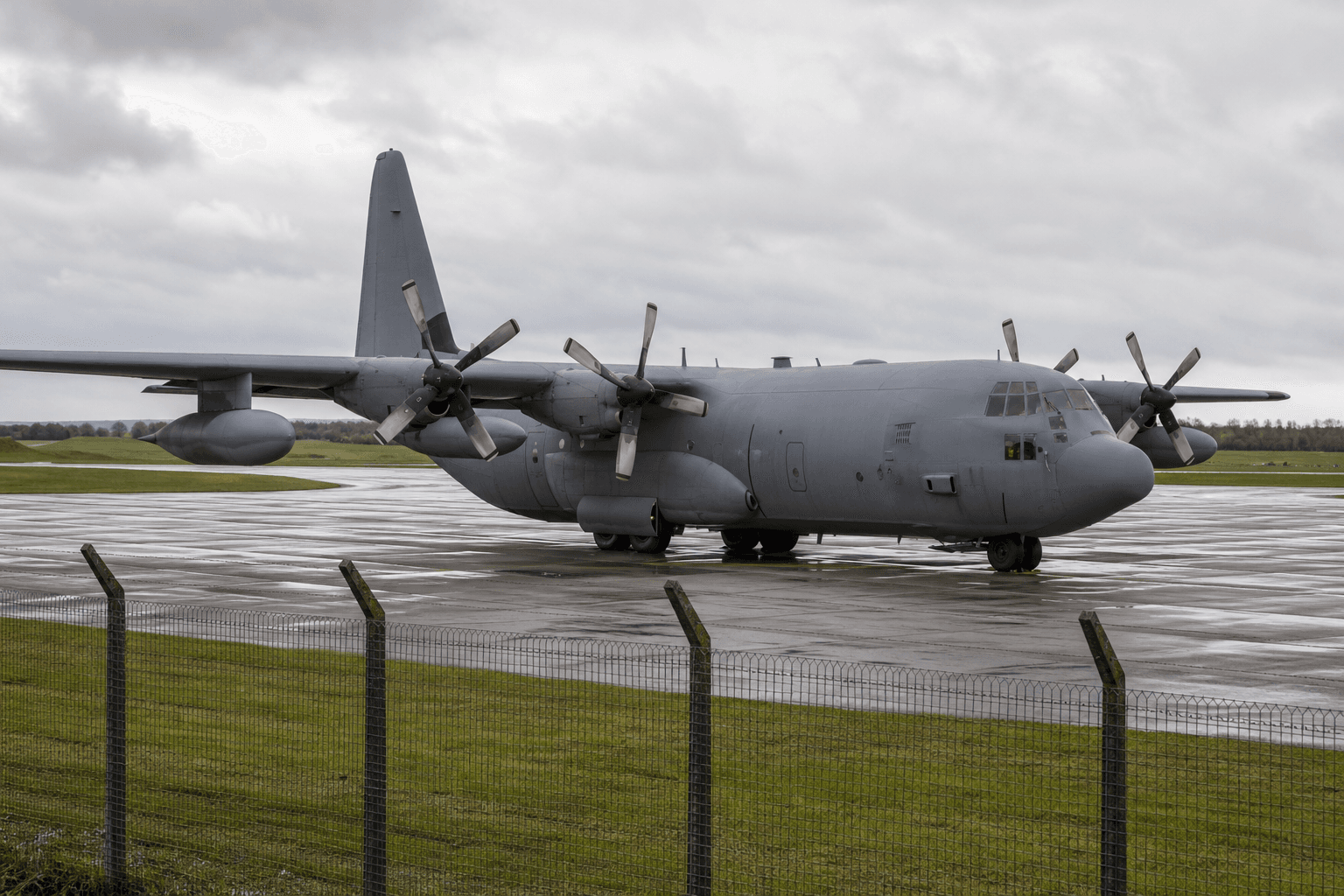
US Prosecutors Charge Irish Activist with Destroying Air National Guard C-130 at Shannon Airport
A Manhattan federal indictment alleges Daithi O'Corrain broke into a refueling C-130 Hercules at Shannon in April and wrecked the $60 million aircraft beyond repair.
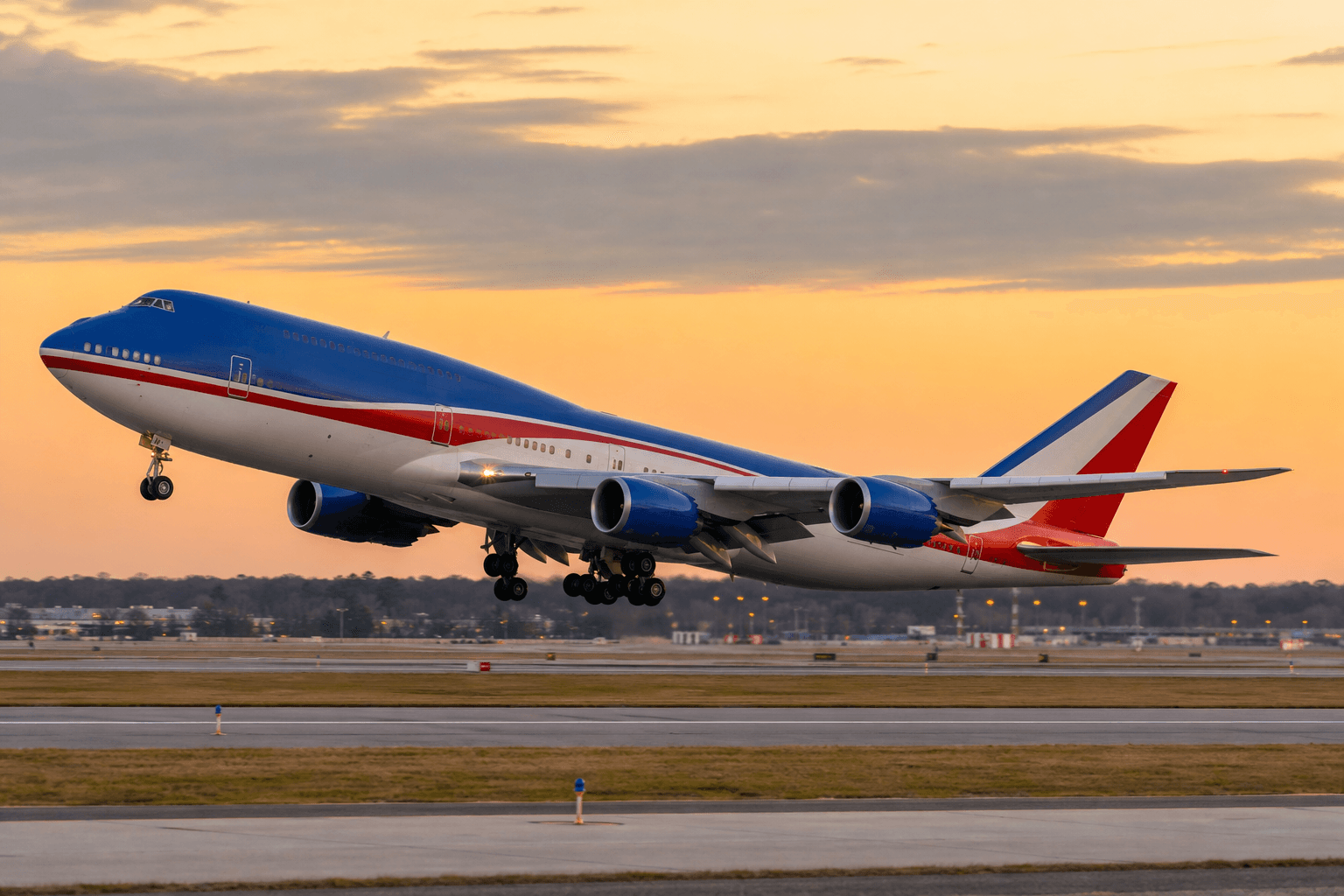
VC-25B Bridge Jet Sets Air Force Records for Heaviest Takeoff and Longest Air Force One Sortie
The Qatari-donated 747-8 flew President Trump nonstop from Shenzhen to Joint Base Andrews in nearly 15 hours, lifting off at just under 1 million pounds, the White House said.
Texas Air National Guard F-16 Crashes in Michigan Training Mission, Pilot Ejects Safely
A Texas Air National Guard F-16 went down in Green Lake Township, Michigan, forcing a one-mile evacuation over a hazardous chemical spill before the order was lifted that night.
The Daily Touch & Go
The day's best aviation news in your inbox. Free, no spam.