

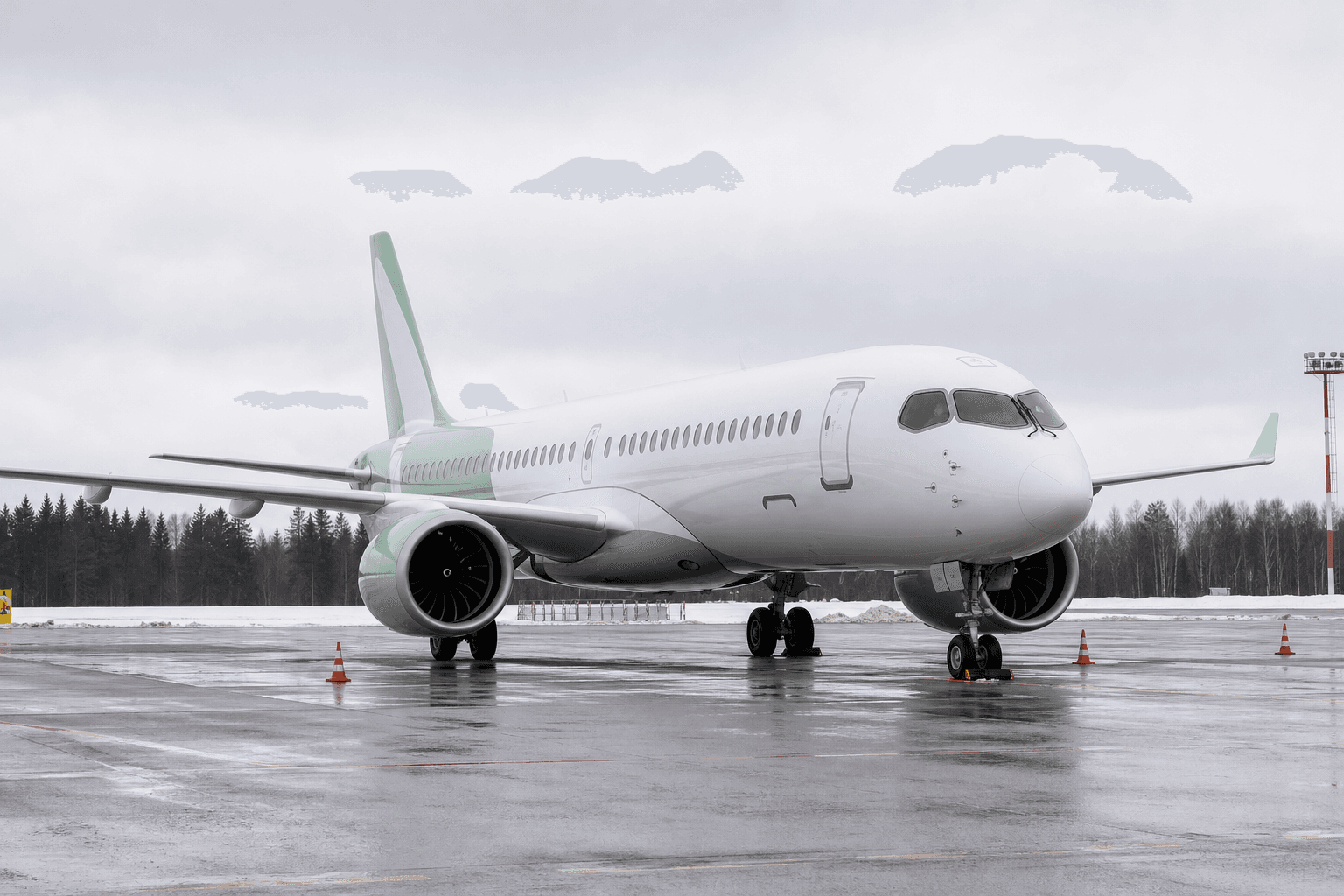
AI-generated illustration
Air Baltic Faces December Cash Exhaustion Unless Bondholders Back Priming of Its 2029 Bond Collateral
The Latvian carrier's adviser told the US bankruptcy court it will run out of money in the first half of December, and likely liquidate, without a further €175 million in debtor-in-possession loans.
The gist
Air Baltic says it will run dry in early December and likely liquidate unless bondholders approve priming that unlocks €175m more in DIP loans.
Continuing coverage
All Airbus A220 →Air Baltic will exhaust its cash during the first half of December and will likely be forced into liquidation if it cannot secure the rest of its debtor-in-possession financing, the airline's investment banker has told the court overseeing its US Chapter 11 case. The warning came in a 16 November declaration from Stephan Krastev, a senior vice-president at Seabury Global Aviation Advisors. Krastev said that without access to the priming loans, the carrier's cash would run out within weeks. The airline would then be unable to fund its operations, he said, and a liquidation would cause immediate and irreparable harm.
The carrier has already received an initial €175 million ($192 million) tranche of emergency debtor-in-possession financing since filing for Chapter 11 protection in the United States. That money has kept the airline flying, but it does not cover the full restructuring period. Air Baltic is seeking a further €175 million, to be released across two separate tranches. The total package would therefore reach €350 million if the remaining funds are approved.
The second and third tranches come with a condition. The lenders want a priming agreement that would place their claim ahead of existing creditors on the collateral securing Air Baltic's 2029 bonds. In practice, that means the new lenders would be repaid from those assets before the bondholders who currently hold security over them. Without that higher-priority claim, the lenders are not prepared to advance the money the airline says it needs to keep operating.
The assets at stake go well beyond aircraft components. The bond collateral includes spare parts, an Airbus A220 flight simulator, a training centre, hangars and intellectual property, among other items. Air Baltic operates the A220, and the simulator and training centre form part of the infrastructure supporting that fleet. Krastev valued the collateral package at around €251 million in its current state.
That figure would shrink sharply in a liquidation, according to Krastev. Depending on the scenario, he estimated a forced sale would reduce the value of the collateral to between €28.5 million and €56.1 million. At the low end, that is roughly 11% of the going-concern value he assigned. The comparison forms the core of the airline's argument that bondholders stand to recover more by allowing the priming and keeping the company alive than by blocking it.
The priming has become one of the most contested issues in the case. A number of bondholders have filed formal objections to the proposal. Krastev, however, said he believes the bondholders are adequately protected under the arrangement. The court will have to weigh those competing positions as it considers the airline's request for the remaining financing.
Air Baltic has also taken its case directly to its creditors. The airline launched a bondholder consent solicitation seeking approval of a resolution instructing consent to the priming. A bondholder meeting is scheduled for 4 December, which falls inside the window in which Krastev said the airline's cash would run out. To win support, Air Baltic is offering bondholders who back the resolution either cash fees or an alternative incentive.
Originally reported by FlightGlobal
Read more
All Airlines →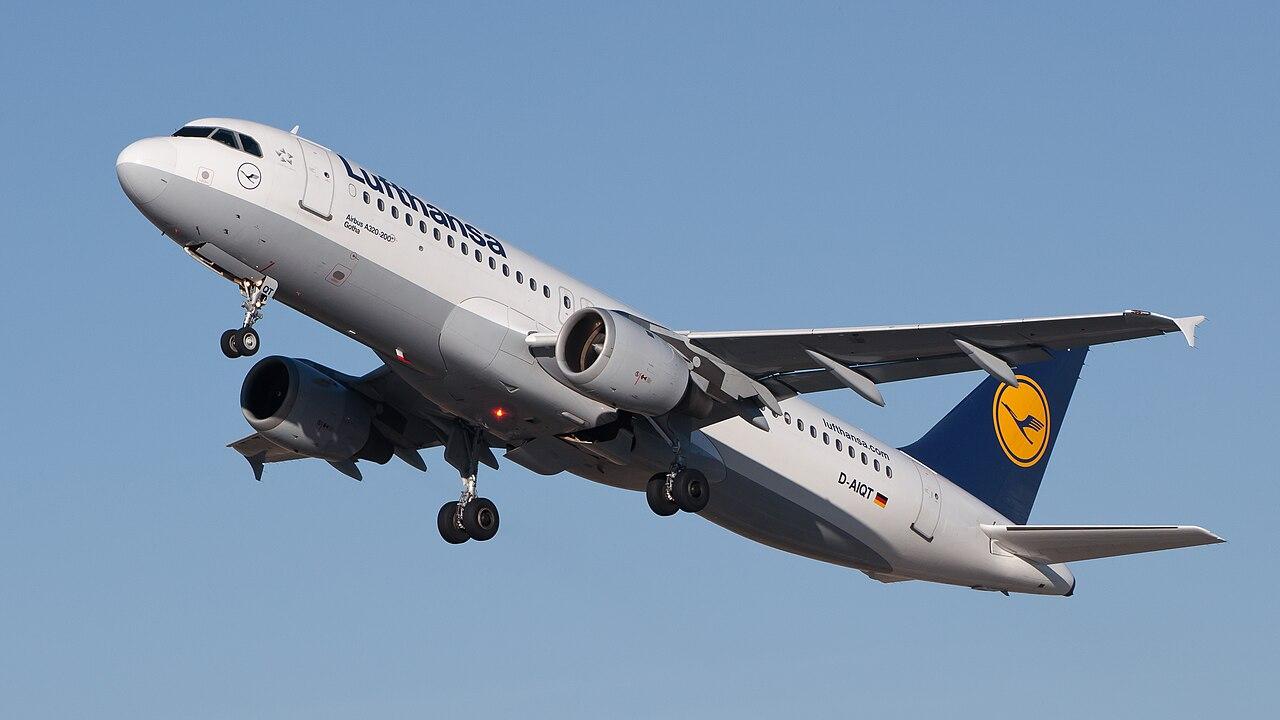
Lufthansa Plans 1,000 Job Cuts at Mainline Airline and Shrinks A320 Fleet in Favor of A220s
A board letter to employees says the Frankfurt and Munich hubs will lose 1,000 full-time positions as Lufthansa Airlines tries to reverse a €180 million nine-month operating loss.
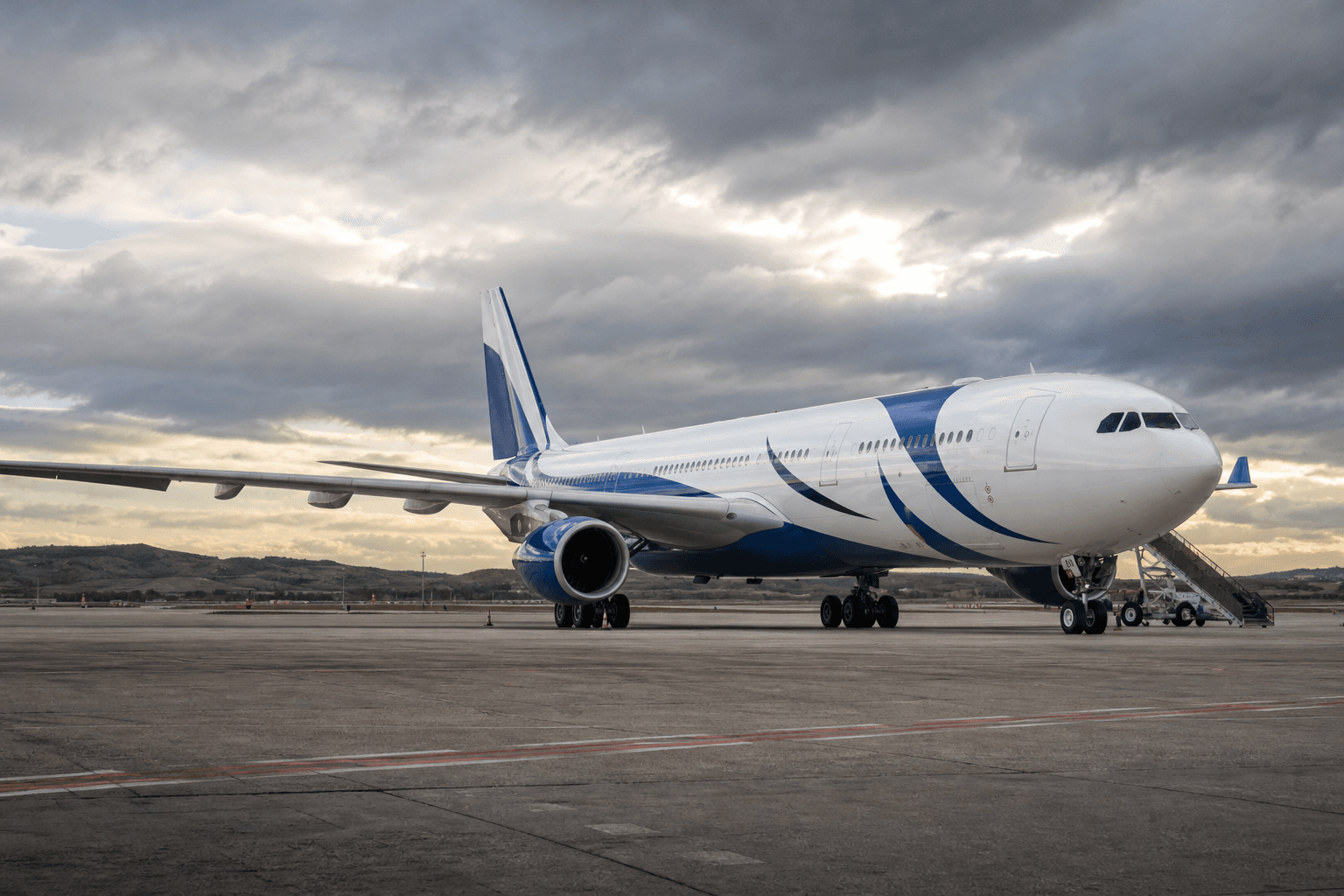
Plus Ultra Drops Lima and Buenos Aires, Enters Pre-Insolvency Talks with Creditors
The Spanish long-haul carrier plans to cut scheduled flight hours by more than 61%, shrink its fleet and open a redundancy process covering 679 Madrid staff.
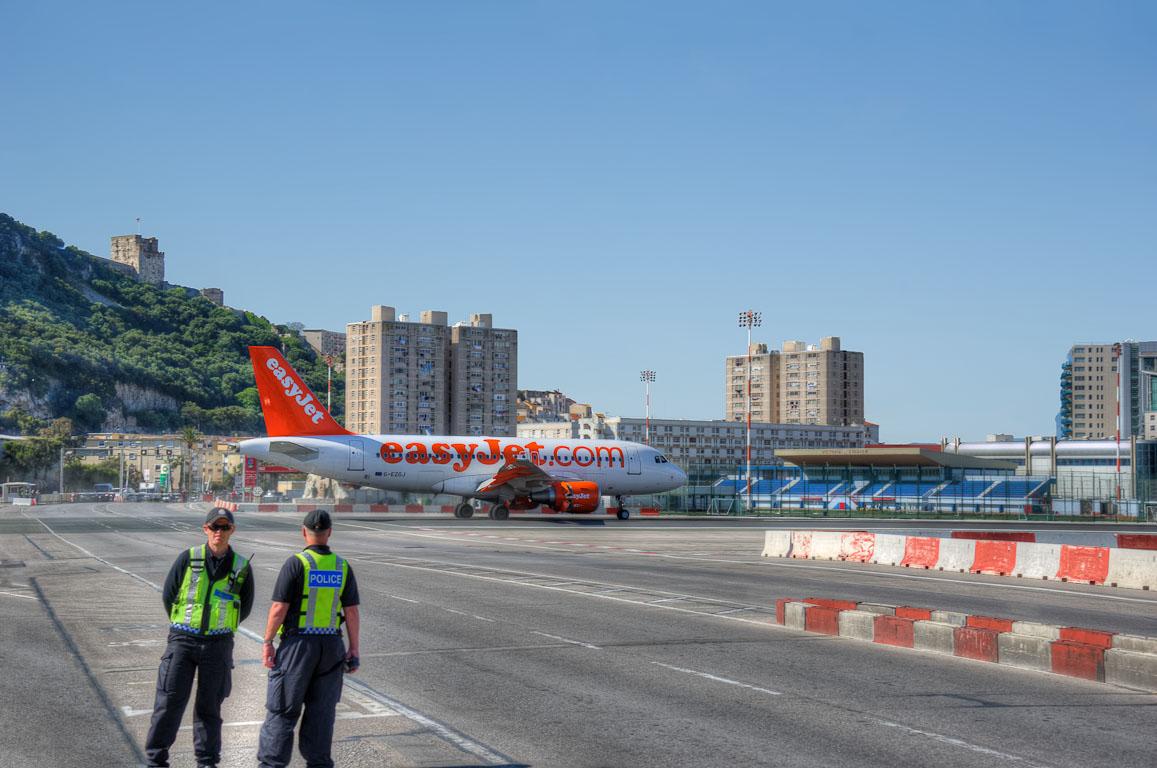
Apollo's £5.7 Billion easyJet Deal Caps Its Funds at 49.9% to Keep EU Operating Rights
The US asset manager will hold no more than 49.9% of easyJet's new parent, with rollover shareholders and an EU trust holding the rest so the airline stays compliant with European and UK ownership rules.
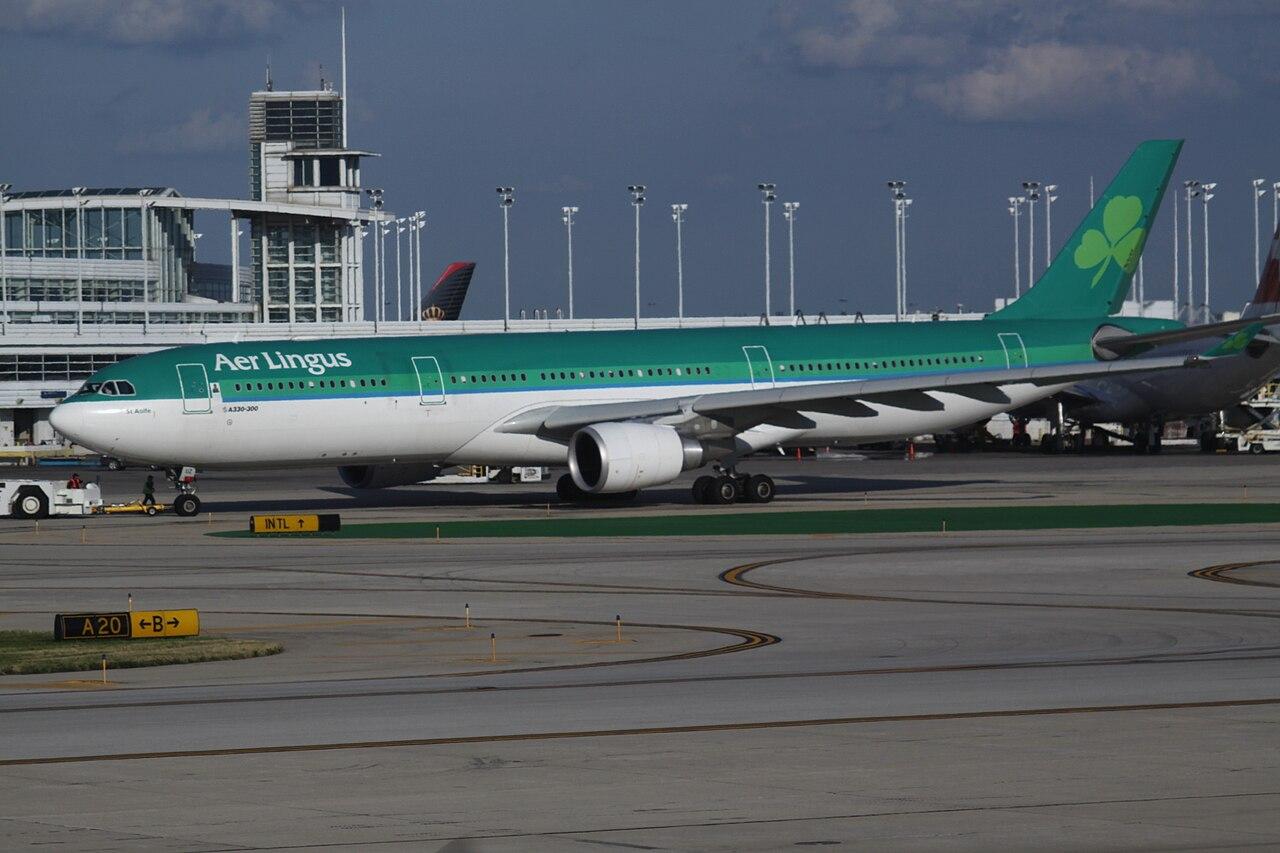
Aer Lingus Reveals Refitted A330 Cabins with Its First Premium Economy, Debuting on Dublin-New York in 2027
The Irish carrier will refurbish 10 Airbus A330s with Business Class suites, a new 28-seat Premium Economy cabin and redesigned Economy, starting with JFK flights on 1 October 2027.
The Daily Touch & Go
The day's best aviation news in your inbox. Free, no spam.