

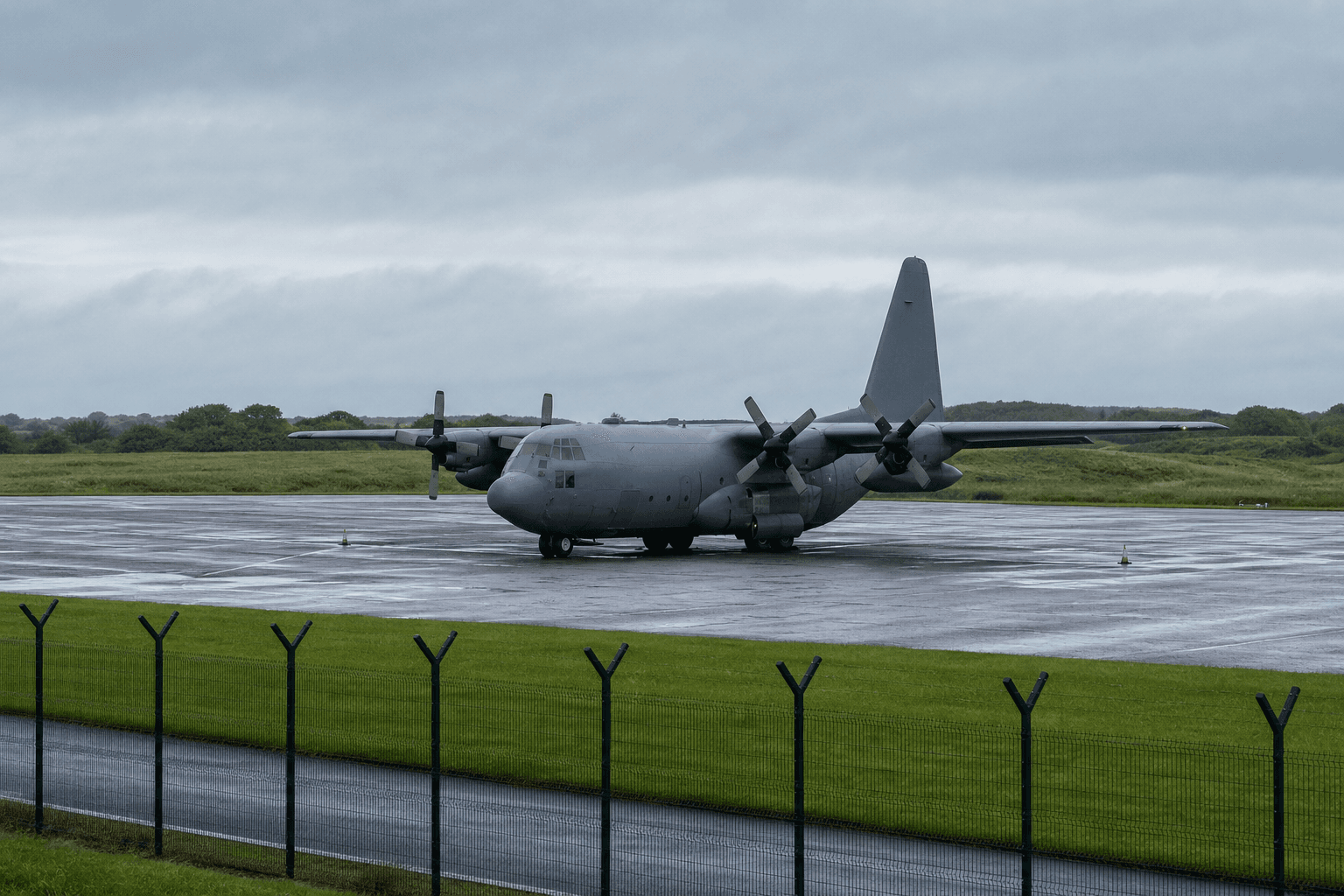
AI-generated illustration
Military/Defense
U.S. Indicts Irish Man Over Attack That Wrecked USAF C-130H Hercules at Shannon Airport
Federal prosecutors in New York charged Daithi O'Corrain, 48, with destroying a Missouri Air National Guard C-130H that was smashed, cut and axed while parked at Shannon in April.
The gist
An Irish man faces U.S. charges for allegedly destroying a USAF C-130H at Shannon Airport after months of planning.
Federal prosecutors in New York have indicted an Irish citizen on a charge of destroying U.S. government property, accusing him of breaking into a U.S. Air Force C-130H Hercules parked at Shannon Airport and damaging it so badly that the aircraft was effectively destroyed. The U.S. Attorney's Office for the Southern District of New York announced the indictment of Daithi O'Corrain, 48, on Nov. 17, 2026. The attack took place on Apr. 11, 2026. The charge carries a maximum prison sentence of 10 years.
The aircraft, serial number 91-1653, was assigned to the Missouri Air National Guard. Flight tracking observers had logged its arrival at Shannon from Rosecrans Air National Guard Base in St. Joseph by way of St. John's, Canada, and the Hercules stayed on the ground overnight before continuing to its next military destination. U.S. Attorney Jamie McDonald announced the case alongside James C. Barnacle, Jr., Assistant Director in Charge of the FBI's New York Field Office. Barnacle said the attack caused tens of millions of dollars in damage and put military operations at risk, and that it was not spontaneous vandalism. Irish reporting on the indictment put the damage at around $60 million.
According to the U.S. account, O'Corrain breached the Shannon perimeter, crossed the airfield to the C-130's parking spot and broke the lock on a crew access door near the rear of the aircraft. Once inside, he allegedly barricaded himself in with tools he had brought. Prosecutors say he then worked through the aircraft methodically. Every gauge in the cockpit was reportedly found smashed, and wire bundles and hydraulic lines had been cut.
Investigators also say he carried capsules of gallium aboard. The metal attacks aluminium on direct contact, and most of the C-130's structure is aluminium. The indictment does not say whether the gallium was actually applied to the airframe. Prosecutors cite another detail as evidence of planning: components that could have endangered O'Corrain himself if damaged were left alone.
Several hours after he got in, the arriving Air Force crew spotted him through the cockpit windows and alerted security. Prosecutors say O'Corrain then tried to leave through a hatch in the roof of the fuselage, striking the aircraft's skin with an axe on the way out and pouring metal ball bearings into the fuel tanks. The axe damage to the exterior was visible from outside the airport in the days after the incident, but the extent of the interior damage was not public until the indictment.
The U.S. Attorney's Office says O'Corrain spent months preparing. It alleges he studied online documentation about the C-130's design and materials and ordered gallium from an online store within hours of doing so. He is also accused of using flight tracking apps to follow U.S. military aircraft movements, including this C-130, and of using online mapping software to choose the exact spot where he would cross the airport fence. Barnacle said the FBI would pursue anyone who targets U.S. military assets regardless of where the attack happens.
Shannon has long served as an overnight stop for U.S. military aircraft crossing the Atlantic, a practice that draws regular protest in Ireland, and protesters have targeted U.S. aircraft at the airport before. Irish police arrested O'Corrain shortly after the April incident, and he was released on bail about a month later. He faces charges in Ireland as well, and Irish journalists have noted that the domestic case could make extradition impossible. The U.S. Attorney's Office has not said whether it will seek to bring him to the United States for trial.
McDonald said the defendant destroyed a valuable military aircraft abroad and posed a threat to people nearby, including U.S. service members. He said the Irish government assisted the investigation, which was run by the FBI's New York Joint Terrorism Task Force with help from the Missouri Air National Guard and the Air Force Office of Special Investigations. After the attack, U.S. personnel removed the C-130's tail section as the aircraft was prepared for storage and dismantling.
Originally reported by The Aviationist
Read more
All Military/Defense →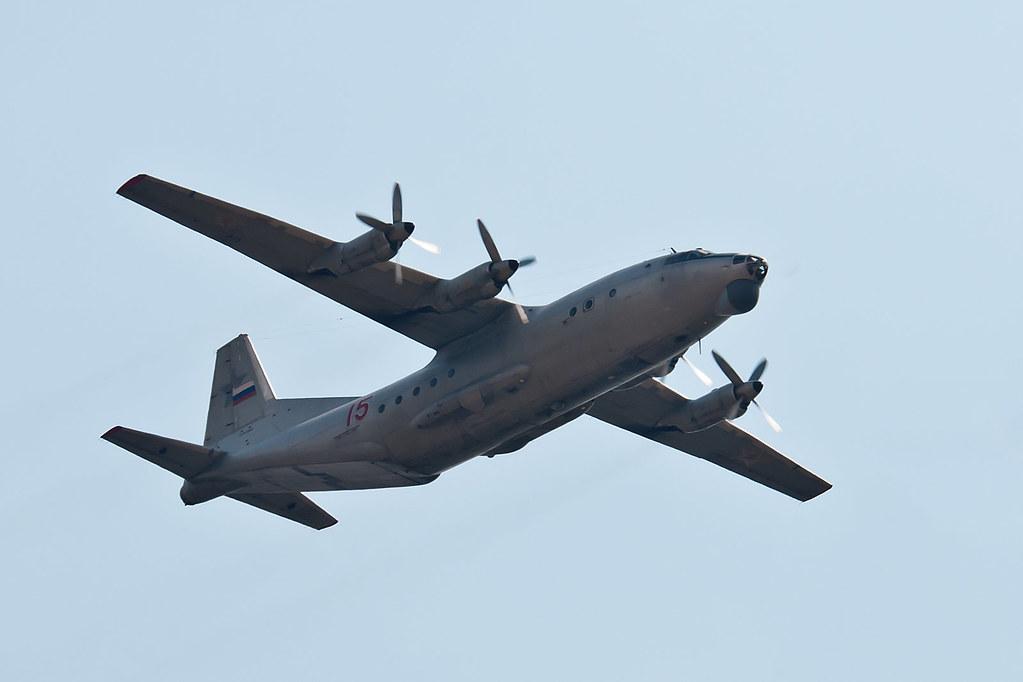
Russian Military An-12 Crashes Near Kemerovo in Siberia, Killing 17
A Soviet-era Antonov An-12 transport went down near Yagunovo after requesting an emergency landing, and Russian media say an in-flight engine fuel fire is among the possible causes under examination.
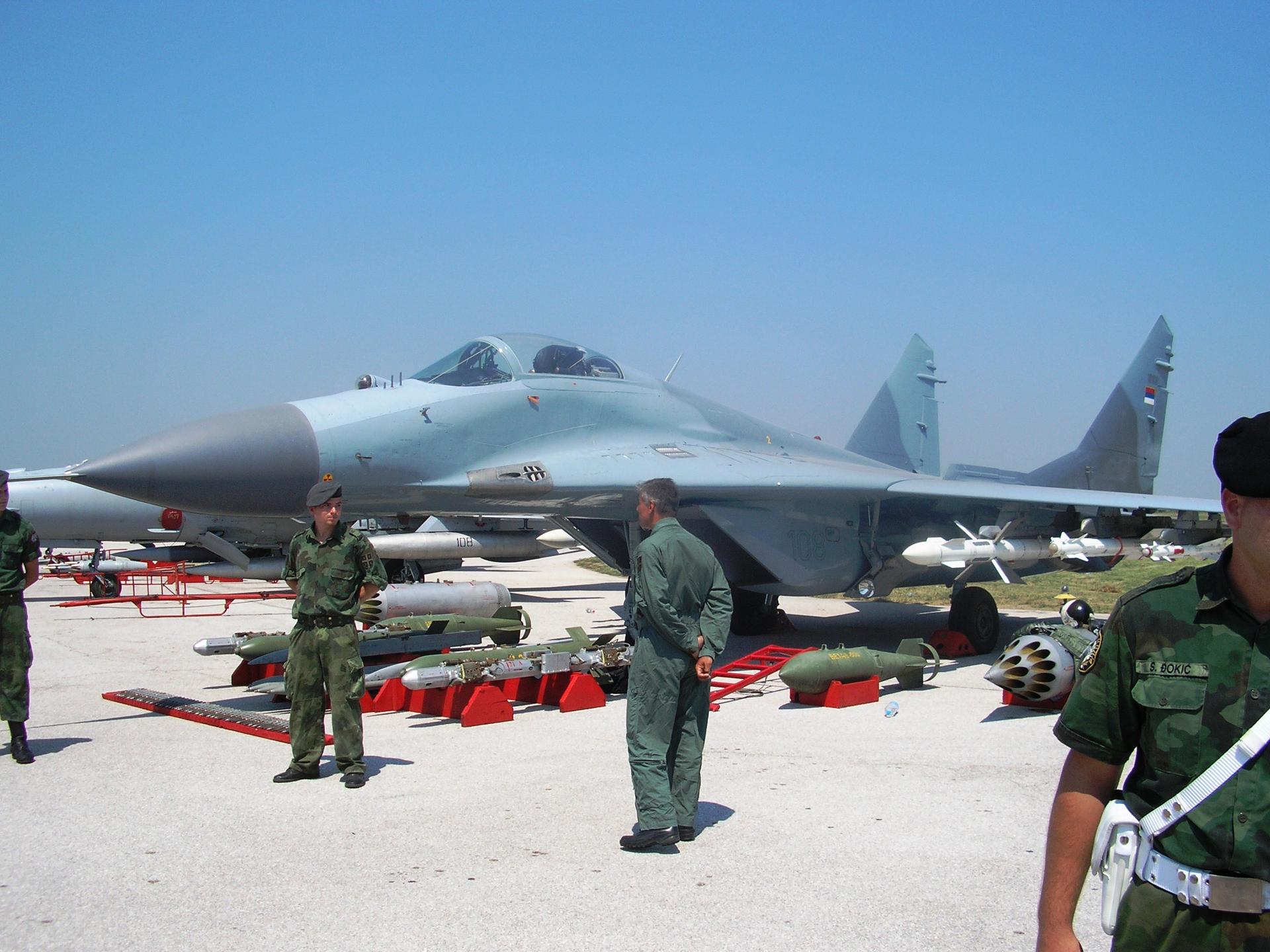
Serbian Air Force MiG-29 Crashes Near Stara Pazova, Killing Pilot Major Goran Bulajić
A MiG-29 from the 204th Air Brigade went down in a field northwest of Belgrade on November 17, and Serbia's Ministry of Defense has formed two commissions to investigate.
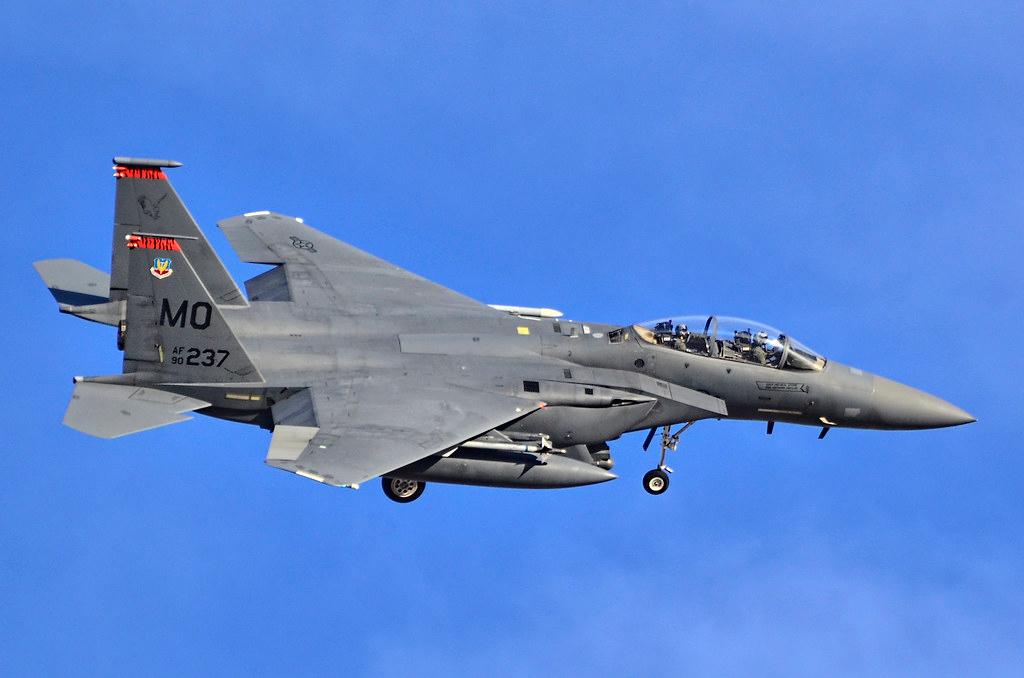
Iran Shoots Down US F-15E; A-10 and Two Black Hawks Hit During Rescue Mission
One F-15E crew member was rescued and the other remains missing after Iranian fire downed the jet, while an A-10 covering the search crashed in Kuwait and two Black Hawks returned to base with injured crew.

Northrop Grumman Teams with Hermeus to Turn Quarterhorse Into a High-Speed Uncrewed Military Aircraft
The defense prime will supply mission systems for the start-up's Quarterhorse experimental jets, aiming to give the supersonic test aircraft a path to future operational roles.
The Daily Touch & Go
The day's best aviation news in your inbox. Free, no spam.