Illustration: The Touch & Go
uAvionix and ForeFlight Launch SkyPlay Panel Avionics Platform at Oshkosh
SkyPlay integrates ForeFlight's navigation and planning tools directly into aircraft panel displays, debuting at EAA AirVenture with a compact 3-inch model and promise of larger screens.
The gist
SkyPlay brings ForeFlight mapping and flight-planning to panel-mounted displays, starting with the SkyPlay Mini at Oshkosh.
Continuing coverage
All Eaa Airventure →- Boeing Plaza Hosts Historic and Modern Aircraft at Oshkosh AirVenture 2026
- Vertical Aviation International CEO François Lassale previews new Vertical Lift Center at Oshkosh 2026
- EAA AirVenture Showcases Cutting-Edge Electric Aircraft and Autonomous Flight Tech
- EAA AirVenture's Fly-In Theater to Screen Legendary Aviation Films with Special Guests
- AOPA Hosts Extensive Seminar Program and Member Events at EAA AirVenture Oshkosh 2026
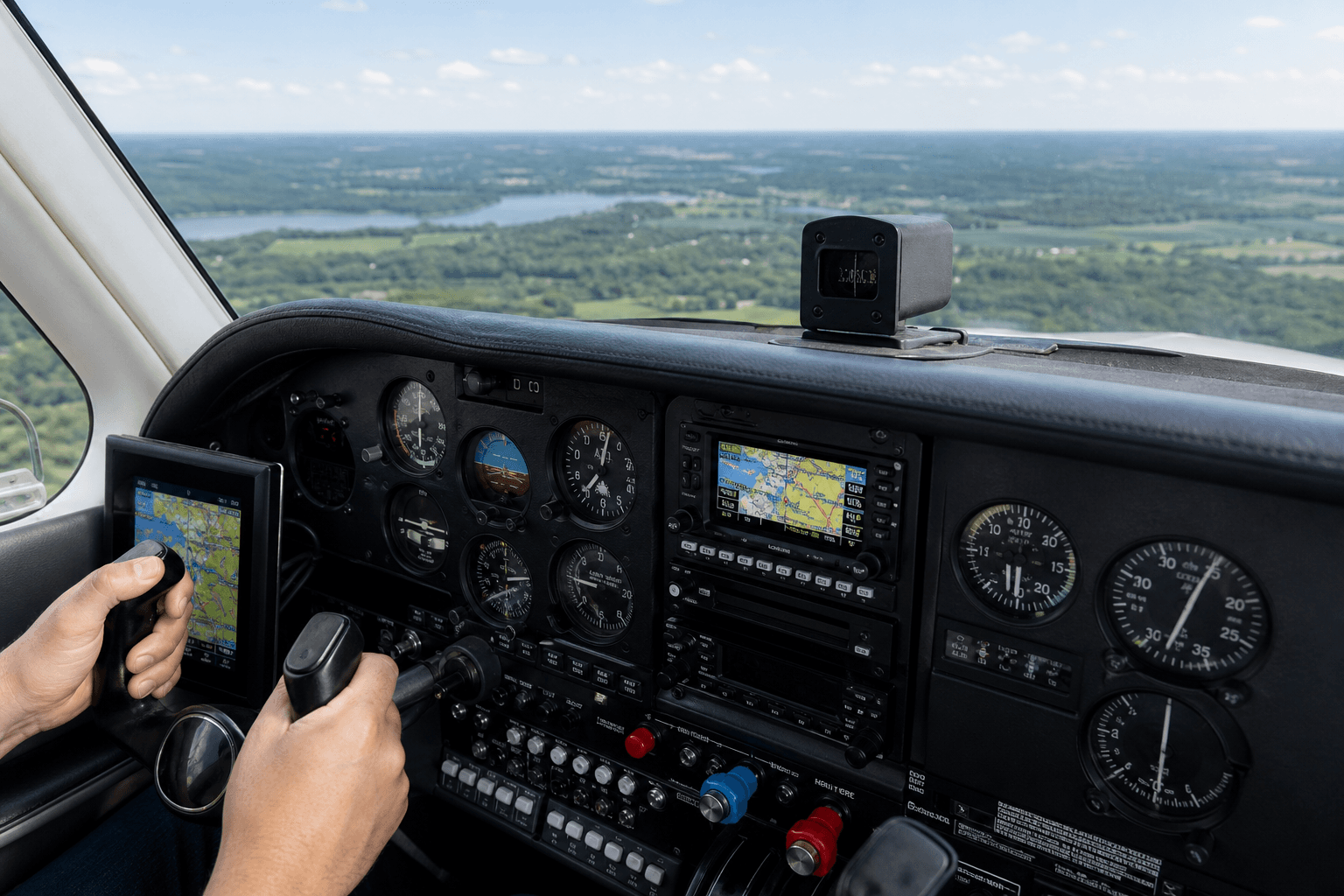
uAvionix and Jeppesen ForeFlight have jointly introduced SkyPlay, a new connected avionics ecosystem designed to bring ForeFlight’s widely used mapping, routing, and flight-plan management capabilities directly to panel-mounted aircraft displays. This announcement coincides with the upcoming EAA AirVenture Oshkosh event, where the system will be publicly showcased for the first time. SkyPlay aims to move ForeFlight beyond the tablet environment into integrated cockpit hardware.
The initial product launch under the SkyPlay brand is the SkyPlay Mini, featuring a high-resolution screen sized to fit into a standard 3-inch instrument panel opening. uAvionix indicated the compact size allows the unit to replace nonessential traditional cockpit instruments, such as a vertical speed indicator, thereby leveraging existing panel space without extensive modifications. This size choice reflects a balance between display legibility and cockpit integration constraints.
Despite its placement in the panel, the SkyPlay Mini is positioned as a mission-management and electronic flight bag (EFB) device rather than a primary flight display. It does not replace fundamental flight instruments but supplements them by delivering situational awareness and flight-planning tools in a dedicated, always-visible location inside the cockpit. This approach caters to pilots seeking seamless access to navigation data without reliance on handheld devices.
The SkyPlay Mini operates on an embedded Android system running a version of the ForeFlight app custom-built for panel hardware. Unlike simply mirroring a ForeFlight screen from an iPad, this native app integration offers smoother performance and dedicated control. Flight plans developed on pilots’ phones or tablets sync wirelessly to the panel display, ensuring consistent and up-to-date navigation information throughout the cockpit.
Physical user inputs are facilitated by a dual rotary knob on the device, allowing pilots to intuitively control key functions such as map zoom levels and radio frequency changes without diverting attention to touchscreens. The system can also incorporate Sentry ADS-B data, delivering timely traffic and weather updates, and dynamically show preferred airways based on real-time wind and turbulence information, enhancing operational efficiency and safety.
Looking toward future development, uAvionix and ForeFlight plan to expand the SkyPlay lineup to include larger-format displays, potentially accommodating more comprehensive cockpit roles. However, specifics about these models, including pricing, certification milestones, preorder windows, and delivery schedules, remain undisclosed. The partners emphasize that the system’s feature set and availability timeline are subject to refinement as development and certification processes advance.
At EAA AirVenture Oshkosh, scheduled from July 20 to 26, visitors will have the opportunity to experience live demonstrations of SkyPlay technology. This debut marks a notable step in avionics integration, potentially influencing how pilots access EFB functionality and navigation tools, especially for general aviation aircraft where panel space and device redundancy have traditionally limited hardware proliferation.
The collaboration combines ForeFlight’s popular and trusted navigation software with uAvionix’s expertise in compact avionics hardware, catering to evolving pilot preferences for connected, integrated flight deck solutions. By embedding ForeFlight in panel-mounted devices, SkyPlay signifies a shift toward more efficient cockpit workflows, potentially reshaping pilot interaction with flight data systems in small and medium-sized aircraft.
As the aviation community assesses SkyPlay’s capabilities and integration approach, its arrival underscores the increasing convergence of software-centric flight tools with dedicated avionics hardware. Further developments and certifications will reveal how SkyPlay can serve a broader range of aircraft and pilot needs, particularly as general aviation embraces enhanced connectivity and data-rich navigation environments.
Frequently asked questions
- What is the SkyPlay Mini and how does it integrate ForeFlight into aircraft cockpits?
- The SkyPlay Mini is a 3-inch panel-mounted display that runs an embedded version of ForeFlight on Android, allowing pilots to access mapping and flight planning directly on the panel without an iPad.
- Does SkyPlay Mini replace primary flight instruments in the cockpit?
- No, the SkyPlay Mini is designed as a mission-management and electronic flight bag display, not as a primary flight display or flight instrument.
- Will SkyPlay offer different display sizes and when is it expected to be available?
- The companies plan to introduce larger displays in the future, but pricing, certification, preorder timing, and shipment dates have not yet been announced.
Read more
All Regulatory →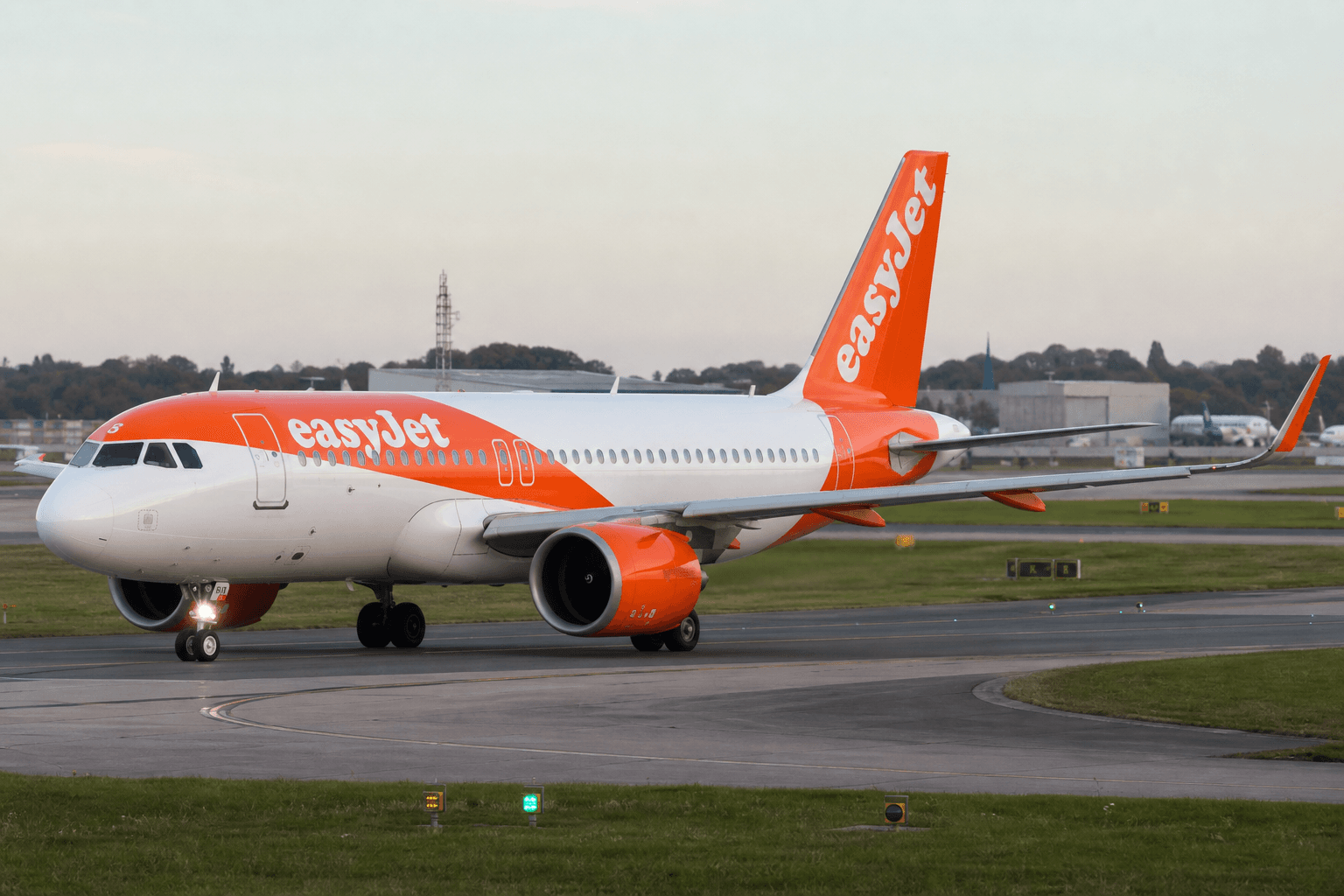
Apollo and Castlelake Duel to Take easyJet Private in Multi-Billion Pound Bids
Two major U.S. investment firms are fighting to take control of easyJet. Apollo Global Management and Castlelake have both made big offers for the British low-cost airline. ezstandalone.cmd.push(function () { ezstandalone.showAds(119); }); Their interest shows how private equity sees huge potential in one of Europe’s best-known carriers. easyJet’s share price suffered in recent years. Higher fuel costs, Middle East tensions, and market swings hurt results. As a public company, it faced constant pressure from investors and analysts. This created an opening for private buyers. ezstandalone.cmd.push(function () { ezstandalone.showAds(127); }); The airline trades at a discount to its true worth. It owns valuable assets that public markets often undervalue. These include prime airport slots at London Gatwick, a modern aircraft fleet, and future delivery positions from Airbus. Add in a strong brand, loyal customers, and growing holiday package sales. Together, they form a powerful business platform. ezstandalone.cmd.push(function () { ezstandalone.showAds(128); }); What Castlelake Sees in easyJet Castlelake, based in Minneapolis, specialises in aviation. The firm has invested more than $24 billion in the sector since 2005. It manages around $38 billion in assets overall. For Castlelake, easyJet offers more than just flights. The company wants the airline’s aircraft, landing slots, and large customer base. ezstandalone.cmd.push(function () { ezstandalone.showAds(129); }); It made several improving bids before easyJet’s board agreed in principle to a £5.5 billion ($7.3 billion) deal at £6.90 per share. This price gave shareholders a big premium. Photo Credit: easyJet Apollo Joins the Battle Apollo Global Management moved quickly. Just days after the Castlelake agreement, Apollo tabled a higher £5.7 billion offer. The firm praised easyJet’s management team and current strategy. It promised to support fleet upgrades, better ancillary services, and stronger holiday offerings. ezstandalone.cmd.push(function () { ezstandalone.showAds(130); }); Apollo also addressed key concerns. It committed to meeting European ownership rules for airlines. The firm gave existing shareholders options to keep some stake in the business. This helped make its bid more attractive than the rival offer. Why Take easyJet Private? Public companies must report results every few months. This can limit bold, long-term decisions. Private ownership removes that pressure. New owners can invest quietly in operations and strategy. They can focus on growth instead of short-term share price moves. Both Apollo and Castlelake believe easyJet can thrive with patient capital. The low-cost model still has room to grow across Europe. ezstandalone.cmd.push(function () { ezstandalone.showAds(131); }); Upgrading the fleet and expanding holidays could create steadier earnings. Private equity firms rarely chase airlines because of industry volatility. Yet easyJet’s strong assets make it different. Photo Credit: easyJet What Happens Next A bidding war is now underway. easyJet’s board must weigh the offers carefully. Regulators will check competition and ownership rules. Founder Stelios Haji-Ioannou and his family, who hold a big stake, will also play a key role. For travellers, a takeover might bring changes behind the scenes. New owners could push efficiency gains or service improvements. Yet the famous orange brand and low fares are likely to stay. ezstandalone.cmd.push(function () { ezstandalone.showAds(132); }); A Sign of Confidence This battle says a lot about easyJet. Despite recent challenges, experts see bright prospects. Strong assets, a clear strategy, and recovery potential make it appealing. Private equity’s interest proves the airline holds lasting value. Whether Apollo or Castlelake wins, the deal could mark a new chapter. easyJet may fly higher once freed from public market pressures. The next few weeks will decide who gets to steer Europe’s popular budget airline into the future.
Warner Bros Discovery Expands Private Jet Fleet and Seeks Experienced Flight Attendant
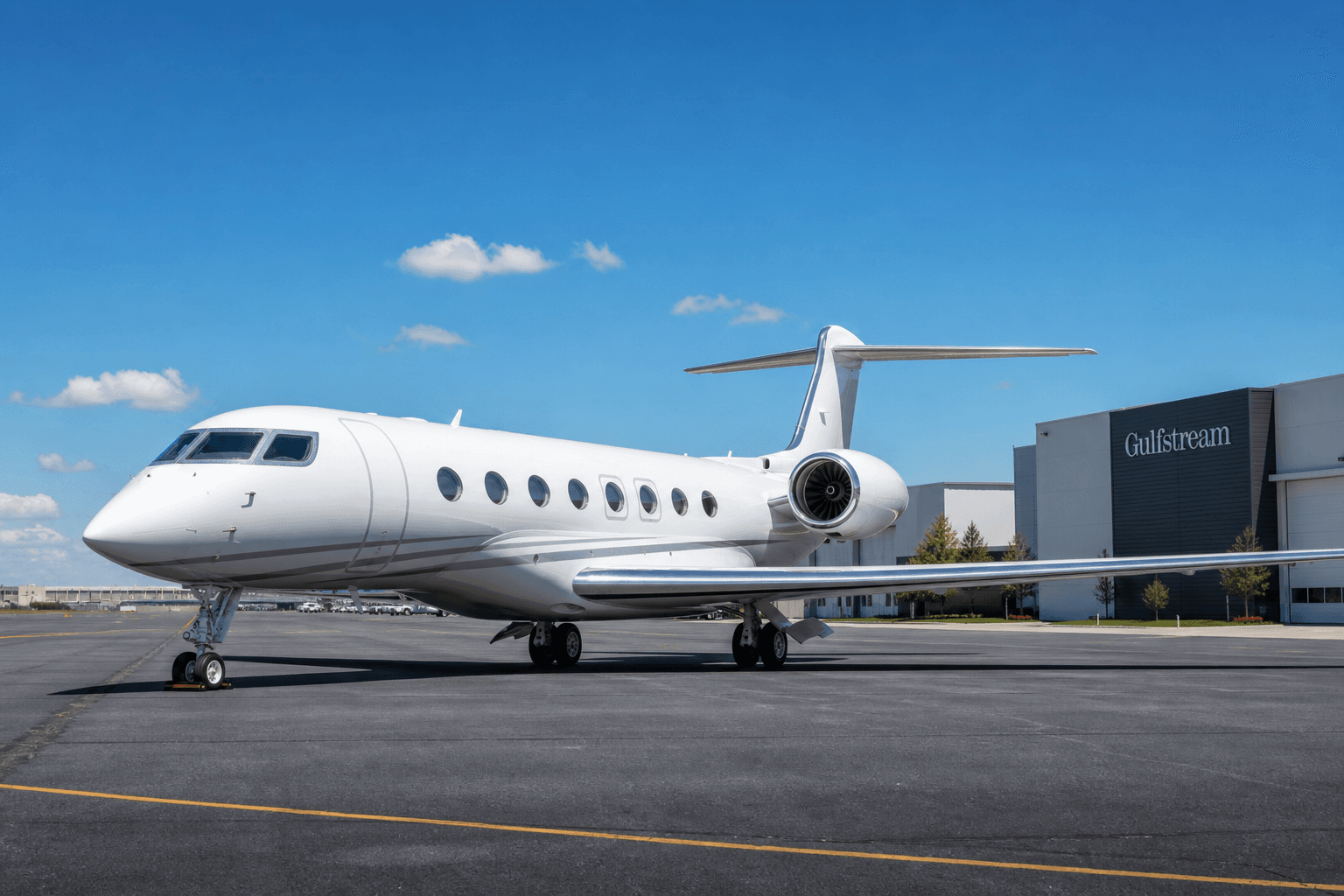
The U.S.based media conglomerate Warner Bros Discovery is on the hunt for a new flight attendant for its recently expanded fleet of ultra-luxe private jets, which are based out of Teterboro, New Jersey, just a short drive (or helicopter ride) from the company’s head office in Manhattan, New York City. Until recently, Warner Bros Discovery operated a fleet of just two private jets: an ultra-long-range Gulfstream G650ER and a Dassault Falcon 7X. Earlier this year, however, it emerged that the company had acquired a second Gulfstream 650. The planes have certainly been busy in recent weeks with the proposed $110 billion acquisition of Warner Bros Discovery by Paramount Skydance coming under intense regulatory scrutiny. No wonder the company needs new flight attendants to keep up with all this additional flying. Warner Bros Discovery is looking for flight attendants with at least two years of experience in the airline industry – that could mean coming from a commercial airline, although corporate flight attendant training is an advantage, the company says in a job description for the role. Unlike commercial flight attendants, the job of a private jet crew member is much more involved. You’re not just serving the food and drinks, but going out and buying the food and drink, confirming menus with the passengers ahead of the flight, and making sure that any other requests or riders are fulfilled. And private jet flight attendants don’t just get to turn up a few minutes ahead of departure or leave the plane once the guests are gone. There aren’t seperate cleaners: you are the cleaner, and the private jet has to be left immaculate. As you can probably imagine, this job isn’t suitable for anyone who wants a set schedule. Warner Bros Discovery says the ideal candidate must be able to “manage a constantly changing schedule and irregular hours, including nights, weekends, and holidays.” And just like in the hit HBO show Succession (owned by Warner Bros Discovery), flight attendants could be called in to work at a moment’s notice. Chief executive David Zaslav has a time-sharing agreement to use the private jets as part of his extensive compensation package, which tripled to $165 million last year, despite the majority of shareholders rejecting the mammoth pay increase. Of course, it’s not unusual for big media companies to operate their own private jet fleets. In 2023, news that Netflix (which failed to win Warner Bros Discovery) was hiring a new flight attendant to be based out of San Jose International Airport in Northern California. While Warner Bros Discovery hasn’t advertised a salary for its new-hire flight attendant, Netflix suggested that its PJ flight attendants could earn as much as $385,000 per year. Netflix operates several private jets, including the Gulfstream G550, which can cost as much as $41 million for the latest model. The aircraft has a maximum range of around 12,500 km, and the cabin interior can be specced out with comfortable recliner seats or even full-sized beds.
The 7 Longest Airbus A380 Flights Between the US and Global Hubs in 2026
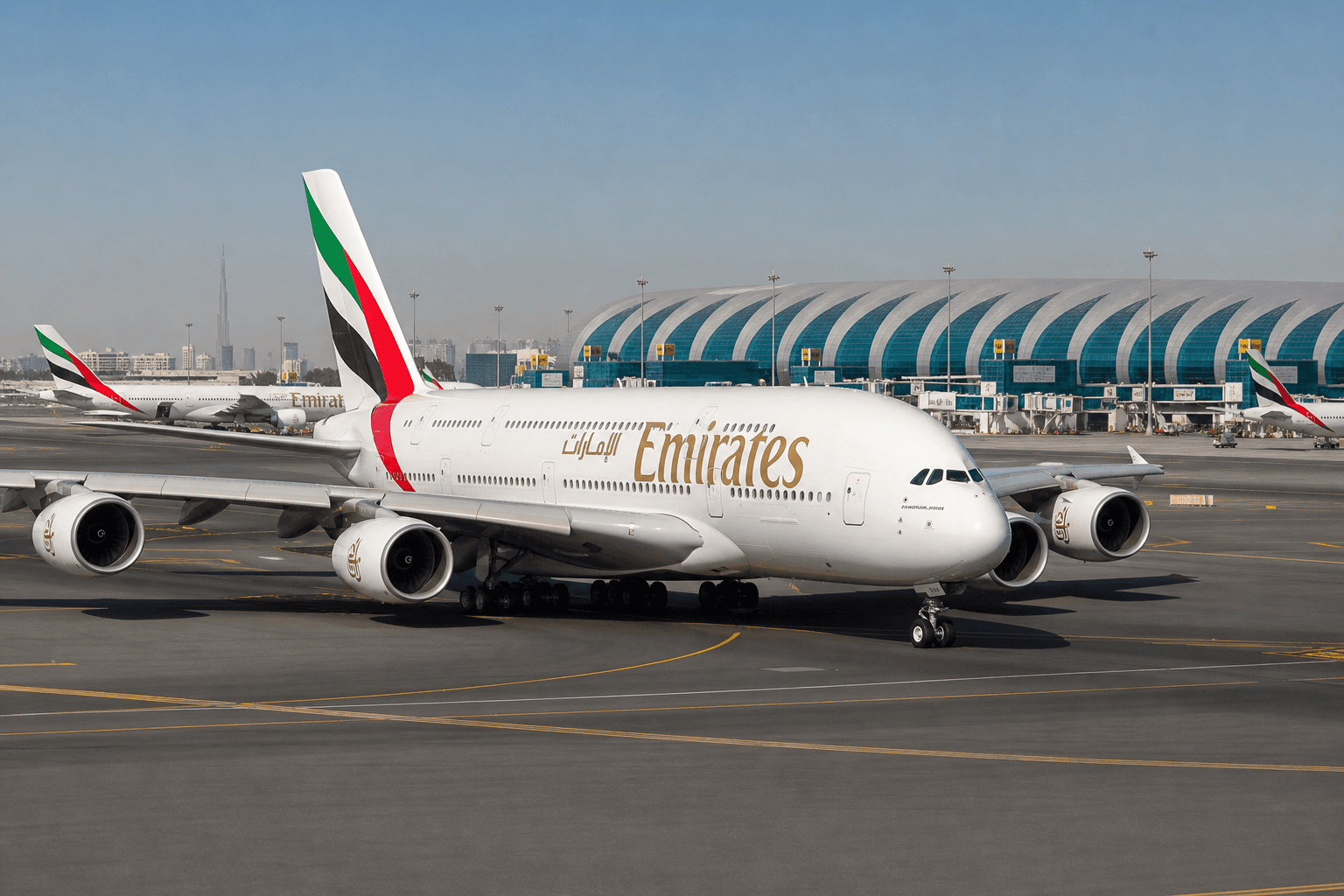
There are two major characteristics that define the mission role of the Airbus A380 . First, the aircraft is famous for featuring a full-length upper deck for seating, allowing it to seat between 450 and 550 passengers in most airline configurations, although it is certified to carry up to 853 passengers. Second, the A380 has a range of nearly 8,000 NM (15,000 km), meaning that it has true ultra-long-haul capability.

FAA Seeks Members for Aircraft Noise Advisory Committee Over Six Months Late
The FAA published a notice July 10 seeking members for an aircraft noise committee more than six months after the panel's recommendations were due under a congressional timetable. Nominations for the Aircraft Noise Advisory Committee must be submitted by Aug. 10. Committee Created By Congress Congress directed the FAA to establish the committee within 180 days of the FAA Reauthorization Act's May 16, 2024 , enactment. The FAA chartered the panel Jan. 14, 2025. The law required the committee to recommend changes to federal aviation noise policy within one year of establishment, placing that deadline on Jan. 14, 2026, based on the FAA's stated establishment date. The delay also affects the FAA's broader review of aircraft noise policy. The agency said it will wait for the committee's recommendations before completing its Noise Policy Review or updating Part 150 airport-noise regulations. The FAA began the review in 2023 and received 4,857 public comments. Noise Standard Under Review The committee will evaluate the FAA's 65-decibel Day-Night Average Sound Level threshold, alternative noise metrics and existing mitigation strategies. The threshold originated in federal policy adopted in 1976 and was incorporated into Part 150 land-use guidelines in 1981. It helps determine residential land-use compatibility, eligibility for federally funded sound insulation and whether noise effects are considered significant during environmental reviews. Membership will include representatives from engine and aircraft manufacturers, airlines, airports, advanced air mobility companies, higher education and airport-adjacent communities. Those categories were established by Congress and do not include a dedicated seat for general aviation pilots, aircraft owners or GA organizations. Members will serve two-year terms and are expected to meet at least twice annually.
The Daily Touch & Go
The day's best aviation news in your inbox. Free, no spam.