


FAA Seeks Members for Aircraft Noise Advisory Committee Over Six Months Late
The FAA invites nominations for the Aircraft Noise Advisory Committee more than half a year after its mandated recommendations deadline, aiming to reassess federal noise policies.
The gist
FAA calls for committee members to update U.S. aircraft noise policies following significant delays past congressional deadlines.
The Federal Aviation Administration (FAA) officially opened nominations on July 10 for new members of the Aircraft Noise Advisory Committee, marking the continuation of a critical initiative delayed by over six months past its congressional schedule. The committee plays an essential role in advising the FAA on necessary updates to aviation noise regulations, which have remained largely unchanged for decades. According to the FAA, nominations for participation must be submitted by August 10, signaling a swift move to appoint experts and stakeholders after the protracted delay.
Congress mandated the creation of this advisory committee in the FAA Reauthorization Act enacted on May 16, 2024. The legislation required the FAA to form the committee within 180 days, which it formally established on January 14, 2025. Furthermore, the law stipulated a one-year deadline from that date for the committee to deliver its recommendations concerning federal noise policy. This placed a January 14, 2026, target which the agency has conclusively missed, extending the timeline significantly.
The delay in populating the committee has consequential ramifications for the FAA’s broader noise policy agenda. The agency has indicated that it will await the committee's recommendations before finalizing its ongoing comprehensive Noise Policy Review or implementing updates to existing Part 150 regulations related to airport noise. The Part 150 program governs land use compatibility and noise mitigation measures around airports, which impact millions of residents nationwide.
The Noise Policy Review itself began in 2023, seeking public input on modernizing the nation’s approach to aircraft noise management. The FAA received an unprecedented 4,857 public comments on the matter, reflecting widespread concern and the complexity of balancing aviation growth with community impact. The timing of the advisory committee's formation directly influences when the FAA can act on this substantial public feedback and adjust regulatory frameworks accordingly.
Central to the committee’s work is revisiting the current 65-decibel Day-Night Average Sound Level (DNL) noise threshold that the FAA employs to assess noise impacts. This acoustic measure, established in 1976 and incorporated into Part 150 guidelines in 1981, serves multiple purposes: it defines residential area compatibility with airports, determines eligibility for federally funded sound insulation programs, and sets the boundary for what the agency considers a significant noise impact during environmental reviews.
The committee’s evaluation will encompass this longstanding noise standard, scrutiny of alternative metrics, and a review of the mitigation strategies used to address aircraft noise effects on surrounding communities. Such a review is critical as aviation technology evolves and population encroachment around airports increases, potentially changing noise exposure profiles. Revising these standards could lead to shifts in how noise is measured and managed nationwide, impacting airport operations and community relations.
Membership of the Aircraft Noise Advisory Committee will be drawn from diverse sectors including engine and aircraft manufacturers, airlines, airport authorities, companies involved in advanced air mobility, academic institutions, and representatives from communities adjacent to airports. These categories reflect congressional specifications and aim to capture a broad spectrum of perspectives related to aviation noise challenges.
A notable absence in the specified membership categories is representation for general aviation pilots, aircraft owners, or organizations specifically advocating for general aviation interests. The committee’s composition excluding these groups highlights a predetermined focus on commercial and advanced mobility sectors, as well as community stakeholders directly impacted by noise.
Committee members will be appointed to two-year terms and are expected to convene at least twice annually. These appointments and meetings will guide the FAA’s next steps in aligning aviation noise regulations with contemporary technological, environmental, and community demands. With the committee now beginning to take shape well past initial deadlines, attention turns to how swiftly its work can proceed to shape future FAA noise policy decisions.
Frequently asked questions
- What is the purpose of the Aircraft Noise Advisory Committee?
- The committee is tasked with recommending changes to federal aviation noise policy, including evaluating the 65-decibel noise threshold and mitigation strategies.
- Why has the FAA delayed the committee's recommendations?
- The committee's formation and work have been delayed more than six months past the congressional deadline, causing the FAA to postpone its Noise Policy Review and regulatory updates.
- Who will serve on the Aircraft Noise Advisory Committee?
- Members will include representatives from engine and aircraft manufacturers, airlines, airports, advanced air mobility firms, academia, and airport-adjacent communities, but not from general aviation pilots or organizations.
Read more
All Regulatory →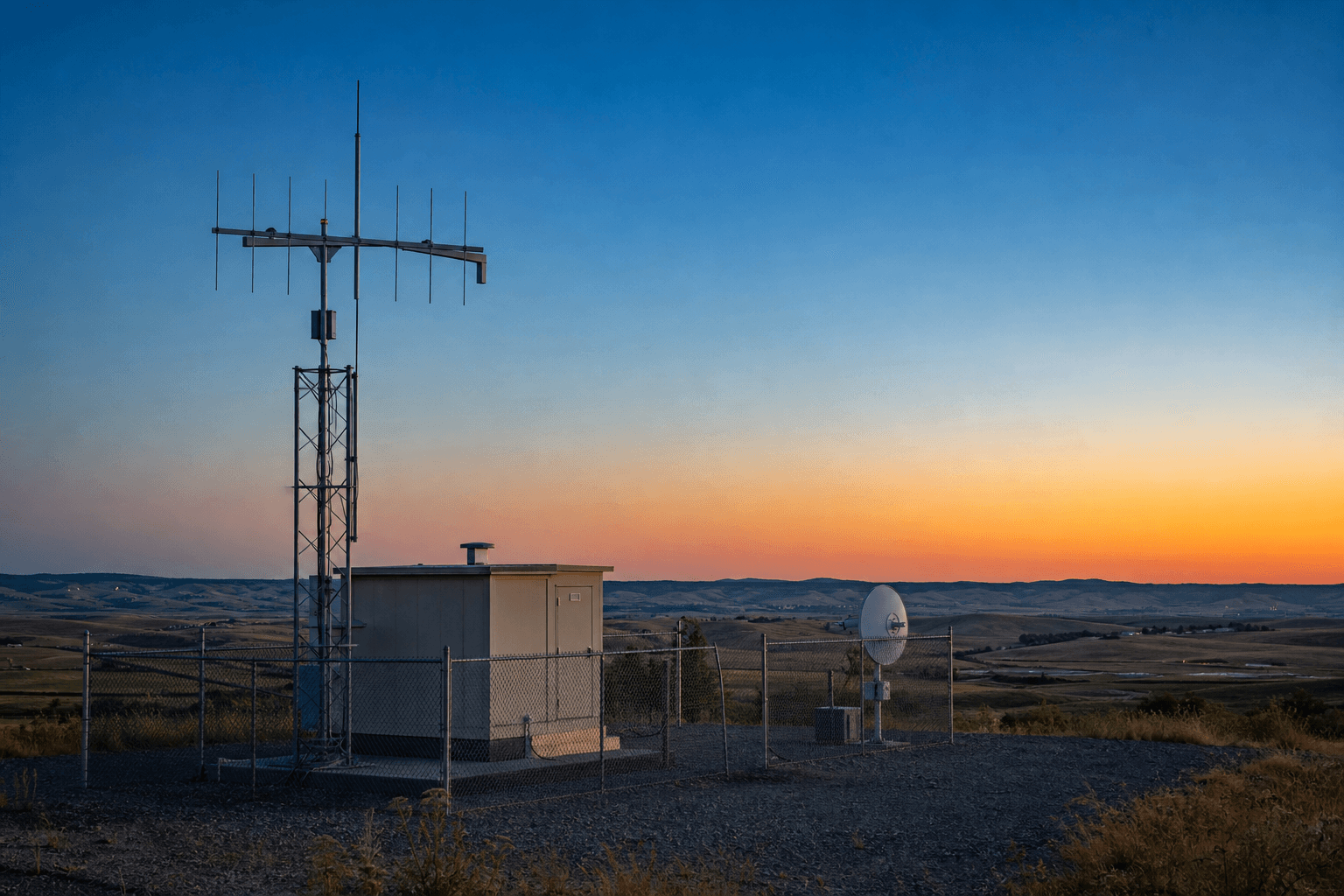
FAA Contracts L3Harris to Modernize ADS-B Ground Network Through 2045
L3Harris will modernize more than 700 FAA ground stations used for aircraft position reporting.
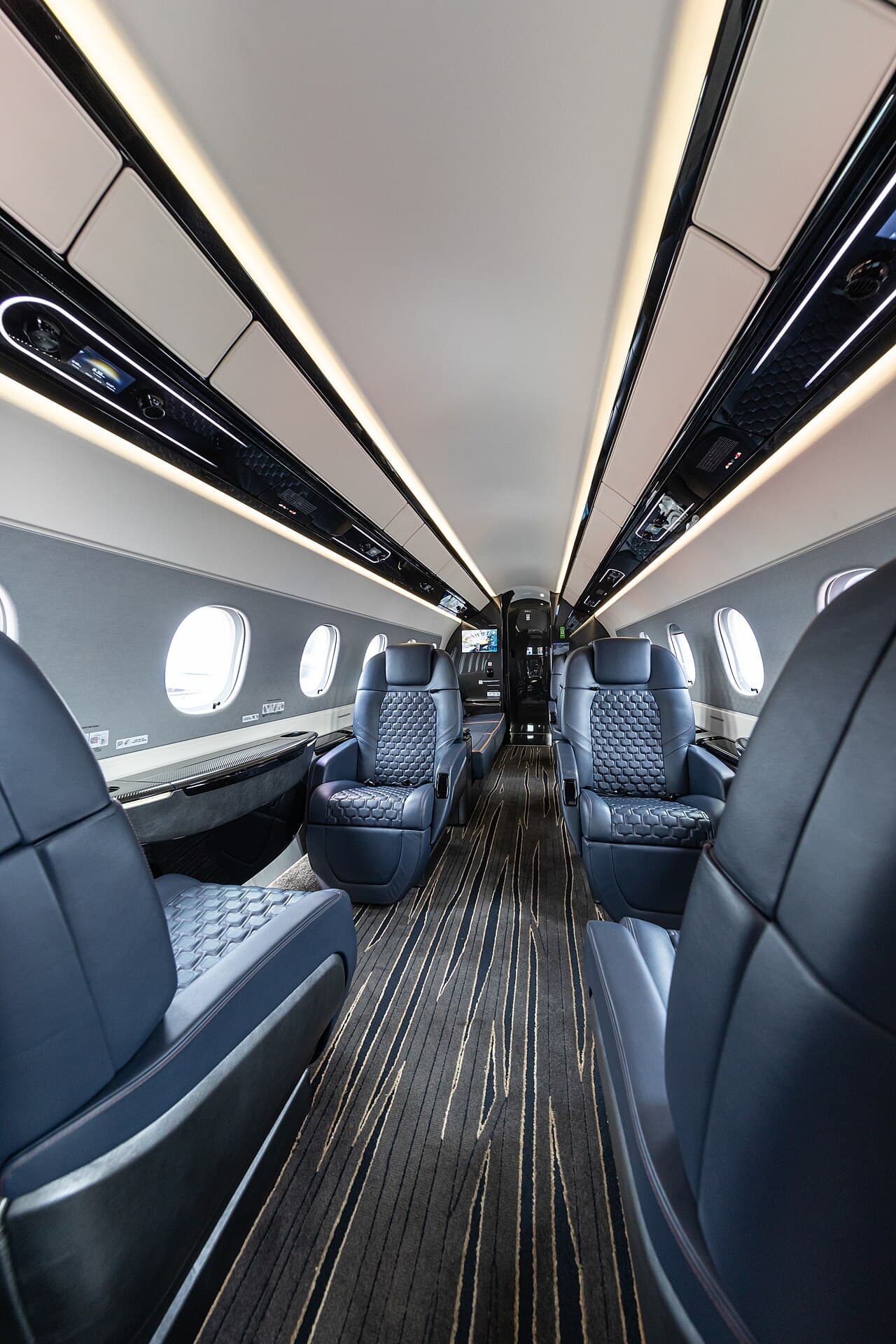
Embraer's Praetor 500E Earns Triple Certification in U.S., Europe, and Brazil
Manufacturer receives approval to introduce the midsize jet in the U.S., Europe, and Brazil.
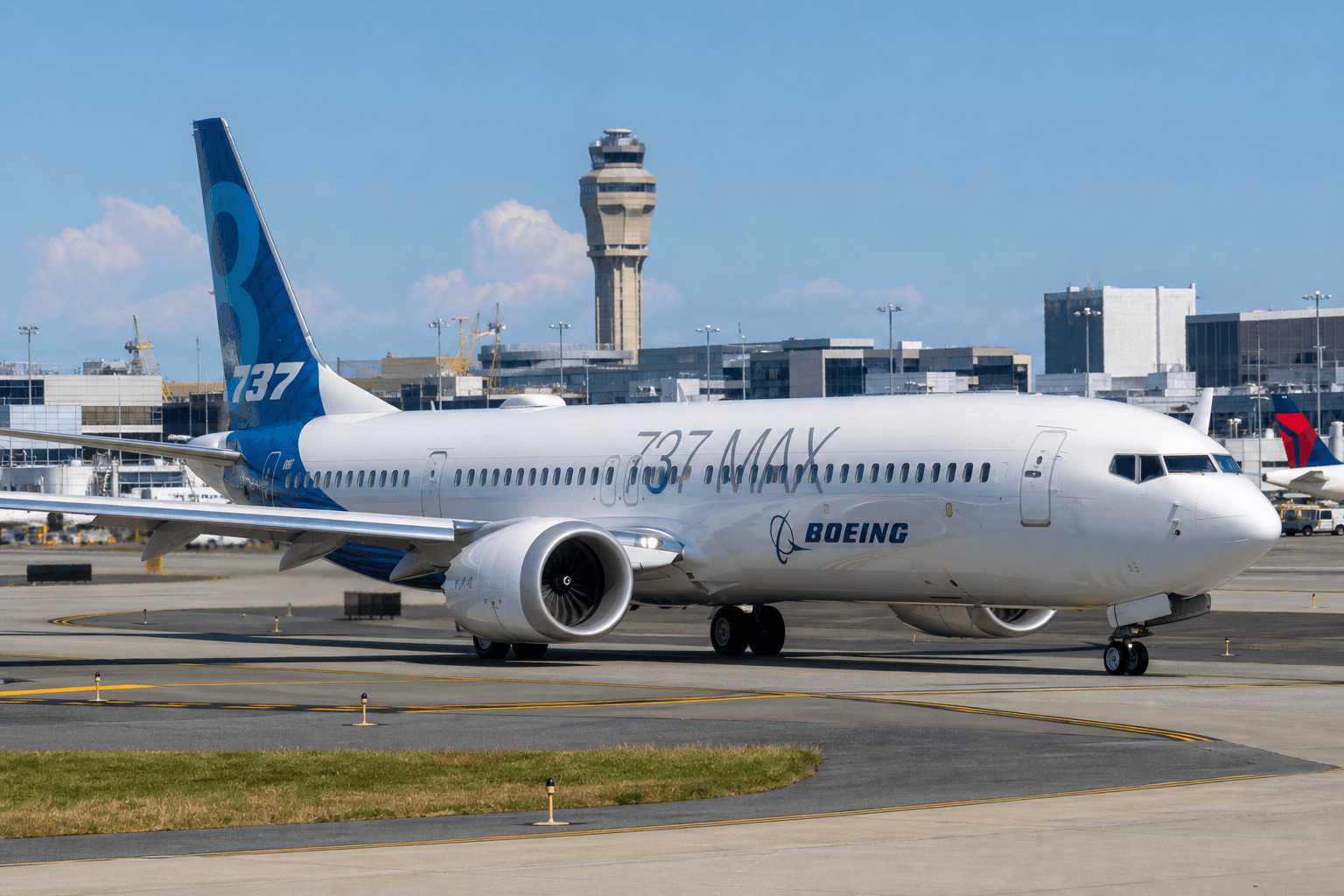
FAA Lets Boeing Self-Certify 737 MAX Deliveries on Alternating Weeks Under Limited ODA
This is the story of the 737 MAX and the ODA, a relationship once broken and now mended. Boeing's push to return to its best is making big strides.
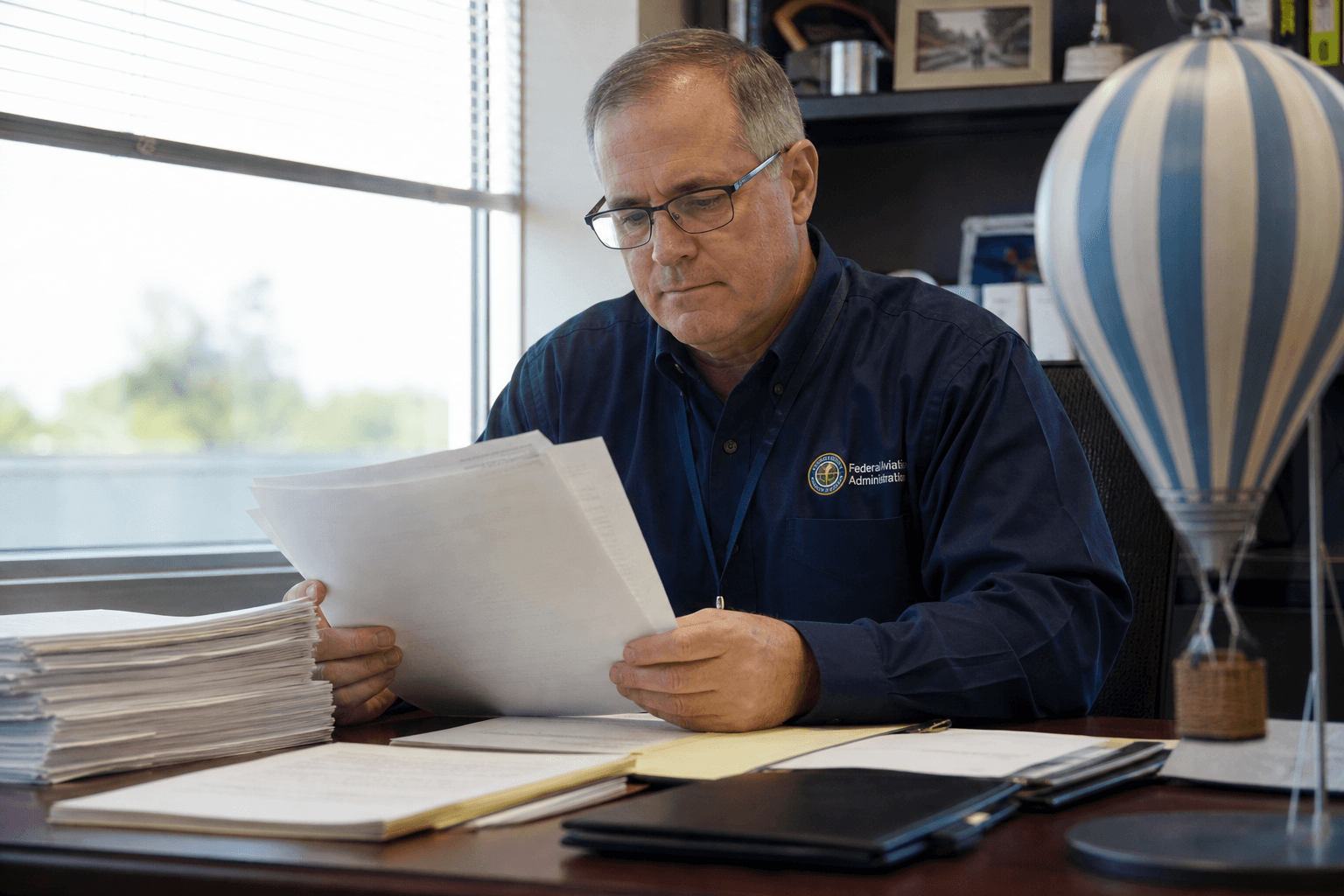
FAA Proposes Removing Obsolete Balloon and Pilot Certificate Rules from Part 61
The proposal would remove Part 61 sections tied to old free-balloon and expired pilot certificates.
The Daily Touch & Go
The day's best aviation news in your inbox. Free, no spam.