

Illustration: The Touch & Go
Boeing invests $10 billion to overhaul 737 Max production in historic Everett plant
Boeing commits about $10 billion to revamp 737 Max assembly at its Everett facility, aiming to boost output and fund future programs.
The gist
Boeing's $10 billion 737 Max production overhaul in Everett targets higher rates and funds next-gen airplanes.
Continuing coverage
All Boeing →- Boeing posts strongest first-half aircraft deliveries since 2018 with 314 jets
- Nine Countries Collaborate Globally to Supply Boeing 787 Dreamliner Structural Parts
- Boeing's MQ-28 Ghost Bat Joins US Air Force in Landmark Indo-Pacific Exercise
- Boeing launches 737 Max assembly at new Everett North Line to boost production
- Boeing updates B777X range and capacity quietly, boosting performance outlook
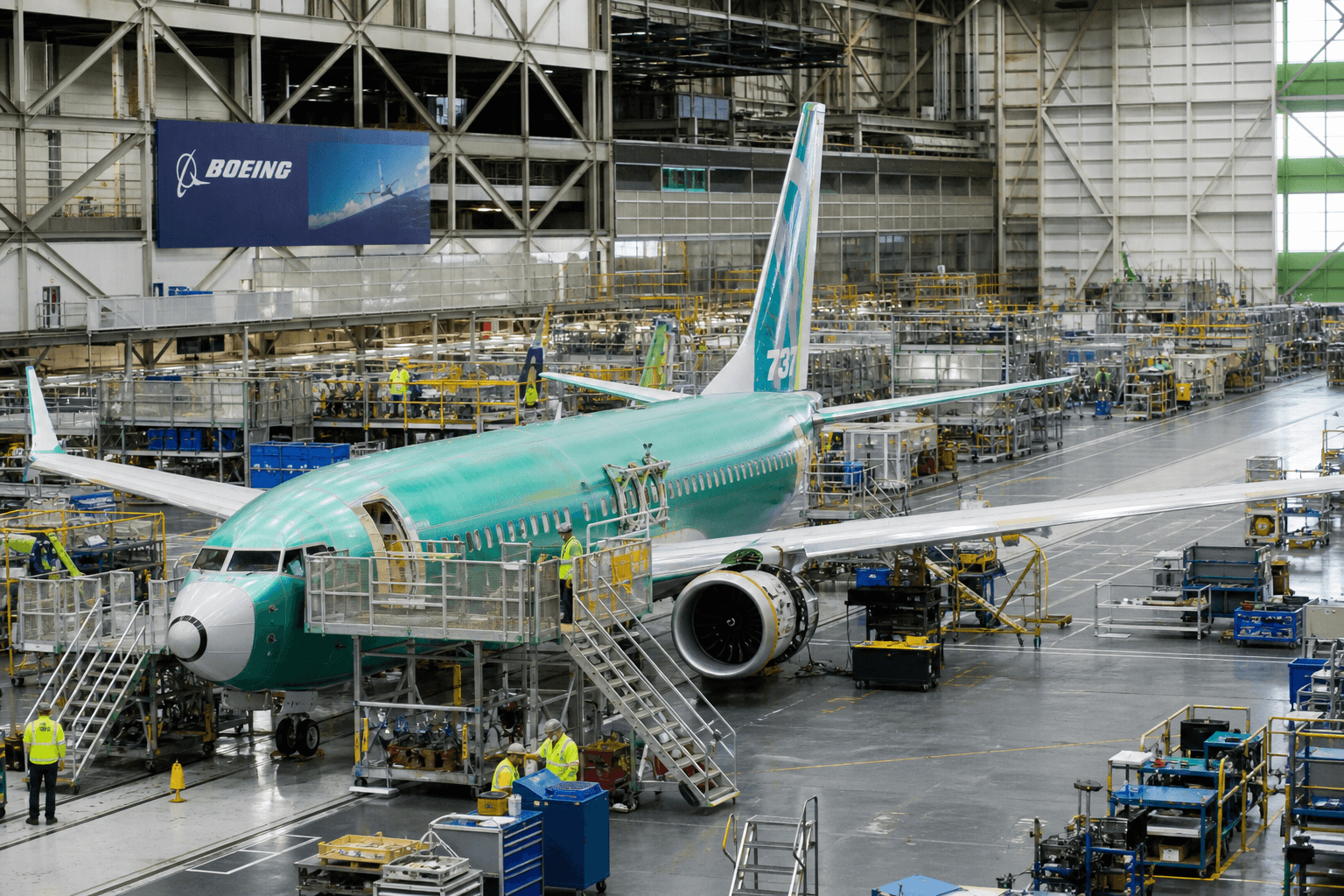
Boeing announced a substantial $10 billion investment to upgrade production of its 737 Max family at its Everett, Washington plant, signaling a major strategic move for the company’s commercial aircraft division. This overhaul includes the purchase of its largest supplier for $8.3 billion and an additional $1 billion for expanding manufacturing space previously used for other programs. The initiative aims to stabilize the 737 program and prepare the groundwork for higher output rates essential to Boeing’s competitive positioning and future airplane development.
Located in the easternmost wing of the Everett factory, a facility with a rich heritage in Boeing's commercial aviation history, the new production line is set to become the home for 737 Max final assembly alongside the existing plant in Renton, Washington. Notably, the 40-26 bay was originally constructed in the 1990s for the 777 program and later adapted for the composite 787 Dreamliner production before its consolidation in South Carolina. The repurposing of this space underscores Boeing’s focus on leveraging existing assets to revitalize core product lines.
The company intends to steadily ramp up production rates from current thresholds, targeting 63 deliveries per month with aspirations to reach up to 70 planes monthly. These ambitious goals reflect Boeing’s response to market demands and its efforts to reclaim ground against Airbus, whose narrowbody production has set high benchmarks. Progress toward these rates will be gradual, beginning with the slow manufacturing of initial aircraft to ensure top quality and regulatory compliance before full-scale delivery commences.
A key regulatory hurdle involves approval from Federal Aviation Administration (FAA) inspectors who will validate that the new Everett-built 737 Max aircraft precisely replicate those manufactured in Renton. This rigorous scrutiny underscores Boeing's commitment to safety and uniformity, critical after previous 737 Max challenges requiring extensive review and certification processes. The company’s approach indicates a cautious yet confident pathway toward expanded production.
This manufacturing revamp arrives amid shifting development priorities within Boeing, following the shelving of the New Mid-Market Airplane (NMA) project formerly considered for Everett’s 40-26 bay facility. The cancellation of NMA in late 2022 redirected investments and attention back to proven platforms like the 737 Max, highlighting Boeing's pragmatic focus on strengthening current programs while preparing for an all-new airframe down the line. This underscores the complexity and fluidity in commercial aircraft development strategies.
Celebrating its 110th anniversary, Boeing is navigating a critical juncture in its history, where balancing legacy products with innovation defines its trajectory. The massive expenditure in Everett not only aims to secure the 737 Max’s production future but also to create financial stability by generating cash flow to support Boeing’s first clean-sheet aircraft program since the introduction of the 787 Dreamliner. The latter remains a significant milestone that shaped Boeing’s modern manufacturing and material processes.
The strategic acquisition of a major 737 Max supplier for $8.3 billion is a notable vertical integration move, intended to streamline supply chains, increase control over critical components, and reduce vulnerabilities exposed by past disruptions. This move reveals how Boeing is restructuring its operations to enhance resilience and agility in production workflows. Meanwhile, repurposing the Everett factory also reflects a return to a historically iconic site for Boeing’s commercial aviation efforts.
Boeing’s recent announcements collectively demonstrate a renewed focus on the 737 Max as a cornerstone for its narrowbody segment, forming a financial and operational bridge to future aircraft developments and market share expansion. The manufacturing overhaul at Everett is pivotal not only for maintaining production momentum but also for reinforcing Boeing’s capabilities amid intensifying competition and evolving industry demands.
Frequently asked questions
- What is the scale of Boeing's investment in the 737 Max production overhaul?
- Boeing is investing about $10 billion, including an $8.3 billion purchase of its largest supplier and $1 billion for factory expansion, to upgrade 737 Max production.
- Where is Boeing expanding 737 Max manufacturing?
- The expansion is taking place at the Everett, Washington plant, specifically utilizing the easternmost wing known as the 40-26 bay.
- What production rates is Boeing aiming for with the 737 Max?
- Boeing plans to increase production to 63 aircraft per month and is studying the feasibility of reaching up to 70 per month.
Read more
All MRO/Maintenance →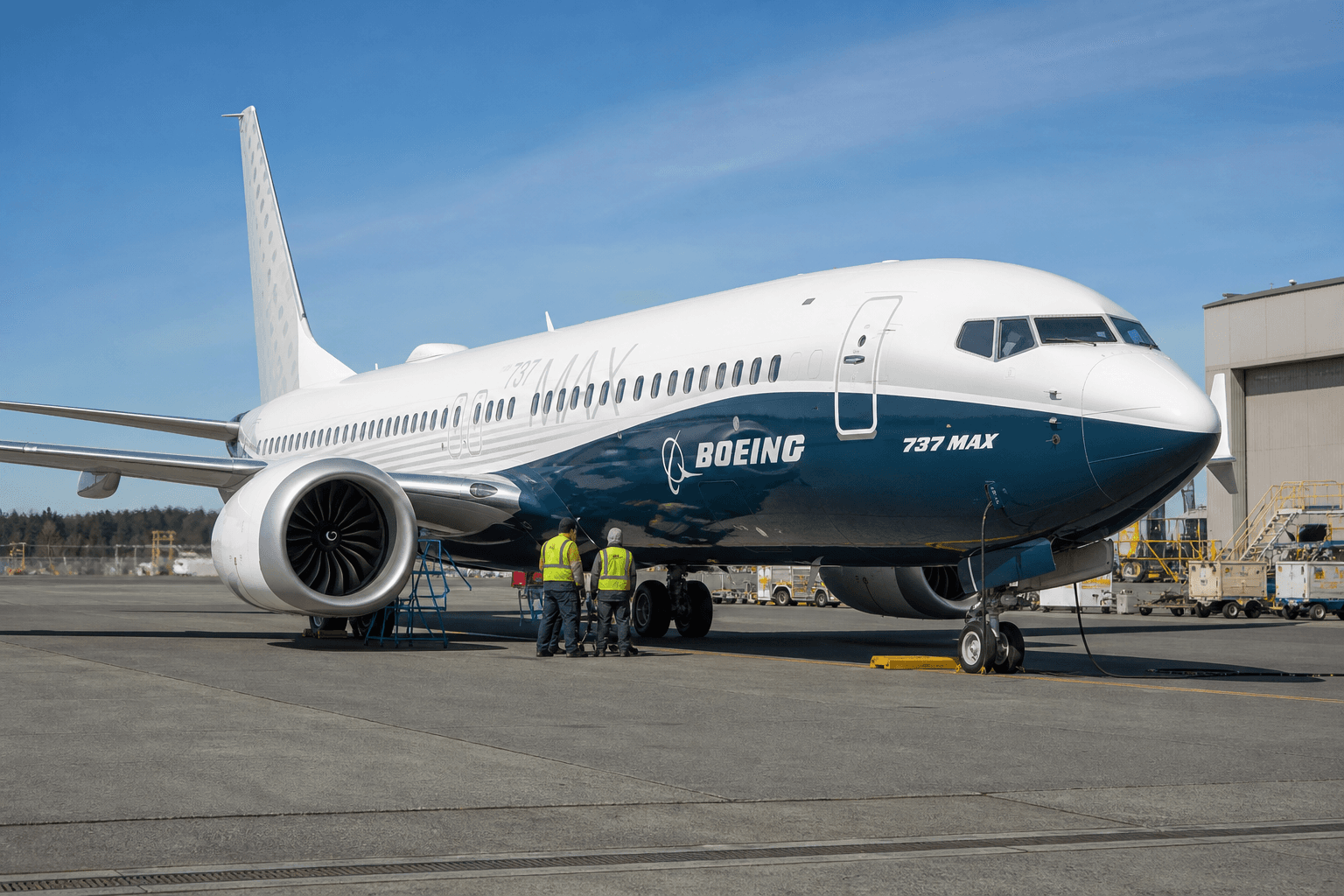
China's ICBC seeks DGCA deregistration of four SpiceJet Boeing 737 MAX 8s over engine issues
Industrial and Commercial Bank of China (ICBC) has turned to India's Directorate General of Civil Aviation (DGCA) to deregister four Boeing 737 MAX 8 jets leased to SpiceJet. Dated on July 9, 2026, the four IDERA (Irrevocable De-Registration and Export Request Authorization) Deregistration Request documents were submitted by SKY HIGH LXXVIII and SKY HIGH LXXX Both lessors, owned by Industrial and Commercial Bank of China, are based in Dubin, Republic of Ireland. If the DGCA proceed with the deregulation then the four SpiceJet Boeing 737 MAX 8 jets will be removed from India's civil aircraft register. Industrial and Commercial Bank of China would then look to take possession of the aircraft and remove them from India. SpiceJet says aircraft not part of current operational fleet In response to the deregulation request, SpiceJet said that the four aircraft had been on the ground for some time due to high-pressure turbine issues in their engines. According to Planespotters.net, the four aircraft (registered VT-MXA, VT-MXB, VT-MXC and VT-MAX) were all placed in storage in either 2024 or 2025. The 737-8s are all just under eight years old. "The deregistration of these aircraft will eliminate lease rental costs on assets that have remained non-operational for a prolonged period. There is no impact on the airline's operations, as these aircraft have been out of service for a considerable time," a SpiceJet spokesperson said. In February 2026, Ajay Singh, Chairman and Managing Director of SpiceJet, said that "while legacy costs and external factors continue to weigh on expenses, the core business is clearly strengthening". "This quarter reflects the progress we have been working steadily towards. Higher revenues, improving yields and a sharp reduction in losses demonstrate that our operational strategy is delivering results," Singh said. He added: "With more aircraft in service, a sharper network focus and continued balance sheet repair, we are building a more resilient airline, step by step." Executives as the airline have mandated a calibrated ramp-up of fleet size to 55-60 aircraft effective in the winter schedule, through a mix of wet and damp leases as well as the return to service of existing grounded aircraft. RELATED Riyadh Air weighs firm order for 25-30 more Boeing 787s

Liverpool Pilot Skywrites 'I'm Bored' During Two-Hour Piper Tomahawk Test Flight
A pilot decided to skywrite the words "I'm Bored" in the skies above Liverpool , United Kingdom, during a two-hour test flight. The aircraft, which had departed from Liverpool John Lennon Airport (LPL), had been in the air for two hours after engine maintenance required mandatory flight testing, which can typically last several hours.
Tecnam to create regional airline using P2012 piston twins for Italian connectivity
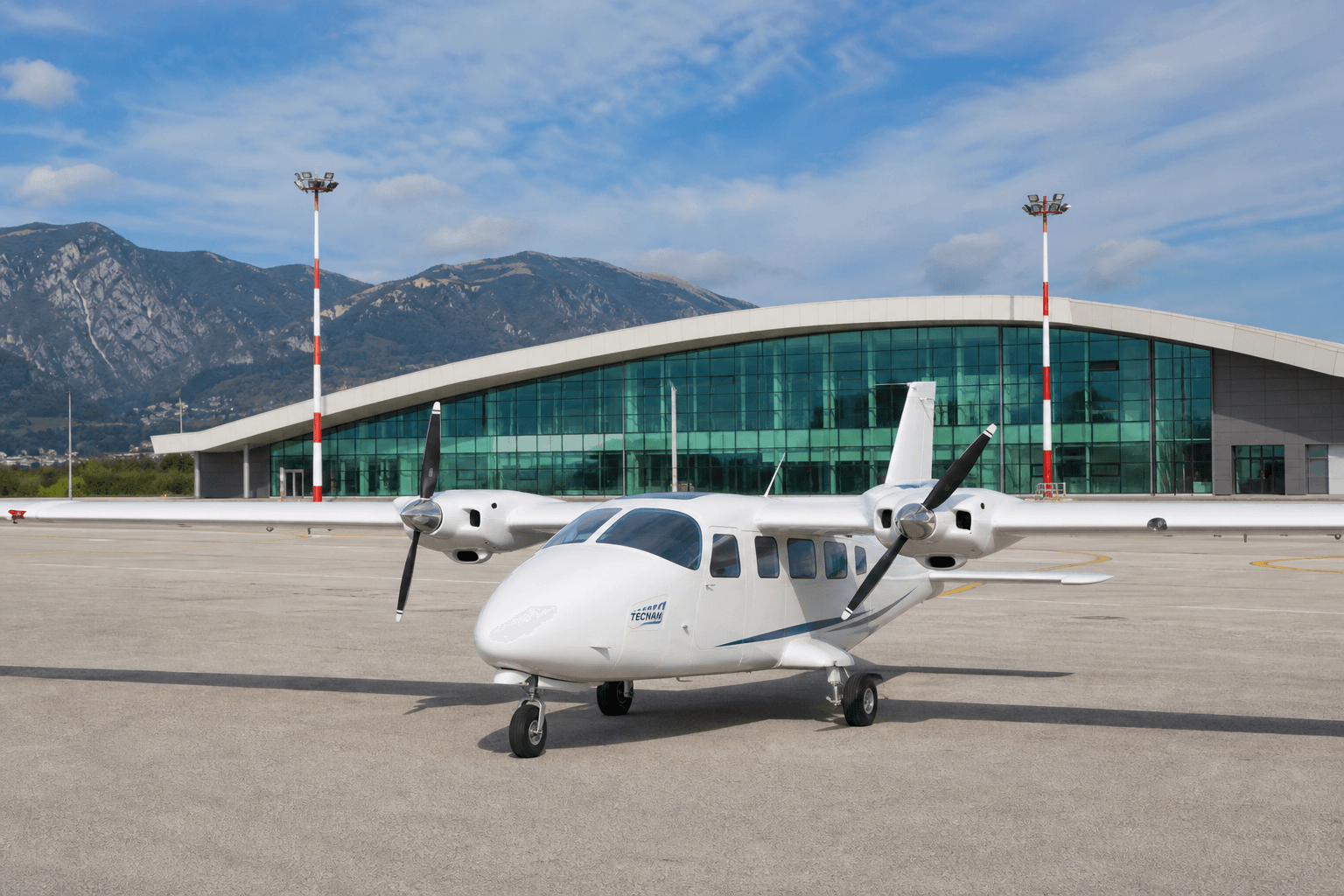
Airframer proposes new carrier flying P2012 commuter-configured piston-twin through Altair subsidiary. Italian airframer Tecnam has proposed the creation of a new regional airline under its ownership to foster regional air mobility (RAM) services within the southern European country. Tecnam detailed the company's plans at an event to mark the inauguration of a new terminal at Rome Urbe airport – a small facility founded as the city's first airport in 1928 – on 8 July. The RAM initiative is being spearheaded by Italy's civil aviation regulator ENAC and its infrastructure unit ENAC Servizi with the goal of creating "a flexible, widespread national network that improves regional connectivity and expands access to mobility", it says. Commercial RAM services will begin from Rome Urbe later this year, connecting to airports including Rome Fiumicino, Pescara, Fano, Elba and Tortoli-Arbatax using aircraft with 9-19 seats. ENAC says three companies have so far expressed interest in operating these routes, including SkyAlps, AvioItaliana and Altair – the latter a Tecnam subsidiary that has previously specialised in maintenance services. But, speaking at the event, Tecnam chief executive Paulo Pascale said it was now looking to branch out: "Among its future objectives is the launch of a regional airline. It currently operates a helicopter and, regulations permitting, will soon operate with our P2012 Traveller aircraft." The P2012 is a piston-twin that can accommodate nine passengers in a commuter configuration. ENAC Servizi is also in the process of renovating Tecnam's home base at Capua airport near Naples, adding a new runway and terminal; it will later become part of the RAM network, serving the Campania region. "ENAC Servizi is contributing to this vision through the enhancement of a network of territorial airports designed to become effective platforms for regional connectivity, innovation and technological development," says director Marco Trombetti. "In this framework, Capua airport plays a key role as one of the infrastructures enabling this new mobility model."
Air Europa to Receive First Airbus A350-900 in 2028 amid Strategic Overhaul
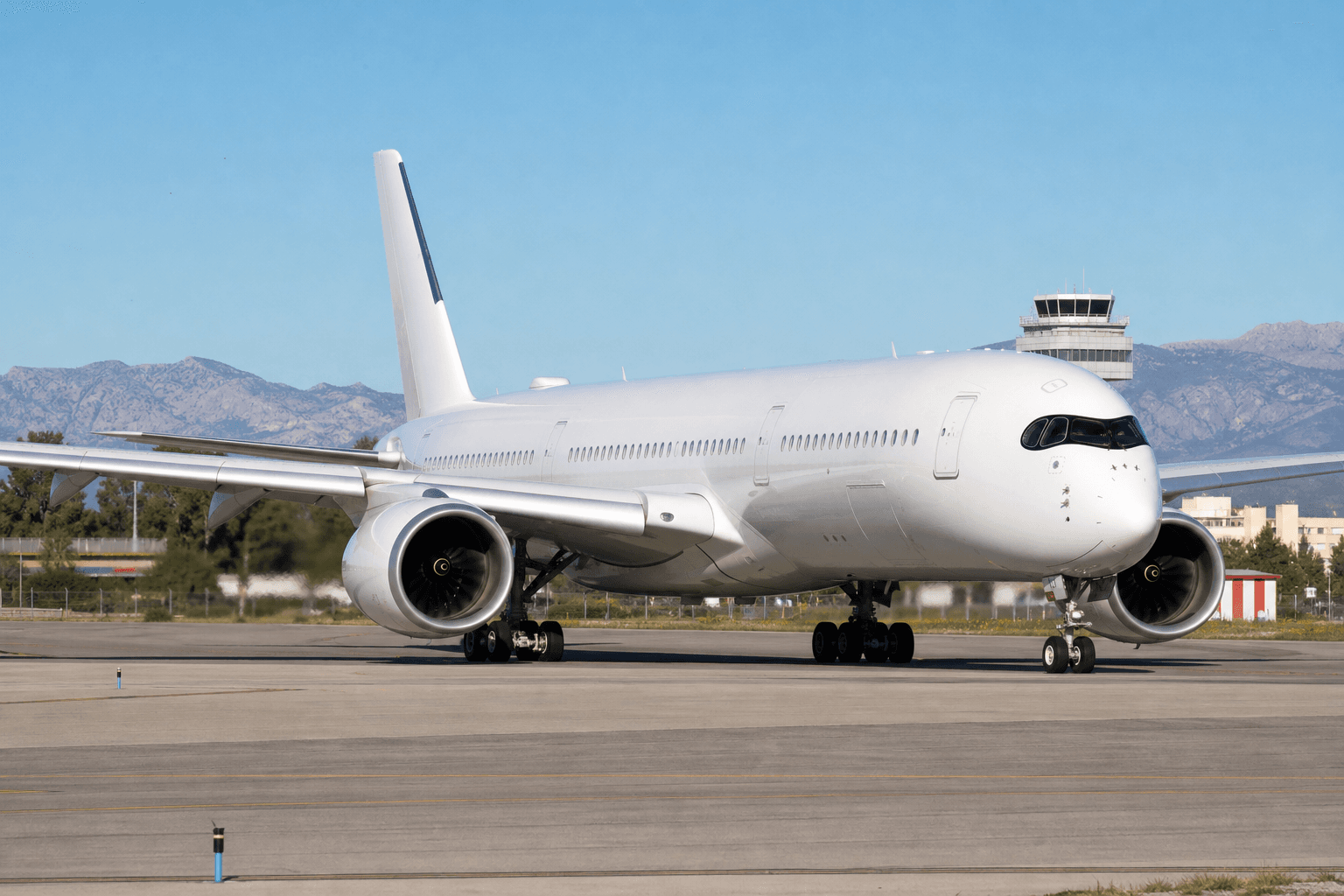
Spanish carrier is "optimistic" about this year after increasing 2025 profits by one-third. Air Europa expects to take delivery of its first Airbus A350-900 in 2028 and has embarked on a new strategic plan to achieve a "major structural and operational transformation" over the next two years. The Spanish carrier, which increased its full-year pre-tax profit by one-third to €155 million ($176 million) in 2025, says its new '+Air 28' plan will focus on operational efficiency, profitability and data-driven decision-making. As part of the plan, the carrier will launch a new maintenance division – Air Europa Technics – which will provide MRO services for its own aircraft and to third-party operators. Air Europa says it will adapt its maintenance capabilities to service the A350-900, ahead of incorporating the type into its currently all-Boeing fleet. It operates more than 60 aircraft, comprising 787-8s and -9s as well as 737s, and is in the process of adding 737 Max 8s as well . The carrier firmed an order with Airbus for up to 40 A350-900s at the beginning of this year. Air Europa confirms to FlightGlobal that the airline will take delivery of its first A350 at some point in 2028. Air Europa says it is "optimistic" about the remainder of 2026, despite "global instability surrounding the fuel market". Operating revenue in the first four months of the year was 9.2% higher than in the same period in 2025. The airline aims to increase its full-year pre-tax profit by 28% in 2026, it says. Full-year revenue in 2025 was 7.3% higher than the previous year, at €3.1 billion. Earnings before interest, taxes, depreciation and amortisation (EBITDA) increased by 14%, to €235 million. Passenger numbers were up 2.6% on a 1.5% increase in capacity, leading to a slight increase in load factor to 84.4%. "The continuous expansion and renewal of our fleet, together with structural improvements and operational efficiency, are the pillars on which we will continue to grow and demonstrate the strategic role we play, especially in Europe and Latin America," says Air Europa president Juan Jose Hidalgo. The airline’s chief executive, Richard Clark, adds: “The 2025 results are, once again, the outcome of the joint collaboration of all the professionals at this company. This effort does not stop, and it is the key to continuing our international expansion, as reflected in the opening of new routes, both domestic and international.” Air Europa’s recently-opened routes include Oviedo and Seville in Spain, Geneva in Switzerland and Johannesburg in South Africa. Star Alliance carrier Turkish Airlines is in the process of acquiring a 25-27% stake in Air Europa , which is a SkyTeam member. British Airways parent IAG is also a 20% shareholder in Air Europa, which is majority-owned by Globalia.
The Daily Touch & Go
The day's best aviation news in your inbox. Free, no spam.