

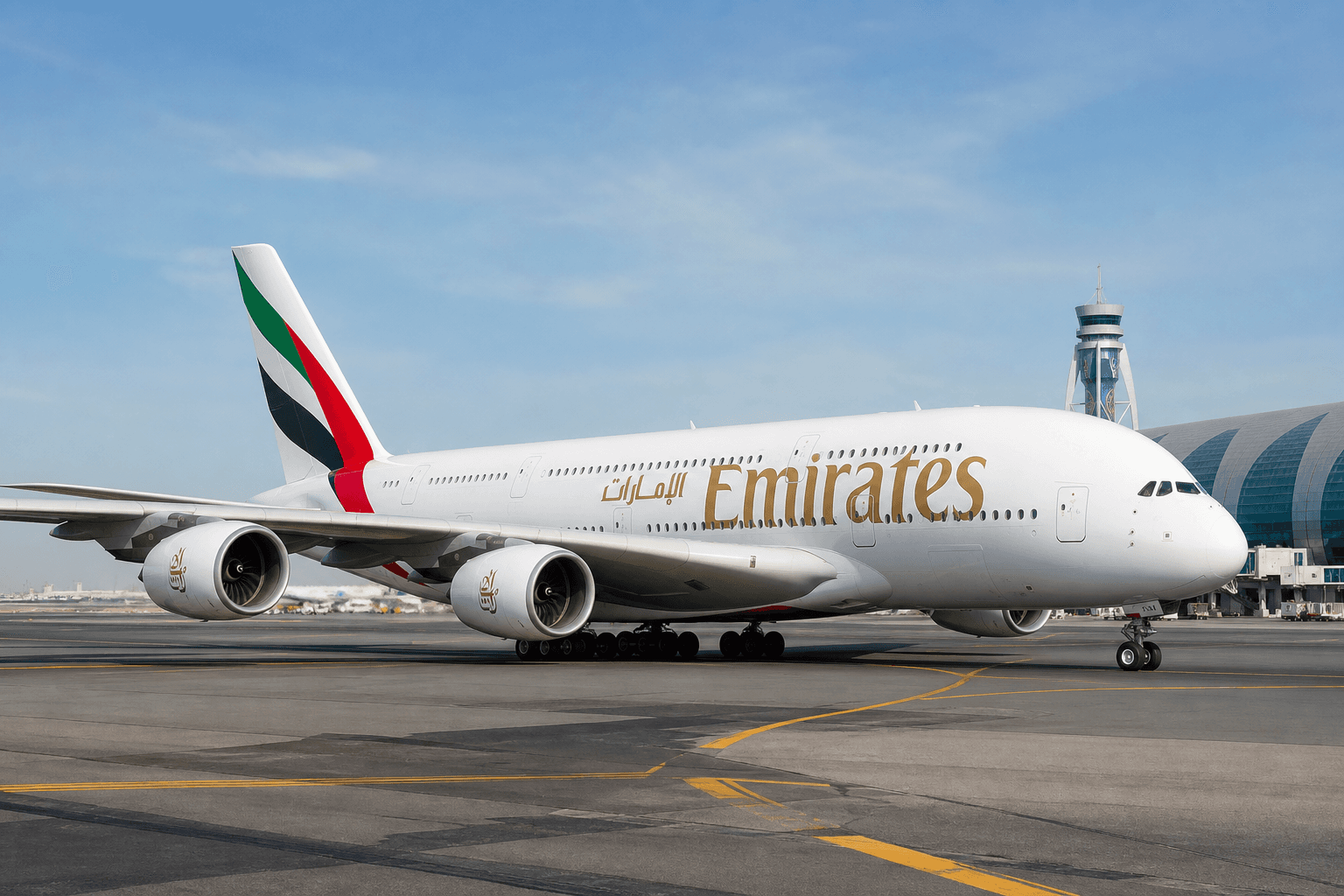
Illustration: The Touch & Go
Emirates Completes 100th Cabin Retrofit in Record 44 Months
Emirates has refurbished 100 aircraft cabins within 44 months, advancing a $5 billion upgrade program enhancing luxury and comfort on A380 and 777 fleets.
The gist
Emirates achieves milestone by retrofitting 100 aircraft cabins in under four years as part of a $5 billion modernization plan.
Continuing coverage
All Boeing 777 →- AerCap leases three Boeing 777-300ERSF freighters to China Southern Airlines Cargo
- Majority of Boeing 777 Pilots Land Despite Unstable Approaches, Data Shows
- China Southern Air Logistics to Add Three Boeing 777-300ER Converted Freighters
- Saudia Group denies supplying Boeing 777-200ERs transferred to Iran
- Saudia Airlines denies reports of selling five B777 jets to Iran's Mahan Air
Emirates has reached a significant milestone by completing the cabin refurbishment of its 100th aircraft, a remarkable feat accomplished within just 44 months since the program's inception in November 2022. This undertaking involves the largest cabin retrofit effort globally, encompassing 47 Airbus A380s and 53 Boeing 777s. Carried out entirely at the airline's advanced Engineering facilities in Dubai, the project exemplifies Emirates' substantial investment of US$5 billion to elevate its onboard product and maintain competitive luxury service standards.
By the end of December 2026, Emirates plans to add roughly 20 more refurbished planes, surpassing the halfway mark of its 219-aircraft goal. The retrofit program focuses on delivering a consistent high-quality passenger experience across the airline’s wide-body fleet, ensuring that luxury, comfort, and modern amenities are standard on every flight. This approach supports Emirates’ strategy of maintaining a world-class product amid global aviation competition and evolving passenger expectations.
The scale and complexity of the retrofit program are extraordinary, with Emirates’ Engineering team comprising over 400 engineers and technicians dedicating an estimated 4.4 million man-hours so far. The rate of completion averages about 28 aircraft annually. The process involves a full nose-to-tail cabin overhaul where each plane’s interior is completely disassembled, refreshed, and meticulously reassembled to meet stringent quality standards.
Each aircraft requires handling thousands of parts during retrofitting—more than 4,000 parts for the A380s and over 2,500 for the 777s. To efficiently manage this challenge, Emirates developed innovative operational solutions, including modified catering trucks to transport large components within hangars, specialized tracking systems, storage protocols, and custom access equipment tailored to the physical demands of these aircraft. These measures facilitate a precise and timely workflow.
Collaboration with over 100 suppliers supports this extensive retrofit effort entirely conducted in-house, underscoring Emirates’ considerable technical capabilities and a commitment to tight scheduling. The airline’s leadership highlighted the achievement as an industry-leading accomplishment in aircraft maintenance and modernization. The program not only refreshes old cabins but redefines standards for large-scale retrofit projects on wide-body aircraft.
A notable feature of the program has been the introduction of a new Premium Economy cabin class across the retrofitted fleet. More than 3,800 Premium Economy seats have been installed to date, broadening passenger access to this highly regarded travel class. Another milestone occurred in May 2026 when the retrofit team completed the first two-to-three class configuration on an A380, adding Premium Economy seating on the aircraft’s upper deck for the first time.
Further upgrades planned from October 2026 include installation of new 4K OLED HDR10+ seatback screens, lightweight Safran Z400 seats, and additional infrastructure improvements. These enhancements aim to keep pace with cutting-edge in-flight technology trends and passenger comfort expectations, building on the quality of Emirates’ product offering.
Sustainability is integrated into the retrofit initiative. Materials such as high-grade leather and fabrics removed during cabin refurbishments are repurposed into collectibles and travel accessories under the 'Aircrafted by Emirates' brand. The airline has also donated over 4,000 backpacks made from recycled Economy Class seat fabric to children across 11 countries. This circular reuse approach aligns with Emirates’ broader environmental commitments.
Originally launched aiming to retrofit 105 aircraft, the program expanded due to robust customer demand, rising to 191 aircraft by mid-2024 and targeting 219 by year-end. With the first retrofitted Boeing 777 entering service in August 2024, Emirates is steadily modernizing the world’s largest A380 and 777 fleets. This comprehensive strategy demonstrates Emirates’ focus on in-house expertise and long-term investment to deliver exemplary onboard experiences worldwide.
Frequently asked questions
- How many aircraft has Emirates retrofitted under its cabin upgrade program?
- Emirates has retrofitted 100 aircraft cabins so far, including 47 Airbus A380s and 53 Boeing 777s.
- What are some key features added during Emirates' cabin retrofits?
- The retrofits include a full nose-to-tail cabin refresh with new Premium Economy cabins, 4K OLED HDR10+ seatback screens, and lightweight Safran Z400 seats scheduled from late 2026.
- How does Emirates incorporate sustainability into its retrofit program?
- Materials removed during retrofits are upcycled into limited-edition collectibles and travel items, and over 4,000 backpacks made from repurposed seat fabric have been donated to children in 11 countries.
Read more
All Sustainability →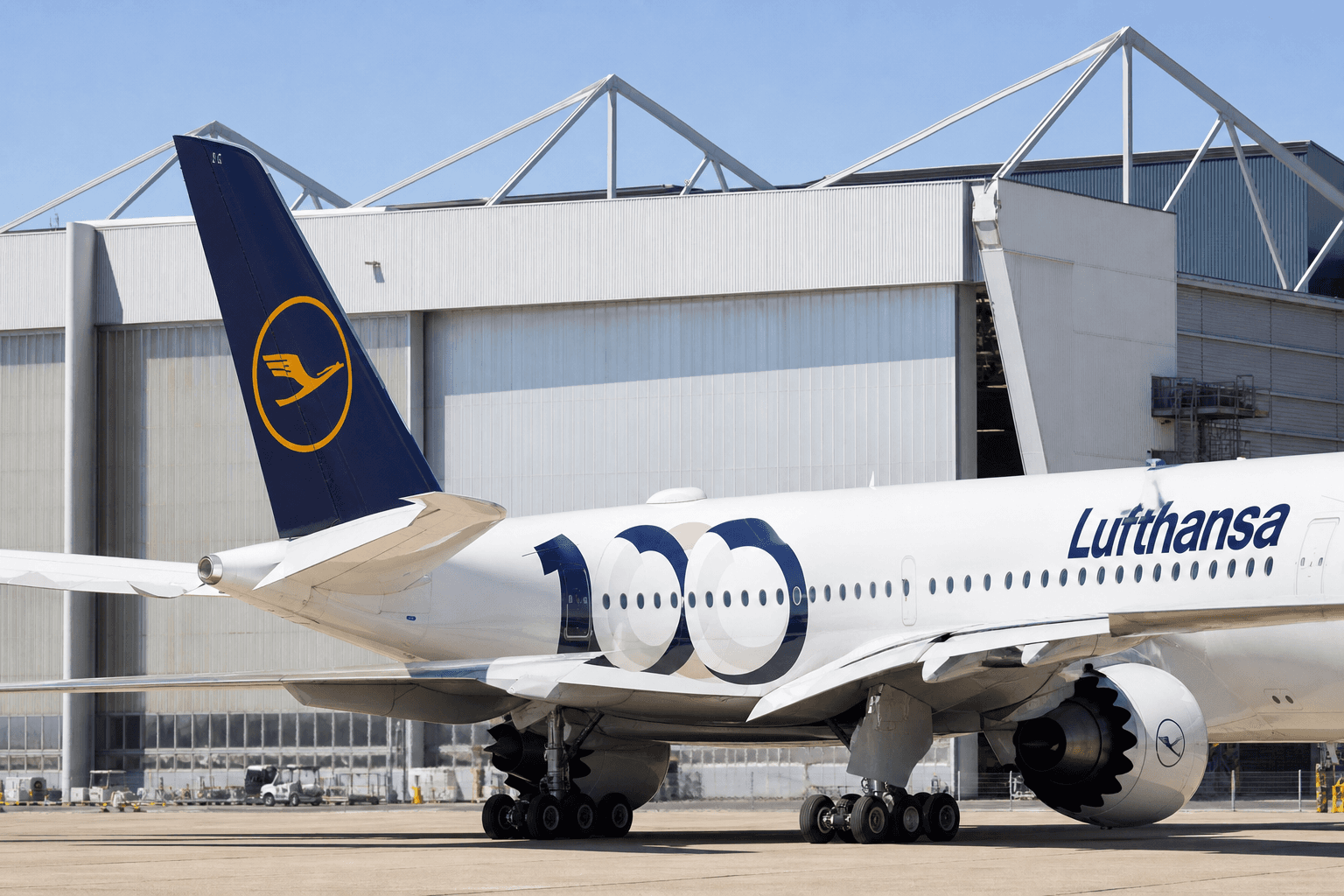
Lufthansa's First Airbus A350-1000 Debuts in Special 100th Anniversary Livery
Lufthansa’s first Airbus A350-1000 has emerged from the paint shop in Toulouse wearing the airline’s striking special 100th anniversary livery, marking another milestone as it prepares to enter service later this year. The aircraft, registered D-AIFA , is the first of 15 Airbus A350-1000s on firm order for the German flag carrier and forms part of Lufthansa’s centenary celebrations, which are taking place throughout 2026. The eye-catching design features an oversized version of Lufthansa’s iconic crane logo sweeping across the rear fuselage, matching the commemorative scheme already carried by several aircraft in the airline’s anniversary fleet. These include a Boeing 787-9, Airbus A350-900, Airbus A380, Boeing 747-8 and selected narrowbody aircraft. New Flagship For Munich Following delivery from Airbus, D-AIFA will be based at Munich Airport , where it will operate alongside much of Lufthansa’s existing Airbus A350-900 fleet. Munich has become Lufthansa’s primary Airbus A350 hub in recent years, with the efficient twinjet operating many of the airline’s long-haul services from southern Germany. The arrival of the larger A350-1000 will further strengthen the airline’s premium long-haul operation from the airport. The Airbus A350-1000 is around seven metres longer than the A350-900 and offers greater passenger capacity while maintaining the type’s reputation for excellent fuel efficiency and reduced emissions. Lufthansa’s A350-1000 Fleet Lufthansa has ordered 15 Airbus A350-1000s , with options for a further 25 aircraft. The type will become the airline’s new flagship on many long-haul routes and is expected to feature Lufthansa’s latest Allegris premium cabin products throughout. The aircraft are intended to replace older four-engined Airbus A340-600s and provide increased capacity on high-demand intercontinental services while offering lower operating costs and improved environmental performance. With D-AIFA now painted in its commemorative colours, the aircraft is entering the final stages of preparation before delivery, ensuring Lufthansa’s newest flagship will also become one of its most distinctive as the airline celebrates 100 years since its founding.
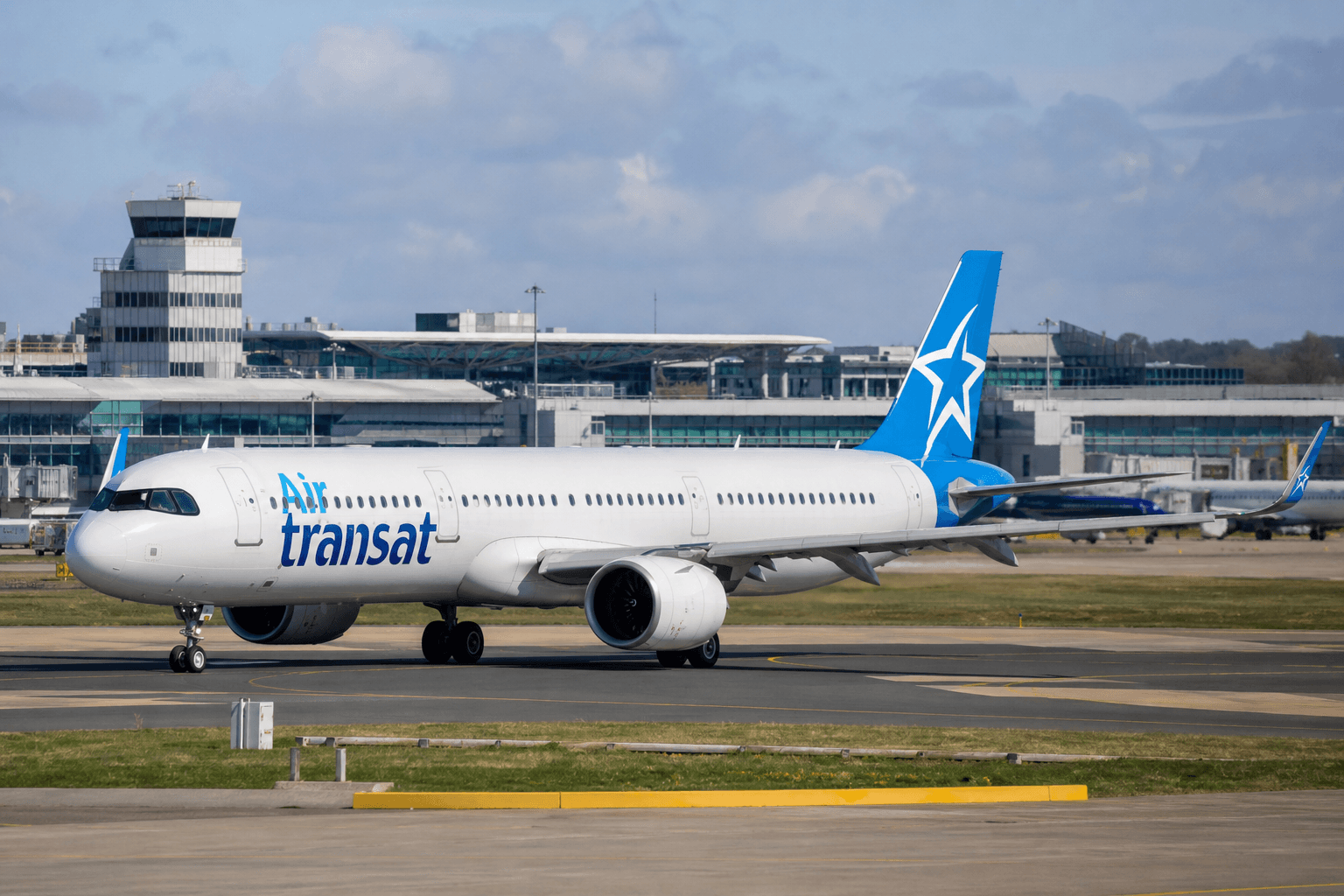
Air Transat Starts First Non-Stop Service Between London Gatwick and Ottawa
Air Transat has strengthened its transatlantic network with the launch of direct flights between London Gatwick and Ottawa, Canada’s capital. ezstandalone.cmd.push(function () { ezstandalone.showAds(119); }); The new seasonal service, operating up to three times weekly, marks the first non-stop connection from Gatwick to Ottawa International Airport and arrives at a symbolic time as the city celebrates its 200th anniversary. This latest addition expands Air Transat’s UK-to-Canada footprint significantly. In peak season, the airline now offers up to 34 weekly non-stop flights from the UK to Canadian destinations. ezstandalone.cmd.push(function () { ezstandalone.showAds(127); }); The Ottawa route complements existing year-round services to Toronto. These operate from London Gatwick, Manchester, and Glasgow, plus summer non-stops to Montréal from Gatwick. Strategic New Transatlantic Link Located at the confluence of Ontario and Québec, Ottawa provides a compelling destination for leisure and culture-focused travellers. ezstandalone.cmd.push(function () { ezstandalone.showAds(128); }); The new direct flight eliminates the need for connections in Toronto or Montréal. This reduces total travel time and improving the overall passenger experience. Flight schedules are designed to offer convenient departure and arrival times for UK travellers. The route is operated by Air Transat’s modern Airbus fleet, including the efficient A321LR. These aircraft deliver strong performance on medium-haul transatlantic sectors. The narrowbody aircraft maintains a lower fuel burn and reduced emissions compared to older generation types. ezstandalone.cmd.push(function () { ezstandalone.showAds(129); }); The A321LR, A330-200, and A330-300 aircraft form the backbone of the airline’s long-haul operations, enabling reliable year-round and seasonal services. Photo Credit: Quintin Soloviev, CC BY-SA 4.0, via Wikimedia Commons Passenger Experience and Cabin Options Air Transat continues to focus on comfort and value on its transatlantic flights. Economy Class passengers benefit from ergonomic seats, mood lighting, complimentary hot meals with wine or beer, and a generous carry-on baggage allowance. Personal touch-screen IFE systems provide extensive entertainment options to help passengers relax during the flight. ezstandalone.cmd.push(function () { ezstandalone.showAds(130); }); For those seeking a premium experience, Club Class offers significantly more space, enhanced recline, gourmet dining, complimentary premium beverages, and priority boarding and baggage handling. Both cabins reflect the airline’s consistent focus on leisure travellers who value comfort without ultra-long-haul flight times. Having been named World’s Best Leisure Airline 2025 by Skytrax for the seventh consecutive year, Air Transat brings nearly four decades of expertise in transatlantic operations. The airline has built a strong reputation for reliable service between Europe and Canada. Perfect Timing for Ottawa’s Bicentennial The new route supports travellers wanting to experience Ottawa’s year-long “Celebrate Together” bicentennial programme. Highlights include special events at Parliament Hill, activities along the UNESCO-listed Rideau Canal, and major festivals such as Ottawa Bluesfest and CityFolk. ezstandalone.cmd.push(function () { ezstandalone.showAds(131); }); The direct link makes it easier for UK visitors to access these celebrations and the city’s rich mix of history, culture, and outdoor attractions. With this launch, Air Transat continues to grow its presence in the UK-Canada market, offering more choice, greater convenience, and competitive connectivity for leisure travellers. The new Gatwick–Ottawa service is now available for booking on the airline’s website.
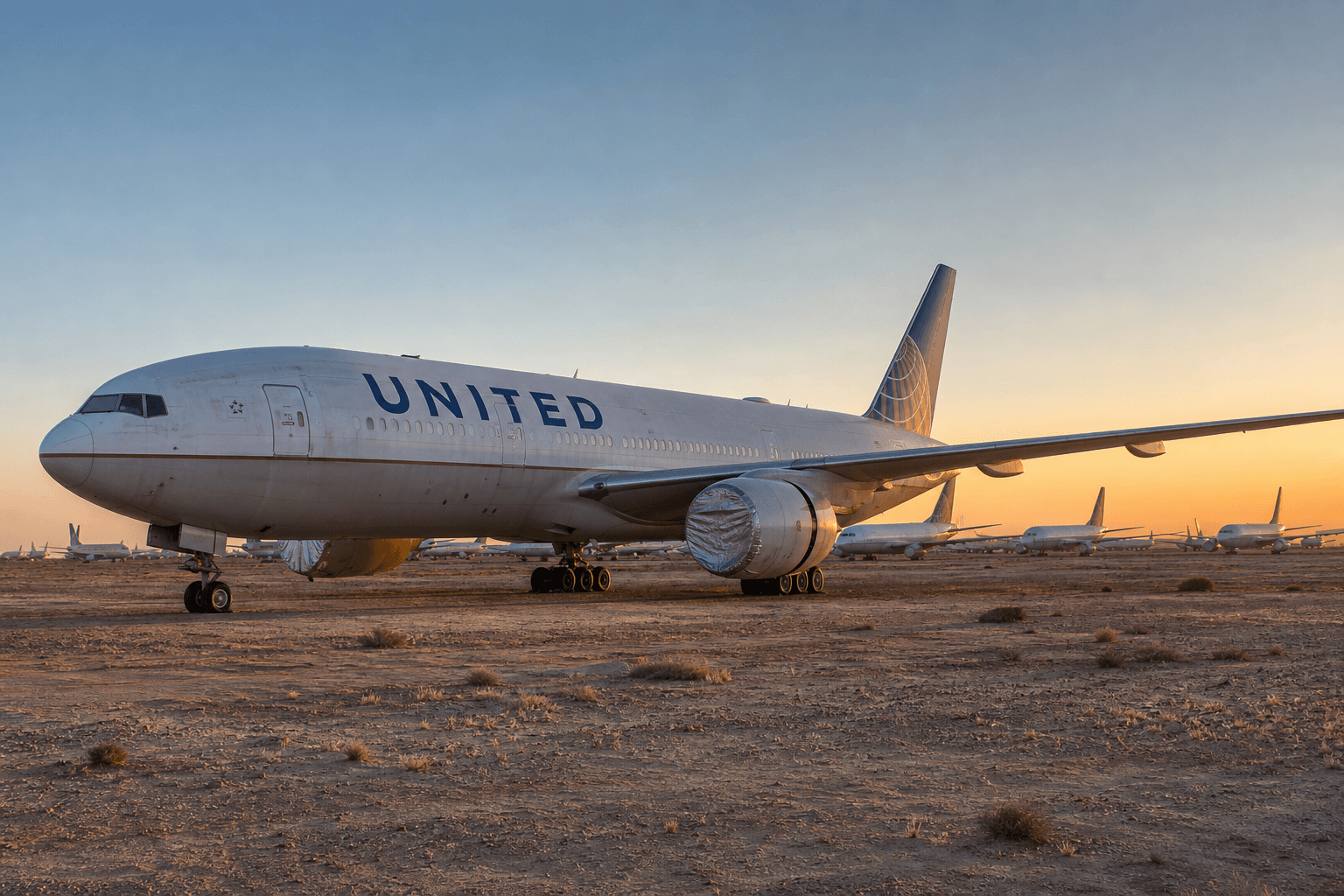
United Airlines Accelerates Retirement of Aging Boeing 777-200s Amid Europe's Carbon Policies
Europe's newest carbon rules do not ban older airliners, nor do they impose a direct tax on jet fuel. Yet 2026 is the year those policies began influencing which widebody aircraft airlines can afford to keep flying across the Atlantic. For carriers such as United Airlines , that shift reinforces the business case for retiring its nearly 29-year-old Boeing 777-200 aircraft in favor of newer, more efficient replacements.
CubCrafters Launches Carbon Cub ULT with Innovative Turbine Powerplant
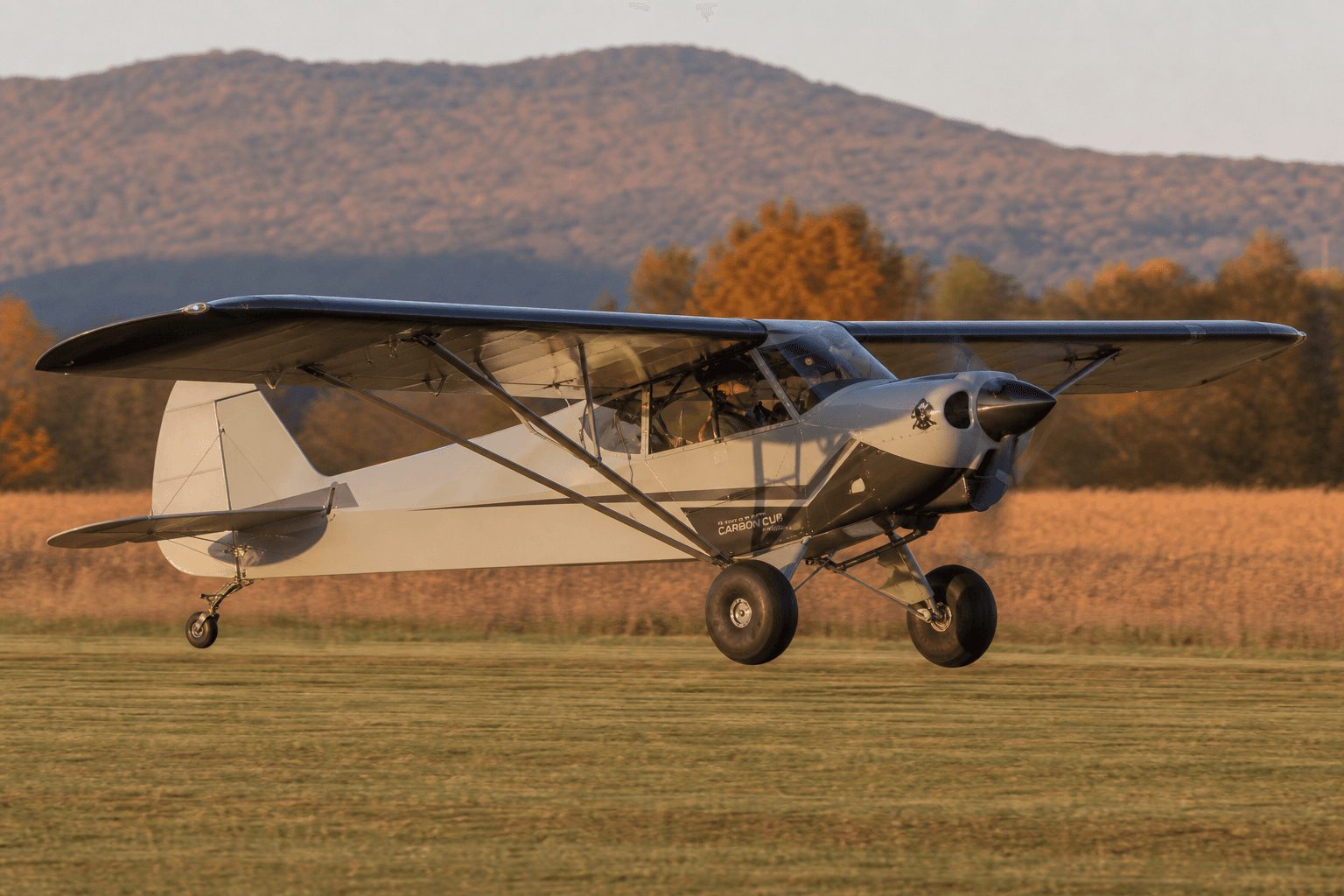
It's no secret here at Plane + Pilot that we aren't necessarily in the business of breaking aviation news. This magazine and its corresponding website is built around general aviation adventures—where to go, what to do, and who to see by way of your airplane. So if you're looking for every headline that hits the GA news cycle, you're probably in the wrong place. That said, when there's news that genuinely impacts the general aviation adventure community, you can bet I'm going to cover it. A few weeks ago, I got an insider tip that CubCrafters was preparing to unveil its latest project—the Carbon Cub ULT , powered by TurboTech's new TP-R90 regenerative turboprop. To say I was giddy when I first heard the news would be an understatement. But instead of simply rewriting the news release to chase clicks when the embargo lifted July 6, I decided I wanted to see the airplane with my own eyes before publishing the same story everyone else in aviation media was going to write. While I couldn't say for certain that I'd get the opportunity, I had a pretty good feeling I'd see the ULT during an exclusive CubCrafters content creator event near Bonanza, Oregon, this past weekend. So I decided to roll the dice. After arriving at the ranch in an orange FX-3 (with no one other than Luke Czepiela of Red Bull Air Race fame in the back seat), I immediately tracked down Jackie Burch to ask if we'd be getting a chance to see the new Cub in person. Burch couldn't confirm or deny anything, but there were a few people around who definitely knew the answer. Their reactions were enough for me to take my gamble as one that I would most certainly be winning. The following morning, I was standing near the hangar on a phone call when I suddenly heard an unmistakable whistle overhead. I knew experimental aircraft builders Mike and Mark Patey were expected at the event, so I assumed it was the sound of their Pilatus PC-12. But as I quickly repositioned myself for a better view of the runway, I quickly spotted the turbine powered ULT and a matching UL coming in for landing. CubCrafters vice president Brad Damm touched down the ULT in a perfect three-point attitude, giving everyone their first real look, and listen, to the airplane. Admittedly, when I first heard about the company's project a few weeks earlier, I wondered whether the proportions would work. I pictured an overly stretched nose and a cowling that looked forced simply to accommodate a turbine engine. But as Damm taxied in front of us, those concerns were put to rest. The airplane looked like it was seamlessly born for a turbine-powered backcountry mission. Despite the entirely new TurboTech powerplant, the airplane is unmistakably a CubCrafters product. The ULT shares the same airframe as the Carbon Cub UL, the manufacturer's Rotax 916 iS-powered light sport, which has only been in the marketplace since 2023. With an 860-pound empty weight, gross weight of 1,320, and useful load of around 460, the ULT fits well within the parameters for sport pilots under the FAA's new MOSAIC regulations. "We're doing everything so that it can be ASTM certified as a light sport," said Damm. Perhaps the icing on the cake? Despite being turbine powered, the TurboTech-equipped ULT requires neither a type rating nor a special endorsement. Pilots can simply climb in and enjoy its 120 mph cruise speed while burning just 9 gph. "All the money, time, and effort we invested to take weight out to make the UL transfers right over to this airplane," said Damm. "There's a few differences in the fuel system for the jet-A, but it has the same tanks in the wings. It has a really similar center of gravity, and I actually like the center of gravity a little bit better in [the ULT]. In the three years since the UL's debut, Damm and the CubCrafters team have been working diligently behind the scenes to dream up a platform that could offer turbine reliability, worldwide fuel alternatives, and a significant TBO (3,000 hours to be exact). But it all started with a little convincing from the TurboTech team at AERO Friedrichshafen three years ago. "I had flown turbine-powered Cubs years ago," said Damm. "But those were burning 30 to 40 gallons an hour down low, and you can't make an airplane out of that." After sitting down with the TurboTech team and drilling into the details, including questions about operating a turbine-powered, fabric-covered airplane from dry grass strips, Damm came away impressed. He took what he had learned back to the CubCrafters' engineering team, and got to work. Three years later, one week since its announcement, the ULT has received 12 deposits at a base price of $690,000. "To be honest my favorite part of this airplane is the cool factor. It's fun. It's exciting, and it's generated a lot of interest and a lot of controversy, but it's been a good opportunity for us to educate."
The Daily Touch & Go
The day's best aviation news in your inbox. Free, no spam.