

Illustration: The Touch & Go
United's First 'Elevated' 787-9 Faces Persistent Maintenance Issues and Returns to Boeing
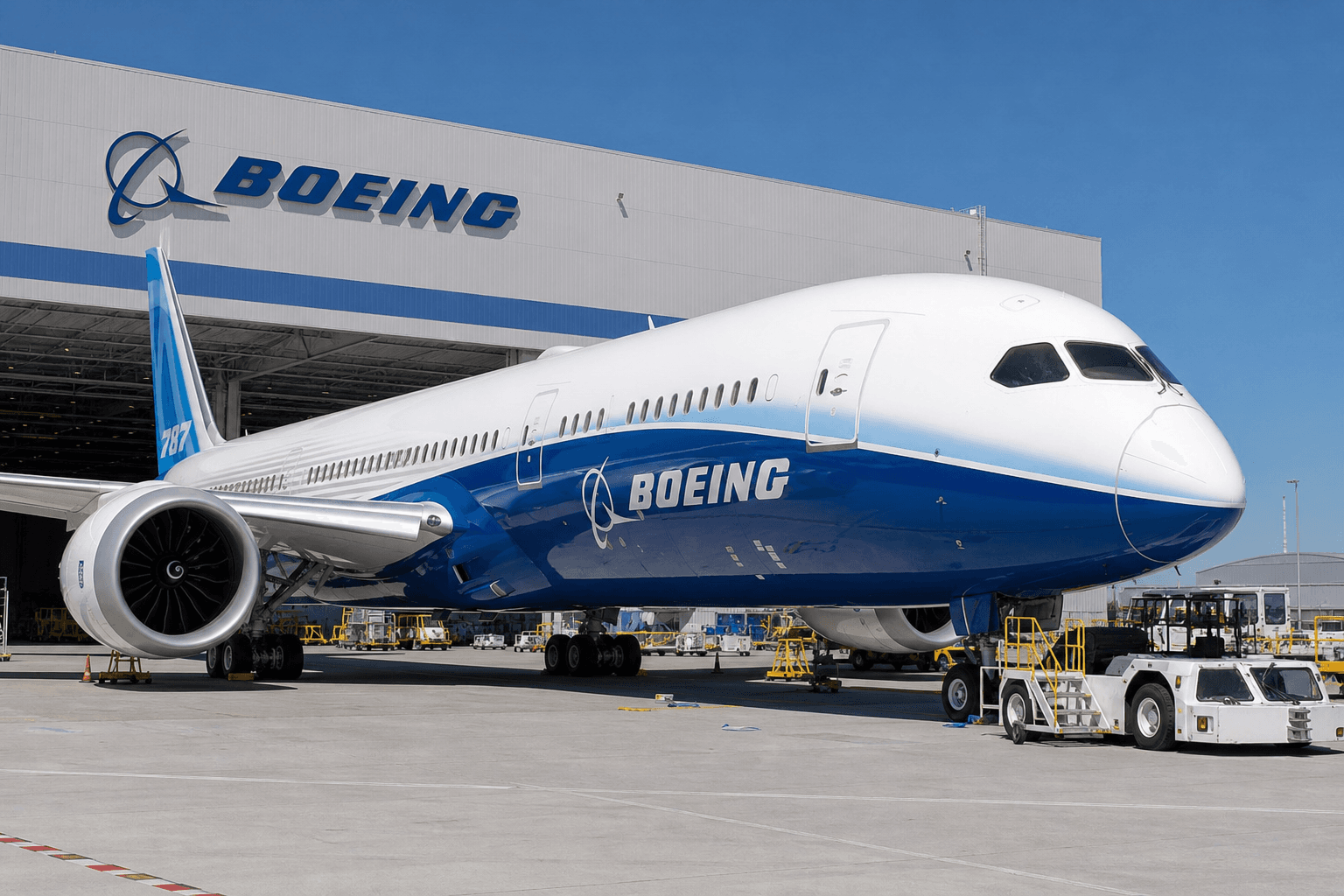
United Airlines' first Boeing 787-9 with the elevated Polaris cabin has encountered multiple problems since delivery, leading to its ferrying back to Boeing for in-depth maintenance.
The gist
United Airlines' inaugural elevated 787-9 suffers repeated glitches and is sent to Boeing for a detailed fix after cancellations in Asia and Europe.
United Airlines’ recently delivered Boeing 787-9, featuring the carrier's new elevated onboard cabin design, has been plagued with significant maintenance issues since entering service earlier this year. The aircraft, registered N61101, was delivered in February and marked United’s centennial with a special decal. Despite the fanfare, reliability problems emerged quickly, with the aircraft being removed from service and sent back to Boeing for thorough inspection and repairs.
The aircraft began operating long-haul international flights, including a key route from San Francisco International Airport (SFO) to Singapore Changi Airport (SIN). However, early into service, a malfunction forced the plane to cancel its return leg from Singapore, resulting in a non-revenue ferry flight back to SFO without passengers on board. Such disruptions are unusual for a flagship widebody at launch and caused operational challenges for United.
Following a week-long maintenance stay in San Francisco, the airplane temporarily resumed service on the transatlantic route to London Heathrow Airport (LHR). Yet the return flight was again canceled, prompting another empty repositioning flight back to SFO. These repeated issues culminated in the decision to ferry the aircraft to Boeing’s Moses Lake facility in Washington state to conduct more extensive troubleshooting and repair work beyond what United’s own maintenance could address.
The 787-9 is equipped with United’s enhanced Polaris business class, branded as the Polaris Studio suite, and premium economy seating. The cabin features new privacy dividers and aims to improve passenger experience by introducing elevated onboard dining and the largest economy-class entertainment screens in the global network. United plans to receive a total of 30 such aircraft fitted with this elevated interior configuration, underscoring the importance of resolving these technical problems swiftly.
Although the exact nature of the mechanical issues has not been publicly disclosed, insiders and flight crew have indicated the problems were significant enough to warrant immediate grounding for safety reasons. United confirmed the aircraft was with Boeing for servicing but has not elaborated on the fault details. The problems do not appear directly related to the upgraded cabin, but nevertheless have disrupted operations on high-profile international schedules.
The elevated 787-9 with 222 seats, including 99 premium seats, was intended as a flagship product on routes such as San Francisco to Singapore and London. Passenger feedback on the Polaris suites, including unique configurations like double beds, has been positive–further highlighting the disappointment caused by these service interruptions. Boeing’s specialized Moses Lake repair center is known for handling complex 787 maintenance issues, pointing to the seriousness of the underlying faults.
Historically, new aircraft types and configurations occasionally encounter early reliability challenges as teething problems arise from complicated manufacturing and integration processes. This aircraft’s issues sparked questions among industry watchers about Boeing’s quality assurance and United’s acceptance procedures. Yet the airline remains committed to its 787-9 fleet, including the remaining elevated cabins, aiming to maintain safety and service standards while resolving current challenges.
The current situation specifically affects one aircraft and its scheduled routes, with no reported impact on deliveries or operations of United’s other new 787-9s to date. The affected plane will remain at Boeing’s facility until all technical and safety issues are resolved to regulatory and manufacturer satisfaction. This case underscores the complexities involved in introducing next-generation cabin technologies on long-haul widebodies and the crucial role of thorough maintenance in ensuring safe, reliable operations.
Read more
All MRO/Maintenance →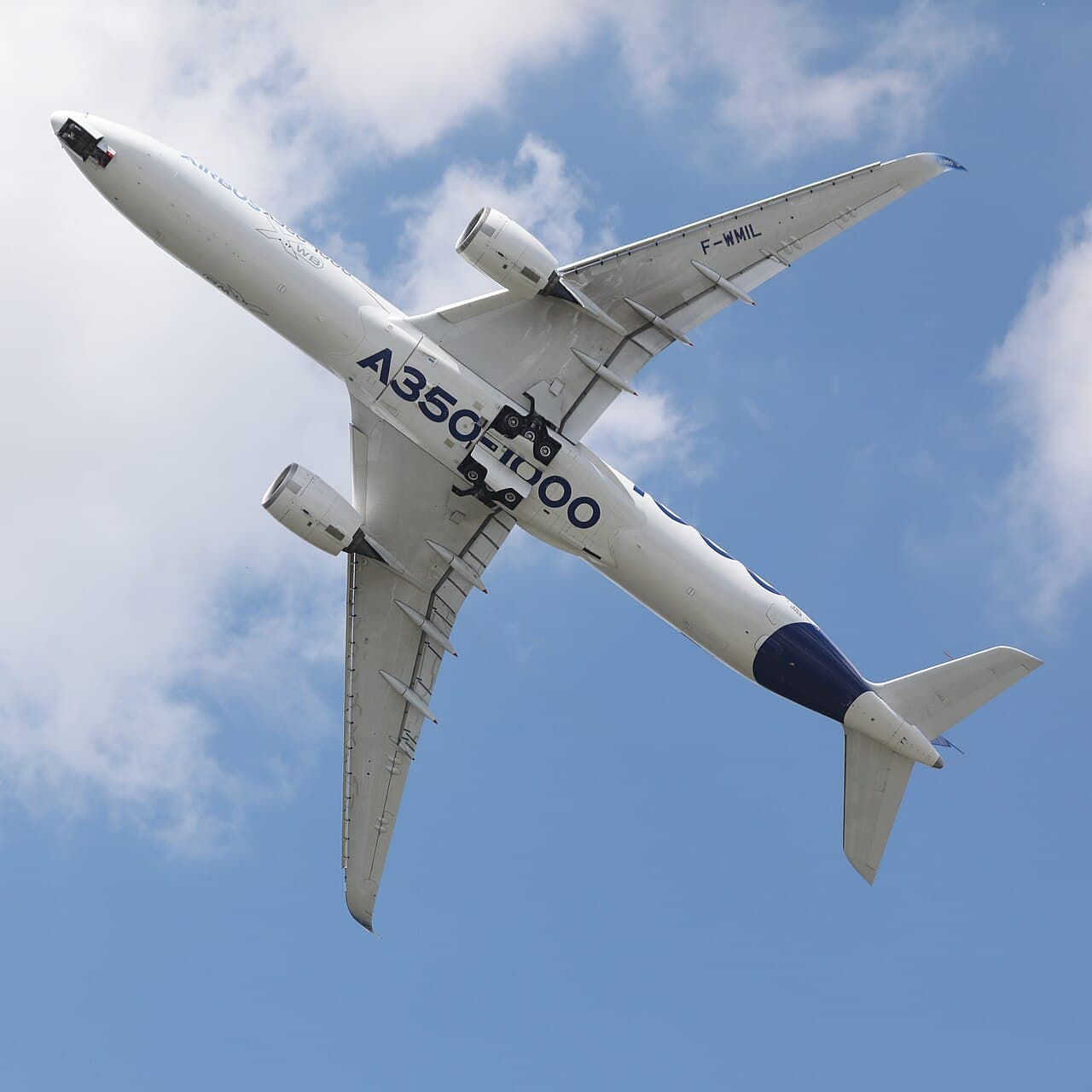
Lufthansa debuts its first Airbus A350-1000 adorned with centennial anniversary livery
Lufthansa is preparing to welcome its first Airbus A350-1000, an aircraft that carries added significance beyond its size. The aircraft, painted at Airbus's Toulouse facility in a blue design featuring a white crane graphic and the markings "1926 | 2026" and "100," is set to become the seventh addition to the airline's special fleet commemorating its 100th anniversary. According to the German flag carrier, painting the aircraft required roughly 432 liters of blue paint and 246 liters of white. From Toulouse to Munich The aircraft, which will carry the registration D-AIFA and the name "Deutschland," is scheduled to be transferred from Toulouse to Munich this fall 2026. Before the transport happens, it still needs to go through several test flights, additional interior work, and a final acceptance inspection. Lufthansa plans to hold an official naming ceremony at a later date. The delivery carries extra weight for the airline: this A350-1000 will be the 700th aircraft Airbus has delivered to the Lufthansa Group overall. A bigger sibling to the A350-900 At 73.8 meters long, the A350-1000 stretches about seven meters beyond the A350-900 already in Lufthansa's fleet. The larger aircraft is configured to carry up to 300 passengers across four cabin classes, including First Class, Business Class, Premium Economy, and Economy Class. Lufthansa has ordered 15 of the aircraft, with deliveries expected to continue through 2030. Part of an anniversary fleet This A350-1000 joins a growing group of Lufthansa aircraft featuring the special anniversary design. Other planes already flying with the livery include an A350-900, an A380, a Boeing 787-9, and a Boeing 747-8 on long-haul routes, along with two A320neo aircraft used on short- and medium-haul flights. According to Lufthansa, the distinctive paint scheme has drawn considerable attention from passengers and aviation enthusiasts alike since it began appearing on the airline's planes. RELATED Lufthansa Technik begins work on new 55,000m² MRO facility in Portugal
Former Ethiopian Airlines CEO Tewolde Gebremariam appointed as Air India CEO
Former Ethiopian Airlines boss Tewolde Gebremariam has been named as the new CEO of Air India, following a comprehensive search to identify the next leader. On August 5, 2025, Air India announced that Gebremariam's "track record" leading Ethiopian Airlines made him "uniquely suited" to for the position. "Tewolde Gebremariam is widely recognized as one of the most successful aviation chief executives," Air India said. "During his decade-plus tenure as CEO of Ethiopian Airlines Group, he spearheaded a multi-billion-dollar expansion, transforming a regional carrier into Africa's largest, most profitable, and decorated airline group—growing revenue by more than fourfold and fleet size nearly threefold." Air India said its objective was to find a leader with a "proven record of managing mega-scale airline turnarounds". Fortune Global Forum 2019 / Flickr.com The airline praised Gebremariam's ability to manage "complex operational landscapes, driving cultural transformation, building competitive global hubs, and developing world-class MRO (Maintenance, Repair, and Overhaul) and aviation training infrastructure". Gebremariam served as the CEO of Ethiopian Airlines from January 2011 to March 2022 and was succeeded by Mesfin Tasew. "Having completed the initial phase of stabilization, integration, and fleet commitments under Campbell's guidance, Air India is now entering a critical execution and expansion era," N. Chandrasekaran, Chairman of Tata Sons and Air India, said. "Tewolde's track record in building one of the world's most efficient and profitable airline groups makes him uniquely suited to lead Air India." Campbell Wilson announced his resignation on April 7, 2026, ending a nearly four-year tenure leading the Tata Group-owned carrier through a sweeping post-privatization transformation. John Taggart / Creative Commons Gebremariam said it was a "profound honor to be entrusted with leading Air India at such a historic moment in its journey". "Air India carries an incredible legacy, and the opportunity to build a world-class global airline that reflects India's extraordinary economic potential is uniquely exciting," added Gebremariam RELATED Air India CEO Campbell Wilson resigns, will stay until successor named
Croatia Airlines sees losses soar to €50 million amid fleet transition and fuel cost pressures
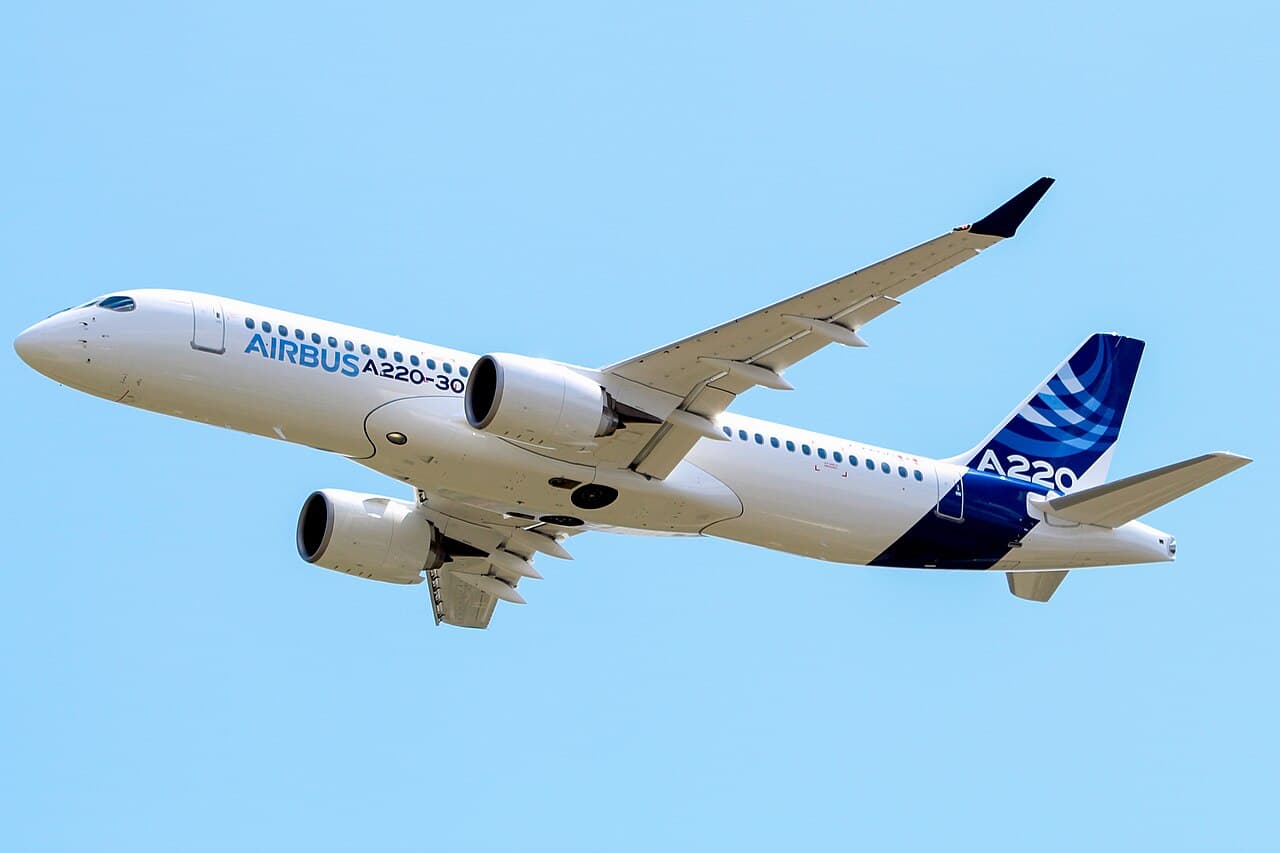
Carrier dealing with complexity of fleet transition as it withdraws older models and shifts to A220s. Croatia Airlines' losses deepened substantially over the first half of this year, as the impact of fuel prices and exchange rates added to the cost burden associated with its fleet transition. It turned in an operating loss of €36.8 million ($42.4 million), which was 73% worse than the previous half-year, while its net loss came close to trebling at around €50 million. Although passenger numbers increased by more than 20% in the first five months – before declining in June – the improved revenue performance was checked by a "significant increase" in fuel prices, says the carrier. Croatia Airlines adds that negative exchange rates contributed heavily to a €16 million rise in net financing costs. The airline is progressing with a fleet modernisation, shifting to the Airbus A220, but is still feeling the effect of transition costs as it introduces the new type. It expects to have 14 of the 15 planned A220 in its fleet by the end of this year – with seven arriving in 2026 – while it gradually withdraws older aircraft from service. Croatia Airlines says the "simultaneous management" of a fleet with three different aircraft types presents an "additional challenge". "Such a structure requires precise resource planning, adaptation of operational procedures [and] increased co-ordination between organisational units," it states. "At the same time, the process of preparing aircraft for retirement from the fleet places an additional burden on the technical sector." Over the course of this year it aims to remove two De Havilland Dash 8-400s, an Airbus A320 and an A319. Two Dash 8s and an A320 were taken out last year, and returned to owners in the first half of 2026. "The fleet renewal project represents the largest strategic step forward in the history of Croatia Airlines and is crucial for the long-term sustainable development of the company," the carrier says. At the half-year mark its operational fleet comprised 15 aircraft: nine A220s, four A319s and two Dash 8s. The airline has also leased an ATR 72 since April to maintain its planned schedule. One of Croatia Airlines' A220 was subsequently damaged in a runway excursion in May, adding to the company's pressures. Croatia Airlines is also having to cover lease costs for two Dash 8s – registered 9A-CQC and -CQD – whose return to their owner has been delayed, owing to limited maintenance capacity and parts availability.
IndiGo suspends London Heathrow and shifts Amsterdam to A321XLR as it awaits Airbus A350 widebodies
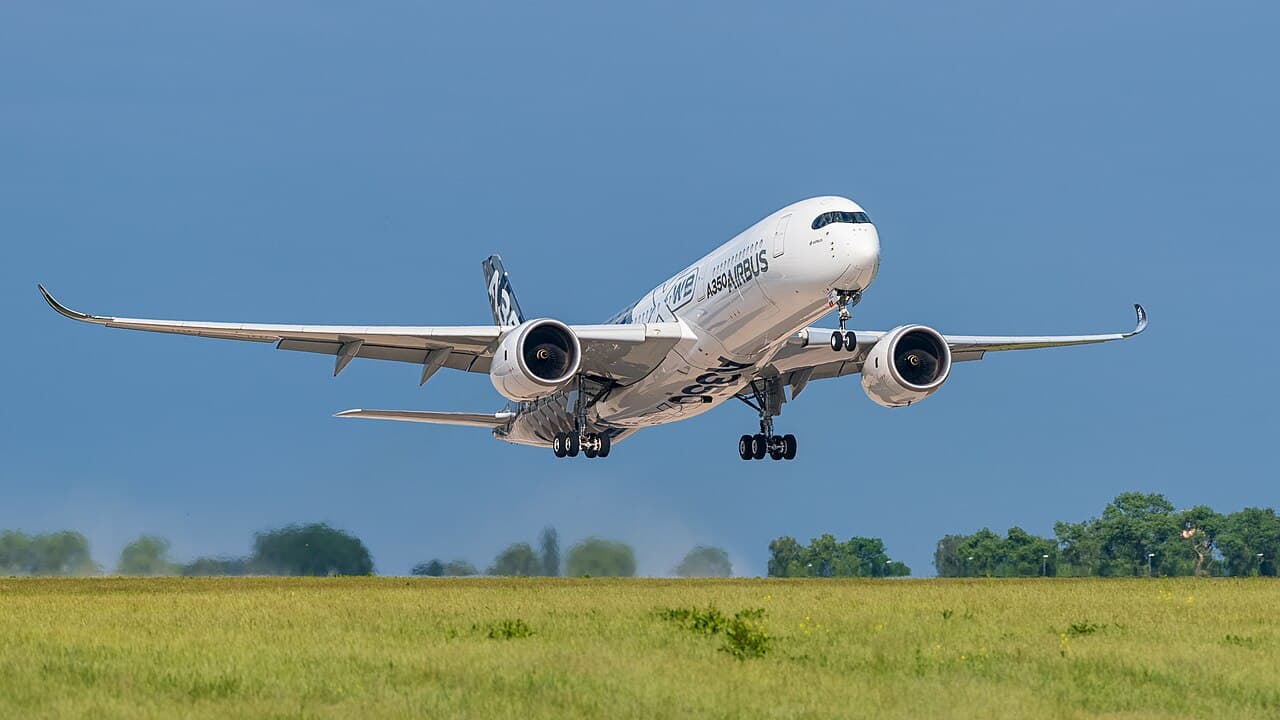
Indian carrier suspends London route while switching Amsterdam service to A321XLRs. Indian carrier IndiGo will axe its London Heathrow service until its first Airbus A350-900s arrive, following the decision to terminate its Boeing 787 damp-lease with Norse Atlantic. The end of the damp-lease agreement means all IndiGo widebody operations will cease from 25 October. IndiGo says it will deploy Airbus A321XLRs on the Mumbai-Amsterdam route instead. The carrier adds that it will "temporarily discontinue" its Heathrow service until it receives A350s. IndiGo has 60 of the widebody twinjet type on order and, at the time of the agreements, expected its first to arrive in 2027. The carrier says it entered the Norse damp-lease arrangement, initially covering six 787-9s, to gain "fast-track learning" and "establish brand presence" before the introduction of A350s. "This enabled IndiGo to commence services to markets in the UK and Europe, while accelerating the development of the operational capabilities, commercial expertise and customer insights required to support its future widebody ambitions," it adds. As a result of the damp-lease arrangement, it says, the airline has been able to build "critical competencies" in long-haul network planning, crew operations, maintenance, and other areas. But it says the operating environment – particularly in regard to airspace closures and fuel prices – has "changed considerably" and led to a "significant escalation" in costs. It had already opted to return one of the six 787s to Norse. "Volatility across aviation markets has reduced industry-wide risk appetite – prompting a comprehensive review of the project and evaluation of possible alternative solutions," it adds. IndiGo senior vice-president for planning Abhijit Dasgupta says the situation necessitates a "prudent deployment" of resources in the short term, even as the carrier maintains its long-term objectives. "This [damp-lease] project was never solely about serving specific routes but laying the foundation for our long-haul operations in future," he adds. "As we enter the next phase of our growth, we remain firmly committed to expanding our global footprint across key mid- and long-haul markets."
The Daily Touch & Go
The day's best aviation news in your inbox. Free, no spam.