

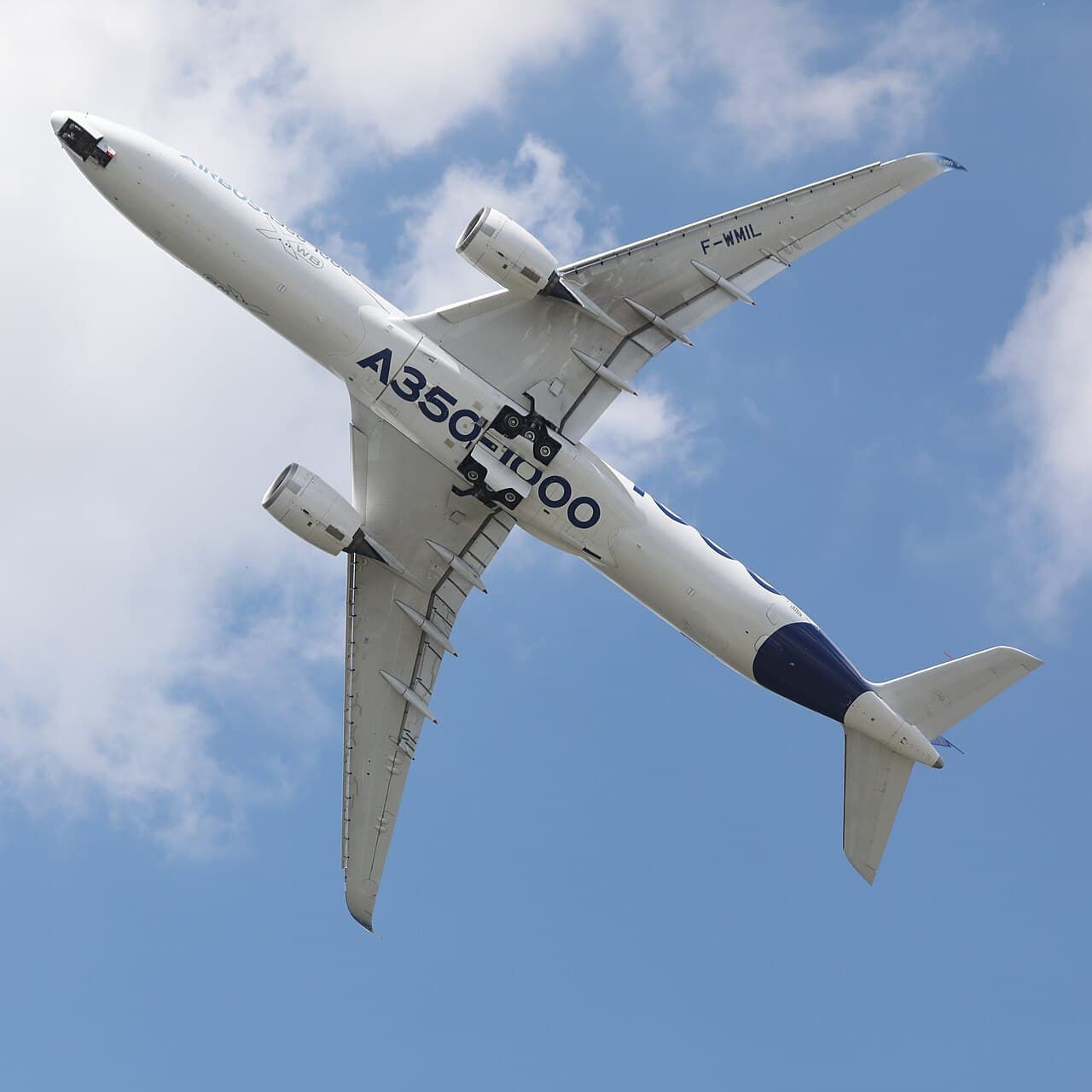
Image: New York-air · CC BY-SA 4.0 · via Wikimedia Commons
Japan Airlines A350-1000 Returns to Flight After Seven-Month Repair Post-JFK Collision
Japan Airlines' A350-1000 JA10WJ performed a test flight from JFK after extensive repairs following a ground collision in December 2025, marking a step toward resuming commercial service.
The gist
JAL’s damaged A350-1000 flew again after 7+ months of repairs from a JFK ground collision.
Continuing coverage
All Airbus A350-1000 →- Lufthansa unveils first A350-1000 with special livery marking 700th Airbus delivery
- STARLUX Airlines Unveils AIRSORAYAMA Airbus A350-1000 at Phoenix Sky Harbor
- Lufthansa Unveils Centennial Livery on First Airbus A350-1000 Set for Munich Hub
- Lufthansa Welcomes First Airbus A350-1000 Marking 700th Airbus Milestone with Centennial Livery
- Lufthansa's First Airbus A350-1000 Debuts in Special 100th Anniversary Livery
Japan Airlines (JAL) took a significant step toward restoring its long-haul fleet with the recent test flight of its Airbus A350-1000, registration JA10WJ, after being grounded for over seven months. The aircraft conducted a post-repair flight from New York’s JFK Airport on July 29, marking its first air time since sustaining damage in a ground collision at the same location this past December. Following approximately 3 hours and 43 minutes in the air, the plane returned safely to JFK, signaling progress in the extensive maintenance process.
The incident that led to this prolonged grounding occurred in the early hours of December 14, 2025, when the A350-1000 was parked in a designated maintenance area at JFK. While the aircraft was undergoing routine maintenance, an Airbus A330 being towed by another operator collided with the A350’s left-side cockpit window. This unusual accident caused significant damage not only to the cockpit windows but also to key safety components such as the left pitot tube and the fuselage area around the first left passenger door. Fortunately, maintenance personnel were present at the time, and no injuries were reported.
The other aircraft involved was identified as a Hi Fly Airbus A330-200, operating on behalf of Israeli carrier Arkia. JAL’s initial damage reports referred to a wing-to-window contact, but subsequent assessments revealed a more extensive impact necessitating complex repairs. The incident sidelined JA10WJ for more than seven months, highlighting how even ground collisions can lead to major operational disruptions for next-generation composite airliners, especially when repairs must be executed far from the operator’s home base in Japan.
Since arriving at JFK from Tokyo Haneda in early December 2025, JA10WJ had remained out of operation, awaiting repairs. The lengthy downtime suggests that the work went beyond window replacement to include inspections and restoration of structural elements critical to flight safety and sensor functionality. Dealing with such damage on a new Airbus A350-1000, a technologically advanced and relatively small part of JAL’s fleet, proved to be a complex undertaking that required meticulous effort and time.
JAL operates a mixed Airbus A350 fleet, with 11 A350-1000s serving as its international flagship aircraft. This aircraft type complements 17 A350-900s used for high-capacity domestic routes, with the airline expecting to take delivery of an additional two A350-1000s and 20 A350-900s over the coming years. The grounding of JA10WJ notably disrupted JAL’s long-haul operations, causing delays and cancellations on numerous routes. Initially, 16 flights experienced delays affecting over 3,000 passengers, with further cancellations and equipment changes announced in subsequent months across key international destinations including New York, London, and Dallas/Fort Worth.
The resumption of JA10WJ's flights is expected to restore crucial capacity to JAL’s network. Flight tracking confirms that the aircraft operated a test flight (JL8181) on July 29 from JFK before returning to the same airport later that day. The atypical JFK-to-JFK routing and unique flight number indicate the flight’s role as a post-maintenance evaluation rather than a return-to-service commercial run. JAL has not publicly detailed whether this flight concluded all post-repair validations or if additional testing remains before JA10WJ rejoins the Tokyo-based operating fleet.
JAL’s future plans suggest JA10WJ will return to scheduled international service in the fall, potentially from October 1, when it is slated to operate the Haneda to London Heathrow route twice daily. This timeline aligns with the airline’s previously shared fleet plans accounting for the aircraft’s repair and reintegration. The extensive delay in returning JA10WJ to service underscores the challenges airlines face when managing aircraft repairs across continents, particularly for flagship assets embedded within their global route networks.
The incident and recovery illustrate the vulnerability of aircraft parked for maintenance, especially at busy international hubs where ground handling and operations are complex. It also highlights the impact on airline schedules when a key aircraft is removed from service unexpectedly. As JAL moves ahead with restoring JA10WJ to active service, the operation will also draw upon lessons learned in damage assessment, repair logistics, and maintaining fleet resilience.
While the test flight marks a milestone, final certification and operational approval remain pending as JAL and maintenance partners analyze flight data and conduct ongoing inspections. The return of JA10WJ to Japan’s skies will reinforce JAL’s international presence with its modern A350-1000 fleet, supporting long-haul capacity as passenger demand continues to recover across transpacific and transatlantic routes.
Frequently asked questions
- What caused the damage to Japan Airlines' A350-1000 JA10WJ?
- JA10WJ was damaged in a ground collision at JFK when a towed Airbus A330 contacted its left cockpit window and nearby fuselage areas during maintenance in December 2025.
- How long was JA10WJ grounded following the collision?
- The aircraft was grounded for over seven months, from December 2025 until it flew a test flight in late July 2026 after extensive repairs.
- Has JA10WJ resumed commercial service after the test flight?
- As of the test flight on July 29, 2026, JA10WJ completed post-repair flying but JAL had not yet confirmed a return to full commercial service; a restart around October is planned.
Read more
All MRO/Maintenance →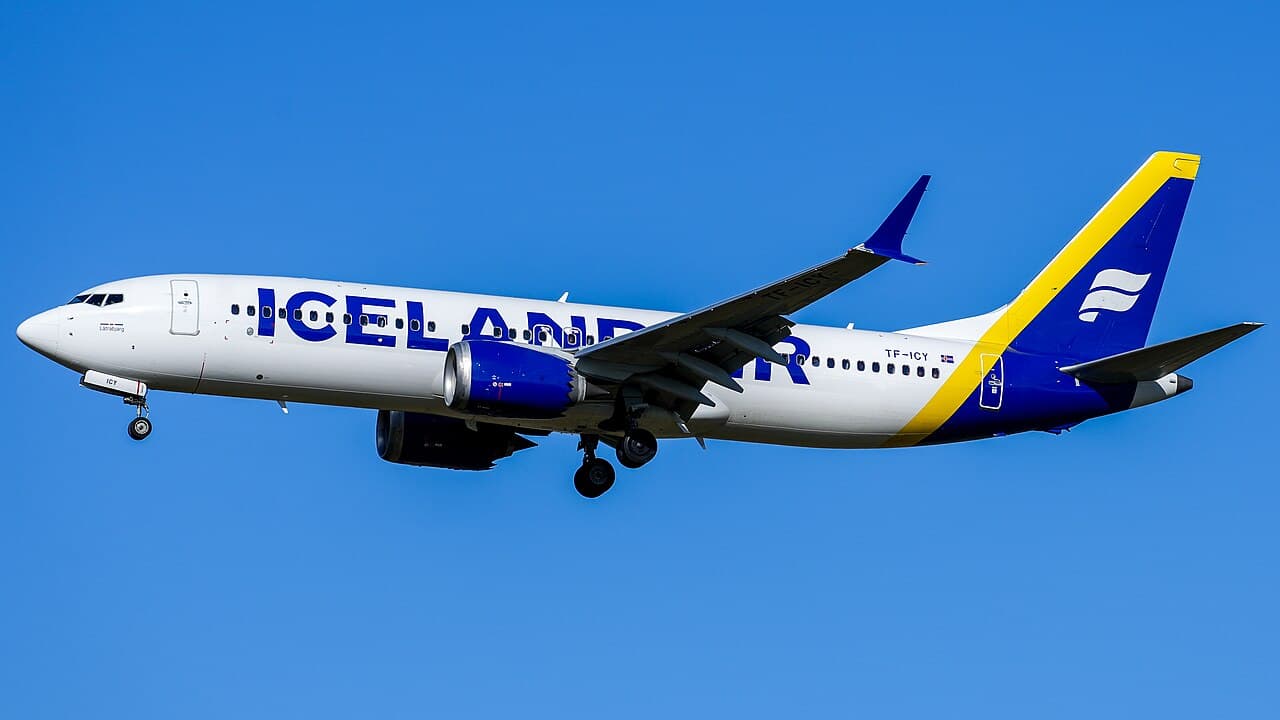
Chinese Lessor Begins Repossession of Four Boeing 737-8 Jets from SpiceJet
A Chinese aircraft lessor has started the process to repossess four Boeing 737-8 jets from Indian low-cost carrier SpiceJet. The move highlights the budget airline’s ongoing financial and operational challenges in a competitive Indian aviation market. ezstandalone.cmd.push(function () { ezstandalone.showAds(119); }); The Directorate General of Civil Aviation (DGCA) published deregistration notices under the Irrevocable Deregistration and Export Request Authorisation (IDERA) framework. Two Dublin-based entities, Sky High LXXVIII Leasing Co. Ltd and Sky High LXXX Leasing Co. Ltd — both linked to ICBC Financial Leasing — filed the applications. The four grounded Boeing 737-8 aircraft are located in Delhi, Hyderabad, and Amritsar. ezstandalone.cmd.push(function () { ezstandalone.showAds(127); }); SpiceJet’s Response and Operational Impact SpiceJet stated that the repossession would not disrupt its current flight operations. The aircraft have remained out of service for an extended period due to widespread industry issues with CFM LEAP-1B engines. The airline noted that deregistration would remove ongoing lease costs for these inactive planes while talks with the lessor and engine manufacturer continue. ezstandalone.cmd.push(function () { ezstandalone.showAds(128); }); This development serves as an early test of India’s improved aircraft repossession rules. Legislative changes in 2024 strengthened protections for lessors, making the IDERA process more efficient for recovering assets after payment defaults. SpiceJet’s Turbulent Journey SpiceJet, one of India’s pioneering low-cost carriers, was co-founded by Ajay Singh in 2005 with a mission to make air travel affordable for millions of Indians. ezstandalone.cmd.push(function () { ezstandalone.showAds(129); }); Singh exited in 2010 but returned in 2015 when the airline faced near-collapse. Under his leadership, SpiceJet achieved multiple profitable quarters and high load factors, establishing itself as a key player in India’s dynamic aviation sector. Photo Credit: Anna Zvereva, CC BY-SA 2.0, via Wikimedia Commons The airline operates a mixed fleet of Boeing 737 variants and Bombardier Q400 turboprops. As of mid-2026, reports indicate SpiceJet’s active fleet has shrunk significantly, with some sources citing around 11 to 21 operational aircraft amid broader challenges. Many aircraft remain grounded, and the carrier has scaled back schedules while focusing on debt resolution and fleet revival. SpiceJet has reported substantial accumulated losses, estimated in thousands of crores, with current liabilities exceeding assets in recent periods. ezstandalone.cmd.push(function () { ezstandalone.showAds(130); }); Despite this, the airline has outlined ambitious recovery plans, targeting a fleet of 55-100 aircraft by late 2026 through inductions, reactivations, and capital infusions from promoters, including Chairman Ajay Singh. Broader Industry Context India’s aviation sector has grown rapidly, but budget carriers face intense pressure from high fuel costs, rupee fluctuations, intense competition from IndiGo and Akasa Air, and maintenance backlogs. SpiceJet’s situation reflects these headwinds, with many aircraft parked due to engine issues affecting the global 737 MAX family. ezstandalone.cmd.push(function () { ezstandalone.showAds(131); }); The repossession case underscores the importance of timely lease payments and strong lessor protections. Successful implementation of the 2024 reforms could boost confidence among international financiers and lessors in the Indian market, potentially easing future aircraft acquisitions for domestic carriers. Looking Ahead SpiceJet continues negotiations to resolve the lease dispute and address engine-related grounding. The airline aims to restore grounded Boeing aircraft and expand capacity for peak seasons. Success depends on securing fresh capital, improving cash flow, and navigating regulatory and supplier discussions effectively. For passengers, SpiceJet remains a familiar low-fare option on domestic and select regional routes. However, frequent schedule changes and reduced capacity have tested customer loyalty in recent times. ezstandalone.cmd.push(function () { ezstandalone.showAds(132); }); This latest development with ICBC-linked lessors adds to the pressure on SpiceJet’s management. As India’s aviation market expands, the airline’s ability to stabilize operations, reduce debt, and grow sustainably will determine its long-term role in the sector. Industry observers will closely monitor how SpiceJet manages this and other creditor issues in the coming months.
EasyJet takeover sparks fleet flexibility debate among European low-cost carriers
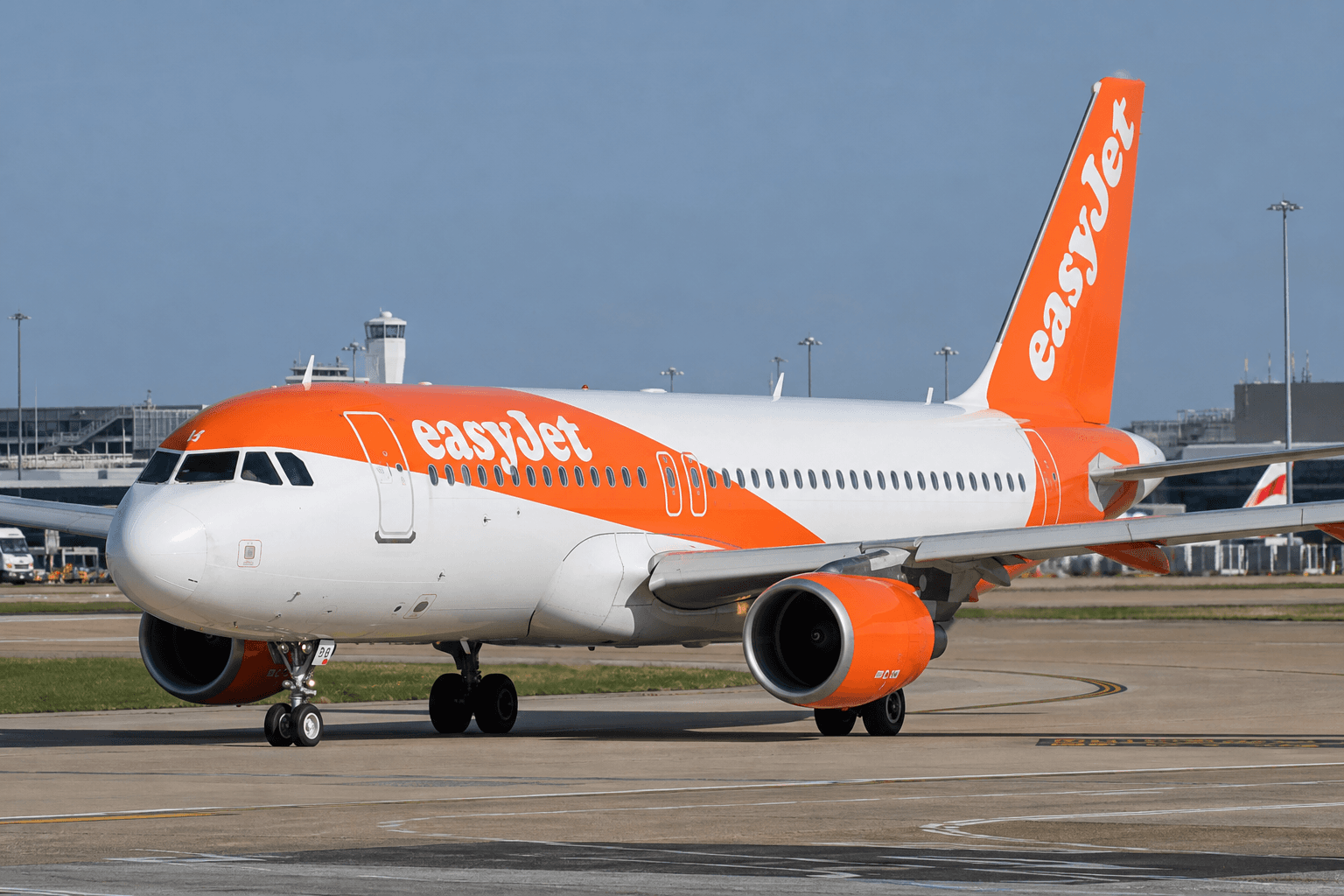
easyJet has been garnering news headlines recently, in the wake of the low-cost carrier gaining the attention of two US companies for a possible takeover. Just as it seemed that Castlelake was crossing the finishing line in acquiring easyJet , a rival offer from US private equity firm Apollo blew the situation wide open . As it stands, Apollo has made what appears to be a superior proposal, but Castlelake still has time to come back with an increased offer. In his latest article for AeroTime, the Founder and Chairman of the Board of Directors of Avia Solutions Group , Gediminas Ziemelis, offers his thoughts on how easyJet could benefit from a more flexible fleet model in the future and why this could be a watershed moment for European LCCs (below). Avia Solutions Group The appeal of easyJet as an acquisition target is rooted in the potential inefficiency of how it and many of its peers own and manage their fleets. ACMI (wet leasing) can be a key vehicle in aiding a future owner's, easyJet's and other European LCCs' search for net profitability. easyJet is currently subject to a possible offer process. No firm offer has yet been announced, and the analysis below reflects an independent ASG scenario rather than any announced intention of easyJet or a potential bidder. By capitalizing on the inherent seasonality of European travel, ASG analysis indicates that, on the assumptions used, the airline could divest 73 of its owned aircraft, potentially generating approximately $2.3 billion in gross disposal proceeds before transaction costs, taxes, debt repayment and other implementation costs. Fundamentally, the headline case is that capital tied up in winter aircraft acts as a drag on return on invested capital. Maintaining a large fleet that easyJet owns and long-term leases year-round, despite significant seasonal drops in demand, is an inefficient use of capital. For example, easyJet's FY25 performance illustrates the classic seasonal nature of the airline industry. During the winter months, the non-peak first half of the fiscal year, the carrier recorded a headline loss before tax of £394 million. However, during the summer peak, it generated an implied profit of £1,059 million between April and September, concluding the full fiscal year with a headline profit before tax of £665 million. Currently, the airline's fleet (as of 31 March 2026, easyJet's total fleet comprised 356 aircraft with 208 owned) implicitly holds enough capacity for peak summer demand, meaning a large portion of its fleet is under-utilized and financially burdensome during the winter. A more efficient strategy would involve rightsizing the permanent fleet to meet only the winter base-case, whilst utilizing short-term wet leasing (ACMI) to cover summer peaks. By trading fixed, long-term capital expenditure for flexible operating costs, the airline could potentially better align its capacity with actual market demand. A rightsizing strategy of this kind could yield a net profit uplift in the region of $250 million, according to ASG analysis – on the assumption that the airline replaces year-round capital depreciation with variable, seasonal expenditure. London Gatwick Airport Fundamentally, using ACMI replaces heavy, idle fixed costs with a flexible operating structure. In short, this strategy trades the cost of maintaining lower-utilization winter capacity for a lean, scalable operation better suited to modern market volatility. Why this could be a watershed moment for European LCCs Thirty-one years after being launched, easyJet's current possible offer process could spur another revolution in the European airline market. This time it will be on how fleets are owned/managed, rather than lower fares. If a future owner, or easyJet itself, were to unlock capital by adjusting/selling off the fleet/orderbook, it could force a wider debate across the sector. There is currently no public indication that easyJet or any potential bidder has decided to implement the specific ACMI strategy described in this article. Rivals sticking with high capital expenditure and long-term, peak-ready fleets may face more shareholder scrutiny over costs required to maintain assets year-round that often sit idle during winter. This is particularly true against the backdrop of Europe's aviation market increased seasonality. Transitioning toward fleet management with ACMI (Aircraft, Crew, Maintenance, and Insurance) or wet leasing as a core strategy allows airlines to trade fixed capital expenditure for operating expenditure. This may mitigate the winter weakness historically seen on European airline balance sheets. Furthermore, it offers the agility to scale capacity flexibly without assuming the multi-year risk of aircraft acquisition or long-term leases. The most competitive European low-cost carriers of the future, particularly those that remain in the public markets, will likely be those that manage their fleets as portfolios of risk/seasonality rather than long term Capex. RELATED easyJet takeover thrown wide open by rival $7.6 billion US offer
Air France-KLM and Lufthansa submit binding bids for minority stake in TAP Air Portugal
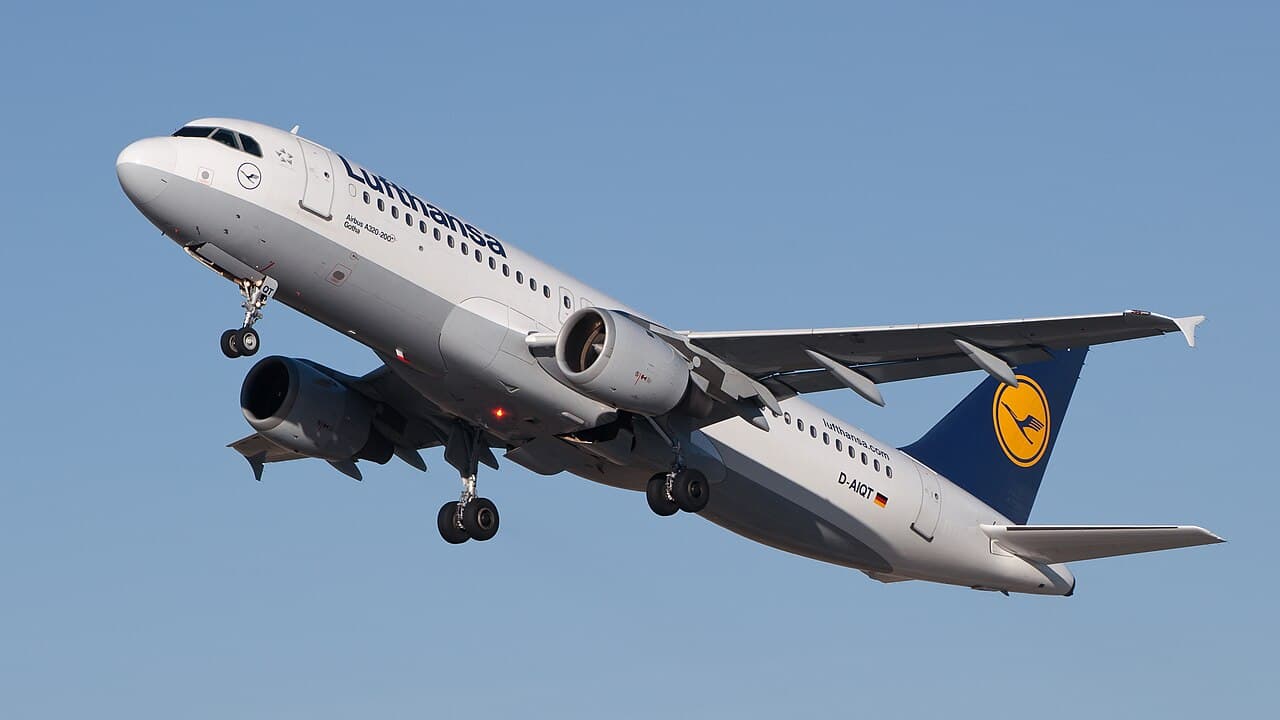
Both Air France-KLM Group and Lufthansa Group have now submitted binding offers to acquire a minority stake in TAP Air Portugal following on from their non-binding bids in April 2026. On July 29, 2026, Air France-KLM was first out of the starting blocks confirming that its offer was for a 44.9% to 49.9% stake in TAP Air Portugal . Later, Lufthansa showed its cards and announced that it too had submitted a bid for a minority stake in the Portuguese airline. In its statement, Air France-KLM stated that it had a "comprehensive strategic plan to strengthen TAP, with detailed projections of job and value creation throughout Portugal". If selected, Air France-KLM said it would "position Lisbon as its unique Southern European hub" and partner Delta Air Lines, which publicly supports the bid, said if successful the US carrier "would promptly commence negotiations with TAP on a strategic commercial agreement involving". KLM Air France-KLM also emphasized plans to develop new Maintenance, Repair and Overhaul (MRO) activities in Portugal, generate highly skilled jobs and increase Portuguese connectivity. Lufthansa said that its offer " goes beyond a financial investment" with the carrier having "been active in Portugal for more than 70 years". The company employs over 500 skilled professionals in the country and with its new Lufthansa Technik facility in Santa Maria da Feira that figure is expected to rise to 1,000 by 2030. The German firm added that it is "presenting an offer that combines strategic, industrial, social, and financial aspects". Lufthansa also argued that it has already successfully developed national airlines such as SWISS, Austrian Airlines, Brussels Airlines, and most recently ITA Airways. What are the next steps in the process? TAP Air Portugal is owned wholly by the Portuguese state with the country's investment company, Parpública managing the bidding process. On July 29, 2026, Parpública set out the next steps that will be undertaken following the binding offers being received from Air France-KLM and Lufthansa. Parpública confirmed that it received two binding bids from the two parties invited to do so following the completion of the second stage of the process. Ian Dewar Photography / Shutterstock.com In a statement, Parpública said it will now prepare a report that provides a detailed description of the proposals received. The report will be submitted to the members of the government responsible for finance and air transport within 30 days. That deadline can be suspended if clarification is needed from either of the bidders regarding their proposals. What happens next is based on 'Article Four' of the Resolution of the Council of Ministers No. 141-B/2025, published on September 29, 2026. Under the article, Air France-KLM and Lufthansa will be issued draft agreements to sign if they ultimately win the bidding contest. The two companies will take part in sessions to discuss their bids and provided with equal opportunities for discussions. Air France Parpública may refuse interactions if they are not genuinely intended to help with the purposes of the process. Any exchanges between Parpública and the bidders during the information gathering phase can be formally documented, and form part of the final offers. Air France-KLM and Lufthansa are allowed to conduct due diligence by meeting TAP's management and visiting the airline's operations. Any information shared must remain confidential. The Portuguese government is selling a 44.9% stake in TAP, with an additional 5% earmarked for employees. What Benjamin Smith, CEO of Air France-KLM Group, said Smith said that over the past three years "our teams have worked closely with Portuguese stakeholders to come up with our strongest proposal for TAP". "What we have submitted today is not just the proposed price for an airline. It is a strategic, extensive, and comprehensive long-term plan for TAP and for Portugal as a whole. It is also a vision of where we would like to take this esteemed flag carrier, expanding on the legacy of what has been built by TAP's talented people over the past 81 years," Smith explained. The CEO said he was pleased to "count on the support and alignment" of its long-term partner Delta Air Lines and its leader Ed Basitian. Smith added: "Our overarching goal to ensure long-term growth for TAP, not only in Lisbon but also in Porto and other cities in Portugal, and to do so sustainably, as part of a robust and international group determined to bring value to its airlines' home countries. Through this offer, Air France-KLM reaffirms its commitment to create a European global aviation champion, actively supporting European sovereignty." What Carsten Spohr, CEO of Lufthansa Group, said In his statement, Spohr said that the Lufthansa Group "stands for a long-standing, trusted, and strategic partnership with Portugal". "For decades, we have been investing in Portugal, creating and securing skilled jobs, and connecting the country with Europe. Our interest in taking a stake in our Star Alliance partner TAP Air Portugal is the next logical step. We want to strengthen Portugal's national airline as part of the Lufthansa Group and as the leading airline for the South Atlantic, with Lisbon as a strategic hub," Spohr explained. He added: "With SWISS, Austrian Airlines, Brussels Airlines, and ITA Airways, we have demonstrated how the European integration of our Lufthansa Group secures prospects and growth for our home markets and hubs." RELATED ANA increases Embraer order to include eight additional E190-E2 aircraft
American Airlines Legend Azriel Blackman Dies at 100 After 80-Year Mechanic Career
The aviation industry is mourning the loss of one of its most remarkable figures after American Airlines mechanic Azriel "Al" Blackman passed away at the age of 100. His life defined aviation maintenance for the whole airline. According to announcements shared by American Airlines and members of the aircraft maintenance community on social media , Blackman died on the evening of Friday, July 24, bringing to a close an extraordinary career that spanned more than 80 years.
The Daily Touch & Go
The day's best aviation news in your inbox. Free, no spam.