

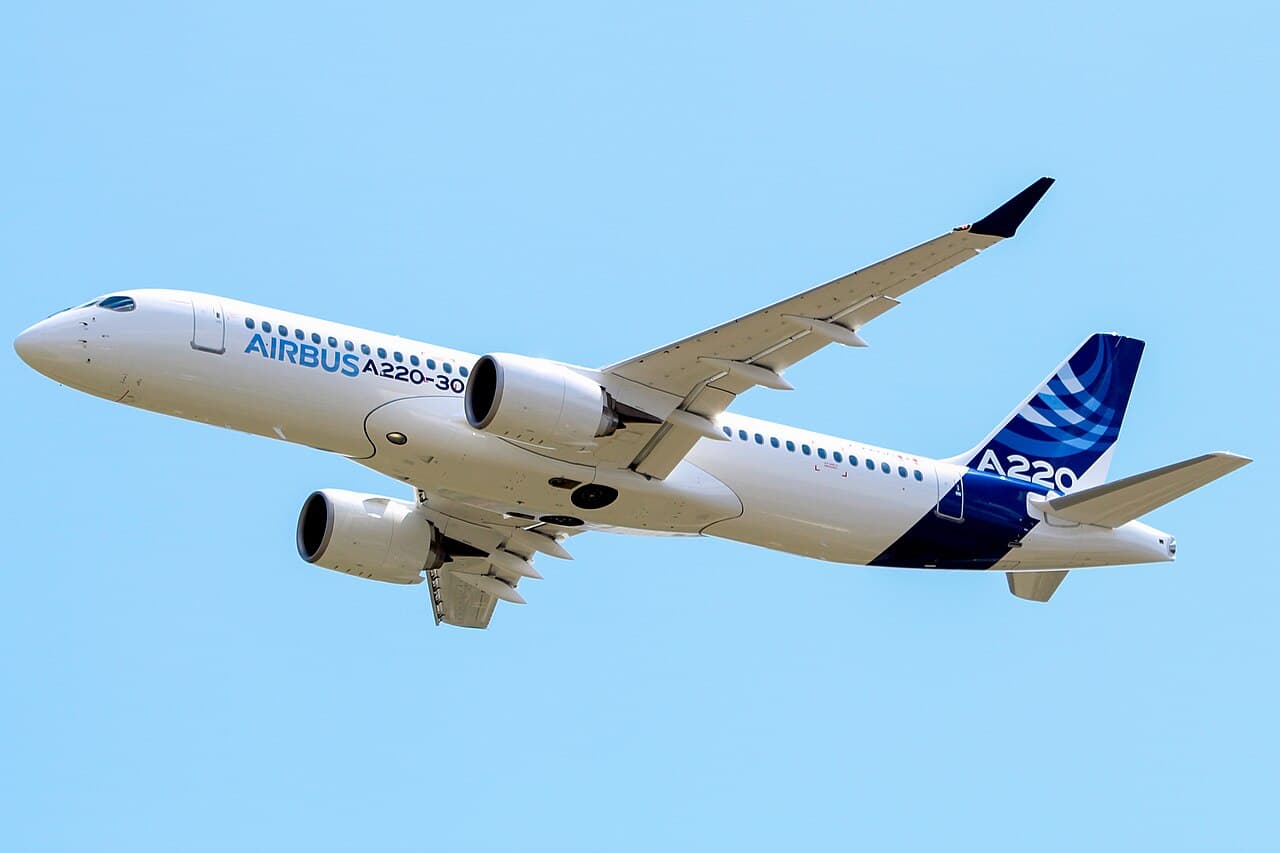
Image: Romain COUPY · CC BY-SA 4.0 · via Wikimedia Commons
Croatia Airlines sees losses soar to €50 million amid fleet transition and fuel cost pressures
Croatia Airlines reported a near tripling of net losses in H1 2026 driven by rising fuel prices, adverse exchange rates and costs from shifting to A220 aircraft.
The gist
Croatia Airlines’ H1 2026 losses soar nearly threefold as fuel, currency, and fleet renewal costs bite hard.
Croatia Airlines has reported a significant worsening of its financial performance in the first half of 2026, with net losses nearly tripling to approximately €50 million. The airline’s operating loss reached €36.8 million, marking a 73% deterioration compared to the previous six months. These figures reflect mounting pressures on the carrier as it navigates soaring fuel costs, unfavorable currency exchange rates, and the complex process of modernizing its fleet.
Passenger numbers for Croatia Airlines increased by more than 20% through the first five months of the year, indicating strong demand growth prior to a dip in June. Despite this uptick in traffic, the carrier's revenue gains were offset by a substantial increase in fuel expenses. Rising fuel prices have significantly eroded profitability, underscoring ongoing global volatility in energy markets that continues to challenge airlines worldwide.
Adding to these operational hurdles, Croatia Airlines experienced a €16 million rise in net financing costs, primarily due to adverse foreign exchange movements. The currency impact has strained the airline's financial position as it manages increased debt servicing costs amid an environment of economic uncertainty. Such financial burdens complicate efforts to stabilize earnings during a transformative period for the carrier.
Central to Croatia Airlines’ current challenges is its ongoing fleet transition program, which involves phasing out older aircraft and expanding the Airbus A220 fleet. The airline plans to operate 15 A220s by the end of 2026, with seven new deliveries scheduled for this year. However, managing a mixed fleet during this renewal phase has proven difficult, involving simultaneous operation of three different aircraft types, which complicates resource allocation and operational coordination across departments.
The carrier continues to retire aging aircraft, targeting the withdrawal of two De Havilland Dash 8 Q400 turboprops and two Airbus narrowbodies (an A319 and A320) over the course of 2026. Last year, it had already returned two Dash 8s and an A320 to their lessors, with the process extending into the current fiscal period. These retirements are further complicated by limited maintenance capacity and parts shortages, delaying the return of some leased aircraft and continuing to incur lease costs beyond their in-service dates.
This complex fleet management situation places additional strain on Croatia Airlines’ technical teams, who must prepare aircraft carefully for retirement while maintaining operational reliability. The company acknowledges that such a diverse fleet structure demands precision in planning and heightened coordination among organizational units, increasing operational complexity during an already critical strategic renewal project.
Croatia Airlines describes this fleet renewal as the largest strategic step in its history, viewing it as essential for the company’s long-term sustainable growth. Modernizing its aircraft lineup to the more fuel-efficient Airbus A220 represents a key component in improving future cost competitiveness and environmental performance. Yet, the ongoing transition period is exacting a heavy short-term financial toll, challenging the carrier's resilience as it upgrades.
Compounding these pressures, one of Croatia Airlines’ A220s was involved in a runway excursion incident in May, causing aircraft damage and adding to operational challenges during a demanding period. The airline also began leasing an ATR 72 earlier this year to maintain its scheduled flight operations amidst fleet changes, illustrating its efforts to stabilize service continuity.
At mid-year, Croatia Airlines’ operational fleet consisted of 15 aircraft: nine Airbus A220s, four A319s, and two Dash 8 Q400s. The protracted transition towards a homogenous, modern fleet will continue to shape the airline’s operational and financial landscape through the remainder of 2026, as it balances the immediate costs of renewal against the anticipated long-term benefits.
Frequently asked questions
- What caused Croatia Airlines’ losses to increase in the first half of 2026?
- Their losses increased mainly due to higher fuel prices, adverse currency exchange rates causing a €16 million rise in net financing costs, and elevated costs linked to their fleet transition to Airbus A220 aircraft.
- How is Croatia Airlines managing its fleet transition?
- Croatia Airlines is retiring older aircraft such as Dash 8 Q400s and Airbus A319/A320s while introducing Airbus A220s, aiming for 15 A220s by year's end; this mixed fleet operation adds complexity and maintenance challenges.
- What operational challenges is Croatia Airlines facing during its fleet renewal?
- The airline is balancing operations with three aircraft types, which demands precise planning and coordination, faces maintenance constraints delaying leased aircraft returns, and suffered an A220 runway excursion in May.
Read more
All MRO/Maintenance →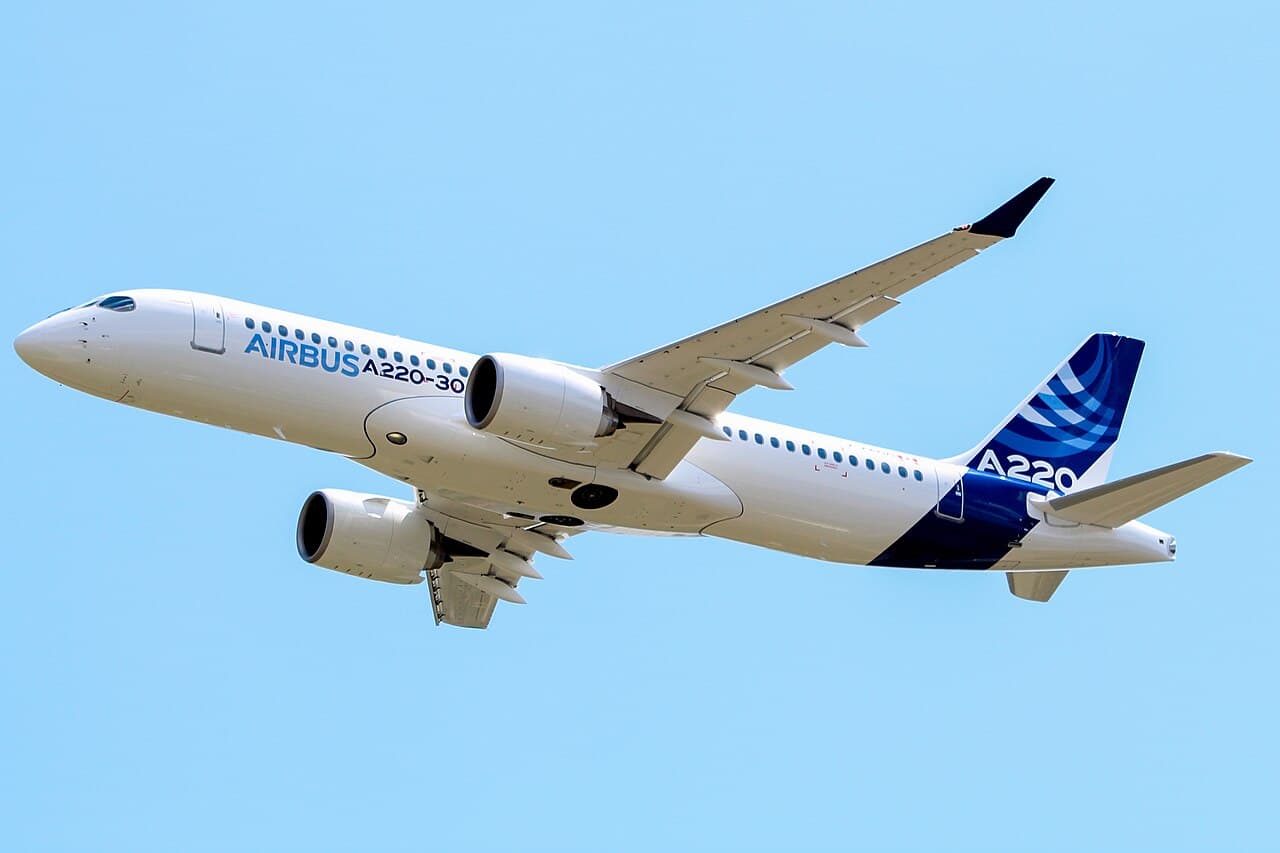
airBaltic Reports Record Passenger Numbers and Fleet Growth in First Half of 2026
Latvian national carrier airBaltic continues to demonstrate solid operational momentum, carrying 509,700 passengers across its network in June 2026. This figure marks a 2% increase compared to the same month in 2025. ezstandalone.cmd.push(function () { ezstandalone.showAds(119); }); The airline also operated 4,535 flights during the period, reflecting a healthy 6.2% year-on-year rise. Despite the passenger growth, the load factor for June stood at 81.9%, a 2.2 percentage point decline from the previous year. ezstandalone.cmd.push(function () { ezstandalone.showAds(127); }); This dip primarily resulted from expanded capacity, as the airline deployed more flights and seats to meet anticipated demand and strengthen its network. Record First-Half Performance The positive trend extended across the first six months of 2026. airBaltic transported a total of 2,454,900 passengers, achieving a 3.9% increase over the same period in 2025. ezstandalone.cmd.push(function () { ezstandalone.showAds(128); }); This represents the highest passenger volume ever recorded for the January-to-June timeframe. In parallel, the airline conducted 23,634 flights, up 5% year-on-year. These results highlight airBaltic’s successful recovery and expansion efforts. The airline has benefited significantly from improved fleet availability. ezstandalone.cmd.push(function () { ezstandalone.showAds(129); }); After resolving previous Pratt & Whitney engine-related challenges that grounded aircraft in prior periods, airBaltic now operates its full fleet of Airbus A220-300 jets without major limitations. This has enabled greater operational stability, higher capacity (measured in available seat kilometres), and the ability to run more reliable schedules. By mid-2026, the fleet has grown to around 55 A220-300 aircraft, supporting both scheduled network operations and ACMI (Aircraft, Crew, Maintenance, and Insurance) activities. The modern, fuel-efficient A220 fleet contributes to better cost management and an enhanced passenger experience, known for its comfort, quiet cabin, and large windows. ezstandalone.cmd.push(function () { ezstandalone.showAds(130); }); Photo Credit: airBaltic Expanding Connectivity and Customer Focus airBaltic plays a vital role in connecting the Baltic States (Latvia, Estonia, and Lithuania) to more than 80 destinations across Europe, the Middle East, North Africa, and the Caucasus region. Its extensive network makes travel more accessible and convenient for leisure and business passengers alike. Recent initiatives underscore this commitment. The airline has extended several routes into the winter season, such as Tallinn–Vienna and Vilnius–Berlin, turning them into year-round connections. It is also adding new routes for the 2026/2027 winter period, including services from holiday destinations like Gran Canaria and Tenerife to various European cities. ezstandalone.cmd.push(function () { ezstandalone.showAds(131); }); Customer satisfaction remains high. In its latest survey, airBaltic achieved a 97% overall satisfaction rate and saw its Net Promoter Score rise to +36. Strong scores for crew professionalism, onboard comfort, and service quality reflect the airline’s focus on delivering a premium experience even in a competitive market. Supporting Regional Growth As a key economic driver, airBaltic facilitates tourism, business travel, and trade links that boost the broader Baltic economy. Its operations create jobs, stimulate inbound tourism, and provide essential connectivity for the region’s residents and visitors. ezstandalone.cmd.push(function () { ezstandalone.showAds(132); }); While the aviation industry faces challenges such as fluctuating fuel prices and economic pressures, airBaltic’s traffic figures for mid-2026 signal resilience. With full fleet utilization, network expansion, and a customer-centric approach, the airline is well-positioned to build on this momentum in the coming months.
IndiGo suspends London Heathrow and shifts Amsterdam to A321XLR as it awaits Airbus A350 widebodies
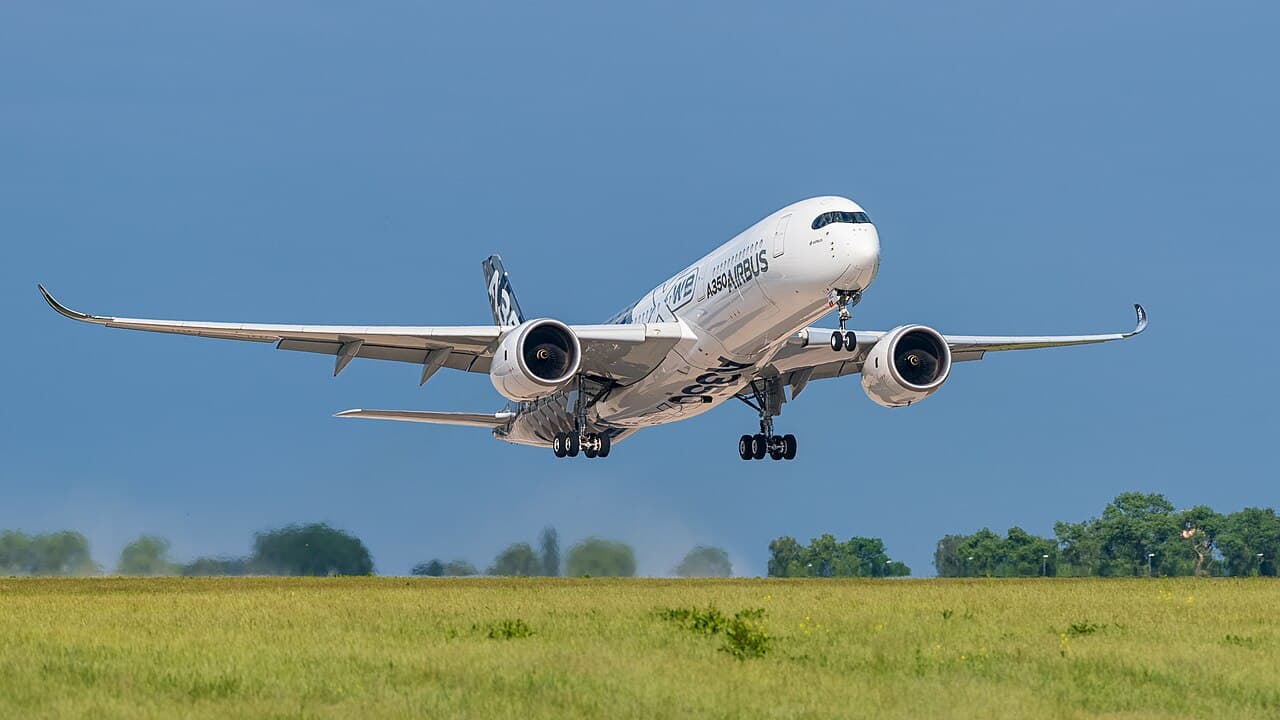
Indian carrier suspends London route while switching Amsterdam service to A321XLRs. Indian carrier IndiGo will axe its London Heathrow service until its first Airbus A350-900s arrive, following the decision to terminate its Boeing 787 damp-lease with Norse Atlantic. The end of the damp-lease agreement means all IndiGo widebody operations will cease from 25 October. IndiGo says it will deploy Airbus A321XLRs on the Mumbai-Amsterdam route instead. The carrier adds that it will "temporarily discontinue" its Heathrow service until it receives A350s. IndiGo has 60 of the widebody twinjet type on order and, at the time of the agreements, expected its first to arrive in 2027. The carrier says it entered the Norse damp-lease arrangement, initially covering six 787-9s, to gain "fast-track learning" and "establish brand presence" before the introduction of A350s. "This enabled IndiGo to commence services to markets in the UK and Europe, while accelerating the development of the operational capabilities, commercial expertise and customer insights required to support its future widebody ambitions," it adds. As a result of the damp-lease arrangement, it says, the airline has been able to build "critical competencies" in long-haul network planning, crew operations, maintenance, and other areas. But it says the operating environment – particularly in regard to airspace closures and fuel prices – has "changed considerably" and led to a "significant escalation" in costs. It had already opted to return one of the six 787s to Norse. "Volatility across aviation markets has reduced industry-wide risk appetite – prompting a comprehensive review of the project and evaluation of possible alternative solutions," it adds. IndiGo senior vice-president for planning Abhijit Dasgupta says the situation necessitates a "prudent deployment" of resources in the short term, even as the carrier maintains its long-term objectives. "This [damp-lease] project was never solely about serving specific routes but laying the foundation for our long-haul operations in future," he adds. "As we enter the next phase of our growth, we remain firmly committed to expanding our global footprint across key mid- and long-haul markets."
Japan Airlines A350-1000 Returns to Flight After Seven-Month Repair Post-JFK Collision
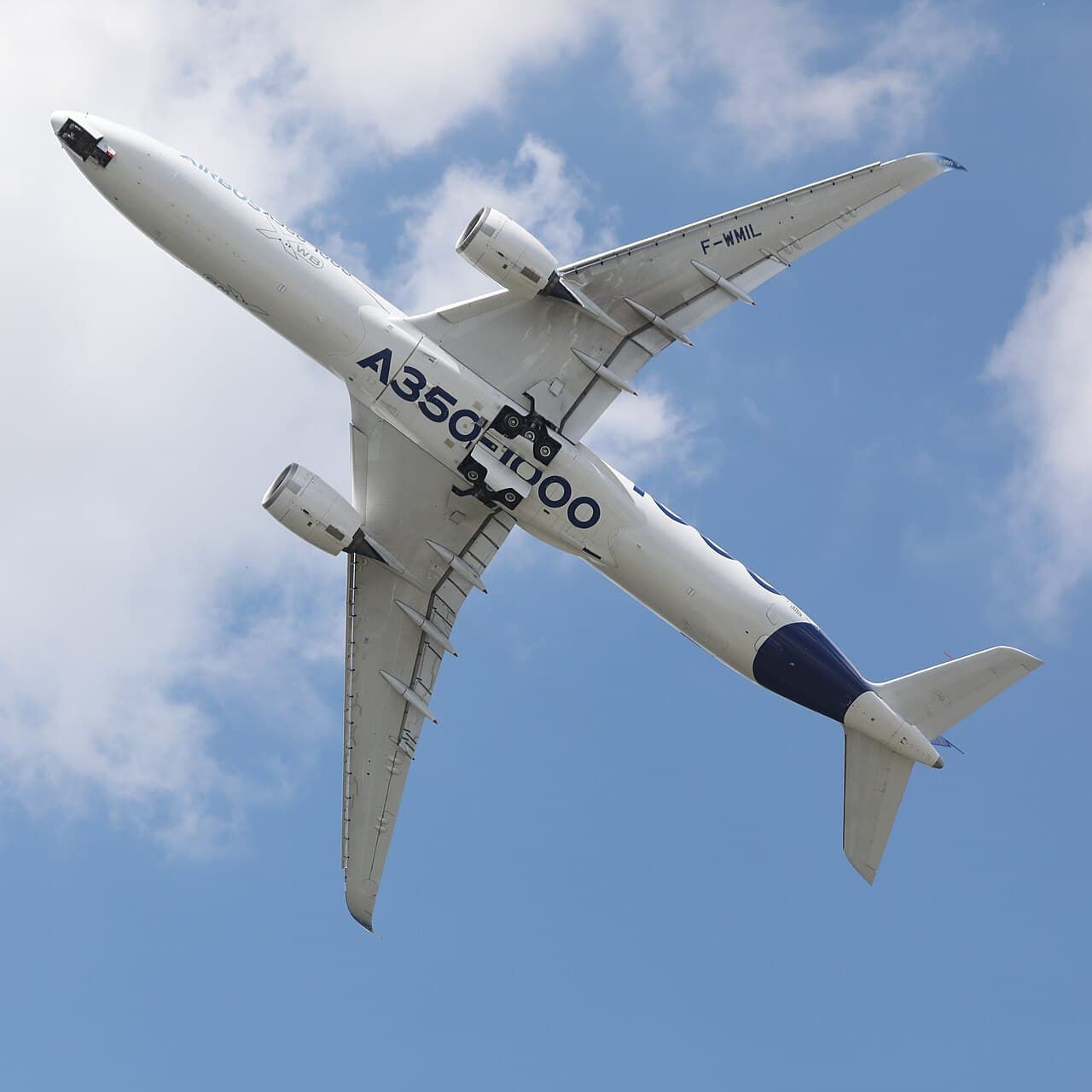
An Airbus A350-1000 from Japan Airlines (JAL) has taken to the skies for the first time in more than seven months after being damaged in a ground collision at New York JFK Airport (JFK). The aircraft, registered JA10WJ , operated a test flight from JFK on July 29 before returning to the airport approximately three hours and 43 minutes later.
Air France-KLM and Lufthansa submit binding bids for minority stake in TAP Air Portugal
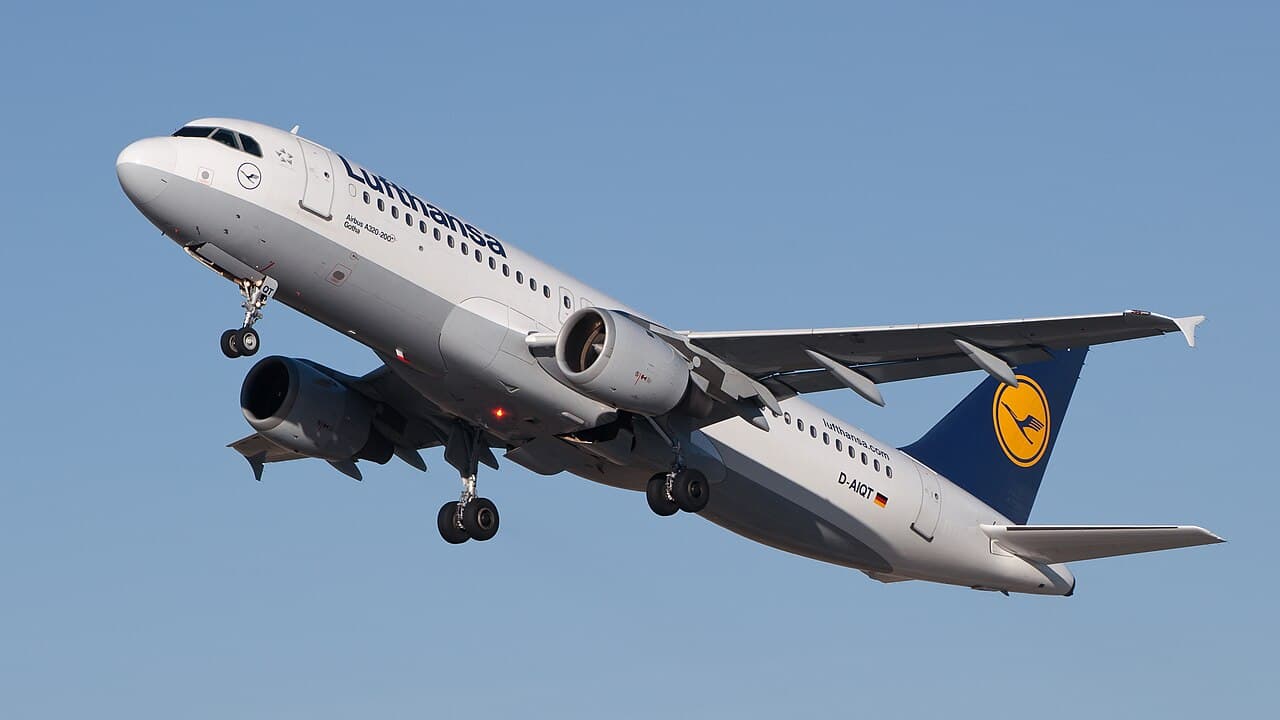
Both Air France-KLM Group and Lufthansa Group have now submitted binding offers to acquire a minority stake in TAP Air Portugal following on from their non-binding bids in April 2026. On July 29, 2026, Air France-KLM was first out of the starting blocks confirming that its offer was for a 44.9% to 49.9% stake in TAP Air Portugal . Later, Lufthansa showed its cards and announced that it too had submitted a bid for a minority stake in the Portuguese airline. In its statement, Air France-KLM stated that it had a "comprehensive strategic plan to strengthen TAP, with detailed projections of job and value creation throughout Portugal". If selected, Air France-KLM said it would "position Lisbon as its unique Southern European hub" and partner Delta Air Lines, which publicly supports the bid, said if successful the US carrier "would promptly commence negotiations with TAP on a strategic commercial agreement involving". KLM Air France-KLM also emphasized plans to develop new Maintenance, Repair and Overhaul (MRO) activities in Portugal, generate highly skilled jobs and increase Portuguese connectivity. Lufthansa said that its offer " goes beyond a financial investment" with the carrier having "been active in Portugal for more than 70 years". The company employs over 500 skilled professionals in the country and with its new Lufthansa Technik facility in Santa Maria da Feira that figure is expected to rise to 1,000 by 2030. The German firm added that it is "presenting an offer that combines strategic, industrial, social, and financial aspects". Lufthansa also argued that it has already successfully developed national airlines such as SWISS, Austrian Airlines, Brussels Airlines, and most recently ITA Airways. What are the next steps in the process? TAP Air Portugal is owned wholly by the Portuguese state with the country's investment company, Parpública managing the bidding process. On July 29, 2026, Parpública set out the next steps that will be undertaken following the binding offers being received from Air France-KLM and Lufthansa. Parpública confirmed that it received two binding bids from the two parties invited to do so following the completion of the second stage of the process. Ian Dewar Photography / Shutterstock.com In a statement, Parpública said it will now prepare a report that provides a detailed description of the proposals received. The report will be submitted to the members of the government responsible for finance and air transport within 30 days. That deadline can be suspended if clarification is needed from either of the bidders regarding their proposals. What happens next is based on 'Article Four' of the Resolution of the Council of Ministers No. 141-B/2025, published on September 29, 2026. Under the article, Air France-KLM and Lufthansa will be issued draft agreements to sign if they ultimately win the bidding contest. The two companies will take part in sessions to discuss their bids and provided with equal opportunities for discussions. Air France Parpública may refuse interactions if they are not genuinely intended to help with the purposes of the process. Any exchanges between Parpública and the bidders during the information gathering phase can be formally documented, and form part of the final offers. Air France-KLM and Lufthansa are allowed to conduct due diligence by meeting TAP's management and visiting the airline's operations. Any information shared must remain confidential. The Portuguese government is selling a 44.9% stake in TAP, with an additional 5% earmarked for employees. What Benjamin Smith, CEO of Air France-KLM Group, said Smith said that over the past three years "our teams have worked closely with Portuguese stakeholders to come up with our strongest proposal for TAP". "What we have submitted today is not just the proposed price for an airline. It is a strategic, extensive, and comprehensive long-term plan for TAP and for Portugal as a whole. It is also a vision of where we would like to take this esteemed flag carrier, expanding on the legacy of what has been built by TAP's talented people over the past 81 years," Smith explained. The CEO said he was pleased to "count on the support and alignment" of its long-term partner Delta Air Lines and its leader Ed Basitian. Smith added: "Our overarching goal to ensure long-term growth for TAP, not only in Lisbon but also in Porto and other cities in Portugal, and to do so sustainably, as part of a robust and international group determined to bring value to its airlines' home countries. Through this offer, Air France-KLM reaffirms its commitment to create a European global aviation champion, actively supporting European sovereignty." What Carsten Spohr, CEO of Lufthansa Group, said In his statement, Spohr said that the Lufthansa Group "stands for a long-standing, trusted, and strategic partnership with Portugal". "For decades, we have been investing in Portugal, creating and securing skilled jobs, and connecting the country with Europe. Our interest in taking a stake in our Star Alliance partner TAP Air Portugal is the next logical step. We want to strengthen Portugal's national airline as part of the Lufthansa Group and as the leading airline for the South Atlantic, with Lisbon as a strategic hub," Spohr explained. He added: "With SWISS, Austrian Airlines, Brussels Airlines, and ITA Airways, we have demonstrated how the European integration of our Lufthansa Group secures prospects and growth for our home markets and hubs." RELATED ANA increases Embraer order to include eight additional E190-E2 aircraft
The Daily Touch & Go
The day's best aviation news in your inbox. Free, no spam.