

Illustration: The Touch & Go
Vietjet Seeks Approval to Launch Domestic Australian Airline with Boeing 737 Fleet
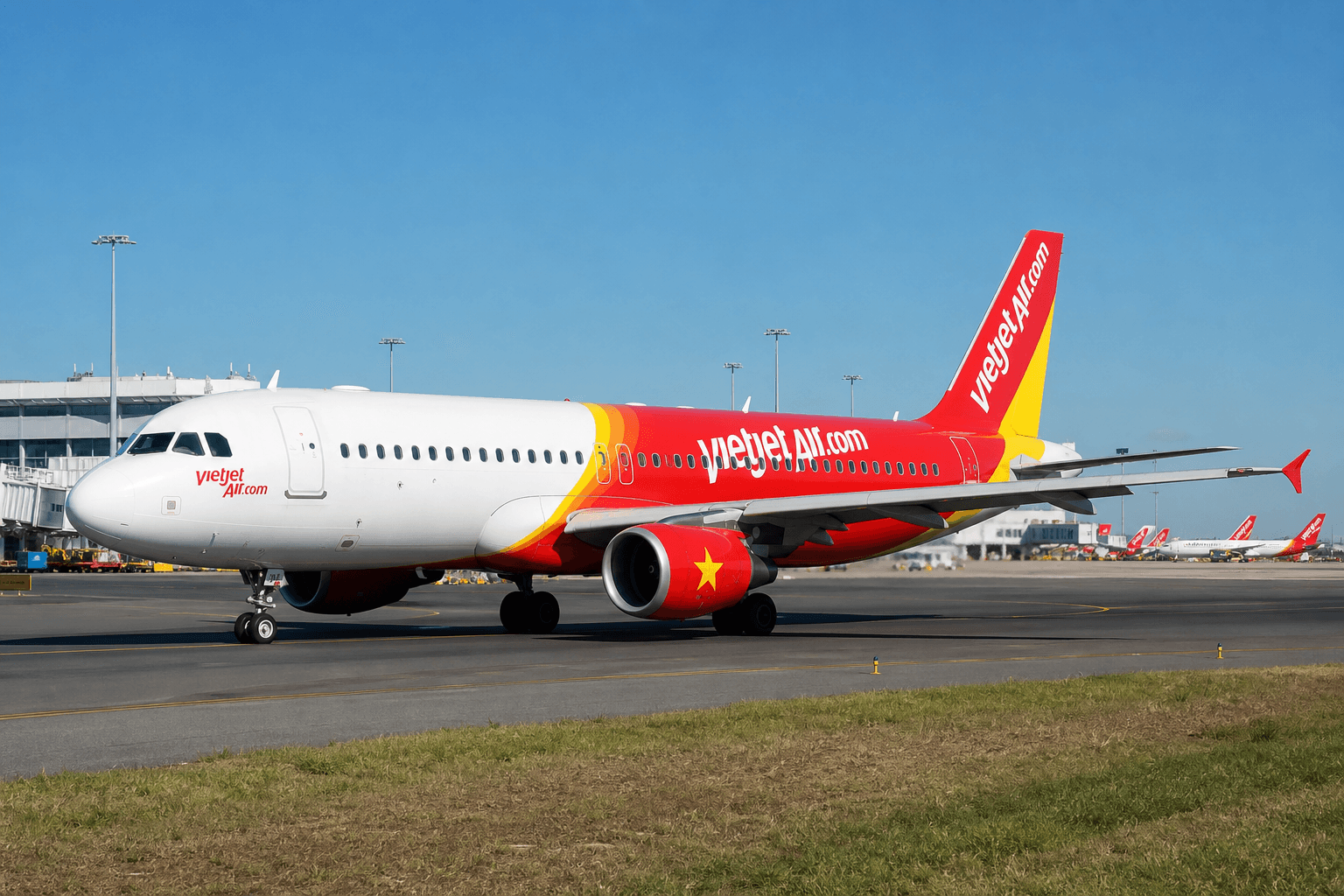
Vietnamese low-cost carrier Vietjet has applied for an Australian air operator certificate aiming to operate 10 Boeing 737s on major city routes under a new brand.
The gist
Vietjet aims to become the first foreign airline in over a decade to fly domestic Australian routes with a new locally based operation.
Vietjet Air, the Vietnamese low-cost carrier, is pursuing regulatory clearance to establish a domestic airline subsidiary in Australia, marking the first international airline effort to directly compete on Australian domestic routes in more than ten years. The carrier has submitted an application to the Civil Aviation Safety Authority (CASA) for an air operator certificate, signaling a strategic expansion into one of the world’s busiest domestic markets. This move follows reports that Vietjet intends to operate a fleet of 10 Boeing 737 aircraft within Australia under a distinct brand separate from its international services.
The core routes proposed by Vietjet’s Australian subsidiary focus on the trunk corridors connecting Sydney, Melbourne, and Brisbane, collectively known as the Australian Golden Triangle. These city pairs are among the highest-demand domestic air routes globally, with the Sydney-Melbourne sector ranking as the sixth busiest worldwide. Securing takeoff and landing slots at Sydney Kingsford Smith Airport is critical, and the Australian government has confirmed receipt of an application requesting a total of 2,252 slots, widely attributed to Vietjet by local media outlets.
The Australian domestic market represents a challenging environment for new entrants, especially low-cost carriers. Several recent examples illustrate these difficulties: Tiger Airways Australia, once affiliated with Singapore Airlines, was merged into Virgin Australia before ceasing operations in 2020. Bonza, a low-cost domestic startup, rapidly expanded but collapsed in 2024 amid financial pressures. Rex Airlines also faced insolvency issues before acquisition by US-based AirT. These precedents underscore the competitive pressures and operational risks within Australia’s domestic aviation sector.
Despite these hurdles, Vietjet has steadily grown since its founding as Vietnam’s first private airline in 2011. The carrier maintains a robust presence with a current fleet of 135 aircraft—101 stationed in Vietnam—and operates subsidiaries in multiple countries including Thailand and Kazakhstan. Its fleet renewal and expansion plans include orders for 100 Airbus A321neos and additional Airbus A330neos, reflecting a strategic emphasis on network growth and modernized aircraft.
Financially, Vietjet has demonstrated strong performance, posting AU$4.4 billion (US$3.3 billion) in revenue during 2025 and achieving a 51% increase in pre-tax profits. The airline already operates multiple international routes between Australia and Vietnam, including daily return flights connecting Sydney and Melbourne with Ho Chi Minh City, plus services from Brisbane and Perth. These existing operations provide a foundation for extending its footprint into the domestic Australian market.
If CASA grants the requested air operator certificate, Vietjet would become the first foreign carrier to compete directly in Australian domestic aviation since Tiger Airways launched its services in 2007. This would significantly intensify competition on heavily trafficked routes, potentially impacting incumbent carriers like Qantas and Virgin Australia, who share dominance over these city pairs. Vietjet’s introduction of Boeing 737 aircraft—well suited to short-haul and medium-haul flights—aligns with operational norms of these domestic routes.
The strategic timing of Vietjet’s entry comes shortly after notable market changes, such as Rex Airlines withdrawing from some city routes in mid-2024, an event that contributed to a 13.3% rise in average fares between major Australian cities by late 2024 according to the Australian Competition and Consumer Commission. Vietjet’s presence could therefore offer travelers increased competition and fare options on routes that have experienced limited carrier diversity in recent years.
Vietjet’s entry into Australia’s domestic sphere represents a substantial test for the carrier’s low-cost model outside its traditional Southeast Asian base. Approval by Australian aviation regulators will involve scrutiny of the airline’s operational readiness, safety compliance, and local incorporation requirements. Should the venture progress, it will mark a notable shift in the Australian domestic market landscape not seen since the last international competitor’s exit over a decade ago.
Read more
All Regulatory →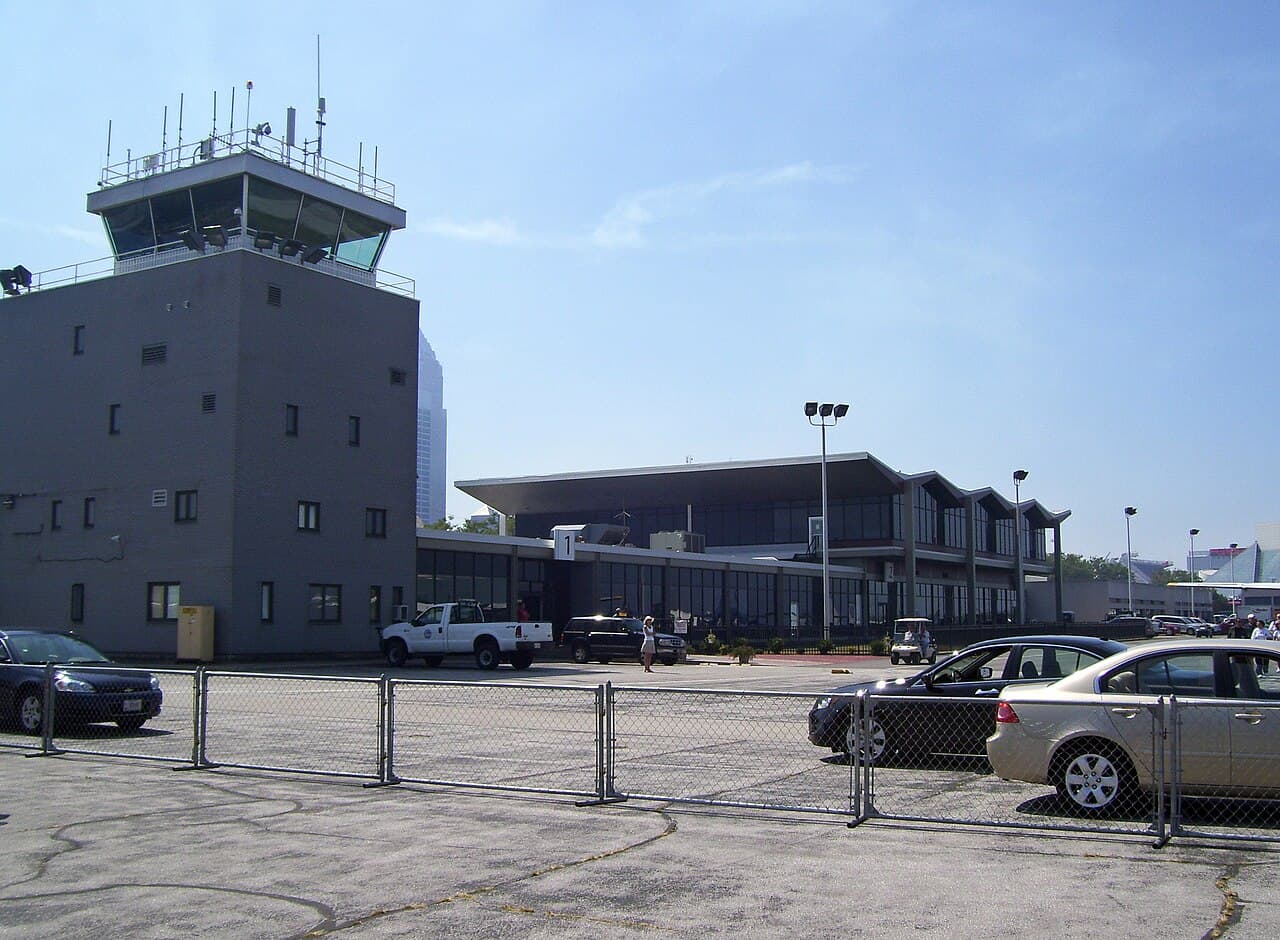
FAA and Ohio Senators Firmly Oppose Closure of Burke Lakefront Airport
Contact: Dan Hubbard, 202-431-5970, dhubbard@nbaa.org Washington, DC, Aug. 15, 2026 –  The National Business Aviation Association (NBAA) applauds the Federal Aviation Administration (FAA) and Ohio's U.S. senators for … Continued
Pilatus inaugurates $123M Schwarzhorn composite manufacturing center in Nidwalden
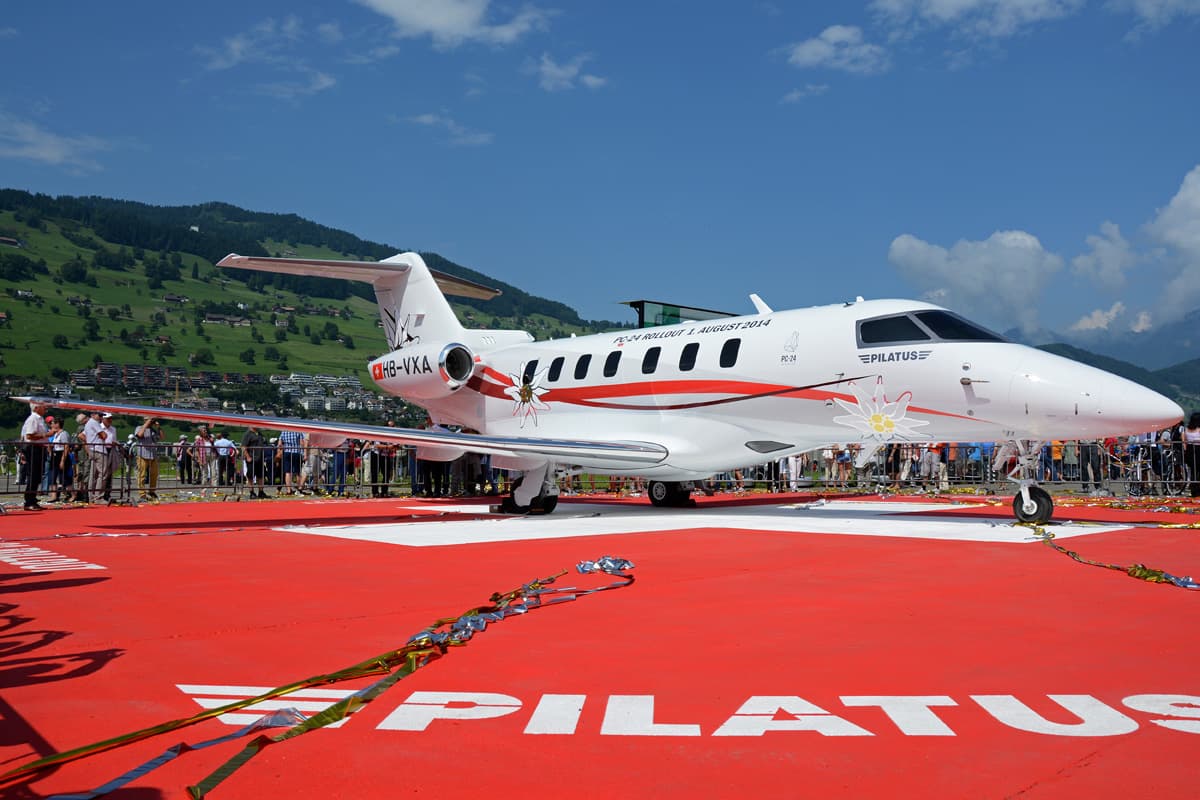
Pilatus has opened a new CHF 100 million ($123 million) composite manufacturing center in Switzerland as it prepares to expand the use of the lighter-weight materials in future aircraft. The new "Schwarzhorn" building in the Swiss canton of Nidwalden brings Pilatus' composite development and production operations together under one roof for the first time. The facility provides workspaces for about 300 employees. Pilatus CEO Markus Bucher said the project represents the company's largest investment in a single new facility to date. Pilatus has used fiber-reinforced composite materials for more than 40 years, although their use was traditionally limited to non-load-bearing parts such as covers and cowlings. That changed with the PC-24 twinjet, which uses composites in primary structures including load-bearing control surfaces. The lighter structures help reduce aircraft weight and fuel consumption, and Pilatus said it plans to increase its use of composites in the future. The Schwarzhorn facility handles the full production process, starting with delivery and storage of raw materials and continuing through component manufacturing, subassembly and surface treatment. Finished component kits can then be sent directly to final assembly. Pilatus said the manufacturing areas were also designed to accommodate new production and inspection technologies and greater automation in the future. Bringing engineering and manufacturing teams into the same facility is intended to improve cooperation between the two groups. "With this building, Pilatus is once again reaffirming its commitment to Switzerland as a place of innovation, manufacturing, and training," Bucher said. The facility also incorporates photovoltaic panels on its roof and facades, while waste heat from production processes and groundwater are used for heating and cooling. Pilatus is seeking LEED Platinum certification for the building, which would be a first for the company. The Schwarzhorn name refers both to a Swiss mountain and to the dark color of the composite components produced there.
Italy Seizes Multiple Foreign-Registered GA Aircraft Amid Intensified Customs Enforcement
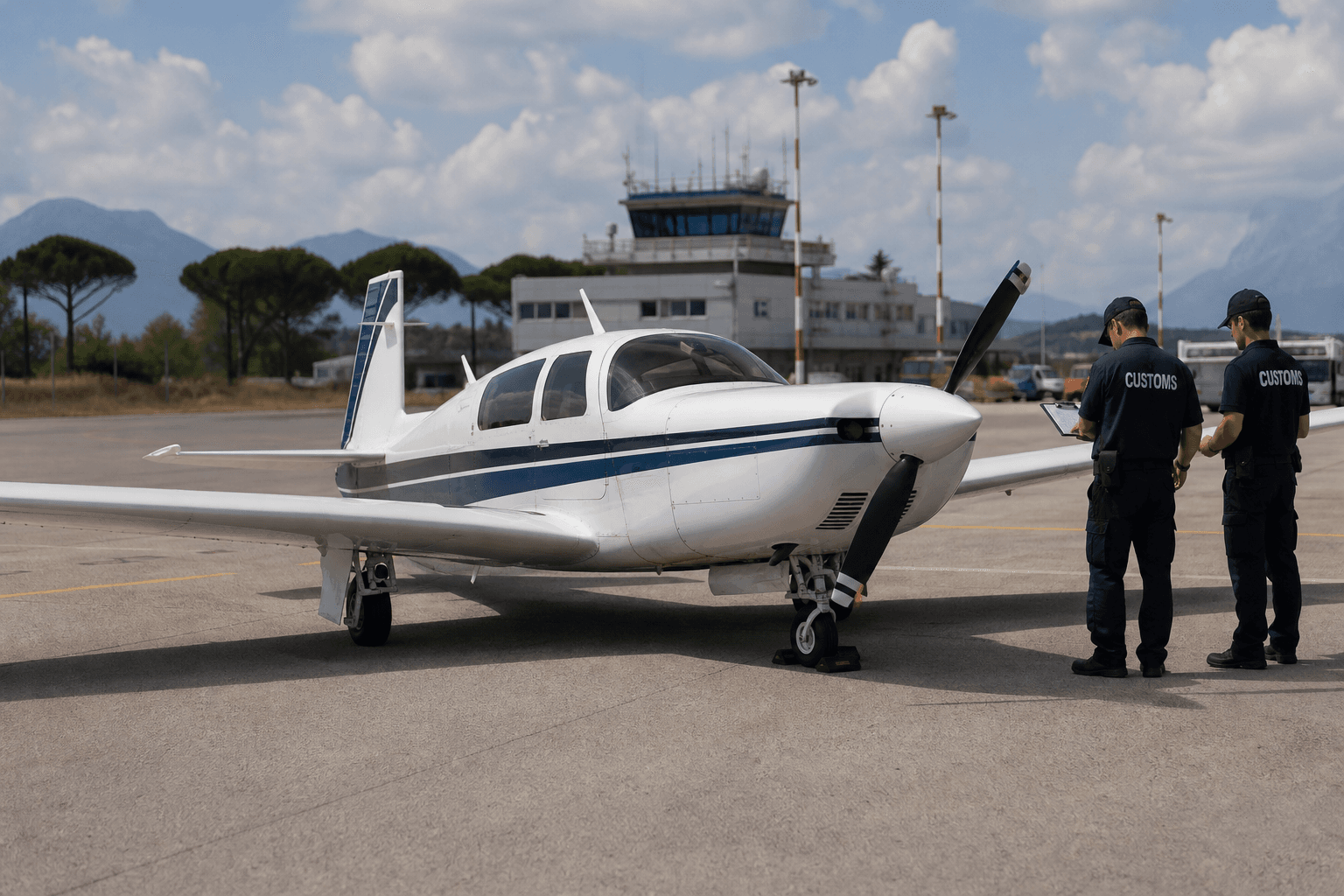
Italian authorities have seized several foreign-registered general aviation aircraft in recent months as the country's financial police increase customs and tax enforcement at airports. One case involves an N-registered Mooney M20K that was seized at Trento Airport April 9 and had not been released when German aviation publication Aerokurier reported on the case in late June. The aircraft's owner said his attorney was handling eight seizure cases and knew of roughly 30 similar cases across Italy. The Mooney was imported into Europe in 1988, initially carried German registration and was transferred to the FAA registry after an ownership change in 2006, according to Aerokurier . The aircraft subsequently remained based in Europe for approximately two decades. “Italian customs demanded documents relating to the aircraft’s import, including customs clearance, that were no more than six months old—which, naturally, cannot be provided, as the aircraft has been based in Europe for decades,” the owner told Aerokurier in a statement translated from German. The publication also reported that an N-registered Cirrus owned by a French pilot was seized after a weather diversion to Pescara. Foreign Registrations Under Scrutiny AOPA Germany issued a warning on July 9, stating that the Guardia di Finanza has increased inspections involving foreign-registered aircraft, particularly those carrying U.S. N-numbers, San Marino T7 registrations and Swiss HB registrations. Authorities are reportedly examining ownership, tax and customs status and aircraft use. Company-owned aircraft can receive additional scrutiny over whether flights are private or constitute commercial transportation. AOPA Germany said increased enforcement has been particularly noticeable in northeastern Italy. The dispute also involves aircraft that have already been imported into the European Union . In the Mooney case, the owner says Italian authorities are questioning whether the aircraft retained its EU customs status after it moved from a German registration to the FAA registry. The owner disputes that interpretation and has filed complaints with the European Commission. AOPA Germany says AOPA Italy and European IAOPA are also challenging the enforcement and that several legal proceedings are pending. Pilots Urged To Prepare The cases do not mean every foreign or U.S.-registered aircraft entering Italy will face seizure. Even so, AOPA Germany advises caution. “Extreme caution is currently advised when flying to Italy,” AOPA Germany said in its July warning. “If the aircraft is not registered to a private individual as owner and operator in an EU member state, you should check the current regulations and, if in doubt, choose a different destination.”
Understanding EC261: Europe's Comprehensive Flight Delay and Cancellation Compensation
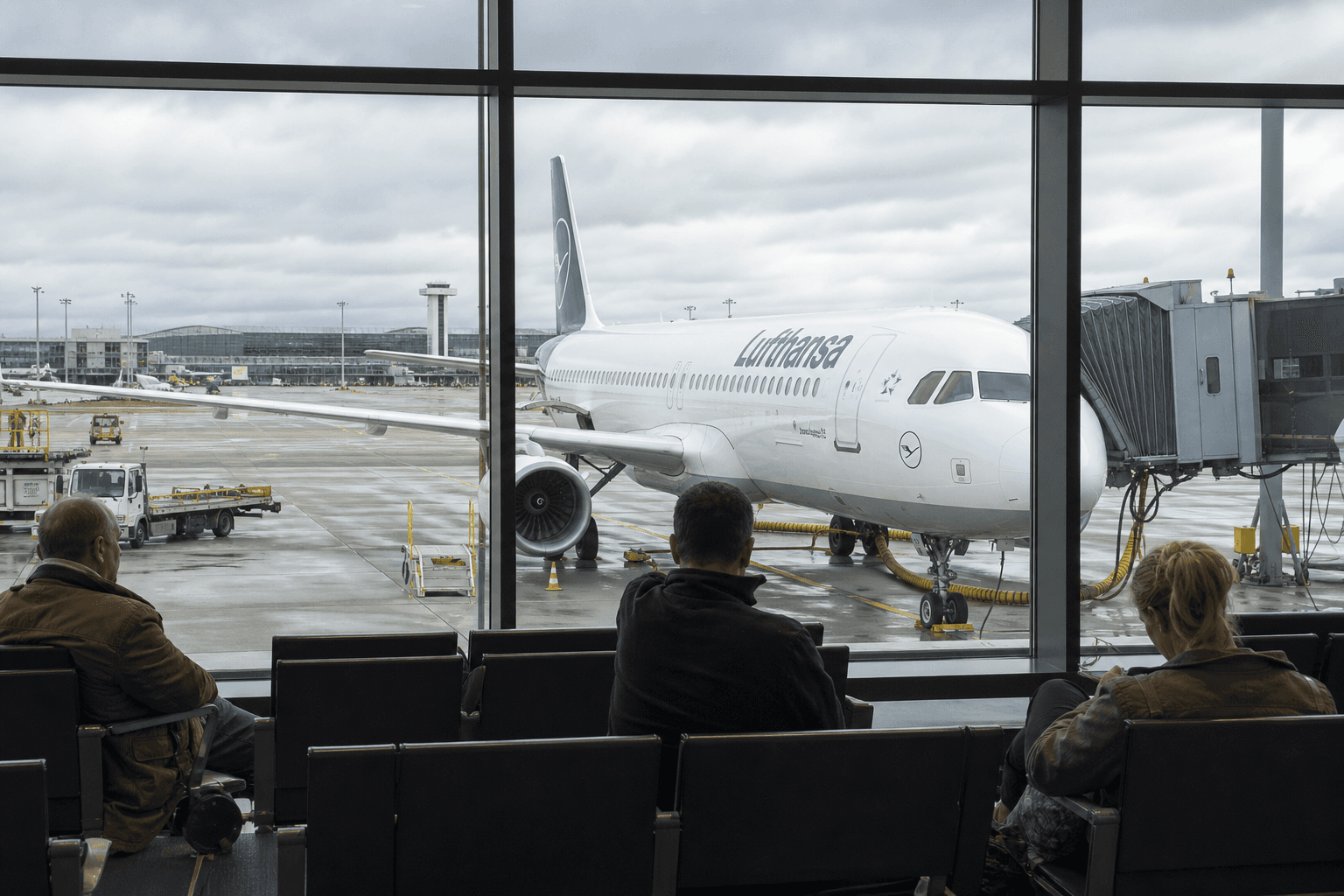
The European Union has the most consumer friendly policies when it comes to what passengers are entitled to in the event that their flight is significantly delayed or canceled. For example, if your long haul flight is delayed by at least four hours, you could be entitled to 600 Euro cash, which is huge. In this post, I'd like to go over everything you need to know about how this policy works. What is EC261 flight delay & cancelation compensation? Regulation EC261/2004 (EC261 for short, though often incorrectly referred to as EU261) is the European Union's official rule that dictates what airlines owe passengers in the event of flight delays or cancelations. This can include everything from cash compensation, to hotels, to meal vouchers. This is truly the most generous protection you'll find anywhere in the world when it comes to airline passenger rights. Europe flight delay & cancelation compensation rules Under what circumstances are you entitled to compensation in Europe if your flight is delayed or canceled? As you might expect, this can be difficult to understand at times, since rules differ based on the airline you're flying with, the cause of the delay, etc. In this post I'll go over all the details. Which airlines & countries are covered by EC261? EC261 rules apply in the following situations: If you are traveling from a European Union airport on any airline If you are traveling to a European Union airport on a European Union-based airline In other words: If you're flying from Frankfurt to Newark, EC261 would apply regardless of whether you're traveling with Lufthansa or United If you're flying from Newark to Frankfurt, EC261 would only apply on Lufthansa, and not on United (since United isn't a European Union-based airline) A few more things to note: Even though Norway and Switzerland aren't in the European Union, EC261 applies for these countries as well; furthermore, the United Kingdom has separate rules that are almost identical to EC261 You're only eligible for EC261 coverage if you have a confirmed reservation, and are traveling on a revenue or award ticket (in other words, staff travel or other industrial discount tickets don't qualify) Frustratingly, EC261 doesn't apply if you're merely connecting in the European Union between two other destinations; for example, it wouldn't apply to a New York to Paris to Johannesburg itinerary EC261 also potentially applies on non-EU airlines How much money is EC261 compensation? The amount of cash compensation you're entitled to under EC261 varies based on the length of the flight… sort of: If your flight covers a distance of under 1,500km (930 miles), you're entitled to 250 Euro compensation if you're delayed by at least three hours If your flight covers a distance of 1,500-3,500km (930-2,200 miles), you're entitled to 400 Euro compensation if you're delayed by at least three hours If your flight covers a distance of over 3,500km (2,200 miles), you're entitled to 600 Euro compensation if you're delayed by at least four hours So as you can see, the longer the flight, the longer the delay has to be in order to get compensated. However, you're also potentially going to get more compensation. There are a couple more details to be aware of: A delay is calculated based on the time that you arrive at your gate and the doors open, rather than based on when you touch down at your destination Furthermore, the delay is calculated based on how late you reach your final destination; if you're flying from Berlin to Frankfurt to New York, and your Berlin to Frankfurt flight is delayed by an hour and that causes you to miss your connecting flight and arrive in New York at least four hours late, you'd be entitled to cash compensation EC261 compensation can get you up to 600 Euro Which delays qualify for EC261 compensation? If you're looking for compensation through EC261, you're entitled to that for any delay or cancelation that isn't due to "extraordinary circumstances." The issue is that this can be a bit of a gray area, and airlines have been known to play games. That's because what constitutes "extraordinary circumstances" isn't explicitly defined. As a general rule of thumb: Weather delays, air traffic control delays, delays due to strikes outside the airline, delays due to political instability, diversions due to medical issues or unruly passengers, etc., would be considered extraordinary circumstances, so EC261 compensation wouldn't apply A mechanical problem, a late inbound aircraft, a crew related delay, a strike directly at the airline, etc., wouldn't be considered extraordinary circumstances, so EC261 compensation would apply Extraordinary circumstances aren't eligible for compensation Do flight cancelations qualify for EC261 compensation? Not only does the above compensation apply if your flight is delayed, but it also applies if it's canceled. EC261 compensation applies in the event that your flight is canceled within 14 days of departure. If your flight is canceled further out than that, then the compensation wouldn't apply. Furthermore, as is the case with delays, extraordinary circumstances are excluded from being eligible for compensation. Flight cancelations also qualify for EC261 compensation How do you claim EC261 compensation? Claiming EC261 compensation is potentially the tricky part, as airlines often do everything in their power to get out of paying this compensation. There are two general ways you can approach this: You can contact the airline to try to claim EC261 compensation, and some airlines have forms on their websites through which this can be done You can use a third party service that helps consumers with this, though they usually take a significant cut; I've never used one of these so can't personally vouch for any, but you can easily find them online I'd always recommend doing everything in your power to request the compensation directly, so you can keep the entire amount. If you're going to claim EC261 compensation, there are a few things to keep in mind: This isn't something you need to do at the airport, so don't take this up with airport staff, but rather take it up with customer relations after the fact I'd recommend keeping as much documentation as possible, including taking pictures of the flight status page reflecting the delay, keeping boarding passes, etc. Expect that airlines may try to do everything in their power to get out of paying this compensation; this can include claiming that there were "extraordinary circumstances," just not responding for a long time, etc. You can claim EC261 compensation directly with an airline Does EC261 cover hotels & meals? Not only does EC261 offer cash compensation in the event of a delay or cancelation, but it also offers passengers other forms of assistance, including: Hotel accommodation in the event of an overnight delay, including transport to and from the hotel Meals and refreshments Two telephone calls or emails This should be offered proactively in the event of a significant delay or cancelation. There's no promise of how efficiently any of this will be offered, though. For example, if you have a flight canceled at an outstation (non-hub airport), you might have two agents trying to work on hotels for hundreds of passengers, which could take hours. So be prepared to be patient. In many cases you can also just book your own hotel and then be reimbursed after the fact, though in some cases airlines may have a cap on how much they're willing to reimburse, and it can be tough to know that in advance. What's also nice is that the duty of care applies even if the delay or cancelation is due to extraordinary circumstances. So if your flight is delayed overnight due to weather, you'd still be owed a hotel room and meals. EC261 compensation should also cover hotels What does EC261 say about rebooking flights? In the event that your flight is substantially delayed or canceled, EC261 requires that airlines rebook passen
The Daily Touch & Go
The day's best aviation news in your inbox. Free, no spam.