
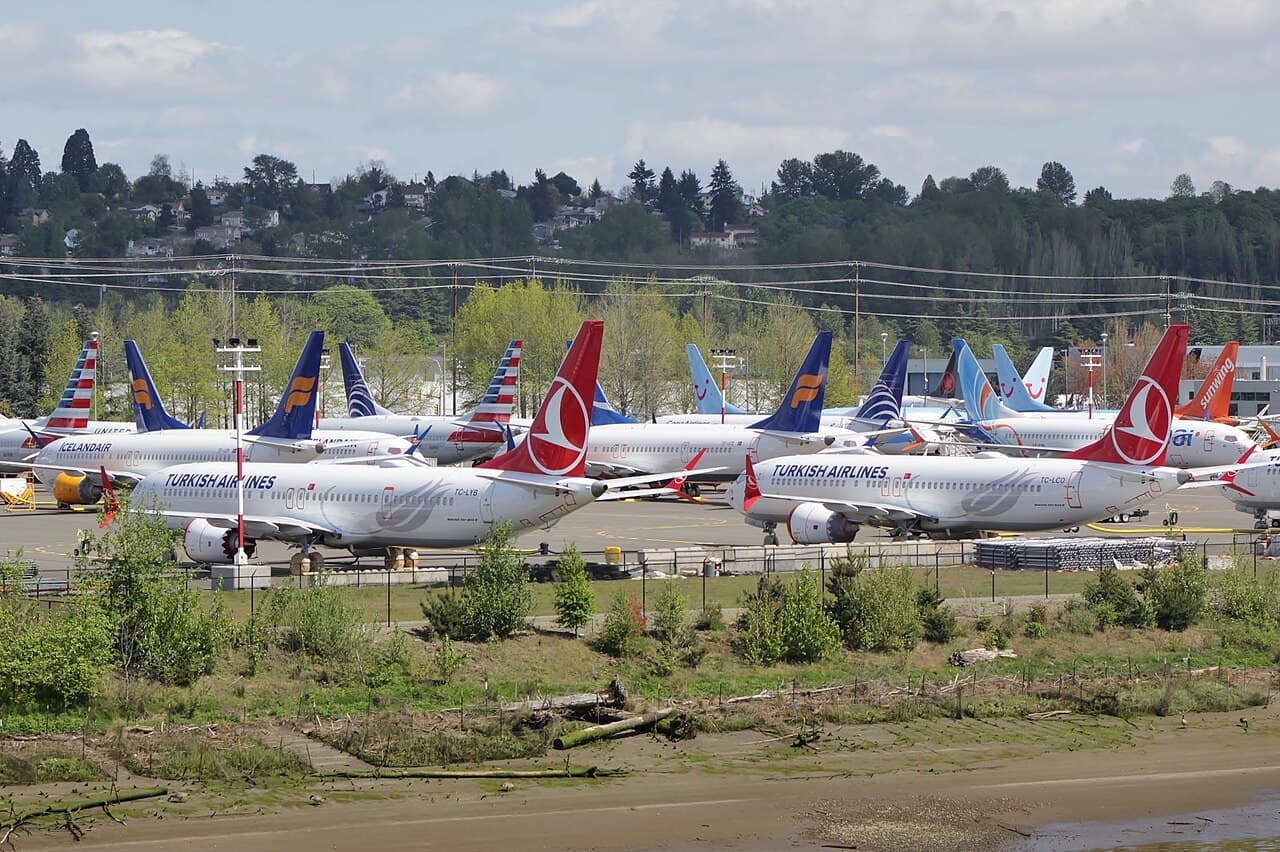
Image: SounderBruce · CC BY-SA 4.0 · via Wikimedia Commons
American Airlines to Boost First Class and Extra Legroom Seats on Narrow Body Jets
American Airlines plans to increase premium seating from 25% to 40% on its narrow body fleet by late 2028, enhancing both first class and Main Cabin Extra options.
The gist
American Airlines will expand premium seats on narrow body aircraft, increasing first class and extra legroom seating by 60% by 2030.
Continuing coverage
All Airbus A321neo →- Fire Breaks Out in British Airways Luggage Container at Milan Malpensa, Lithium Battery Suspected
- Delta Introduces First Airbus A321neo VIP Jet for NBA Charter, Replacing Boeing 757s
- Qantas to Sell Entire Stake in Jetstar Japan by Mid-2027 for $52 Million
- JetBlue's Mint Studio Emerges As Premier Transcon Business Class Amidst Competitive Pricing
- ITA Airways pioneers virtual-reality and robotic arm training for A220 and A321neo doors
American Airlines has unveiled comprehensive plans to enhance its narrow body aircraft cabin layouts, significantly increasing premium seating availability. Announced alongside the return of seat back entertainment systems set for 2028, this initiative aims to raise the proportion of premium seats across the fleet from about 25% to 40%. The upgrade encompasses both newly delivered aircraft and retrofits to existing planes, marking a substantial shift in American's passenger experience strategy.
The airline’s Boeing 737 MAX 10 jets, scheduled to enter service beginning in 2029, will be delivered with an expanded first class cabin of 24 seats. In addition, American will retrofit its Airbus A321neos to also feature 24 first class seats, a notable increase from the current maximum of 20 first class seats found on narrow body models. Retrofitting efforts will start in late 2028 and include upgrades to the A319s and A320s, which are also being modified to add an extra row of first class seating.
Beyond first class, American plans to expand Main Cabin Extra seating – its branded extra legroom economy product – across most of its narrow body fleet. This move addresses longstanding passenger demand for more accessible premium economy seats and aims to provide more choices for elite frequent flyers as well as other travelers willing to pay for additional space. This expansion represents a fundamental shift given that American’s current Boeing 737 variants only offer 24 Main Cabin Extra seats, a fraction compared to competitors.
Interior refreshes will accompany the seat expansions, including redesigned seats with enhanced comfort features, new lighting systems, and additional storage options throughout the cabins. These updates seek to modernize the flying experience and align American’s narrow body fleet amenities with contemporary expectations. Such enhancements will be implemented in virtually all narrow body jets impacted by the premium seating changes.
This announcement substantially narrows the gap American has had versus competing U.S. carriers in terms of premium seat availability. For instance, United Airlines offers 54 Economy Plus seats on similar Boeing 737 aircraft, and Delta Air Lines supplies 36 Comfort+ seats, both figures considerably higher than American’s present capacity. By increasing premium seat allocation, American aims to improve customer satisfaction and competitiveness on domestic and regional routes flown by these aircraft.
Industry observers note that increasing first class seats on narrow body jets to 24 may become a broader trend among U.S. carriers, with Delta reportedly adopting similar configurations on Boeing 737 MAX 10s. These seating expansions reflect evolving market demands for differentiated cabin products even on shorter routes, where premium experience incentives can drive higher yield.
While these developments represent the largest passenger comfort upgrades from American Airlines in years, travelers will need patience as implementation timelines extend into the early 2030s. The full scope of changes, including seat configurations and service offerings, will emerge as retrofitting and deliveries progress starting in late 2028.
Overall, American Airlines’ strategy to significantly expand both first class and Main Cabin Extra premium seats on its narrow body fleet signals a major shift aimed at enhancing customer options and competing more vigorously in the premium space on domestic flights. These upgrades are expected to reshape the passenger experience on many of the airline’s most common aircraft types in the years ahead.
Frequently asked questions
- When will American Airlines begin retrofitting narrow body aircraft for increased premium seating?
- American Airlines plans to start retrofitting its narrow body aircraft, including Airbus A321neos, to increase premium seating in late 2028.
- How much will premium seating increase on American Airlines narrow body planes?
- Premium seating on American Airlines’ narrow body fleet will increase from about 25% to 40% after the upgrades are complete.
- What changes are planned for first class seating on American’s Boeing 737 MAX 10 and Airbus A321neo?
- The Boeing 737 MAX 10 and Airbus A321neo will feature 24 first class seats each, up from the current maximum of 20 seats on narrow body aircraft.
Read more
All Airlines →
American Airlines to Restore Seatback Screens on 800 Narrowbody Jets Starting 2028
What to Know American Airlines has confirmed a multi-million-dollar reversal of its 2017 decision to strip seatback screens from narrowbody jets, though the new screens won’t start arriving until 2028. In This Article Why the rollout won’t begin until 2028, and how long full fleet installation across more than 800 narrowbody aircraft is expected to take. The tech specs American is promising, including 4K displays and USB-C charging at every seat. How the seatback U-turn fits into a wider premium push, with domestic First Class seating set to grow from a quarter to 40% of the narrowbody fleet. Why United made the same reversal back in 2021 after also betting big on BYOD entertainment. Show 4 more points + .pyok-callout { display: flex; border-radius: 0; background: #f7f9fc; margin: 24px 0; font-family: -apple-system, BlinkMacSystemFont, "Helvetica Neue", Arial, sans-serif; } .pyok-callout-inner { padding: 20px 24px; width: 100%; } .pyok-callout-head { margin-bottom: 12px; } .pyok-callout-tag { font-size: 20px; font-weight: 900; letter-spacing: 0.04em; text-transform: uppercase; color: #120E43; } .pyok-callout-list { margin: 0; padding: 0; list-style: none; } .pyok-callout-list li { position: relative; padding-left: 18px; margin-bottom: 12px; font-size: 17px; line-height: 1.55; color: #1a1a1a; } .pyok-callout-list li::before { content: ""; position: absolute; left: 0; top: 9px; width: 6px; height: 6px; border-radius: 50%; background: #120E43; } .pyok-callout-list-more li:last-child { margin-bottom: 0; } .pyok-callout-subhead { text-align: center; font-size: 11px; font-weight: 700; letter-spacing: 0.1em; text-transform: uppercase; color: #8a93a3; margin: 22px 0 14px; padding-top: 14px; border-top: 1px solid #e1e7ef; } .pyok-callout-more { max-height: 0; overflow: hidden; transition: max-height 0.35s ease; } .pyok-callout-toggle { display: inline-flex; align-items: center; gap: 6px; margin-top: 10px; padding: 0; border: none; background: none; color: #120E43; font-size: 14px; font-weight: 700; cursor: pointer; } .pyok-callout-toggle:hover { text-decoration: underline; } .pyok-callout-toggle-icon { display: inline-flex; align-items: center; justify-content: center; width: 16px; height: 16px; border: 1.5px solid #120E43; border-radius: 0; font-size: 12px; line-height: 1; } (function () { document.querySelectorAll('.pyok-callout-toggle').forEach(function (btn) { btn.addEventListener('click', function () { var card = btn.closest('.pyok-callout-inner'); var more = card.querySelector('[data-more]'); var isOpen = btn.getAttribute('aria-expanded') === 'true'; var textEl = btn.querySelector('.pyok-callout-toggle-text'); var iconEl = btn.querySelector('.pyok-callout-toggle-icon'); if (isOpen) { more.style.maxHeight = '0px'; btn.setAttribute('aria-expanded', 'false'); textEl.textContent = btn.dataset.moreText; iconEl.textContent = '+'; } else { more.style.maxHeight = more.scrollHeight + 'px'; btn.setAttribute('aria-expanded', 'true'); textEl.textContent = btn.dataset.lessText; iconEl.textContent = '\u2212'; } }); }); })(); Back in March, it was revealed that American Airlines was “seriously considering” installing seatback screens across its narrowbody airplane fleet after taking the controversial decision to rip them out in 2017. On Tuesday, the Texas-based carrier announced a multi-million-dollar U-turn as it seeks to better compete with Delta and United Airlines. Unfortunately, though, passengers will have to be patient as the return of seatback screens to narrowbody planes isn’t going to happen overnight. In fact, the first narrowbody aircraft with seatback entertainment won’t enter American’s fleet until 2028. American Airlines plans to install seatback TV screens on more than 800 mainline narrowbody aircraft. A costly exercise but one that the airline clearly thinks is necessary if it is to compete with premium rivals, Delta and United Airlines. That’s the point at which every new Airbus A320 series aircraft and Boeing 737 jet that is delivered to American Airlines will have seatback entertainment installed as standard. At the same time, American Airlines will start retrofitting its existing fleet to have seatback TV screens installed. Unsurprisingly, this project could take some time to complete, but the airline is painfully aware that it needs to race to keep up with its premium rivals, so is promising to complete the rollout “as quickly as possible, with full fleet installation of more than 800 mainline narrowbody aircraft expected to be complete by early next decade.” Once installed, however, the carrier is promising ‘industry-leading’ screen sizes, 4K definition, Bluetooth headphone pairing, an expanded range of content, and USB-C fast charging ports at every seat. “ We’re making one of the most significant investments in the onboard experience in our history. From next-generation seatback entertainment at every seat to substantially more premium seating options, these enhancements will give our customers more ways to relax, stay connected and enjoy their journey. Heather Garboden, Chief Customer Officer, American Airlines .pyok-quote { display: flex; background: #f7f9fc; border-radius: 0; margin: 28px 0; font-family: -apple-system, BlinkMacSystemFont, "Helvetica Neue", Arial, sans-serif; } .pyok-quote-inner { padding: 24px 28px 22px; width: 100%; position: relative; } .pyok-quote-mark { display: block; font-family: Georgia, "Times New Roman", serif; font-size: 48px; line-height: 1; font-weight: 700; color: #120E43; opacity: 0.25; margin-bottom: -8px; } .pyok-quote-text { margin: 0; padding: 0; border: none; font-family: Georgia, "Times New Roman", serif; font-size: 19px; line-height: 1.6; font-weight: 400; font-style: italic; color: #120E43; } .pyok-quote-attribution { margin: 14px 0 0; font-size: 13px; font-weight: 700; letter-spacing: 0.02em; text-transform: uppercase; color: #8a93a3; } American Airlines entered its failed era of screenless narrowbody aircraft in 2017 when it took delivery of its first Boeing 737MAX-8 airplane with a new-look interior, which featured smaller lavatories and less legroom in coach. Despite widespread criticism of the new look, the following year, American Airlines rolled out the concept on older planes as part of its so-called 'Project Oasis' retrofit project. At the time, American Airlines believed that it needed to compete against discounters like Frontier Airlines and Spirit Airlines with a vast domestic network and low fares. In the years since, American's profit margins have been eaten away, while Delta and United steal high-spending passengers looking for a premium experience. Even as it became crystal clear that American’s strategy was failing, executives refused to concede that Project Oasis was a costly mistake that had to be reversed. Tuesday’s announcement is part of a wider pivot towards premium passengers, with the airline also announcing a major increase in the number of premium seats across its narrowbody fleet. At present, premium seats account for around a quarter of all seating on American’s narrowbody fleet. In the future, premium seating will grow to around 40% of available seats. This process has already started with retrofits of older Airbus A319 and A320 aircraft . Domestic First Class cabins on reconfigured airplanes will increase in size as follows. The A319 goes from 8 First Class seats to 12 First Class seats. The A320 goes from 12 First Class seats to 16 First Class seats Upcoming deliveries of Boeing 737 MAX 10 aircraft will have 24 First Class seats, while the airline has also promised more First Class seats on yet-to-be-delivered Airbus A321 airplanes. Along with more First Class seats, American will also install more Main Cabin Extra seats. Despite being an incredibly expensive mistake, American’s decision to abandon ‘Project Oasis’ will give it a structural advantage:
American Airlines to retrofit narrowbody fleet with seatback 4K entertainment screens
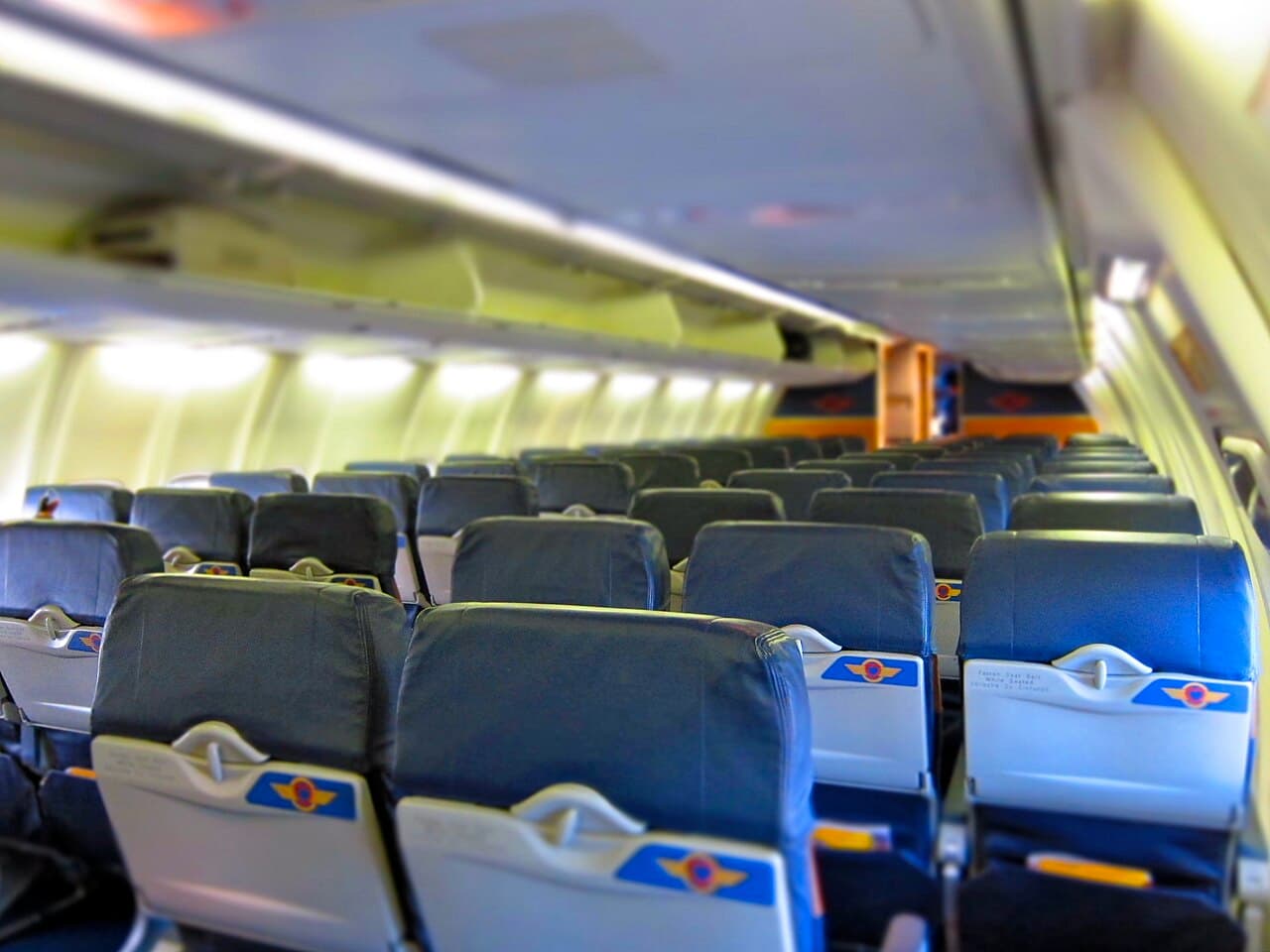
US carrier reverses a bet on personal devices as it races to close the cabin gap with Delta Air Lines and United Airlines. American Airlines plans to add seatback screens on domestic aircraft in a surprising reversal of its in-flight entertainment product. Every narrowbody Airbus and Boeing jet will be retrofitted with the 4K screens, the carrier says. The upgraded systems will also feature Bluetooth connectivity and USB-C fast charging ports. For years, American had resisted seatback screens in favour of streaming via wi-fi to passengers’ personal devices to save on weight. With the retrofit, American's cabins will largely resemble those of its two main competitors, Delta Air Lines and United Airlines. The upgrades, planned to be completed by the early 2030s, will complement American's rollout of SpaceX's Starlink high-speed wi-fi and new investments in premium cabins, dining and lounges. More than 140 long-haul aircraft in American's fleet already feature the screens, it says. “We're making one of the most significant investments in the onboard experience in our history,” says American chief customer officer Heather Garboden. “From next-generation seatback entertainment at every seat to substantially more premium seating options, these enhancements will give our customers more ways to relax, stay connected and enjoy their journey." American does not identify any specific suppliers for the screens, but notes it is “evaluating several leading technology providers and will select the partner that delivers the best customer experience and value for American”. “We are looking for a partner with a modern, scalable platform that can evolve alongside technology advancements, enabling continuous enhancements to the customer experience while creating incremental revenue opportunities for American,” adds the carrier. Airlines across the industry are pouring money into premium cabins as they race to meet demand for higher-fare seats . As fuel prices erode profits, forward-cabin fares have proven resilient and helped many carriers remain profitable. American has the most growth planned among major North American airlines for the rest of 2026, as measured by available seat miles (ASMs). The carrier says premium-seat growth already outpaced main cabin by nearly two-to-one in the second quarter. "Today, premium seating is approximately 25% of seats on narrowbody departures and in the coming years, that number will grow to approximately 40%,” American says.
Airbus A380 First Class Cabins Set to Evolve With Unique Luxuries by 2026
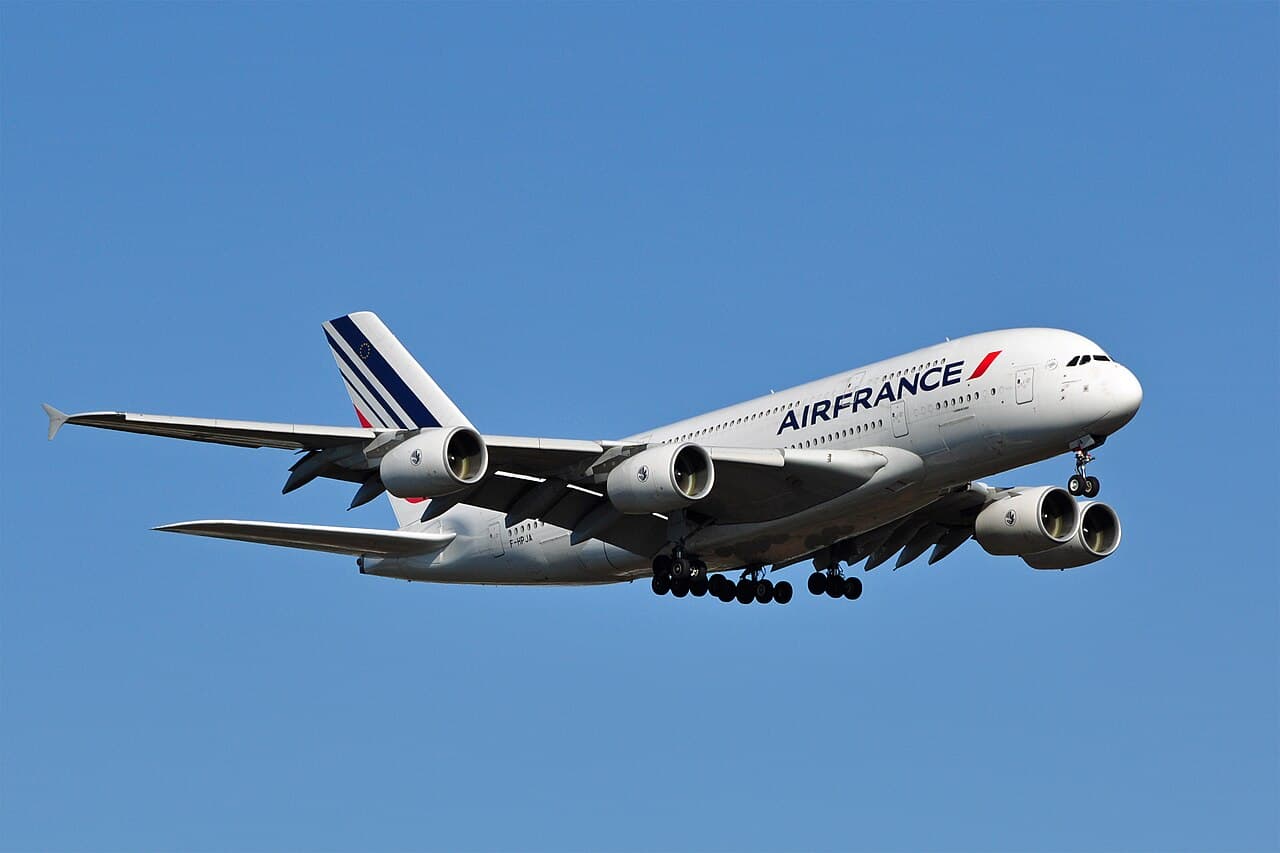
The Airbus A380 is one of the most iconic and striking aircraft of the 21st century, with its double-deck design and quadjet configuration making it one of the world's most visually distinctive airliners. Meanwhile, passengers love its spacious cabin, low noise levels, and smooth ride, while carriers introduced innovative new premium cabins when they took delivery of these planes. Although few are in service, the A380 is one of the few commercial aircraft types to transcend the aviation industry and become a cultural icon.
American Airlines Bans Humanoid Robots From All Flights Citing Safety Risks
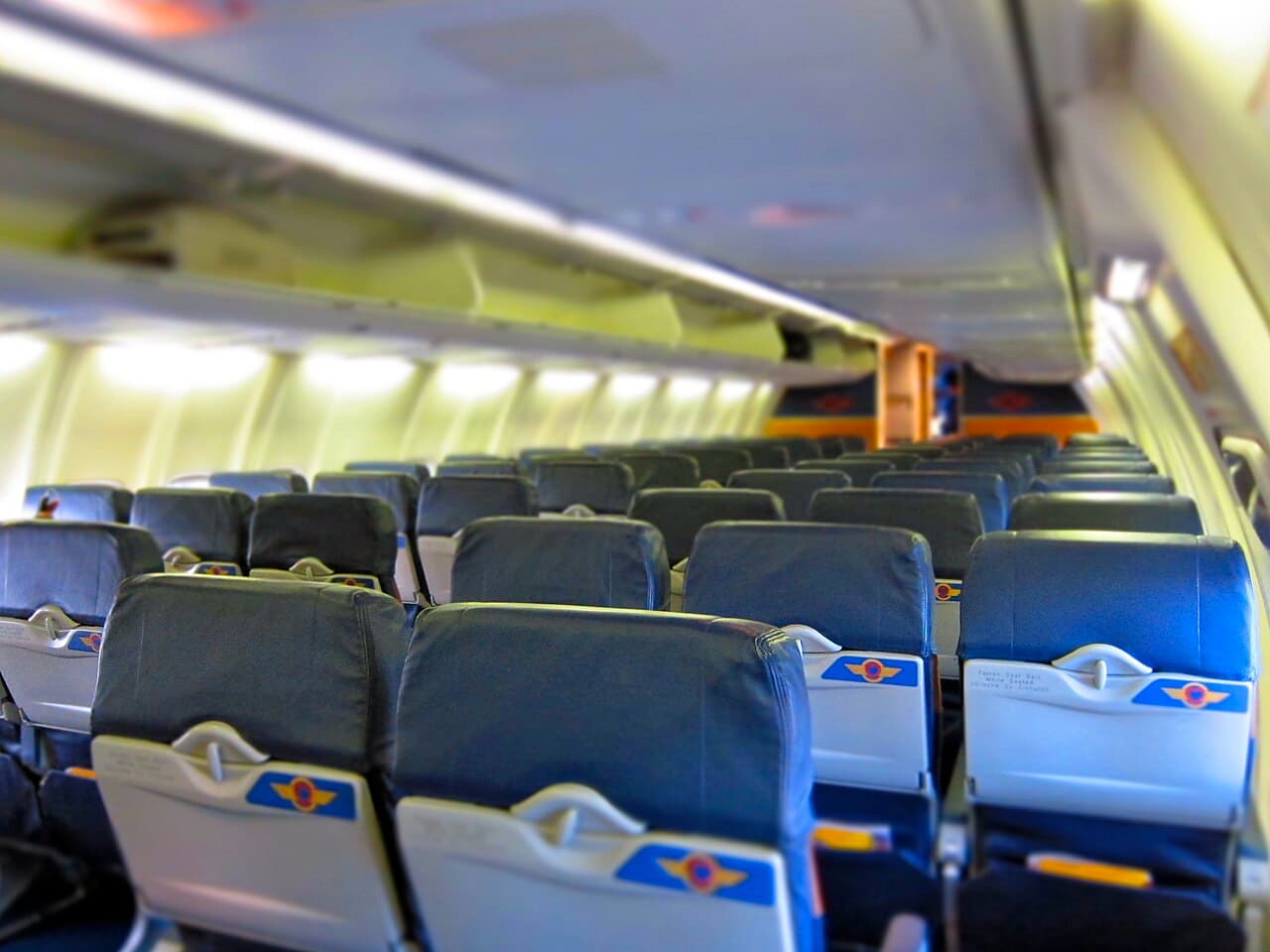
Fort Worth-based American Airlines has issued an internal policy update for employees, which prohibits staff and passengers from bringing human-like and animal-like robots on board . They will be officially banned from being taken into the cabin, and even in checked luggage, immediately. The email that outlined the policy update strictly states that the humanoids will not be allowed even if they have purchased a separate seat .
The Daily Touch & Go
The day's best aviation news in your inbox. Free, no spam.