

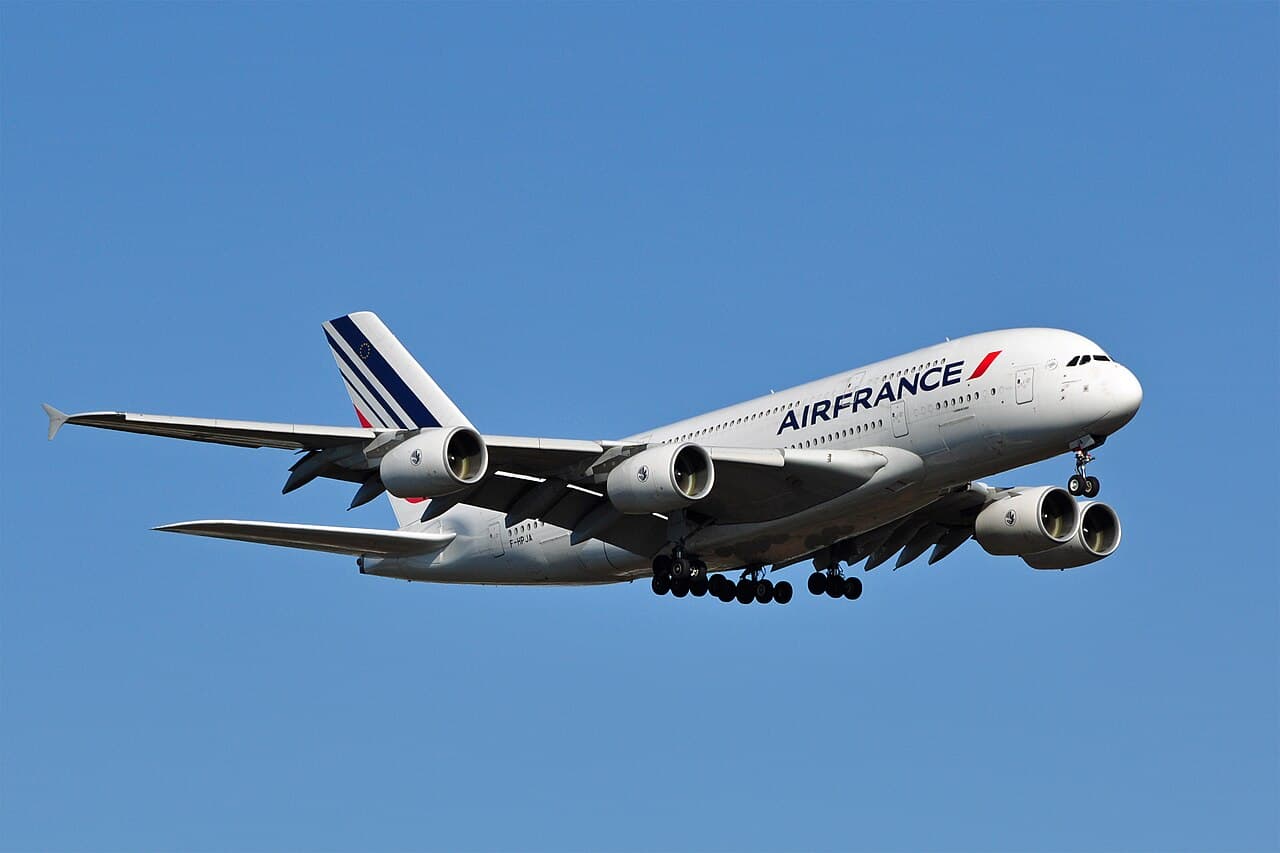
Image: Joe Ravi · CC BY-SA 3.0 · via Wikimedia Commons
Qantas A380 Flies Nearly 1,000 Passengers with Floodlight Left Inside Wing
A maintenance oversight at Sydney Airport left a floodlight inside a Qantas Airbus A380's wing for a transpacific flight, prompting safety reviews after discovery.
The gist
An engineer error left a floodlight inside a Qantas A380 wing after maintenance, allowing nearly 1,000 passengers to fly before detection.
Continuing coverage
All Airbus A380 →- Airbus A380 First Class Cabins Set to Evolve With Unique Luxuries by 2026
- British Airways A380 Returns to Johannesburg After Weather Radar Failure En Route to London
- Emirates and Arsenal Extend Partnership With Upcycled Aircraft Crest Sculpture
- Qantas Operates 11 Ultra-Long Nonstop Flights with Melbourne-Dallas Route as Longest
- Emirates Crafts 8-Foot Arsenal Badge Sculpture from Retired A380 and 777 Parts
In a rare yet serious maintenance lapse, engineers working on a Qantas Airbus A380 inadvertently left a floodlight inside the aircraft's left wing during a January 2026 maintenance session at Sydney International Airport. The superjumbo completed a return flight to Dallas Fort Worth, carrying up to 970 passengers, before the misplaced equipment was discovered and removed.
The 15-year-old Airbus A380, bearing registration VH-OQK, was in for scheduled maintenance focusing on the air conditioning system after arriving from Los Angeles. To access the necessary components, maintenance personnel had to enter the 40-meter-long left wing structure. Although the work was completed and the aircraft returned to service, a floodlight used during the task remained inside the wing unnoticed.
Despite established procedures designed to detect foreign objects—commonly referred to as foreign object debris (FOD)—the worklight escaped detection during clearance inspections. Additionally, the administrative process designed to track and verify the return of all maintenance tools failed to identify the missing floodlight. This oversight allowed the A380 to fly a long-haul journey of over 13,800 kilometers before the equipment was discovered.
Angus Mitchell, Chief Commissioner of the Australian Transportation Safety Bureau (ATSB), commented on the incident, highlighting the vulnerability of safety systems reliant on human diligence alone. He noted that the absence of a notification mechanism within Qantas's tool check-in system contributed to the error going unnoticed, underscoring the risk posed by occasional lapses during complex maintenance activities conducted under operational pressures.
This is not an isolated case for Qantas. In 2024, the ATSB uncovered a separate incident where a tool was left behind the fan blades of the same aircraft type's engine for nearly a month, spanning 34 flights without detection. The incident involved procedural failures including the omission of a lost tool investigation and the suppression of a related safety report to certify the aircraft's return to service, representing a serious safety management concern.
Following the recent floodlight discovery, Qantas initiated a comprehensive review aimed at strengthening the controls for tool tracking and foreign object debris detection during maintenance. The airline is exploring technological solutions to bolster its processes and prevent aircraft being released with unintended equipment left onboard.
The revelations shed light on the challenges associated with maintaining large, complex aircraft like the Airbus A380, which require intricate maintenance procedures involving confined spaces and numerous tools. They also raise questions about the effectiveness of standard operating procedures and the need for technological innovation in aircraft maintenance to enhance safety and reliability.
Maintenance safety is paramount given the scale and passenger capacity of aircraft such as the A380. Over 970 passengers potentially faced risks from the presence of an unexpected foreign object within a critical structural area. The ATSB's findings and Qantas's subsequent review are crucial steps towards mitigating similar risks in future operations.
The floodlight episode calls attention to the ongoing necessity for rigorous FOD inspections and tool accountability systems that transcend manual checklists. The adoption of automated tracking technology and more robust procedural safeguards could provide critical layers of protection in complex maintenance environments.
Frequently asked questions
- How did the floodlight end up inside the Qantas A380's wing?
- During maintenance in Sydney, engineers performed air conditioning work that required access inside the left wing, and a floodlight used for lighting was accidentally left behind after the job was completed.
- How long did the aircraft fly with the floodlight inside its wing?
- The Qantas A380 flew a return flight from Sydney to Dallas Fort Worth and back, covering approximately 13,804 kilometers and carrying up to 970 passengers before the floodlight was discovered.
- What procedural failures contributed to the floodlight being left inside the aircraft?
- The foreign object debris inspections and the maintenance tool check-in system failed to detect the missing floodlight, and at the time, the tool tracking system did not provide alerts for unreturned equipment, relying solely on human performance.
Read more
All Aviation Safety →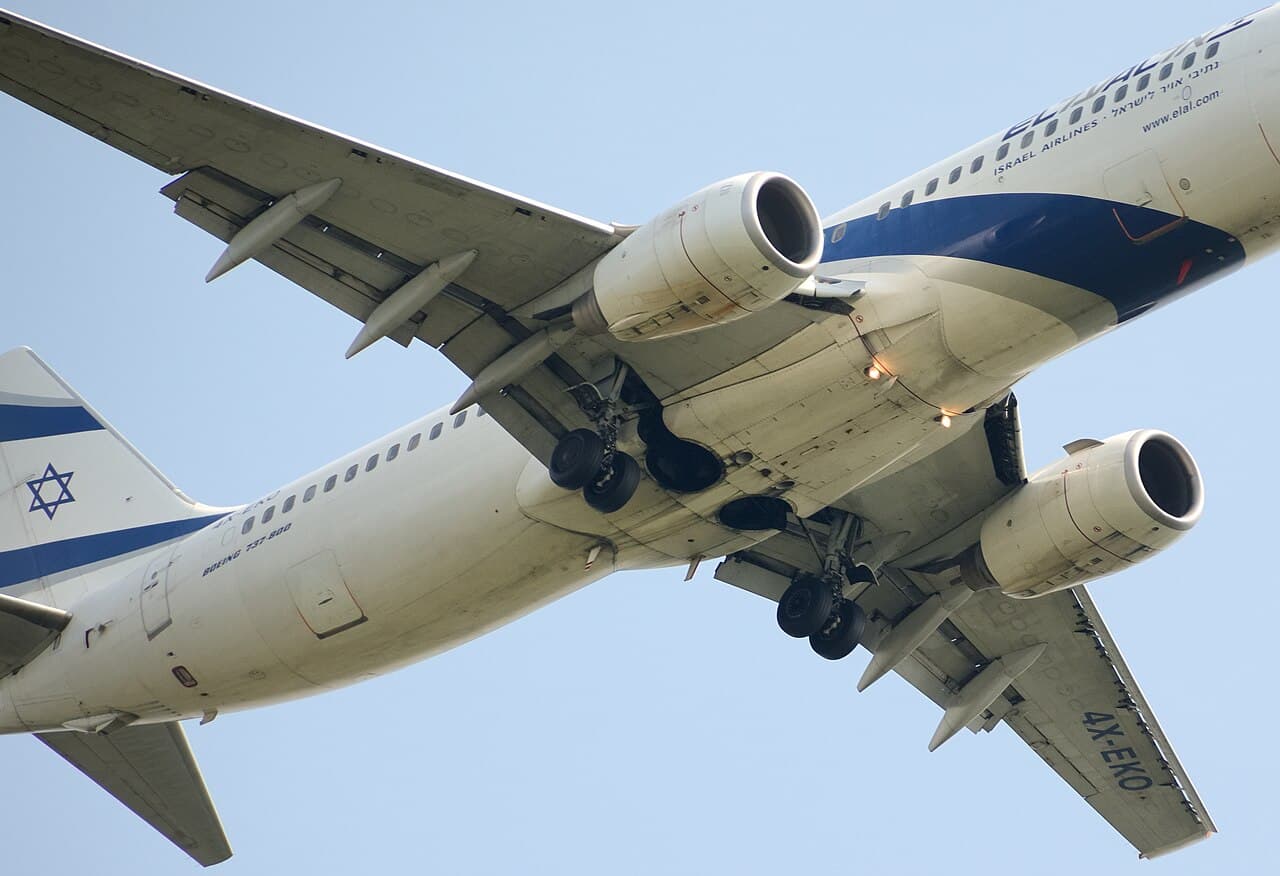
Seven Passengers Sue Delta After Low-Speed Collision with Japan Airlines 787 at Seattle
Seven members of the same family are pursuing injury claims against Delta Air Lines after a Japan Airlines Boeing 787-9 struck the tail of their stationary Boeing 737-800 at Seattle-Tacoma International Airport (SEA) in February 2025. The litigation is notable because the collision occurred at roughly 2.3 mph (3.7 km/h), and the National Transportation Safety Board (NTSB) recorded no injuries among the people aboard either aircraft.
Avianca Cargo delivers over 150 tons of earthquake aid to Colombia in two days
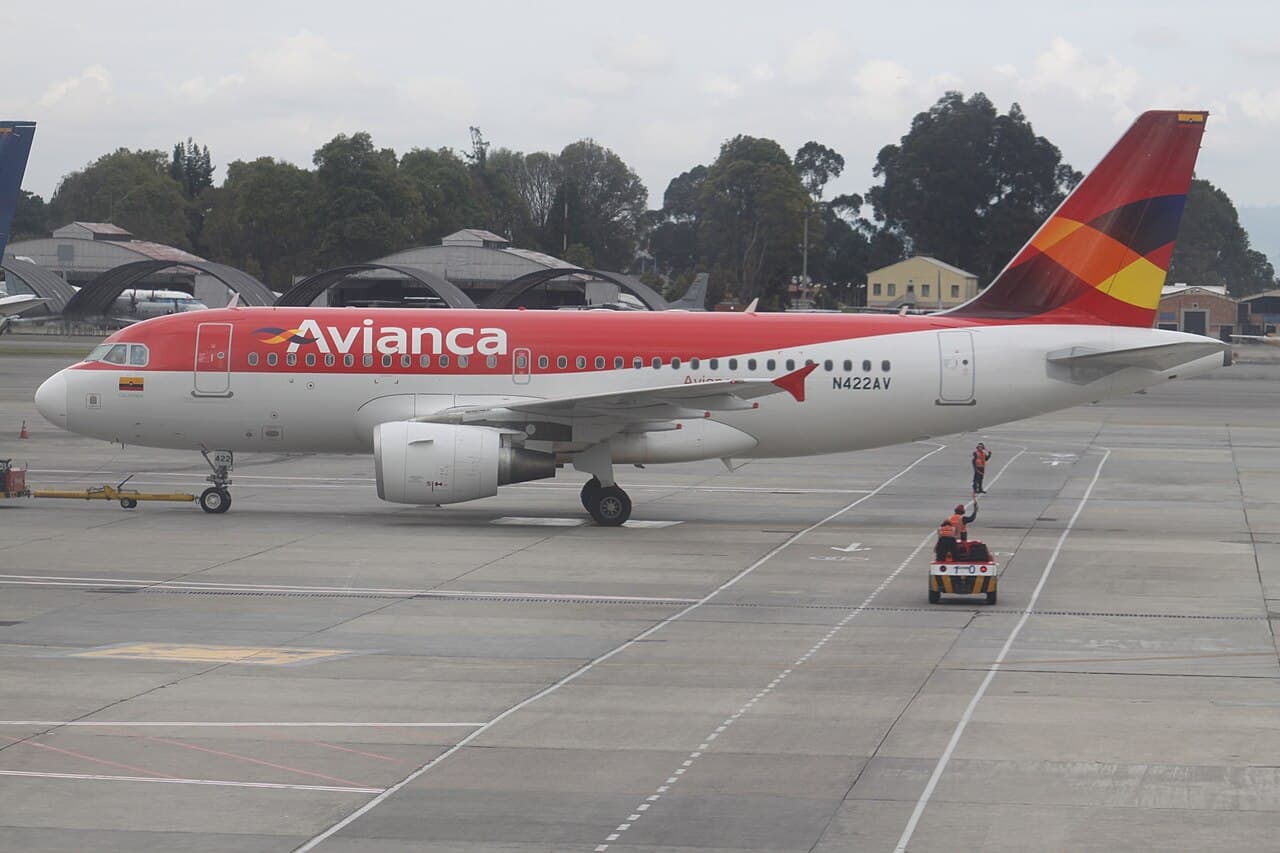
Avianca Cargo transported an additional 60 tons of humanitarian aid from Miami to Cali, Colombia, on August 14, 2026. The delivery brings the total volume of aid the airline has moved since the earthquake struck to more than 150 tons over just two days. Of the latest shipment, nine tons were coordinated by the Government of Colombia, while the remaining 51 tons were donated by the Global Empowerment Mission (GEM) to support communities most in need. The cargo included electric generators and essential supply kits containing hygiene products and nonperishable food, all transported aboard an A330F freighter aircraft capable of carrying large volumes of relief supplies. Avianca draws on cargo and passenger networks for relief push The Miami-to-Cali flight builds on Avianca's response since the earthquake first struck, with the airline drawing on both its cargo operations and passenger network to move aid into the region. The shipment will be received in Cali and distributed based on the needs of affected communities. La respuesta a una emergencia requiere la articulación y el trabajo conjunto de diferentes organizaciones. Gracias por sumarte a apoyar a las comunidades afectadas. Hacerlo de manera organizada nos permite llevar la ayuda donde más se necesita. Si ya reuniste donaciones y… pic.twitter.com/ZGfOZFdqcW — avianca (@avianca) August 14, 2026 Diogo Elias, CEO of Avianca Cargo, said the airline's operations carry a purpose beyond simply connecting destinations, emphasizing the goal of getting aid to the communities that need it most. He thanked the Government of Colombia and GEM for trusting Avianca's logistics capabilities as part of the joint relief effort. Michael Capponi, Founder and President of GEM, said humanitarian response ultimately comes down to speed and efficiency, getting the right aid into the hands of families as quickly as possible. He credited the partnership with Avianca Cargo, the City of Doral, and on-the-ground partners for allowing GEM to move critical supplies directly from Miami into its distribution network in Colombia, adding that the organization remains committed to supporting the country through the long recovery ahead. Avianca said it will continue supporting relief efforts as Colombia works to recover from the disaster. Colombia's deadliest quake in a century sparks the relief effort The relief effort follows a magnitude 7.4 earthquake that struck western Colombia on August 10, 2026, the strongest to hit the country in a century. The quake killed more than 200 people, injured over 2,500, and left hundreds more missing, with cities including Cali, Pereira, Manizales, and Quibdo among the hardest hit. Colombia's government declared three days of national mourning, and President Abelardo de la Espriella, who took office just days before the disaster, declared a state of emergency as rescue crews continued searching for survivors. RELATED Avianca opens temporary Bogota-Valencia service in response to Venezuela quake
Vietnam Airlines B787-9 Overruns Munich Runway with Late Rotation, Sustains Gear Damage
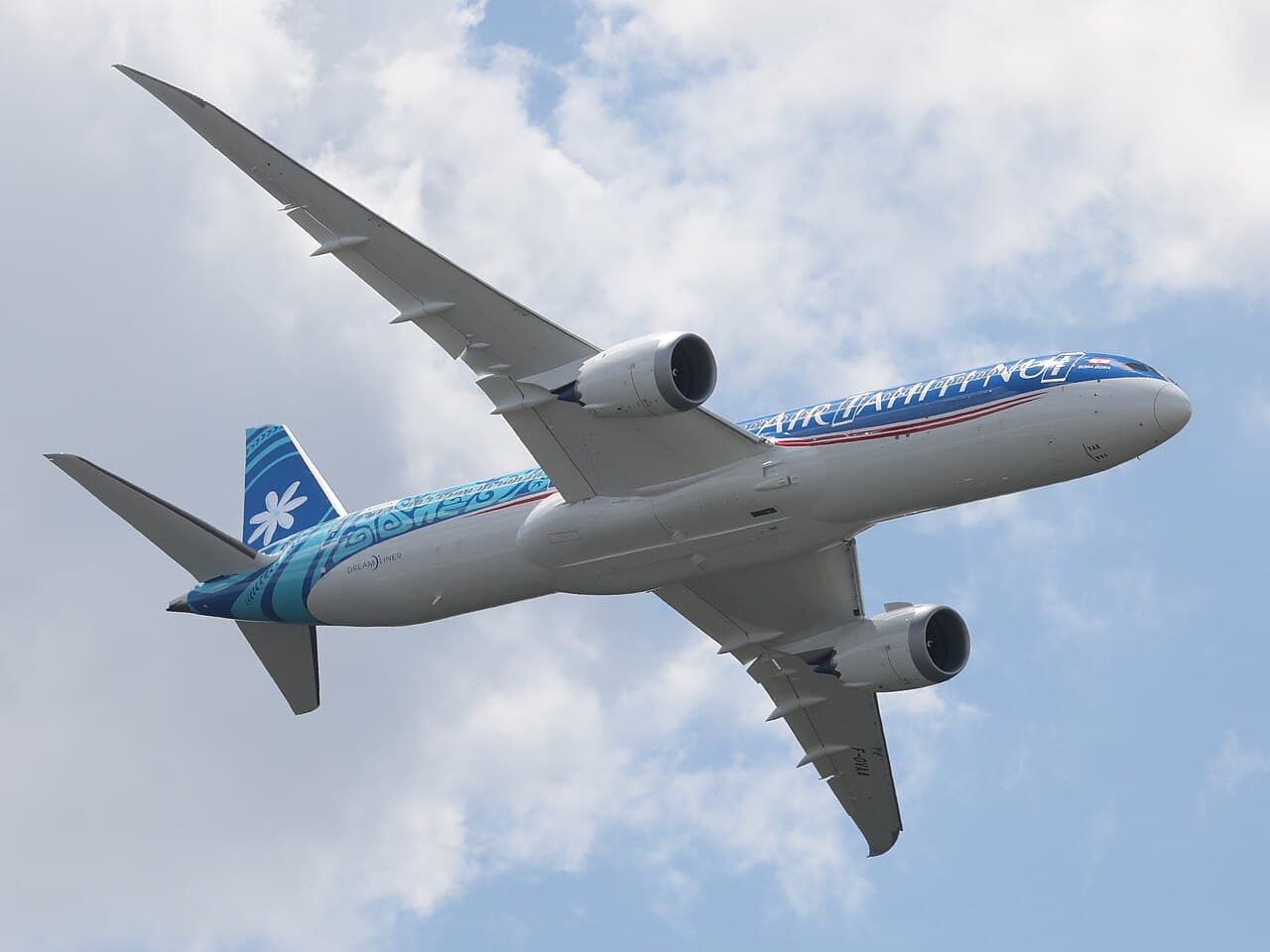
A Vietnam Airlines Boeing 787-9, registration VN-A867, operating flight VN34 from Munich to Hanoi , encountered a significant takeoff performance issue on 15 August 2026. The aircraft rotated extremely late on Runway 26L and became airborne near or beyond the runway end. ezstandalone.cmd.push(function () { ezstandalone.showAds(119); }); Takeoff Sequence The 787-9 commenced its takeoff roll on Munich’s 4,000-metre runway 26L. Ground footage shows the main landing gear remaining in contact until the final portion of the pavement. A large dust cloud rose as the aircraft lifted off. Preliminary reports from aviation sources indicate a late rotation accompanied by a tailstrike. The aircraft appears to have overrun the paved surface by approximately 120 metres. It then became airborne in the grass near the first row of approach lights and reportedly damaged runway edge lighting. ezstandalone.cmd.push(function () { ezstandalone.showAds(127); }); Immediate Crew Response After becoming airborne, the crew levelled off around 9,000–10,000 feet and entered a holding pattern in the Munich area. The aircraft was fuelled for the long-haul sector and therefore above maximum landing weight. The crew initiated fuel jettison and burned fuel for roughly 90 minutes to two hours. They also reported a tyre-pressure indication. Before committing to landing, the crew conducted one or more low approaches over Runway 26R, allowing ground personnel to visually assess the underside and tail section. ezstandalone.cmd.push(function () { ezstandalone.showAds(128); }); Vietnam Airlines Boeing 787-9 Dreamliner reportedly overruns the runway during take-off from Munich. The aircraft is currently on approach to the airport after holding. Video: MunichAviation pic.twitter.com/qqbWSV2jrN — Breaking Aviation News & Videos (@aviationbrk) August 15, 2026 Landing and Aircraft Condition The aircraft landed safely on Runway 26R. Multiple tyres on the left main gear failed or shredded during the landing roll, and the left main gear was observed trailing smoke. The aircraft became temporarily disabled on the runway and required towing. Airport rescue and firefighting services responded as a precaution. ezstandalone.cmd.push(function () { ezstandalone.showAds(129); }); Outcome and Investigation No injuries were reported among passengers or crew. Vietnam Airlines confirmed that the flight returned due to a technical issue, that standard procedures were followed, and that all occupants are safe. Munich Airport confirmed the extended takeoff roll and subsequent landing-gear and tyre damage. Germany’s Federal Bureau of Aircraft Accident Investigation (BFU) is examining the event. The precise cause — whether related to takeoff performance calculation, aircraft configuration, or another factor — remains under investigation. ezstandalone.cmd.push(function () { ezstandalone.showAds(130); }); Further technical details are expected once the formal investigation progresses.
Fire Breaks Out in British Airways Luggage Container at Milan Malpensa, Lithium Battery Suspected
What to Know A fire broke out in a luggage container moments before it was due to be loaded onto a British Airways flight at Milan Malpensa, with a lithium battery suspected as the cause. In This Article Why a lithium battery is suspected as the case and what makes this so dangerous. How this incident echoes the 2025 Air Busan fire that destroyed an Airbus A321 after a power bank ignited in an overhead bin. The new power bank rules BA introduced earlier this year, including a ban on storing them in overhead lockers. Why fire-resistant cargo containers don’t always stop a lithium battery fire from spreading. Show 4 more points + .pyok-callout { display: flex; border-radius: 0; background: #f7f9fc; margin: 24px 0; font-family: -apple-system, BlinkMacSystemFont, "Helvetica Neue", Arial, sans-serif; } .pyok-callout-inner { padding: 20px 24px; width: 100%; } .pyok-callout-head { margin-bottom: 12px; } .pyok-callout-tag { font-size: 20px; font-weight: 900; letter-spacing: 0.04em; text-transform: uppercase; color: #120E43; } .pyok-callout-list { margin: 0; padding: 0; list-style: none; } .pyok-callout-list li { position: relative; padding-left: 18px; margin-bottom: 12px; font-size: 17px; line-height: 1.55; color: #1a1a1a; } .pyok-callout-list li::before { content: ""; position: absolute; left: 0; top: 9px; width: 6px; height: 6px; border-radius: 50%; background: #120E43; } .pyok-callout-list-more li:last-child { margin-bottom: 0; } .pyok-callout-subhead { text-align: center; font-size: 11px; font-weight: 700; letter-spacing: 0.1em; text-transform: uppercase; color: #8a93a3; margin: 22px 0 14px; padding-top: 14px; border-top: 1px solid #e1e7ef; } .pyok-callout-more { max-height: 0; overflow: hidden; transition: max-height 0.35s ease; } .pyok-callout-toggle { display: inline-flex; align-items: center; gap: 6px; margin-top: 10px; padding: 0; border: none; background: none; color: #120E43; font-size: 14px; font-weight: 700; cursor: pointer; } .pyok-callout-toggle:hover { text-decoration: underline; } .pyok-callout-toggle-icon { display: inline-flex; align-items: center; justify-content: center; width: 16px; height: 16px; border: 1.5px solid #120E43; border-radius: 0; font-size: 12px; line-height: 1; } (function () { document.querySelectorAll('.pyok-callout-toggle').forEach(function (btn) { btn.addEventListener('click', function () { var card = btn.closest('.pyok-callout-inner'); var more = card.querySelector('[data-more]'); var isOpen = btn.getAttribute('aria-expanded') === 'true'; var textEl = btn.querySelector('.pyok-callout-toggle-text'); var iconEl = btn.querySelector('.pyok-callout-toggle-icon'); if (isOpen) { more.style.maxHeight = '0px'; btn.setAttribute('aria-expanded', 'false'); textEl.textContent = btn.dataset.moreText; iconEl.textContent = '+'; } else { more.style.maxHeight = more.scrollHeight + 'px'; btn.setAttribute('aria-expanded', 'true'); textEl.textContent = btn.dataset.lessText; iconEl.textContent = '\u2212'; } }); }); })(); A fire erupted in a luggage container just moments before it was due to be loaded in the cargo hold of a British Airways Airbus A321neo at Milan Malpensa International Airport on Sunday afternoon, once again highlighting the very real dangers that lithium batteries face when they are incorrectly packed in checked luggage. The fire was caught on camera by former BBC politics journalist Jon Sopel, who was waiting in the terminal building to board British Airways flight BA-585 from Milan to London Heathrow. Thick black smoke could be seen pouring out of the top of the luggage container, while orange flames flickered around the outside, as the fire quickly took hold. Ground workers watched in horror and quickly moved the other containers away to stop the fire spreading. Airport fire trucks rushed to the scene, and firefighters started dousing the container down with water just moments after arriving at the gate. Aircraft Details Registration G-NEOT Aircraft Type Airbus A321neo Engines 2 x CFMI LEAP-1A32 Operator British Airways Route Milan Malpensa (MXP) to London Heathrow (LHR) Flight Number BA585 .pyok-callout { display: flex; border-radius: 0; background: #f7f9fc; margin: 24px 0; font-family: -apple-system, BlinkMacSystemFont, "Helvetica Neue", Arial, sans-serif; } .pyok-callout-inner { padding: 20px 24px; width: 100%; } .pyok-callout-head { margin-bottom: 12px; } .pyok-callout-tag { font-size: 20px; font-weight: 900; letter-spacing: 0.04em; text-transform: uppercase; color: #120E43; } .pyok-aircraft-list { margin: 0; padding: 0; } .pyok-aircraft-row { display: flex; justify-content: space-between; align-items: baseline; gap: 16px; padding: 10px 0; border-top: 1px solid #e1e7ef; } .pyok-aircraft-row:first-child { border-top: none; padding-top: 0; } .pyok-aircraft-row dt { font-size: 13px; font-weight: 700; text-transform: uppercase; letter-spacing: 0.04em; color: #8a93a3; margin: 0; flex-shrink: 0; } .pyok-aircraft-row dd { font-size: 16px; font-weight: 700; color: #1a1a1a; margin: 0; text-align: right; } @media (max-width: 420px) { .pyok-aircraft-row { flex-direction: column; align-items: flex-start; gap: 4px; } .pyok-aircraft-row dd { text-align: left; } } In a post on X, Sopel wrote: “Suspect this might delay BA585 out of Milan Malpensa. Glad I didn't check any bags.” In a follow-up post, Sopel added: “Video of fire on baggage container with luggage to be loaded onto BA585 just now at Milan Malpensa. Smart move to get the other containers out of the way before fire spread. If cause was lithium battery, glad fire was there and not on plane.” Video of fire on baggage container with luggage to be loaded onto BA585 just now at Milan Malpensa. Smart move to get the other containers out of the way before fire spread. If cause was lithium battery glad fire was there and not on plane pic.twitter.com/hlcleDC0Ak — Jon Sopel (@jonsopel) August 16, 2026 Despite the drama, the flight departed for London Heathrow later on Sunday, albeit with a delay of nearly two and a half hours. In a statement, a spokesperson for British Airways told us: “We’re aware of a small number of checked bags that were damaged by fire while on the ground at Milan Malpensa Airport. The incident was quickly dealt with, and there were no injuries or impact to any flights.” “We've been in contact with the small number of customers whose bags are affected to apologise and provide support. We are working closely with our partners, and an investigation is underway to establish the cause.” While the cause of the fire has not been confirmed, there is suspicion that a lithium battery, such as a power bank, may have been involved. Passengers have long been banned from placing power banks and other lithium batteries in checked luggage, although the message doesn’t always seem to get through. Lithium batteries are made up of lots of power cells, which can make them prone to something called ‘thermal runaway.’ When one cell overheats, it can quickly spread from one cell to the next until the entire battery bursts into flames. Once alight, it can be difficult to put out a lithium battery fire, although the risk is far greater if the battery is in the cargo hold of a plane, rather than taken onboard in the passenger cabin. Although there are automated extinguishing systems in the cargo hold, there is no guarantee that they would be effective against a ferocious lithium battery fire. But if the power bank is in the passenger cabin, a thermal runway can be quickly detected and dealt with by submerging it in water or placing it in a special fire containment bag. To make it easier to identify lithium batteries that are overheating, earlier this year, British Airways banned passengers from storing power banks in overhead lockers, saying that they had to be easily accessible for the duration of the flight. BA’s new policy is based on recommendations from the International Air Transportatio
The Daily Touch & Go
The day's best aviation news in your inbox. Free, no spam.