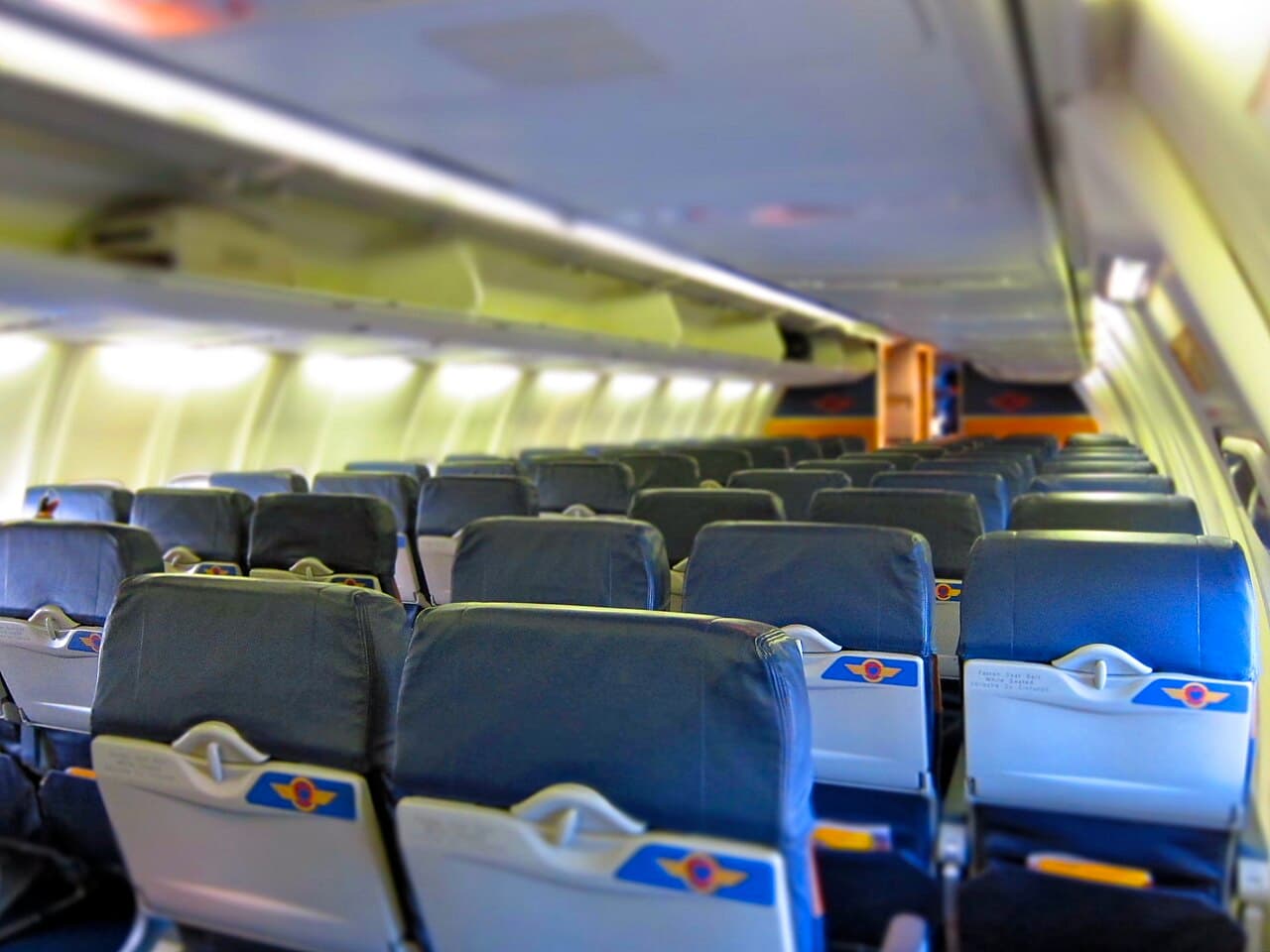
Image: Kevin Dooley · CC BY 2.0 · via Wikimedia Commons
American Airlines to Reintroduce Seatback TVs and Expand Premium Seating on Domestic Fleet
American Airlines is retrofitting its domestic narrowbody planes with high-definition seatback screens and increasing first class and extra legroom seats starting in 2028.
The gist
American Airlines reverses past trends by adding seatback TVs and more premium seats to enhance domestic travel comfort.
Continuing coverage
All Main Cabin Extra →American Airlines is embarking on a major upgrade of its domestic fleet's passenger experience by reintroducing seatback TVs and expanding premium seating options. According to Chief Customer Officer Heather Garboden, this investment will allow customers to enjoy next-generation seatback entertainment at every seat, alongside redesigned seating with more storage and enhanced lighting, aimed at delivering greater comfort and style. The inclusion of additional first class and extra legroom coaches seats reflects American's commitment to providing more ways to relax and connect during flights.
The program will see new Airbus and Boeing aircraft deliveries from 2028 equipped with 4K seatback screens featuring stunning picture quality, seamless connectivity, and personalized content. Existing aircraft will also undergo retrofits commencing in late 2028, though American does not expect full installation to be completed until the early 2030s. These screens, promoted as some of the largest in North American narrowbodies, will offer passengers fast USB-C charging ports, Bluetooth audio compatibility, enhanced flight maps, and expanded content selection.
This change marks a decisive reversal for American, which removed seatback entertainment systems from its domestic planes starting in 2017, reasoning that most travelers used personal electronic devices to access content. However, that strategy overlooked the experience of families and passengers preferring dedicated screens, a factor recognized by competitors like Delta, United, and JetBlue that continued offering seatback entertainment.
The cost dynamics have also shifted since American's initial removal of these systems. Modern screen technologies and wireless content streaming have reduced installation and maintenance expenses by approximately two-thirds, making the refreshed seatback entertainment economically viable. This retrofitting initiative will therefore narrow the gap between American and other legacy carriers that maintained or enhanced their onboard entertainment offerings during the past decade.
Alongside entertainment upgrades, American Airlines is addressing a notable shortage in premium seating options that had developed over recent years. Currently, premium seating—comprising extra legroom coach, premium economy, and business class—represents about a quarter of seats on narrowbody jets, with plans to increase that share to 40 percent. New Airbus A321XLR aircraft will focus heavily on premium cabins. Existing A319 and A320 models will see an added row of first class seats, while Boeing 737 MAX 10 orders will include 24 first class seats, matching Delta's recent configuration disclosures.
The airline is also reconfiguring Airbus A321neos to add more first class seats, with retrofit work expected to begin in late 2028 and finish in the early 2030s. Furthermore, most narrowbody models will gain additional Main Cabin Extra seats offering more legroom. This move corrects previous reductions in extra legroom seating that resulted from a push to maximize capacity and reduce costs, a strategy implemented by earlier management focused on competing with low-cost carriers rather than enhancing premium passenger experience.
These improvements address American's so-called 'LOPA problem,' where insufficient premium seating options limited customers' choices and diminished loyalty program value. By expanding Main Cabin Extra, the airline creates greater opportunities for passengers to upgrade, rewards high-spending customers, and strengthens incentives tied to frequent flyer status and credit card benefits. Though specifics on the number of seats or impact on overall capacity per aircraft type remain undisclosed, the strategic focus on premium product diversification is evident.
American Airlines employs some 130,000 staff and operates within the slow-moving aviation sector constrained by long aircraft lead times and regulatory requirements. Despite these challenges, the airline's decision to pivot back to comprehensive seatback entertainment and more generous premium seating over the course of 18 months signals a meaningful shift in its approach to passenger comfort and revenue management. The planned changes, set to roll out starting in 2028, represent a significant investment in cabin experience that will shape the airline’s competitiveness in the years ahead.
Frequently asked questions
- When will American Airlines start installing seatback TV screens on its planes?
- American Airlines plans to begin installing seatback TV screens on new Airbus and Boeing deliveries starting in 2028, with retrofits on existing aircraft also starting in late 2028 and expected to complete in the early 2030s.
- What changes is American Airlines making to its premium seating?
- American Airlines is increasing premium seating on narrowbody aircraft from 25% to 40%, adding more first class seats on Airbus A319, A320, A321neo, and Boeing 737 MAX 10 aircraft, and expanding extra legroom Main Cabin Extra seats.
- Why did American Airlines originally remove seatback entertainment screens and why are they returning now?
- American removed seatback screens starting in 2017, believing most passengers used personal devices; however, new technology and passenger feedback highlighted the demand for seatback entertainment, and the cost of installation has dropped, leading to their planned reintroduction.
Read more
All Airlines →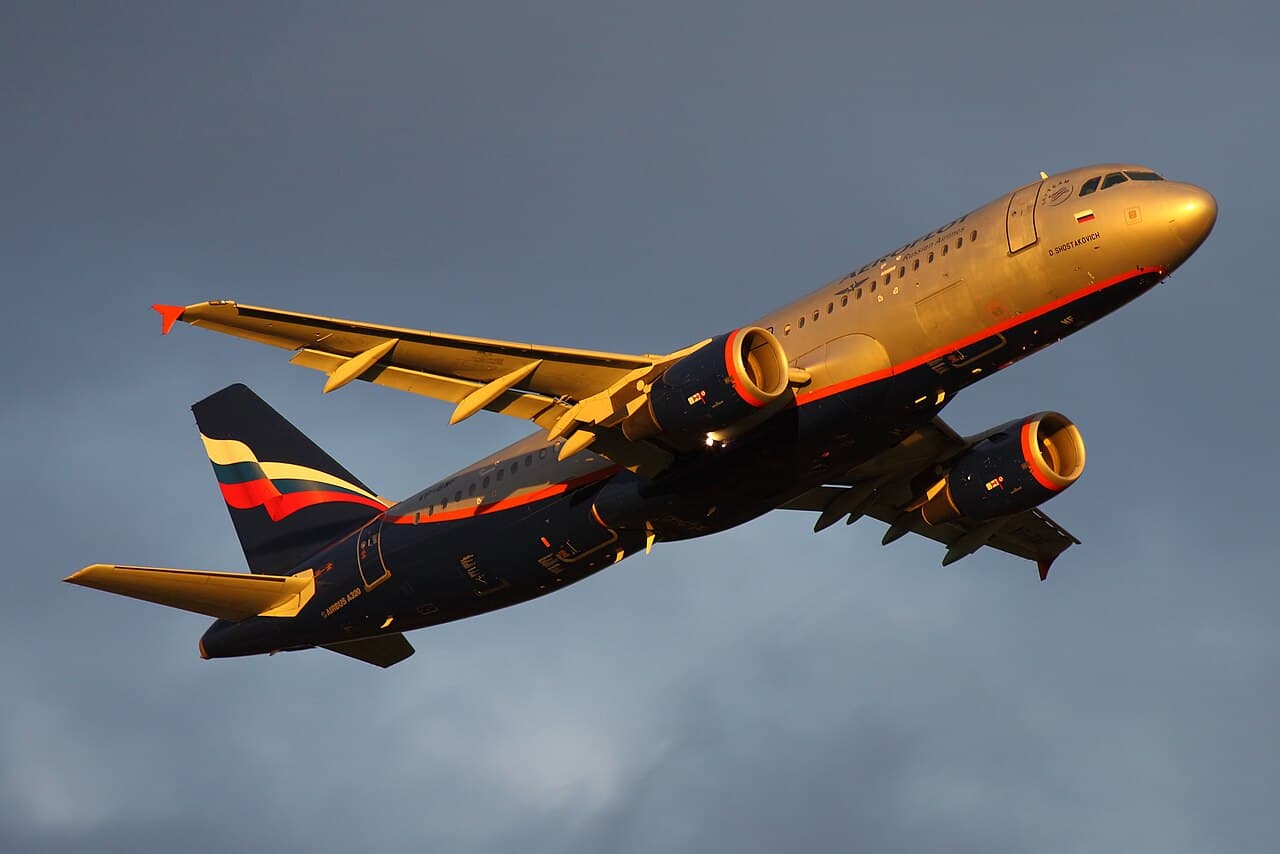
American Airlines to Restore Seatback Screens on 800 Narrowbody Jets Starting 2028
What to Know American Airlines has confirmed a multi-million-dollar reversal of its 2017 decision to strip seatback screens from narrowbody jets, though the new screens won’t start arriving until 2028. In This Article Why the rollout won’t begin until 2028, and how long full fleet installation across more than 800 narrowbody aircraft is expected to take. The tech specs American is promising, including 4K displays and USB-C charging at every seat. How the seatback U-turn fits into a wider premium push, with domestic First Class seating set to grow from a quarter to 40% of the narrowbody fleet. Why United made the same reversal back in 2021 after also betting big on BYOD entertainment. Show 4 more points + .pyok-callout { display: flex; border-radius: 0; background: #f7f9fc; margin: 24px 0; font-family: -apple-system, BlinkMacSystemFont, "Helvetica Neue", Arial, sans-serif; } .pyok-callout-inner { padding: 20px 24px; width: 100%; } .pyok-callout-head { margin-bottom: 12px; } .pyok-callout-tag { font-size: 20px; font-weight: 900; letter-spacing: 0.04em; text-transform: uppercase; color: #120E43; } .pyok-callout-list { margin: 0; padding: 0; list-style: none; } .pyok-callout-list li { position: relative; padding-left: 18px; margin-bottom: 12px; font-size: 17px; line-height: 1.55; color: #1a1a1a; } .pyok-callout-list li::before { content: ""; position: absolute; left: 0; top: 9px; width: 6px; height: 6px; border-radius: 50%; background: #120E43; } .pyok-callout-list-more li:last-child { margin-bottom: 0; } .pyok-callout-subhead { text-align: center; font-size: 11px; font-weight: 700; letter-spacing: 0.1em; text-transform: uppercase; color: #8a93a3; margin: 22px 0 14px; padding-top: 14px; border-top: 1px solid #e1e7ef; } .pyok-callout-more { max-height: 0; overflow: hidden; transition: max-height 0.35s ease; } .pyok-callout-toggle { display: inline-flex; align-items: center; gap: 6px; margin-top: 10px; padding: 0; border: none; background: none; color: #120E43; font-size: 14px; font-weight: 700; cursor: pointer; } .pyok-callout-toggle:hover { text-decoration: underline; } .pyok-callout-toggle-icon { display: inline-flex; align-items: center; justify-content: center; width: 16px; height: 16px; border: 1.5px solid #120E43; border-radius: 0; font-size: 12px; line-height: 1; } (function () { document.querySelectorAll('.pyok-callout-toggle').forEach(function (btn) { btn.addEventListener('click', function () { var card = btn.closest('.pyok-callout-inner'); var more = card.querySelector('[data-more]'); var isOpen = btn.getAttribute('aria-expanded') === 'true'; var textEl = btn.querySelector('.pyok-callout-toggle-text'); var iconEl = btn.querySelector('.pyok-callout-toggle-icon'); if (isOpen) { more.style.maxHeight = '0px'; btn.setAttribute('aria-expanded', 'false'); textEl.textContent = btn.dataset.moreText; iconEl.textContent = '+'; } else { more.style.maxHeight = more.scrollHeight + 'px'; btn.setAttribute('aria-expanded', 'true'); textEl.textContent = btn.dataset.lessText; iconEl.textContent = '\u2212'; } }); }); })(); Back in March, it was revealed that American Airlines was “seriously considering” installing seatback screens across its narrowbody airplane fleet after taking the controversial decision to rip them out in 2017. On Tuesday, the Texas-based carrier announced a multi-million-dollar U-turn as it seeks to better compete with Delta and United Airlines. Unfortunately, though, passengers will have to be patient as the return of seatback screens to narrowbody planes isn’t going to happen overnight. In fact, the first narrowbody aircraft with seatback entertainment won’t enter American’s fleet until 2028. American Airlines plans to install seatback TV screens on more than 800 mainline narrowbody aircraft. A costly exercise but one that the airline clearly thinks is necessary if it is to compete with premium rivals, Delta and United Airlines. That’s the point at which every new Airbus A320 series aircraft and Boeing 737 jet that is delivered to American Airlines will have seatback entertainment installed as standard. At the same time, American Airlines will start retrofitting its existing fleet to have seatback TV screens installed. Unsurprisingly, this project could take some time to complete, but the airline is painfully aware that it needs to race to keep up with its premium rivals, so is promising to complete the rollout “as quickly as possible, with full fleet installation of more than 800 mainline narrowbody aircraft expected to be complete by early next decade.” Once installed, however, the carrier is promising ‘industry-leading’ screen sizes, 4K definition, Bluetooth headphone pairing, an expanded range of content, and USB-C fast charging ports at every seat. “ We’re making one of the most significant investments in the onboard experience in our history. From next-generation seatback entertainment at every seat to substantially more premium seating options, these enhancements will give our customers more ways to relax, stay connected and enjoy their journey. Heather Garboden, Chief Customer Officer, American Airlines .pyok-quote { display: flex; background: #f7f9fc; border-radius: 0; margin: 28px 0; font-family: -apple-system, BlinkMacSystemFont, "Helvetica Neue", Arial, sans-serif; } .pyok-quote-inner { padding: 24px 28px 22px; width: 100%; position: relative; } .pyok-quote-mark { display: block; font-family: Georgia, "Times New Roman", serif; font-size: 48px; line-height: 1; font-weight: 700; color: #120E43; opacity: 0.25; margin-bottom: -8px; } .pyok-quote-text { margin: 0; padding: 0; border: none; font-family: Georgia, "Times New Roman", serif; font-size: 19px; line-height: 1.6; font-weight: 400; font-style: italic; color: #120E43; } .pyok-quote-attribution { margin: 14px 0 0; font-size: 13px; font-weight: 700; letter-spacing: 0.02em; text-transform: uppercase; color: #8a93a3; } American Airlines entered its failed era of screenless narrowbody aircraft in 2017 when it took delivery of its first Boeing 737MAX-8 airplane with a new-look interior, which featured smaller lavatories and less legroom in coach. Despite widespread criticism of the new look, the following year, American Airlines rolled out the concept on older planes as part of its so-called 'Project Oasis' retrofit project. At the time, American Airlines believed that it needed to compete against discounters like Frontier Airlines and Spirit Airlines with a vast domestic network and low fares. In the years since, American's profit margins have been eaten away, while Delta and United steal high-spending passengers looking for a premium experience. Even as it became crystal clear that American’s strategy was failing, executives refused to concede that Project Oasis was a costly mistake that had to be reversed. Tuesday’s announcement is part of a wider pivot towards premium passengers, with the airline also announcing a major increase in the number of premium seats across its narrowbody fleet. At present, premium seats account for around a quarter of all seating on American’s narrowbody fleet. In the future, premium seating will grow to around 40% of available seats. This process has already started with retrofits of older Airbus A319 and A320 aircraft . Domestic First Class cabins on reconfigured airplanes will increase in size as follows. The A319 goes from 8 First Class seats to 12 First Class seats. The A320 goes from 12 First Class seats to 16 First Class seats Upcoming deliveries of Boeing 737 MAX 10 aircraft will have 24 First Class seats, while the airline has also promised more First Class seats on yet-to-be-delivered Airbus A321 airplanes. Along with more First Class seats, American will also install more Main Cabin Extra seats. Despite being an incredibly expensive mistake, American’s decision to abandon ‘Project Oasis’ will give it a structural advantage:
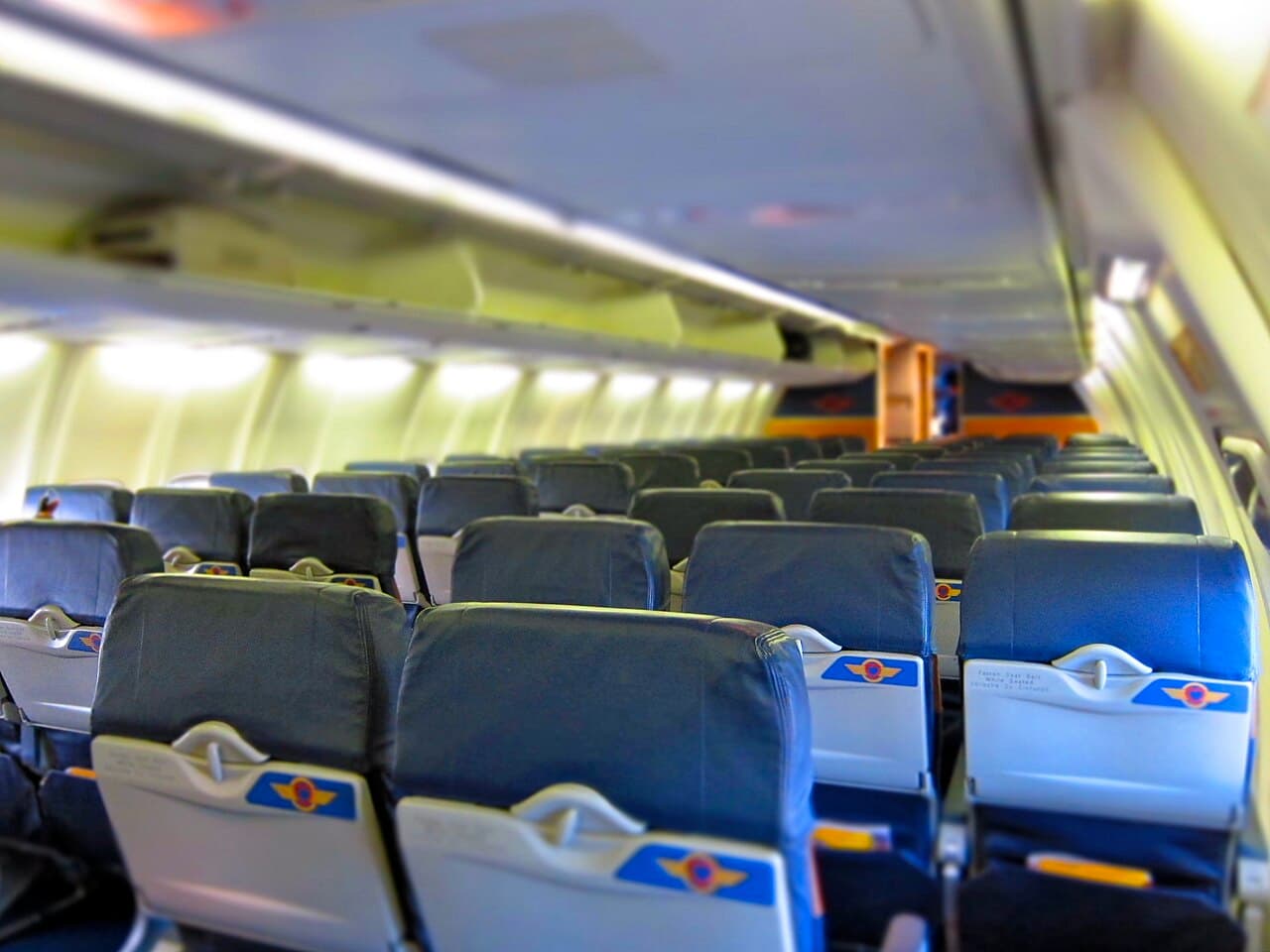
American Airlines to retrofit narrowbody fleet with seatback 4K entertainment screens
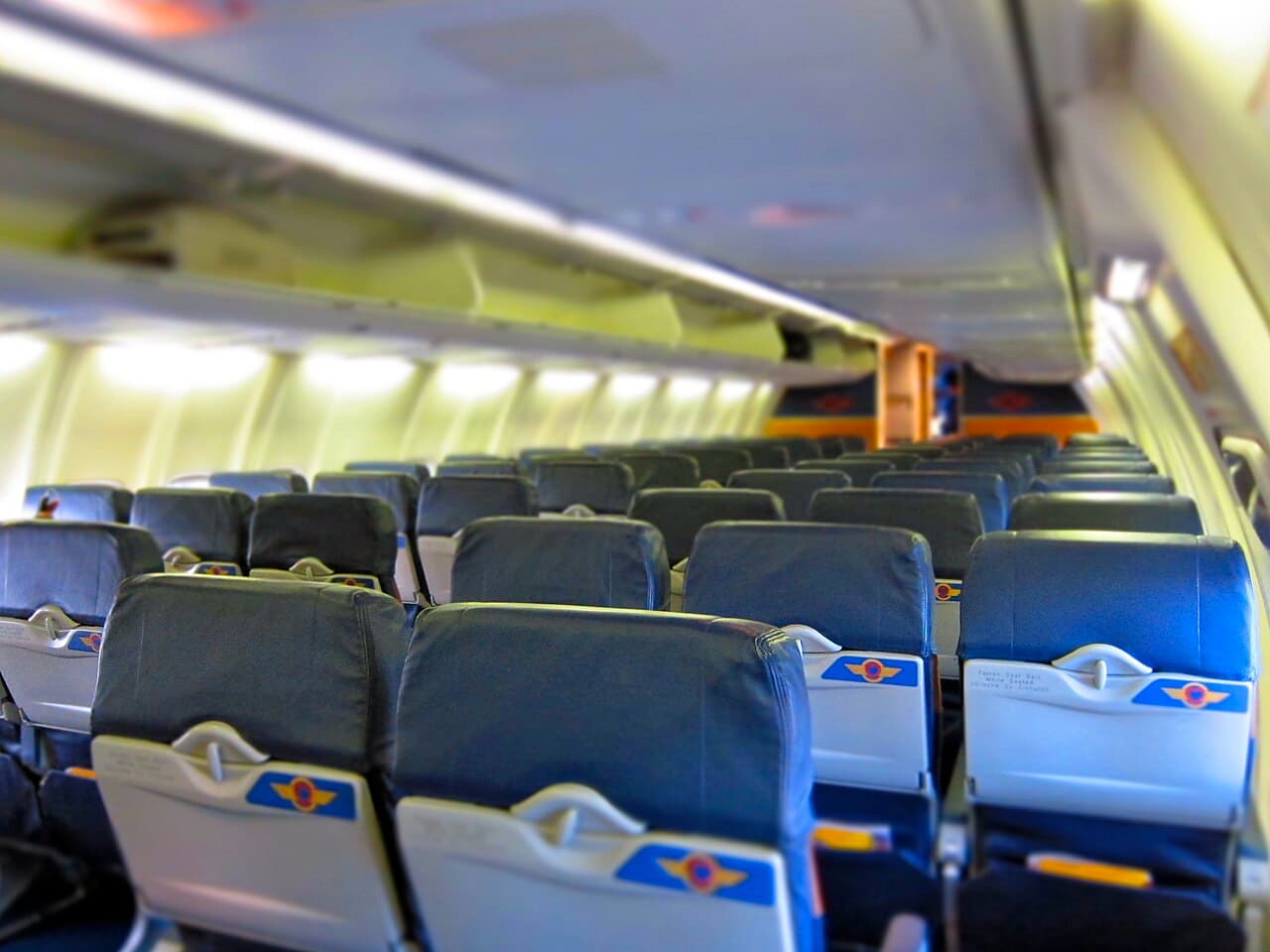
US carrier reverses a bet on personal devices as it races to close the cabin gap with Delta Air Lines and United Airlines. American Airlines plans to add seatback screens on domestic aircraft in a surprising reversal of its in-flight entertainment product. Every narrowbody Airbus and Boeing jet will be retrofitted with the 4K screens, the carrier says. The upgraded systems will also feature Bluetooth connectivity and USB-C fast charging ports. For years, American had resisted seatback screens in favour of streaming via wi-fi to passengers’ personal devices to save on weight. With the retrofit, American's cabins will largely resemble those of its two main competitors, Delta Air Lines and United Airlines. The upgrades, planned to be completed by the early 2030s, will complement American's rollout of SpaceX's Starlink high-speed wi-fi and new investments in premium cabins, dining and lounges. More than 140 long-haul aircraft in American's fleet already feature the screens, it says. “We're making one of the most significant investments in the onboard experience in our history,” says American chief customer officer Heather Garboden. “From next-generation seatback entertainment at every seat to substantially more premium seating options, these enhancements will give our customers more ways to relax, stay connected and enjoy their journey." American does not identify any specific suppliers for the screens, but notes it is “evaluating several leading technology providers and will select the partner that delivers the best customer experience and value for American”. “We are looking for a partner with a modern, scalable platform that can evolve alongside technology advancements, enabling continuous enhancements to the customer experience while creating incremental revenue opportunities for American,” adds the carrier. Airlines across the industry are pouring money into premium cabins as they race to meet demand for higher-fare seats . As fuel prices erode profits, forward-cabin fares have proven resilient and helped many carriers remain profitable. American has the most growth planned among major North American airlines for the rest of 2026, as measured by available seat miles (ASMs). The carrier says premium-seat growth already outpaced main cabin by nearly two-to-one in the second quarter. "Today, premium seating is approximately 25% of seats on narrowbody departures and in the coming years, that number will grow to approximately 40%,” American says.
American Airlines Bans Humanoid Robots From All Flights Citing Safety Risks
Fort Worth-based American Airlines has issued an internal policy update for employees, which prohibits staff and passengers from bringing human-like and animal-like robots on board . They will be officially banned from being taken into the cabin, and even in checked luggage, immediately. The email that outlined the policy update strictly states that the humanoids will not be allowed even if they have purchased a separate seat .
American Airlines Deploys Airbus A321XLR on Nine Routes with 155 Seats Each
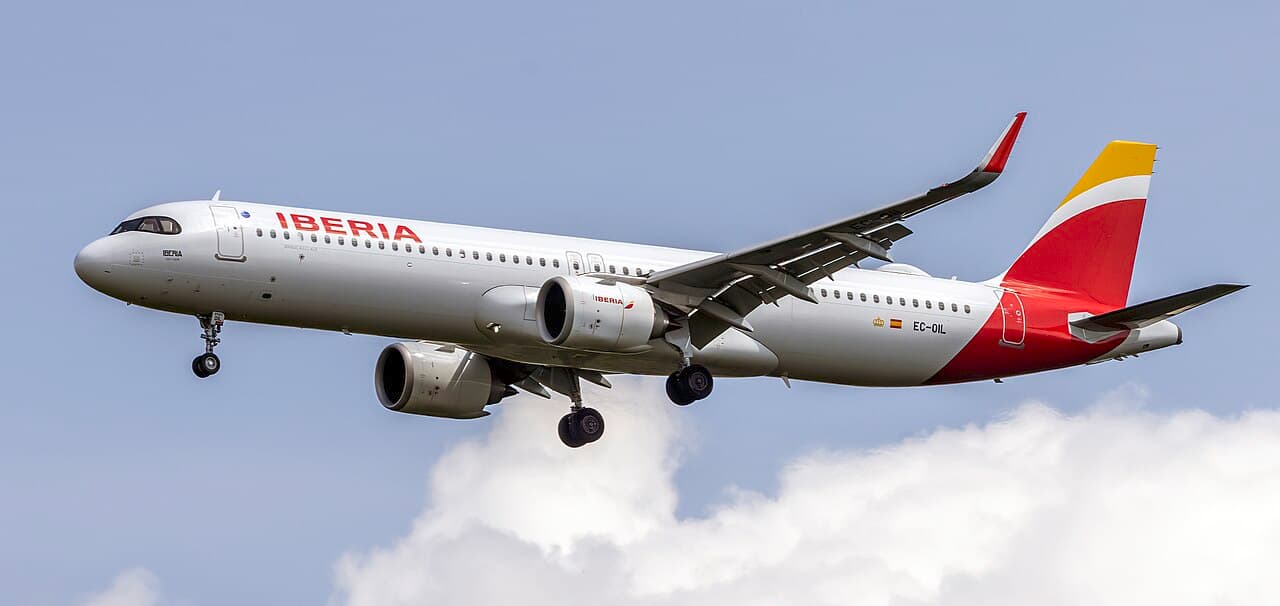
American Airlines is set to be a major operator of the Airbus A321XLR . While present fleet data from ch-aviation shows that it currently has only seven units of the next-generation narrowbody twinjet at its disposal, its 44 outstanding orders for the type will bring its total to 51 in time. The carrier has configured these jets with 155 seats across three classes, making them ideal for long thin routes.
The Daily Touch & Go
The day's best aviation news in your inbox. Free, no spam.