

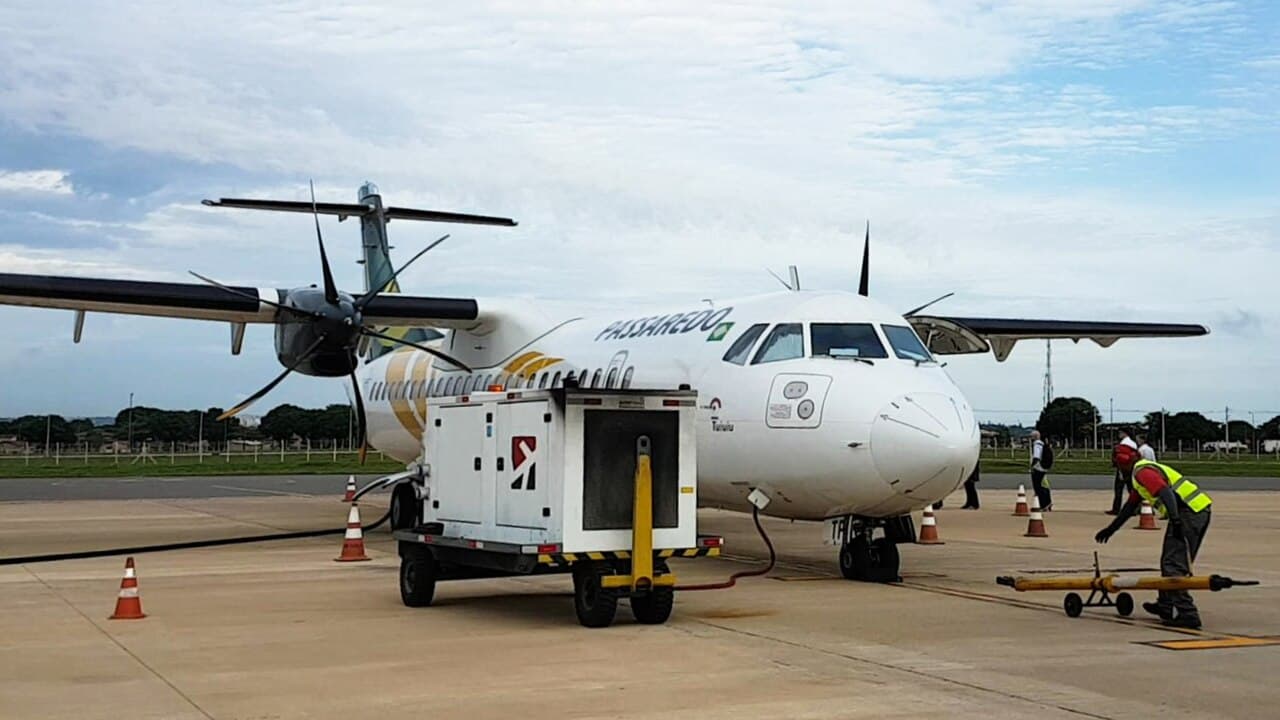
Image: Contraexemplo · CC BY-SA 4.0 · via Wikimedia Commons
Inquiry finds poor maintenance discipline and resource strain behind Voepass ATR 72 icing crash
Investigators reveal systemic maintenance culture and operational pressure contributed to fatal Voepass ATR 72 stall due to unaddressed de-icing faults.
The gist
Voepass ATR 72 crash traced to chronic maintenance lapses and pressure to fly aircraft despite unresolved de-icing issues.
A Brazilian investigation into the fatal 2024 Voepass ATR 72-500 crash has exposed a widespread culture of poor maintenance discipline driven by resource shortages and operational pressures. The aircraft stalled fatally due to ice buildup on August 9, 2024, after flying with a malfunctioning airframe de-icing system that was not properly recorded or resolved before the flight. The Brazilian authority CENIPA’s report highlights how the aircraft was dispatched without the necessary restrictions documented under the minimum equipment list (MEL).
The ATR 72-500 operated a scheduled route from Cascavel to São Paulo Guarulhos when it entered icing conditions and subsequently entered a flat spin over Vinhedo, resulting in the accident from which there was no recovery. CENIPA pinpointed the de-icing system malfunction as critical to the event and documented that the known system faults had not been properly addressed. Poor maintenance record-keeping and a systemic failure to comply with MEL procedures permitted the aircraft to fly in a degraded state.
Central to CENIPA’s findings was the identification of a normalized pattern of maintenance failings across Voepass operations, especially at secondary bases with limited infrastructure and staffing. Maintenance personnel faced intense pressure to keep aircraft flying, leading to shortcuts such as falsely recording malfunctions as resolved without actual corrective action. This practice masked ongoing issues and delayed genuine repairs, perpetuating unsafe aircraft operations under the MEL’s tolerated limits.
The inquiry disclosed that sometimes inoperative components were swapped with other known faulty parts to meet release demands. This cycle repeated maintenance entries and deadlines without ever fully rectifying faults. Maintenance work was often rushed and superficial, typically conducted under severe time constraints overnight so aircraft could be ready for next-day departures. The company’s main base at Ribeirao Preto was dedicated to de-icing system maintenance, while secondary bases deferred more complex repairs, creating operational gaps in addressing mechanical faults.
CENIPA also highlighted personnel shortages, excessive workloads, and fatigue as contributing drivers of a pressured environment for mechanics. The expectation to release aircraft despite unresolved issues became standard operational practice, with high risks of exceeding regulatory time limits for fixing faults. Crucially, documented de-icing system malfunctions on previous flights went unlogged, concealing the severity of system degradation from operational oversight.
The investigation further revealed cultural and organizational factors pressuring flight crews to underreport or omit malfunctions from technical logbooks. This evasion intended to avoid aircraft grounding that would disrupt schedules. The deficiency in formal fault recording perpetuated a reliance on informal communications between pilots and mechanics, impeding proper diagnosis or repair planning. Reportedly, pilots felt corporate pressure to not formalize issues, contributing to unsafe aircraft dispatches.
All 58 passengers and four crew on board the ATR 72 were killed in the crash. Following the accident, Voepass was grounded as authorities reviewed operational and maintenance practices. ATR, the aircraft manufacturer, responded by emphasizing that compliance with maintenance protocols, operational procedures, and training is essential to prevent similar accidents. The inquiry underscores the critical role of diligent and transparent maintenance culture in commercial aviation safety.
This investigation clarifies that systemic maintenance lapses and organizational pressures can erode regulatory compliance, exposing passengers and crews to fatal risks. The Voepass tragedy acts as a stark warning about the consequences of prioritizing schedule continuity over rigorous aircraft maintenance and fault reporting. It also demonstrates the need for robust oversight and resource allocation to all operational bases, especially those off main hubs, to uphold safety standards.
Frequently asked questions
- What maintenance issues contributed to the Voepass ATR 72 crash?
- The crash resulted from a malfunctioning airframe de-icing system that was not properly recorded or corrected, with faults repeatedly masked and unresolved due to poor maintenance discipline.
- How did operational pressures affect aircraft maintenance at Voepass?
- Mechanics faced pressure to release aircraft quickly, leading to superficial repairs, falsified logbook entries, and the practice of operating aircraft with unresolved faults beyond regulatory limits.
- Was there pressure on pilots regarding fault reporting?
- Yes, company culture pressured pilots to avoid recording malfunctions to prevent aircraft grounding, resulting in underreporting and lack of formal maintenance follow-up on critical systems like de-icing.
Read more
All Aviation Safety →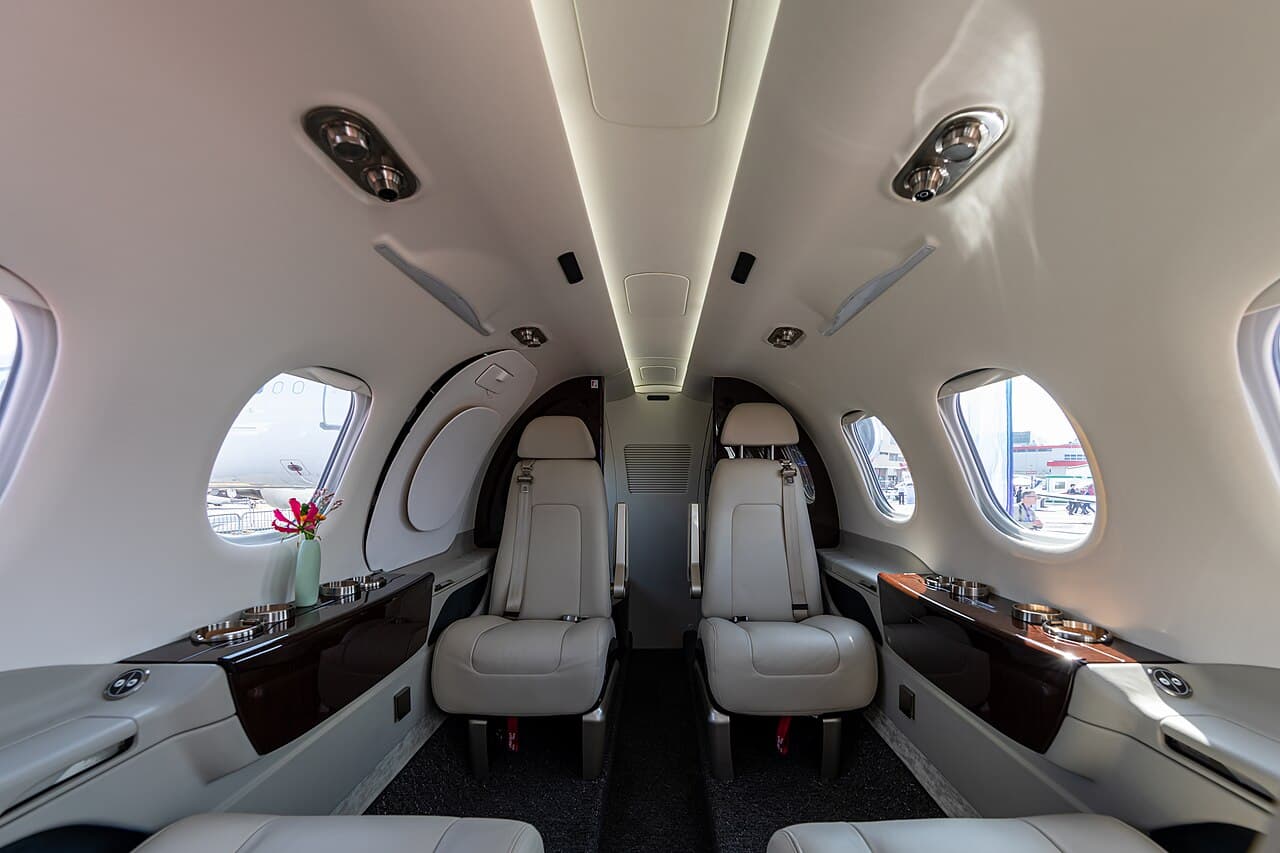
Embraer debuts Phenom 300EV light jet with Garmin Emergency Autoland and upgraded range
Embraer has launched the Phenom 300EV, the third generation of the planemakers best-selling light jet following the highly successful Phenom 300E and Phenom 300. On July 14, 2025, the Brazilian aircraft manufacturer said that the updated model arrives with intuitive safety technology, including Garmin Emergency Autoland. Embraer said the 'EV' designation stands for Evolution and deliveries of the new model are expected to begin in 2028. The latest executive jet "incorporates a series of performance and interior enhancements" from its predecessors such as Garmin G3000 Prodigy Touch, which includes runway and taxi situational awareness. PAUL BOWEN Landings and takeoffs are also supported by Autobrake and a new Embraer-developed Multi-Purpose Electronic Controller (MEC), integrates rudder-by-wire and other electronically controlled aircraft functions, contributing to reduced pilot workload and simplified maintenance. Michael Amalfitano, President and CEO of Embraer Executive Jets, said that for over a decade the Phenom 300 series have set the industry standard and the aircraft holds the "undisputed position as the category leader". "With the new Phenom 300EV, we are raising the bar once again," Amalfitano said. "Through purposeful innovations combining enhanced safety technology, amplified performance, and thoughtful cabin refinements, we have introduced meaningful advancements that make flying more intuitive, seamless and enjoyable. It is not only the evolution of the world's best-selling light jet, but a clear statement that the market leadership excellence benchmark continues to belong to Embraer." Embraer Performance updates include an extended range of up to 2,055 nautical miles and an increase in maximum zero fuel weight, adding approximately 430 pounds of payload capacity. The Phenom 300EV also introduces new True Blue Power lithium-ion batteries and LED taxi and landing lights designed to support improved reliability and dispatch performance. Starlink connectivity will also be available as an aftermarket solution through a Supplemental Type Certificate (STC). Introducing the Phenom 300EV, a bold evolution of the world's best-selling light jet for 14 consecutive years. There are light jets. And then there's the Phenom 300EV. Intuitive. Refined. Legendary. Read more: https://t.co/SD3KhYUZWx Phenom 300EV: https://t.co/2lTwriWz1C pic.twitter.com/UEMyMjJbiU — Embraer (@embraer) July 14, 2026 Additional enhancements include the introduction of an odorless vacuum lavatory, improved cabin temperature control, a redesigned refreshment center with the flexibility to bring a hot beverage machine of preference, and an air ionization system. RELATED India certifies multiple Embraer aircraft including E195 and E195-E2 jets
British Airways Relocates Hyderabad Crew Hotel After Multiple Pilot Food Poisoning Cases
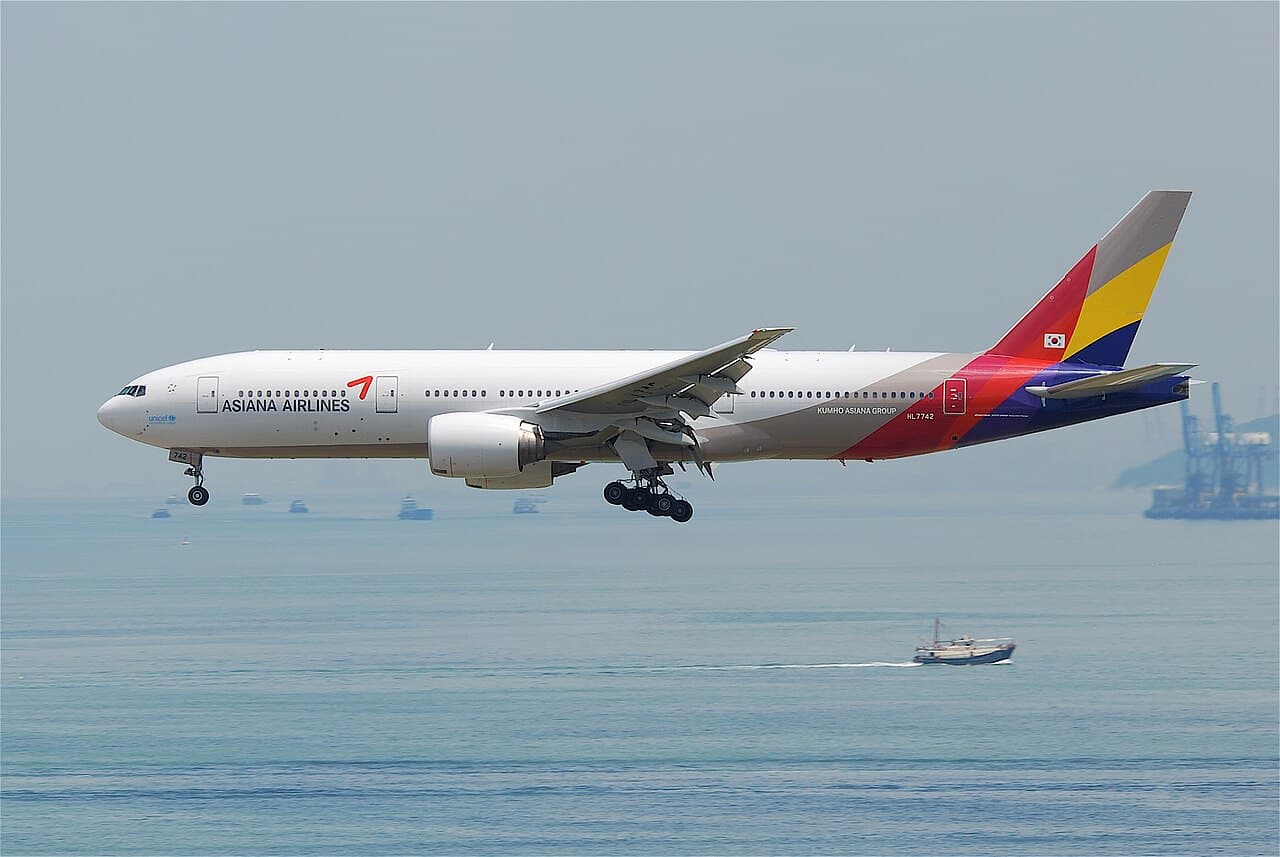
British Airways is moving crew out of its layover hotel in the Indian city of Hyderabad after all three pilots of a return flight to London Heathrow suffered violent food poisoning at 35,000 feet, with one pilot becoming so sick that he became “incapacitated” and had to be put on oxygen. The recent incident occurred on British Airways flight BA-276, which is operated by one of the airline’s Boeing 777 workhorses. The flight normally takes 10 hours and requires three pilots so that they can take a rest in special crew rest facilities one at a time. During this particular flight, however, all three pilots started to report classic symptoms of food poisoning. Thankfully, while one was declared incapacitated, the other two pilots were able to safely continue to fly the plane to London, although their condition reportedly deteriorated shortly after arrival. Suspicion as to the cause of the food poisoning wasn’t something they had eaten on the plane, but rather the buffet in the executive lounge of the hotel in Hyderabad, where British Airways puts its crew up for layovers in the city. Initial reports claimed that the pilots had been asked to provide ‘samples’ to enable investigators to determine the cause of their sickness. While the results of those tests haven’t been revealed, this wasn’t the first time that BA’s pilots and cabin crew had allegedly reported food poisoning symptoms after staying at this particular layover hotel. Despite a slew of reports, British Airways had reportedly failed to take action. Following the now viral story of these three pilots, however, we have now learned that immediate steps have been taken by the airline to prevent any further recurrence. British Airways has moved swiftly to move pilots and cabin crew out of the hotel where the alleged food poisoning incidents took place, with the airline now buying up rooms at a luxury Five Star hotel in the heart of Hyderabad’s commercial district. In a statement, a spokesperson for the airline said "the welfare of our colleagues is a top priority, and we are reviewing crew accommodation in this location following some isolated reports of sickness." Despite the fact that one of the pilots was incapacitated, and the other two reported feeling ill during the flight, British Airways insisted that safety was never compromised.
Pilatus PC-6 crashes after take-off near Nancy with smoke onboard, killing 11
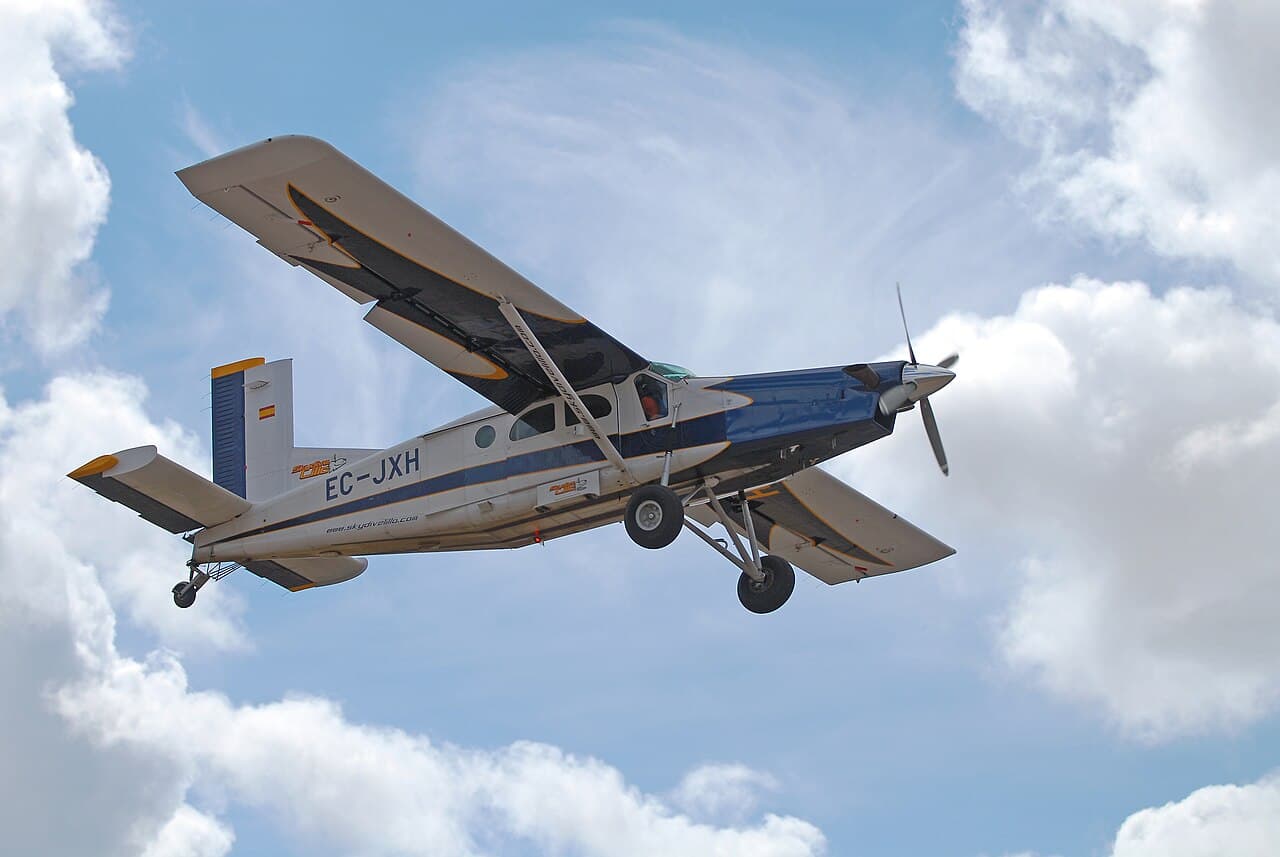
None of the 11 occupants survived the loss-of-control accident near Nancy. French investigators have indicated that smoke was observed by skydivers in the cabin of a Pilatus PC-6 during take-off before the aircraft stalled, rolled to the left, and crashed. Neither the pilot nor the 10 skydivers on board survived the accident at Tomblaine , near Nancy, on 28 June. Examination of the instrument panel suggests it was "highly probable" that warning lights for engine oil contamination by metallic particles, fuel filter clogging, and minimum propeller pitch were illuminated at the time of impact. "Analysis is continuing to determine whether these warning lights activated before or after the loss of control," says French investigation authority BEA. Reconstruction of the flightpath has largely relied on witness and surveillance video from the ground, as well as the Garmin GI-275 electronic flight display and cameras carried by the skydivers. BEA says that, during the take-off roll, an instructor in the rear remarked, "It's smoking." The pilot did not appear to hear this comment, while another instructor in the centre of the cabin also exclaimed, "There's smoke," while pointing to an area near the floor. BEA says the instructors agreed to ventilate the cabin by partly opening the side door. Spectral analysis of audio indicates the gas generator speed of the single Pratt & Whitney PT6A-27 turboprop was initially stable at 96% of maximum. But unlike the five previous flights that day, the speed then fell by 10% and remained at this reduced level. "At this stage of the investigation, it has not been determined whether this decrease was intentional or involuntary," says BEA. Rotation occurred at about 60kt and the aircraft reached 73kt some 2s after the fall in engine speed. The aircraft's airspeed began declining, while its pitch "sharply" increased, and it rolled initially to the right and then the left. Pitch attitude rose to 19° nose-up and the left roll exceeded 20°, while the airspeed fell to 55kt. BEA says the stall speed at take-off configuration would have been 53kt, rising to 57kt at 30° bank. "Control of the aircraft was lost shortly afterwards," says the inquiry, stating that the PC-6 stalled asymmetrically and lost height at about 200ft. It crashed 200m off the end of runway 21, and 150m to the left of its centreline. Pratt & Whitney is examining the engine. Fuel samples from the airport revealed no anomalies. None of the skydivers was carrying smoke grenades or phones, and the only phone recovered – probably the pilot's – showed no sign of thermal runaway. Neither was there evidence of overheating or abnormality in the aircraft's electrical system, nor signs of an automatic pyrotechnic charge detonation. BEA adds that the aircraft's mass and centre-of-gravity were within limits and no movement of the occupants was observed prior to the loss of control. It has yet to reach conclusions on the cause of the accident.
Southwest Airlines Faces Backlash Over ICE Detention of Passenger at Denver Airport
Southwest Airlines has found itself engulfed in a ferocious social media backlash after it was accused of being complicit in the detention of a woman by undercover ICE agents as she went to board a Southwest plane at the Denver International Airport on Tuesday. A video shared on Instagram by Alicia Dantzker shows her female friend called Chantal, being detained by several male ICE agents in the jetway leading to a Southwest Airlines plane. Warning: video contains very strong language. As they lead Chantal out of the jetway and into the main airport concourse, Alicia screams “Help, Help us… ICE is here! Help us!” As onlookers approach to see what is happening, a Southwest Airlines employee attempts to push Alicia back into the jetway, while more undercover ICE agents shove Chantal out of another door that leads to the airside ramp. Other passengers then rush towards the expansive window looking down on the ramp with their cellphones in hand to record the detention, while banging on the glass. “This is f**king evil, you should be ashamed of yourself,” Alicia shouts at one of the ICE agents who had initially detained Chantal. At this point, another Southwest Airlines employee interjects, saying: “If you are on this flight, and you speak to them [the ICE agents] like that, then you will not board this flight.” One of the ICE agents then claims that the Southwest Airlines pilot was aware of the detention taking place. “Southwest was complicit,” Alicia wrote in a caption next to the now viral video on Instagram. “They helped ICE every step of the way.” “Southwest Airlines, explain yourself,” one person commented on the video. “If you are aiding and abetting ICE in violating the constitutional rights of your customers, that's everything I need to know about every flight choice I make for the rest of my life.” Another wote: “Southwest Airlines, I was looking at tickets last night with y'all. Glad I didn't buy, taking my family trip business elsewhere.” And a third wrote: “Need a statement from Southwest Airlines ASAP, or all my upcoming travel is rebooked. Aiding warrantless kidnapping because they are Federal employees is unacceptable!” In a statement, a spokesperson for Southwest told us: “Southwest complies with applicable state and federal law when asked to share information about Customers. The airline has provided guidance to Employees to help ensure appropriate legal documentation is presented by law enforcement agencies prior to interactions in the gate areas.” The statement added: “Southwest is committed to providing a safe travel experience for all Customers and Employees.” The airline also noted that it may deny travel to passengers who are disruptive or display threatening behavior. The incident comes just days after two undercover ICE agents tried (and failed) to detain a 57-year-old man with dual Vietnamese and Australian citizenship at Las Vegas Harry Reid Airport. The agents, one who covered his face with a hood, and the other who covered her face with a surgical mask, were not wearing any visible ID when they took Phu Nguyen to the ground in the check-in area and attempted to handcuff him. The female agent managed to handcuff one of his wrists, but when they noticed other passengers filming what they were doing, they quickly fled the scene , leaving the Phu still handcuffed. The Las Vegas Metropolitan Police Department were called and officers ended up releasing Phu from the handcuffs and allowing him to catch his flight to Los Angeles. On arrival, ICE agents were waiting for Phu to deplane and he was taken into custody. A spokesperson for Immigration and Customs Enforcement later said officers were 'forced' to abandon the detention attempt because of 'anti-ICE agitators.' There is, however, no evidence that the onlookers had any idea that the two agents were from ICE, given their lack of identification. "To de-escalate the situation and for officer safety, officers did not proceed with the arrest at the Las Vegas Airport and chose to instead arrest him at his flight the following day, departing the Los Angeles International Airport on July 14," a statement from the Department of Homeland Security explained.
The Daily Touch & Go
The day's best aviation news in your inbox. Free, no spam.