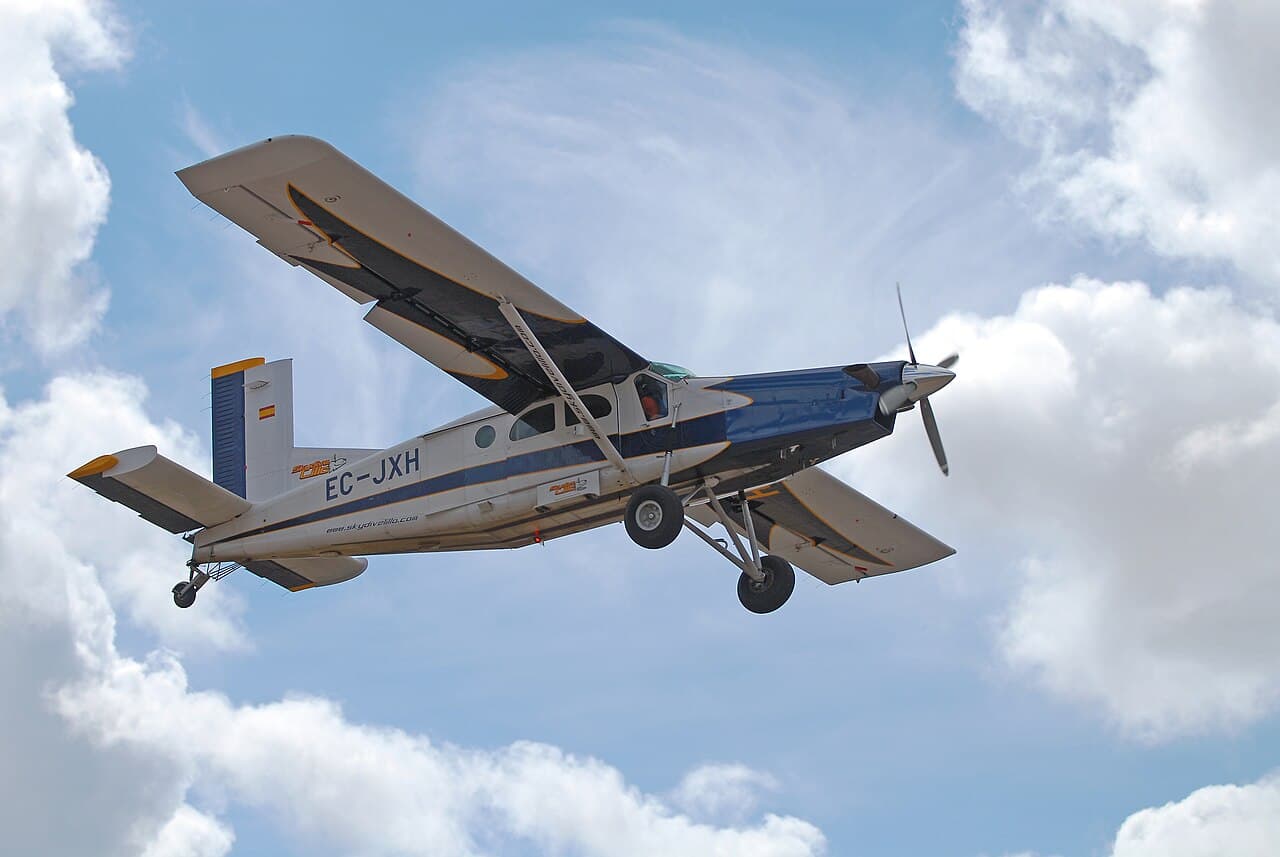
Image: JDrewes (see www.jandrewes.de), slight edit by Alvesgaspar · CC BY-SA 3.0 · via Wikimedia Commons
Pilatus PC-6 crashes after take-off near Nancy with smoke onboard, killing 11
A Pilatus PC-6 hosting 10 skydivers crashed shortly after take-off near Nancy following smoke and engine speed loss, killing all onboard.
The gist
Smoke in cabin and engine issues led to a fatal PC-6 stall and crash near Nancy, killing 11 including skydivers.
Continuing coverage
All Skydiving →A fatal accident occurred on 28 June near Tomblaine, close to Nancy, France, when a Pilatus PC-6 experienced a loss of control just after take-off, crashing and killing all 11 people onboard. The aircraft was carrying 10 skydivers along with the pilot. French investigators from BEA have indicated that during the take-off roll, smoke was observed inside the cabin before the plane stalled and rolled sharply to the left, leading to the crash.
Initial witness accounts and video surveillance from the ground, along with footage from cameras carried by the skydivers, helped reconstruct the fatal flightpath. Two instructors onboard remarked on seeing smoke; one in the rear cabin said it was smoking, while another in the center pointed toward the floor area and confirmed smoke presence. The instructors attempted to ventilate the cabin by partially opening the side door, but the pilot did not appear to hear these comments during the critical moments.
The single Pratt & Whitney PT6A-27 turboprop engine's gas generator speed started stable at 96% maximum RPM but then dropped by about 10%, remaining reduced during the accident sequence. This reduction was unusual compared to prior flights that day. At that point, the aircraft reached rotation speed at approximately 60 knots and climbed to about 73 knots, but airspeed soon began declining as the nose pitched sharply up to 19 degrees and the aircraft rolled first right then left more than 20 degrees.
As the aircraft slowed and climbed aggressively, it reached speeds near stall thresholds, with stall speed in take-off configuration around 53 knots and increasing to 57 knots at 30 degrees bank. The Pilatus PC-6 stalled asymmetrically about 200 feet above ground, lost height rapidly, and crashed roughly 200 meters beyond the departure end of runway 21, about 150 meters left of the centerline. All onboard perished in the crash.
Analysis of the cockpit instrument panel from wreckage found it highly probable that multiple warning lights for engine oil contamination with metallic particles, clogged fuel filter, and minimum propeller pitch were illuminated at impact. However, it remains under investigation whether these alerts activated before or after loss of control. Pratt & Whitney have commenced detailed examination of the engine to identify mechanical causes.
Further tests revealed no anomalies in fuel quality at the airport, and investigators excluded the involvement of smoke grenades or mobile phones as sources of smoke. The recovered phone—likely belonging to the pilot—showed no signs of thermal runaway. Additionally, no evidence pointed to electrical system malfunctions or pyrotechnic device detonation on board. Weight and center-of-gravity were within limits, and there was no indication occupants moved prior to the accident.
This tragic event highlights the dangers of in-flight smoke and potential engine malfunctions during critical phases such as take-off. The BEA investigation remains ongoing to determine the precise sequence of events and underlying causes. Findings may influence future safety protocols for skydiving flight operations and maintenance regimes for PC-6 aircraft.
The PC-6's role as a versatile utility aircraft favored by skydiving operators underscores the impact of this accident on that sector. With 11 fatalities, it is one of the deadliest such accidents involving a PC-6 in recent years, raising questions about training, emergency procedures, and engine monitoring instrumentation during take-off incidents.
The investigation by BEA continues to delve into mechanical and operational factors that led to the stall and crash. Pratt & Whitney's engine examination will be a critical element in understanding whether engine degradation or failure played a causative role. The findings will be key to preventing recurrence of fatal stalls following engine disturbances in turboprop aircraft.
Frequently asked questions
- What caused the Pilatus PC-6 to crash near Nancy?
- Smoke was seen inside the cabin during take-off, coinciding with a drop in engine gas generator speed, leading to a stall and loss of control.
- Did the pilot or instructors respond to the smoke inside the aircraft?
- Instructors noticed smoke and opened a side door to ventilate, but the pilot did not appear to hear their remarks during take-off.
- Were mechanical issues identified on the aircraft before the crash?
- Warning lights for engine oil contamination, fuel filter clogging, and minimum propeller pitch were probably on at impact, but it's unclear if before or after loss of control.
Read more
All Aviation Safety →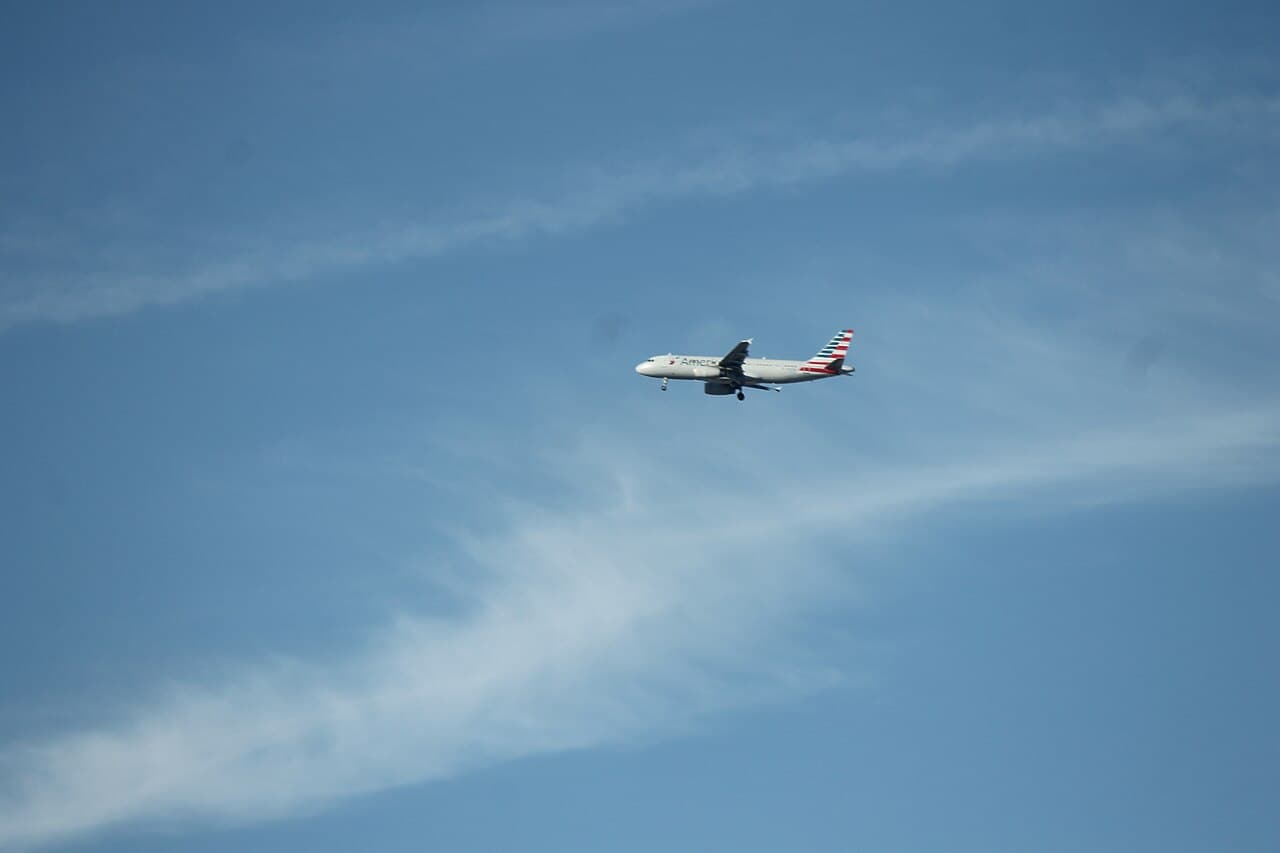
American Airlines Q2 Profits Plunge 88%, Faces Potential 2026 Loss
In recent weeks, we've seen the major US airlines report their Q2 2026 earnings. Obviously it's an unusual time for the industry — while we've seen a huge spike in jet fuel prices, we've also seen airlines be able to charge higher fares ( which they believe they can sustain ). In the United States, the story has largely been the same at most airlines — we're seeing record revenue, while profits are down year-over-year. However, the extent to which profits are down differs massively. American is obviously the carrier among the "big three" that's struggling the most, and it has just reported its financial results , including updated guidance. It's all not very pretty. American "only" earns $71 million in its (historically) best quarter When it comes to quarterly results, generally American's best quarter is Q2, followed by Q4, followed by Q3, followed by Q1. That's because Q2 covers spring and early summer travel (the peak summer travel period has moved forward), Q4 covers holiday travel, Q3 covers some summer and fall travel, and Q1 is… well, rough. Obviously you'd expect some year-over-year changes at airlines, reflecting higher revenue but also higher costs. However, in general you'd hope that American is somewhat "tracking" its competitors, in terms of the percent changes year-over-year. In 2025, American's annual profits plunged by 87% , and CEO Robert Isom promised significant upside. So, how are things going now? American has just reported a net income of $71 million for Q2 2026, representing an 88% year-over-year decrease in net profit. As a point of comparison, Delta and United saw profits decrease by 25% and 17%, respectively. Airline Q2 2025 net income Q2 2026 net income Percent change American $599 million $71 million −88.1% Delta $2.13 billion ~$1.60 billion −24.9% United $973 million $805 million −17.3% Now, to be thorough, let's also compare Q1 2026 results compared to the previous year (keep in mind Q1 2025 was really rough due to the tariff situation, so all airlines saw a profit increase over that period). Airline Q1 2025 net income Q1 2026 net income Percent change American -$473 million -$382 million +19.2% Delta $240 million $570 million +137.5% United $387 million $973 million +151.4% It seems unlikely American will make money in 2026 American lost $382 million in the first quarter, and earned $71 million in the second quarter, so for the first half of the year, we're at a loss of $311 million, with the company's historically best quarter behind it. For context, in Q3 2025 American had a net income of -$114 million, and in Q4 2025 it had a net income of $99 million. At this point, it seems highly unlikely that American will turn a profit in 2026. American has also updated its full year 2026 guidance, and now expects earnings per share of -$0.65 to $0.65. That contrasts to the previous guidance of -$0.40 to $1.10. And keep in mind American's initial guidance for 2026 was $1.70 to $2.70. For context, Delta has maintained the same guidance throughout, of $6.50 to $7.50 per share. Meanwhile United's guidance has gone from $12 to $14 per share, to $9 to $11 per share. But worry not, folks, American CEO Robert Isom is "excited about the remainder of 2026," brags about how the carrier's "performance reflects the strength of [its] commercial strategy," and thanks the team "for their outstanding execution on [their] commercial and operational objectives during the quarter." The concept of American turning a profit this year seems like a pipe dream at this point, and must be based on assuming that oil prices crash, while the airline can maintain pricing power. 2026 isn't looking very promising for American Bottom line Admittedly no one expects that a turnaround will happen overnight, but American is continuing to lose ground to competitors when it comes to financial results, rather than narrowing the gap. The company had profits in Q2 decrease by 88%, and that's historically American's best quarter. Combined with the $382 million loss in the first quarter, it's hard to imagine a world in which the airline will turn a profit this year. As always, one can't help but be reminded of how in 2017, former American CEO Doug Parker said that the airline would never lose money again, and even in a bad year, the airline should earn around $3 billion in profits. That sure didn't age well, did it? One can't help but wonder how much longer the board will just sit on the sidelines as more and more ground is lost… What do you make of American's financial results, and how do you see this playing out?
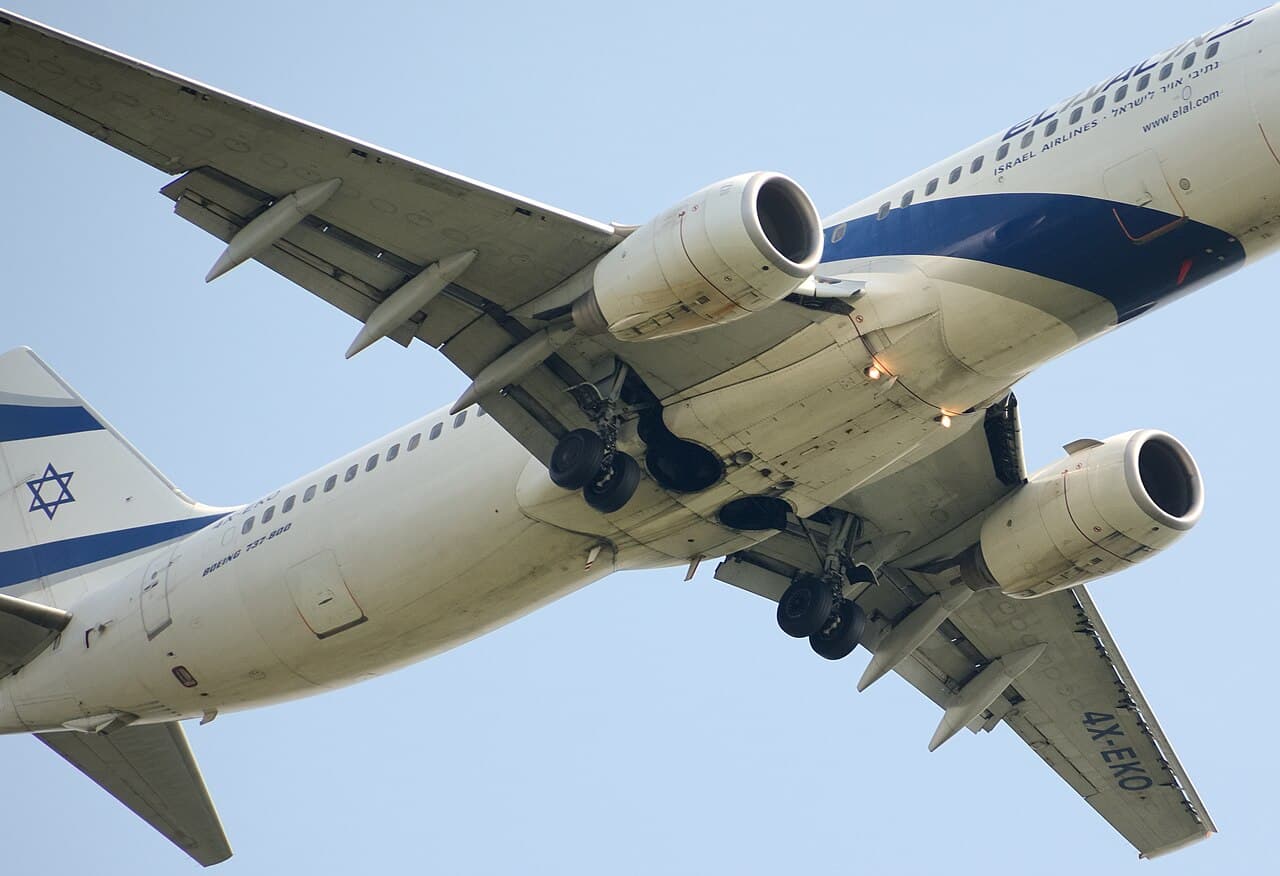
NTSB and Ryanair Disagree Over Cause of Malta Air Boeing 737 Window Blowout Incident
On July 10, a Boeing 737-800 Next Generation jetliner operated by Ryanair's subsidiary Malta Air suffered an uncontained engine failure during initial ascent. While CEO Michael O'Leary placed the blame on foreign object damage, the National Transportation Safety Board has not yet ruled out equipment age or service issues in the CFM56 engine's catastrophic malfunction.
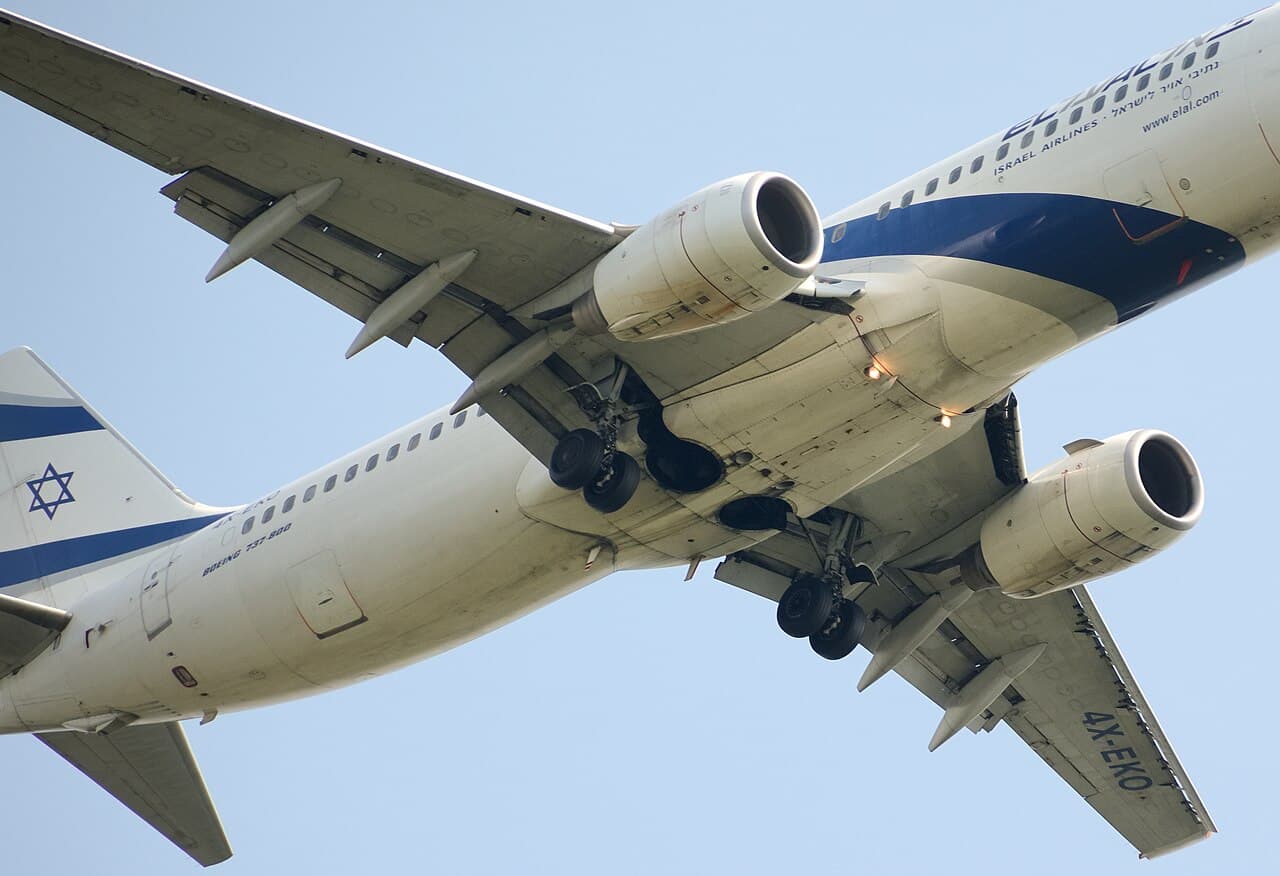
NTSB Rebukes Ryanair CEO for Premature Comments on Engine Failure Accident
The head of the U.S. National Transportation Safety Board (NTSB) has accused Ryanair chief executive Michael O’Leary of violating international law over comments he made about the window blowout incident aboard one of the airline’s Boeing 737 jets over Greece earlier this month that partially sucked a 61-year-old passenger out of the plane. During a scheduled earnings call at the start of this week, the often outspoken O’Leary said that while he couldn’t “definitively” say what the cause of the accident was, "initial indications would suggest it looks like a foreign object damage to the engine.” O’Leary went on to say that the accident was not the result of the aircraft’s age or servicing. The NTSB has taken over responsibility for investigating the July 10 accident at the request of Greek authorities. The incident involved an 18-year-old Boeing 737-800, which was operating Ryanair flight FR-1879, a regularly scheduled service from Thessaloniki (SKG) to the German town of Memmingen (FMM) in Bavaria. Shortly after takeoff and while the aircraft was still in its initial ascent to cruising altitude, the right-hand engine suffered an uncontained failure, sending debris flying towards the fuselage of the plane. Some of that debris hit a cabin window, smashing through the various layers and causing an explosive depressurization. The 61-year-old Serbian passenger who was sitting beside this window was partially sucked outside, but thankfully did not sustain serious injuries. After declaring an emergency, the pilots returned to Thessaloniki, where the plane landed without further incident. In a new letter to Michael O’Leary, often styled as MoL, the NTSB’s chairwoman, Jennifer Homendy, reminded him of Ryanair’s responsibility under Annex 13 of the International Civil Aviation Organization (ICAO), which deals specifically with aircraft accident investigations. Under Annex 13, Ryanair has been designated as an accredited representative and technical adviser in the investigation, which is being led by the NTSB. One of the requirements of being an accredited representative or technical advisor in an official aviation accident is that information cannot be released without the express permission of the investigating authority – in this case, the NTSB. “The NTSB is currently investigating that accident and therefore, accredited representatives and their technical advisers are prohibited from making any comments regarding the potential cause of the event or otherwise conveying potential investigative information,” Homendy said in the July 22 letter, which was sent to MoL and the chief executive of Malta’s Bureau of Air Accident Investigation, Capt. Frank Zammit (the aircraft was registered to Malta Air, which is a wholly owned subsidiary of Ryanair). “The NTSB has not made any such determination, and our investigators have not yet ruled out age or servicing issues as contributing to this event,” the letter added. “Mr. O’Leary’s public statements violate Annex 13 as they provide an opinion and analysis of the accident and suggest potential areas of interest in the ongoing investigation.” “Because failure to comply with Annex 13’s restrictions, depending on the investigative relevance and accuracy of such information, may impact the integrity of the investigation, I urge Mr. O’Leary to refrain from further public statements regarding the investigation while it is ongoing.” The aircraft involved in the July 10 accident remains grounded. Investigators will not only want to establish whether a foreign object was responsible for the engine failure, but also that resulted in debris being sent flying towards the fuselage, causing the window blowout. A preliminary report that will describe the events of July 10 is expected to be released within weeks, but a full accident report could take many months to be completed.
Passenger refuses to sit beside woman citing Sharia law, assaults flight attendant on Turkey-Germany flight
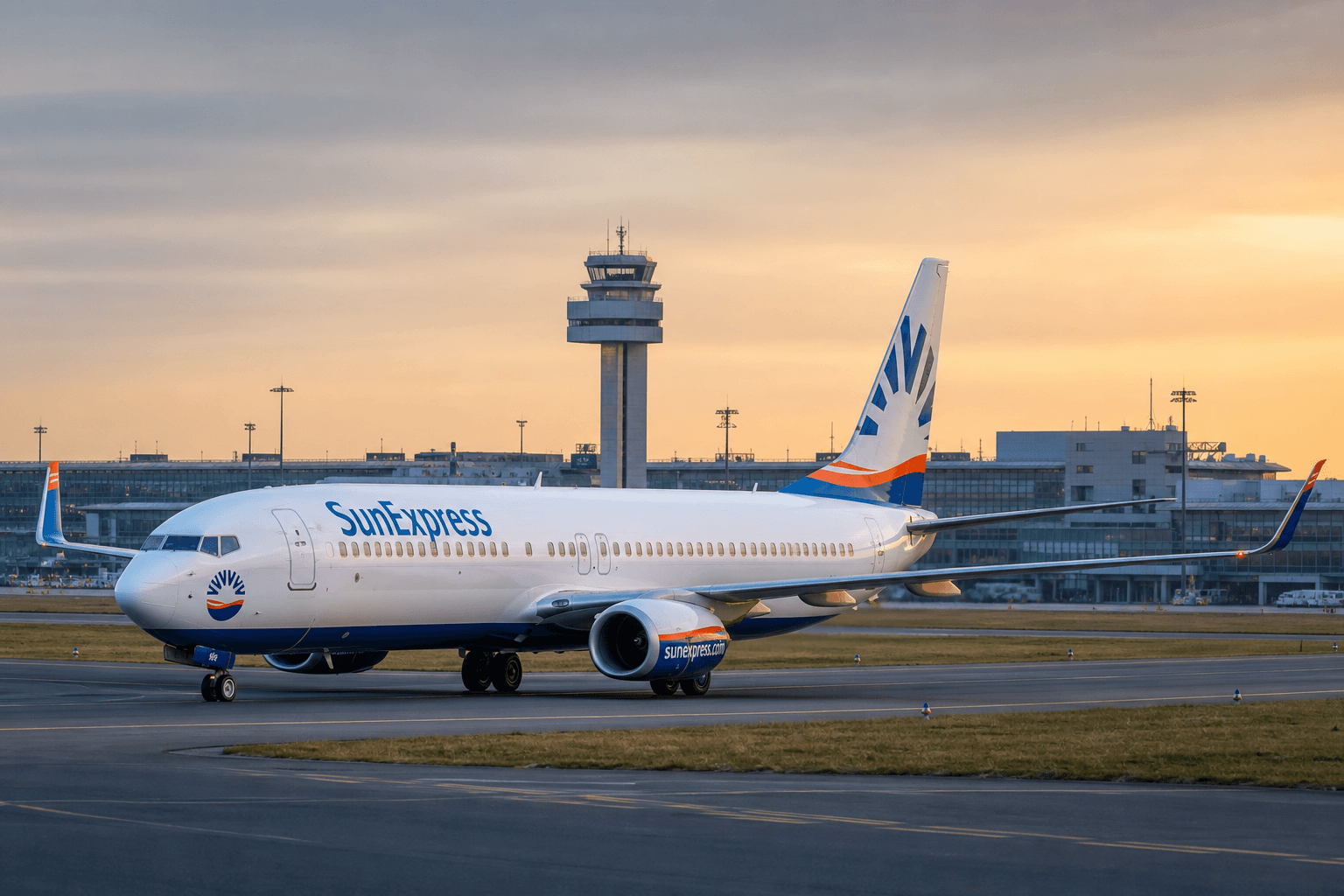
A German resident of Turkish descent was arrested upon landing on a flight from Turkey to Germany, after he refused to sit next to a female seat mate, only to then punch the flight attendant when she tried to help with the situation. The guy then proceeded to insult police officers in Turkish, leading to even more charges… talk about awful behavior. Passenger causes commotion on Turkey to Germany flight German media is reporting on an incident that happened on June 1, 2026, on a flight from Samsun, Turkey (SZF), to Dusseldorf, Germany (DUS). This happened on a SunExpress flight, with that being a leisure airline that's a joint venture between Lufthansa and Turkish Airlines. According to reports, the 29-year-old man ended up in a situation where he was sitting next to a female, which he wasn't comfortable with, claiming it was in violation of Sharia law. When the flight attendant confronted him, he reportedly punched her in the face. German Federal Police were called to the airport in Dusseldorf shortly before 7AM, to take a report of the assault. A criminal complaint was subsequently filed. The passenger confessed to the crime, though the conversation didn't go smoothly. The man reportedly insulted the police officers in Turkish, thinking they wouldn't understand. However, since one of the officers spoke Turkish, the man received an additional charge of insult, beyond his charge of assault. One detail that's not known is the context in which he ended up sitting next to a woman. Like, how did this incident only happen while the plane was in the air, and not on the ground in Turkey, before departure, since presumably he would've been offloaded at that point? This incident happened on a SunExpress flight This situation is obviously terrible on all levels Even as someone who isn't really religious, I think people are entitled to there sincerely held religious beliefs. However, if your religious beliefs impact the ability of others to go about their day, I think it's on the person with the religious beliefs to make accommodations, rather than putting that burden on others. On the topic of Sharia law, as you'd expect, different people have different interpretations. The idea is that direct contact and interaction with the opposite gender (if not related by blood, marriage, etc.) is only allowed for necessity. I guess the idea here is that if you're sitting next to someone on a plane you could accidentally touch, and that was presumably an issue for him. Now, let me point out that not all people with that general belief system interpret things that way, and many will view it as being fine to sit next to someone of the opposite gender on a plane. If this is really how the guy felt, he should've purchased an extra seat (which SunExpress allows) to prevent any potential touch. Of course the irony here is that he was so concerned about inadvertently making contact with a female, only to then… slap a female, which I'm pretty sure would qualify as direct contact. Then the icing on the cake here is that he insulted the police officers, which is a criminal offense in Germany, and it can even lead to imprisonment. Ouch all around… This guy should've purchased an extra seat, if it was so important Bottom line A passenger on a SunExpress flight had quite the meltdown, when he first refused to sit next to a woman, only to then punch the flight attendant when she tried to intervene. When the flight was met by police in Germany, he then insulted the officers, which is also a crime in Germany. While I respect sincerely held religious beliefs, this guy was 100% in the wrong on all counts here, and I imagine he'll be held accountable for his behavior. What do you make of this flight seating incident?
The Daily Touch & Go
The day's best aviation news in your inbox. Free, no spam.