
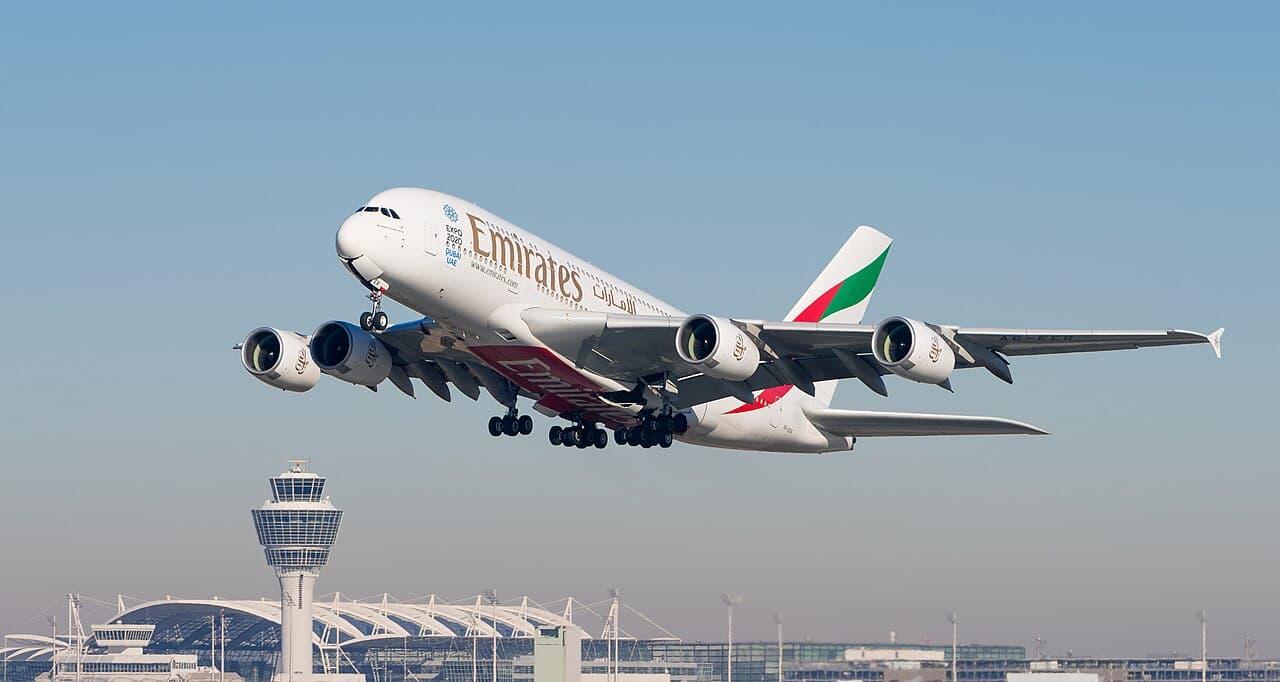
Image: Julian Herzog ( Website ) · CC BY 4.0 · via Wikimedia Commons
Senior Flight Attendants at US Carriers Surpass $100K Annually with New Pay Deals
Flight attendant salaries vary globally, with US senior crew now earning up to $150,000 yearly due to recent contract upgrades and premium pay structures.
The gist
Top US senior flight attendants can now earn over $100 an hour, exceeding $120K annually, driven by new contracts and seniority bonuses.
Flight attendant compensation in 2026 exhibits notable diversity depending on airline, rank, region, and employment terms. In the United States, entry-level flight attendants typically start between $25 and $40 per hour. However, senior international flight attendants at major US airlines like American Airlines, Delta, and United can push their base earnings toward or beyond $90,000 annually when including additional premiums, per diems, and layover pay.
Seniority plays a pivotal role in flight attendant salaries worldwide, with annual increases and pay boosts aligned to rank progression. Entry-level cabin crew may earn as little as $2,000 monthly in some regions, contrasting sharply with senior international crew members who can make upwards of $10,000 monthly, underscoring the broad pay spectrum in the industry.
According to data gathered from IndexBox, flight attendant salaries at leading US carriers show the most senior cabin crew approaching or exceeding a base salary of $80,000 annually, with top earners crossing the six-figure mark. Although these figures remain behind pilot compensation, US crews benefit from unionized work environments that have driven pay improvements, excluding carriers like Delta which offer distinct compensation structures.
US flight attendants receive an hourly base rate plus a per diem for hours away from their base airport, with further enhancements for night flights, holidays, and specialized roles such as language specialists. Most crew have minimum guaranteed monthly paid hours. Data from Comparably lists the average international US flight attendant salary near $60,000, with most earnings falling between approximately $37,000 and $46,000 annually.
In Europe, wages generally range between €1,500 and €3,500 monthly, equivalent to €20,000–€50,000 depending on the carrier and seniority. Low-cost carriers tend to offer between €17,000–€25,000 annually, while legacy European airlines pay more, sometimes reaching €60,000 in high-cost countries like Switzerland. Compensation packages often include base pay, hourly flight pay, onboard sales commissions, and per diems that can be tax-free.
The United Kingdom records an average gross salary for cabin crew around £42,475 ($56,800) with bonuses near £1,144 ($1,530). Junior crew with less experience earn roughly £30,800 ($42,000), while seasoned senior cabin crew can make about £48,830 ($65,200). Australian flight attendants command even higher averages, with gross salaries around AU$98,578 ($69,000) and bonuses above AU$2,600 ($1,850). Singapore Airlines crews earn between S$2,800 and S$8,000 monthly depending on rank.
The highest pay grades are held by pursers or senior cabin managers, overseeing entire cabin sections on widebody jets. In the US, pursers earn an hourly premium of approximately $1 to $7.50 on seniority wages, translating to potential compensation between $120,000 and $150,000 annually at airlines like United and Delta for senior lineholders working full international schedules.
A decisive shift occurred in May 2026 when United Airlines' flight attendants ratified a five-year contract that included a 31% average wage increase and introduced new boarding pay. Starting pay rose to $37.10 per flight hour, escalating to over $100 per hour by the 13th year of seniority. Additional per diem payments and reserve duty bonuses supplement this pay, positioning United’s top-tier flight attendants as among the best compensated in the aviation industry.
Gulf carriers such as Emirates and Qatar Airways offer relatively lower gross salaries ranging from $40,000 to $70,000 for senior crew, but their tax-free packages, housing, transportation, and generous leave benefits narrow the overall value gap. Emirates additionally offers periodic salary bonuses and provides detailed pay breakdowns, noting starting pay for new hires near $1,300 monthly plus flying hour allowances.
Frequently asked questions
- How much can senior flight attendants at major US airlines earn in 2026?
- Senior flight attendants at US airlines like United and Delta can earn $120,000 to $150,000 annually, factoring pay premiums, per diems, and bonuses.
- What changes did the 2026 United Airlines contract introduce for flight attendants?
- United's 2026 contract raised starting flight attendant pay to $37.10 per flight hour, with increases up to $100+ per hour by year 13, plus new boarding pay and per diem benefits.
- How does flight attendant pay in Europe and Gulf carriers compare to the US?
- European flight attendants typically earn €20,000–€50,000 annually with additional commissions, while Gulf carriers pay less base salary but include tax-free packages, housing, and travel perks narrowing the compensation gap.
Read more
All Airlines →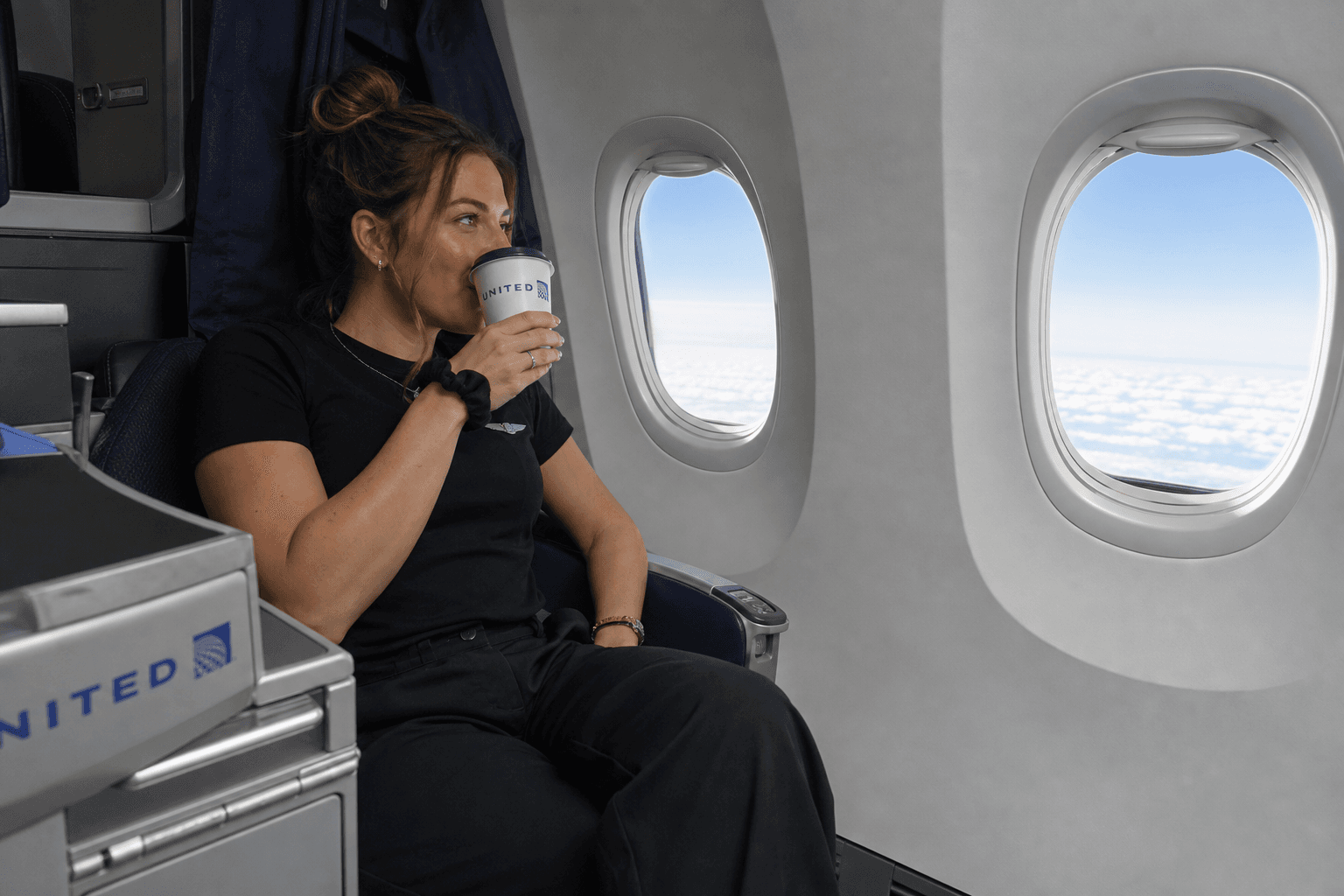
United Airlines Allows Flight Attendants to Drink Alcohol While Deadheading Under Strict Conditions
United Airlines flight attendants can drink while on duty in one narrow situation: when they are deadheading as passengers, out of uniform, and not expected to work another flight that day.
Boeing dismantles never-flown 777-9 amid costly rework and program delays
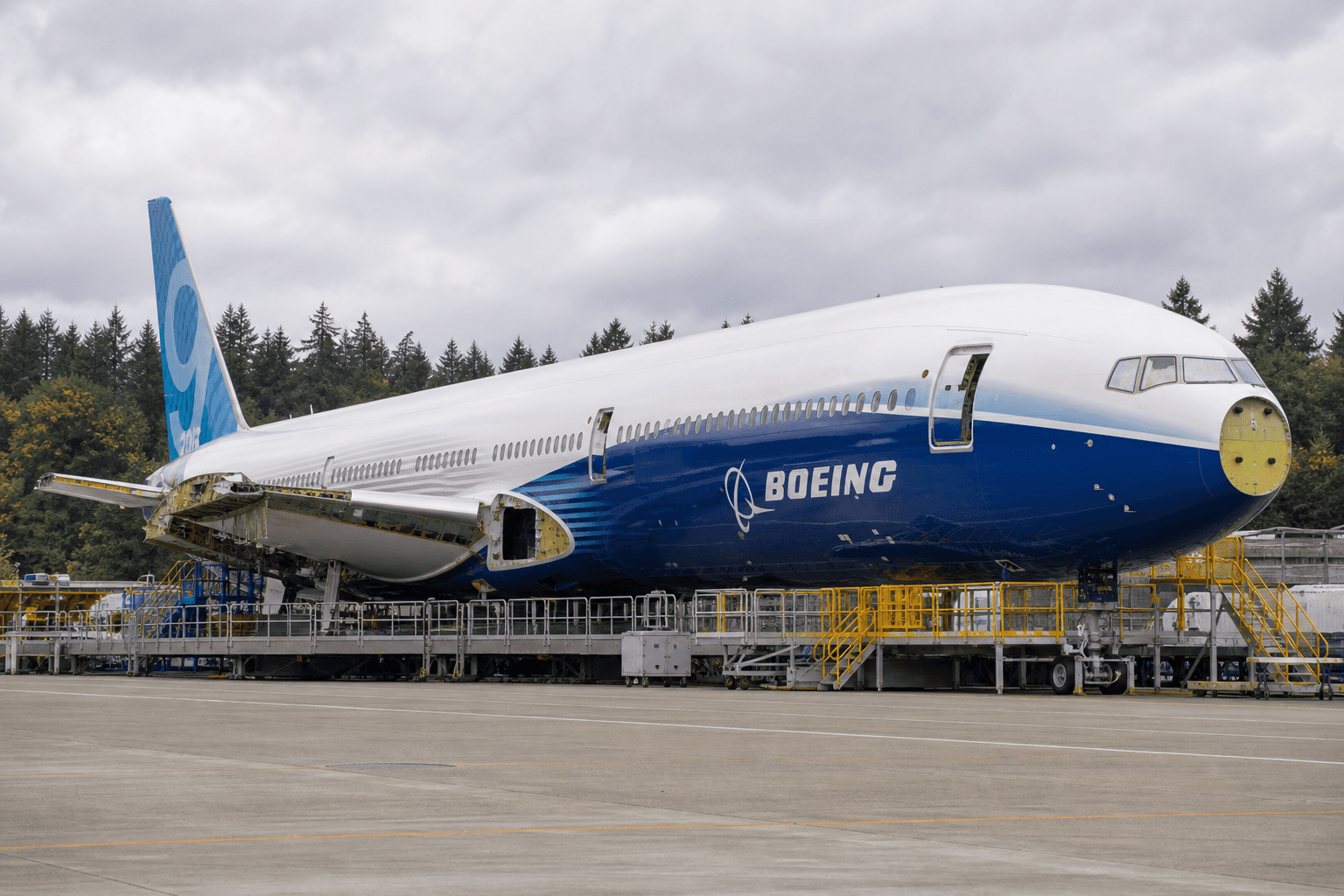
For six years, a hulking, green Boeing 777-9 airframe sat dormant at an airfield north of Seattle, weighted blocks dangling from its wings in place of engines and black covers over missing fairings and open panels. In 2025, the jet quietly disappeared. The seventh 777-9 built by Boeing, dubbed WH007, left the Everett, Washington factory to little fanfare in the summer of 2019. Folded winglets painted in the colors of Emirates, the carrier […]
United Airlines Anticipates Full Fuel Cost Recovery by Q4 Amid Rising Expenses
US carrier’s operating profits slip 17% to $1.1 billion in second quarter. United Airlines expects to be recovering all of its additional fuel costs through higher fares by the fourth quarter after today disclosing an operating profit of almost $1.1 billion in the second quarter. The Star Alliance carrier's second-quarter operating profit was down 17% on the $1.3 billion it made for the same period in 2025, while net profit slipped to $805 million from $973 million a year before. That was achieved in the face of a $2.3 billion – or 84% – increase in its fuel costs for the April-June period. The carrier estimates it recovered around half of this additional cost during the second quarter. United’s revenues climbed 16% in the second quarter to almost $17.7 billion, supported by a 12% rise in yields. United Airlines chief executive Scott Kirby says: “United is built to thrive in every environment, and when oil prices spiked in March, we quickly and decisively acted to adjust our schedules, while simultaneously doubling down on our customer investments." The US carrier estimates, based on current oil prices, that its fuel costs for the full year will be nearly $6 billion higher than in 2025. "In the third quarter the company expects to recover approximately 80% to 90% of the increase, and 100% by the fourth quarter," it says.
Airlines Confirm Structural Shift with Sustained Fare Increases Amid Rising Fuel Costs
Earnings season has officially begun with, as always, Delta kicking off festivities late last week and then United just yesterday releasing its numbers . The airlines unsurprisingly did very well, but the results and more importantly, forward-looking guidance, show that we may have finally seen a structural shift. Airfares are up, and I don’t imagine they’ll be going back down anytime soon. On the surface, it looks like Delta is outperforming with an operating margin of 9.4 percent versus United’s 6.2 percent, but remember, Delta owns a refinery and that helped boost the company’s fortunes this quarter. Since today’s topic is about the core business, let’s try and strip out fuel’s impact. Excluding the refinery, Delta’s operating revenues were up 13.9 percent, below United’s 16.0 percent Fuel expense at Delta rose 67.2 percent year-over-year while United was up 84.1 percent Fuel went from being worth 55.8 percent of Delta’s largest expense — total salaries and wages expense — to 86.3 percent, but at United fuel soared to become the airline’s number one cost at 109 percent of salaries and wages Delta’s unit costs were up 21.4 percent, but excluding fuel, they were up only 6.8 percent while United’s numbers were up 15.2 and 6.1 percent respectively You get it. Fuel is a big deal, and it was very messy in Q2 when the bulk of the Iran War was being waged. And yes, I’m well aware that it’s still being waged and probably won’t end anytime soon now that Iran has learned it can toy with the Strait of Hormuz whenever it feels like it. Just look at the downward slope reversing course recently. via IATA And when fuel goes up, fares have to go up. In the past, this often meant cutting significant capacity thanks to basic economics, but that’s not happening now. And even when fuel came down off its highs, fares didn’t budge downward at all. Demand has been very strong, and it took an event like this to get airlines to actually be able to take real pricing increases for the first time in a long time. To see what I mean, you can look at the Government Accountability Office’s new report on the impact of mergers . I sat with Courtney Miller as my guest host on The Air Show this week to talk about that report in detail. I won’t get into those details here, because it frankly isn’t helpful to this discussion since the study period stopped in 2024. This just provides the historical context that fares have been going down for quite some time. In other words, while this consolidated industry structure has been in the works for a couple decades, the airlines really didn’t significantly flex their pricing muscles until recently. The Air Show A podcast about the business of the sky Listen on Spotify | Listen on Apple Podcasts There’s no question that consolidation made this possible, and sometimes in ways you might not imagine. For example, airline pricing teams are better at their jobs simply because there are fewer of them out there. The ones that remain tend to be much better at the job at hand. The reason this is so important for gaining pricing power is that one airline has historically been able to tank a fare initiative pretty easily, even something as simple as a small, across-the-board fare increase. Today, we aren’t seeing that. Let’s get back to Delta’s results — I can’t do this with United yet since the 10-Q wasn’t out at the time of publication. Strip out things like loyalty revenues (which always seems to go up these days) and look at just Delta’s Q2 ticket revenue, and we see it increased 12.5 percent year-over-year. The reality is that fares went up much more than that, because a decent chunk of Q2 bookings happened before the recent run-up. But even 12.5 percent is a remarkable increase considering that capacity was flat. This doesn’t look like a temporary blip, even though we know everything in this industry is somewhat temporary. Just look at Delta which reaffirmed its earnings guidance for the full year and United which improved it . They won’t be the only ones. It’s easy to say this is all due to that growing pot of credit card money or refinery earnings or something else, and yes, those all help. But the reality is that none of this happens without the industry’s main players all realizing that there is room for higher fares. Even if that weren’t the case, it has become easier for airlines to insulate themselves from low-cost airline fare actions, something that has always been a problem. Pricing is far more complex than it was in the past, so there are more levers to pull. If Frontier decided it wanted a massive sale since its results are not great, the other airlines could match with Basic Economy fares only and not see their entire fare structure collapse. The ability to better segment means that fare actions can be compartmentalized. The airlines love segmentation so much that it continues to spread. Delta is now introducing Basic Business — or as I like to call it, Delta None — which will undoubtedly keep the same pricing business class has today, simply creating an upsell for those who want a seat assignment in advance along with other goodies. It’s a straight-up fare increase that others likely can’t torpedo. (United has already gone down this path anyway.) All this being said, fare increases don’t work in a vacuum. Capacity levels are very important, and the industry has seen capacity decline dramatically very recently. Spirit finally went away in Q2 after being unsustainable as a business for a couple of years. This takes away one more desperate management team and further consolidates the industry into something more rational. This doesn’t mean that fares will only go up from now on. There will be a recession. There will be downturns. Maybe there will even be a well-funded startup, though that doesn’t seem very likely today. We don’t know when, but when this happens, fares will fall. But instead of plunging, airlines will better manage their capacity and keep pricing at a higher level. This is exactly the kind of thing former American CEO Doug Parker meant when he said the industry wouldn’t lose money again. It was a tone-deaf statement that didn’t land with employees, but it also didn’t prove to be strictly true. Of course, he wasn’t thinking about a global pandemic when he said it; he was talking about normal economic cycles. And he was right. The thing is, the big airlines hadn’t really been willing to test it out until this year once it was pretty clear they had largely vanquished the low-cost carrier threat. Admittedly, we haven’t seen this tested in any significant way since the pandemic ended. Only time will tell if this is right or not, but the fact that airlines are pushing fares higher and not seeing much blowback means they will be emboldened to keep trying to push the envelope. Now the only real question is whether the government will eventually decide this is an antitrust issue that it needs to revisit.
The Daily Touch & Go
The day's best aviation news in your inbox. Free, no spam.