

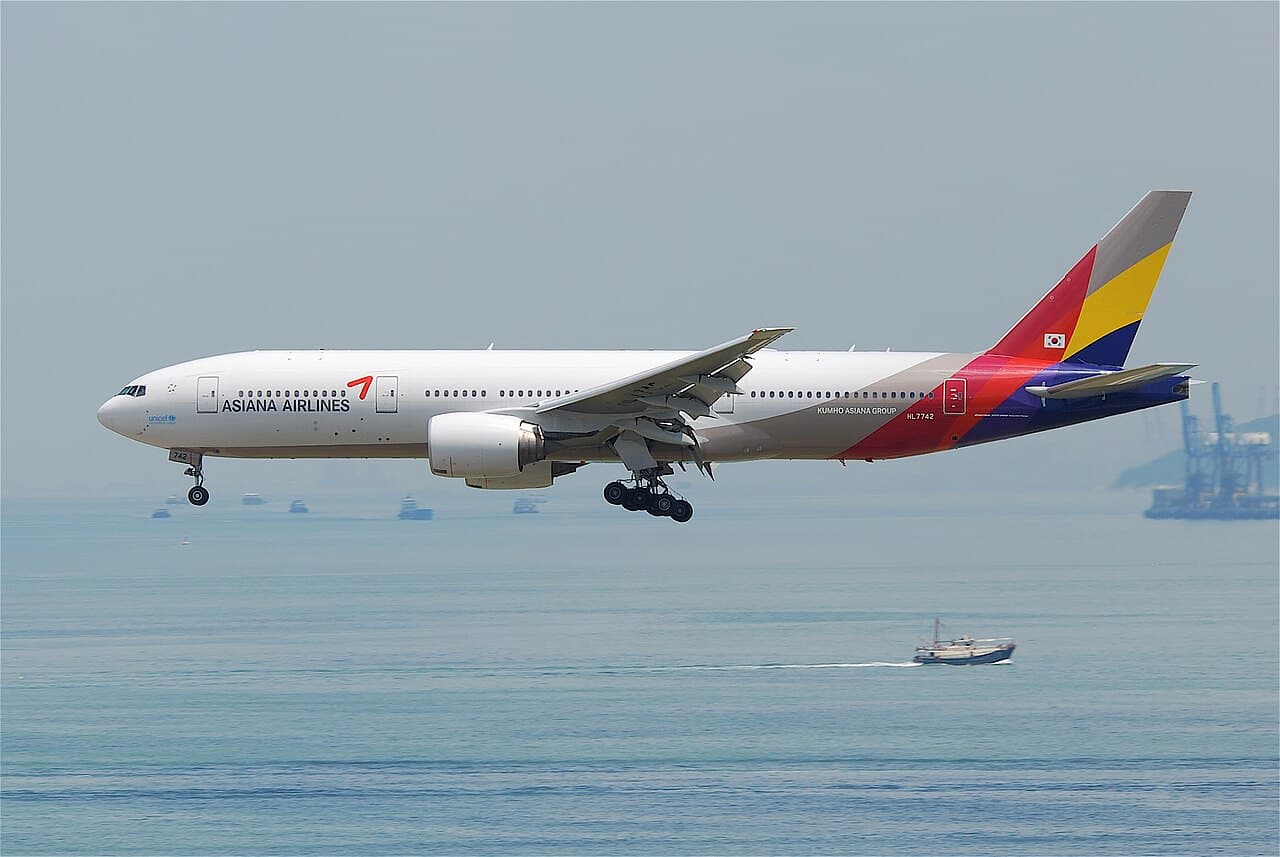
Image: Aero Icarus from Zürich, Switzerland · CC BY-SA 2.0 · via Wikimedia Commons
British Airways Relocates Hyderabad Crew Hotel After Multiple Pilot Food Poisoning Cases
Three British Airways pilots on a Hyderabad layover suffered severe food poisoning en route to London, prompting the airline to shift crew accommodations immediately.
The gist
British Airways moves Hyderabad crew from hotel after three pilots suffered severe food poisoning during flight BA-276 to London.
Continuing coverage
All Boeing 777 →- Emirates completes 100th aircraft retrofit in unprecedented $5 billion overhaul program
- Mammoth Freighters Launches Boeing 777 Conversion Line in Qingdao to Meet Asia-Pacific Cargo Demand
- American Airlines Adds Nine New Summer Routes From Dallas/Fort Worth Hub
- Air New Zealand to Retrofit Boeing 777 Fleet with New Business Class Seats in 2027
- Emirates Completes 100th Cabin Retrofit in Record 44 Months
British Airways has taken urgent measures to relocate its flight crew from a hotel in Hyderabad, India, following a troubling incident where three pilots of a Boeing 777 flight suffered severe food poisoning during a long-haul journey to London. On flight BA-276, operating between Hyderabad and London Heathrow, all three pilots became ill while airborne, with one pilot so gravely affected that he was deemed incapacitated and required oxygen support. Despite the compromised condition of the crew, the flight was safely completed, with the remaining pilots managing to land without incident.
The Boeing 777 aircraft typically operates with three pilots due to the extended flight duration of approximately 10 hours and the need for crew rest. On this flight, each pilot reportedly manifested classic food poisoning symptoms, raising immediate concerns over the source of contamination. Initial investigations focused not on onboard catering but instead on the buffet facilities at the executive lounge of the Hyderabad hotel where the crew rested during layovers. The pilots were asked to provide biological samples to aid in identifying the cause and confirm suspicions related to the hotel food.
This incident was not isolated; there have been prior reports from British Airways personnel lodging at the same Hyderabad hotel, alleging food poisoning symptoms during layovers. Those previous claims had not prompted significant remedial actions by the airline, but the severity of the latest episode, particularly the incapacitation of one pilot mid-flight, has forced a swift response. British Airways has now withdrawn all crew from the implicated hotel location and secured accommodations at a new luxury five-star hotel situated in Hyderabad’s commercial hub, aiming to mitigate any ongoing risks.
A spokesperson for British Airways emphasized that crew welfare is paramount, explaining the decision to review accommodations following these isolated illness reports. The airline has reiterated that despite the challenges posed by the sudden illness onboard flight BA-276, operational safety was never compromised. The presence of three qualified pilots enabled the aircraft to continue safely to its destination, even though the pilots’ health deteriorated further shortly after landing.
The Hyderabad layover plays a critical role in British Airways’ network, serving as a strategic point for crew rest and operational logistics for flights connecting India and the UK. Boeing 777s, known for their range and reliability, are mainstays of such long-haul routes, necessitating vigilant attention to crew health and welfare to maintain safety standards. The unexpected food poisoning incident highlights the potential hazards that can arise from non-aviation factors, such as accommodations and catering services used during crew rest periods.
Medical incapacitation mid-flight is a serious issue, and aviation regulations place stringent demands on airline operators to ensure the readiness and fitness of flight crews. The fact that British Airways had three pilots aboard allowed the flight to proceed safely, demonstrating the importance of redundant crew systems on long international flights. However, the incident raises questions about the airline’s oversight of its contracted facilities and the timely response to recurring health complaints among crew members.
Industry observers note that maintaining crew health is crucial for flight safety and operational reliability. Layover hotels that serve international crews must meet high hygiene and food safety standards. British Airways’ swift relocation of its crew highlights the operational impact and reputational risks airlines face when such standards are not met, as well as the need for continued vigilance in safeguarding aviation workers.
This episode underscores the complexities airlines face beyond the cockpit, extending into areas such as lodging and catering that directly affect crew readiness. It also illustrates the challenges of managing international operations where local vendors and facilities may not always align perfectly with global airline safety and welfare protocols. British Airways moving its crews to a different hotel in Hyderabad marks a decisive action to protect personnel and prevent a recurrence of the episode.
Going forward, British Airways will likely strengthen monitoring and evaluation of its layover hotels globally to ensure compliance with food safety and hygiene standards. The incident at Hyderabad serves as a reminder that safe flight operations depend on comprehensive risk management encompassing all facets of crew support, not just in-flight procedures and maintenance.
Frequently asked questions
- What caused the pilots to suffer from food poisoning on British Airways flight BA-276?
- The pilots likely contracted food poisoning from a buffet in the executive lounge of the layover hotel in Hyderabad where the crew stayed, rather than from onboard catering.
- How did British Airways respond after the pilots experienced food poisoning?
- The airline immediately relocated flight and cabin crew out of the implicated Hyderabad hotel and secured rooms at a luxury five-star hotel in the city's commercial district.
- Was flight safety compromised when one British Airways pilot was incapacitated during the flight?
- No, safety was not compromised because the flight had three pilots; although one was incapacitated, the other two were able to safely operate the aircraft to London.
Read more
All Aviation Safety →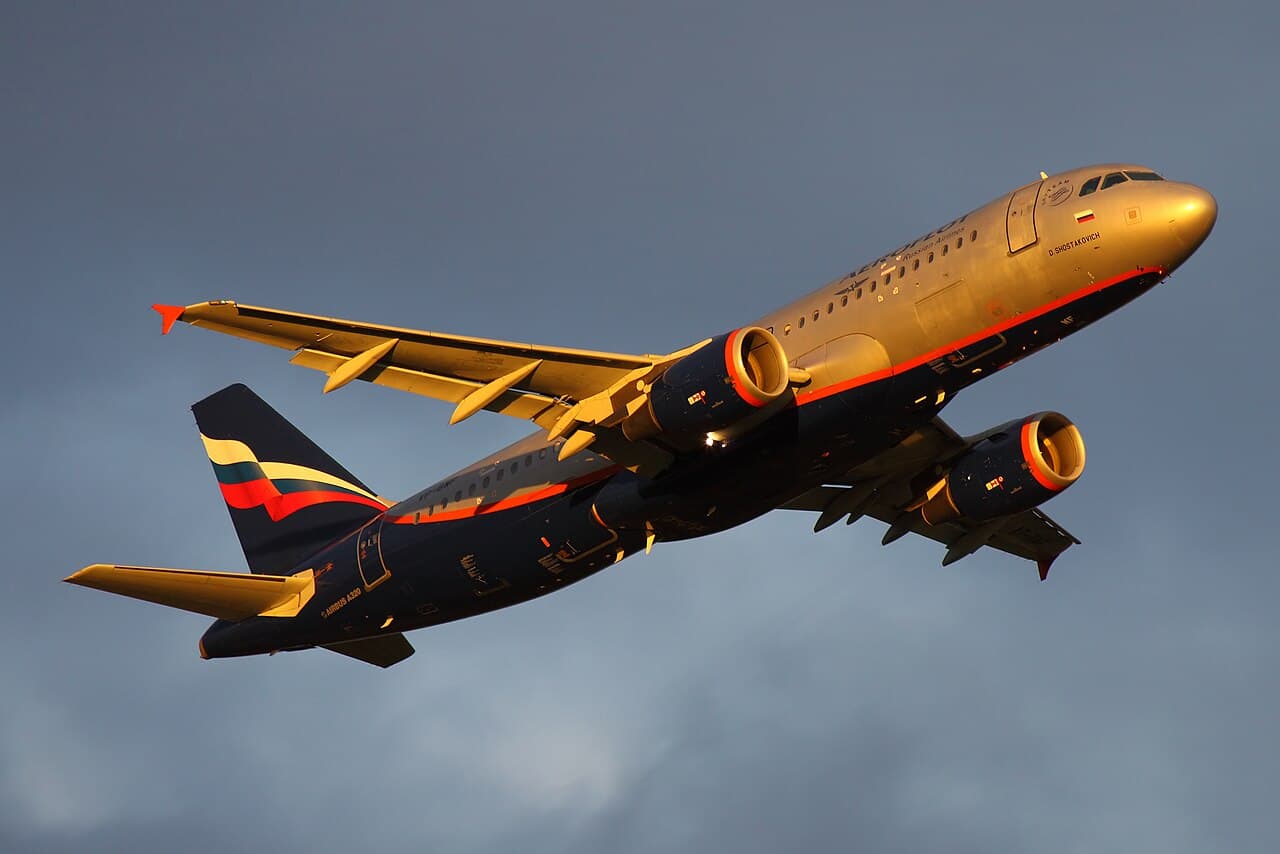
British Airways A320 Nose Gear Failure Blocks Gatwick Runway Causing 14 Flight Diversions
A total of 14 flights bound for London Gatwick Airport (LGW) were forced to divert in the early hours of Wednesday morning, with nine of them declaring fuel emergencies and squawking 7700. This occurred after a British Airways Airbus A320 became disabled on the airport's only operational runway, forcing many inbound flights into a sustained holding pattern.
Inquiry finds poor maintenance discipline and resource strain behind Voepass ATR 72 icing crash
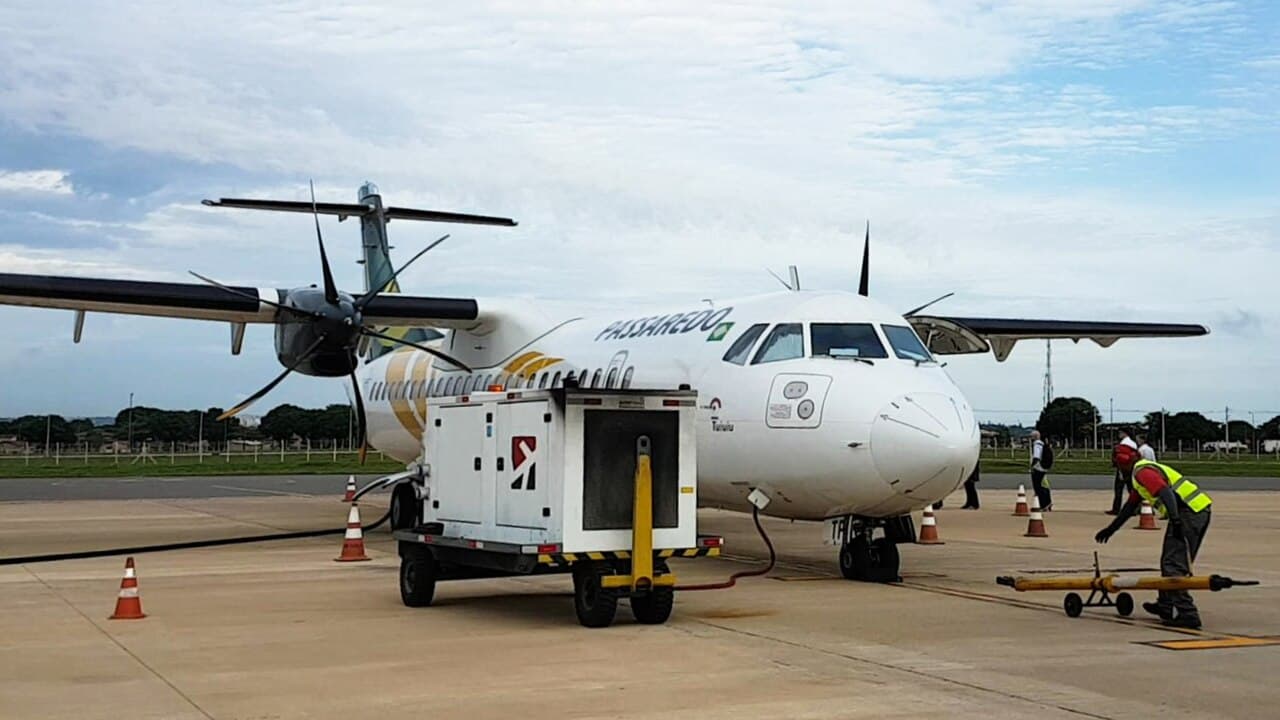
Brazilian probe finds strained resources and pressure to meet flight schedules meant aircraft were knowingly operated in degraded condition. Pressure to ensure continuous aircraft availability despite limited maintenance resources led to poor discipline at Brazilian carrier Voepass, with technical faults left unrecorded and unresolved, investigators have disclosed. Investigation authority CENIPA has highlighted the failure to record an airframe de-icing malfunction in the Voepass ATR 72-500 which fatally stalled as a result of ice accumulation on 9 August 2024. The aircraft was dispatched without restrictions imposed by the minimum equipment list being recorded. Despite the malfunction the ATR was flown through icing conditions on its service from Cascavel to Sao Paulo Guarulhos, entering a flat spin over Vinhedo from which it did not recover. CENIPA has detailed a pervasive, and normalised, culture of deviation from rigorous maintenance practices arising from limited resources – particularly at secondary bases – and the pressure to avoid disruption to aircraft schedules. This even went as far as recording malfunctions as having been resolved, without corrective work being performed, in order to release an aircraft to operation without minimum equipment list restrictions. When the system malfunctioned on a subsequent flight, says CENIPA, it would again be recorded in the technical logbook, thereby "establishing a new rectification deadline". "This conduct resulted in the successive renewal of the [minimum equipment list] item without effective correction of the malfunction, masking its chronic nature and postponing its definitive resolution," it adds. "There was also the practice of replacing an inoperative component with another known to be malfunctioning and dispatching the aircraft for flight." This would similarly enable a new malfunction entry, and continuation of operation based on the minimum equipment list. ‘Superficial manner’ CENIPA says mechanics usually had only a few hours, during night-shift periods, to perform corrective maintenance – especially complex tasks – on aircraft which were scheduled to operate flights the following morning. "The pressure placed on mechanics to expedite the release of aircraft conflicted with the lack of time available for troubleshooting and resolving failures reported in the [logbook]," says the inquiry, "thereby contributing to the performance of maintenance tasks in a superficial manner." CENIPA says maintenance of the de-icing system boots was conducted exclusively at the company's main base at Ribeirao Preto. Despite evidence of airframe de-icing system faults on immediately preceding flights, there was "no record" of such malfunctions in the logbook, it adds. The aircraft was dispatched on its flight to Sao Paulo, under the conditions of the minimum equipment list, with 10 inoperative items – but the airframe de-icing system was not among them. CENIPA's inquiry learned of maintenance problems including qualified personnel shortages, exhausting work schedules, and fatigue, contributing to a "climate of pressure" on mechanics. "At the secondary bases, since the infrastructure was limited, there was an 'operational standard' focused on releasing aircraft with inoperative items dispatched under the [minimum equipment list], with the expectation that definitive resolution of the malfunction would occur when the aircraft returned to the main base," it says. While this model did not, itself, amount to non-compliance with requirements, it led to situations in which deadlines expired with faults remaining unresolved. "In practical terms, these combined actions resulted in aircraft being operated under knowingly degraded conditions, exceeding the time limits established by the regulations in force," says the inquiry. Pressure on pilots CENIPA adds that there was a "culture" among flight crews of not recording malfunctions in the logbook. "It was possible to ascertain that these patterns of deviation were encouraged by the company and directed toward the pilots," it adds. "This informal process constituted a form of pressure on pilots in command, aimed at avoiding the recording of discrepancies that could result in the prolonged unavailability of the aircraft for flight due to the need to correct the reported failures." Problems with the de-icing system, which had been perceived by several crews prior to the accident, were a "clear example" of this absence of formal reporting, it adds. "This conduct evidenced the normalisation of operational deviations in the face of recurrent failures," it says. "This behaviour generated a recurring pattern of verbal communications between pilots and mechanics without proper technical recording." None of the 58 passengers and four crew members survived the crash. Voepass was grounded last year . ATR has responded to the inquiry's conclusions, stating that the accident "further demonstrates that adherence to maintenance, operational procedures and training are essential to prevent re-occurrence". "Flight safety is the primary responsibility of the commercial aviation system and all its stakeholders," it says.
Pilatus PC-6 crashes after take-off near Nancy with smoke onboard, killing 11
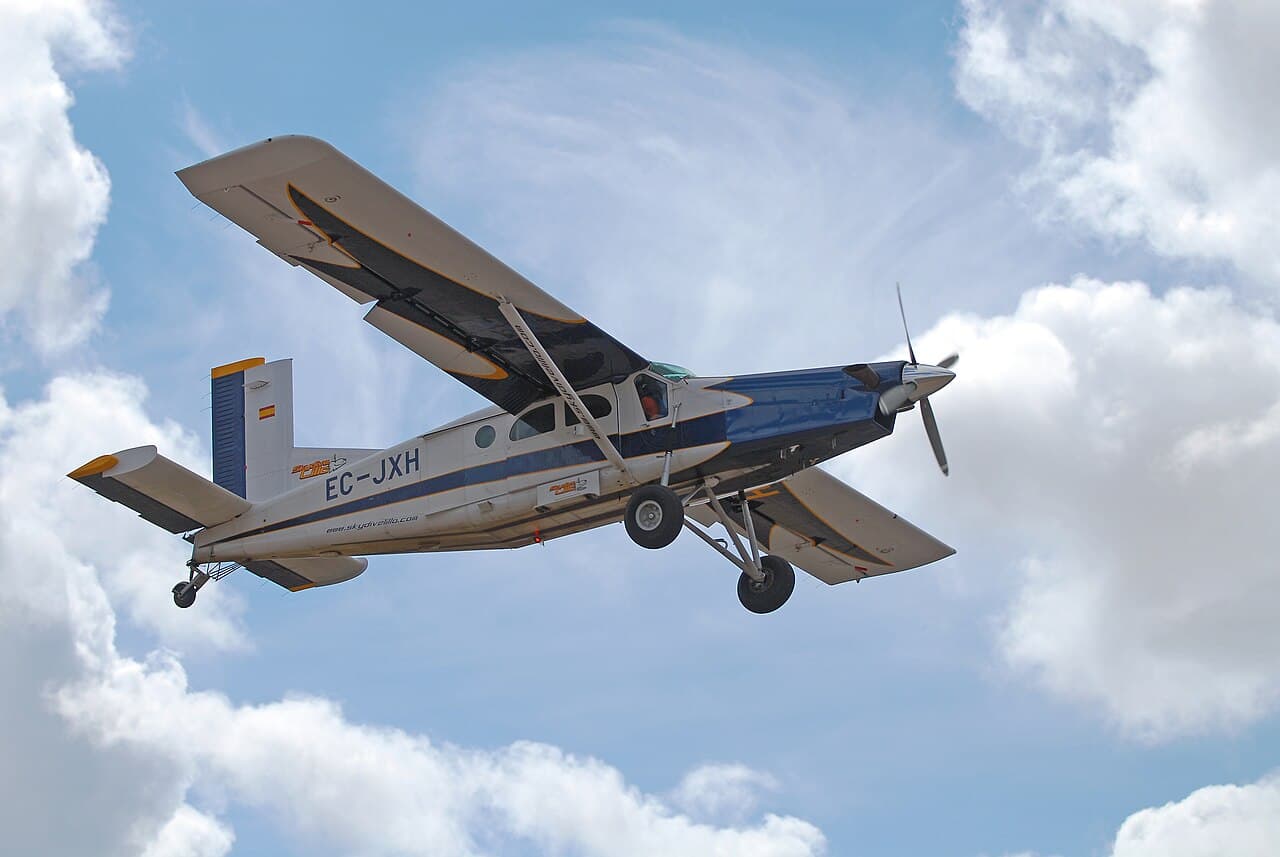
None of the 11 occupants survived the loss-of-control accident near Nancy. French investigators have indicated that smoke was observed by skydivers in the cabin of a Pilatus PC-6 during take-off before the aircraft stalled, rolled to the left, and crashed. Neither the pilot nor the 10 skydivers on board survived the accident at Tomblaine , near Nancy, on 28 June. Examination of the instrument panel suggests it was "highly probable" that warning lights for engine oil contamination by metallic particles, fuel filter clogging, and minimum propeller pitch were illuminated at the time of impact. "Analysis is continuing to determine whether these warning lights activated before or after the loss of control," says French investigation authority BEA. Reconstruction of the flightpath has largely relied on witness and surveillance video from the ground, as well as the Garmin GI-275 electronic flight display and cameras carried by the skydivers. BEA says that, during the take-off roll, an instructor in the rear remarked, "It's smoking." The pilot did not appear to hear this comment, while another instructor in the centre of the cabin also exclaimed, "There's smoke," while pointing to an area near the floor. BEA says the instructors agreed to ventilate the cabin by partly opening the side door. Spectral analysis of audio indicates the gas generator speed of the single Pratt & Whitney PT6A-27 turboprop was initially stable at 96% of maximum. But unlike the five previous flights that day, the speed then fell by 10% and remained at this reduced level. "At this stage of the investigation, it has not been determined whether this decrease was intentional or involuntary," says BEA. Rotation occurred at about 60kt and the aircraft reached 73kt some 2s after the fall in engine speed. The aircraft's airspeed began declining, while its pitch "sharply" increased, and it rolled initially to the right and then the left. Pitch attitude rose to 19° nose-up and the left roll exceeded 20°, while the airspeed fell to 55kt. BEA says the stall speed at take-off configuration would have been 53kt, rising to 57kt at 30° bank. "Control of the aircraft was lost shortly afterwards," says the inquiry, stating that the PC-6 stalled asymmetrically and lost height at about 200ft. It crashed 200m off the end of runway 21, and 150m to the left of its centreline. Pratt & Whitney is examining the engine. Fuel samples from the airport revealed no anomalies. None of the skydivers was carrying smoke grenades or phones, and the only phone recovered – probably the pilot's – showed no sign of thermal runaway. Neither was there evidence of overheating or abnormality in the aircraft's electrical system, nor signs of an automatic pyrotechnic charge detonation. BEA adds that the aircraft's mass and centre-of-gravity were within limits and no movement of the occupants was observed prior to the loss of control. It has yet to reach conclusions on the cause of the accident.
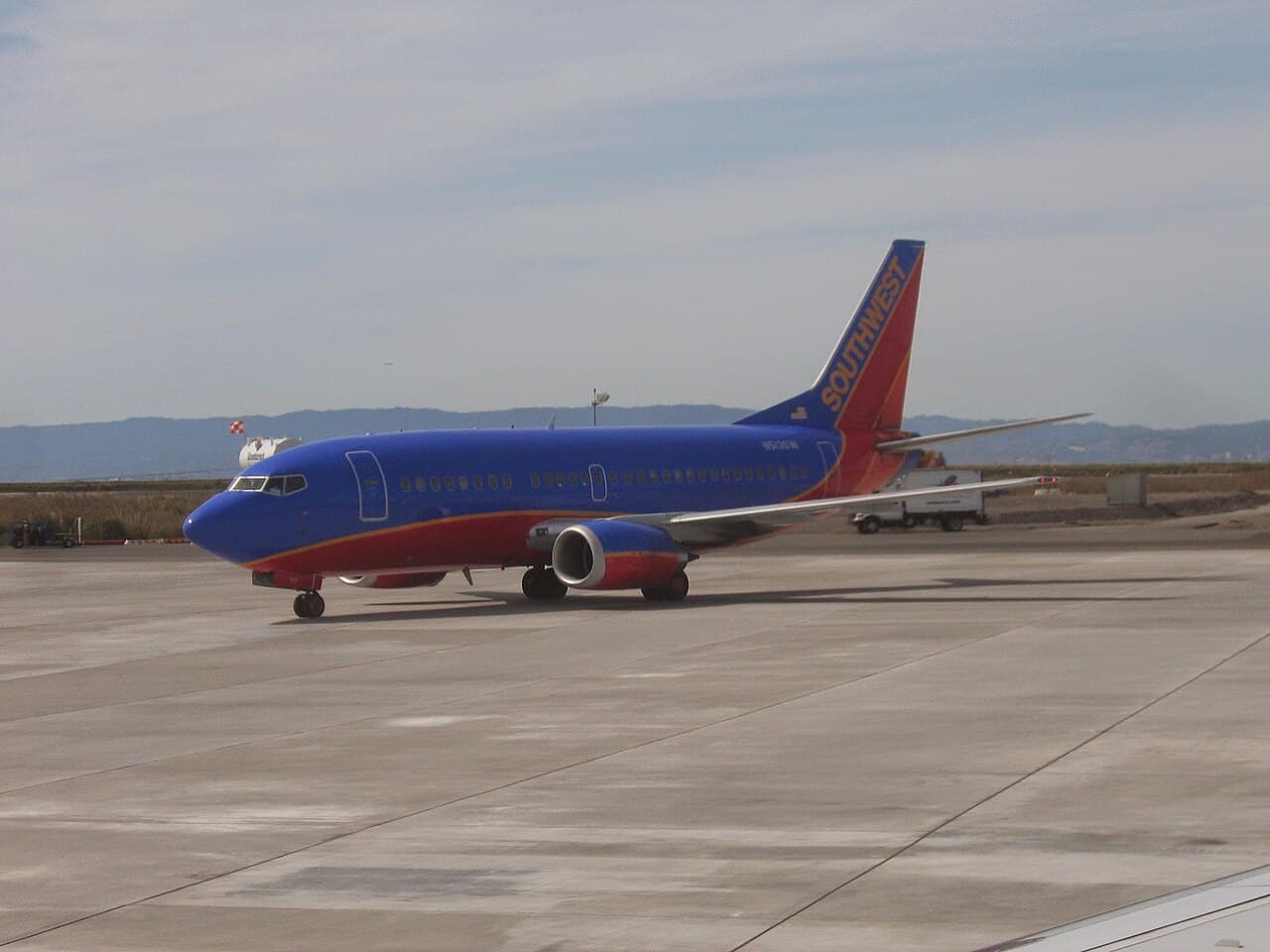
Southwest Airlines Faces Backlash Over ICE Detention of Passenger at Denver Airport
Southwest Airlines has found itself engulfed in a ferocious social media backlash after it was accused of being complicit in the detention of a woman by undercover ICE agents as she went to board a Southwest plane at the Denver International Airport on Tuesday. A video shared on Instagram by Alicia Dantzker shows her female friend called Chantal, being detained by several male ICE agents in the jetway leading to a Southwest Airlines plane. Warning: video contains very strong language. As they lead Chantal out of the jetway and into the main airport concourse, Alicia screams “Help, Help us… ICE is here! Help us!” As onlookers approach to see what is happening, a Southwest Airlines employee attempts to push Alicia back into the jetway, while more undercover ICE agents shove Chantal out of another door that leads to the airside ramp. Other passengers then rush towards the expansive window looking down on the ramp with their cellphones in hand to record the detention, while banging on the glass. “This is f**king evil, you should be ashamed of yourself,” Alicia shouts at one of the ICE agents who had initially detained Chantal. At this point, another Southwest Airlines employee interjects, saying: “If you are on this flight, and you speak to them [the ICE agents] like that, then you will not board this flight.” One of the ICE agents then claims that the Southwest Airlines pilot was aware of the detention taking place. “Southwest was complicit,” Alicia wrote in a caption next to the now viral video on Instagram. “They helped ICE every step of the way.” “Southwest Airlines, explain yourself,” one person commented on the video. “If you are aiding and abetting ICE in violating the constitutional rights of your customers, that's everything I need to know about every flight choice I make for the rest of my life.” Another wote: “Southwest Airlines, I was looking at tickets last night with y'all. Glad I didn't buy, taking my family trip business elsewhere.” And a third wrote: “Need a statement from Southwest Airlines ASAP, or all my upcoming travel is rebooked. Aiding warrantless kidnapping because they are Federal employees is unacceptable!” In a statement, a spokesperson for Southwest told us: “Southwest complies with applicable state and federal law when asked to share information about Customers. The airline has provided guidance to Employees to help ensure appropriate legal documentation is presented by law enforcement agencies prior to interactions in the gate areas.” The statement added: “Southwest is committed to providing a safe travel experience for all Customers and Employees.” The airline also noted that it may deny travel to passengers who are disruptive or display threatening behavior. The incident comes just days after two undercover ICE agents tried (and failed) to detain a 57-year-old man with dual Vietnamese and Australian citizenship at Las Vegas Harry Reid Airport. The agents, one who covered his face with a hood, and the other who covered her face with a surgical mask, were not wearing any visible ID when they took Phu Nguyen to the ground in the check-in area and attempted to handcuff him. The female agent managed to handcuff one of his wrists, but when they noticed other passengers filming what they were doing, they quickly fled the scene , leaving the Phu still handcuffed. The Las Vegas Metropolitan Police Department were called and officers ended up releasing Phu from the handcuffs and allowing him to catch his flight to Los Angeles. On arrival, ICE agents were waiting for Phu to deplane and he was taken into custody. A spokesperson for Immigration and Customs Enforcement later said officers were 'forced' to abandon the detention attempt because of 'anti-ICE agitators.' There is, however, no evidence that the onlookers had any idea that the two agents were from ICE, given their lack of identification. "To de-escalate the situation and for officer safety, officers did not proceed with the arrest at the Las Vegas Airport and chose to instead arrest him at his flight the following day, departing the Los Angeles International Airport on July 14," a statement from the Department of Homeland Security explained.
The Daily Touch & Go
The day's best aviation news in your inbox. Free, no spam.