

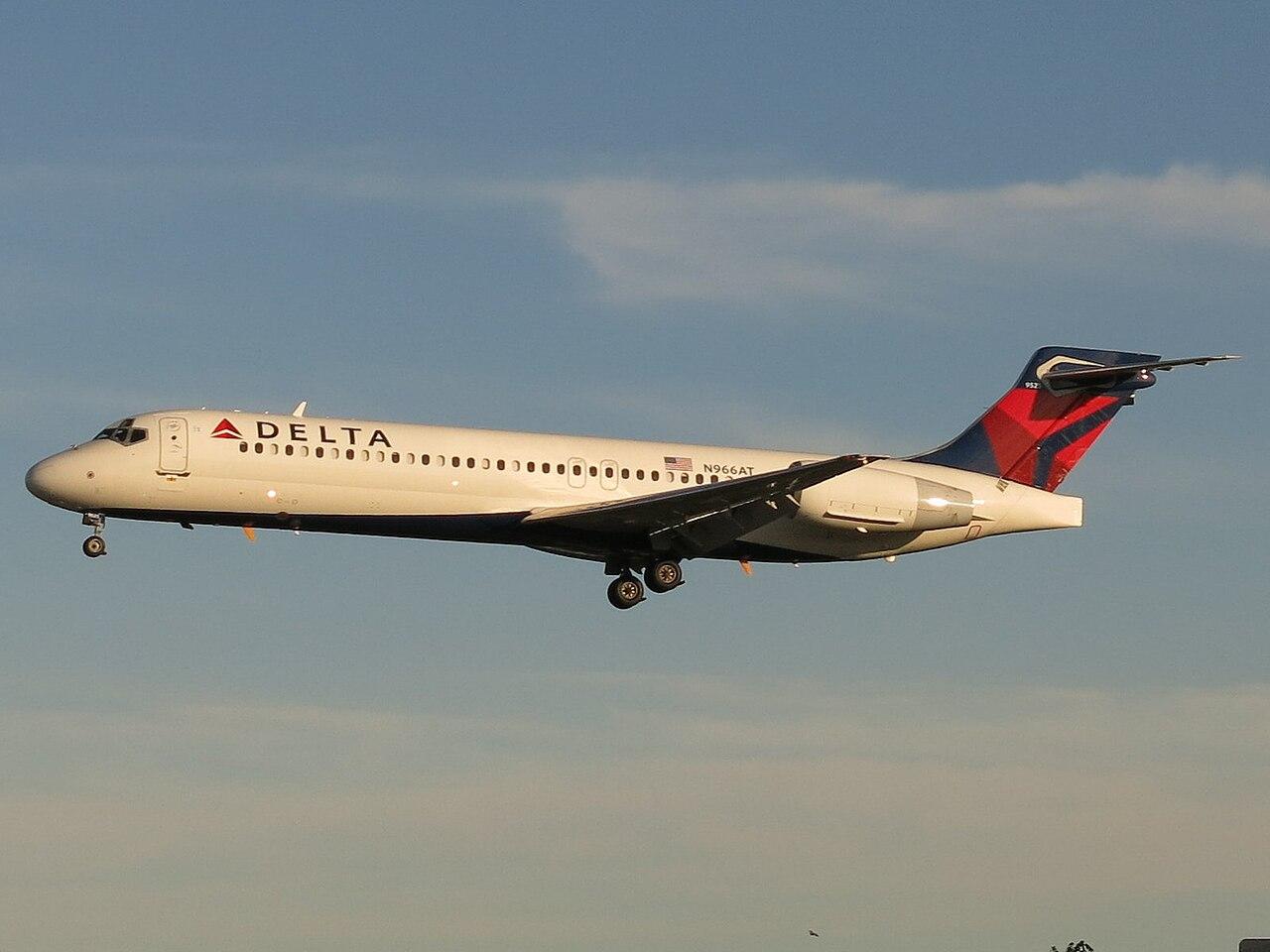
Image: AEMoreira042281 · CC BY-SA 4.0 · via Wikimedia Commons
Delta Air Lines Uniquely Operates Mainline Jets with Under 110 Seats in U.S.
Delta's mainline fleet includes the 109-seat Airbus A220-100 and 110-seat Boeing 717, making it the only major U.S. airline with mainline jets under 110 seats, influenced by pilot agreements and operational strategy.
The gist
Delta operates unique small mainline jets under 110 seats, leveraging pilot scope clauses and strategic fleet choices.
Continuing coverage
All Us Airlines →Delta Air Lines maintains a distinctive fleet profile among major U.S. carriers by operating small mainline jets, including the 109-seat Airbus A220-100 and the 110-seat Boeing 717. Unlike other airlines favoring larger narrowbodies for their mainline operations, Delta uses these smaller aircraft to serve markets that require lower passenger capacity while retaining efficient service. This strategy allows Delta to address specific demand on routes where larger aircraft would exceed passenger volumes.
The differentiation between mainline and regional operations helps explain this fleet composition. Mainline flights at Delta are staffed with the airline’s own pilots and cabin crew, while regional flights are contracted out to Delta Connection partners flying smaller planes such as Embraer E175s and Bombardier CRJ900s. Delta’s choice to operate certain smaller jets within its mainline fleet rather than relegating them to regional operators reflects particular pilot contract terms and operational priorities.
Central to Delta’s use of smaller mainline aircraft is the pilot scope clause embedded in its collective bargaining agreement. Scope clauses restrict the size and number of aircraft that regional partners may operate, typically capping regional jets at 76 seats and a maximum takeoff weight of 86,000 pounds. Delta’s agreement, however, allows expansion of its regional fleet contingent on operating eligible small narrowbodies in the mainline fleet, a provision that has incentivized keeping jets like the Boeing 717 and Airbus A220-100 on mainline service.
Delta can operate up to 153 regional jets with 71 to 76 seats and add another 70 aircraft within this seat range if it maintains eligible small narrowbodies as part of its mainline fleet. By introducing the Boeing 717 and later the A220-100, Delta effectively expanded its allowable regional fleet size. Similar provisions exist in United Airlines’ contracts but have not been utilized fully through small narrowbody mainline operations, while American Airlines deploys different limits focused on regional jets with up to 65 seats.
Financial and operational considerations have made this small-aircraft strategy viable for Delta. In 2012, Delta secured 88 Boeing 717s previously operated by AirTran Airways via lease or sublease agreements, avoiding the costs of introducing a new aircraft type. The 717s replaced smaller 50-seat regional jets on a capacity-neutral basis, reportedly delivering better economic efficiency on routes with high-frequency, shorter flights.
The Airbus A220-100 has become a complementary asset for Delta’s network. Ordered initially as the Bombardier C Series in 2016, the A220-100 offers longer range and is deployed on routes requiring slightly greater capacity than the 717. Pricing competition for the A220-100, including allegations of below-cost offers during the Boeing-Bombardier trade dispute, brought the aircraft within reach for Delta to expand its small-jet mainline service.
Operationally, the Boeing 717 suits short, high-frequency routes where its size matches passenger demand and flight scheduling needs. In contrast, the A220-100 provides flexibility on longer domestic sectors and thinner international routes, balancing fuel efficiency and capacity within the sub-135 seat category typical for two-class seating configurations.
Delta’s small mainline jets provide a fleet structure distinct from competitors that generally use larger narrowbodies on mainline routes and reserve smaller jets for regional subsidiaries. The airline’s approach integrates pilot contract provisions, secondhand aircraft acquisition, and network optimization strategies to sustain service in markets with moderate demand while expanding regional flying allowances.
The gradual retirement of the Boeing 717 signals potential shifts ahead for Delta’s small aircraft operations. As the airline phases out the 717, it remains to be seen how it will fill capacity gaps on routes served by these jets and whether the A220-100 or other future aircraft types will assume an expanded role within Delta’s unique small-jet mainline niche.
Originally reported by Simple Flying
Read more
All Airlines →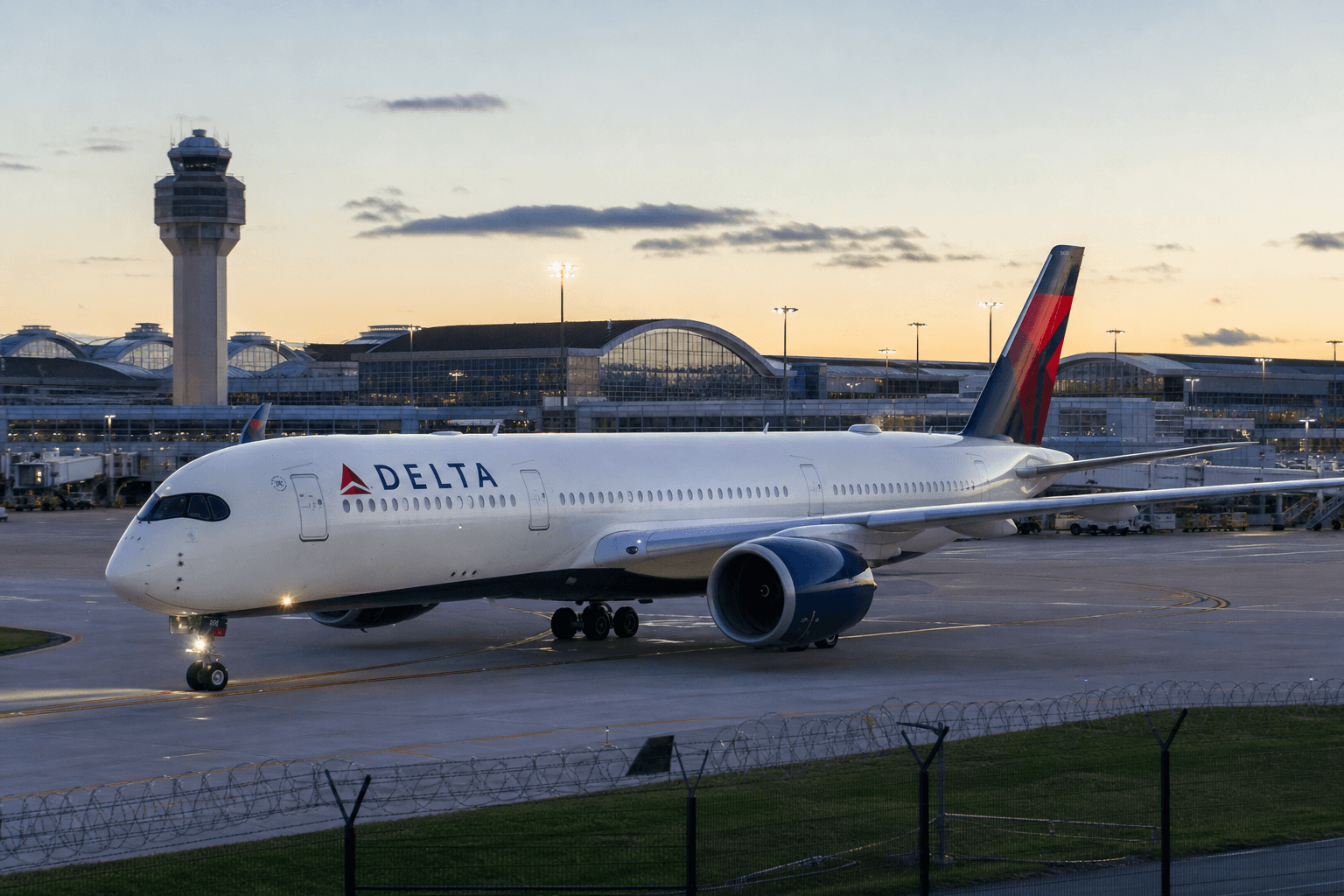
Delta Air Lines Phases Out Boeing 777-200LRs for More Efficient Airbus A350s
Delta retired its 18 Boeing 777 aircraft, including ten 777-200LRs, by end of 2020 to reduce operating costs and shift to Airbus A350s with better fuel efficiency.
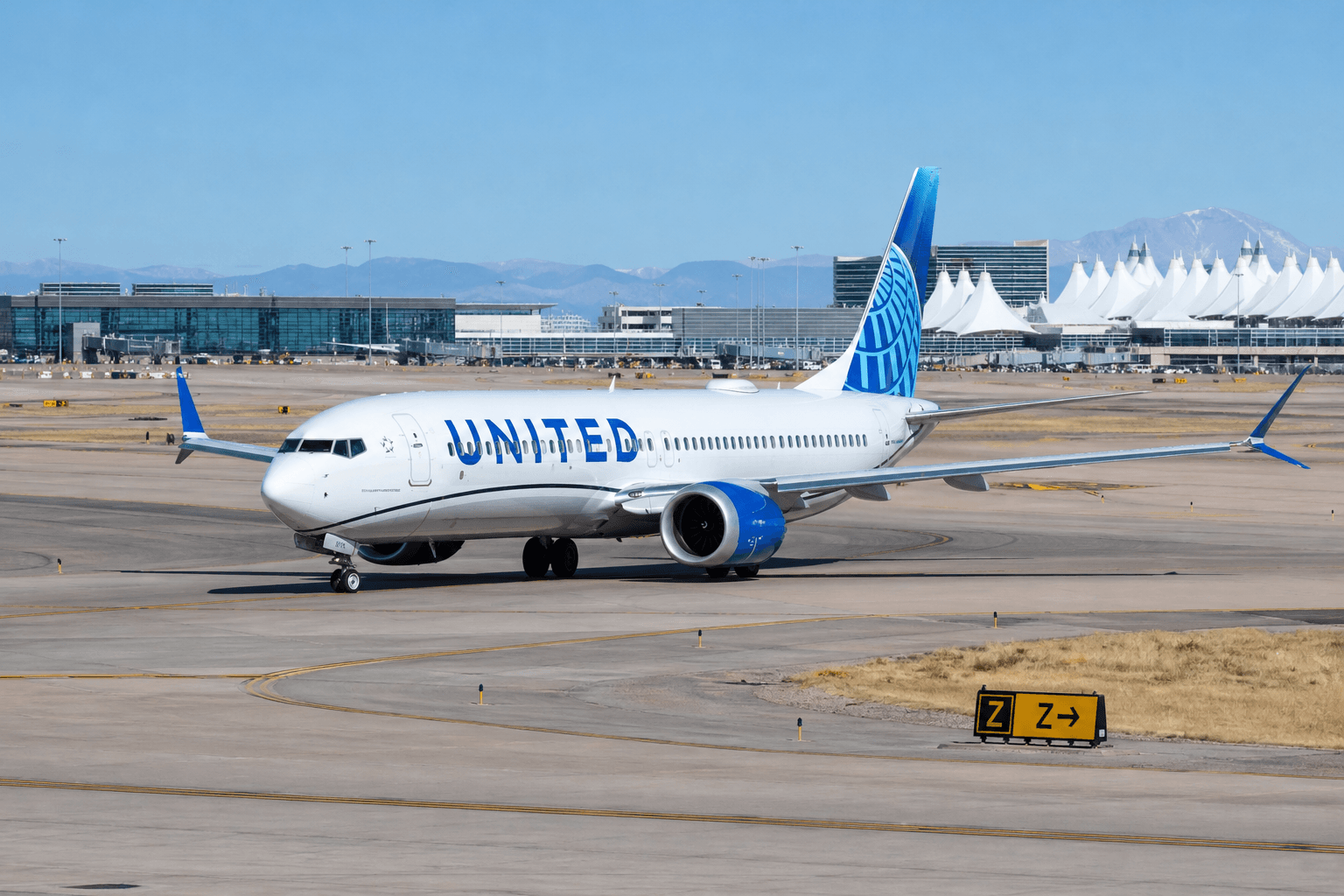
United Airlines Doubles Flights on Seven Denver Routes for Summer 2027
United Airlines will increase frequencies on seven domestic routes from Denver International Airport, doubling daily flights to several mid-sized cities for summer 2027.
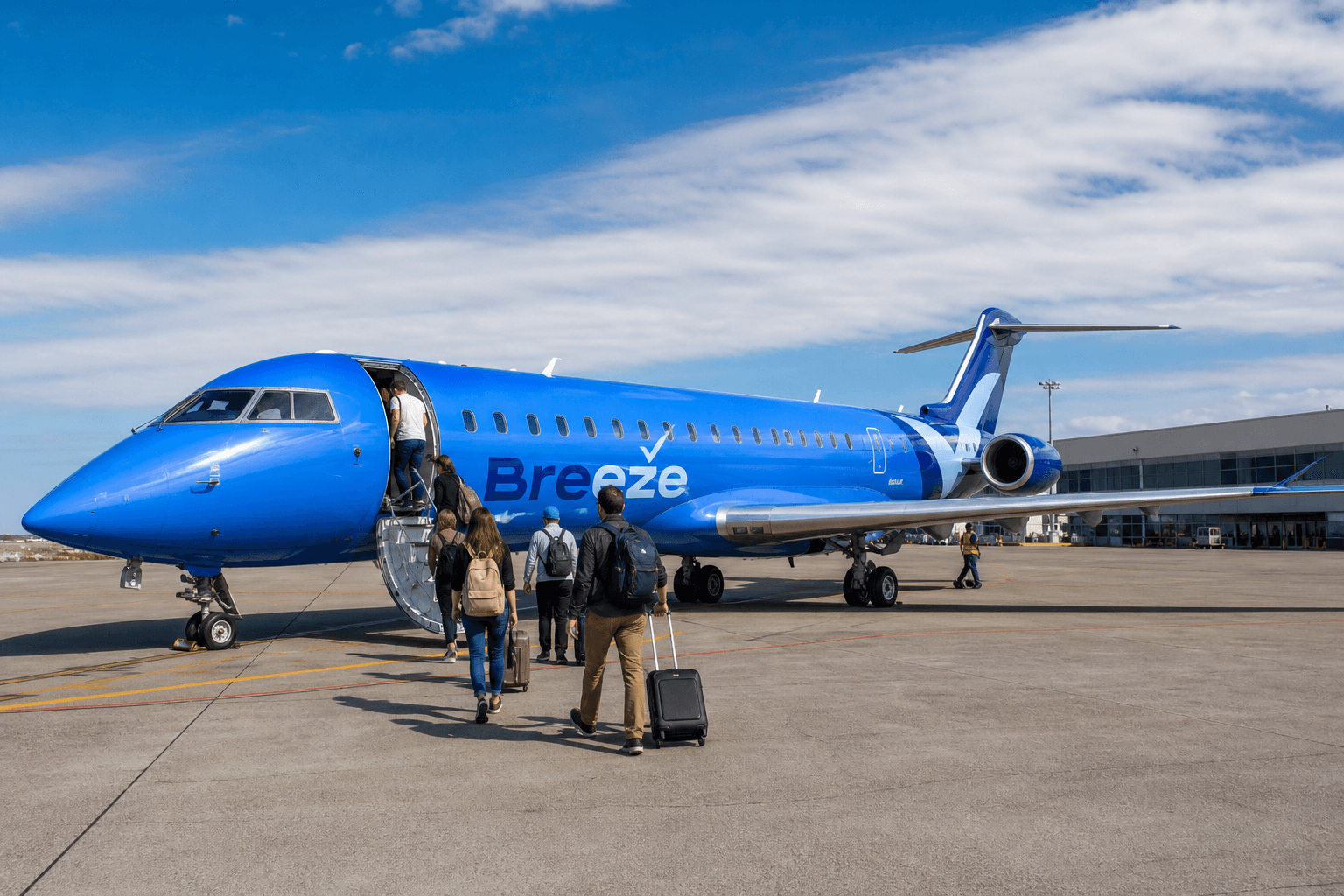
Breeze Airways Expands Selectively Into Spirit Airlines' Former Leisure Routes
After Spirit Airlines ceased operations in May 2026, Breeze Airways has strategically moved into smaller regional airports and leisure destinations, avoiding major trunk routes and congested hubs.
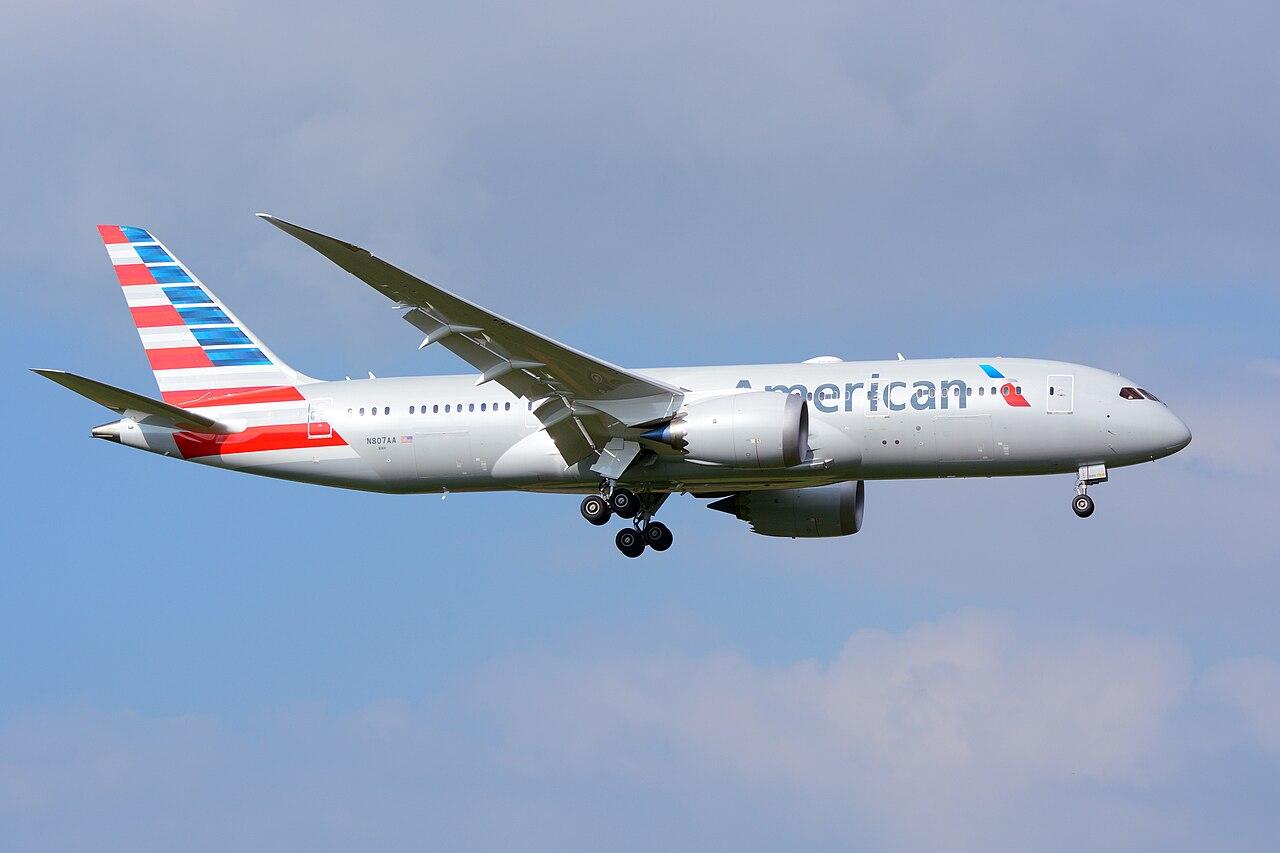
American Airlines Adds Seven New International Routes in Winter Schedule
American Airlines launched seven new international routes during the 2026-27 winter season, expanding its presence across North America, South America, Europe, and Asia with strategic use of narrowbody and widebody aircraft.
The Daily Touch & Go
The day's best aviation news in your inbox. Free, no spam.