

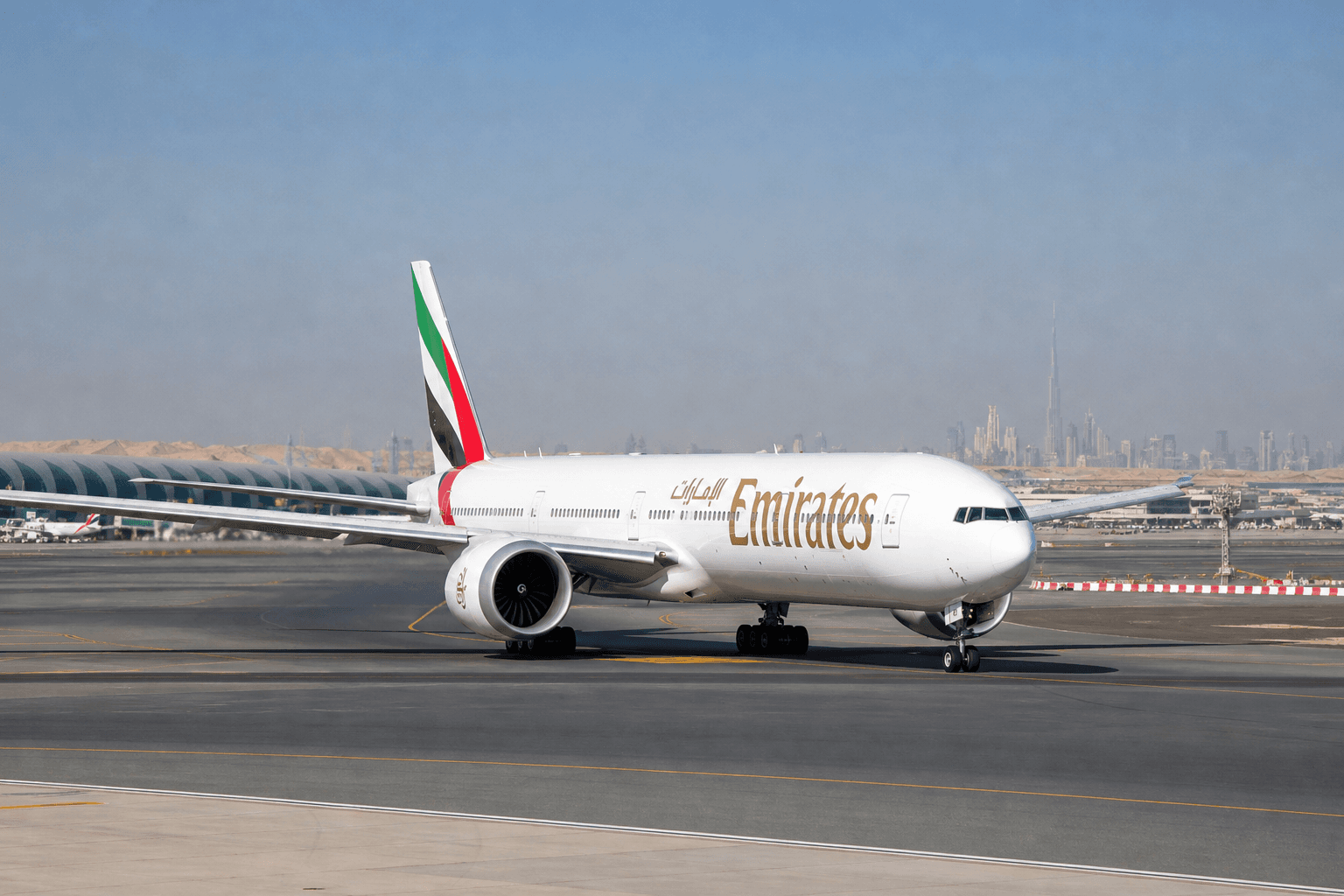
AI-generated illustration
Emirates Orders Over 200 Boeing 777X Jets but Limits Airbus A350 Fleet Growth
Emirates prioritizes Boeing 777X for its hub operations, maintaining a smaller Airbus A350-900 fleet primarily for route expansion rather than replacement of existing aircraft.
The gist
Emirates heavily invests in Boeing 777X to grow capacity, while Airbus A350-900s serve as network supplements.
Continuing coverage
All Airbus A350 →Emirates, one of the world's largest long-haul carriers with an all-widebody fleet exceeding 250 aircraft, has placed a substantial order for over 200 Boeing 777X jets, despite also operating and ordering Airbus A350-900s. The airline operates 30 Airbus A350-900s currently, with 43 more on order, totaling 73 units. Additionally, Emirates has 270 Boeing 777X aircraft on order—a commitment that far exceeds its A350 orders. This raises questions about why Emirates is heavily investing in the larger Boeing 777X alongside maintaining a modest A350 fleet.
The Dubai-based carrier operates three widebody aircraft types: the Airbus A350-900, Boeing 777, and Airbus A380. Emirates' existing A350 fleet is mainly for network growth rather than to replace its 777s, given the 777-300ER and A380 dominate its current operations with 117 aircraft of each type. The A350-900, smaller and more fuel-efficient, allows Emirates to economically serve lower-demand routes where larger aircraft would be inefficient or unviable.
Emirates' Boeing 777 fleet includes 117 777-300ERs and 10 777-200LRs. Meanwhile, its Airbus A380 fleet, the largest in the world, has 117 units. The airline also holds orders for 35 Boeing 787 Dreamliners split between 20 787-8 and 15 787-10 aircraft but has notably ordered no 787-9s, which is the most popular 787 variant globally. This contrasts with many other airlines that focus on the 787-9 and A350-900 models for their mainline fleets.
Emirates' initial A350-900 order dates back to the 2007 Dubai Airshow with deliveries planned for 2014, but the A350-1000 order was canceled in 2014. Emirates resumed Airbus widebody orders in 2019, converting some canceled A380 orders into A350-900 deliveries as the A380 program approached its end. In contrast, Emirates placed its first 150 Boeing 777X orders at the 2013 Dubai Airshow, growing that commitment to 270 aircraft, making the 777X a central part of its long-term fleet strategy.
The Boeing 777-9 is the largest in the 777X family and the largest airliner currently in production, designed with substantial input from Gulf carriers including Emirates. Its large seating capacity supports Emirates' hub-and-spoke model in Dubai, where slot constraints limit flight frequencies. This aircraft offers more seats than the 777-300ER, allowing capacity growth without increasing flight slots or frequencies, a critical factor for Emirates' operational efficiency at a capacity-constrained airport.
Emirates' choice of the 777-9 over additional A350s reflects its need for higher capacity rather than just improved efficiency on smaller routes. The A350-900 is smaller with less seating than the 777-9, and the larger A350-1000, which might match 777-9 seat numbers, was canceled by Emirates. The 777X's new GE9X engines provide high thrust and reliability under the high-temperature, dry conditions typical of Middle Eastern hubs, supporting long-haul ultra-long-haul operations with strong durability and performance.
While Emirates continues to rely on Airbus A350-900s to serve growth markets and routes unsuitable for larger jets, the 777X's size and powerful engine make it suited to replacing and expanding on the capacity offered by the A380s and 777-300ERs. Emirates expects the A380 to remain operational until the 2040s, but the 777X will underpin future fleet capacity at its Dubai hub as the airline balances slot constraints and passenger demand.
Emirates' fleet strategy leverages aircraft of different sizes to optimize economic performance across diverse markets. The A350-900 supports route expansion with a moderate capacity boost and improved fuel efficiency, while the 777-9, with substantially higher seat count, supports Emirates' core high-traffic routes requiring significant capacity increases without increasing flight frequency. This approach aligns with Emirates' hub operations and plans to sustain competitive cost structures through fleet modernization.
Originally reported by Simple Flying
Read more
All Airlines →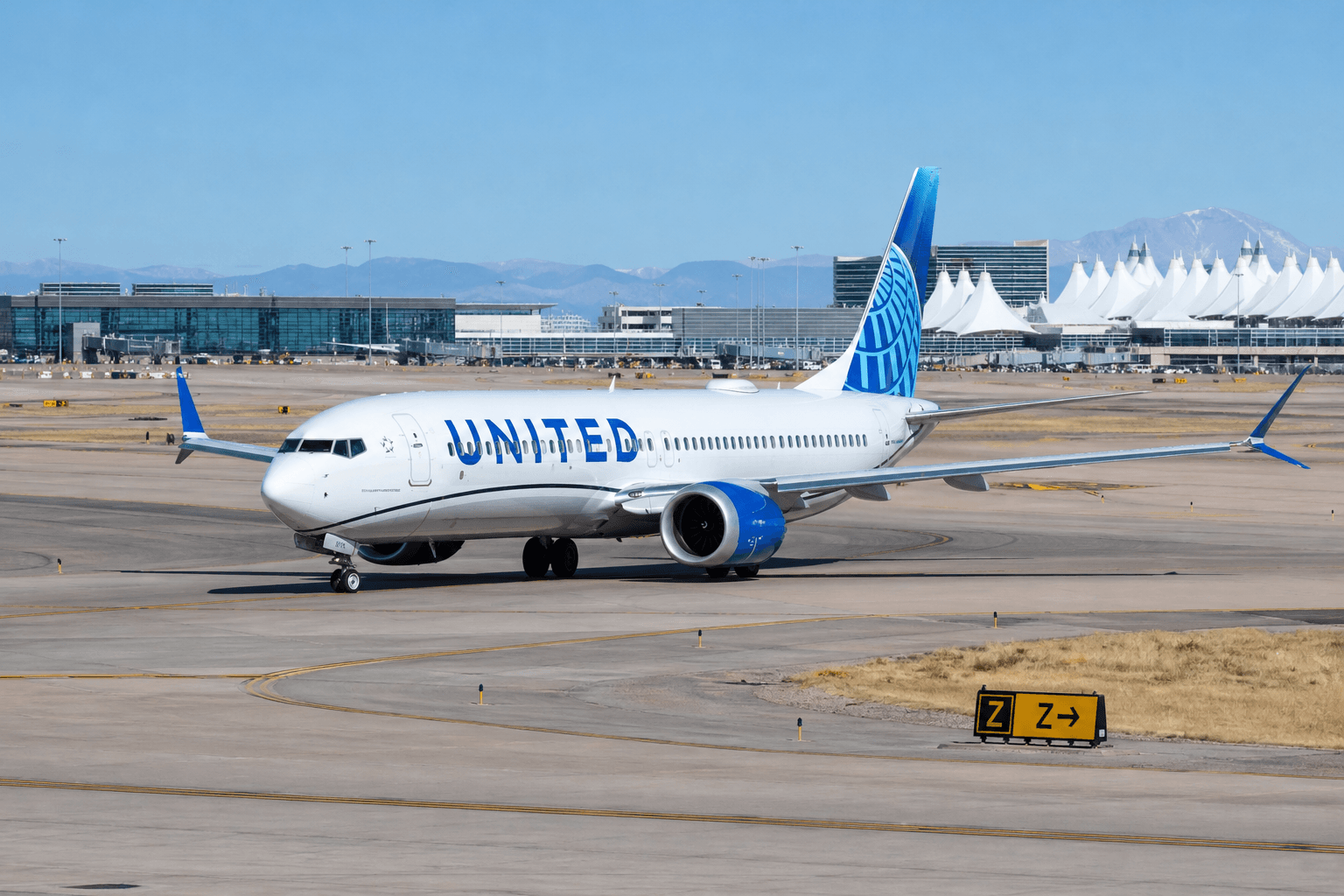
United Airlines Doubles Flights on Seven Denver Routes for Summer 2027
United Airlines will increase frequencies on seven domestic routes from Denver International Airport, doubling daily flights to several mid-sized cities for summer 2027.
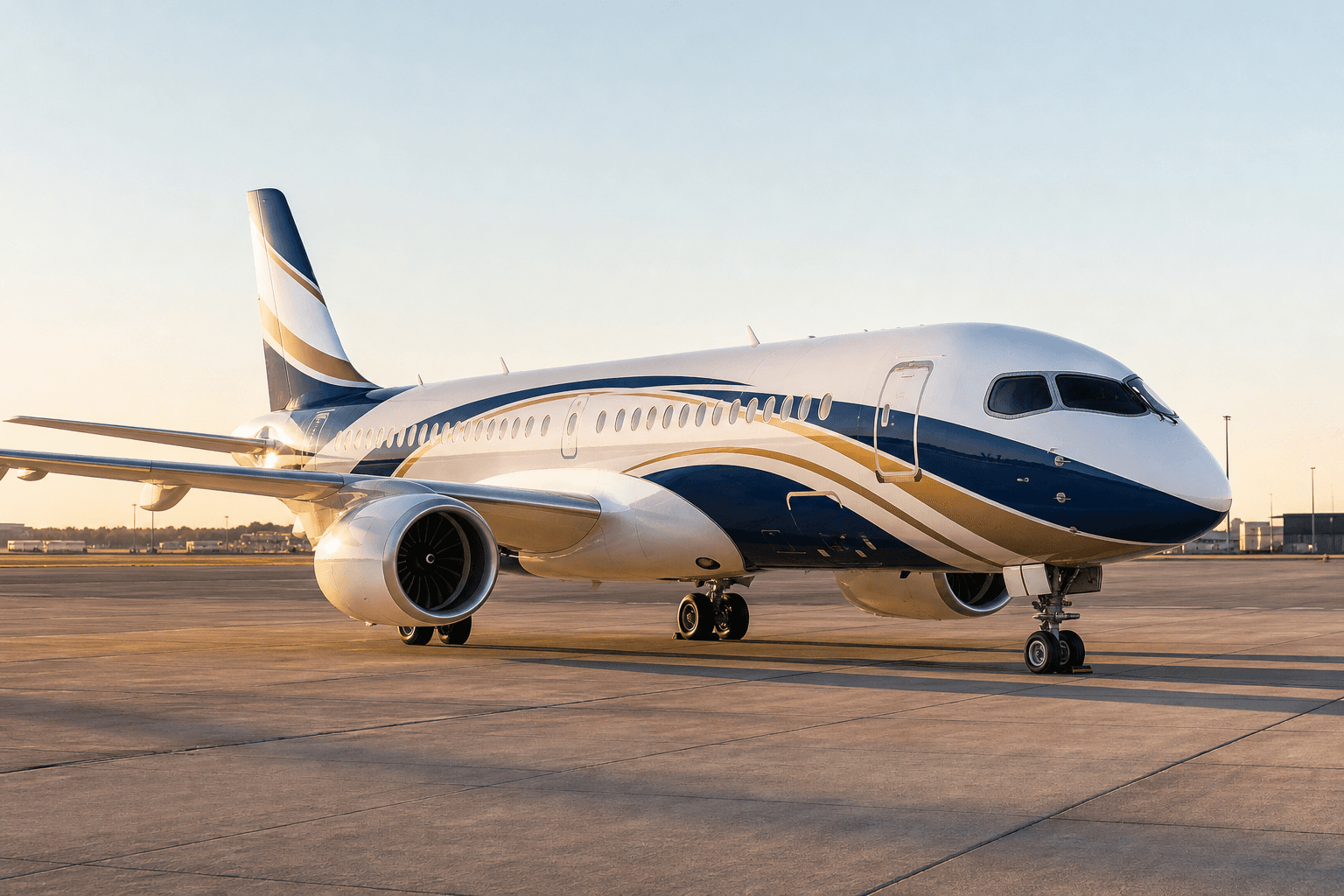
Magnifica Air Orders 10 Airbus ACJ220-300s Featuring Private Suite and 54 Seats
Florida-based Magnifica Air confirms purchase of ten ACJ220-300 corporate jets, expanding its fleet and offering a private suite in a 54-seat luxury layout.
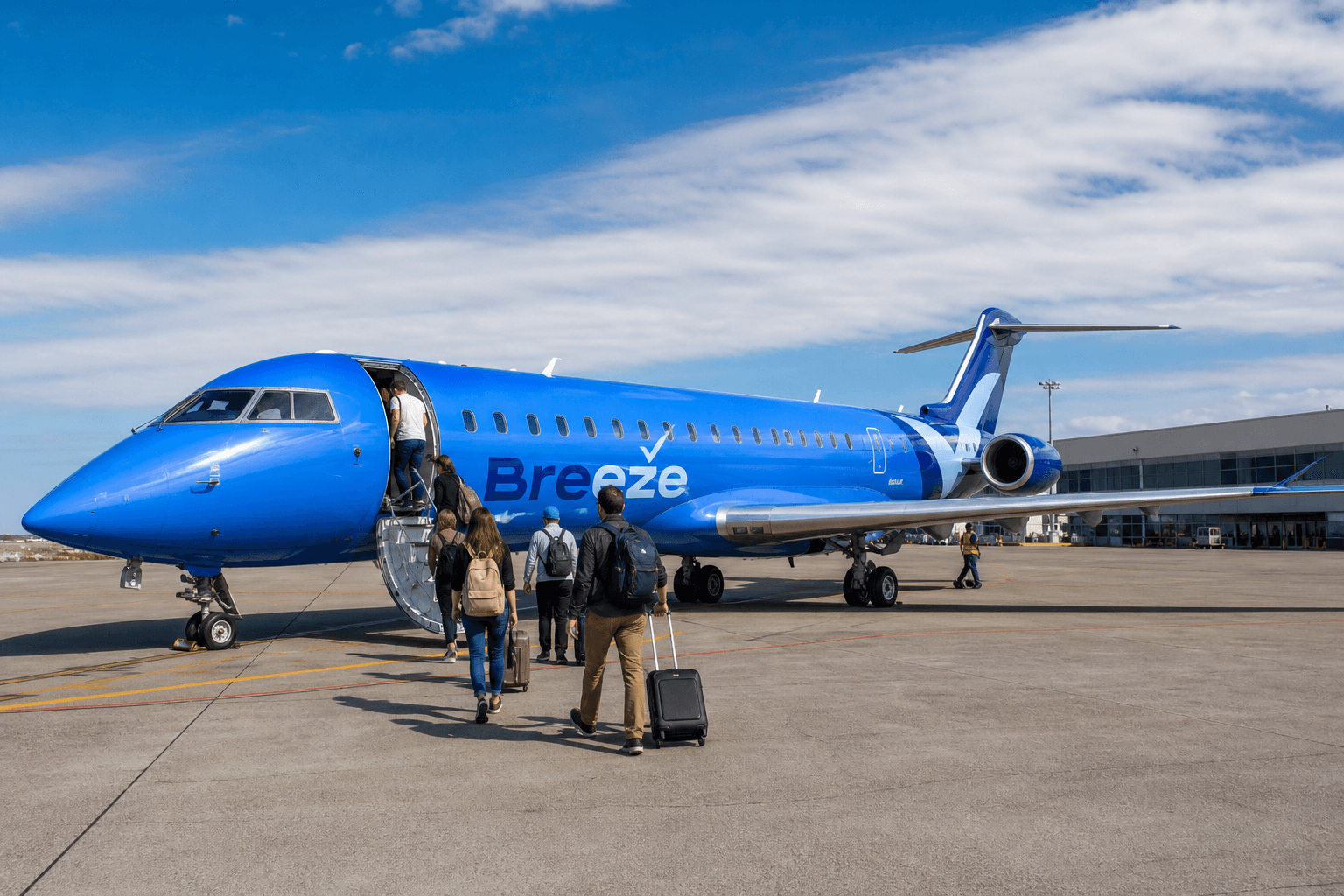
Breeze Airways Expands Selectively Into Spirit Airlines' Former Leisure Routes
After Spirit Airlines ceased operations in May 2026, Breeze Airways has strategically moved into smaller regional airports and leisure destinations, avoiding major trunk routes and congested hubs.
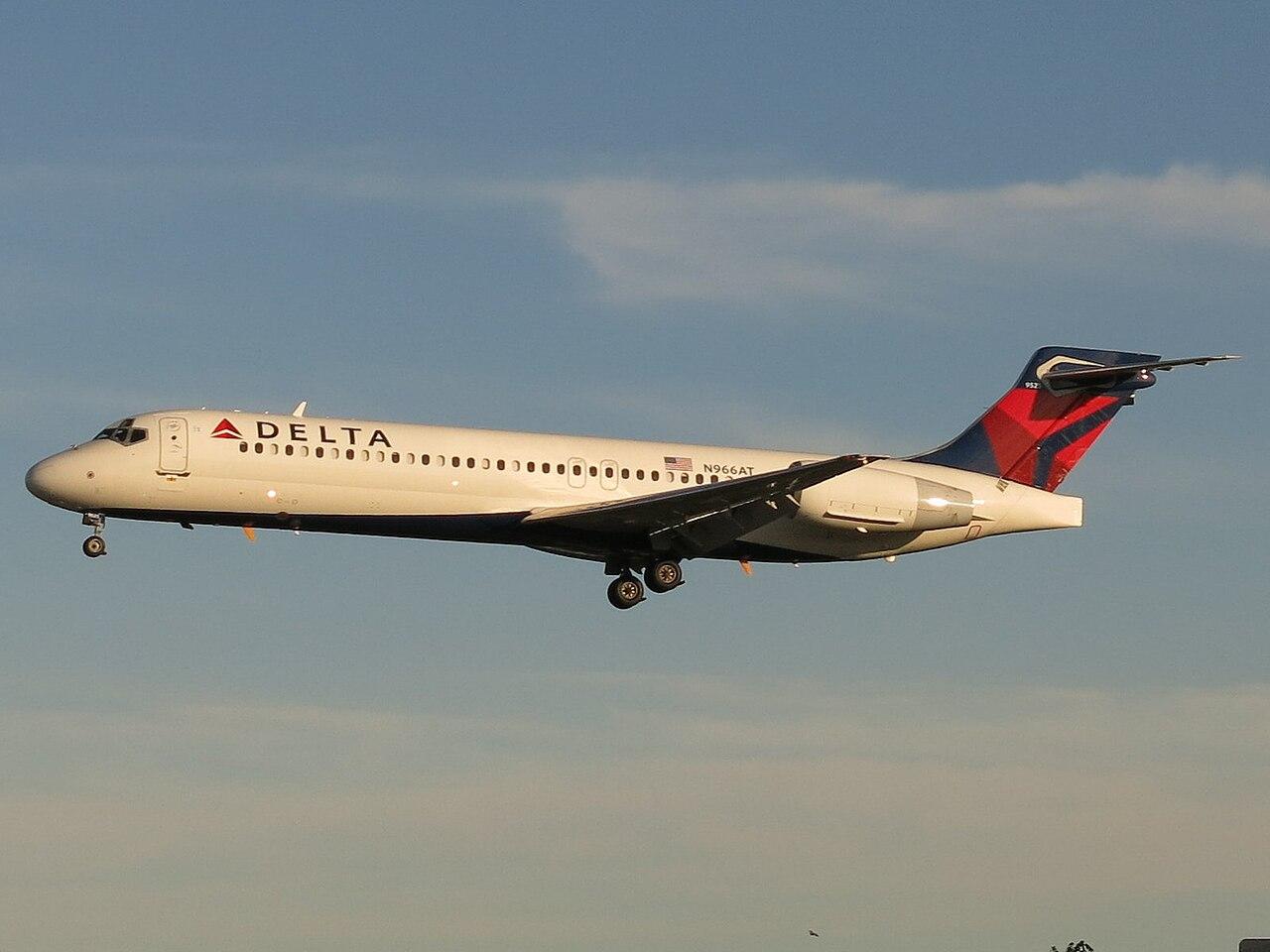
Delta Air Lines Uniquely Operates Mainline Jets with Under 110 Seats in U.S.
Delta's mainline fleet includes the 109-seat Airbus A220-100 and 110-seat Boeing 717, making it the only major U.S. airline with mainline jets under 110 seats, influenced by pilot agreements and operational strategy.
The Daily Touch & Go
The day's best aviation news in your inbox. Free, no spam.