Aviation SafetyAug 14, 1:56 PM
Engine debris caused cabin decompression on Ryanair 737-800, NTSB reveals
A passenger was partially sucked through an open window before being pulled back inside the cabin.
Loading…
7 stories tagged engine failure.
A passenger was partially sucked through an open window before being pulled back inside the cabin.
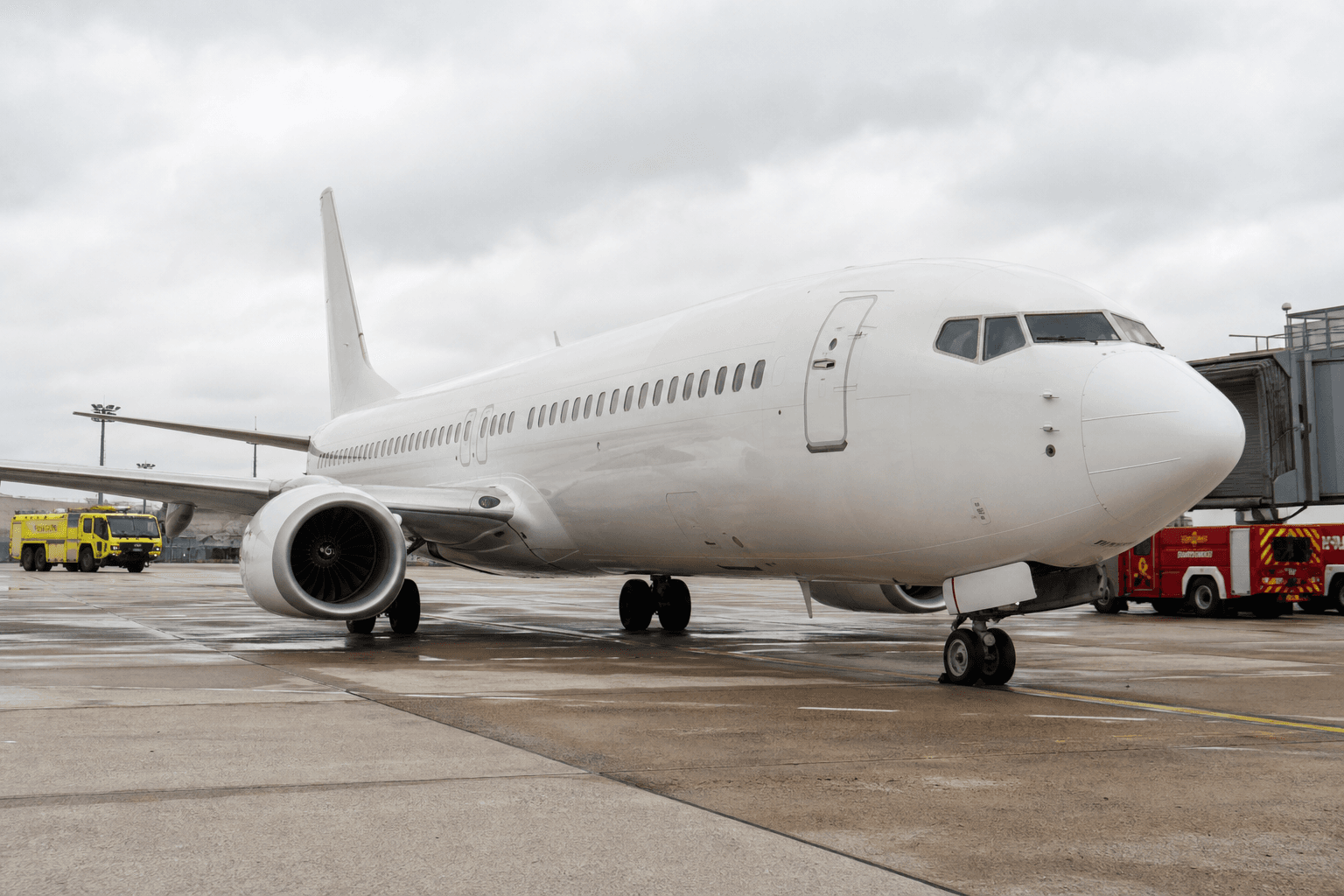
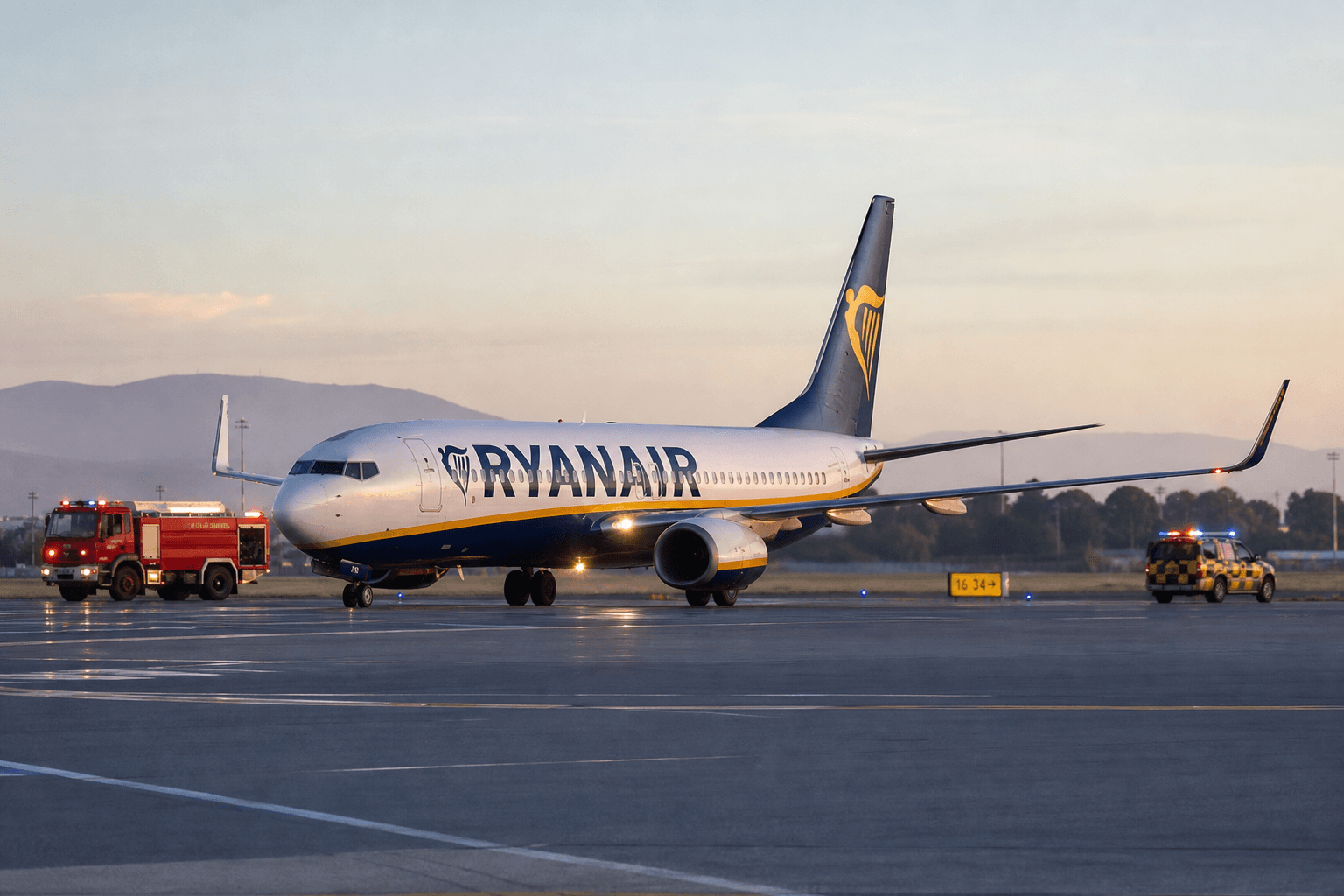
The head of the U.S. National Transportation Safety Board (NTSB) has accused Ryanair chief executive Michael O’Leary of violating international law over comments he made about the window blowout incident aboard one of the airline’s Boeing 737 jets over Greece earlier this month that partially sucked a 61-year-old passenger out of the plane. During a scheduled earnings call at the start of this week, the often outspoken O’Leary said that while he couldn’t “definitively” say what the cause of the accident was, "initial indications would suggest it looks like a foreign object damage to the engine.” O’Leary went on to say that the accident was not the result of the aircraft’s age or servicing. The NTSB has taken over responsibility for investigating the July 10 accident at the request of Greek authorities. The incident involved an 18-year-old Boeing 737-800, which was operating Ryanair flight FR-1879, a regularly scheduled service from Thessaloniki (SKG) to the German town of Memmingen (FMM) in Bavaria. Shortly after takeoff and while the aircraft was still in its initial ascent to cruising altitude, the right-hand engine suffered an uncontained failure, sending debris flying towards the fuselage of the plane. Some of that debris hit a cabin window, smashing through the various layers and causing an explosive depressurization. The 61-year-old Serbian passenger who was sitting beside this window was partially sucked outside, but thankfully did not sustain serious injuries. After declaring an emergency, the pilots returned to Thessaloniki, where the plane landed without further incident. In a new letter to Michael O’Leary, often styled as MoL, the NTSB’s chairwoman, Jennifer Homendy, reminded him of Ryanair’s responsibility under Annex 13 of the International Civil Aviation Organization (ICAO), which deals specifically with aircraft accident investigations. Under Annex 13, Ryanair has been designated as an accredited representative and technical adviser in the investigation, which is being led by the NTSB. One of the requirements of being an accredited representative or technical advisor in an official aviation accident is that information cannot be released without the express permission of the investigating authority – in this case, the NTSB. “The NTSB is currently investigating that accident and therefore, accredited representatives and their technical advisers are prohibited from making any comments regarding the potential cause of the event or otherwise conveying potential investigative information,” Homendy said in the July 22 letter, which was sent to MoL and the chief executive of Malta’s Bureau of Air Accident Investigation, Capt. Frank Zammit (the aircraft was registered to Malta Air, which is a wholly owned subsidiary of Ryanair). “The NTSB has not made any such determination, and our investigators have not yet ruled out age or servicing issues as contributing to this event,” the letter added. “Mr. O’Leary’s public statements violate Annex 13 as they provide an opinion and analysis of the accident and suggest potential areas of interest in the ongoing investigation.” “Because failure to comply with Annex 13’s restrictions, depending on the investigative relevance and accuracy of such information, may impact the integrity of the investigation, I urge Mr. O’Leary to refrain from further public statements regarding the investigation while it is ongoing.” The aircraft involved in the July 10 accident remains grounded. Investigators will not only want to establish whether a foreign object was responsible for the engine failure, but also that resulted in debris being sent flying towards the fuselage, causing the window blowout. A preliminary report that will describe the events of July 10 is expected to be released within weeks, but a full accident report could take many months to be completed.
The Daily Touch & Go
The day's best aviation news in your inbox. Free, no spam.