

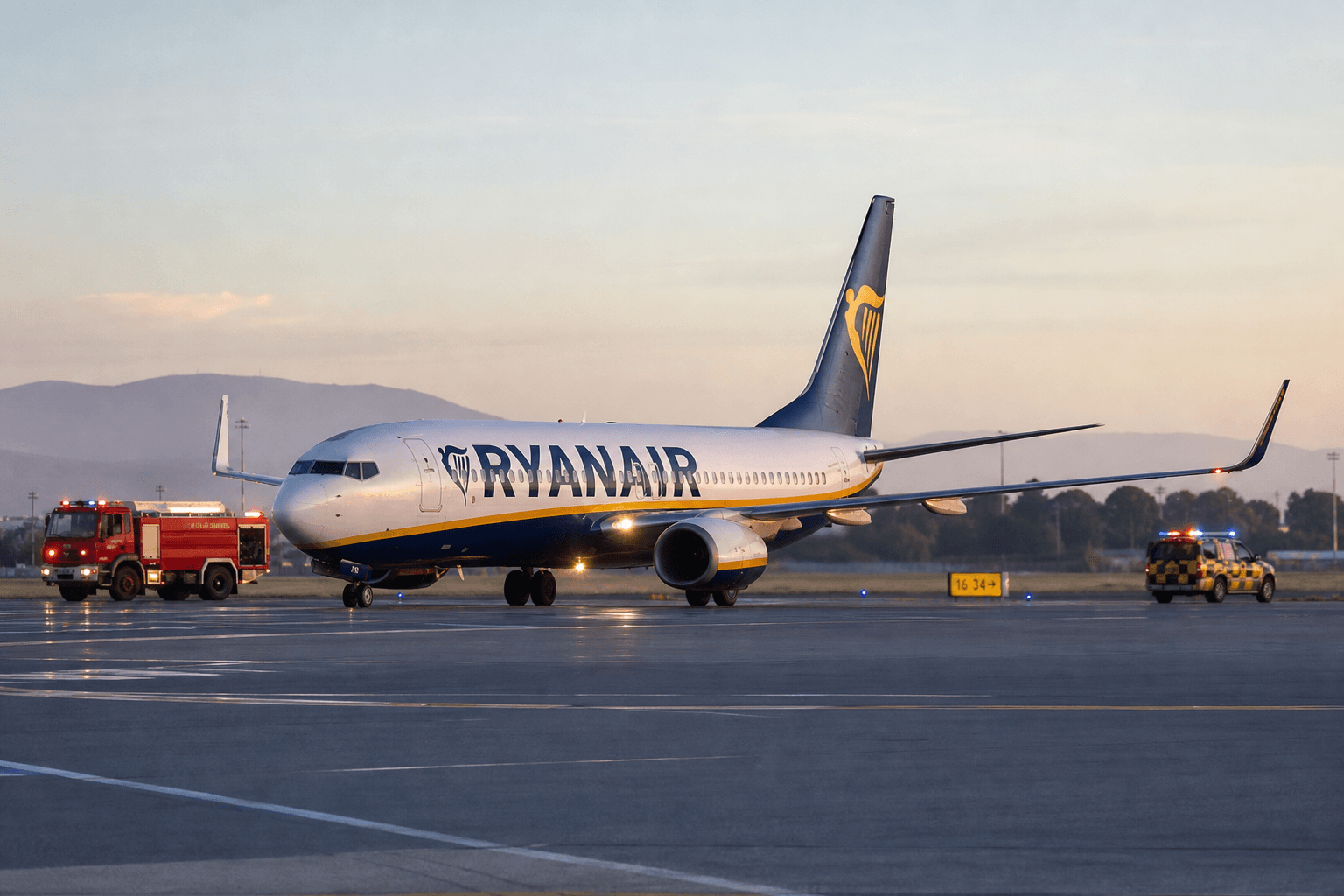
Illustration: The Touch & Go
Ryanair Flight Suffers Explosive Decompression After Window Shatters Mid-Flight
A window shattered on a Ryanair Boeing 737-800 shortly after takeoff from Thessaloniki, partially sucking out a passenger and forcing an emergency return.
The gist
A Ryanair Boeing 737-800 suffered explosive decompression when a window shattered, partially ejecting a passenger but landed safely back in Thessaloniki.
Continuing coverage
All Ryanair →- Ryanair 737 Diverts to Brest After Runway Closure at Nantes by Iberia Emergency Landing
- Ryanair and Cebu Pacific Lead World in Economy Seat Density with Ultra-Compact Cabins in 2026
- Ryanair Flights Often Operated by Subsidiary Airlines Including Buzz and Malta Air
- Ryanair CEO Michael O'Leary Signs Extension to Lead Until 2032 in €150M Deal
- Ryanair CEO Michael O'Leary Renewed Through 2032 with New Share Option Deal
An explosive decompression incident occurred aboard Ryanair flight FR1879 shortly after its morning departure from Thessaloniki, Greece, leaving one passenger partially sucked out of a shattered window. The flight, operated by a Boeing 737-8AS belonging to Ryanair's Maltese subsidiary Malta Air, was en route to Memmingen, Germany, when the incident unfolded on July 10. After the window failure, the flight crew initiated an emergency descent and returned safely to Thessaloniki Airport within 50 minutes of takeoff. The affected passenger, a 61-year-old Serbian man, was hospitalized with non-life threatening injuries after other passengers intervened to pull him back inside the cabin.
Tracking data from FlightRadar24 reveals the aircraft climbed to approximately 16,400 feet before suddenly descending to about 6,000 feet, correlating with the moment of cabin decompression. Witnesses onboard recounted the harrowing scene as the shattered window caused a violent pressure differential that sucked a portion of the passenger's body out. Oxygen masks deployed automatically from the cabin ceiling as crews managed the unfolding emergency. The rapid response of the flight crew and passengers contributed to preventing further injury and maintaining control of the situation amid the distressing event.
Initial investigations point to damage sustained during the airplane's climb phase as the likely cause of the window failure. Preliminary reports suggest that debris from the right-hand engine detached and struck the cabin window with substantial force. This impact shattered the window pane, resulting in the sudden loss of cabin pressure. The engine in question is a CFM56 variant, a common powerplant for the Boeing 737 Next Generation series, including the 737-800 model involved in this flight.
This incident bears notable similarity to the Southwest Airlines Flight 1380 accident in April 2018, where an engine cowling failure led to a window impact and decompression, tragically resulting in a fatality. In response to that event, the National Transportation Safety Board recommended design changes to improve the engine cowling on CFM-manufactured engines powering Boeing 737NG aircraft. Implementation of these modifications is mandated for airlines by July 2028. The Ryanair incident raises renewed attention on the urgency of these safety enhancements.
The aircraft involved in this emergency is 18 years old and although painted in Ryanair's standard livery, it operates under the Malta Air subsidiary. The prompt diversion and landing at Thessaloniki demonstrate the effectiveness of established emergency protocols in commercial aviation. Ground medical teams awaited the passenger at the airport, who was quickly transported for hospital care and is currently reported to be in stable condition.
As the investigation progresses, aviation regulators and Ryanair are expected to collaborate on inspecting the aircraft and related systems to determine the definitive cause of the mechanical failure. No official statements have yet been made by Ryanair concerning the incident. The event underscores ongoing issues with aging aircraft components and the critical nature of preemptive safety measures in commercial flight operations.
Frequently asked questions
- What caused the cabin window to shatter on Ryanair flight FR1879?
- Preliminary reports suggest that part of the right-hand engine detached during ascent and struck the cabin window, causing it to shatter and result in explosive decompression.
- What actions were taken by the flight crew following the decompression incident?
- The pilots initiated a rapid descent from approximately 16,400 feet to 6,000 feet, deployed oxygen masks, entered a holding pattern, and returned safely to Thessaloniki Airport within 50 minutes.
- What were the injuries sustained by the passenger partially sucked out of the window?
- The 61-year-old Serbian male passenger was rescued by fellow passengers, rushed to hospital, and is reported to have non-life threatening injuries.
Read more
All Aviation Safety →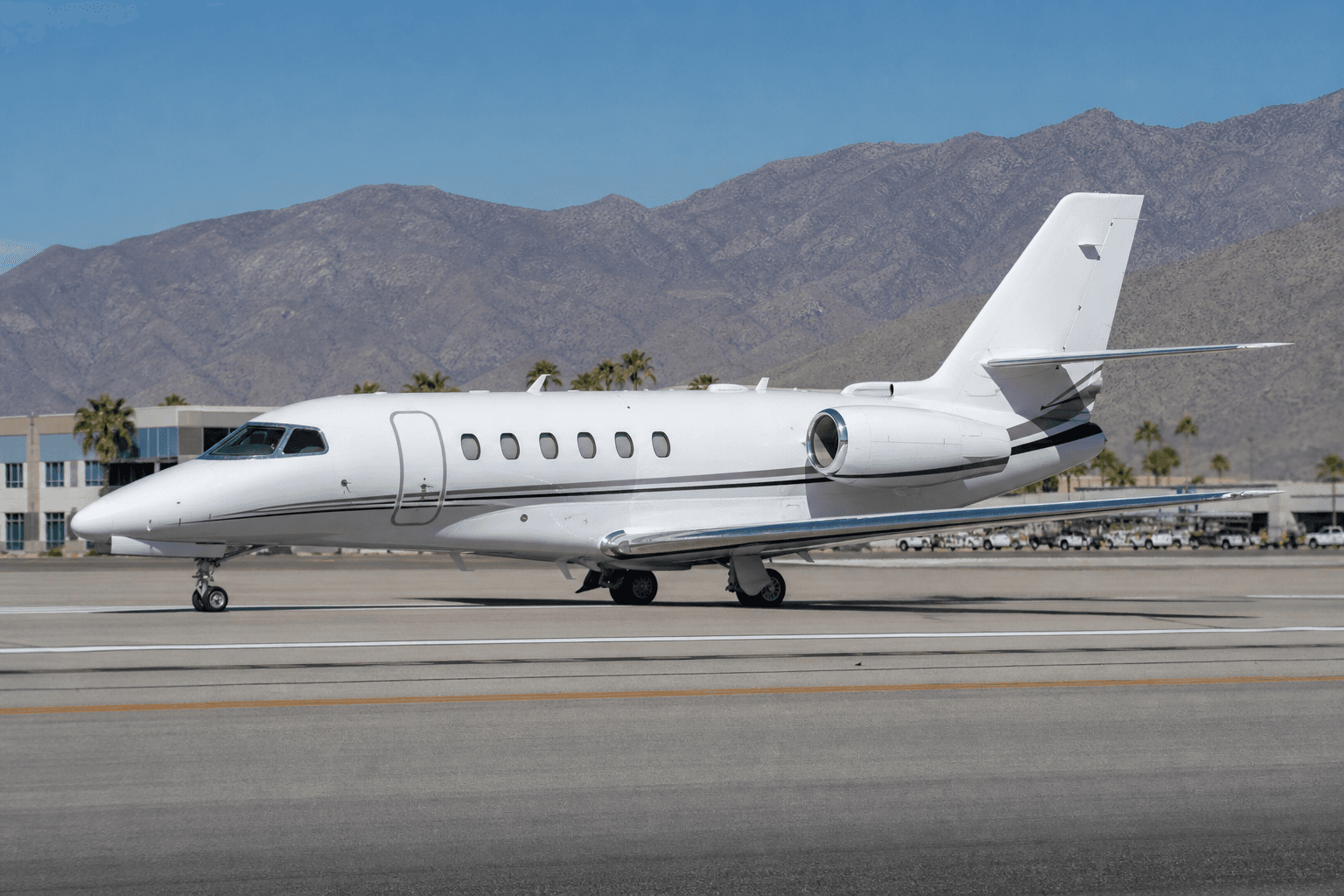
Double engine flameout doomed NetJets Citation Latitude near Laredo highway landing
Damage to fuel system and engine starter generator under scrutiny after Texas-bound NetJets aircraft attempted emergency diversion. US investigators have disclosed that both engines on a Cessna 680A Citation Latitude flamed out while it was attempting an emergency approach to Laredo, resulting in its crashing fatally on a highway . They are working to understand the significance of damage to the fuel system and engine starter generator discovered during inspection of the wreckage. The NetJets aircraft's crew — en route from Los Cabos, Mexico, to Austin, Texas, on 16 June — had informed Houston area centre of a generator failure and multiple other system problems, including a low fuel level, and requested diversion to Laredo. Houston controllers vectored the aircraft for a runway 36L approach to Laredo, with a 270° turn to allow it to reduce altitude. But on final approach the jet's right-hand engine flamed out followed, a few seconds later, by the left engine, says the National Transportation Safety Board. The jet was powered by Pratt & Whitney Canada PW306D1 engines. While the captain was flying, the first officer asked Laredo tower whether there were open fields on the right, but was informed that there was only a highway. This north-south highway, known as the Bob Bullock Loop, is located about 1.5km east of the 36L axis, and the crew aligned the jet with the northbound lane in a bid to touch down. Video evidence suggests "fire flaring up around the airplane" while it was on final approach, says the inquiry in preliminary findings. "As the airplane touched down in the northbound lanes of traffic, it sheared off several light poles, struck a vehicle, and came to rest straddling the right-hand edge of an overpass," it adds. The aircraft's fuselage rolled onto its right side and, after the main cabin door was opened, five of the six occupants emerged. One of the jet's four passengers did not survive. Damage to the fuel tube assembly and fuel pressure switch NTSB Investigators have revealed that the crew had reported an unusual intermittent vibration early in the flight, and sought advice from NetJets, but were ultimately cleared to proceed to the destination. As the jet neared the Mexico-US border, however, the crew began to receive alerts about the fuel system — initially cautions about low right-hand fuel pressure, before indications of electrical issues and then a low-fuel warning — prompting the crew to declare an emergency with Monterrey area centre, which handed the flight to Houston. Examination of the wreckage found the right engine fuel pressure switch was separated from the fuel tube assembly, with a fracture of a weld joint between the two. Several fuel tube assembly clamps were found fractured. The inquiry also discovered that the right-hand engine starter generator was missing "multiple" screws from its outer housing. This generator had been overhauled in April last year, and had about 57h of time remaining. When the generator was removed, its shaft was found bent and the cooling fan fractured, while several cooling-fan blades and ball bearings were discovered. The cooling-fan shroud also contained "circumferential scoring marks". Investigators have transferred the starter generator, fuel tube assembly, and other components to the safety board's Washington laboratory for analysis.
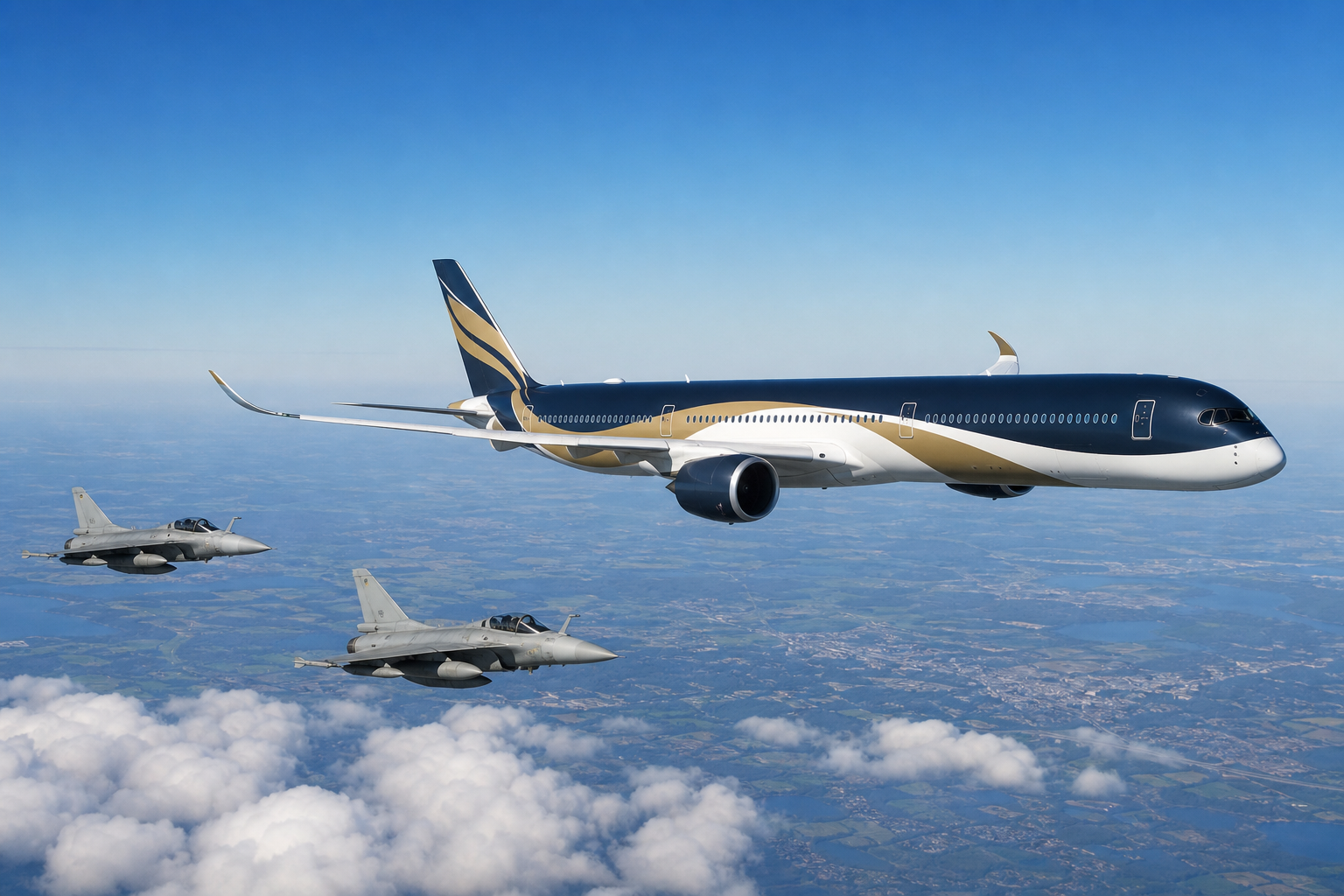
Cathay Pacific A350 Intercepted by NATO Jets After Radio Silence Over Europe
A packed Cathay Pacific plane with as many as 334 passengers on board, which was flying to London Heathrow Airport from Hong Kong, was intercepted by fighter jets as it flew over Hungary after communications between the pilots and Air Traffic Control (ATC) went ‘dark.’ The alarming incident involved Cathay Pacific flight CX-257, which was operated by an eight-year-old Airbus A350-1000. The flight path that Cathay Pacific flight CX-257 took on July 4. The aircraft departed Hong Kong at around 8:40 am on July 4 for the long-haul 13-hour and 40-minute flight to London, which involves the pilots having to weave a path around Russia in order to finally reach Europe and then the United Kingdom. As the plane flew through Romanian airspace at an altitude of 38,000 feet, Air Traffic Controllers were unable to make contact with the pilots over the established radio frequency. ATC continued to try to get through the plane, but without any luck. The aircraft continued flying towards London, crossing the border into Hungary, without checking with the Air Traffic Controller covering airspace over the country. At this point, a potential security alert was declared, and NATO fighter jets were scrambled to intercept the aircraft. The fighter jets reportedly flew close to the Cathay Pacific aircraft, making a “visual warning” towards the plane. At this point, the pilots made contact with ATC and confirmed that nothing was amiss. Having reestablished communications, the fighter jets were stood down, and the plane was allowed to continue its journey to London Heathrow. You might think that would be the end of the matter, but the question remains: Why did communications go dark in the first place? Hong Kong’s Civil Aviation Department, for one, sure wants to know what went so wrong, saying in a press release that it had instructed Cathay Pacific to “follow up seriously and submit an investigation report within one week. Cathay Pacific has said that it is carrying out a “comprehensive review as instructed, including meeting with relevant crew members.” One line of inquiry is that there was a possible malfunction with the radio system, although the fact that communications were reestablished within moments of the fighter jets making their presence known makes this theory less likely. Aviation regulators are also looking into the possibility that the pilots set the radio to the wrong frequency by mistake, while some commentators have pondered whether the two pilots in the cockpit at the time of the incident may have fallen asleep. It’s certainly a possibility on an ultra-long-haul flight such as this, although mitigating measures are taken to avoid this type of incident. Cathay Pacific crews its Hong Kong to Europe flights with at least four pilots, two of whom are resting at any one time. In addition, if the two on-duty pilots start to feel the effects of fatigue, they can make use of what is known as ‘controlled rest,’ in which one pilot takes a short nap in their cockpit seat, while the other remains alert and monitors the flight. Controlled rest rules vary slightly around the world, but in Europe, the period of controlled rest is limited to 45 minutes, plus a 20-minute recovery period. The whole point of limiting the rest period is two-fold: Prevent the pilot from falling into a deep sleep that would prevent them from recovering quickly in the event of something going wrong. Limit the amount of time that the monitoring pilot might accidentally nod off, leaving both pilots asleep at the controls. The European Aviation Safety Agency (EASA) has found that controlled rest can "significantly increase the levels of alertness [of pilots] during the later phases of flight, particularly after the top of descent." In other words, pilots are far less likely to suffer severe tiredness during landing when it's crucial that they are on top form. Bizarrely, however, in the United States, the Federal Aviation Administration (FAA) has never approved the use of controlled rest as a fatigue management strategy, instead preferring to rely on other methods like scheduling rules and augmented crew on longer flights that allow for the use of proper in-flight rest. Cathay Pacific has not commented on these rumors and has maintained that the aircraft “adhered to its authorised routing throughout the journey.” In 2022, both pilots of an Ethiopian Airlines flight from Khartoum in Sudan to Addis Ababa reportedly fell asleep at the controls and only woke up when the Boeing 737 they were flying overshot their destination , triggering an alarm in the cockpit that woke them up. As the 12-year-old aircraft passed high above the runway at Addis Ababa International Airport that it was meant to land on, the autopilot disconnected, and a wailing alarm activated in the flight deck.
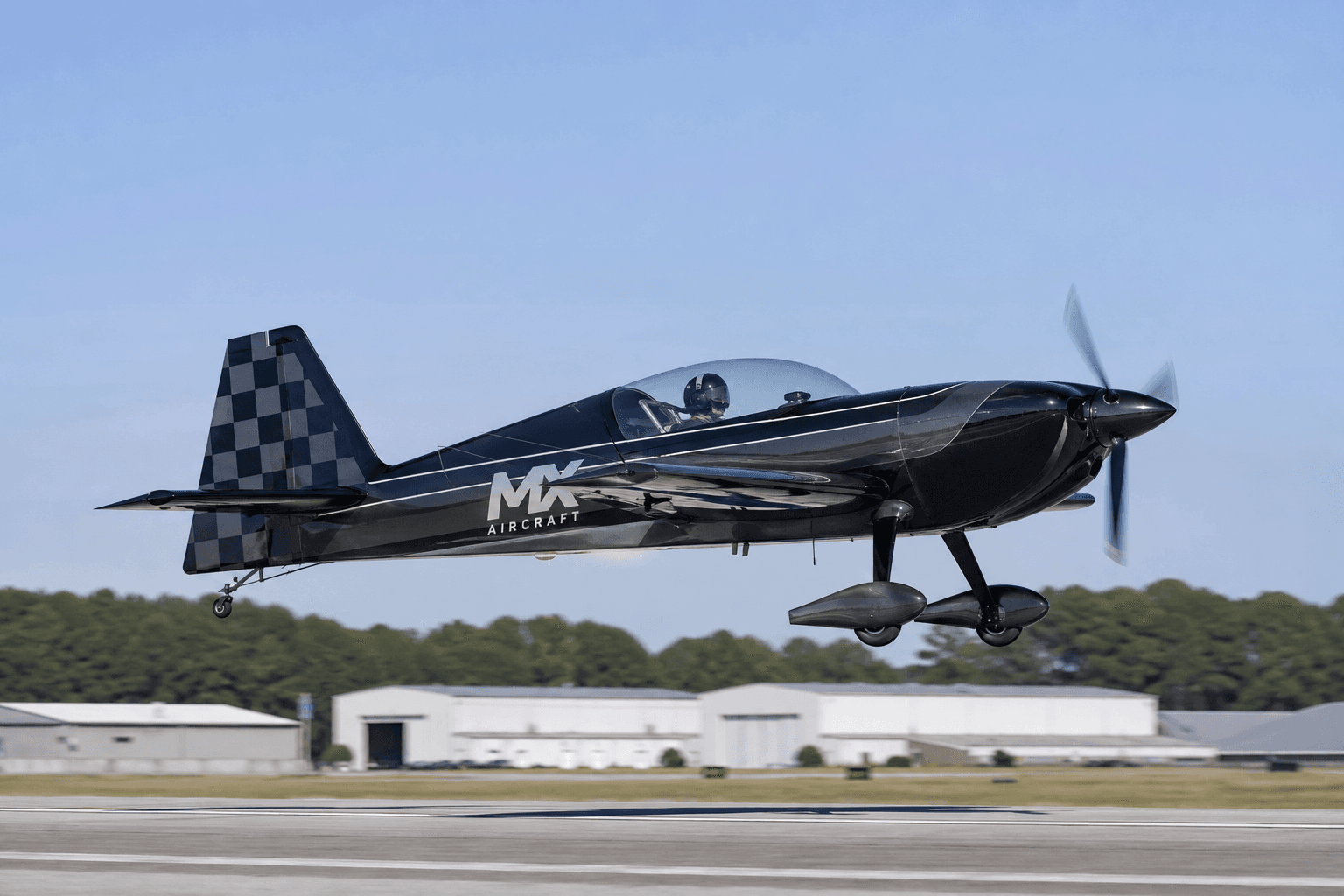
NTSB Final Report Cites Elevator Counterweight Plug Failure in Rob Holland Crash
National Transportation Safety Board authorities investigating the 2025 accident that killed aerobatic pilot Rob Holland have determined the failure of a custom counterweight plug resulted in a jammed elevator and subsequent loss of control during landing. Holland, 50, was one of the top aerobatic pilots in the world. He held an ATP certificate and had more than 15,000 hours of flight experience. The accident occurred on April 24 at approximately 11:35 a.m. ET as Holland was attempting to land his aerobatic MX Aircraft Tech MXS airplane at Langley Air Force Base (KLFI) in Hampton, Virginia. READ MORE: Master of the Air: Recalling a Close Encounter With Rob Holland READ MORE: NTSB Releases Preliminary Report on Holland Accident The weather was clear and the winds calm at the time of the accident. According to witnesses, the airplane made a smooth approach to Runway 08, leveling off about 50 feet above the runway and flying straight down the runway for several hundred feet, then it porpoised twice, pitching up 45 to 60 degrees then climbing several hundred feet and rolling 90 degrees to the left. The aircraft rolled and descended straight down to the ground. The aircraft pancaked in a ditch off the side of the runway. The NTSB report notes that “all major components of the airplane were accounted for at the accident site. The left elevator counterweight plug was located about 10 feet behind the wreckage in the grass.” An electronic flight instrument system was recovered from the accident airplane. The data were consistent with the witness descriptions of the accident sequence. According to the medical examiner, the cause of death was listed as blunt force trauma. Holland tested negative for all drugs. Holland had flown to Virginia from Smyrna Airport (KMQY) in Tennessee because he was slated to perform in the Air Power Over Hampton Roads airshow in the MXS. Holland had been performing aerobatics in the customized all-carbon fiber single-seat aerobatic aircraft since 2011. The aircraft was built by a company in Australia. Aerobatic performer Rob Holland dominated the Unlimited Power category in his MX Aircraft Tech MXS. [Credit: Gary Schenaman] According to the NTSB final report, the aircraft was issued a special airworthiness certificate in the experimental category for the purpose of exhibition and air racing on July 26, 2019. A representative of the airframe manufacturer stated that Holland had contacted them requesting the company incorporate an adjustable balance tube into the design of the elevator during its construction. Per the NTSB report: “The design included an access hole in the left and right elevator horns to insert counterweights. The access hole/tube was covered by a plug. The manufacturer described that the plugs were designed as a short-term solution and that no manuals or other information was provided specifying torque valves to be used when installing the plug. The airframe manufacturer also provided a design drawing for the plug that appeared to be dimensionally different from the plug found installed in the accident airplane. The design document also called for an o-ring, which the airframe manufacturer described as a locking device. No o-rings were found on either of the plugs associated with the accident airplane. When asked about the differences observed between the specified plug and the plugs found on the accident airplane, the airframe manufacturer could not explain the discrepancy.” Following the accident the aircraft manufacturer published an undated mandatory safety notice (SN 2025-01), which was applicable to MXS and MX2 airplanes fitted with adjustable balance tubes that provided instructions for filling existing adjustable balance tubes with a lead/resin mixture. In November 2025 Holland was posthumously inducted into the EAA Sport Aviation Hall of Fame. He learned to fly as a teenager and went on to win many aerobatic competitions and became a favorite performer at airshows. Among his accomplishments: Thirteen-time consecutive U.S. National Aerobatic champion Six-time world 4-minute freestyle champion Fourteen-time U.S. 4-minute freestyle champion 2015 World Air Games freestyle gold medalist 2012 Art Scholl Memorial Showmanship Award recipient 2008 World Advanced Aerobatic champion Ten-time U.S. Aerobatic Team member 37 medals in international competition (14 Gold)
Fuel System Failure at Boston Logan Triggers 370+ Delays and 100+ Cancellations
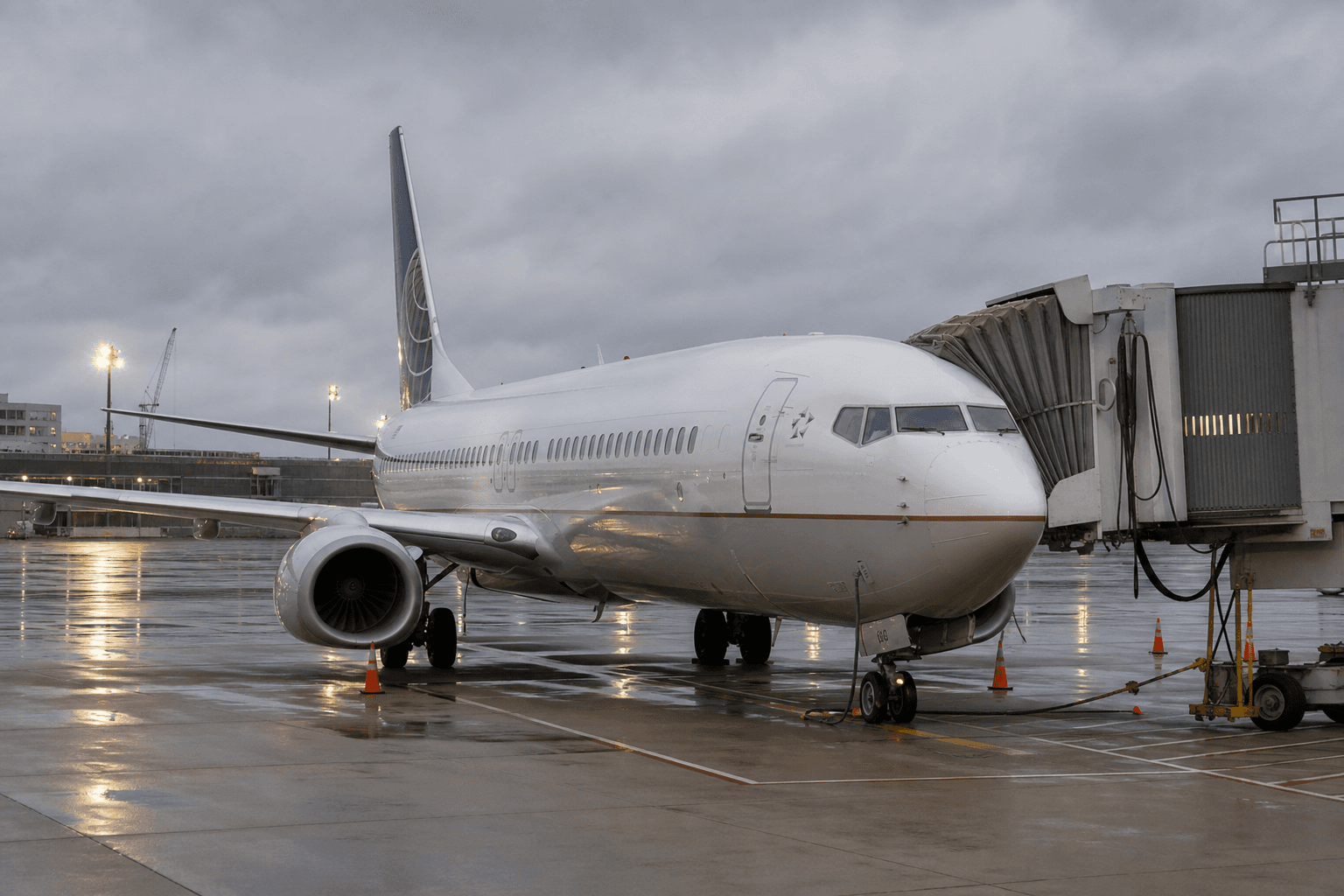
A major fueling system failure at Boston Logan International Airport (BOS) brought one of the nation's busiest airports to a near standstill Sunday evening, triggering more than 370 flight delays and over 100 cancellations. The failure came on July 4 weekend, disrupting travel during one of the busiest periods of the summer . The incident prompted the Federal Aviation Administration to issue a ground stop, preventing departures as airport officials worked to restore access to jet fuel across the airfield.
The Daily Touch & Go
The day's best aviation news in your inbox. Free, no spam.