

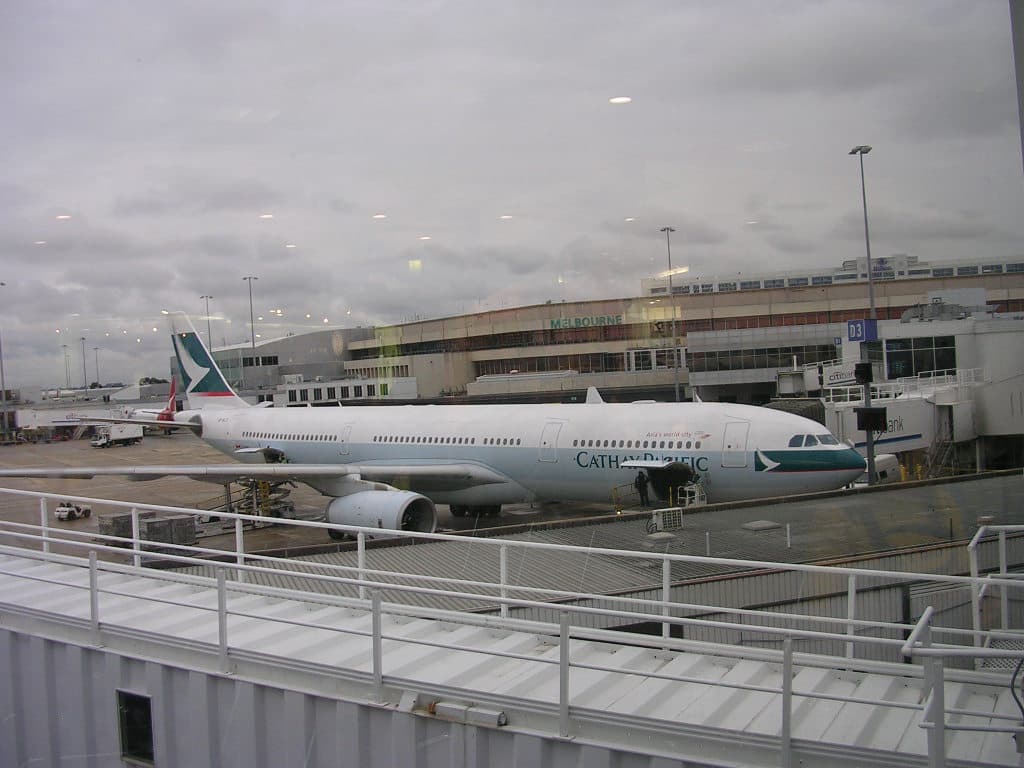
Image: Michael Coghlan from Adelaide, Australia · CC BY-SA 2.0 · via Wikimedia Commons
Cathay Pacific Group Posts 27% Operating Profit Rise and Stays on Track for 10% Capacity Growth
Cathay Pacific Group's half-year operating profit surged 27% amid fuel price challenges, reaffirming its 10% passenger capacity growth target.
The gist
Cathay Pacific Group's profits rise sharply despite fuel cost spike, maintaining plans for steady capacity growth and fleet expansion.
Continuing coverage
All Fleet Expansion →- US-Bangla Airlines to Double Fleet with $1.5B Boeing Order
- ANA expands Embraer E190-E2 order with eight additional jets for flexible domestic service
- flynas expands Airbus fleet with 25 new A330-900 and A321neo jets
- IndiGo selects Honeywell avionics and power units for 810 A320neo jets
- Lufthansa debuts its first Airbus A350-1000 adorned with centennial anniversary livery
Cathay Pacific Group delivered a significant financial update for the first half of the year, reporting a 27% increase in operating profit to HK$7.5 billion ($961 million) alongside a 71% jump in net profit to HK$6.2 billion. This strong performance comes despite a 27% rise in overall expenses, largely driven by elevated fuel costs linked to global volatility. Cathay's leadership confirms the group remains on track to achieve its targeted 10% passenger capacity growth for the year, reflecting robust travel demand and operational improvements.
The group's capacity growth guidance reflects confidence in near-term market conditions. Guy Bradley, Cathay's recently appointed chair, conveyed cautious optimism as the airline navigates ongoing risks, including the geopolitical uncertainties stemming from the Middle East conflict. He emphasized that while the company is mindful of macroeconomic factors, the current demand environment supports continuing with expansion plans centered on scaling passenger volumes.
Fuel expense emerged as a key challenge during the first half, with costs nearly doubling in the second quarter compared to the first. This spike has been attributed primarily to the increased jet fuel prices caused by the Middle East tensions, exerting significant pressure on the airline's operating costs. Nevertheless, the airline's revenue growth of 25% to HK$68 billion testified to strong travel markets, particularly on mainline services, and enhancements achieved by its low-cost unit, HK Express.
HK Express contributed meaningfully to Cathay's improved financials through operational efficiencies and market recovery since pandemic downturns. The synergy between the mainline carrier and its subsidiary is instrumental in meeting Cathay Group’s strategic objective to broaden international connectivity. This aligns with the group's longer term ambition to expand to 150 international points within the next decade, supported by plans to induct 150 new aircraft across its fleet.
The expansion in aircraft and destinations underscores Cathay's commitment to reclaim and grow its role as a leading Asia-Pacific network carrier. Such growth ambitions are conditioned on favorable market conditions and stabilized fuel prices, which remain a volatile factor. The group’s strategy seeks to balance capacity increases with prudent cost management amidst a complex global economic and geopolitical backdrop.
In June, Cathay realized a non-recurring gain of about HK$1 billion stemming from a reduced shareholding in Air China. This financial transaction bolstered net profit for the period and reflects Cathay's ongoing portfolio adjustments to optimize its investment returns. While the gain was a one-time event, it enhances liquidity and financial flexibility as the group pursues growth and modernization targets.
Operationally, Cathay's resilience through rising costs and geopolitical uncertainty is notable. The airline has adapted by leveraging increased demand from returning international travel and capitalizing on the revival of routes post-pandemic. The integration of HK Express’s improved performance into overall group results demonstrates strategic diversification of revenue streams.
Bradley’s leadership since May shows a clear focus on steering through turbulence linked to fuel inflation and external shocks. The group’s ability to confirm its capacity increase amidst these headwinds illustrates effective operational agility and market insight. Continued focus on cost controls and revenue diversification remains vital as the Middle East situation and global economic factors evolve.
Overall, Cathay Pacific Group's half-year financial achievements affirm its robust recovery path within the aviation sector. The group’s capacity growth goals and fleet renewal plans position it to harness future opportunities while managing risks. Maintaining momentum depends on navigating fuel price volatility and geopolitical risks through strategic execution against a backdrop of strong travel demand.
Frequently asked questions
- What financial results did Cathay Pacific Group report for the first half of the year?
- Cathay Pacific Group reported a 27% increase in operating profit to HK$7.5 billion and a 71% rise in net profit to HK$6.2 billion for the six months ended June 30.
- How has the Middle East conflict affected Cathay Pacific Group's operational costs?
- The conflict led to a significant surge in jet fuel prices, causing the group's fuel expenses to nearly double between the first and second quarters, contributing to a 27% increase in total expenses.
- What are Cathay Pacific Group's capacity growth and fleet expansion plans?
- The group aims to grow passenger capacity by 10% this year and targets operating to 150 international destinations within 10 years, supported by plans to add 150 new aircraft to its fleet.
Read more
All Airlines →
ANA expands Embraer E190-E2 order with eight additional jets for flexible domestic service
Airline previously ordered up to 20 E190-E2s in 2025. Japan's All Nippon Airways has ordered eight more Embraer 190-E2s, as it looks to "flexibly respond" to future domestic travel demand. The order, approved by the airline's board on 29 July, comes on top of an existing order for up to 20 E190-E2s, which it announced in 2025. That commitment – firmed up at the Paris air show in 2025 – comprises 15 firm orders and five options. A stock exchange filing for parent ANA Holdings says the value of the latest order stands at around Y105 billion ($642 million). The additional aircraft are expected to be delivered from fiscal 2029, which begins on 1 April 2029, to 2032. The new aircraft will be operated by Tokyo-based codeshare partner IBEX Airlines, as part of ANA's plans to "outsource" its domestic operations. IBEX crew will operate these flights under ANA flight numbers. The two carriers will also "develop" their existing codeshare arrangement to a "comprehensive business partnership". Preparations are underway with the aim of starting the arrangement in 2029. The arrangement will allow both ANA and IBEX to "effectively utilise their management resources", while allowing ANA to retain its domestic network and achieving operational efficiency. IBEX currently operates a fleet of nine MHIRJ Aviation CRJ-700s, and these aircraft will be replaced by the new Embraer E2s. ANA had on previous occasions warned of the challenges posed by shifting demographics, especially as Japan confronts a shrinking population in the future.
Qantas to Sell Entire Stake in Jetstar Japan by Mid-2027 for $52 Million
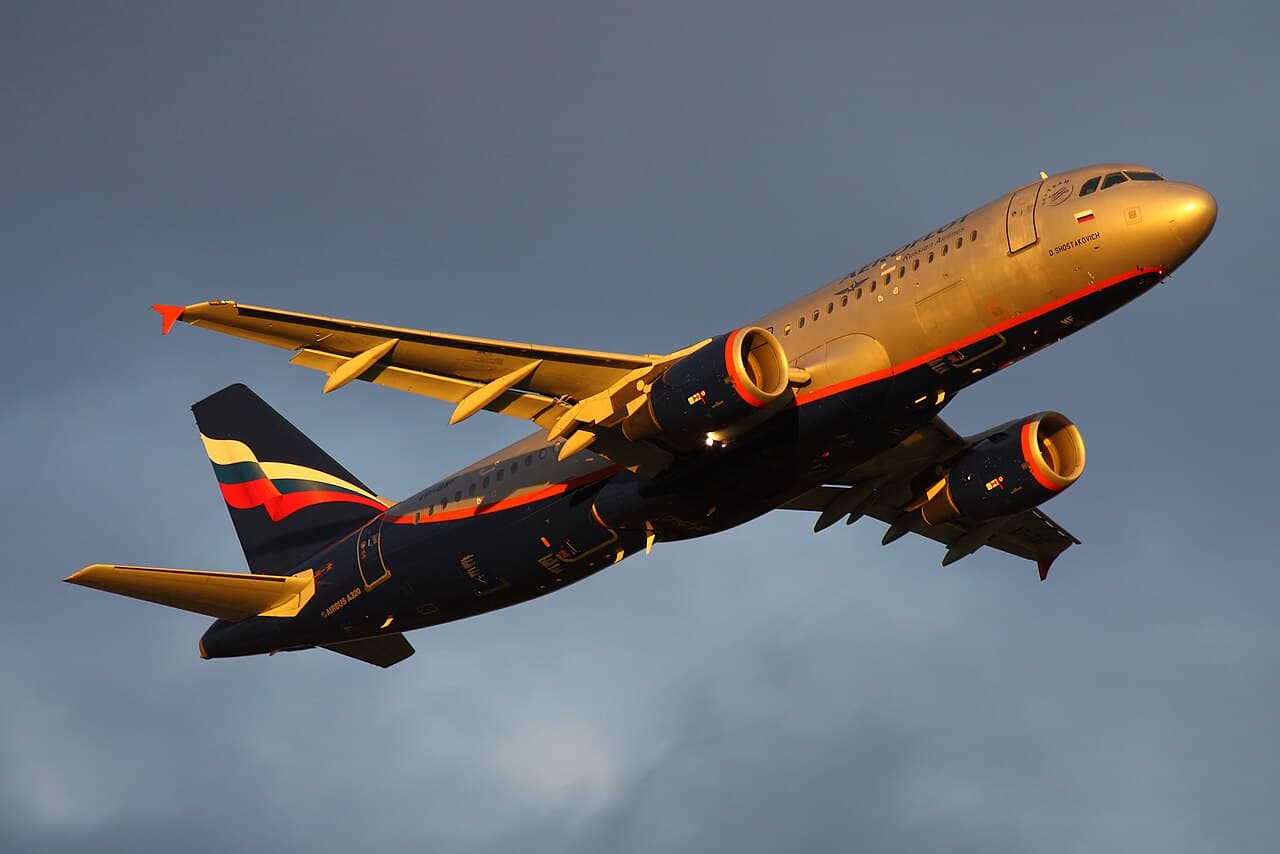
Deal expected to be completed by June 2027. The Qantas Group has signed a binding agreement to divest its entire shareholding in low-cost operator Jetstar Japan, in a deal valued at around Y8.2 billion ($52 million). The agreement sees Qantas sell its 33.3% stake in Jetstar Japan through a share buyback, with the Development Bank of Japan entering as a new shareholder. Majority shareholder Japan Airlines will retain its 50% shareholding, as will financial services firm Tokyo Century. The share buy-back transaction is expected to be completed by June 2027, states Qantas. Jetstar Japan will "refresh" its brand from Jetstar to a new brand, and will transition to a "Japanese capital-led ownership structure". The group notes there will be "no impact" on the existing international operations between Australia and Japan operated by mainline carrier Qantas and low-cost airline Jetstar Airways. "The transaction will allow the Qantas Group to redirect capital investment towards Qantas and Jetstar's domestic and international operations in Australia," it adds. The deal was first announced in February this year, when Qantas and JAL signed a non-binding memorandum of understanding for the transaction. Jetstar Japan began operations in 2012 as one of several international Jetstar units. It currently has a fleet of Airbus A321neos and A320s.
Alaska Atmos Rewards Launches Monthly Global Getaways Sale with Up to 50% Off Economy Awards
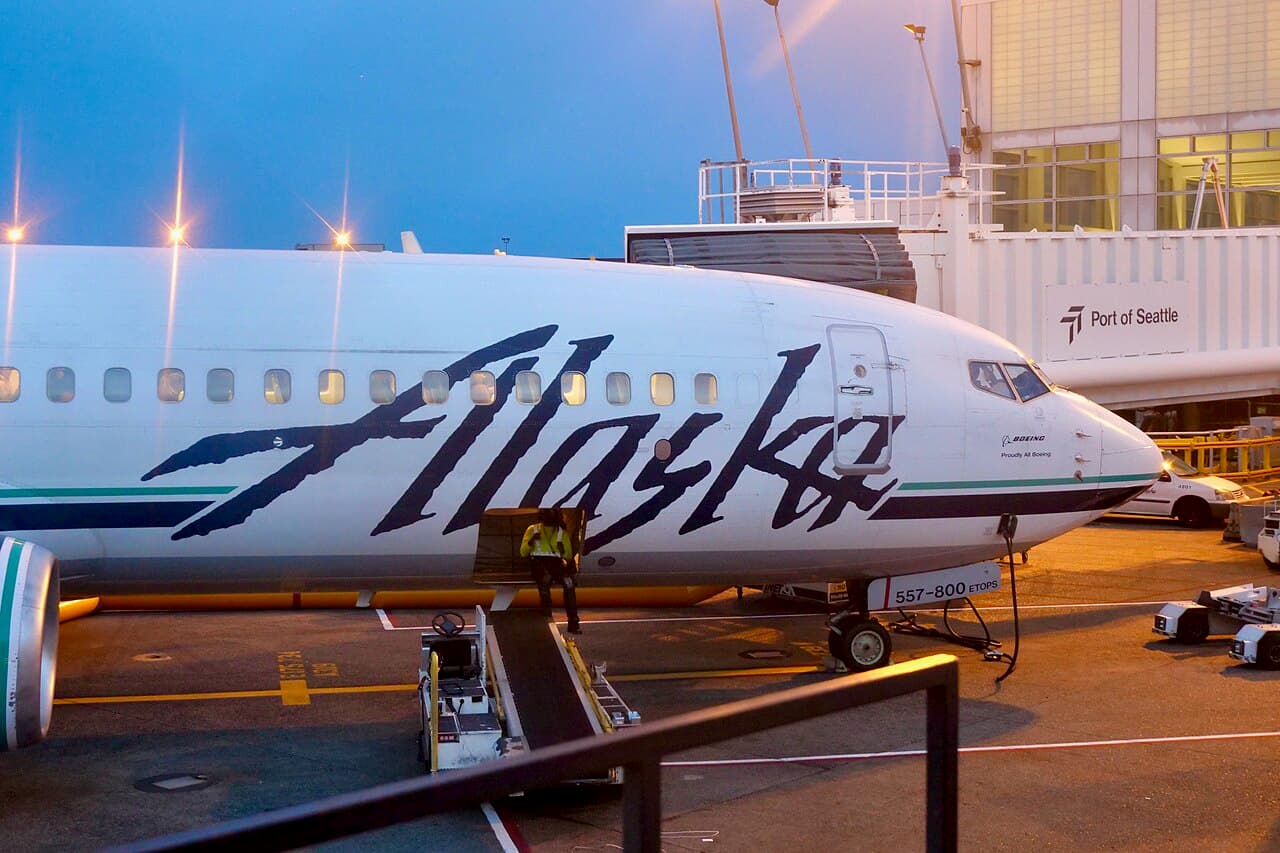
Alaska Atmos Rewards offers the Global Getaways promotion, whereby members can save on award tickets in select regions. While this promotion used to be quarterly, it's now offered monthly, so there are more frequent offers, but with a shorter booking window. Atmos Rewards launches this promotion on the first Wednesday of each month (which the program calls "Atmos Members Day"), so we just saw the one for August launched. Let's go over the opportunities, as you can save up to 50% on award tickets. There are some cool markets in which you can save miles, though unfortunately only economy travel qualifies. Save on Atmos Rewards awards to select destinations For the new Alaska Atmos Rewards Global Getaways promotion , you can save up to 50% on award travel to half a dozen destinations, with the following restrictions: This is valid for bookings made between August 4 and August 8, 2026 This is valid for specific travel dates, though they vary by destination — I'll note those dates below (typically they're the same for all destinations, but not this time around) This is valid specifically for redemptions in economy, and not for travel in first class, business class, or premium economy You can receive discounts as long as you're traveling to one of the eligible destinations and are originating in the United States; while discounts aren't 100% consistent, they are generally valid for travel on all partner airlines when there's saver level award availability These awards have the same change and cancelation policies as all other Atmos Rewards awards, so they're refundable at no cost, minus the partner award booking fee ( which it's even possible to get waived ) The theme for this Global Getaways promotion is "start the year somewhere new," with the idea being that "from historic cities to island escapes, August's destinations spotlights places worth experiencing after the holiday crowds have gone home." With this sale, you can save on one-way redemptions to the following destinations (these savings are up to 50%, but not always that high): Budapest, Hungary (BUD), for travel January 5 through February 28, 2027; now starting at 25,000 points Edinburgh, Scotland (EDI), for travel January 5 through February 28, 2027; now starting at 20,000 points Hong Kong (HKG), for travel January 5 through February 28, 2027; now starting at 34,000 points Madrid, Spain (MAD), for travel January 5 through February 28, 2027; now starting at 20,000 points Nadi, Fiji (NAN), for travel January 5 through February 28, 2027; now starting at 30,000 points Osaka, Japan (KIX), for travel August 1 through November 18, 2026; now starting at 27,500 points Papeete, Tahiti (PPT), for travel November 1, 2026, through February 28, 2027; now starting at 25,000 points Rome, Italy (FCO), for travel August 1 through October 23, 2026; now starting at 25,000 points Sydney, Australia (SYD), for travel August 1, 2026, through February 28, 2027; now starting at 35,000 points The current Atmos Rewards Global Getaways promotion My take on Alaska's Global Getaways promotion I very much appreciate Alaska Atmos Rewards' creativity with this promotion, as nowadays it's pretty rare to see programs offer award sales that are also valid for travel on partner airlines. Now, admittedly I wish there weren't quite as many restrictions in terms of the booking window, travel period, the class of service limitations, and the one-way discount, but still, there will be value here for some, and it's better than nothing. If you're simply looking for the lowest cost award, some of these award prices are very tough to beat. For example, getting from the United States to many points in Europe for 20,000-25,000 points in economy without paying high carrier imposed surcharges is quite a value. Keep in mind that with Atmos Rewards, award flights even earn status points , so could help you qualify for status. Travel to several destinations with a huge discount I do hope that over time we see some first and business class award sales as well (it's probably not happening, but we can dream, right?). Many of us have historically loved the program for the value it offers for premium cabin travel, so this promotion doesn't help us much with that. This is basically Alaska's version of Air France-KLM Flying Blue Promo Rewards or Singapore KrisFlyer Spontaneous Escapes , except it applies for travel on partner airlines (rather than just for travel on the program's airline), and is exclusive to economy (while the other promotions are mixed). Save on Atmos Rewards awards to select destinations Bottom line Alaska Atmos Rewards has launched its latest Global Getaways promotion, which is a monthly redemption deal offering up to a 50% discount on awards. This time around, you can save points on economy redemptions to select destinations. You need to book by August 8, 2026, and most destinations are valid for travel in early 2027. While this won't be useful for everyone, I imagine some people will get value from this. What do you make of Alaska's Global Getaways promotion?
Airlines Abandon Middle Tier as Premium and Ultra-Budget Classes Dominate Market
Across the airline industry, it seems that the traditional middle tier of commercial air travel is on its way to the history books. It has always been common to see legacy carriers and low-cost airlines alike depend on a standardized main cabin product to generate steady baseline revenue. Today, that undifferentiated middle is rapidly disappearing as commercial aviation splits into two profitable extremes: high-yield premium cabins at one end and unbundled ultra-budget fares at the other.
The Daily Touch & Go
The day's best aviation news in your inbox. Free, no spam.