

Illustration: The Touch & Go
Air China expands fleet with 15 A350-900s and 40 A320neos for Shenzhen Airlines
Air China signs agreement for 15 Airbus A350-900s and allocates 40 A320neos to Shenzhen Airlines to enhance capacity and fleet modernization by 2032.
The gist
Air China secures 15 A350-900 widebodies and directs 40 A320neos to Shenzhen Airlines, boosting fleet capacity through 2032.
Continuing coverage
All Fleet Expansion →- Hainan Airlines Plans to Acquire 40 Airbus A320neos from 2028 to 2032
- Air China orders 15 Airbus A350-900s and 40 A320neos for Shenzhen Airlines
- Cebu Pacific wet-leases A320neo to Vietnam Airlines for summer domestic routes
- Alaska Airlines Debuts Boeing 787-9 Without Premium Economy Cabin Despite CEO's Admission
- United Airlines Plans Massive Denver Flight Training Campus with up to 6,000 Jobs by 2030
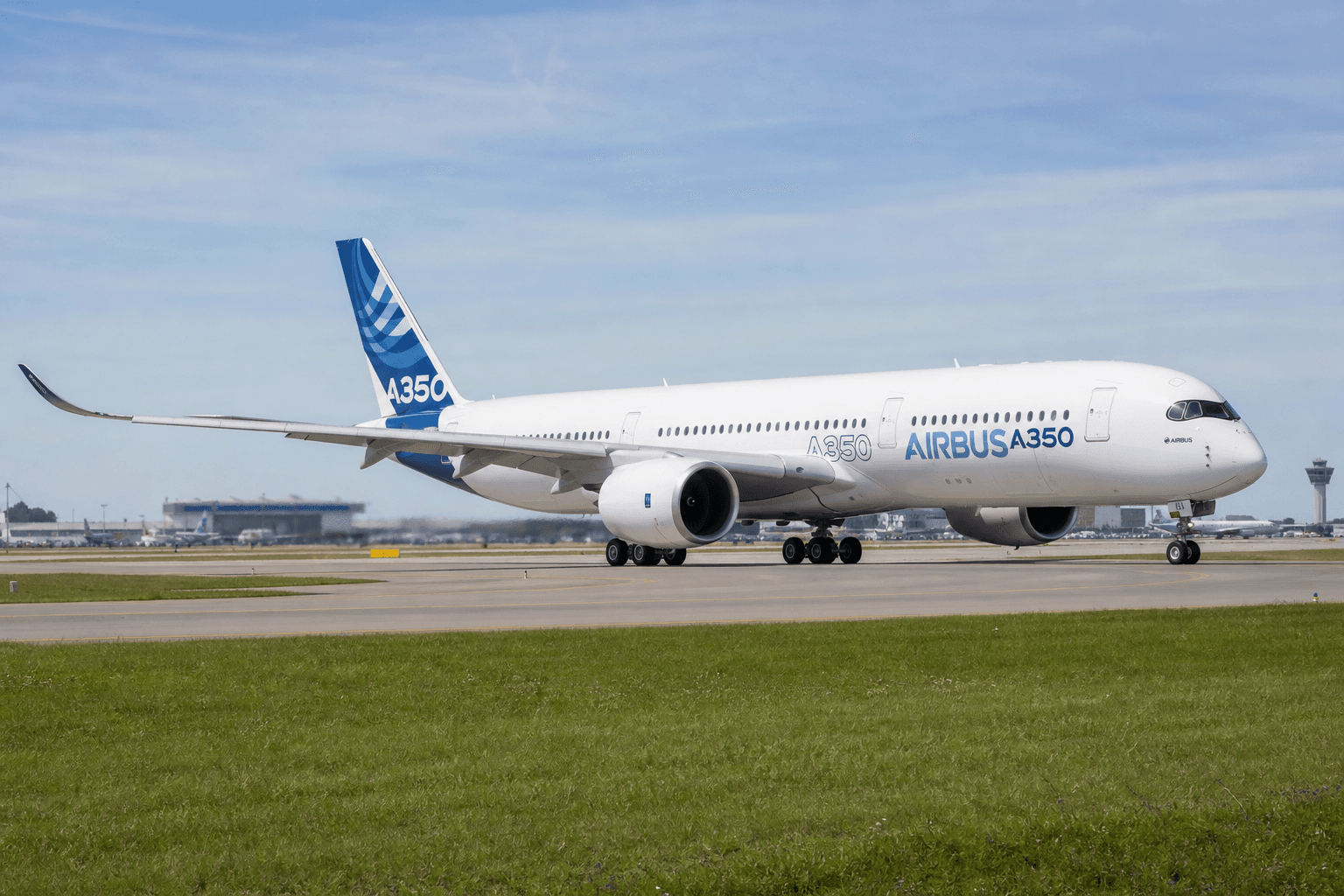
Air China has formalized a major fleet expansion with Airbus, agreeing to buy 15 A350-900 widebody aircraft. Concurrently, it has allocated 40 A320neo narrowbodies to its subsidiary Shenzhen Airlines. This dual acquisition is planned to unfold over the coming years, with deliveries scheduled from 2029 through 2032. The strategic update is intended to optimize the airline group’s overall fleet composition and sustain growth in response to evolving market demand.
The deliveries of the A350-900 aircraft are slated for 2030 to 2032, marking an infusion of modern long-haul capability into Air China’s mainline operations. All the A350s will be equipped with Rolls-Royce Trent XWB engines, known for their fuel efficiency and performance in the widebody segment. Meanwhile, Shenzhen Airlines will commence receiving its batch of 40 A320neos starting in 2029 and continuing until 2032, augmenting the regional and domestic capacity of the subsidiary.
Air China and its import subsidiary, Air China International Engineering Co. (AIE), jointly entered the purchase agreement with Airbus on July 17, 2026. The list prices cited for the aircraft selection reach approximately $6.1 billion for the A350s and $6.35 billion for the A320neos according to Airbus’s catalog. However, the airline noted that Airbus has extended substantial price concessions via credit memoranda, reflecting negotiated terms below standard catalog pricing.
No official announcement has been made regarding the engine choice for the A320neo family jets assigned to Shenzhen Airlines. This aspect remains open during the procurement process. The absence of engine details is notable given the A320neo’s two primary engine variants — Pratt & Whitney and CFM International — both offering significant efficiency improvements over previous generation engines.
Air China emphasized that this acquisition aligns closely with the company’s broader development plan and the dynamic needs of its target markets. The transaction addresses several operational priorities: fleet renewal to phase out aging aircraft and to strengthen available capacity to serve growing route demands. This fleet modernization supports both international and domestic strategic initiatives.
Previously, Air China has contributed five A350s to Shenzhen Airlines as part of a capital increase within the carrier. This action was linked to a recent restructuring of Shenzhen Airlines’ shareholder base, incorporating a new investor to solidify financial and operational robustness. This capital infusion and fleet support reflect an integrated approach to developing the subsidiary’s market position alongside the parent airline’s expansion.
In late 2025, Air China committed to purchasing an additional 60 A320neo family aircraft, further highlighting its aggressive modernization of the narrowbody segment. Its interests in the A350 program have also expanded recently with increased orders for the freighter variant of the A350, broadening the airline’s capabilities in cargo operations and reflecting a strategic diversification.
This fleet expansion scheme underscores Air China’s commitment to balancing widebody and narrowbody growth aligned with passenger and cargo market forecasts. By staging deliveries through 2032, Air China and Shenzhen Airlines plan a synchronized upgrade pace to meet evolving competitive pressures and infrastructure capabilities. Such long-term planning is essential in the highly competitive Chinese domestic and international aviation markets.
The inclusion of Rolls-Royce Trent XWB-powered A350-900s affirms Air China’s confidence in a fuel-efficient, high-capacity aircraft to maintain and expand its long-haul services. Meanwhile, Shenzhen Airlines' enhanced narrowbody fleet is expected to expand regional connectivity and meet increasing domestic travel requirements, supporting China’s growing aviation demand overall.
Frequently asked questions
- What aircraft types did Air China agree to acquire in this deal?
- Air China agreed to purchase 15 Airbus A350-900 widebody aircraft and allocated 40 Airbus A320neo narrowbodies to its subsidiary Shenzhen Airlines.
- When will Air China and Shenzhen Airlines receive the new aircraft?
- Shenzhen Airlines will start receiving the A320neos in 2029 through 2032, while Air China’s A350-900 deliveries are scheduled from 2030 to 2032.
- What engines will power the Air China A350-900s?
- All the A350-900 aircraft for Air China will be equipped with Rolls-Royce Trent XWB engines.
Read more
All Airlines →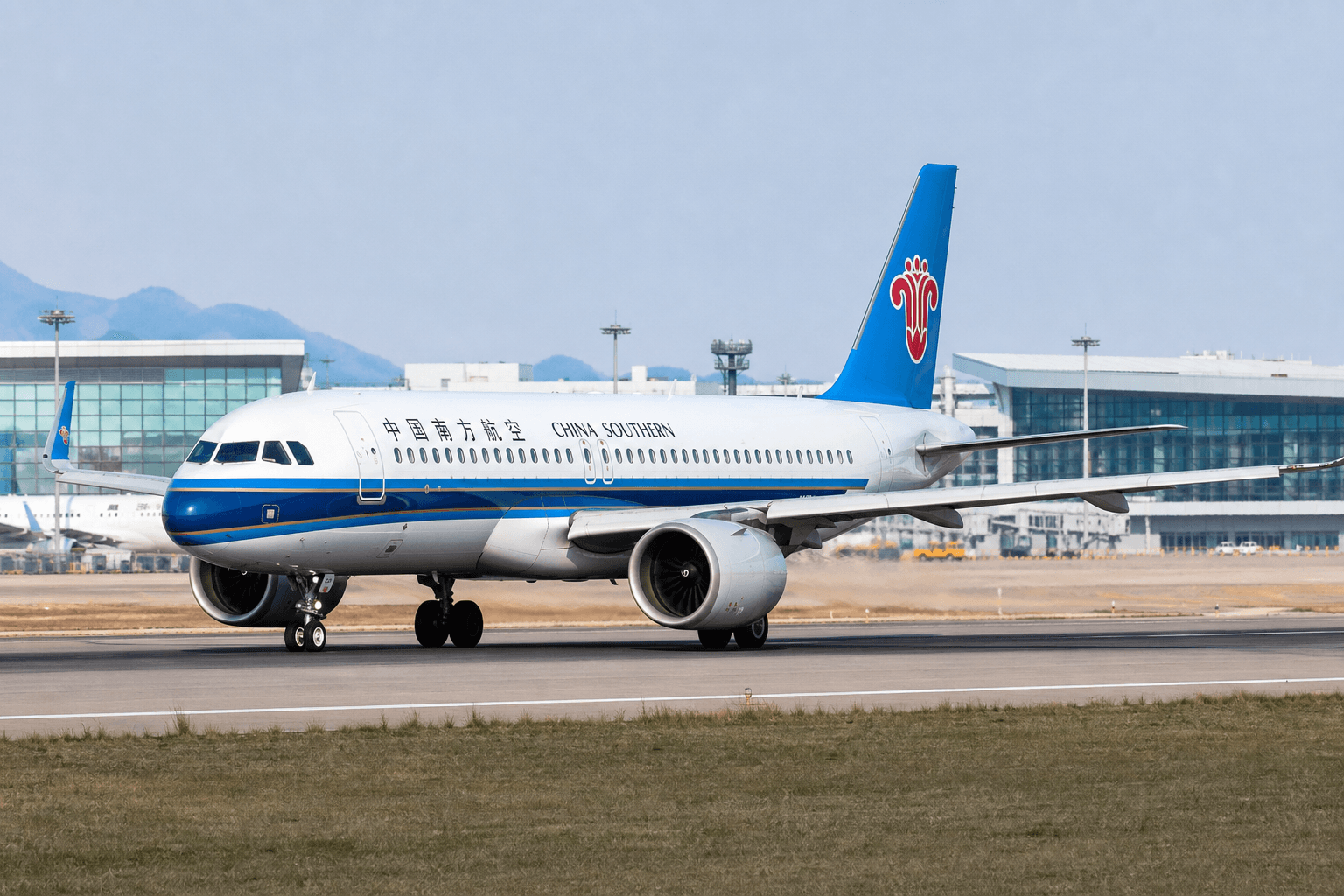
Hainan Airlines Plans to Acquire 40 Airbus A320neos from 2028 to 2032
Carrier’s agreement follows several other Airbus fleet deals from the country’s operators. China's Hainan Airlines has revealed that it is intending to order 40 Airbus A320neo-family jets, the latest operator from the country to disclose large agreements with the European airframer. Hainan Airlines, based in Haikou, states that it will take delivery of the twinjets from 2028 to 2032. No engine selection has been given for the aircraft. Hainan says the catalogue price for the jets is $5.36 billion but that the "actual price will be lower". In an 18 July disclosure it says its board has backed the deal. But it adds that the transaction is subject to shareholder approval and that of relevant national authorities. Hainan says the Airbus agreement aligns with development plans to optimise the airline's fleet structure and enhance capacity. Several Chinese operators have recently unveiled similar large Airbus acquisitions, among them Air China , China Southern Airlines , China Eastern Airlines , Spring Airlines and Juneyao Air .
Delta Plans Daily Los Angeles-Manila Flights Starting March 2027 With Airbus A350
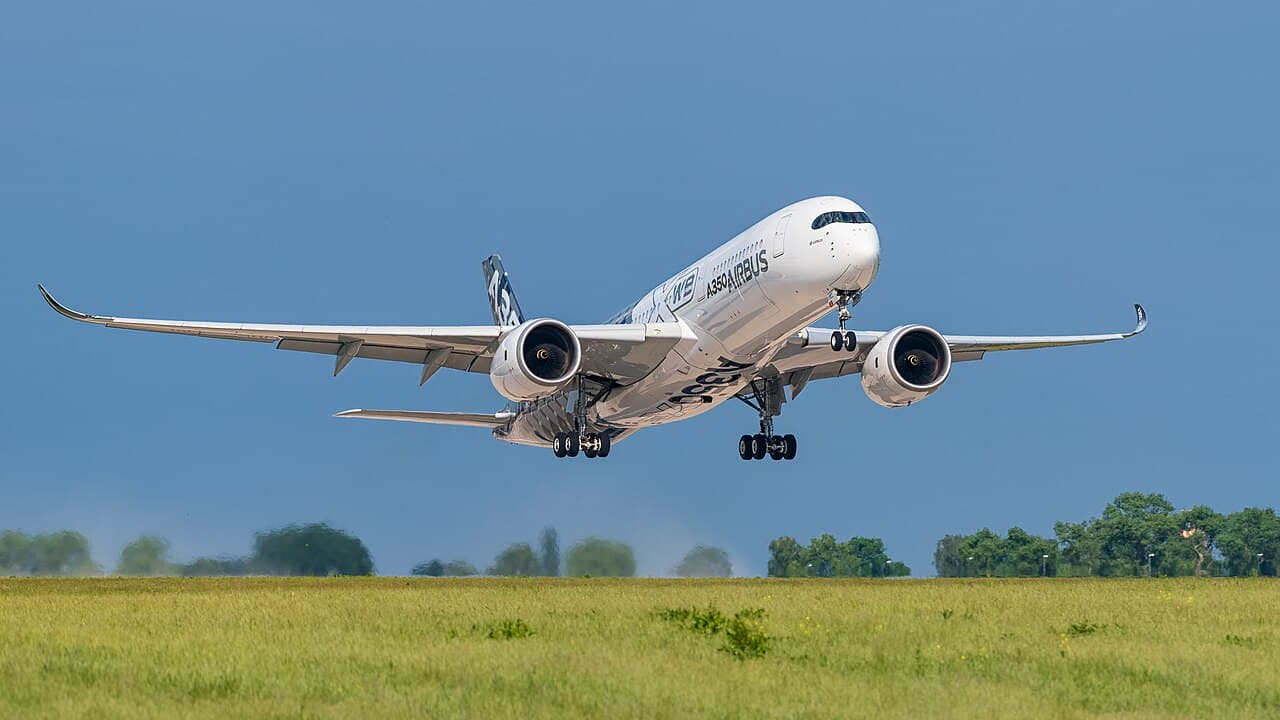
Delta hasn't announced that they'll be flying Los Angeles to Manila yet. But that's the plan, and the flight's schedule has even leaked now.
Delta Air Lines to Launch First Nonstop Los Angeles to Manila Service in 2027
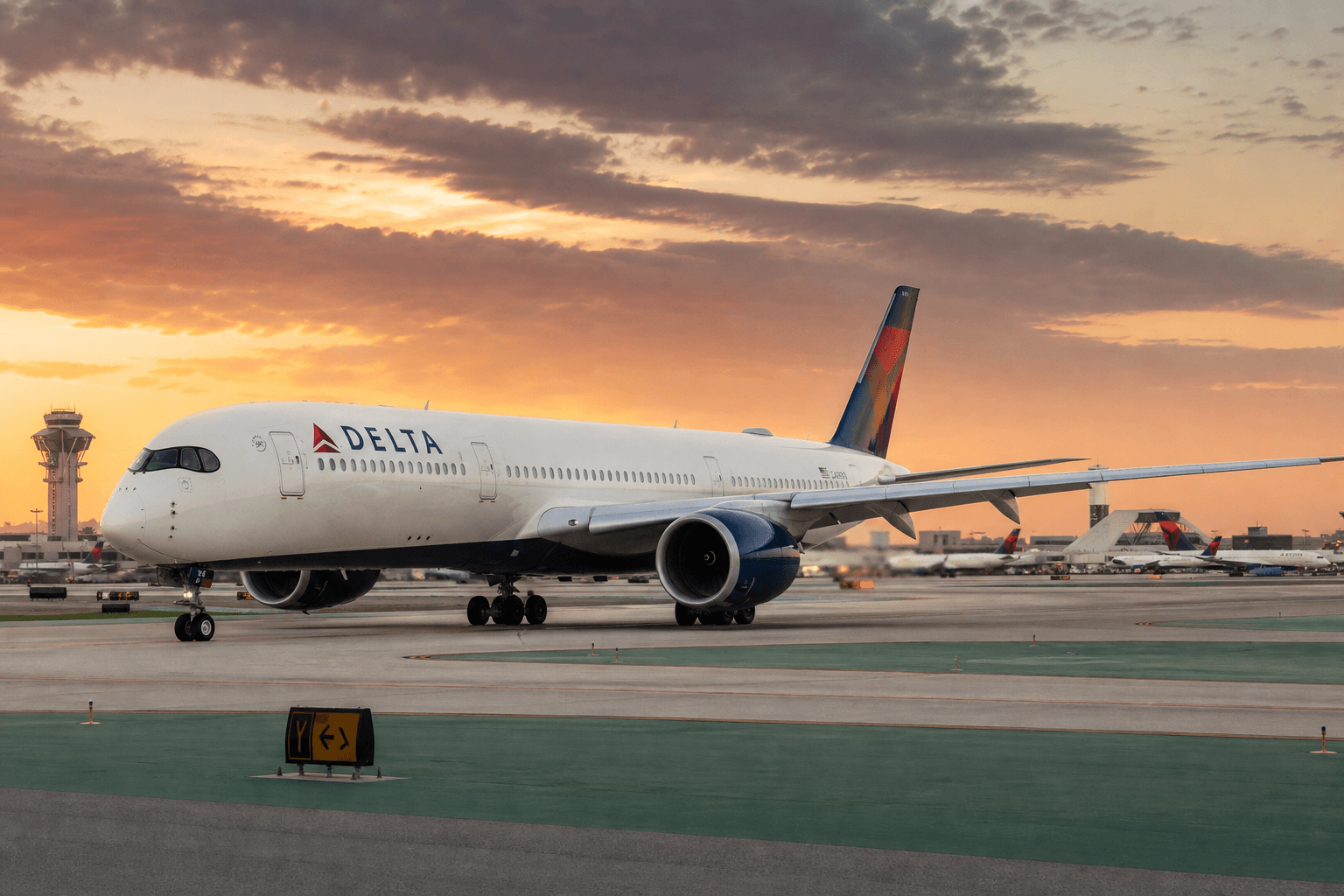
The carrier will be the only U.S. airline flying nonstop between the two cities.
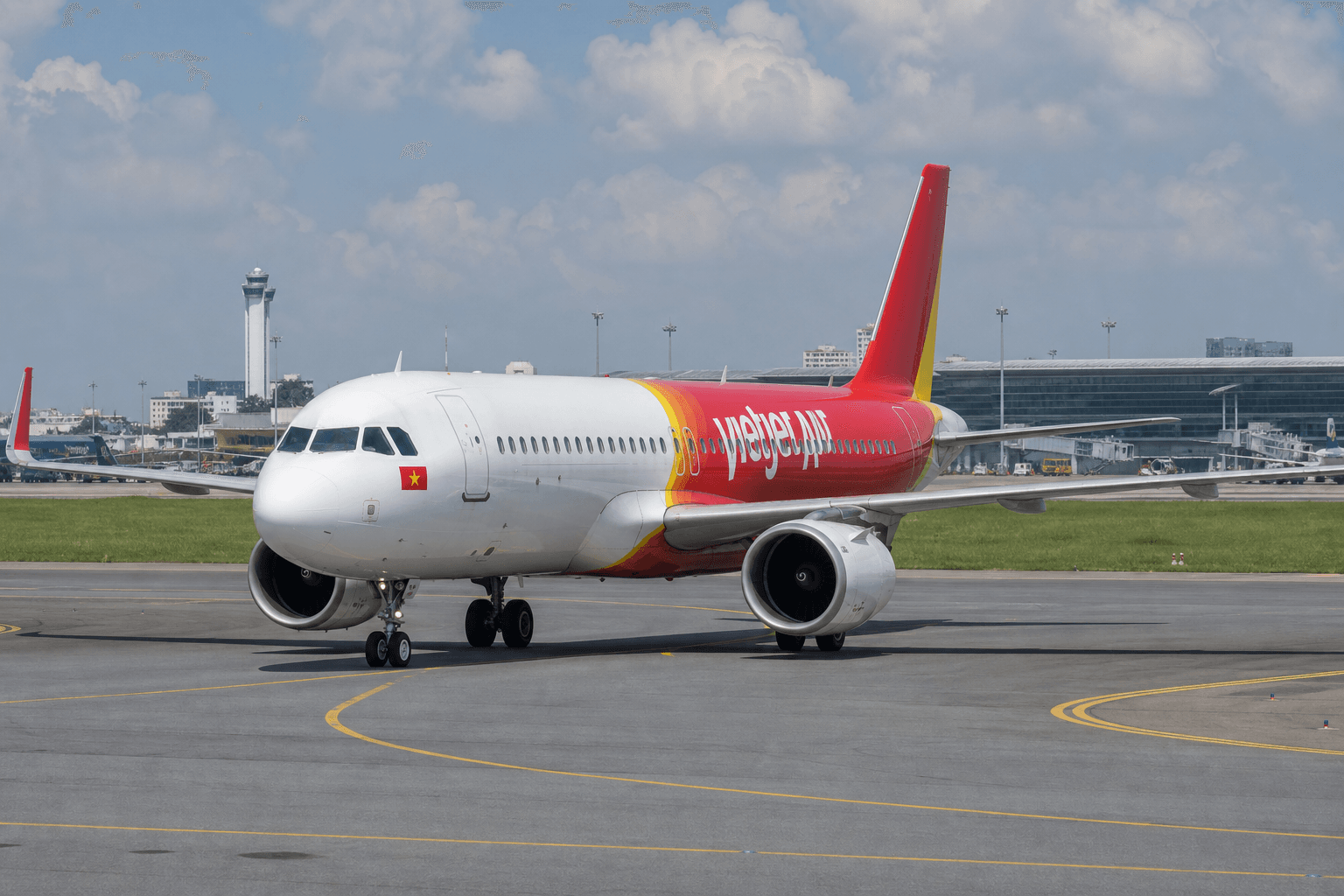
Cebu Pacific wet-leases A320neo to Vietnam Airlines for summer domestic routes
Cebu Pacific announced a new agreement to provide wet lease services to Vietnam Airlines, deploying one of its Airbus A320neo aircraft to support the Vietnamese flag carrier's domestic operations over the coming months. Under the arrangement, the aircraft, powered by Pratt & Whitney engines, will fly under Vietnam Airlines' operations from July 15 through September 7, 2026. It will be based in Ho Chi Minh City and flown by Cebu Pacific's own pilots and cabin crew for the duration of the agreement, covering domestic routes between Ho Chi Minh City and Cam Ranh, Phu Quoc, Vinh, and Da Nang. Why the airlines are teaming up The deal comes as air travel demand across Vietnam and the wider Southeast Asian region continues to climb, creating room for airlines to lean on each other's capacity rather than compete for it. Mark Cezar, Chief Financial Officer of Cebu Pacific, said the airline's growing fleet has put it in a position to shift aircraft to where they're needed most, including through wet lease agreements during slower travel periods back home in the Philippines. "This collaboration with Vietnam Airlines enables Cebu Pacific to broaden its role beyond passenger operations by providing operational support to airlines across the region," Cezar said, adding that the partnership also opens up new ways for the airline to diversify its revenue and strengthen its footprint in one of the world's fastest-growing aviation markets. Part of a broader wet lease track record The Vietnam Airlines agreement is not Cebu Pacific's first venture into wet leasing, and it adds to a growing list of partnerships the airline has built on both sides of the arrangement, as both lessor and lessee. In 2023, Cebu Pacific signed a damp lease deal with Bulgaria Air for two A320ceo aircraft, aimed at meeting a surge in Philippine travel demand during the post-pandemic recovery. More recently, in 2025, the airline wet-leased two A320 aircraft to Saudi Arabian low-cost carrier flyadeal, helping the Middle Eastern airline manage its peak summer flying season. A fast-growing fleet behind the deal Cebu Pacific's ability to take on arrangements like this ties back to its expanding fleet, which now totals 100 aircraft, the youngest jet fleet in the Philippines, made up of a mix of Airbus A320, A321, A330, and ATR planes. The airline serves 35 domestic destinations from hubs in Manila, Cebu, Clark, Iloilo, and Davao, along with 26 international destinations across Asia, Australia, and the Middle East. In 2024, Cebu Pacific signed a purchase agreement with Airbus and Pratt & Whitney for up to 152 A321neo aircraft equipped with GTF engines, a deal with a minimum commitment of 70 aircraft. Valued at roughly $24 billion based on list prices for the full order, it stands as the largest aircraft purchase agreement in Philippine aviation history. RELATED Cebu Pacific to become first SEA low-cost carrier with Starlink Wi-Fi
The Daily Touch & Go
The day's best aviation news in your inbox. Free, no spam.