

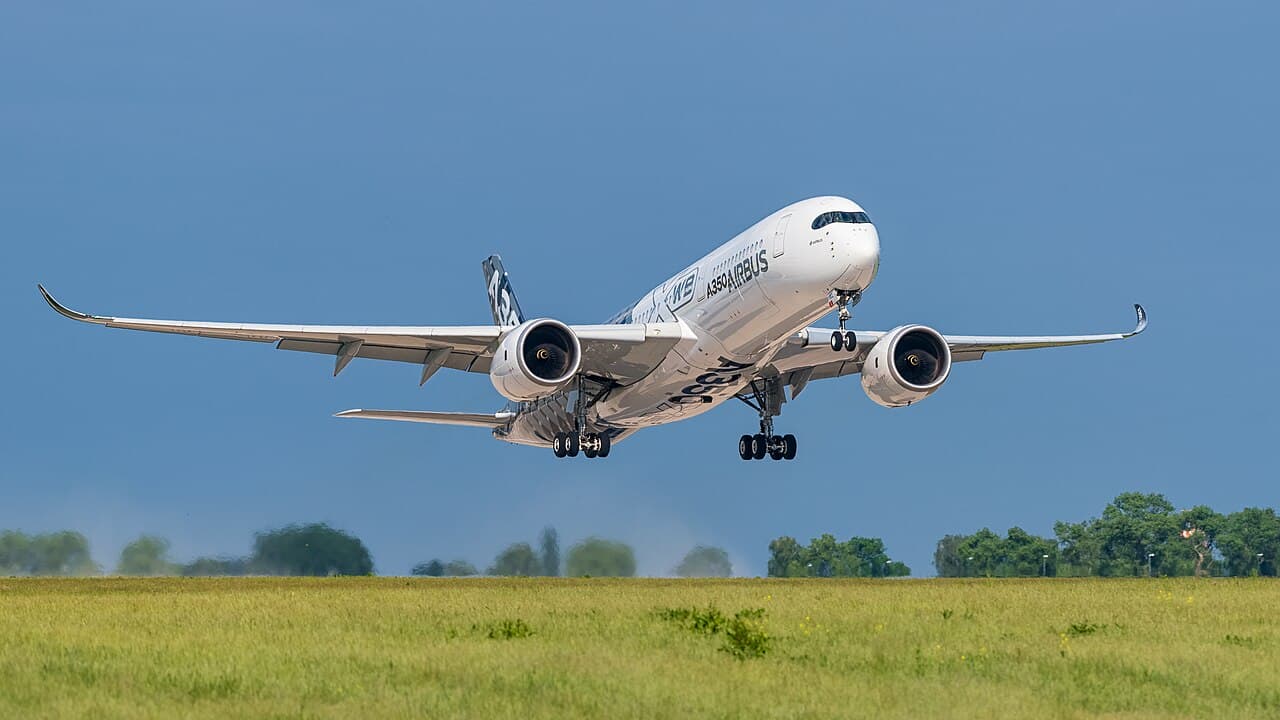
Image: Julian Herzog ( Website ) · CC BY 4.0 · via Wikimedia Commons
Air China orders 15 Airbus A350-900s and 40 A320neos for Shenzhen Airlines
Air China confirms a $12.44 billion deal to acquire 15 A350-900 widebodies and 40 A320neos for its subsidiary Shenzhen Airlines, aiming to modernize fleets and expand capacity.
The gist
Air China commits $12.44B for 15 A350-900s and 40 A320neos to boost Shenzhen Airlines’ fleet modernization and growth.
Continuing coverage
All Airbus →- Air China and Shenzhen Airlines Order 55 Airbus Jets Worth $12.4 Billion
- Airbus to perform ultra-long 22-hour test flight of A350-1000ULR to Australia
- SAS Evolves With New SkyTeam Alliance And Modern Airbus Fleet
- Airbus A220 Outpaces A319neo as Preferred 100-150 Seat Narrowbody
- Europe's FCAS fighter program collapses amid industrial disputes and divergent military goals
Air China has placed a significant new order with Airbus, announcing the acquisition of 15 A350-900 widebody jets alongside 40 A320neo family aircraft destined for its subsidiary, Shenzhen Airlines. This combined purchase is valued at $12.44 billion, with the widebodies priced at $6.09 billion and the narrowbodies for Shenzhen Airlines at approximately $6.35 billion. The deal was formally disclosed to the Shanghai Stock Exchange on July 17, 2026, highlighting the airline's ongoing plans to expand and modernize its fleet.
The Airbus A350-900s represent a long-haul capability boost for Air China, aimed at supplementing the airline’s existing fleet structure and capacity. Meanwhile, the 40 A320neos ordered for Shenzhen Airlines will serve the subsidiary’s short- to medium-haul routes, helping optimize route economics and expand market reach. Deliveries for the A350-900s are scheduled between 2030 and 2032, with the A320neos arriving slightly earlier, from 2029 through 2032.
Air China announced that Airbus has granted a substantial price concession on these aircraft, pricing them below list. Payment terms call for an advance fee to be paid in installments, with the remaining balance due upon delivery of each individual aircraft. For Shenzhen Airlines, funding will be a mix of internal capital, commercial bank loans, and other financing methods, reflecting a diversified financial approach to fleet investment.
This aircraft order stems from a unanimous decision by Shenzhen Airlines’ board of directors and awaits shareholder approval. Additionally, the transaction requires clearance from relevant government authorities before it becomes effective. This regulatory oversight is typical for major fleet acquisitions by Chinese state-affiliated airlines.
The announcement comes against a backdrop of growing activity in the Chinese civil aviation market, particularly involving Airbus and Boeing. In June 2026, China Eastern Airlines ordered A330neos valued at $9.5 billion, shortly after acquiring 101 A320neo family jets, signaling strong demand for fuel-efficient aircraft in the region. Boeing, meanwhile, secured orders from China Southern Airlines for freighter aircraft, reflecting a competitive environment between the two major manufacturers.
Air China's strategic investment in these Airbus aircraft is part of a broader trend within the Chinese aviation industry to upgrade fleets with modern, fuel-efficient models. The A350-900 offers significant operational efficiencies for long-haul flying, important for an airline expanding international routes. The A320neo family, meanwhile, is popular for its reduced fuel burn and emissions, which supports sustainability goals and cost control on domestic and regional flights.
With these new jets, Shenzhen Airlines and Air China aim to enhance service quality and increase passenger capacity across their networks. The phased delivery schedule allows for a smooth fleet transition, aligning with projected growth in Chinese passenger air travel over the next decade. By diversifying their fleet with both widebody and narrowbody types, the airlines increase operational flexibility to meet fluctuating demand patterns.
This transaction not only strengthens Airbus’s position in China but also reflects the country's expansive ambitions in civil aviation infrastructure and service capability. The successful consummation of this deal will contribute substantially to both carriers’ competitiveness amid a recovering and rapidly growing Asian air travel market.
The expansion of Shenzhen Airlines' fleet through these 40 A320neos is especially critical as the subsidiary continues to establish its footprint throughout China and beyond. Paired with Air China's upgrade via the advanced A350-900s, the group’s combined capacity enhancement underscores Beijing’s emphasis on aviation as a key pillar of economic growth and connectivity.
Frequently asked questions
- What aircraft types did Air China order in this deal?
- Air China ordered 15 Airbus A350-900 widebodies and 40 Airbus A320neo family aircraft for Shenzhen Airlines in this acquisition.
- When are the new aircraft scheduled for delivery?
- The 40 Airbus A320neos for Shenzhen Airlines are set for delivery between 2029 and 2032, while the 15 A350-900s for Air China will arrive between 2030 and 2032.
- How is Shenzhen Airlines financing its portion of the aircraft order?
- Shenzhen Airlines plans to finance its 40 A320neo aircraft through a mix of internal funds, commercial bank loans, and other financing methods.
Read more
All Airlines →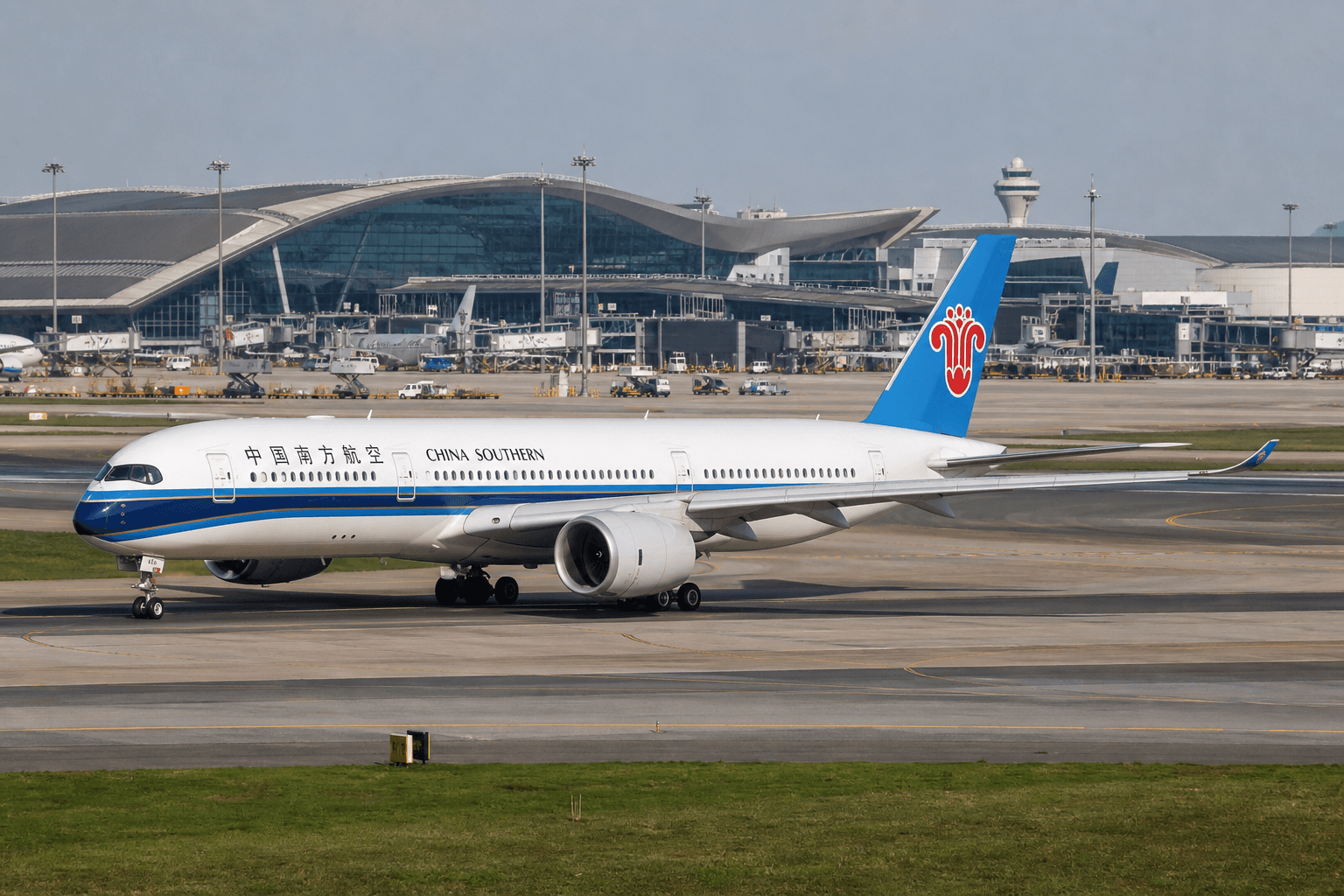
China's Big Three Airlines Brace for Steep Half-Year Losses Amid surging Jet Fuel Costs
Air China, China Eastern Airlines and China Southern Airlines were profitable in the first quarter of the year. China’s three largest carriers have forecast heavy losses for the first half of the year, as they confront the "formidable challenge" of significantly higher fuel costs. In separate earnings guidances, the ‘Big Three’ – comprising Air China, China Eastern Airlines and China Southern Airlines – say that despite cost management measures they were unable to fully recover the "substantial" spike in fuel costs for the six months ending 30 June. The latest forecasts suggest significant losses in the April-June quarter even though the three were profitable in the first quarter of the year on the back of strong travel demand. Significantly, net losses for the January-June period are expected to be steeper than in the year-ago period. Air China is forecasting a half-year attributable net loss of CNY2.1-2.6 billion ($310-384 million), compared to a net loss of CNY1.8 billion one year ago. China Eastern, meanwhile, estimates a half-year net loss of CNY1.8-2.4 billion, versus a CNY1.4 billion loss in the same period of 2025. China Southern, the country's largest operator, faces the steepest losses among the Big Three at CNY3.5-4 billion. This compares to its CNY1.5 billion net loss in the year-ago period. Beijing-based Air China says that while it "recorded substantial profits" in the first quarter, elevated jet fuel prices in the second "drastically" squeezed its profit margin. China Eastern adds: "Since March, rising fuel prices triggered by geopolitical tensions in the Middle East have presented formidable challenges to the aviation industry." It notes it has "promptly" implemented "practical measures" to address the spike in fuel prices, including by "adjusting and optimising flight operations”. It also “refined revenue management [and] increased the utilisation rate of fuel-efficient aircraft models".
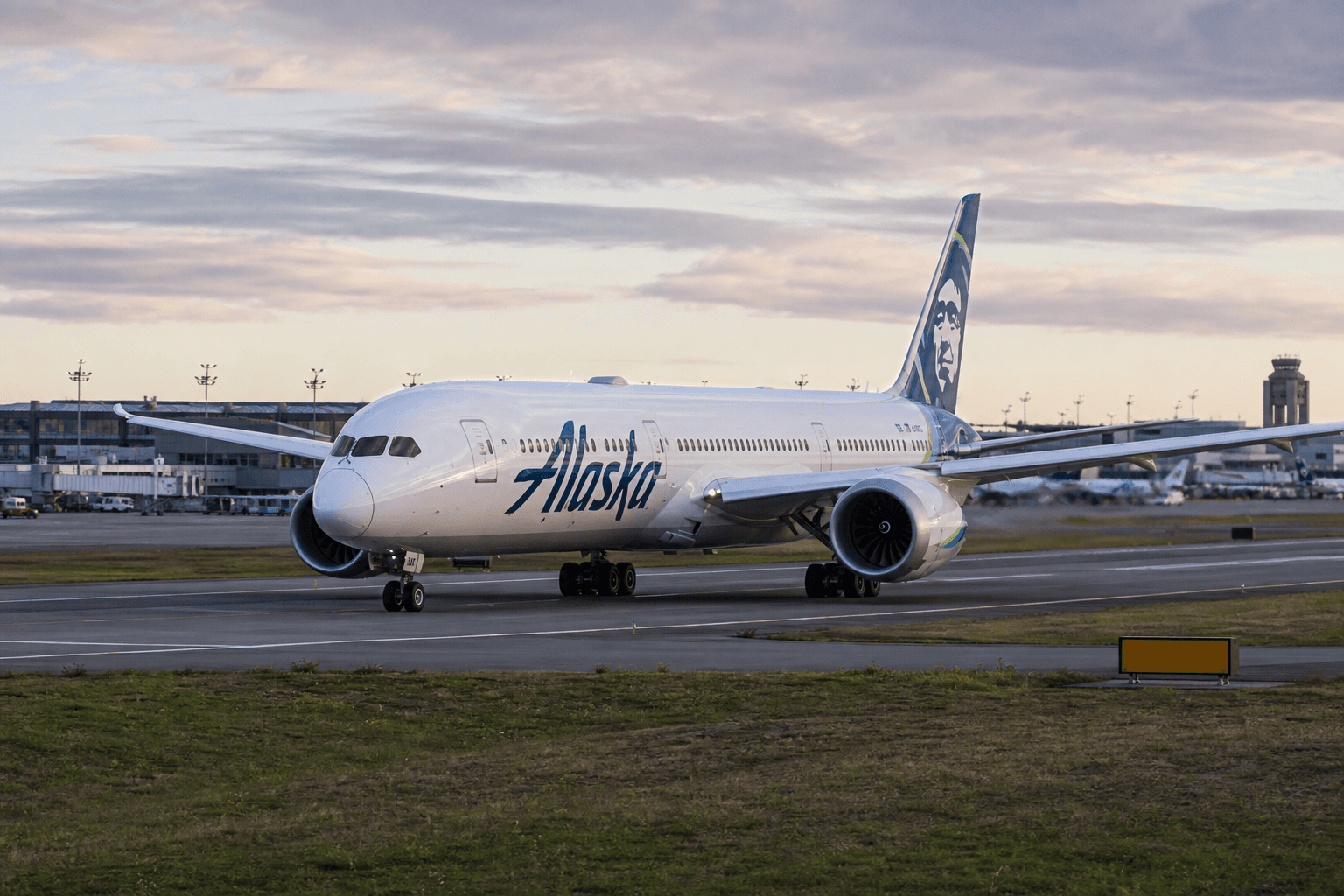
Alaska Airlines Debuts Boeing 787-9 Without Premium Economy Cabin Despite CEO's Admission
In April 2026, Alaska Airlines commenced its first-ever Alaska-branded widebody flight when it began flying the Boeing 787-9 from Seattle to Rome. Since then, the carrier has begun operating 787s to London and is now branding nonstop flights to Seoul as Alaska Airlines (previously branded as Hawaiian Airlines).
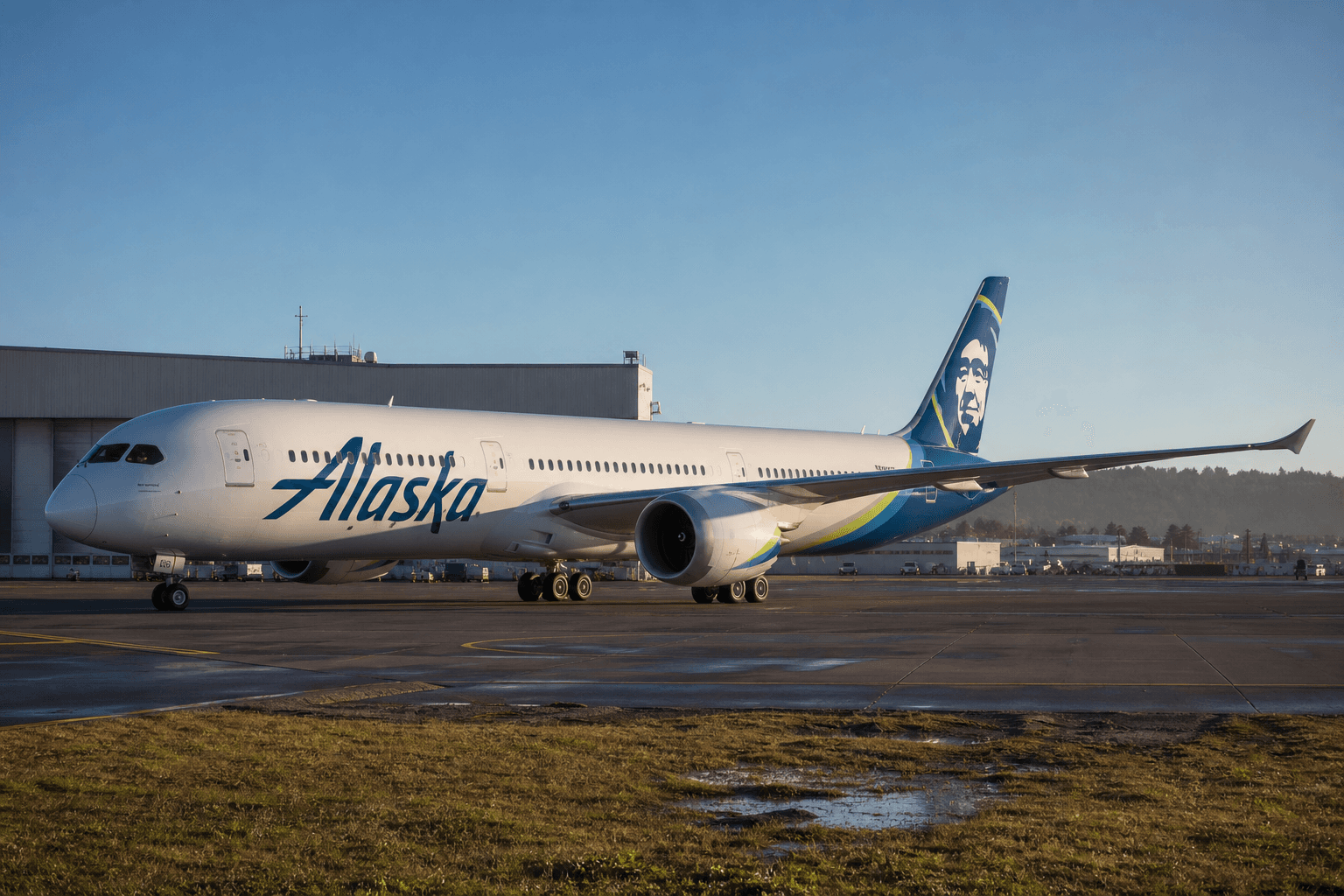
Alaska Airlines Unveils Enhanced Business and Premium Economy for New 787s
Alaska Airlines will introduce a redesigned business class on its Boeing 787-10 Dreamliners , alongside its incoming 787-9 deliveries, as the Seattle carrier grows its international route network. Alex Judson, who leads Partnerships & International at the airline, confirmed it will soon detail changes planned for future aircraft. The announcement came during a media event in Honolulu marking Hawaiian Airlines' entry into the one world alliance, and signals Alaska's clearest move yet toward differentiating its widebody cabins from the product it inherited through acquisition.
Delta Air Lines to Launch First Nonstop Los Angeles to Manila Service in 2027
The carrier will be the only U.S. airline flying nonstop between the two cities.
The Daily Touch & Go
The day's best aviation news in your inbox. Free, no spam.