

Image: Sergey Kustov · CC BY-SA 3.0 · via Wikimedia Commons
American Airlines Retrofit Adds Premium Seats to Aging A319s and A320s Amid Mixed Reviews
American Airlines upgrades cabins on its oldest A319 and A320 aircraft with more first class seats, refreshed interiors, and Starlink WiFi, sparking debate over true passenger benefit.
The gist
American Airlines refreshes older A319s and A320s to add premium seats and modern amenities, but some question if it truly improves passenger comfort.
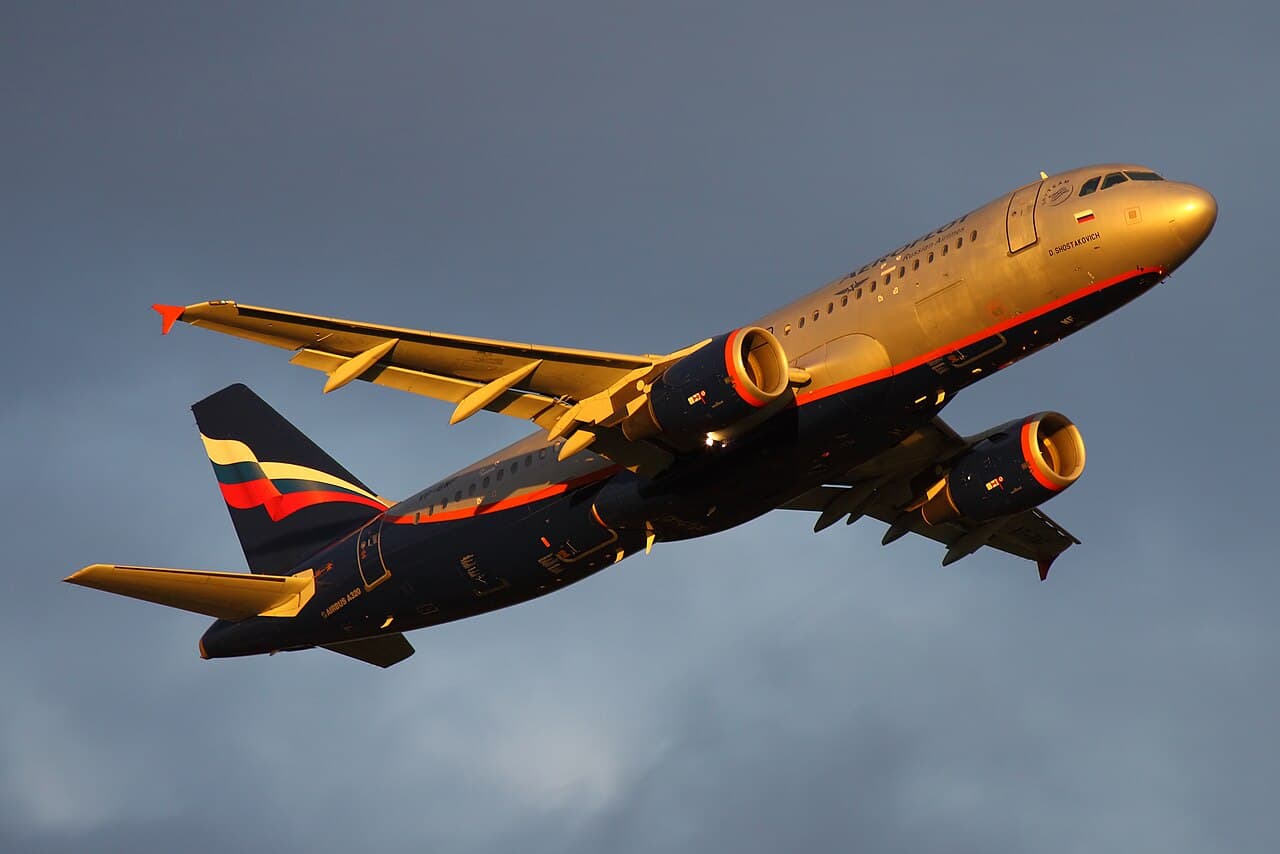
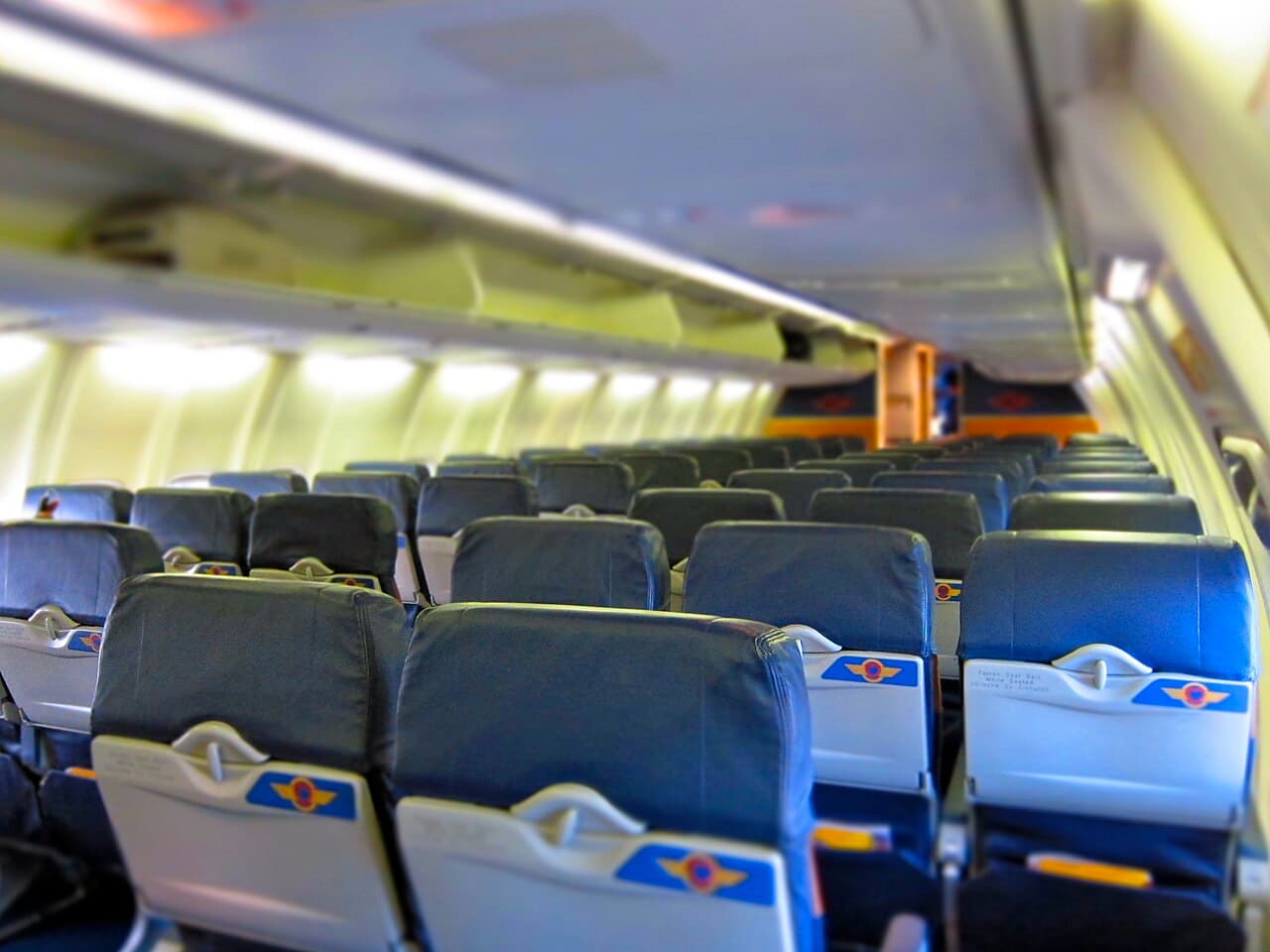
American Airlines has embarked on a notable retrofit program targeting its 180 Airbus narrowbody aircraft, comprising 132 A319s and 48 A320s, to enhance the customer experience with more premium seating and updated cabin features. The carrier aims to refresh the cabins of these older aircraft, some exceeding 28 years in service, by upgrading finishes, expanding overhead bin space, improving lighting, and adding power outlets, all styled to resemble more modern cabin designs seen on newer Boeing 787-9 and Airbus A321XLR jets. The refurbishment also plans to introduce Starlink internet service beginning in 2027, part of American’s strategy to offer free high-speed WiFi to AAdvantage members.
American’s plan notably increases premium seating on these aircraft, adding four First Class seats to A319s and boosting First Class by four and Main Cabin Extra by 15 seats on A320s. While total seat numbers increase slightly on the A319s, remaining stable on A320s, seat pitch in First Class on the A319s is reduced due to densification, a shift achieved by redesigning the rear galley and lavatory facilities into a more compact layout. Though the wider cabin enhancements bring larger overhead bins and multiple power access points including USB-C sockets at every seat, these changes alter crew workspaces and passenger flow, raising operational and comfort concerns.
The retrofit provokes mixed reactions, particularly because American is removing traditional seatback entertainment screens in favor of personal device streaming. This downgrade impacts legacy A319s, which originally featured built-in screens. While American defends the switch by citing the growing preference for streaming content on personal devices combined with newer power and WiFi upgrades, critics argue that relying on passenger electronics may not meet all travelers’ needs, especially for those without adequate personal devices or data plans.
American’s refurbishment strategy is part of a broader effort to grow premium cabin capacity by over 20% between 2025 and 2026, though the rollout is behind schedule. The prototype retrofitted A319 entered service in early 2026, with wider fleet changes starting in summer 2026, showing American’s commitment to investing in mature airframes to align with evolving customer demands for enhanced onboard product offerings without acquiring new narrowbodies.
Comparatively, United Airlines has also pursued a premium seat expansion, but pairs it with more comprehensive cabin enhancements across its fleet, including seatback screens, Bluetooth connectivity, and aggressive rollout of Starlink WiFi. This approach contrasts with American’s, where the reliance on personal device entertainment and limited seatback screen availability marks a different experiential proposition for passengers. United’s new cabin features support a more full-fledged entertainment service, emphasizing passenger convenience and choice.
The complex balance between densification and passenger comfort lies at the heart of criticism of American’s retrofit. Expanding premium seats while reducing individual seat space and altering crew facilities suggests a focus on maximizing revenue rather than purely enhancing comfort. However, additions such as larger overhead bins address common pain points like boarding delays and carry-on storage on narrowbodies, and offering power outlets at every seat responds to the modern traveler’s tech needs.
Onboard experience implications also extend to crew operations; the more compact galley and lavatory design may affect service efficiency and cause congestion in rear cabins during peak use, factors that airlines must manage to maintain service standards. While the retrofit upgrades provide a refreshed ambiance and modern look reminiscent of newer aircraft, the legacy nature of the A319 and A320 fleets frames these changes as incremental improvements rather than transformational cabin modernization.
The retrofit highlights American’s effort to keep aging narrowbodies viable and competitive as newer aircraft introduce modern cabin standards. By selectively upgrading premium seating and cabin amenities, the airline navigates between investment costs and passenger expectations. Its approach reflects a strategic choice within the US market where legacy carrier competition increasingly emphasizes premium product differentiation, though with divergent philosophies on onboard entertainment and seating comfort.
Read more
All Airlines →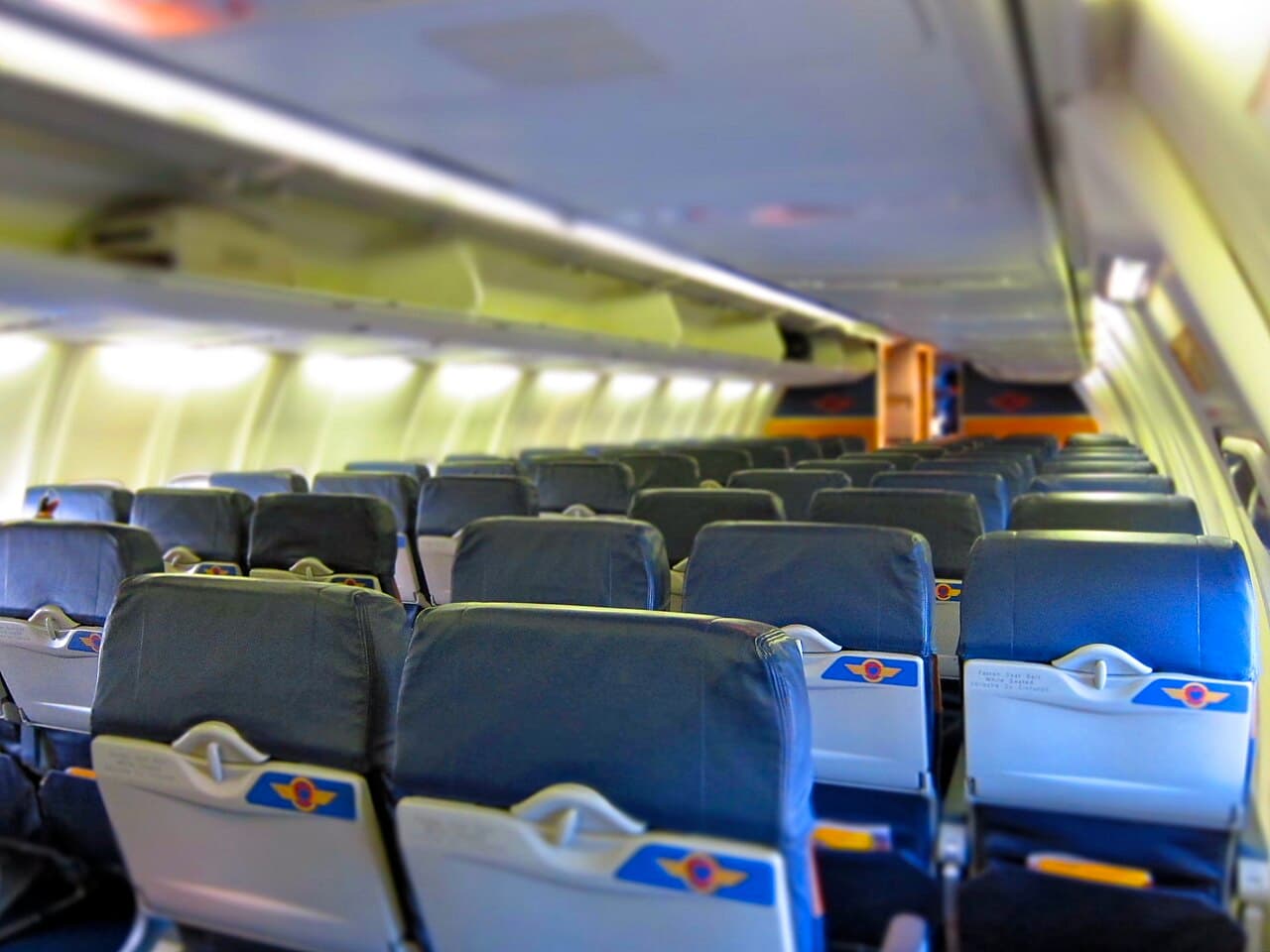
American Airlines to Reintroduce Seatback TVs and Expand Premium Seating on Domestic Fleet
American Airlines is bringing seatback entertainment back to much of its domestic fleet, adding more first class seats, and expanding extra-legroom Main Cabin Extra after years of stripping premium features out of aircraft. It is a major reversal of the US Airways-era strategy that chased low-cost carriers instead of giving passengers more reasons to pay up, and it's a real investment leaning into generating revenue by delivering a product that customers prefer.
American Airlines to Boost First Class and Extra Legroom Seats on Narrow Body Jets
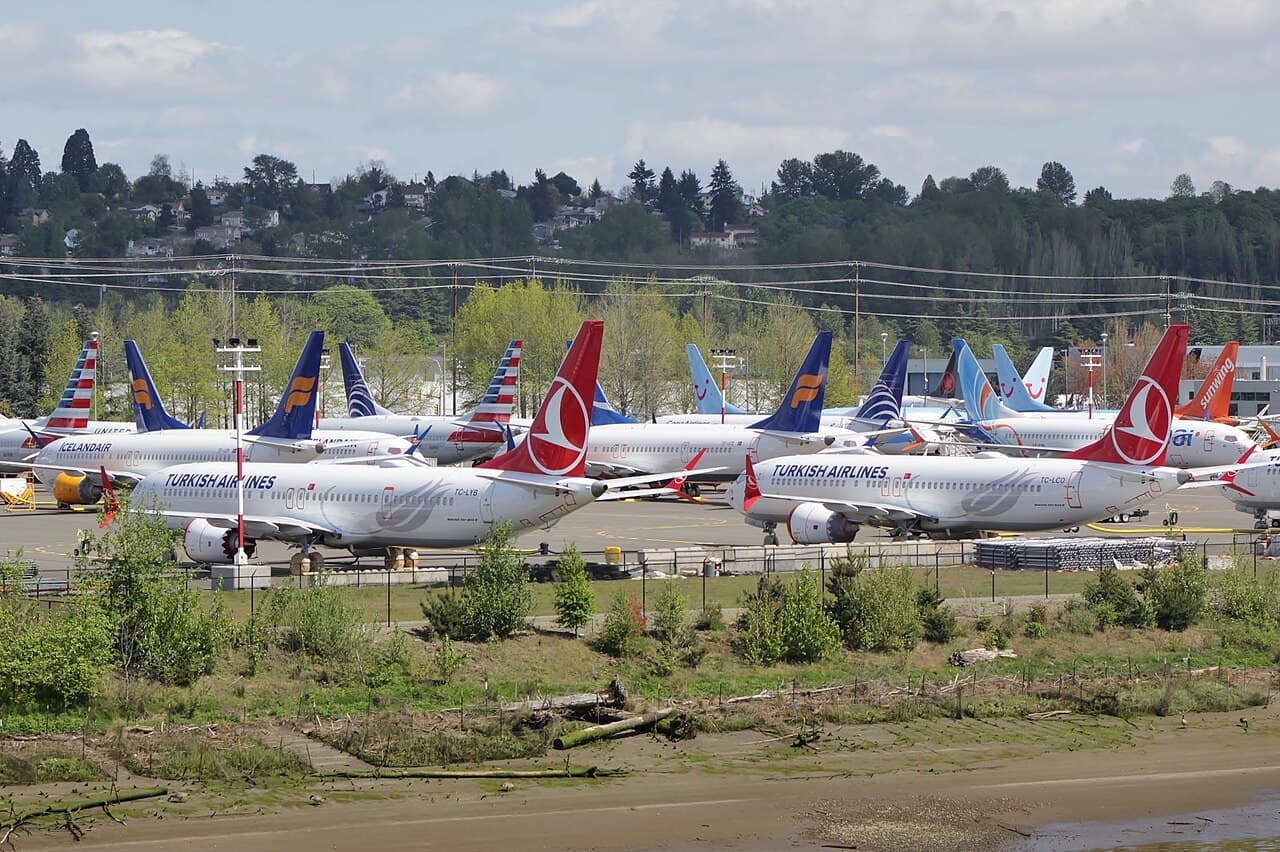
It's a pretty exciting time when it comes to passenger experience announcements at American Airlines. In a separate post, I covered how the Fort Worth-based airline will be bringing back seat back screens on all mainline narrow body planes as of 2028. That's only part of the announcement, though, as the airline has also revealed plans to add a lot more premium seats across its entire narrow body fleet, and this is great news. American growing premium seating from 25% to 40% Unrelated to American's relative "premium" position in the market, there's no denying that one general industry trend has been the increase in premium seating demand, whether it's for first or business class, or even for extra legroom economy. So along those lines, American has announced that it plans to greatly increase its amount of premium seating across the narrow body fleet, as part of the same project that will see the airline install seat back entertainment. American plans to significantly increase the number of first class and extra legroom economy seats (marketed as Main Cabin Extra) throughout its fleet. This project will come both by retrofitting existing aircraft, and by taking delivery of new aircraft with an updated configuration. The airline states that currently around 25% of seats on narrow body aircraft are premium, while when this project is complete, 40% of seats will be premium. That's a really meaningful change. American is greatly expanding Main Cabin Extra seating How many more premium seats is American installing? American isn't revealing the full details just yet of how the layout of various planes will be changing, though the airline is providing some information: American's Boeing 737 MAX 10s will be delivered (as of 2029) with 24 first class seats, and American will also retrofit its Airbus A321neos with 24 first class seats (the project will start in late 2028); currently, you'll find at most 20 first class seats on any American narrow body plane; this complements American currently retrofitting A319s and A320s to add a row of first class seats American will retrofit a majority of its narrow body fleet to meaningfully expand the number of Main Cabin Extra seats, so that there are more opportunities for elite members to assign these, and also for all passengers to purchase them American will also refresh the interiors of virtually all narrow body planes, including adding more storage, redesigned seats, and enhanced lighting American Airbus A321neos will get more first class seats This is a change at American I'm excited about If you ask me, American changing its cabin layouts is an even bigger announcement than the airline installing seat back TVs. One extreme point of frustration I've had with American is the lack of Main Cabin Extra seats. American's most common type of aircraft is the Boeing 737 (the 737-800s and 737 MAX 8s have identical layouts), and the planes have just 24 Main Cabin Extra seats. 12 of those seats are in exit rows, then there's the bulkhead row ( two of those seats are blocked until 24 hours out ), and then there's one more row of Main Cabin Extra. It's just ridiculous how hard it is to score one of those seats, especially if you're traveling with family, and can't sit in an exit row. Compare that to the same planes at United (which has 54 Economy Plus seats) and Delta (which has 36 Comfort+ seats). So I'm very much looking forward to that. Meanwhile when it comes to the increase in the size of the first class cabin, it's awesome to see the airline going for 24 first class seats on its larger narrow body planes. I think sooner rather than later that will become the norm in the US, as Delta is expected to install a similar number of first class seats on its upcoming Boeing 737 MAX 10s. American is obviously taking a page out of United's playbook Bottom line American Airlines has announced that it will greatly increase premium seating in its narrow body fleet. Beyond what has already been announced, the airline has committed to installing 24 first class seats on newly delivered Boeing 737 MAX 10s and on existing Airbus A321neos. The catch is that the project will only begin in late 2028, more than two years from now. Furthermore, the airline will greatly increase the number of Main Cabin Extra seats, which is long overdue. Between this and plans to reintroduce seat back screens, it's the single biggest passenger experience announcement we've seen from American in a very long time. The only issue is that we'll have to be patient, as it'll be the early 2030s (best case scenario) before this project is complete. What do you make of American's plans to increase premium seating?
American Airlines to retrofit narrowbody fleet with seatback 4K entertainment screens
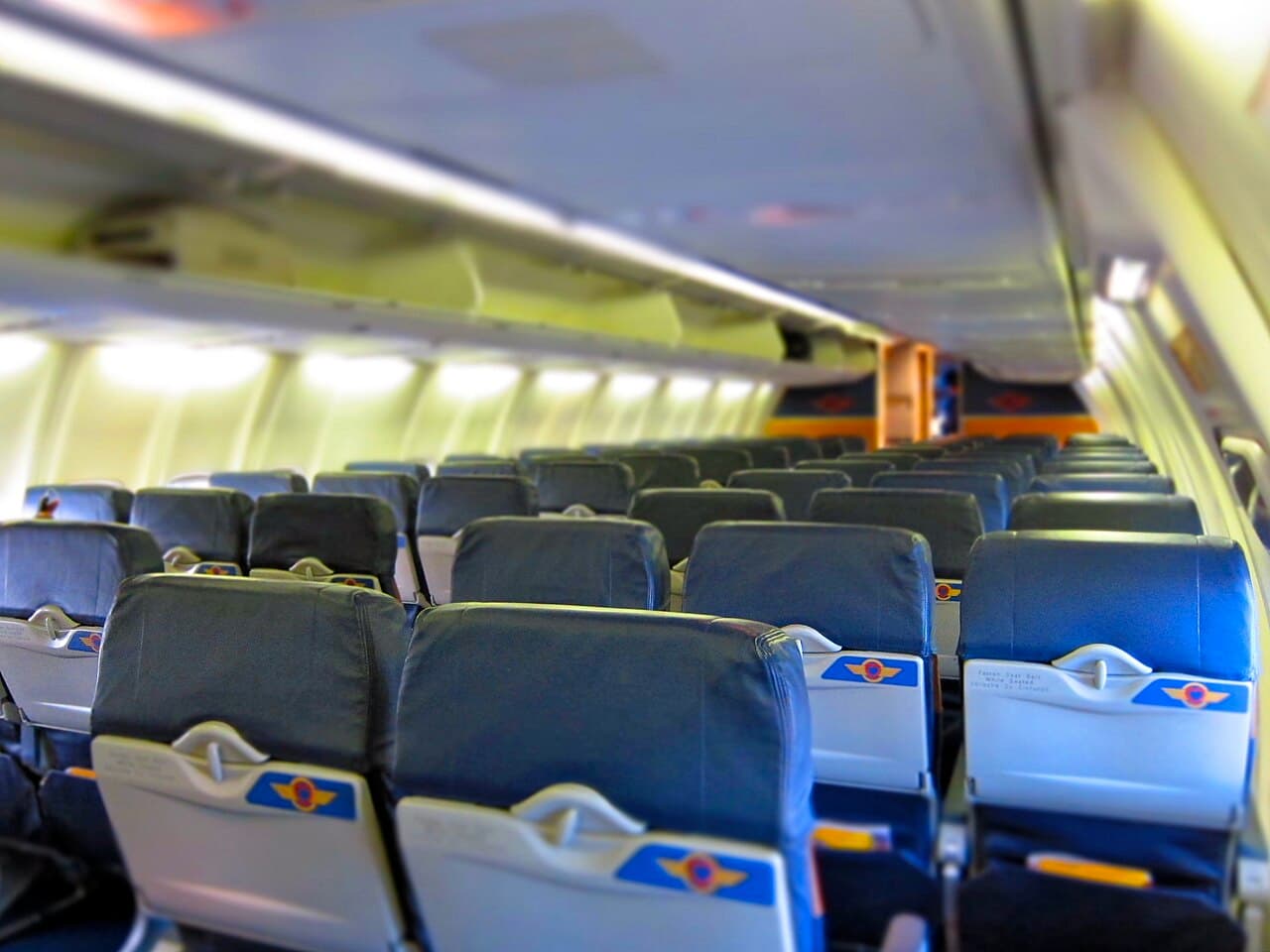
US carrier reverses a bet on personal devices as it races to close the cabin gap with Delta Air Lines and United Airlines. American Airlines plans to add seatback screens on domestic aircraft in a surprising reversal of its in-flight entertainment product. Every narrowbody Airbus and Boeing jet will be retrofitted with the 4K screens, the carrier says. The upgraded systems will also feature Bluetooth connectivity and USB-C fast charging ports. For years, American had resisted seatback screens in favour of streaming via wi-fi to passengers’ personal devices to save on weight. With the retrofit, American's cabins will largely resemble those of its two main competitors, Delta Air Lines and United Airlines. The upgrades, planned to be completed by the early 2030s, will complement American's rollout of SpaceX's Starlink high-speed wi-fi and new investments in premium cabins, dining and lounges. More than 140 long-haul aircraft in American's fleet already feature the screens, it says. “We're making one of the most significant investments in the onboard experience in our history,” says American chief customer officer Heather Garboden. “From next-generation seatback entertainment at every seat to substantially more premium seating options, these enhancements will give our customers more ways to relax, stay connected and enjoy their journey." American does not identify any specific suppliers for the screens, but notes it is “evaluating several leading technology providers and will select the partner that delivers the best customer experience and value for American”. “We are looking for a partner with a modern, scalable platform that can evolve alongside technology advancements, enabling continuous enhancements to the customer experience while creating incremental revenue opportunities for American,” adds the carrier. Airlines across the industry are pouring money into premium cabins as they race to meet demand for higher-fare seats . As fuel prices erode profits, forward-cabin fares have proven resilient and helped many carriers remain profitable. American has the most growth planned among major North American airlines for the rest of 2026, as measured by available seat miles (ASMs). The carrier says premium-seat growth already outpaced main cabin by nearly two-to-one in the second quarter. "Today, premium seating is approximately 25% of seats on narrowbody departures and in the coming years, that number will grow to approximately 40%,” American says.
American Airlines Bans Humanoid Robots From All Flights Citing Safety Risks
Fort Worth-based American Airlines has issued an internal policy update for employees, which prohibits staff and passengers from bringing human-like and animal-like robots on board . They will be officially banned from being taken into the cabin, and even in checked luggage, immediately. The email that outlined the policy update strictly states that the humanoids will not be allowed even if they have purchased a separate seat .
The Daily Touch & Go
The day's best aviation news in your inbox. Free, no spam.