

Illustration: The Touch & Go
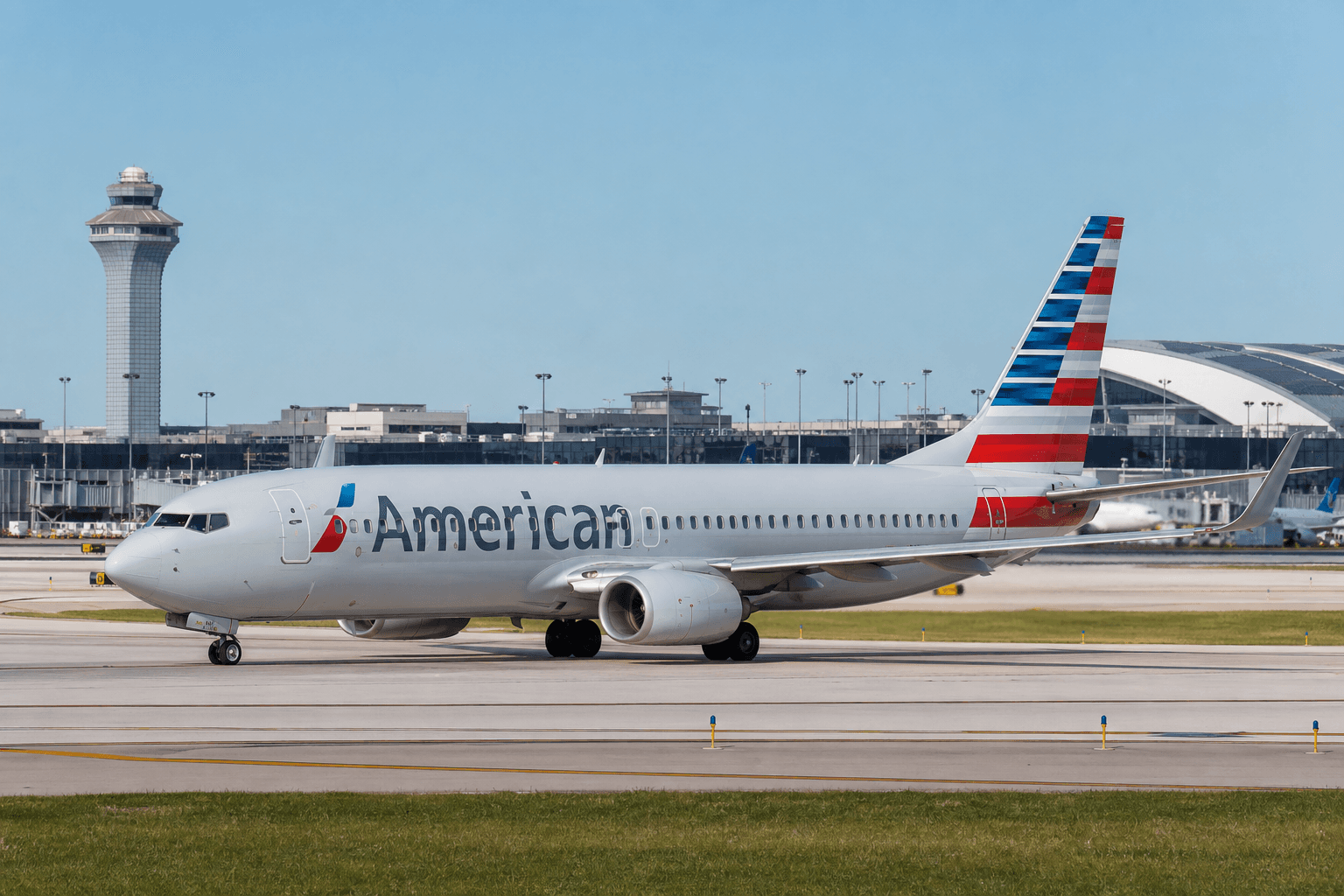
American Airlines serves first-class meals Chicago-Denver due to outdated airport mileage
American Airlines maintains first-class meal service on Chicago O'Hare to Denver flights by calculating mileage to Denver's old Stapleton Airport, despite new airport being closer.
The gist
American Airlines serves meals on Chicago-Denver flights by using mileage to the closed Stapleton Airport, keeping it just over 900 miles.
American Airlines continues to offer first-class meal service on its Chicago O'Hare to Denver flights by relying on mileage calculations tied to Denver's former Stapleton International Airport. The flight distance between the current Denver International Airport and Chicago O'Hare clocks in at approximately 888 miles, which traditionally would not meet American's own threshold for meal service in first class. However, American's policy states that meals are served on flights over 900 miles during meal times. By using the mileage to Stapleton, which closed in 1995 and is located slightly farther away, the company justifies this policy exception.
Prior to the pandemic, American Airlines made limited exceptions for first-class meal services on some high-traffic, premium business routes shorter than 900 miles, including Chicago O'Hare to Washington National and New York LaGuardia Airport. These exceptions were based on the competitive nature and revenue potential of those markets. However, recent formal policy updates have eliminated these exception markets, reinstating the 900-mile minimum standard for meal service.
The continued meal service on the Chicago-Denver route thus stands out as an anomaly under the current rules where no exceptions are permitted. American Airlines confirmed that the mileage determination used for meal service is indeed based on the distance to the old Stapleton Airport rather than the current Denver International Airport. Although Stapleton ceased operations in 1995, its coordinates remain the reference point for measuring this route's distance in American's system.
Both Chicago O'Hare and Denver International serve as hubs for United Airlines, a major competitor on this route. The provision of meals by American could be understood as a strategic move to enhance the customer experience on this important hub-to-hub market. Maintaining first-class meal service might thus represent competitive positioning rather than just an outmoded calculation artifact.
Despite using a mileage count linked to a non-existent airport, American benefits from offering meals on an additional route without having to create a wider range of exception rules or complicated case-by-case decisions. The airline seems to maintain this 'fiction' consciously, as adjusting to the newer, shorter distance would remove meal services from this route and potentially impact customer expectations.
Customers on the Chicago O'Hare to Denver route thus receive a level of in-flight service generally reserved for longer flights. American's mileage calculation practice here highlights the complexity and occasional irregularities in airline service policies, especially when infrastructure changes like airport relocations are not immediately reflected in operational details.
This case also draws attention to how airline service rules interact with competitive dynamics on overlapping hub markets. Providing meals on a route just short of the official threshold could be seen as a tangible passenger benefit without opening the door to numerous costly exceptions elsewhere in the network.
Observers can note that American's approach preserves the status quo on this route, which remains valuable in a market with intense competition and customer service expectations. The legacy reference to Stapleton Airport functions as a useful mechanism to provide an enhanced passenger experience while adhering broadly to company policy, albeit with a unique exception retained.
Frequently asked questions
- Why does American Airlines serve meals on Chicago to Denver flights under their meal distance policy?
- American Airlines calculates the flight distance to Denver's former Stapleton Airport, which is slightly over 900 miles from Chicago O'Hare, meeting their threshold for meal service, despite the current Denver airport being closer.
- Are there other exceptions to American Airlines' meal service policy under 900 miles?
- No, American Airlines officially eliminated previous exception markets but maintains meal service on Chicago O'Hare to Denver flights uniquely due to the outdated mileage calculation tied to the old Stapleton Airport.
Read more
All Airports →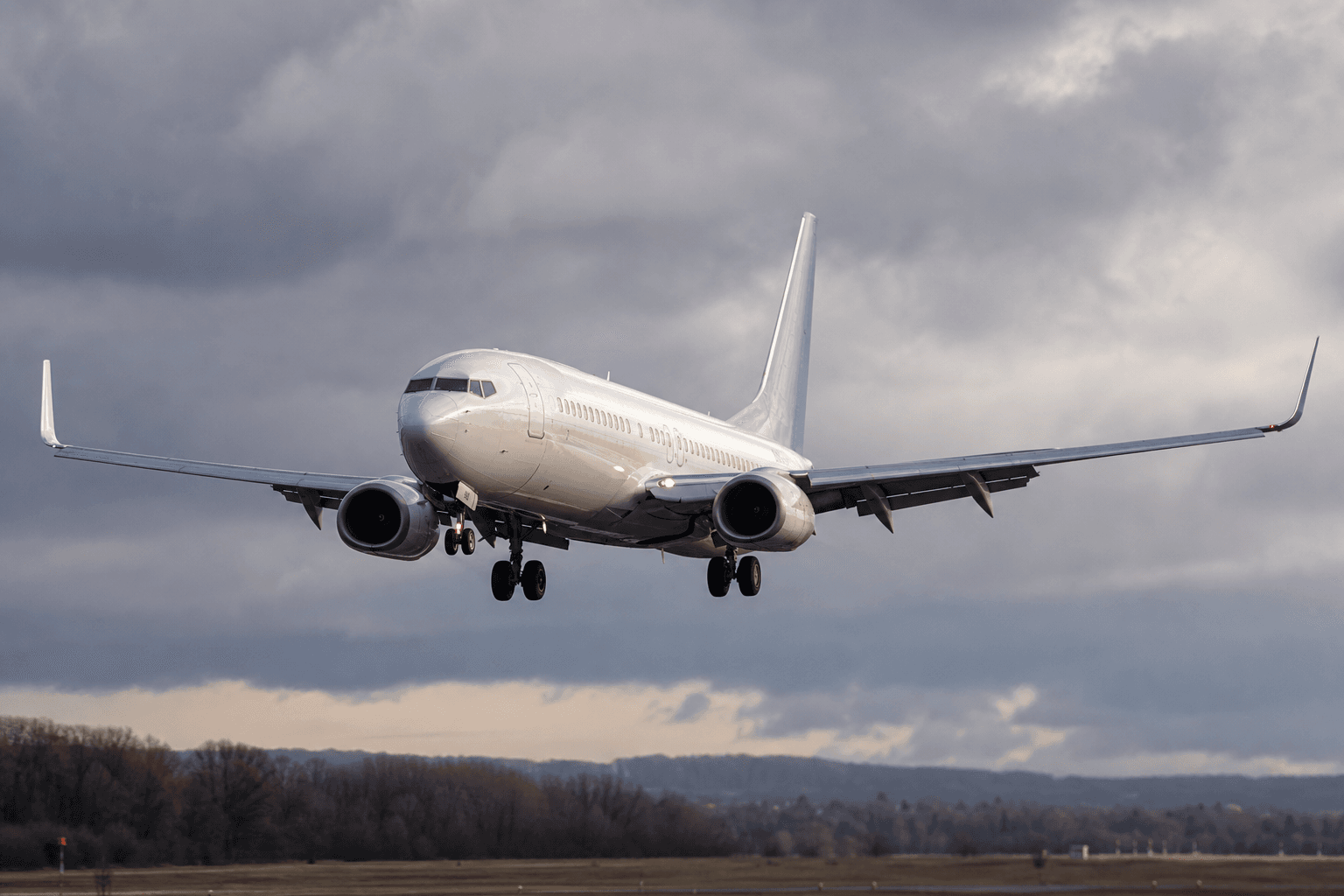
Pilots Follow Structured Risk Model When Diverting Flights to Ensure Safety
For passengers looking out of the cabin window, an unscheduled landing or flight diversion is always one that ends in frustration. The sudden announcement that an aircraft is changing course turns travel plans upside down, often leaving travelers wondering what could possibly justify landing in an airport nowhere near the intended destination. Behind these sudden changes of plan lies a highly structured, deeply analytical decision tree that the flight crew works through.
British Airways Drops Seven Long-Haul Routes, Shifts Focus to Heathrow
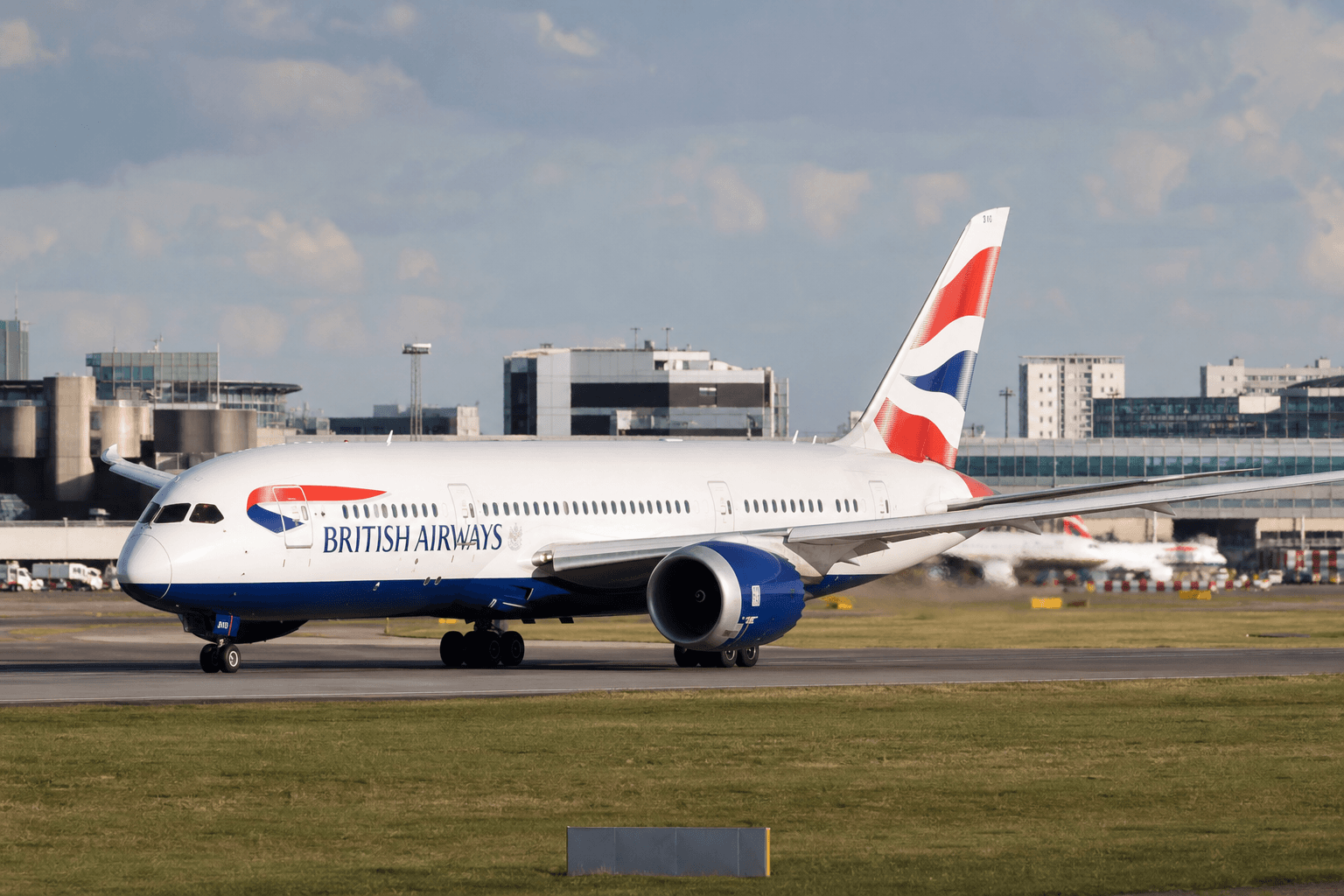
Between July and the end of the year, British Airways plans 93 daily departures on long-haul routes from London Heathrow Airport (LHR) and London Gatwick Airport (LGW). Influenced by various additional markets , OAG data shows that the offering has risen by 3% compared to the same period last year.
Taiwan and Hong Kong Airlines Cancel Numerous Flights Ahead of Typhoon Bavi
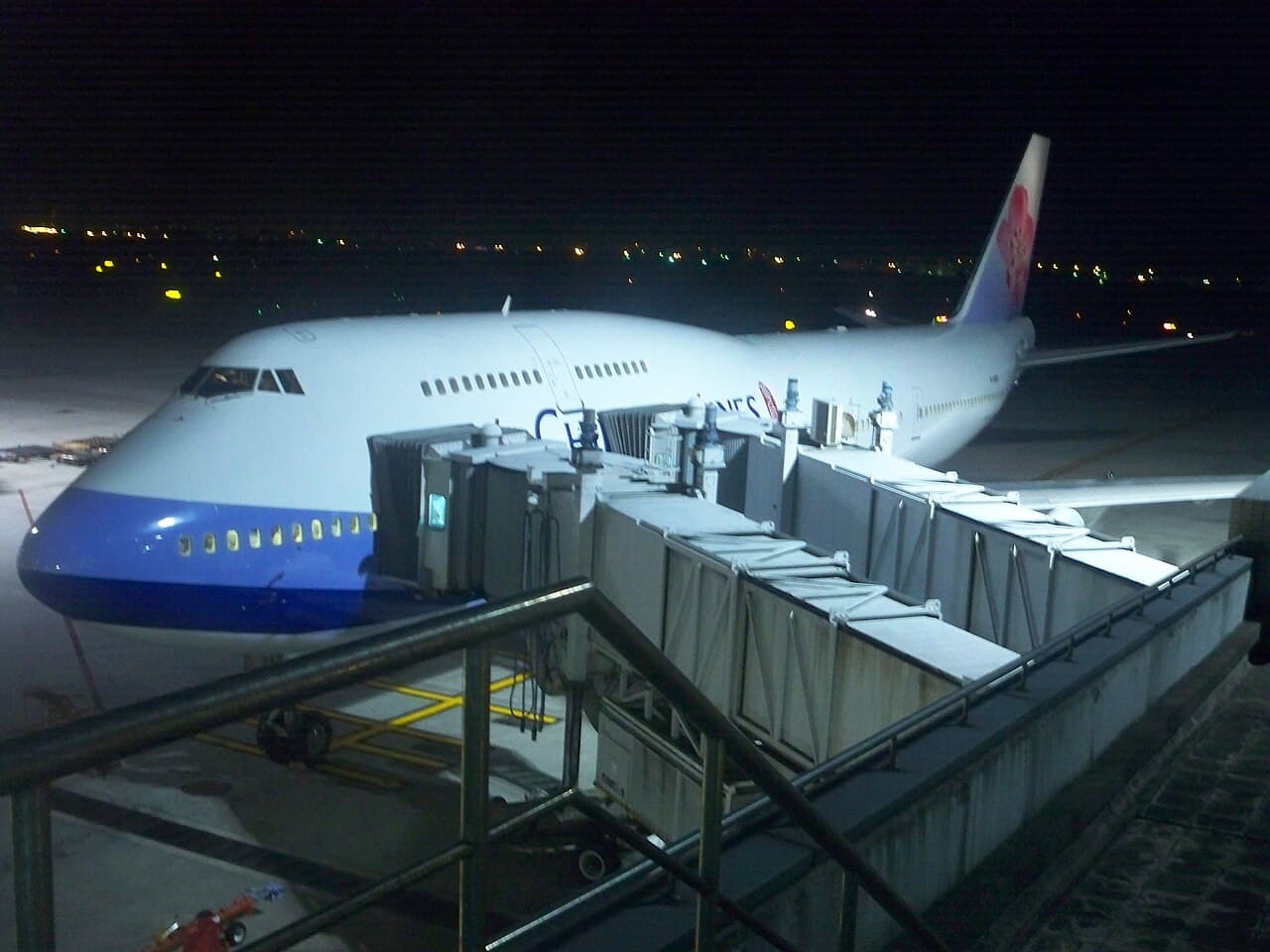
Airlines across Taiwan and Hong Kong have canceled dozens of flights scheduled for July 10 and 11, 2026, as Typhoon Bavi approaches, with consequent disruptions affecting routes to Taiwan, Japan, mainland China and beyond. Taiwan carriers ground fleets EVA Air has announced that it is to cancel most flights departing from or arriving at Taiwan Taoyuan International Airport (TPE) and Taipei Songshan Airport (TSA) from 18:00 local time July 10, 2026 through the end of July 11, 2026. Flights at Kaohsiung International Airport (KHH) will be suspended from 15:00 local time from July 10-11, 2026. Only four long-haul departures from Taoyuan on Friday will operate as scheduled: services to New York, Toronto, Washington and Dallas. Taoyuan airport authorities noted that Taiwanese airlines have canceled all Saturday departures because of the typhoon. Tigerair Taiwan canceled multiple July 10, 2026 flights on routes linking Taiwan with Japan, South Korea and Vietnam. The budget carrier also moved up some departures and postponed a Taoyuan-Fukushima round trip until Sunday. Starlux Airlines said that flights scheduled from Thursday through Sunday could be delayed, rescheduled or canceled. Singapore Airlines has canceled two Taipei-Singapore flights set for July 11, 2026, while Thai Vietjet Air reported cancellations on routes between Taiwan and Bangkok, Sapporo, Okinawa, and Osaka from July 9 through July 11, 2026.. Domestic carriers UNI Air and Mandarin Airlines announced widespread suspensions, with both companies canceling all domestic flights on Saturday. Mandarin Airlines added extra morning flights on July 10, 2026, from Taipei to Kinmen and from Kaohsiung to Penghu, before the suspensions took effect. LIVE: Outer bands of #TyphoonBavi now affecting Japan's Naha (currently No.1 most-affected airport on @flightradar24 – most aircraft have evacuated elsewhere) and Taipei/Taoyuan, where 52kn gusts are expected soon. TPE webcams: https://t.co/BlOY4dT2cc OKA: https://t.co/VzCTjX7xGl pic.twitter.com/1tKiumpinM — Airport Webcams (@AirportWebcams) July 10, 2026 Hong Kong airlines cancel more than 40 flights More than 40 flights operated by Cathay Pacific, HK Express, Hong Kong Airlines, and Greater Bay Airlines have been canceled, with 10 more delayed to Sunday, according to a South China Morning Post check. Affected destinations include Taipei, Taichung, and Kaohsiung in Taiwan, Zhoushan in mainland China, and Okinawa and Ishigaki in Japan. Cathay Pacific has canceled 13 flights to Taipei and four to Kaohsiung on July 11, 2026, along with three Taipei flights and two Okinawa flights on July 10, 2026. HK Express has canceled four Okinawa flights and three Taichung flights, while delaying services to Ishigaki. Hong Kong Airlines has canceled six Okinawa flights from July 10-11, 2026, plus four Taipei departures. Greater Bay Airlines has canceled flights to Taipei, Okinawa, and Zhoushan. Cathay Pacific, HK Express, and Hong Kong Airlines are waiving rebooking fees for affected passengers, with conditions varying by airline. HK Express customers can also switch destinations within the same region or request a full refund. About Typhoon Bavi Typhoon Bavi, named after a mountain range in Vietnam, is forecast to skirt northern Taiwan before making landfall in China's eastern Fujian province on the evening of July 11, 2026, according to China's National Meteorological Centre. Super Typhoon #Bavi prowls toward Guam and the Northern Mariana Islands. It's a beast of a storm, equivalent to a category 5 hurricane, and it's still getting stronger. pic.twitter.com/fysR1QNnwD — Zoom Earth (@zoom_earth) July 3, 2026 With winds approaching 200 kilometers per hour and a span of about 1,000 kilometers at its widest point – roughly the width of France – Bavi could become the largest storm by size to hit Taiwan since 1987. Authorities warned the storm could bring up to one meter of rain to mountains north of Taipei, while around 29,000 soldiers have been placed on standby. The storm arrives as rescue workers in southern China continue searching for victims of Typhoon Maysak, which killed at least 39 people earlier in the week.
DOT Rejects Chautauqua County's Bid to Restore Subsidized Flights at Jamestown Airport
Chautauqua County/Jamestown Airport has not had scheduled commercial air service since 2018.
The Daily Touch & Go
The day's best aviation news in your inbox. Free, no spam.