

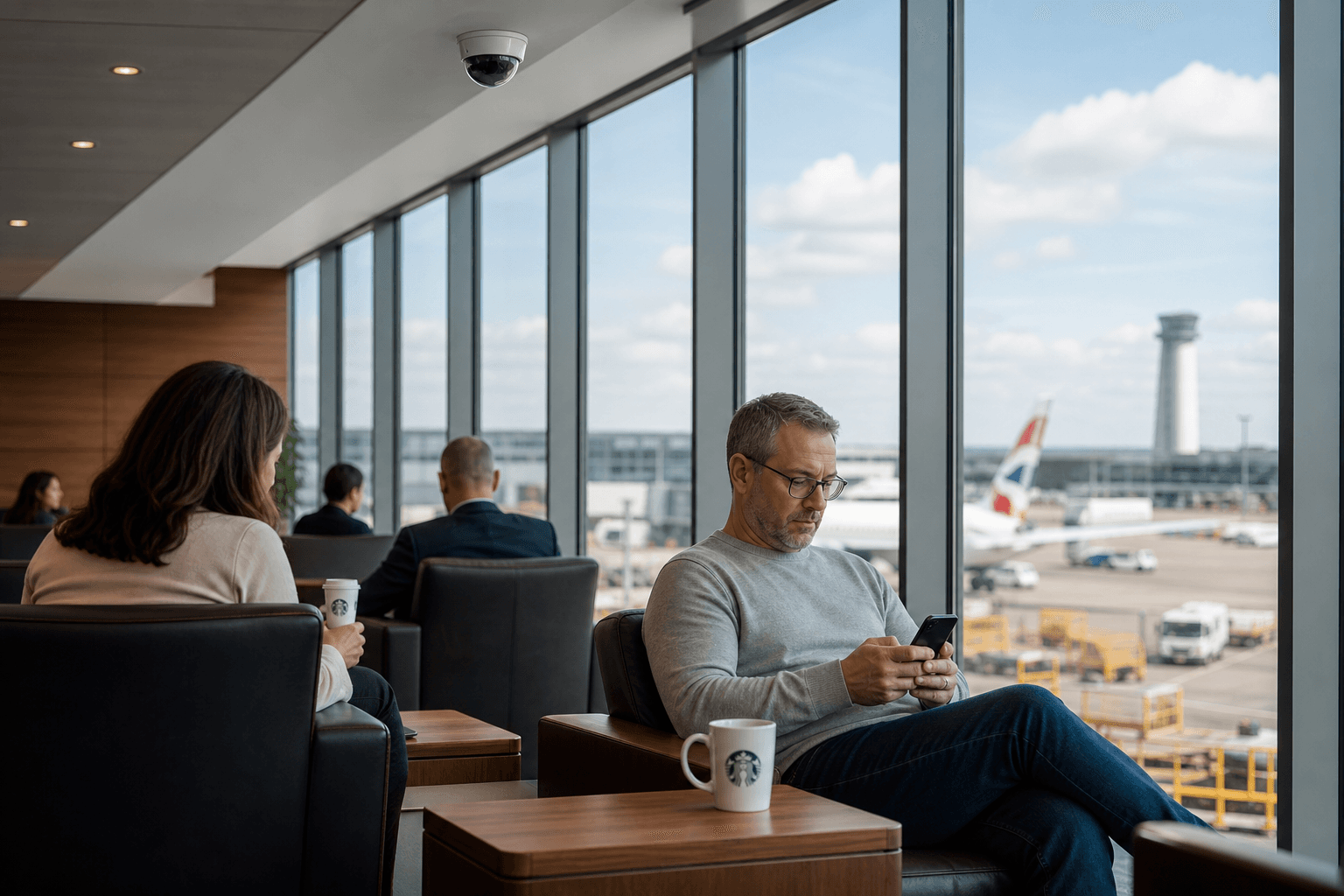
Illustration: The Touch & Go
Airport Lounges Face Persistent Theft Despite High Security and Surveillance
Travelers routinely steal items from airport lounges, including artwork, flatware, and branded cups, prompting venues to implement unique deterrents and security measures.
The gist
Passengers frequently steal from airport lounges, even uniquely branded items, forcing operators to bolt down assets and rethink security.
Continuing coverage
All Security →Airport lounges, typically perceived as secure havens for travelers, are grappling with widespread theft of everything that isn’t permanently fixed in place. Despite strict surveillance with numerous cameras and a presence of various law enforcement agencies such as DEA, CBP, FBI, TSA, and local police, thefts remain a significant issue. Notably, patrons are identified upon lounge entry, theoretically enabling easier tracking of culprits, yet theft persists unabated.
Capital One lounges have become a case study in expecting and managing this problem. Unique to these lounges are artistic, branded cups deliberately designed to be eye-catching yet non-removable. The underside of each cup bears the lounge’s branding, a subtle strategy accepting that some will take the cups anyway, aiming to secure marketing value even from stolen items. However, theft has escalated beyond cups to include artwork, which now must be physically bolted down to prevent removal, and even books from restroom shelves.
The problem of pilfering extends beyond Capital One lounges to others such as American Express and Delta Sky Clubs. While Delta patrons have been admonished for stealing fruit—items generally intended for consumption in the lounge and sometimes considered acceptable to take in small quantities—taking non-consumables like flatware, artwork, and furniture crosses a different threshold. Such behaviors undermine lounge economics and create a challenge for operators to balance hospitality with property protection.
This type of opportunistic theft mirrors trends seen in the hotel industry, where personal items including towels, bathrobes, toiletries, dishes, pillows, electronics, and even large items like mattresses have been stolen by guests. One hotel reportedly reduced towel theft dramatically by affixing washable RFID tags, used primarily as a deterrent rather than for active tracking. This tactic suggests that subtle monitoring may curb some theft, though it remains unclear how broadly such technology is implemented in airport lounges.
Incidents of extreme cases include a hotel in Nairobi prosecuting a guest to a two-year sentence for stealing towels, highlighting the serious legal consequences some institutions pursue. Theft patterns even vary by nationality according to a study: Germans and Brits often steal towels and toiletries, Austrians prefer kitchenware, Americans tend toward pillows and batteries, Italians wine glasses, and French guests TVs and remotes, illustrating cultural differences in pilferage targets.
Airport lounges and hotels share the challenge of confronting human behavior where value or need provides little dissuasion. Even with scrutiny, individuals pilfer items for reasons that defy practicality or logic. High-end venues such as the Four Seasons have seen fireplace components stolen, while grand pianos have reportedly vanished from Sheraton lobbies. These losses hint at a broader cultural acceptance of taking property unlawfully when opportunity aligns with low perceived risk.
The persistence of theft despite sophisticated security systems suggests that preventing loss requires innovative strategies, including bolting down valuable or decorative elements and branding disposable items to deter theft or derive marketing benefit. These approaches strive to mitigate financial damage while acknowledging the realities of passenger behavior in shared spaces like airport lounges.
For lounge operators and airports, these thefts represent a costly challenge in controlling inventory and maintaining a welcoming environment. While consumable food theft is somewhat manageable and anticipated, the loss of non-consumables forces reconsideration of resource allocation toward security measures and replacements. This trend compels ongoing adaptations in lounge design and policies to reconcile hospitality goals with loss prevention.
Frequently asked questions
- What types of items are commonly stolen from airport lounges?
- Passengers frequently steal items such as branded cups, artwork, flatware, books from bathrooms, and even furniture from airport lounges.
- How do airport lounges like Capital One try to prevent or deter theft?
- Capital One lounges bolt down artwork, use branded cups with logos on the bottom to maintain marketing value despite theft, and design grab-and-go food to manage consumable items.
- Are thefts limited to airport lounges or do they occur in other travel venues?
- Thefts also occur commonly in hotels, with items stolen ranging from towels and bathrobes to electronics and furniture, sometimes resulting in prosecutions or the use of deterrents like RFID tags.
Read more
All Airports →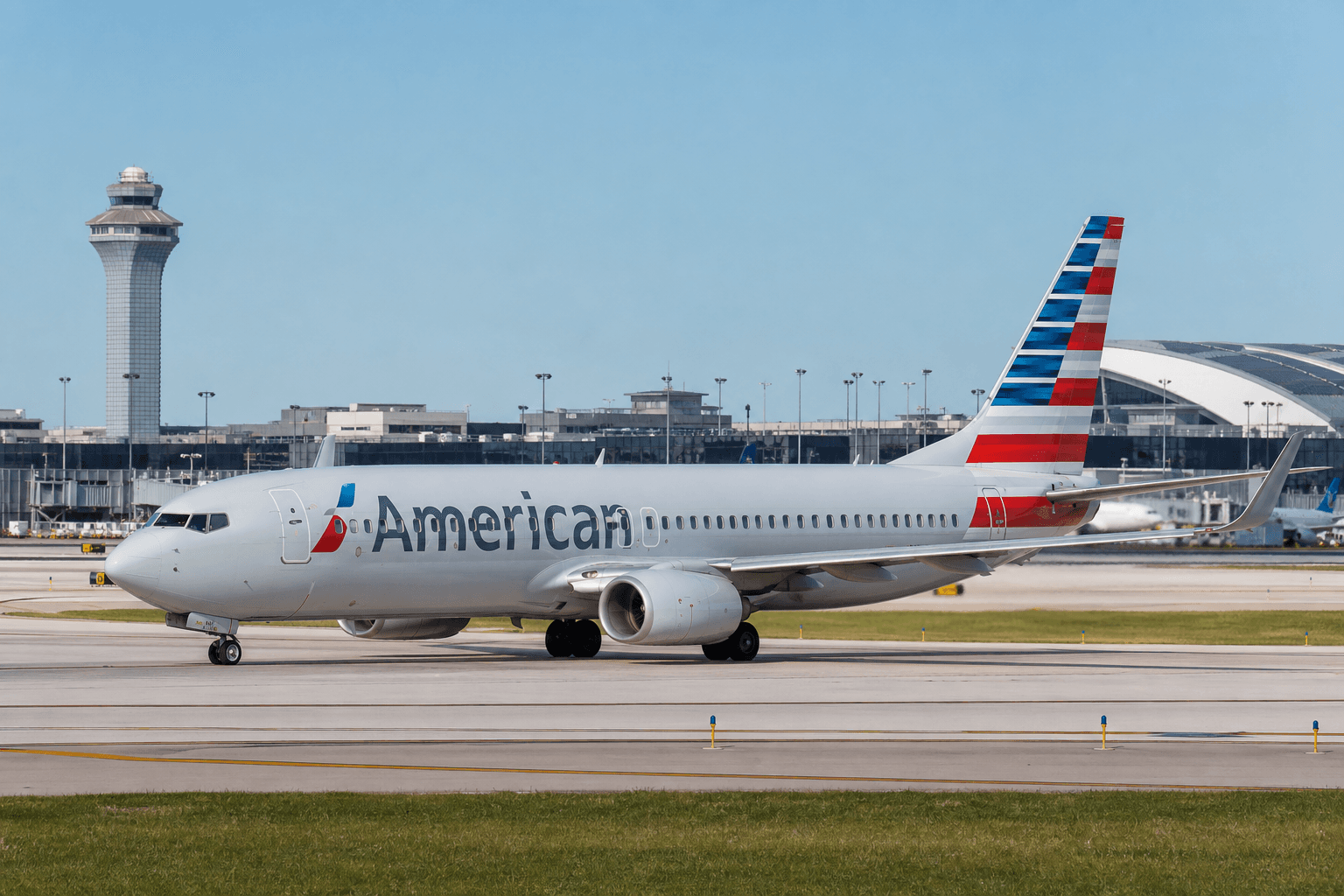
American Airlines serves first-class meals Chicago-Denver due to outdated airport mileage
American Airlines says its first class meal rule has no exception markets, yet Chicago–Denver still gets meals despite being under 900 miles. The reason: American still measures Denver using Stapleton, the airport that closed in 1995.
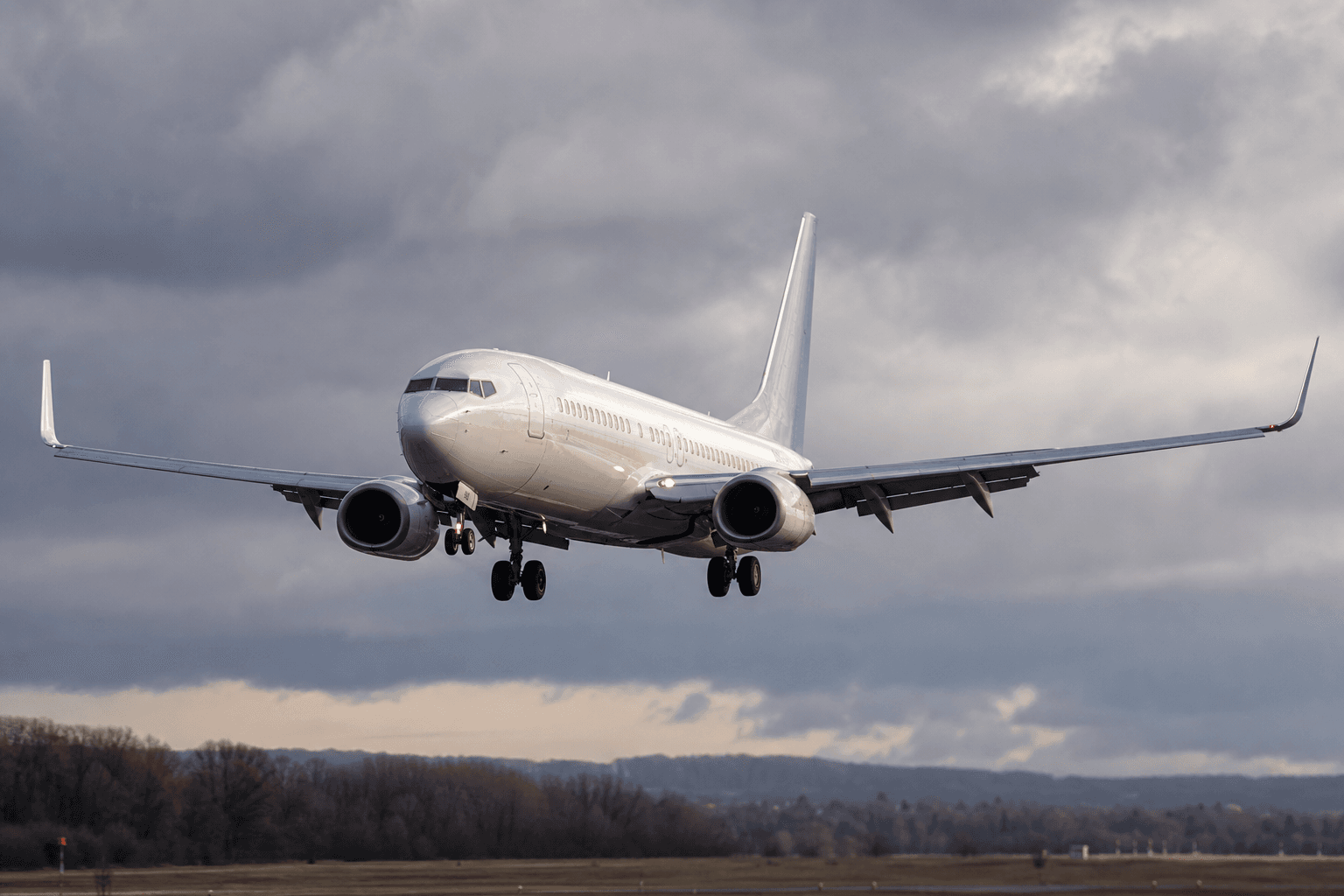
Pilots Follow Structured Risk Model When Diverting Flights to Ensure Safety
For passengers looking out of the cabin window, an unscheduled landing or flight diversion is always one that ends in frustration. The sudden announcement that an aircraft is changing course turns travel plans upside down, often leaving travelers wondering what could possibly justify landing in an airport nowhere near the intended destination. Behind these sudden changes of plan lies a highly structured, deeply analytical decision tree that the flight crew works through.
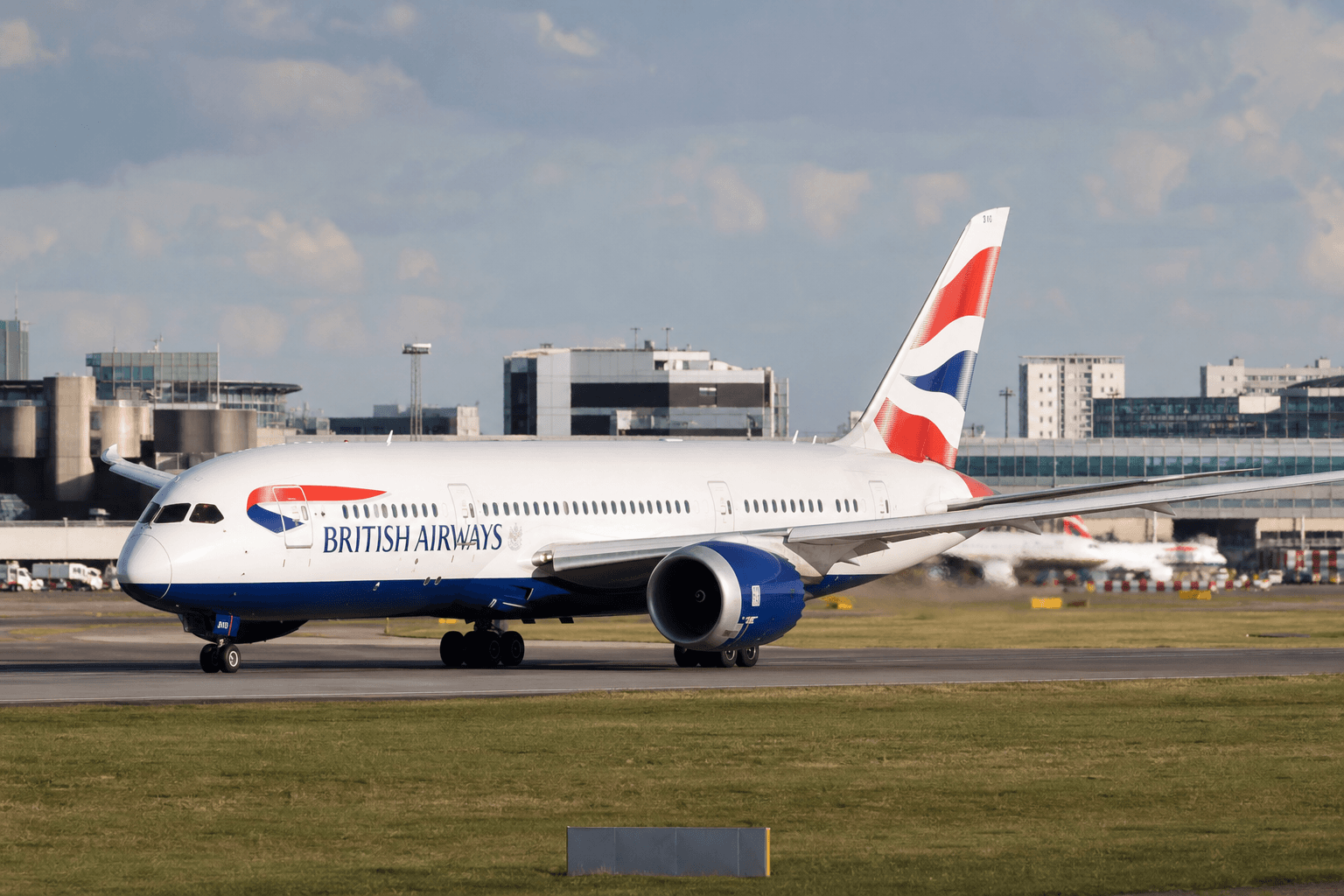
British Airways Drops Seven Long-Haul Routes, Shifts Focus to Heathrow
Between July and the end of the year, British Airways plans 93 daily departures on long-haul routes from London Heathrow Airport (LHR) and London Gatwick Airport (LGW). Influenced by various additional markets , OAG data shows that the offering has risen by 3% compared to the same period last year.
Taiwan and Hong Kong Airlines Cancel Numerous Flights Ahead of Typhoon Bavi
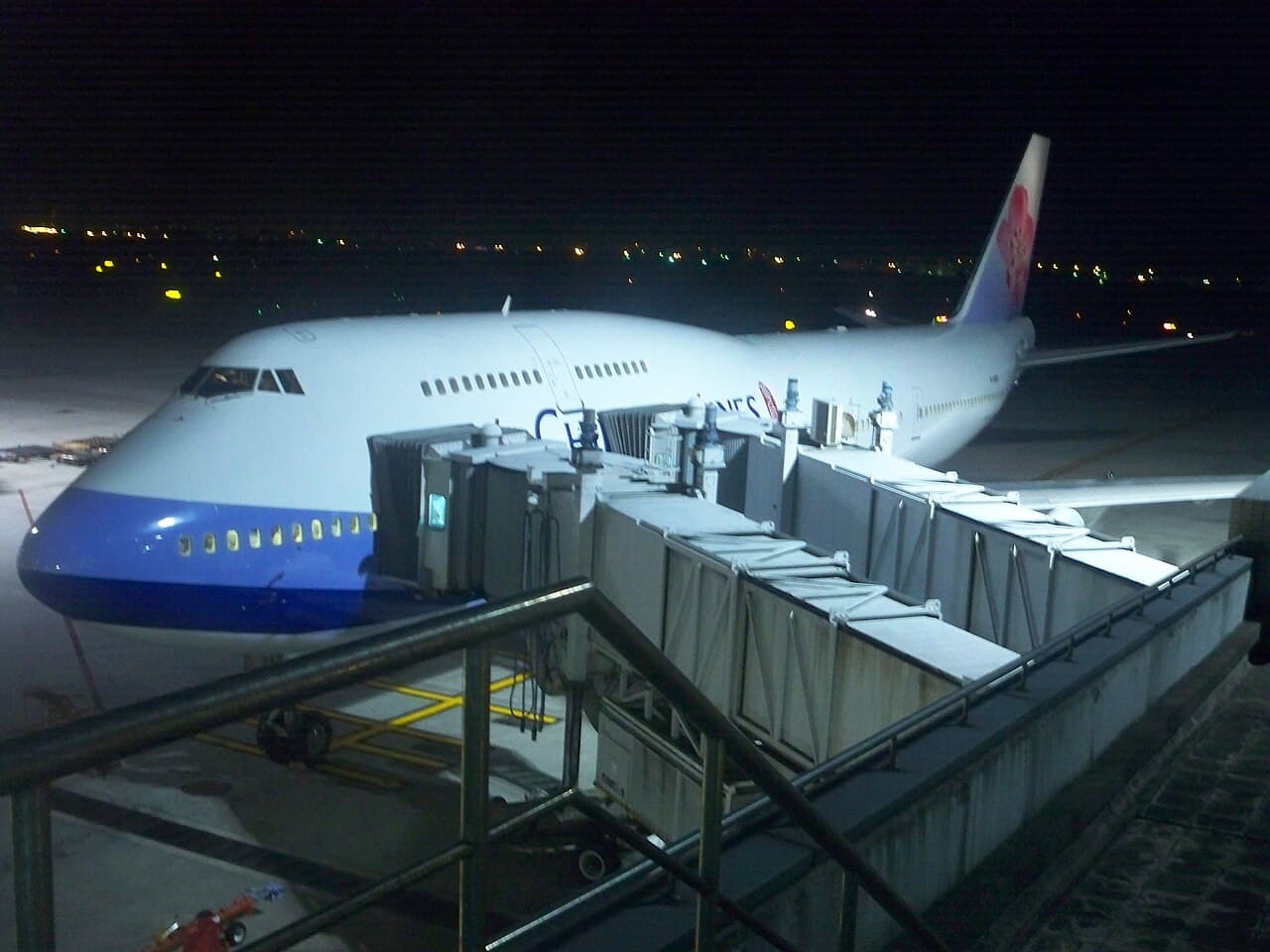
Airlines across Taiwan and Hong Kong have canceled dozens of flights scheduled for July 10 and 11, 2026, as Typhoon Bavi approaches, with consequent disruptions affecting routes to Taiwan, Japan, mainland China and beyond. Taiwan carriers ground fleets EVA Air has announced that it is to cancel most flights departing from or arriving at Taiwan Taoyuan International Airport (TPE) and Taipei Songshan Airport (TSA) from 18:00 local time July 10, 2026 through the end of July 11, 2026. Flights at Kaohsiung International Airport (KHH) will be suspended from 15:00 local time from July 10-11, 2026. Only four long-haul departures from Taoyuan on Friday will operate as scheduled: services to New York, Toronto, Washington and Dallas. Taoyuan airport authorities noted that Taiwanese airlines have canceled all Saturday departures because of the typhoon. Tigerair Taiwan canceled multiple July 10, 2026 flights on routes linking Taiwan with Japan, South Korea and Vietnam. The budget carrier also moved up some departures and postponed a Taoyuan-Fukushima round trip until Sunday. Starlux Airlines said that flights scheduled from Thursday through Sunday could be delayed, rescheduled or canceled. Singapore Airlines has canceled two Taipei-Singapore flights set for July 11, 2026, while Thai Vietjet Air reported cancellations on routes between Taiwan and Bangkok, Sapporo, Okinawa, and Osaka from July 9 through July 11, 2026.. Domestic carriers UNI Air and Mandarin Airlines announced widespread suspensions, with both companies canceling all domestic flights on Saturday. Mandarin Airlines added extra morning flights on July 10, 2026, from Taipei to Kinmen and from Kaohsiung to Penghu, before the suspensions took effect. LIVE: Outer bands of #TyphoonBavi now affecting Japan's Naha (currently No.1 most-affected airport on @flightradar24 – most aircraft have evacuated elsewhere) and Taipei/Taoyuan, where 52kn gusts are expected soon. TPE webcams: https://t.co/BlOY4dT2cc OKA: https://t.co/VzCTjX7xGl pic.twitter.com/1tKiumpinM — Airport Webcams (@AirportWebcams) July 10, 2026 Hong Kong airlines cancel more than 40 flights More than 40 flights operated by Cathay Pacific, HK Express, Hong Kong Airlines, and Greater Bay Airlines have been canceled, with 10 more delayed to Sunday, according to a South China Morning Post check. Affected destinations include Taipei, Taichung, and Kaohsiung in Taiwan, Zhoushan in mainland China, and Okinawa and Ishigaki in Japan. Cathay Pacific has canceled 13 flights to Taipei and four to Kaohsiung on July 11, 2026, along with three Taipei flights and two Okinawa flights on July 10, 2026. HK Express has canceled four Okinawa flights and three Taichung flights, while delaying services to Ishigaki. Hong Kong Airlines has canceled six Okinawa flights from July 10-11, 2026, plus four Taipei departures. Greater Bay Airlines has canceled flights to Taipei, Okinawa, and Zhoushan. Cathay Pacific, HK Express, and Hong Kong Airlines are waiving rebooking fees for affected passengers, with conditions varying by airline. HK Express customers can also switch destinations within the same region or request a full refund. About Typhoon Bavi Typhoon Bavi, named after a mountain range in Vietnam, is forecast to skirt northern Taiwan before making landfall in China's eastern Fujian province on the evening of July 11, 2026, according to China's National Meteorological Centre. Super Typhoon #Bavi prowls toward Guam and the Northern Mariana Islands. It's a beast of a storm, equivalent to a category 5 hurricane, and it's still getting stronger. pic.twitter.com/fysR1QNnwD — Zoom Earth (@zoom_earth) July 3, 2026 With winds approaching 200 kilometers per hour and a span of about 1,000 kilometers at its widest point – roughly the width of France – Bavi could become the largest storm by size to hit Taiwan since 1987. Authorities warned the storm could bring up to one meter of rain to mountains north of Taipei, while around 29,000 soldiers have been placed on standby. The storm arrives as rescue workers in southern China continue searching for victims of Typhoon Maysak, which killed at least 39 people earlier in the week.
The Daily Touch & Go
The day's best aviation news in your inbox. Free, no spam.