

Illustration: The Touch & Go
Trump Faces Backlash After Reporters Subpoenaed Over Air Force One Safety Concerns
The Justice Department subpoenaed journalists following reports that the new Air Force One gifted by Qatar lacks full defensive systems, sparking security and political tensions.
The gist
Reporters subpoenaed over revealing that Trump's new Qatar-gifted Air Force One has notable safety shortcomings compared to previous models.
Continuing coverage
All Air Force One →- Secret Service Warned Trump Against Flying New Air Force One Over Defense Gaps
- Trump's Interim Boeing 747-8 Air Force One Flies First International Mission to Turkey NATO Summit
- Trump Flies Older Air Force One to U.K., Sidelines New VC-25B Bridge Aircraft Temporarily
- EAA AirVenture Oshkosh 2026 to Showcase Cutting-Edge Aviation Technology and Historic Warbirds
- Trump's $400M Qatari-Gifted Boeing 747-8 Faces Uncertain Future at Miami Presidential Library
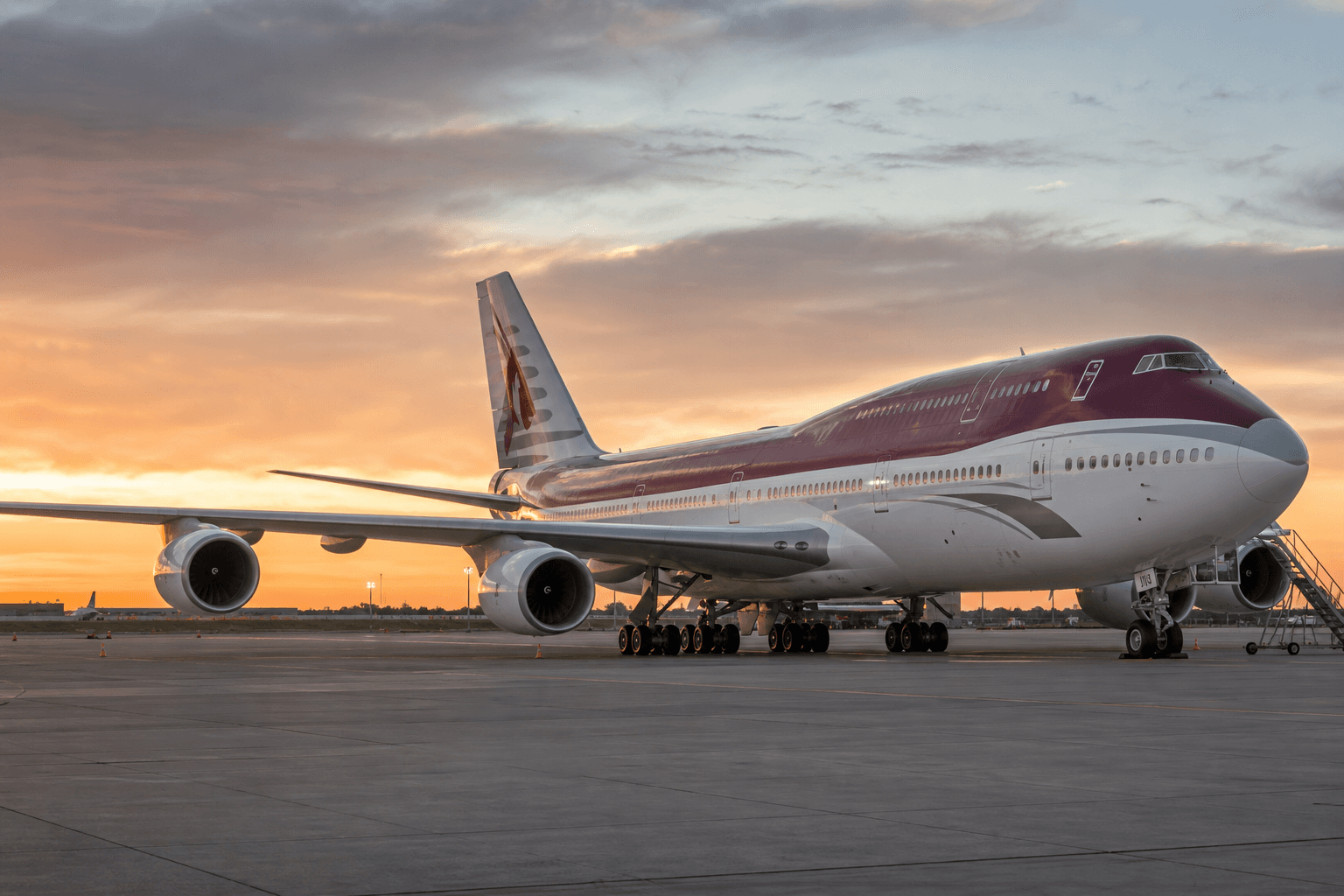
In mid-June 2026, the U.S. Air Force took delivery of a new Boeing 747-8 aircraft donated by Qatar, intended to serve as the primary presidential transport designated Air Force One when the president is aboard. This jet, valued at roughly $400 million and dubbed a 'flying palace,' marks an update from the aging Boeing 747-200s that had been in service for decades. However, concerns have emerged regarding the safety equipment aboard this new plane, prompting President Trump to revert to the older model for recent flights amid heightened security tensions.
The new Air Force One quickly became a focal point of controversy during a recent diplomatic trip. When President Trump traveled to Turkey for a NATO summit in early July 2026, he used the new 747-8 on his outbound flight. On the return leg, however, he flew back on the older Boeing 747-200. While Trump publicly stated that this choice was to honor the military, the timing—coming shortly after an escalation in conflict with Iran—suggested that the move was driven by security concerns tied to the new aircraft's defensive readiness.
Reports indicated that the new Air Force One did not yet possess all the defensive systems installed on its predecessor, including advanced missile defense countermeasures critical for protecting the president during high-risk operations. These gaps raised alarm because they left the president less shielded during flights, especially at a time when geopolitical tensions with Iran had intensified. This contrast between the two planes underscored significant operational challenges in fielding the new presidential aircraft safely and promptly.
The timeline for this new Boeing 747-8's preparation contrasts sharply with two other Boeing 747-8s contracted years ago as official replacements for Air Force One. Those older replacement jets have faced multi-year delays exceeding four years largely due to the difficulty of installing comprehensive security and defense equipment. In contrast, the Qatar-gifted aircraft was put into service much more rapidly, suggesting it had fewer safety features installed at the time of delivery.
Following media reports by The New York Times detailing these security shortcomings and the shift back to the older aircraft, the situation escalated into a legal confrontation. The U.S. Justice Department issued subpoenas to four journalists involved in publishing the security concerns, summoning them to testify before a grand jury in Manhattan. The subpoenas reflect the government's bid to pursue leaks of classified information post-publication, emphasizing that the reporters themselves are not targets but those responsible for unauthorized disclosures are.
A Justice Department statement clarified the need to investigate breaches of national security amid the tension between public transparency and government protection. The department underscored the challenge of balancing press freedom with preventing the release of sensitive intelligence, stating that while reporters are not targets, investigations into officials leaking such information remain a priority. This development has ignited debate about the threshold for national security claims regarding reporting on Air Force One's capabilities.
Analysts and commentators have noted that the core issue appears to be the apparent discrepancy between the new Air Force One's operational readiness and the established standards expected of a presidential transport. The expedited entry into service of the Qatar-donated aircraft, bypassing extensive defensive upgrades, signals a trade-off favoring prestige and timely deployment over comprehensive safety. Meanwhile, the longstanding delays in the official replacement aircraft highlight the complexity and importance of defensive systems for presidential planes.
The Trump administration continues to insist the new aircraft meets stringent security benchmarks, denying reports of any significant shortfall in defensive protections. Yet the public return to an older plane amid escalating international tensions has fueled skepticism. This episode raises important questions about presidential aviation safety protocols, the influence of political theatrics on operational decisions, and the extent to which classified security details intersect with journalistic inquiry.
Frequently asked questions
- Why did President Trump fly back from Turkey on the older Air Force One instead of the new 747-8?
- Trump used the older Boeing 747-200 for his return flight due to concerns about the new 747-8's incomplete defensive and missile defense systems amid rising Iran tensions.
- What triggered the Justice Department to subpoena journalists regarding Air Force One?
- The subpoenas followed reports that the new Air Force One lacked full security features and that this information was leaked, prompting national security investigations into unauthorized disclosures.
- How do the new Qatar-gifted Air Force One and earlier 747-8 replacements differ in readiness?
- The Qatar-gifted 747-8 entered service rapidly with fewer defensive systems, while two earlier 747-8 models meant to replace Air Force One have faced multi-year delays due to complexities installing full security equipment.
Read more
All Aviation Safety →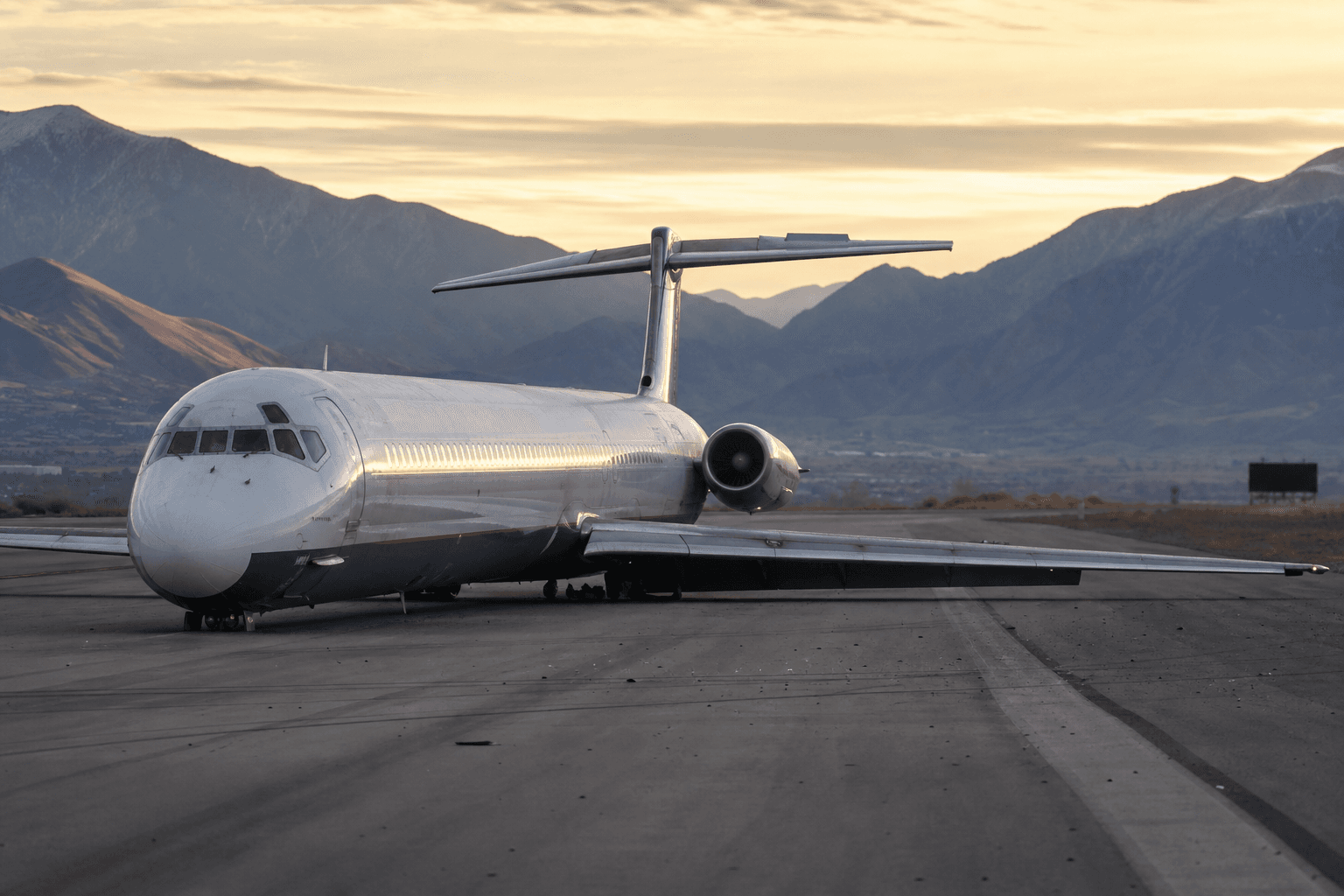
TezJet grounded after Boeing MD-83 landing gear collapse at Bishkek Manas Airport
Accident at Bishkek Manas airport occurred just a month after Kyrgyzstan was removed from European blacklist. Kyrgyz authorities have temporarily suspended the operations of carrier TezJet after one of its Boeing MD-83s has suffered a landing-gear collapse while taxiing for the runway at Bishkek's Manas airport. The airport operator states that the accident occurred as the twinjet prepared to depart for Osh on 7 July. "After taxiing and reaching take-off position during pre-flight procedures, the left main landing-gear collapsed," says the company. "As a result, the aircraft listed to the left, touched the runway with its left wing, and came to a stop." None of those on board was injured, the airport operator adds. Images from the scene identify the MD-83 involved as EX-80003, a 1996 airframe originally delivered to Korean Air. The tail-cone of the aircraft, which serves as an evacuation exit, appears to have been jettisoned during the occurrence. Work is under way to remove the jet from the runway. Manas has a single runway, designated 08/26. Kyrgyzstan had been subject to a European Commission blanket blacklisting for some 20 years, a restriction which was only removed in early June based on evidence of substantial safety improvement. The Kyrgyz state civil aviation agency is investigating the occurrence. "Until the necessary verification activities are completed, a decision has been made to temporarily suspend the operation of TezJet aircraft," says the airport operator. "This is a purely preventative measure aimed at ensuring the highest level of flight safety." The aircraft had arrived from Osh earlier in the day. Manas airport will remain closed until around 06:00 on 8 July. "Flight safety remains our highest priority," says the airport operator, adding that schedule disruption is possible.

Student Pilot Safely Lands Cessna 150 After Instructor's Mid-Air Jump in Argentina
A trainee pilot was left on his own to land an aircraft after his pilot instructor , Leandro Andrés Bertazzo , decided to jump out of a moving plane high in the air in the skies of Argentina on Saturday, July 4. This forced the student, known as Rosario, to safely land the aircraft on his own. Bertazzo, who was the age of 42, was later found dead following the incident.
US Navy Helicopter Squadron Leader Killed After MH-60S Crash in Arabian Sea
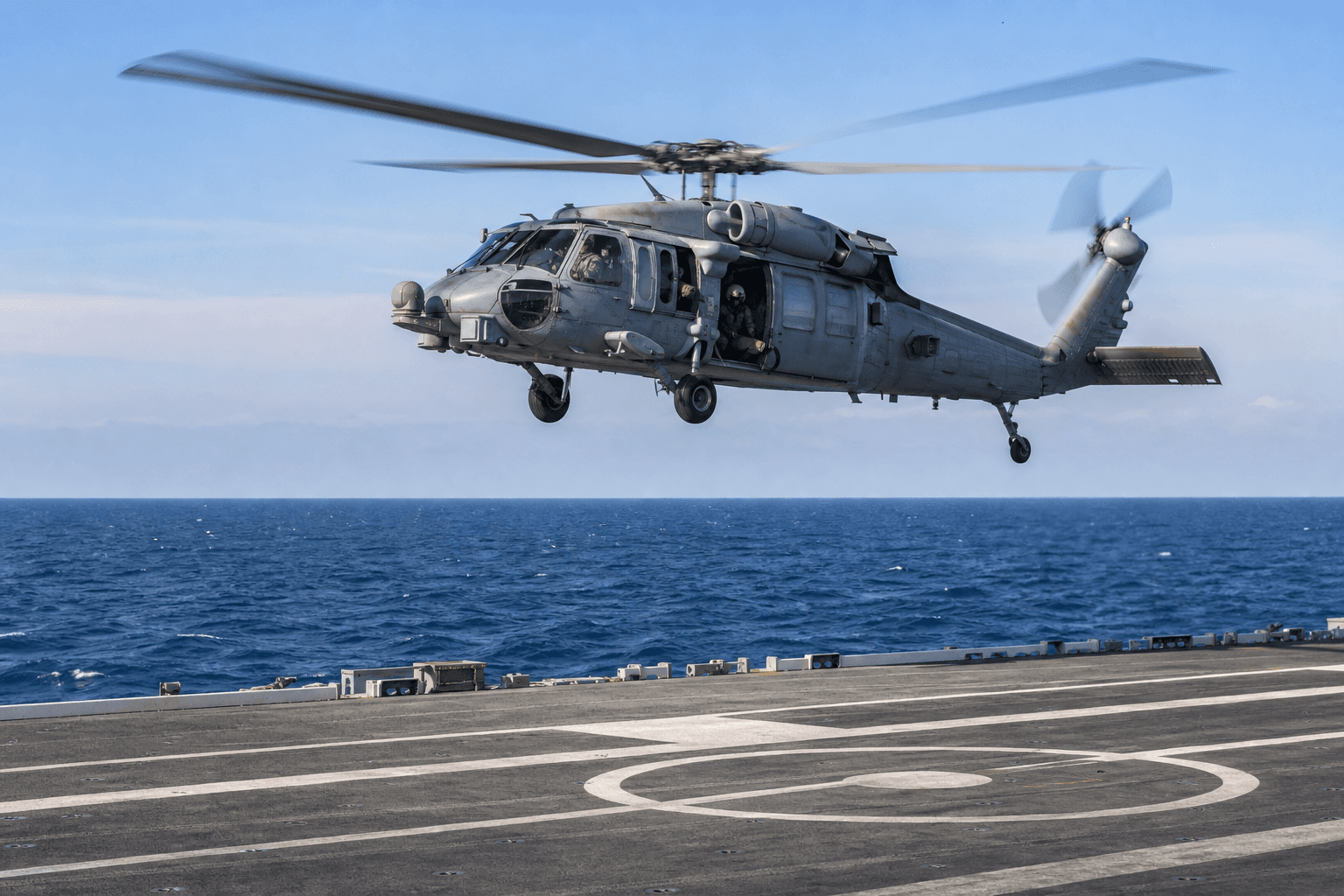
The officer had been missing since the 1 July incident in which the Seahawk utility helicopter made an emergency water landing. The commander of a US Navy helicopter squadron has been declared killed in action in the Middle East. Commander Gabriel Edwards was a rotary-wing pilot and the commanding officer of Helicopter Sea Combat Squadron (HSC) 5, embarked with the aircraft carrier USS George HW Bush . Edwards had been missing since 1 July, when his Sikorsky MH-60S Sea Hawk made an emergency landing in the Arabian Sea. Three other US Navy personnel aboard the helicopter were rescued shortly after the ditching. The effort to locate and recover Edwards was called off after more than four days of searching, the navy now says. The cause of the emergency is not yet known and remains under investigation. Edwards had accumulated more than 2,000 flight hours over his naval aviation career, according to the navy. HSC 5 is part of the navy’s Carrier Air Wing 7, which is currently operating from the Bush in the Arabian Sea. The carrier departed its homeport of Norfolk, Virginia, in March for the regularly scheduled deployment. The MH-60S is a utility and fleet support helicopter that is distinct from Sikorsky’s MH-60R variant, which is equipped for anti-submarine warfare.
K2 Airways Boeing 737 freighter lost over Arabian Sea after sudden altitude drops near Karachi
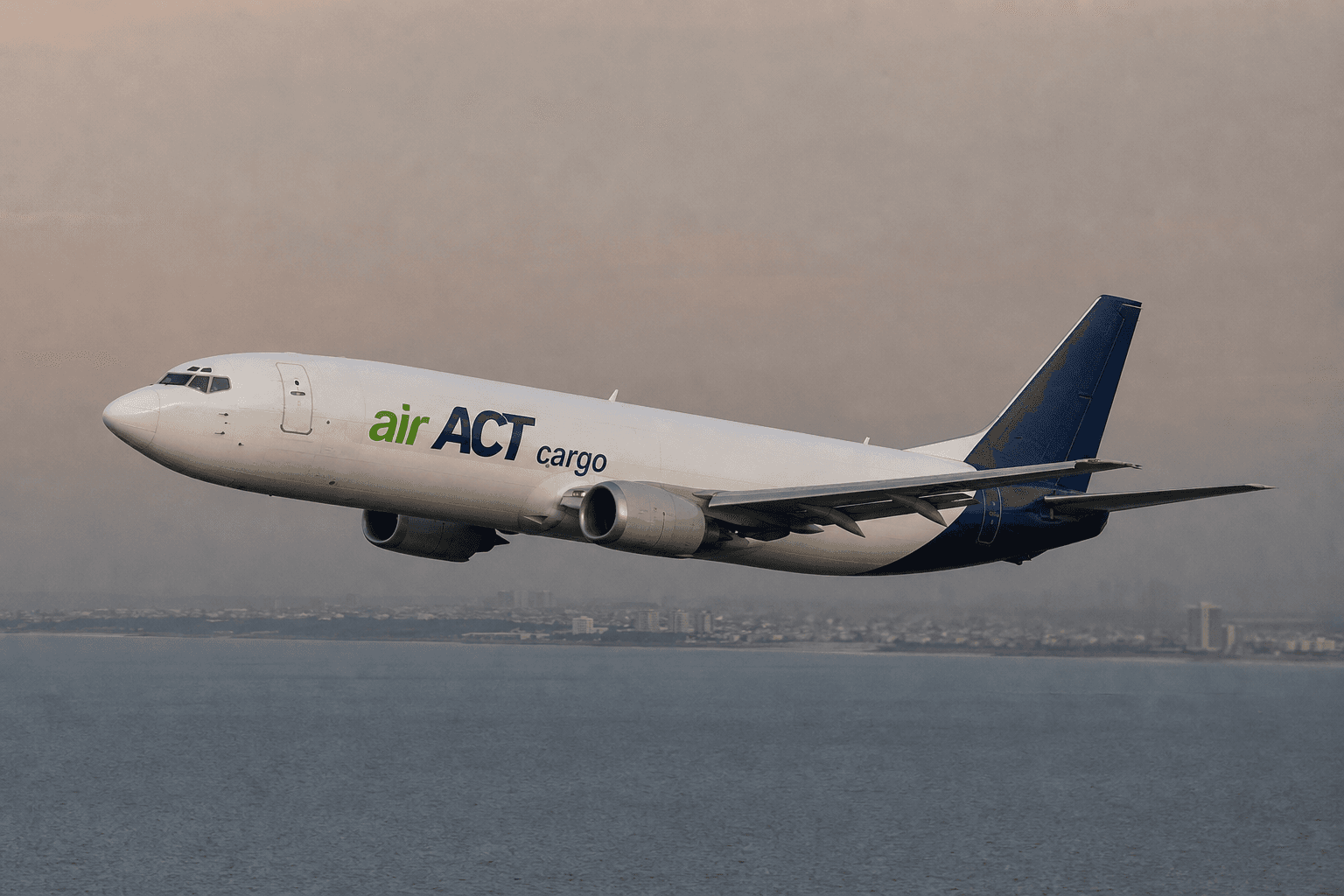
A K2 Airways Boeing 737 freighter is missing over the Arabian Sea after preliminary flight-tracking data showed a sudden loss of altitude southwest of Karachi, Pakistan. The aircraft, registered AP-BOI, was operating as K2 Airways Cargo Flight KTA1732 from Sharjah, United Arab Emirates, to Karachi, Pakistan, on July 7, 2026, according to Flightradar24. Authorities launched a search effort after the aircraft did not arrive in Karachi as scheduled. Preliminary ADS-B data showed the aircraft lost altitude, climbed, and then suffered a second sudden and dramatic loss of altitude. The final ADS-B point received by Flightradar24 was recorded at 16:21 UTC, placing the aircraft at 1,100 feet above mean sea level with a reported vertical rate of -22,400 feet per minute. Pakistan's Civil Aviation Authority said the aircraft reported a navigation system problem at 21:18 local time before radar data showed it rapidly descending and making a sharp heading change at about 21:21. Radar and radio contact were then lost about 155 nautical miles west of Karachi, according to the AP, citing Pakistan's Civil Aviation Authority. The AP reported that five crew members were aboard the aircraft. AP-BOI is a Boeing 737-4M0(BDSF) that began service with K2 Airways in 2024. The aircraft originally entered service as a passenger aircraft with Aeroflot in 1999, later flew with Garuda Indonesia, and was converted to a freighter in 2012. K2 Airways is a privately owned Pakistani carrier based in Karachi. The airline was launched to serve regional passenger and cargo markets and received its air operator certificate in 2024. AP-BOI is listed as the carrier's sole aircraft. The aircraft and other traffic in the region experienced GNSS interference shortly after takeoff from Sharjah, which degraded data near Sharjah before the aircraft transitioned to multilateration tracking. Flightradar24 said ADS-B data was received again after the aircraft left the interference area. The aircraft remained missing late on July 7 as search efforts continued.
The Daily Touch & Go
The day's best aviation news in your inbox. Free, no spam.