

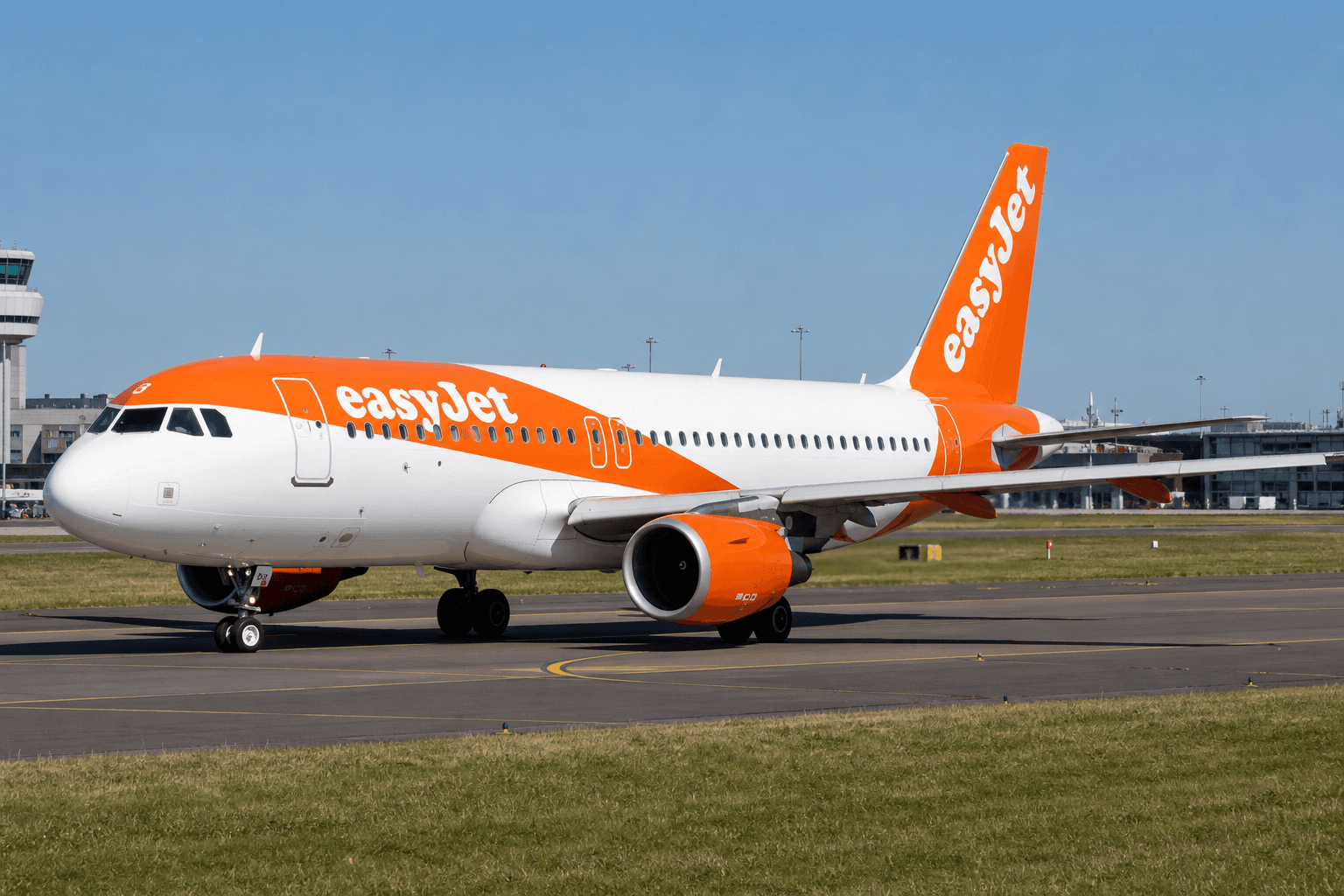
Illustration: The Touch & Go
Apollo Global Management Tops Castlelake with $7.26B EasyJet Takeover Bid
EasyJet's board accepts Apollo Global Management's £5.41 billion takeover offer, surpassing Castlelake's previous bid by 5.2%.
The gist
Apollo's $7.26 billion bid overtakes Castlelake's, pushing EasyJet shares sharply higher amid a potential takeover battle.
Continuing coverage
All Low-Cost Carriers →- EasyJet Accepts $7.3 Billion Takeover Bid from Castlelake
- AirAsia X ends widebody expansion, pivots to Airbus A321XLR single-aisle strategy
- Avelo Airlines to Begin Commercial Flights at McKinney National Airport in November 2026
- US Firm Castlelake Plans £5.5B Takeover of easyJet, Raising Fleet and Route Questions
- Ryanair Flights Often Operated by Subsidiary Airlines Including Buzz and Malta Air
EasyJet's shares jumped sharply after the airline's board announced its acceptance of a takeover proposal from Apollo Global Management, valuing the British low-cost carrier at £5.41 billion ($7.26 billion). The offer, at £7.15 per share, is about 5.2% higher than the prior bid from Minneapolis-based Castlelake, which the board had accepted in principle recently. Apollo's bid signals an unexpected rival into the acquisition interest circle, intensifying competition to acquire one of Europe's leading budget airlines.
Apollo, a New York investment firm founded in 1990, emphasized its long-standing interest in EasyJet and its confidence in the carrier's strategic growth potential. The firm highlighted EasyJet's differentiated low-cost model and plans to strengthen it by upgauging the fleet, expanding ancillary services and loyalty programs, and scaling its Holidays division as a unique revenue stream. This strategic direction aligns with Apollo's prior investments in aviation-related assets such as Virgin Atlantic's London Heathrow landing slots and the Air France-KLM Group's Flying Blue frequent flyer program.
EasyJet traces its origins to Stelios Haji-Ioannou's founding in 1995 and has grown into a major European low-cost operator. The Haji-Ioannou family trust remains the company’s largest single shareholder. Despite this, EasyJet’s recent financial performance has lagged behind rivals like Ryanair, leading to scenarios where its tangible assets, including aircraft and valuable airport slots, hold more value than its current equity valuation. This makes EasyJet a prime target for investment groups looking to optimize its financial structure and operational effectiveness.
The board's reception of Apollo’s offer does not mark the start of a formal takeover process but indicates a recommendation in principle to shareholders. Apollo has not yet submitted an official offer document; the next steps depend on shareholder approval rather than board discretion alone. This acceptance raises the possibility of a competitive bidding scenario, with Castlelake and potentially other bidders yet to respond officially to Apollo’s higher proposal.
Clash among bidders has the potential to trigger a bidding war for EasyJet. Castlelake had previously made multiple incremental offers, starting at £5.60 per share in May 2026 and ultimately reaching £6.90 per share by early July, which the board accepted in principle before Apollo’s intervention. Castlelake’s intent mirrors Apollo’s, focused on enhancing EasyJet’s financial performance without dismantling the business. Both investors aim to unlock value through operational improvements rather than asset stripping.
EasyJet's share price reacted positively, surging more than 13% on the announcement day to a level not seen since 2022. The share price increase reflects market optimism about Apollo's approach and the premium offered over Castlelake’s bid. However, market watchers will be paying close attention to the dynamics that this competing bid introduces to the ongoing ownership transition process and whether other parties might join the race.
Apollo’s investment experience spans multiple sectors including aviation, hospitality, and media, giving it a broad perspective on managing and growing complex assets. This expertise, coupled with financial resources, positions Apollo as a credible suitor capable of implementing EasyJet’s strategic evolution. The firm has underscored its intention to maintain EasyJet’s operational structure and brand in the event of a successful takeover.
The two competing bids mark an intriguing episode in the consolidation of the European low-cost airline sector, where strategic growth plans intersect with financial restructuring interests. EasyJet's fleet, airport slots, and brand represent a substantial business with untapped potential. The preference expressed by potential buyers for operational enhancement over asset liquidation suggests a focus on long-term value creation in the airline industry.
With formal bids forthcoming from Apollo and possibly counteroffers from Castlelake or new suitors, EasyJet’s shareholders are set to weigh competing visions for the airline’s future. The forthcoming shareholder vote will be crucial in determining whether Apollo's higher offer secures control of one of Europe's most recognized low-cost airlines, marking a significant shift in its corporate and possibly strategic direction.
Frequently asked questions
- What is Apollo Global Management's offer for EasyJet worth?
- Apollo has offered to acquire EasyJet for approximately £5.41 billion, valuing each share at £7.15, which is about 5.2% higher than Castlelake's prior offer of £6.90 per share.
- Has Apollo made a formal takeover offer for EasyJet yet?
- Apollo has not yet made a formal offer; its bid acceptance by EasyJet's board indicates a recommendation in principle pending shareholder approval.
- How has EasyJet's share price responded to Apollo's bid announcement?
- EasyJet shares surged over 13%, reaching 665.20 pence per share, the highest since 2022, following the announcement of Apollo’s takeover bid.
Read more
All Airlines →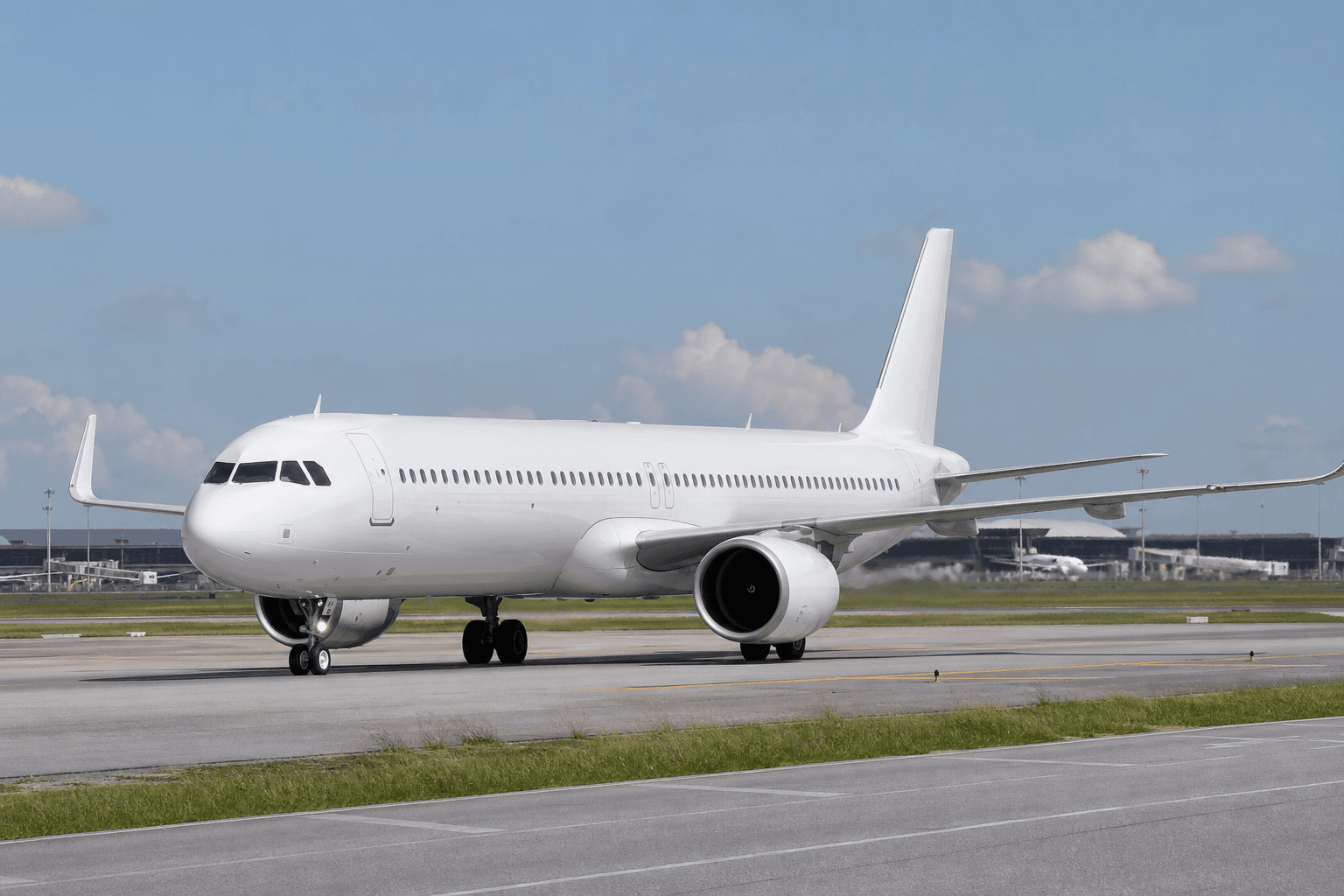
AirAsia X ends widebody expansion, pivots to Airbus A321XLR single-aisle strategy
In mid-2026, Airbus was hit with a major decision from one of its long-standing customers. AirAsia X and Airbus reached a mutual agreement to remove the remaining 15 Airbus A330-900 aircraft from the manufacturer's backlog. The decision unravels a long-shelved widebody expansion plan that had previously been framed as the future of budget travel across the Asia-Pacific region. Now formally striking these twin-aisle flagships from its future alignment, the airline group has reached an undeniable conclusion: the economic realities of flying massive, multi-aisle jets on long-distance budget routes no longer make structural sense in a volatile global market.
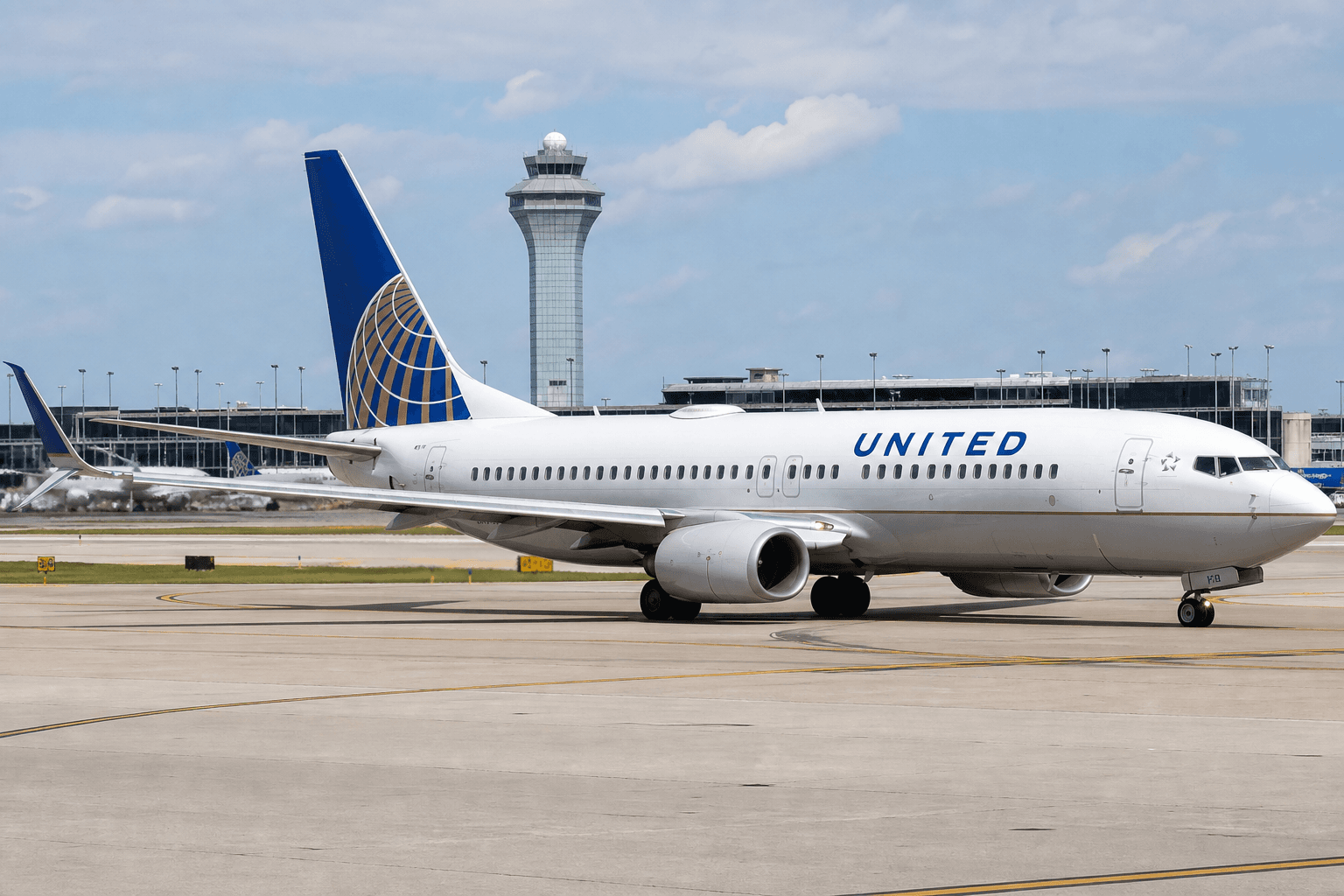
United Airlines Flight Attendant Union Leader Helped Revise Canada Entry Rules for Crew with DUI
The Association of Flight Attendants (AFA-CWA) is by far the largest crew member union in the United States, representing around 55,000 flight attendants at nearly two dozen airlines across the country. The jewel in AFA’s crown, though, is United Airlines, whose flight attendants make up more than half of the union’s total membership. Leading AFA’s United membership, therefore, could definitely be considered one of the more important jobs within the union, and the baton has recently been taken over by Scott Pejas, a veteran United Airlines flight attendant who first joined the carrier back in 1996. Scott initially started working out of United’s Los Angeles base before transferring to Chicago O’Hare in 1999, where he has remained ever since. Despite taking on the mammoth task of being the representative of around 30,000 flight attendants, Scott plans to continue flying as a crew member while holding the role of Master Executive Council President. Thankfully, Scott takes on the role at a relatively good time. United’s flight attendants have only recently ratified a new five-year collective bargaining agreement that locks in pay rises over the coming years, along with a slew of other contract improvements that were hotly contested over several years. During this long bargaining process, it’s fair to say that the leaders of United’s MEC and its negotiating committee took some flak from frontline employees, but Scott and the other elected officials aren’t newbies to union work. In fact, Scott was first elected as Chicago’s local executive council leader in 2016, and it’s during this time that he was involved in what the union describes as one of his ‘most notable’ pieces of work: changing the wording of United’s Canada admissibility policy. For years, United had a policy in which flight attendants must be able to legally operate to any destination within the airline’s network. That generally means that crew members can’t have criminal convictions that would bar them from entering a country without first obtaining a visa or undergoing other background checks. This was particularly an issue for flight attendants with past DUI convictions because Canada has some of the strictest DUI laws in the world. A DUI conviction in the United States within the last five years makes someone automatically inadmissible for entry to Canada, including pilots and flight attendants. In other words, flight attendants with a DUI conviction faced the risk of being terminated because they wouldn’t be allowed to enter Canada. Scott, however, was involved in changing this policy, meaning that inadmissibility to Canada no longer means United’s flight attendants have to hang up their wings. Veteran crew members who are ‘lineholders’ simply bid for trips that avoid Canada, while the situation is slightly more complicated for newer flight attendants who are on ‘reserve.’ If they get assigned a trip that involves a stopover in Canada, they would be assigned what is referred to as a ‘missed trip.’ That might ultimately lead to disciplinary action at some point down the road, but they can, at least, continue to work for United even though they aren’t legally allowed to enter Canada. United has a similar policy for its pilots, but not all airlines allow this kind of flexibility. Inadmissibility to Canada can still lead to termination at other airlines. This is one of those lesser-known policy changes where unions would likely say they have brought about a positive outcome for their members… something that might not have happened if it wasnt for the union.
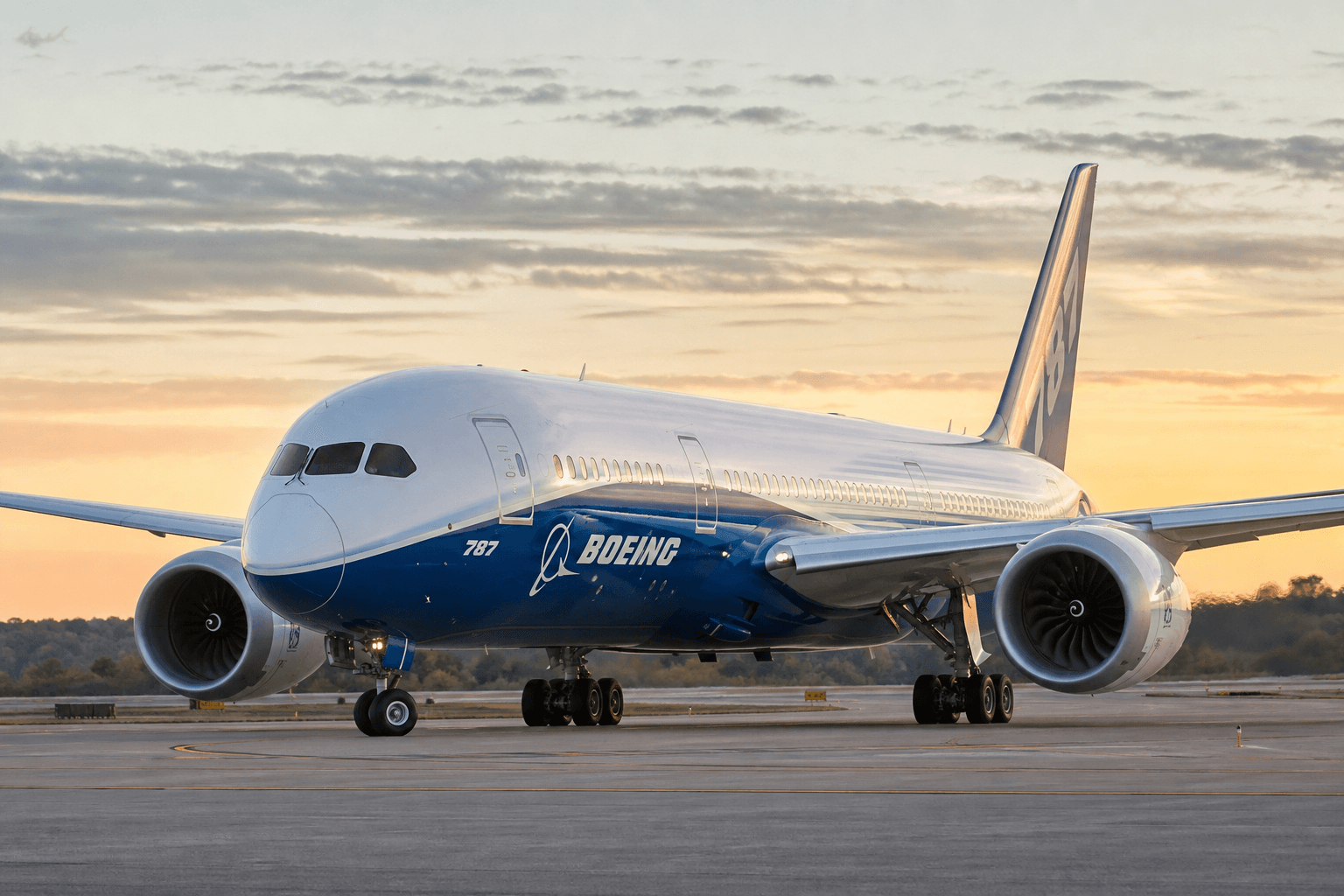
Boeing 787 Dreamliner List Price More Than Doubles Since 2011 Service Entry
The Boeing 787 Dreamliner represented one of the most ambitious commercial aircraft programs of the modern aviation era. Officially launched in 2004 and entering airline service in 2011, the aircraft introduced significant technological changes, including extensive use of composite materials, improved fuel efficiency, and long-range capabilities designed to reshape the economics of long-haul travel.
![American Airlines Launches 13 Exciting New Nonstop International Routes [Full List]](/_next/image?url=https%3A%2F%2Favoibnodqwjxlpbhunuu.supabase.co%2Fstorage%2Fv1%2Fobject%2Fpublic%2Fstory-images%2Fai%2Famerican-airlines-launches-13-exciting-new-nonstop-international-routes-full-lis-c37331d2.png&w=3840&q=75)
American Airlines Unveils 13 New Nonstop International Routes in 2026 Expansion
International flights are a key part of the puzzle for American Airlines , which connects its home hubs to a wide range of international destinations. According to current data made available by Cirium , an aviation analytics company, a look at the carrier's international network in 2026 compared to 2025 shows that 13 new routes have started or will start this year.
The Daily Touch & Go
The day's best aviation news in your inbox. Free, no spam.