

Illustration: The Touch & Go
EasyJet Accepts $7.3 Billion Takeover Bid from Castlelake
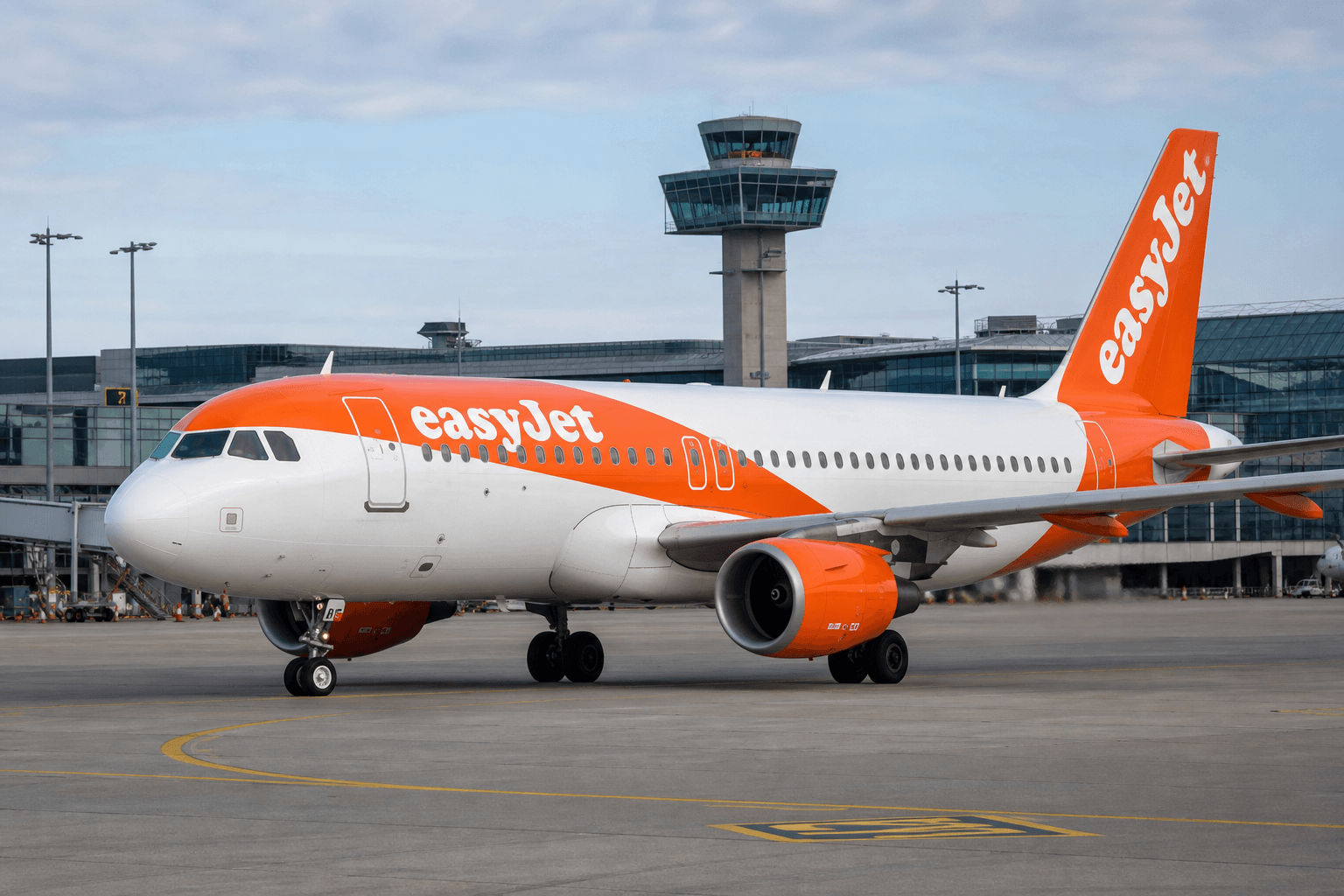
EasyJet has agreed to a $7.3 billion acquisition by Castlelake after rejecting earlier proposals from the investment firm.
The gist
EasyJet has finalized a $7.3 billion takeover deal with Castlelake following prior rejected offers.
Continuing coverage
All Low-Cost Carriers →- AirAsia X ends widebody expansion, pivots to Airbus A321XLR single-aisle strategy
- Avelo Airlines to Begin Commercial Flights at McKinney National Airport in November 2026
- US Firm Castlelake Plans £5.5B Takeover of easyJet, Raising Fleet and Route Questions
- Ryanair Flights Often Operated by Subsidiary Airlines Including Buzz and Malta Air
- Breeze Airlines Expands with 11 New Routes, Targeting Underserved Airports
EasyJet, the prominent European low-cost carrier, has agreed to be acquired by alternative investment firm Castlelake in a deal valued at approximately $7.3 billion. This agreement comes after EasyJet previously dismissed several takeover proposals from Castlelake, demonstrating a significant shift in the airline's strategic considerations. The finalized acquisition marks a notable development for the airline and the broader industry, as consolidation efforts continue amid a challenging post-pandemic environment.
The acquisition offer, now accepted by EasyJet’s board, represents one of the largest deals involving a European low-cost airline. Details indicate that shareholders will receive favorable terms, reflecting confidence in EasyJet’s strong brand and operational fundamentals. The deal aims to leverage Castlelake’s financial resources and strategic expertise to drive future growth and competitiveness in the budget air travel segment.
In recent years, EasyJet had resisted takeover overtures, particularly those submitted by Castlelake, signaling a preference for maintaining independence amid ongoing market recovery. However, evolving market conditions, including rising competition and economic pressures, may have influenced the airline to embrace this partnership, viewing it as an opportunity to sustain expansion and optimize operational efficiencies.
Castlelake, known for its investments across diverse sectors including transportation and infrastructure, brings not only capital but also strategic oversight that could assist EasyJet in navigating complex regulatory and operational challenges. The firm's approach often involves active engagement with portfolio companies to enhance value, suggesting potential transformations within EasyJet's business practices and growth strategies.
EasyJet operates an extensive fleet of Airbus A320 family aircraft, serving numerous routes across Europe and beyond. The airline’s established network and cost-focused model have made it a key player in the budget travel market. This takeover could facilitate fleet modernization efforts and route optimization initiatives, supported by Castlelake's investment capabilities.
The timing of this acquisition is critical as the aviation industry grapples with fluctuating demand, inflationary pressures, and sustainability requirements. EasyJet has previously undertaken measures such as fleet renewal and carbon offset programs to improve efficiency and reduce environmental impact. The new ownership structure might accelerate these initiatives and introduce fresh capital for innovation in sustainable aviation practices.
Stakeholders, including employees, customers, and aviation regulators, are expected to assess the impact of this ownership change. While EasyJet’s operational model and customer service standards have been widely respected, Castlelake’s influence may bring shifts in corporate governance and strategic direction. Effective communication with all parties will be essential to ensure a smooth transition and maintenance of service quality.
As this acquisition moves forward, industry observers will monitor regulatory approval processes, potential restructuring plans, and the integration of Castlelake’s strategic objectives. The transaction underscores ongoing consolidation trends within the European low-cost carrier market, where scale and financial resilience are critical for sustained competitiveness.
Ultimately, the finalized Castlelake takeover opens a new chapter for EasyJet, positioning it to harness fresh investment and strategic guidance. This development reflects broader dynamics in aviation where collaboration between airlines and investment firms shapes the future of air travel across key markets.
Read more
All Airlines →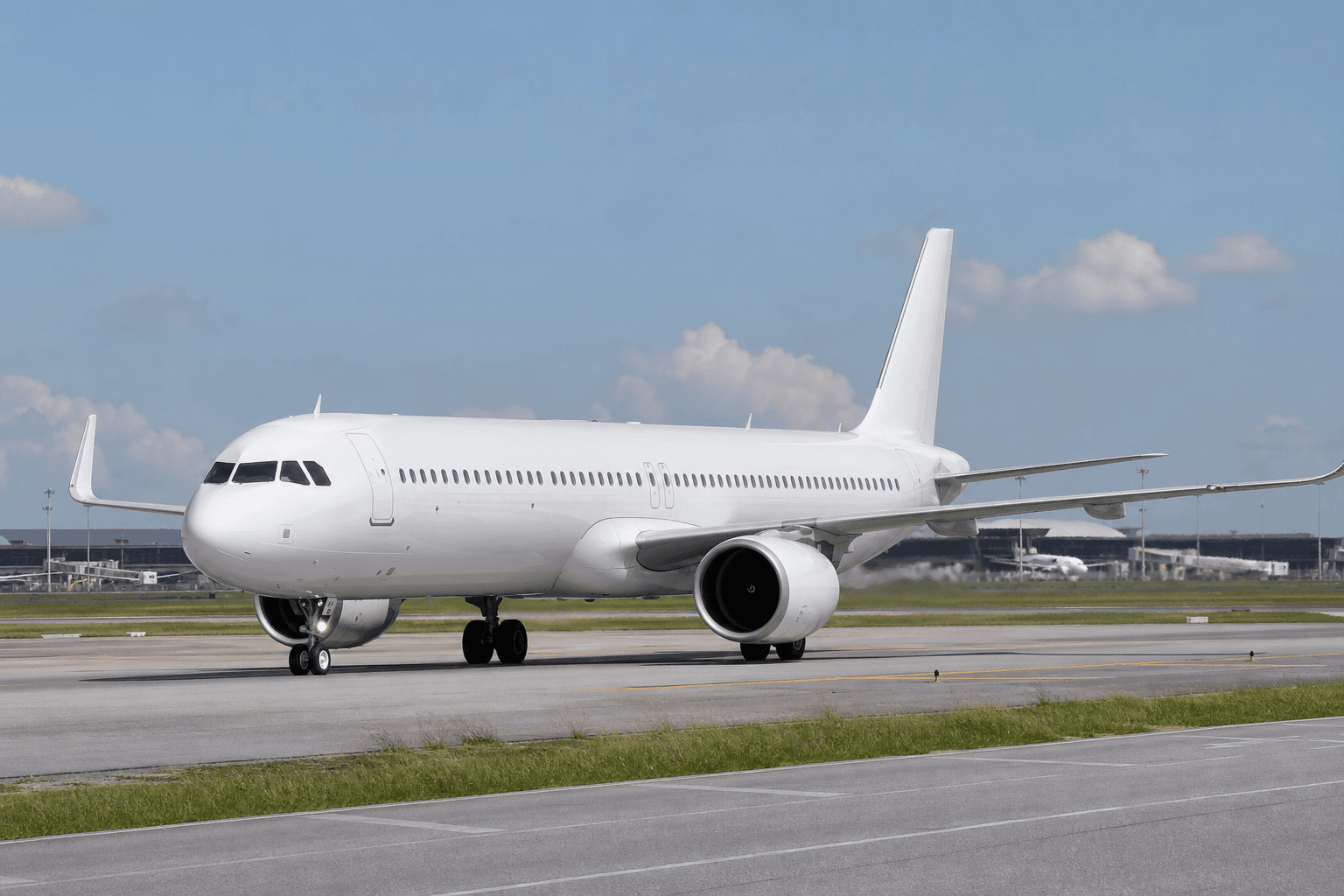
AirAsia X ends widebody expansion, pivots to Airbus A321XLR single-aisle strategy
In mid-2026, Airbus was hit with a major decision from one of its long-standing customers. AirAsia X and Airbus reached a mutual agreement to remove the remaining 15 Airbus A330-900 aircraft from the manufacturer's backlog. The decision unravels a long-shelved widebody expansion plan that had previously been framed as the future of budget travel across the Asia-Pacific region. Now formally striking these twin-aisle flagships from its future alignment, the airline group has reached an undeniable conclusion: the economic realities of flying massive, multi-aisle jets on long-distance budget routes no longer make structural sense in a volatile global market.
![Delta Air Lines Launches 6 New Nonstop International Routes [Full List & Map]](/_next/image?url=https%3A%2F%2Favoibnodqwjxlpbhunuu.supabase.co%2Fstorage%2Fv1%2Fobject%2Fpublic%2Fstory-images%2Fai%2Fdelta-air-lines-launches-6-new-nonstop-international-routes-full-list-and-map-87bbc477.png&w=3840&q=75)
Delta Air Lines Expands Global Reach With Six New Nonstop International Routes
Delta Air Lines is the US's third-largest operator for international flights. Between July 2026 and March 2027, OAG data shows that the SkyTeam member plans an average of 244 daily departures. Compared to the same period in 2025-2026, international activity has jumped by 4%. Many new routes, some of which launched earlier this year , contributed.
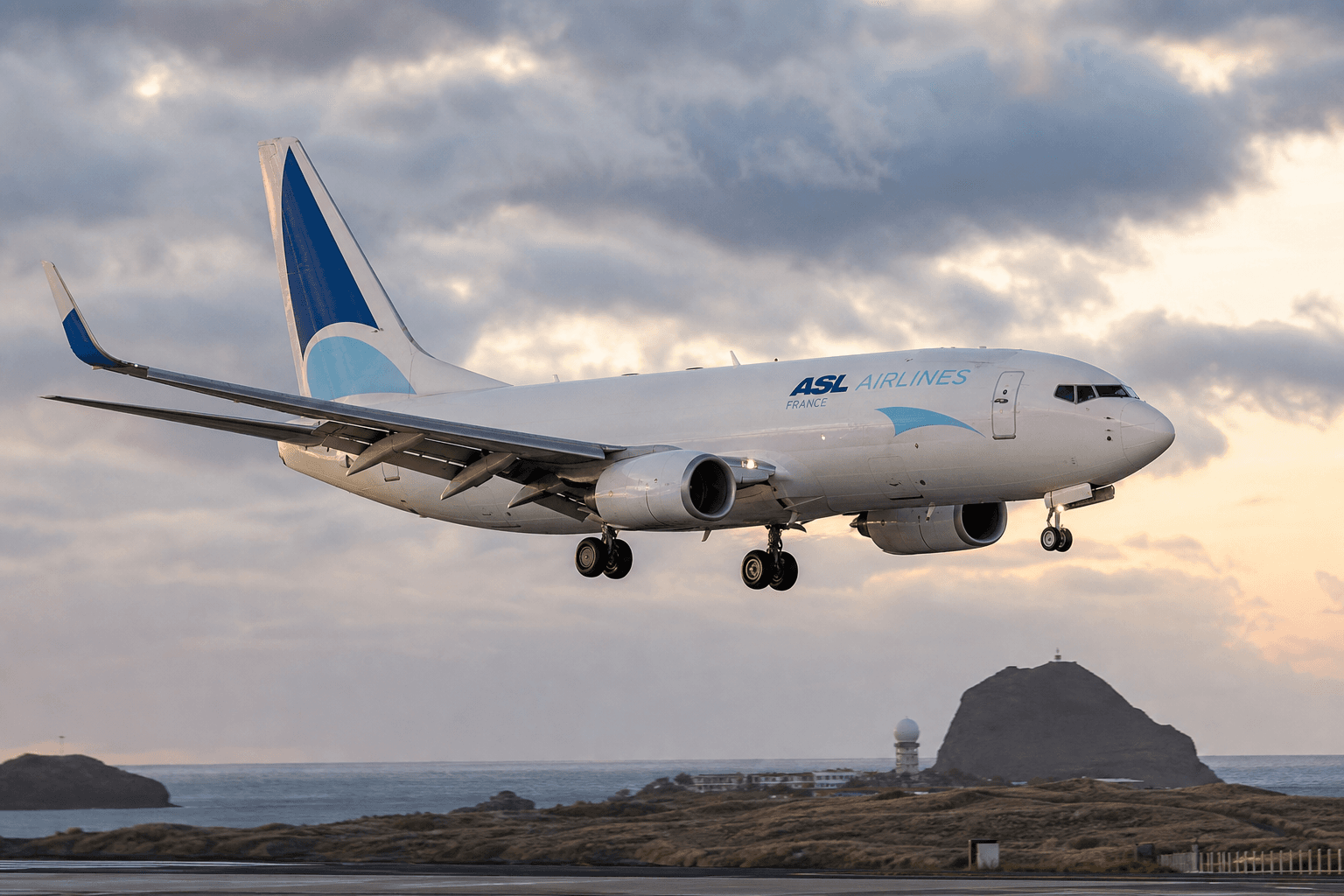
Air Saint-Pierre Operates Rare Paris to Saint-Pierre Transatlantic Flights Using Boeing 737-700
The transatlantic market between North America and Europe has long been one of the most lucrative areas of the commercial aviation sector. However, you'd be wrong if you thought that this part of the airline industry consisted entirely of huge widebody jets flying between intercontinental mega hubs. While narrowbodies are becoming more common here, one route stands out as especially obscure.
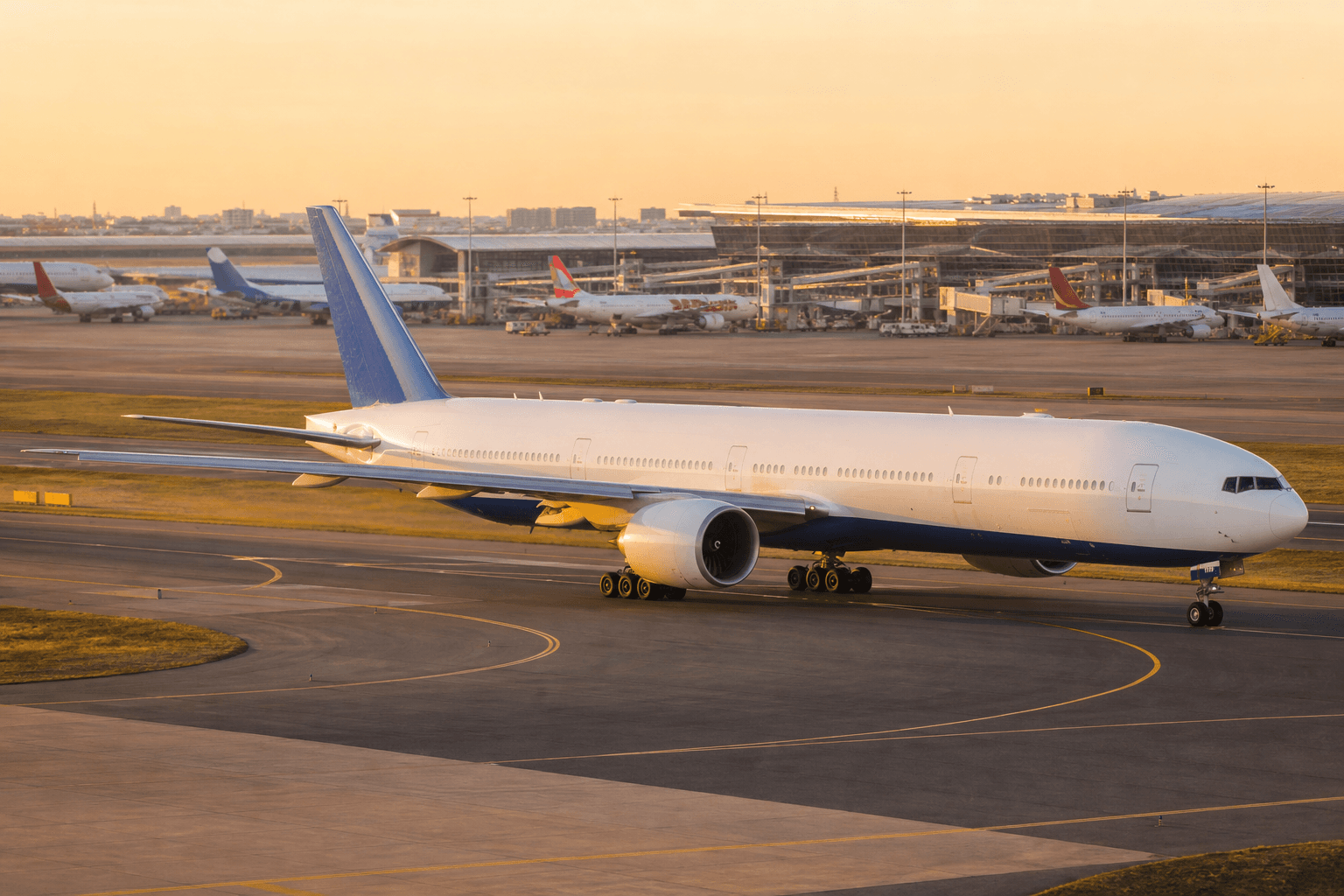
How a Single Airline CEO Can Influence oneworld Alliance Membership Decisions
In the early days of aviation, there was no concept of airline alliances . Airlines built their own networks, sold tickets for their own flights, and competed largely on the destinations they could serve. That, however, has changed significantly over the past few decades. Airlines are consistently seeking ways to strengthen their global presence and remain competitive, making alliance membership an increasingly attractive strategic move.
The Daily Touch & Go
The day's best aviation news in your inbox. Free, no spam.