

Illustration: The Touch & Go
AOPA Foundation to launch high school aviation maintenance curriculum by 2028
The AOPA Foundation will expand its free aviation STEM program with a maintenance and manufacturing pathway designed to address mechanic shortages and prepare students for technical aviation careers.
The gist
AOPA Foundation to introduce a maintenance curriculum in high schools by 2028 to tackle aviation mechanic shortages and expand career training.
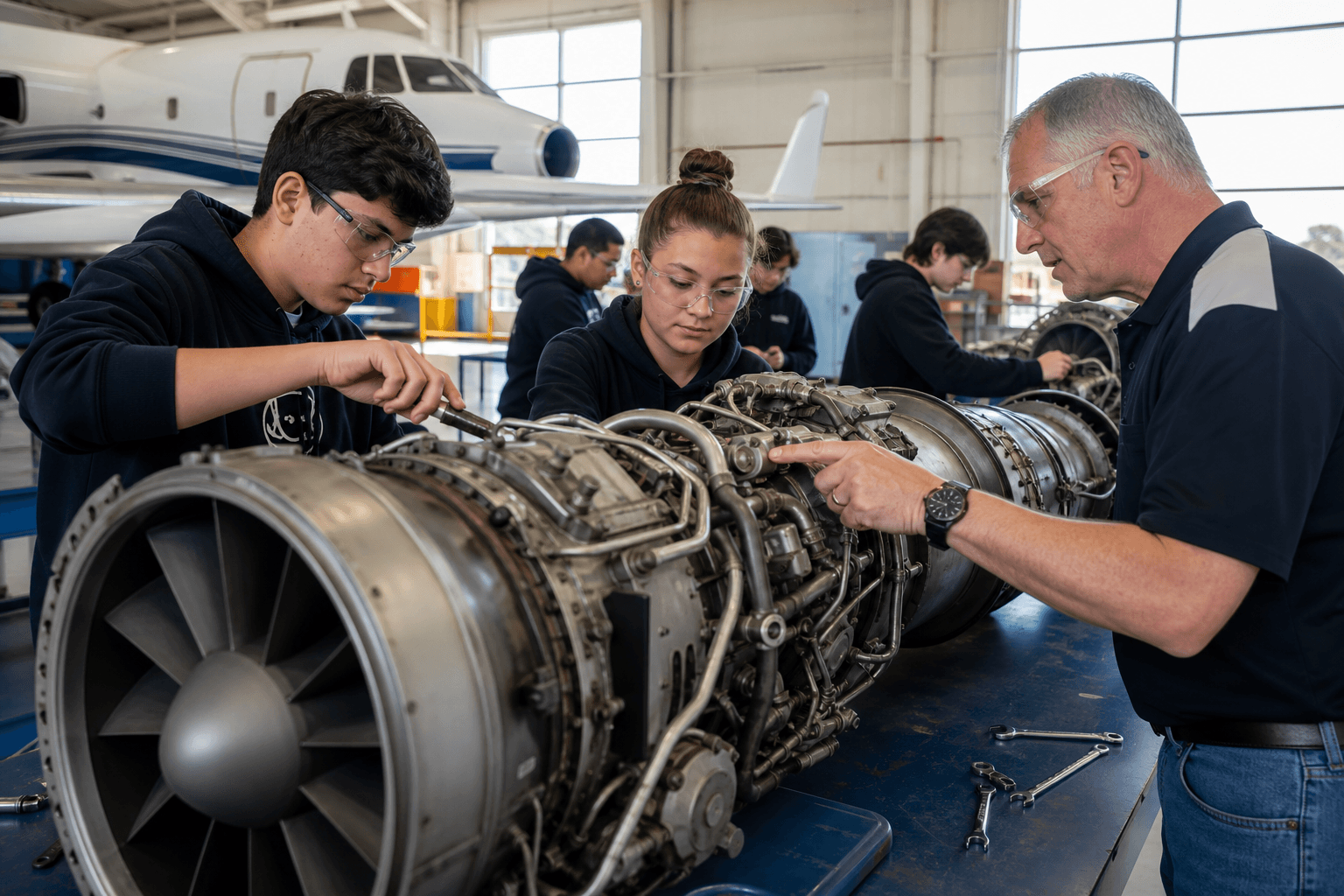
The Aircraft Owners and Pilots Association (AOPA) Foundation has announced plans to augment its nationally recognized high school aviation STEM curriculum with a new maintenance and manufacturing pathway, targeted for rollout as early as 2028. This addition aims to complement the existing pilot, drone, and career preparation courses offered to students across the United States.
Since its inception in 2016, the AOPA high school program has provided free aviation education to over 130,000 students, reaching all 50 states as well as U.S. territories like Guam and the Virgin Islands. In the 2025-2026 academic year alone, more than 32,000 students at over 1,500 high schools participated. The program’s curriculum is STEM.org reviewed and embraces diversity, with half of participants identifying as students of color and nearly a quarter as female.
The impetus for the new maintenance and manufacturing pathway stems from a recognized shortage of aviation mechanics, a challenge impacting operators and owners nationwide. AOPA acting Co-President Katie Pribyl highlighted firsthand experiences with mechanic bottlenecks, describing prolonged shop wait times and the operational strain caused by retiring certificated mechanics.
Industry data underscores the urgency for action. According to a 2023 FAA congressional hearing, the issuance of mechanic certificates has plateaued over the past two decades, with projections indicating that by 2031 more than 90,000 certificated mechanics will reach retirement age. The Aviation Technician Education Council estimates a future shortfall, expecting demand for 90,000 mechanics while only 79,000 are projected to enter the workforce during the early 2030s.
To ensure the new curriculum provides relevant skills aligned with industry needs, the AOPA Foundation will establish an advisory board comprising aviation leaders and educators. This group will guide curriculum development to balance hands-on technical training with high school scheduling and resource constraints.
The curriculum development process is expected to span two to three years, culminating in a field test around 2028. Prior steps include identifying key certifications and skills necessary for entry-level maintenance careers, designing engaging learning experiences, and delivering comprehensive teacher training and resources.
Dan Justman, AOPA Foundation Programs Vice President, praised the existing high school program's success and emphasized the potential of the new pathway to open career opportunities in aircraft maintenance and manufacturing. The foundation views the initiative as vital to sustaining a robust maintenance workforce, which directly supports aircraft availability and aviation safety.
Elizabeth Tennyson, Senior Vice President at the AOPA Foundation, noted that this curriculum expansion aligns with the foundation's mission to support the entire aviation ecosystem. The foundation also offers scholarships to aspiring mechanics and pilots, flight clubs to reduce operational costs, and programs assisting pilots in maintaining proficiency.
Funded by donations, including a contribution from Gregory and Cindy Kozmetsky's GCK Legacy Fund, the AOPA Foundation continues to mobilize resources to address workforce needs critical to aviation's future. The new curriculum represents a strategic effort to attract and prepare the next generation of aviation maintenance professionals before they graduate.
This development responds to calls for enhanced recruitment and promotional outreach in the aviation maintenance profession, which industry stakeholders and the Government Accountability Office lament as underdeveloped compared to pilot career pathways. By integrating maintenance education at the high school level, the AOPA Foundation seeks to create a sustainable talent pipeline to meet evolving aviation demands.
Frequently asked questions
- When will the AOPA Foundation's maintenance and manufacturing curriculum be available for high schools?
- The curriculum is expected to be field tested and potentially available as early as 2028, following two to three years of development.
- What is the purpose of adding the maintenance and manufacturing pathway to the AOPA high school program?
- The pathway aims to address the shortage of aviation mechanics by preparing students for careers in aviation maintenance and manufacturing through a free, nationally recognized STEM curriculum.
- How is the AOPA Foundation ensuring the new curriculum meets industry needs?
- An advisory board of industry leaders and educators will guide development to incorporate necessary skills and certifications while accommodating typical high school environments.
Read more
All MRO/Maintenance →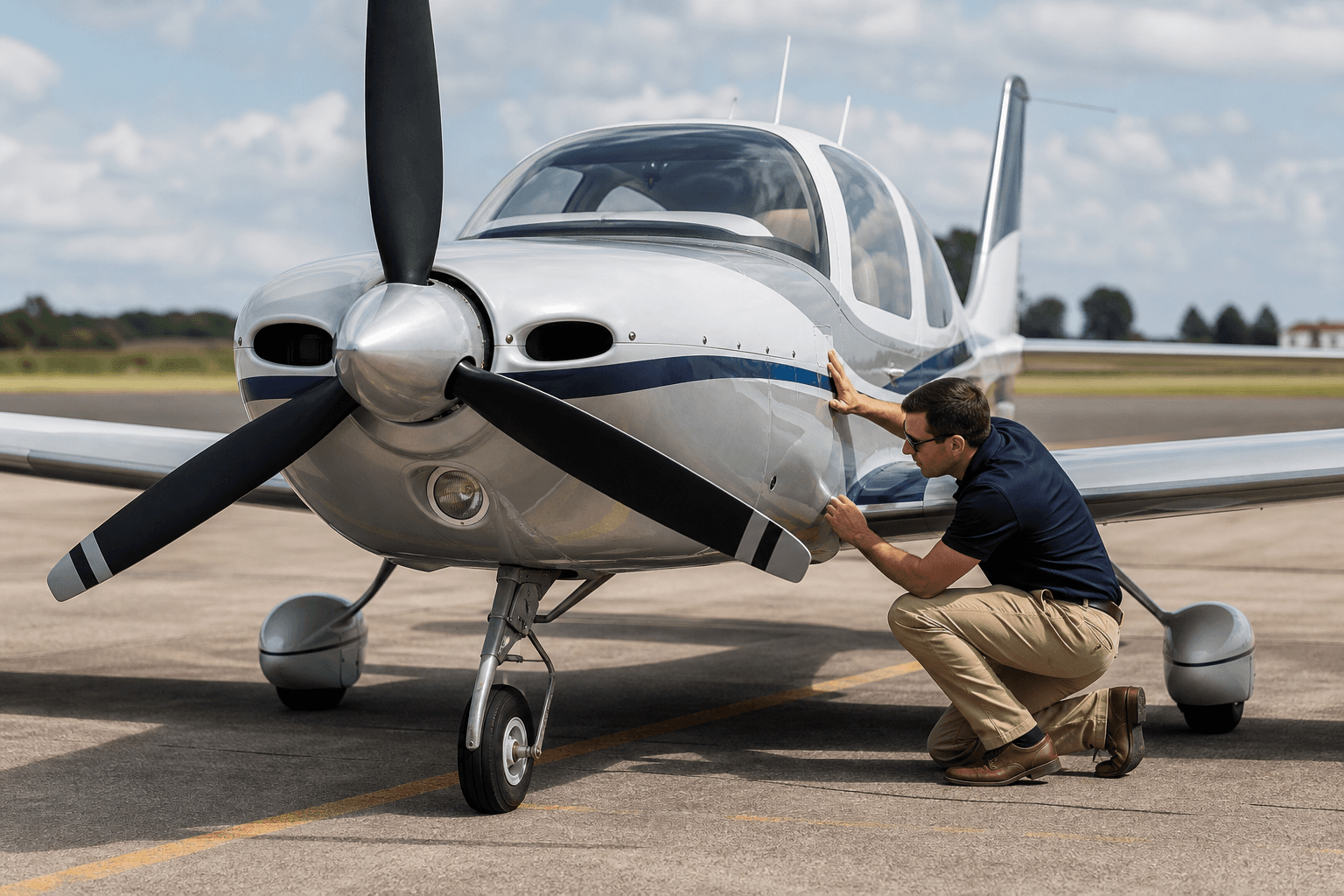
Essential Maintenance Tips for Pilots Heading to AirVenture Oshkosh and Beyond
With EAA AirVenture Oshkosh in Wisconsin around the corner, thousands of pilots are preparing to take their aircraft on long cross country trips. Inevitably, some of those pilots will find themselves facing a challenging maintenance issue far from home. Preparation is the key here, and a little advance planning can go a long way toward reducing your risk and salvaging your trip. Here are some of the most important do's and don'ts for your next cross-country adventure:
Pilots Gear Up for Summer with Essential Pre-Trip Aircraft Maintenance Tips
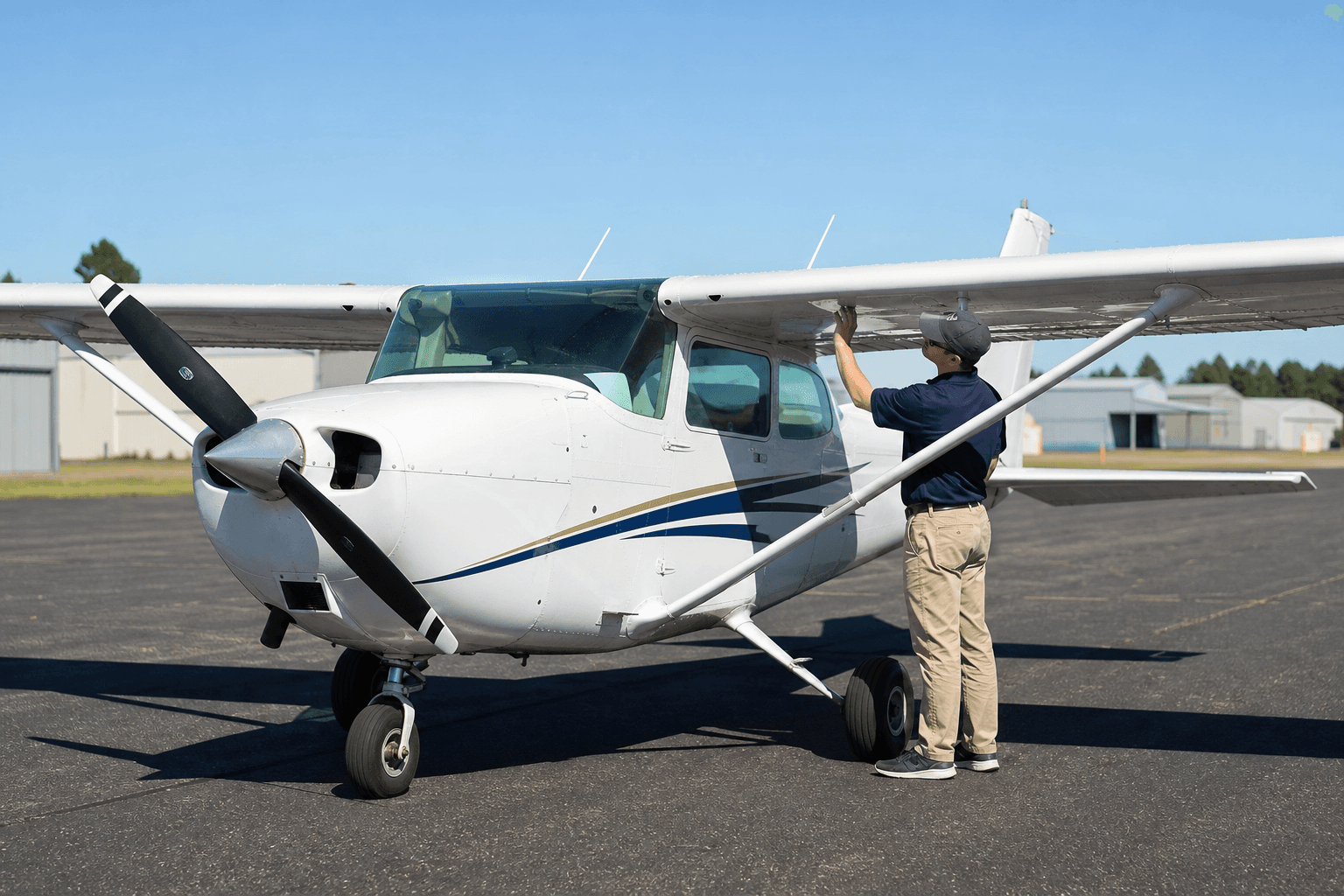
With EAA AirVenture Oshkosh in Wisconsin around the corner, thousands of pilots are preparing to take their aircraft on long cross country trips. Inevitably, some of those pilots will find themselves facing a challenging maintenance issue far from home. Preparation is the key here, and a little advance planning can go a long way toward reducing your risk and salvaging your trip. Here are some of the most important do's and don'ts for your next cross-country adventure:

2019 Cirrus SF50 G2 Vision Jet Offers Sophisticated, Ready-to-Fly Personal Jet Experience
Every day, the team at Aircraft For Sale chooses an airplane that catches our attention because it is unique, a good deal, or has other qualities we find interesting. You can read Aircraft For Sale: Today's Top Pick at FLYINGMag.com daily. Today's Top Pick is a 2019 Cirrus SF50 G2 Vision Jet. This Cirrus SF50 G2 represents the absolute sweet spot of the personal jet revolution that the Vision Jet helped usher in. For owner-pilots stepping up from high-performance pistons like the SR22T, this aircraft offers a familiar operational philosophy but elevates capabilities to a transcontinental scale. With a modest 1,150 hours on the airframe since leaving the factory, this single-owner V-tail jet delivers a maximum cruise speed of 311 knots and an expanded flight envelope, enabling you to soar high above adverse weather with absolute confidence. Cross the threshold into the pressurized cabin, and it becomes immediately clear why Cirrus refers to this space as an executive sanctuary rather than just a fuselage. The interior features a flexible, modular seating layout swathed in premium charcoal leather that comfortably accommodates up to five adults and two children, bathed in ambient LED accent lighting. Passengers can enjoy an incredibly quiet ride thanks to G2 sound-reduction engineering, a low 8,000-foot cabin altitude at cruise, automatic climate control, and a drop-down 22-inch entertainment screen. The exterior is equally striking, finished in a high-end, custom multi-tone paint scheme that commands attention on any ramp. The Williams FJ33-5A turbofan engine produces a robust 1,846 pounds of thrust, managed seamlessly by a dual-channel Full Authority Digital Engine Control (FADEC) system that eliminates hot-start worries and simplifies power management down to a single lever. This engine is fully enrolled in the factory's comprehensive Jetstream Concierge program, eliminating the financial unpredictability of turbine maintenance. 2019 Cirrus SF50 G2 Vision Jet [Credit: Aerista] For ultimate peace of mind, the revolutionary Cirrus Airframe Parachute System (CAPS) is fully sorted, complemented by a certified annual inspection completed in June 2026. Listed at $2,349,000 , this 2019 Cirrus SF50 G2 Vision Jet stands as a great chance to step directly into the turbine lifestyle. The sale is further enhanced by the inclusion of Cirrus Embark transition training, ensuring your transition to jet commander is smooth and safe. If you're exploring ownership options, FLYING Finance can help get you airborne. Use our airplane loan calculator to estimate your monthly payments, or connect with an aviation finance expert at flyingfinance.com . FLYING Magazine: Cirrus Delivers 500th SF50 Vision Jet FLYING Magazine: Verijet Adds 3 Cirrus SF50 G2+ Vision Jets to Fleet FLYING Magazine: We Fly: Cirrus Vision Jet G2+ FLYING Magazine: Cirrus Adds Second Vision Jet Simulator Plane + Pilot : 2019 Planes Of The Year: Cirrus SF50 Vision Jet G2 And Piper 100 The Aviation Consumer: Cirrus Jet G2+: More Power, Gogo Wi-Fi
Danbury Municipal Airport Secures $4.2 Million FAA Grant for Secondary Runway Rehab
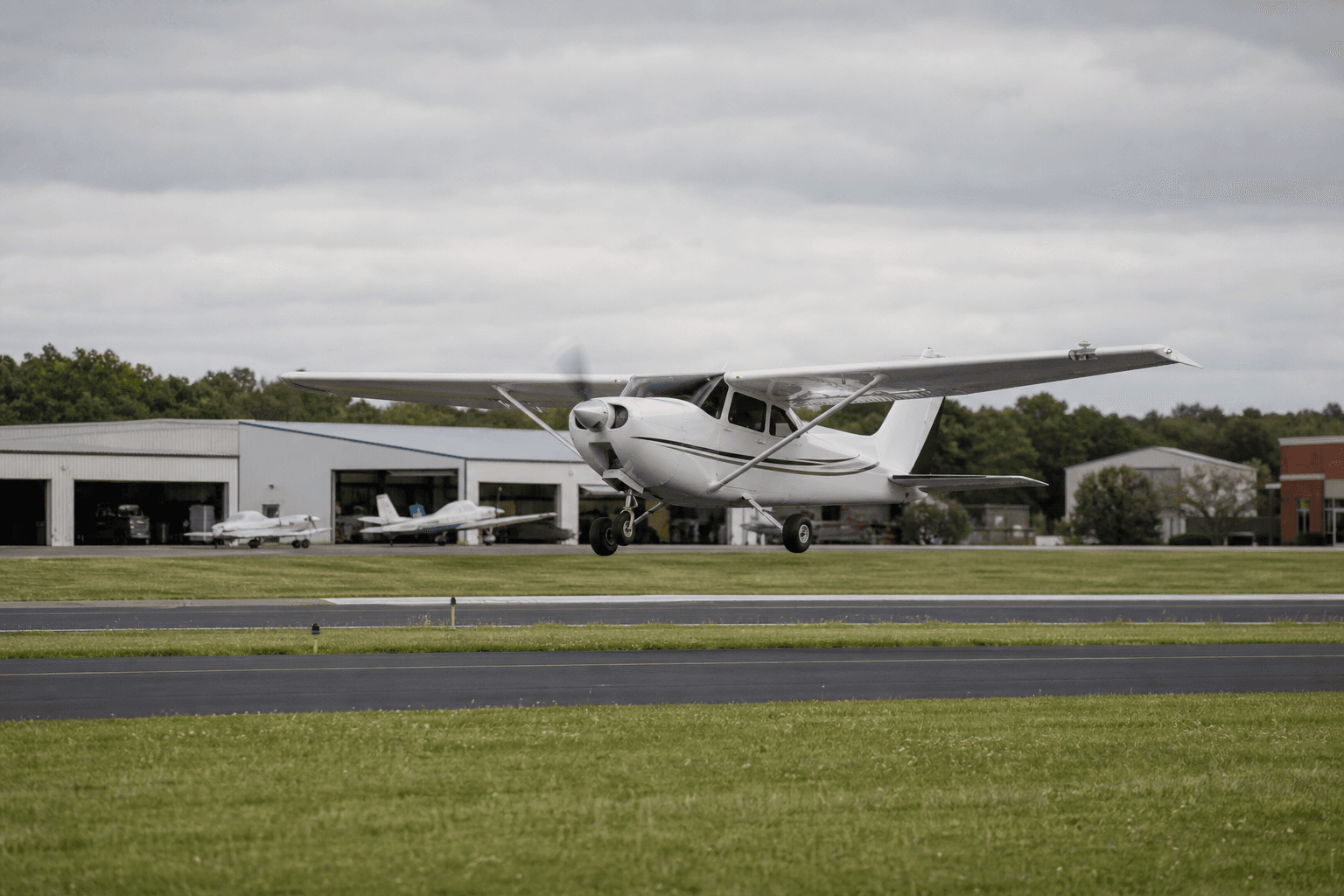
A decades-old airport record helped Connecticut’s Danbury Municipal Airport secure a $4.2 million FAA grant to rehabilitate its secondary runway, keeping it in service rather than facing possible closure. Officials uncovered records from the 1990s identifying the pavement as a noise-abatement runway rather than simply a crosswind runway. That designation made the project eligible for Airport Improvement Program funding after previous grant requests had been denied. Airport Administrator Mike Safranek told the Stamford Advocate he discovered the paperwork while reviewing archived airport records. Once the runway’s historical designation was documented, the FAA approved funding for the long-needed rehabilitation project, which the Danbury City Council has since accepted. Without the grant, airport officials said the city likely would not have been able to afford the estimated $4 million reconstruction project. The aging runway had deteriorated to the point where closing it was being considered. Although the runway is not the airport’s primary landing surface, it provides an alternate runway when crosswinds make operations on the main runway less favorable. Preserving that capability was a major factor behind the airport’s efforts to secure federal assistance. According to the Stamford Advocate , Danbury Municipal Airport is one of Connecticut's busiest general aviation airports, with about 70,000 annual operations and is home to is roughly 220 based aircraft. The airport supports flight schools, charter operators, maintenance businesses and aircraft storage facilities. Construction on the rehabilitated runway is expected to begin in the coming months.
The Daily Touch & Go
The day's best aviation news in your inbox. Free, no spam.