


Illustration: The Touch & Go
Tech Boom Fuels Surge in Private Jet Demand Among Young SpaceX Employees
Following SpaceX's record IPO, many tech workers are turning to private aviation, driving growth in fractional ownership and charter services with higher demand and prices.
The gist
SpaceX IPO wealth is fueling a youth-driven boom in private jet use, boosting demand and prices in the business aviation market.
Continuing coverage
All Business Aviation →- NBAA Opens Nominations for 2026 Gold Wing Award Honoring Business Aviation Journalism
- Private Jet Charter Costs in 2026 Vary Widely by Aircraft Size and Hidden Fees
- Jet Aviation Secures 30-Year Lease to Launch New FBO at Rocky Mountain Metropolitan Airport
- US Private Jet Pilots Earn Average $130,916 Annually with Wide Salary Range
- NBAA urges stronger FAA-industry safety partnerships amid recent aviation close calls
The recent public offering of SpaceX has triggered an unprecedented influx of young technology professionals into the private aviation sector. SpaceX’s initial public offering raised a staggering $85.7 billion in June, pushing the company's valuation near $2 trillion. This event positioned approximately 4,000 SpaceX employees to become millionaires upon selling their stock, fueling interest in private jet travel beyond traditional high-net-worth individuals.
Aircraft brokers in California have noted a dramatic shift in their customer demographics. Where roughly one-third of clients were from the tech industry a decade ago, now about 75 percent of their clientele are technology workers. This demographic shift is accompanied by increased spending, with clients reportedly willing to pay 10 to 15 percent more for chartered flights compared to the previous year, reflecting a surge in demand within this emerging market segment.
The economics of private aviation remain steep, with hourly charter rates ranging from $2,500 to $19,000 depending on various factors such as aircraft type and itinerary. Purchasing new jets spans an even wider financial spectrum, with aircraft costing anywhere from $1.1 million to $90 million, exclusive of crew salaries, insurance, maintenance, and fuel. Despite these costs, rising incomes among tech employees are expanding the pool of individuals able to afford such luxuries.
Jet Linx, an operator specializing in private jet and jet-card memberships, reported a 70 percent uptick in business this year through May. This growth notably outpaced expectations and was especially pronounced in Texas cities like San Antonio, Dallas, and Austin—regions geographically proximate to SpaceX’s launch operations near the Texas-Mexico border. Mercury Jets, another charter provider, corroborated this trend with double-digit increases in tech executive clientele following the SpaceX IPO.
Further supporting the surge in private aviation is data from WingX and Jetnet. Business jet activity near SpaceX’s launch site spiked by 177 percent during the IPO period. Globally, private owner-operated flights increased by 13.4 percent in early 2026, with fractional ownership climbing nearly 12 percent. Business jet traffic in San Francisco also rose approximately 11 percent year-over-year, reflecting heightened regional wealth associated with anticipated IPOs from major tech companies like OpenAI and Anthropic.
Industry leaders observe a generational shift in private jet clientele, with younger, self-made millionaires driving demand. Flexjet’s executive vice president noted the influx of first-generation wealth holders entering their customer base, marking a departure from the historically older clientele. This mirrors trends seen during the dotcom boom, when business jet deliveries grew about 24 percent in the late 1990s and early 2000s.
North America continues to dominate the global private aviation market, accounting for 71 percent of business jet departures as of May 2026. Corporate profits in the U.S. have recently hit record highs, with the number of ultra-high-net-worth individuals increasing year-over-year, fueling sustained growth in sector demand. However, contrasting consumer confidence data signals complex economic dynamics influencing the broader market.
While some regions like Latin America and Africa exhibit strong growth in private aviation activity, others such as the Middle East are experiencing contractions. Additionally, traditional corporate flight departments and branded charter operators have seen decreases in utilization. Despite a slight downturn in total business jet deliveries and pre-owned aircraft transactions, order backlogs are at record levels, indicating robust future production and a seller’s market due to limited inventory and aging aircraft.
The convergence of young technological wealth and private aviation highlights a cultural and economic transformation within the industry. The influx of first-generation millionaires is driving not only higher demand but also shifts in preferences towards fractional ownership and jet card memberships. This trend is reshaping private aviation and expanding its customer base beyond traditional circles, pointing to a new era of private travel accessibility and market dynamics.
Frequently asked questions
- How has SpaceX's IPO impacted private jet demand?
- SpaceX's June IPO made around 4,000 employees millionaires, stimulating strong interest in private jet travel and increasing demand for charters and fractional ownership.
- What changes are observed in the demographics of private jet customers?
- The majority of private jet clients have shifted to technology workers, rising from about one-third a decade ago to roughly 75 percent today, with younger self-made millionaires becoming more prevalent.
- Which regions have seen notable growth in private aviation activity recently?
- Texas cities near SpaceX launch sites and San Francisco have witnessed significant increases in business jet activity, alongside growth across North America and emerging markets in Latin America and Africa.
Read more
All MRO/Maintenance →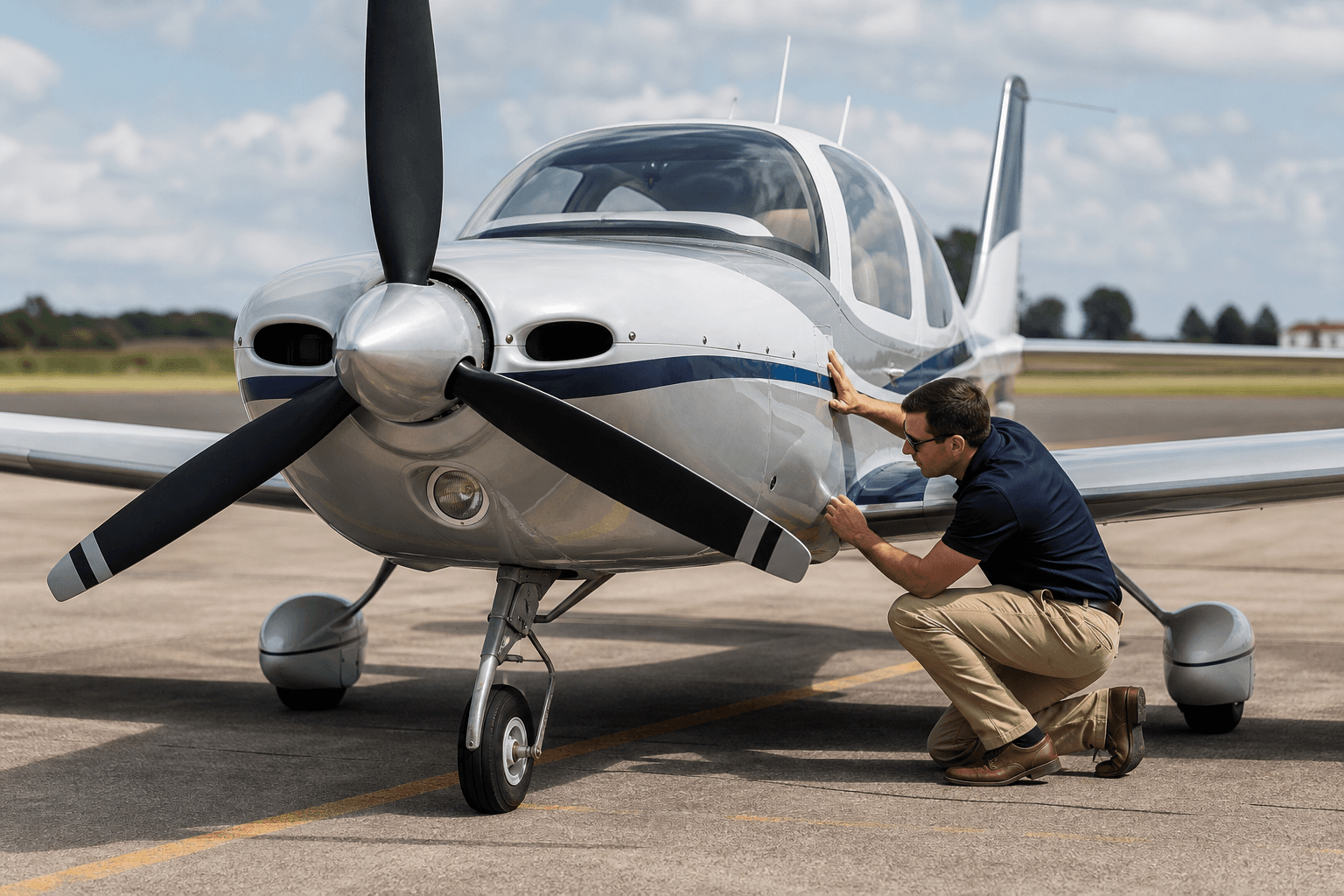
Essential Maintenance Tips for Pilots Heading to AirVenture Oshkosh and Beyond
With EAA AirVenture Oshkosh in Wisconsin around the corner, thousands of pilots are preparing to take their aircraft on long cross country trips. Inevitably, some of those pilots will find themselves facing a challenging maintenance issue far from home. Preparation is the key here, and a little advance planning can go a long way toward reducing your risk and salvaging your trip. Here are some of the most important do's and don'ts for your next cross-country adventure:
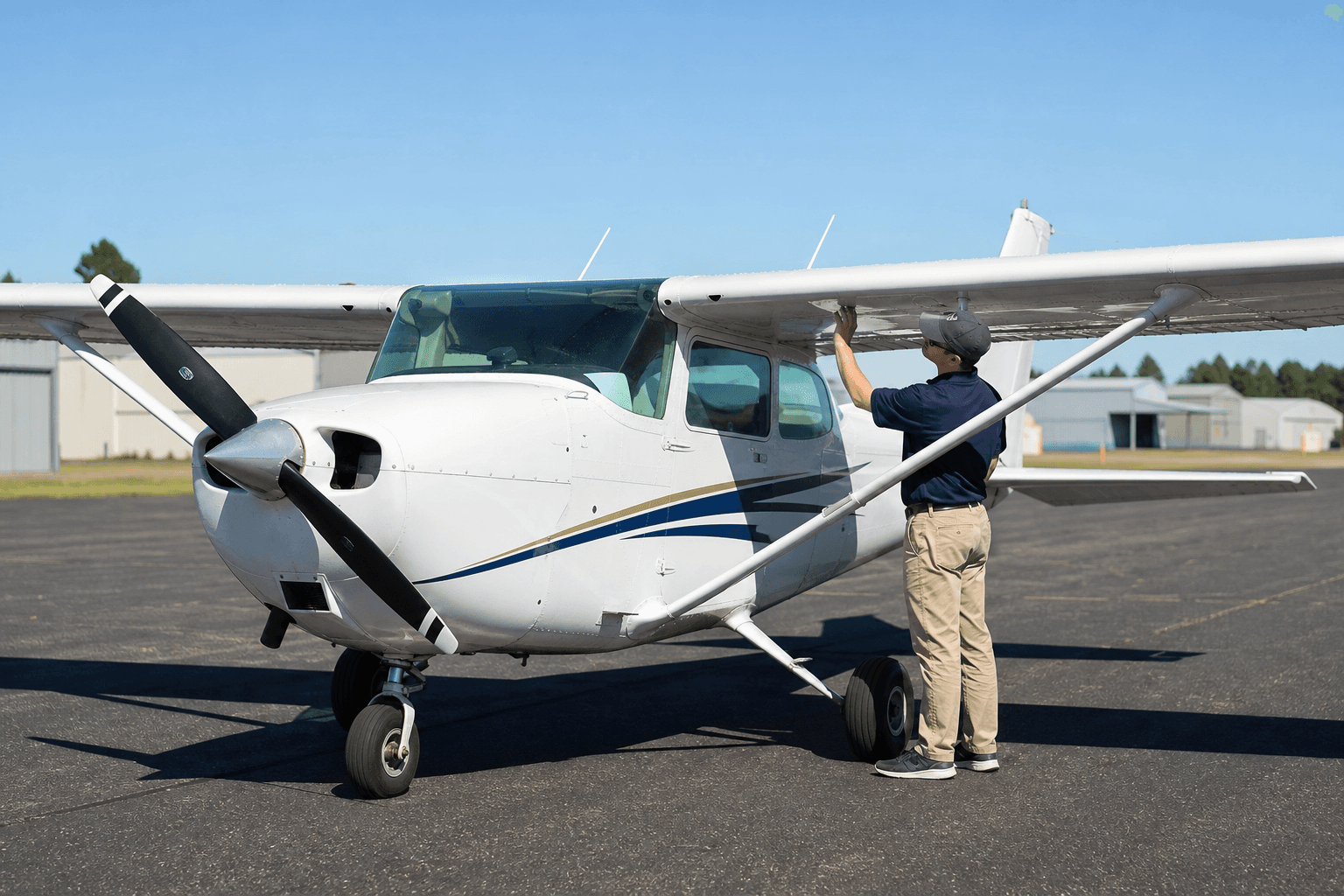
Pilots Gear Up for Summer with Essential Pre-Trip Aircraft Maintenance Tips
With EAA AirVenture Oshkosh in Wisconsin around the corner, thousands of pilots are preparing to take their aircraft on long cross country trips. Inevitably, some of those pilots will find themselves facing a challenging maintenance issue far from home. Preparation is the key here, and a little advance planning can go a long way toward reducing your risk and salvaging your trip. Here are some of the most important do's and don'ts for your next cross-country adventure:
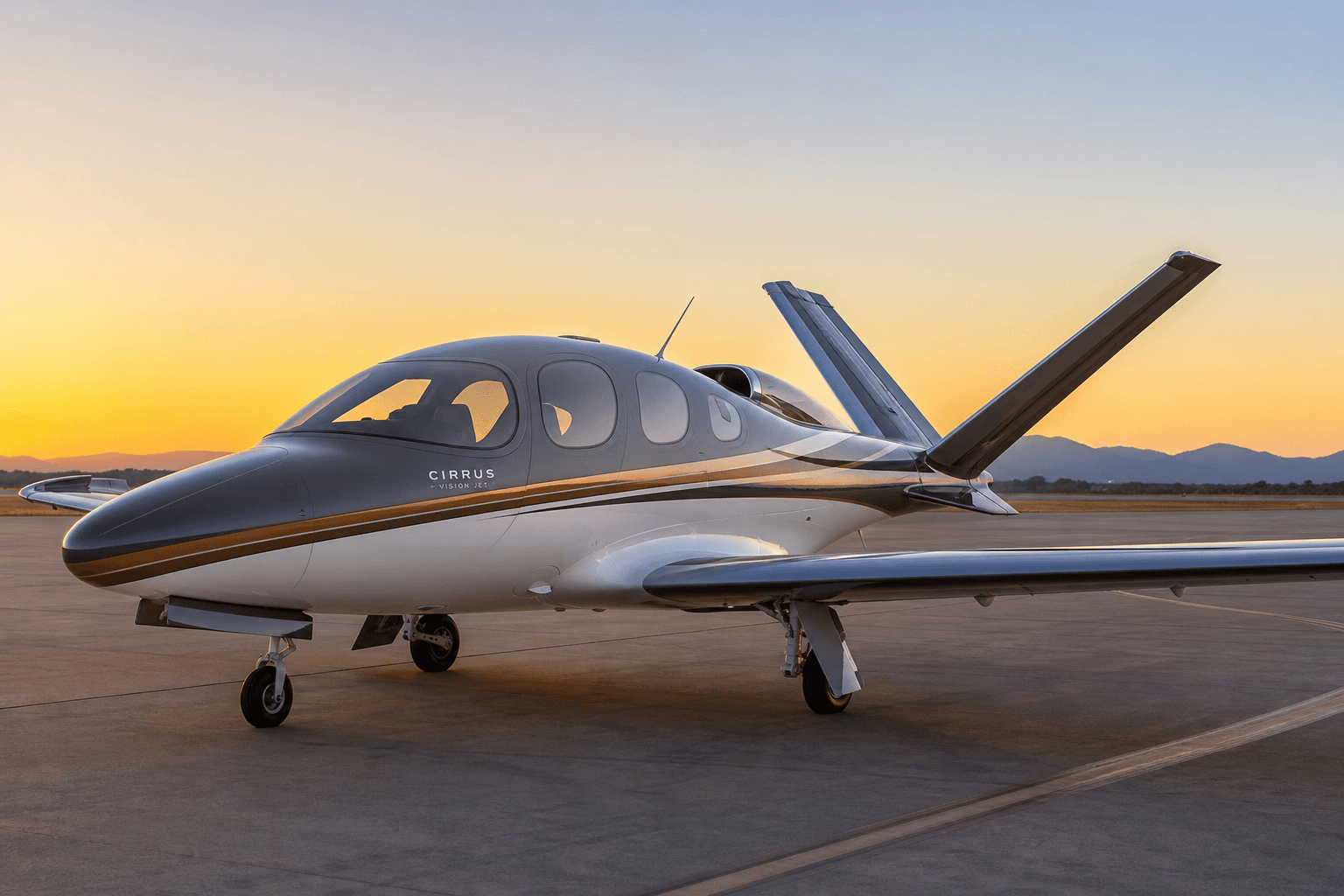
2019 Cirrus SF50 G2 Vision Jet Offers Sophisticated, Ready-to-Fly Personal Jet Experience
Every day, the team at Aircraft For Sale chooses an airplane that catches our attention because it is unique, a good deal, or has other qualities we find interesting. You can read Aircraft For Sale: Today's Top Pick at FLYINGMag.com daily. Today's Top Pick is a 2019 Cirrus SF50 G2 Vision Jet. This Cirrus SF50 G2 represents the absolute sweet spot of the personal jet revolution that the Vision Jet helped usher in. For owner-pilots stepping up from high-performance pistons like the SR22T, this aircraft offers a familiar operational philosophy but elevates capabilities to a transcontinental scale. With a modest 1,150 hours on the airframe since leaving the factory, this single-owner V-tail jet delivers a maximum cruise speed of 311 knots and an expanded flight envelope, enabling you to soar high above adverse weather with absolute confidence. Cross the threshold into the pressurized cabin, and it becomes immediately clear why Cirrus refers to this space as an executive sanctuary rather than just a fuselage. The interior features a flexible, modular seating layout swathed in premium charcoal leather that comfortably accommodates up to five adults and two children, bathed in ambient LED accent lighting. Passengers can enjoy an incredibly quiet ride thanks to G2 sound-reduction engineering, a low 8,000-foot cabin altitude at cruise, automatic climate control, and a drop-down 22-inch entertainment screen. The exterior is equally striking, finished in a high-end, custom multi-tone paint scheme that commands attention on any ramp. The Williams FJ33-5A turbofan engine produces a robust 1,846 pounds of thrust, managed seamlessly by a dual-channel Full Authority Digital Engine Control (FADEC) system that eliminates hot-start worries and simplifies power management down to a single lever. This engine is fully enrolled in the factory's comprehensive Jetstream Concierge program, eliminating the financial unpredictability of turbine maintenance. 2019 Cirrus SF50 G2 Vision Jet [Credit: Aerista] For ultimate peace of mind, the revolutionary Cirrus Airframe Parachute System (CAPS) is fully sorted, complemented by a certified annual inspection completed in June 2026. Listed at $2,349,000 , this 2019 Cirrus SF50 G2 Vision Jet stands as a great chance to step directly into the turbine lifestyle. The sale is further enhanced by the inclusion of Cirrus Embark transition training, ensuring your transition to jet commander is smooth and safe. If you're exploring ownership options, FLYING Finance can help get you airborne. Use our airplane loan calculator to estimate your monthly payments, or connect with an aviation finance expert at flyingfinance.com . FLYING Magazine: Cirrus Delivers 500th SF50 Vision Jet FLYING Magazine: Verijet Adds 3 Cirrus SF50 G2+ Vision Jets to Fleet FLYING Magazine: We Fly: Cirrus Vision Jet G2+ FLYING Magazine: Cirrus Adds Second Vision Jet Simulator Plane + Pilot : 2019 Planes Of The Year: Cirrus SF50 Vision Jet G2 And Piper 100 The Aviation Consumer: Cirrus Jet G2+: More Power, Gogo Wi-Fi
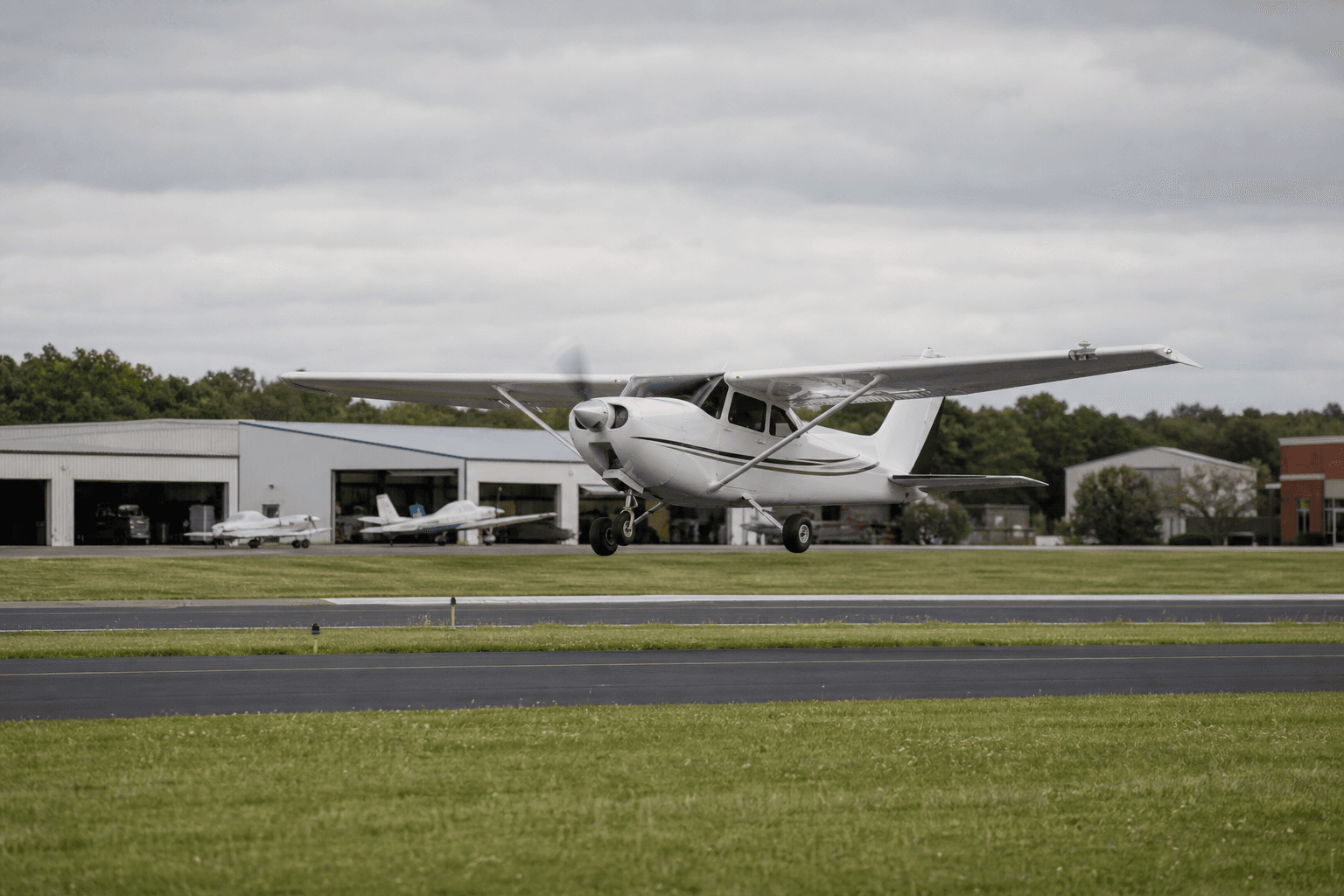
Danbury Municipal Airport Secures $4.2 Million FAA Grant for Secondary Runway Rehab
A decades-old airport record helped Connecticut’s Danbury Municipal Airport secure a $4.2 million FAA grant to rehabilitate its secondary runway, keeping it in service rather than facing possible closure. Officials uncovered records from the 1990s identifying the pavement as a noise-abatement runway rather than simply a crosswind runway. That designation made the project eligible for Airport Improvement Program funding after previous grant requests had been denied. Airport Administrator Mike Safranek told the Stamford Advocate he discovered the paperwork while reviewing archived airport records. Once the runway’s historical designation was documented, the FAA approved funding for the long-needed rehabilitation project, which the Danbury City Council has since accepted. Without the grant, airport officials said the city likely would not have been able to afford the estimated $4 million reconstruction project. The aging runway had deteriorated to the point where closing it was being considered. Although the runway is not the airport’s primary landing surface, it provides an alternate runway when crosswinds make operations on the main runway less favorable. Preserving that capability was a major factor behind the airport’s efforts to secure federal assistance. According to the Stamford Advocate , Danbury Municipal Airport is one of Connecticut's busiest general aviation airports, with about 70,000 annual operations and is home to is roughly 220 based aircraft. The airport supports flight schools, charter operators, maintenance businesses and aircraft storage facilities. Construction on the rehabilitated runway is expected to begin in the coming months.
The Daily Touch & Go
The day's best aviation news in your inbox. Free, no spam.