

Illustration: The Touch & Go
Essential Maintenance Tips for Pilots Heading to AirVenture Oshkosh and Beyond
Pilots preparing for long cross-country flights to events like AirVenture Oshkosh should prioritize thorough pre-trip maintenance and strategic packing to avoid in-flight issues.
The gist
Proper pre-trip inspections and carrying key tools greatly reduce maintenance troubles on long GA flights.
Continuing coverage
All Maintenance →- Philip Krzyszton Builds Aviation Business and Flies Cargo Debt-Free at 23
- Pilots Gear Up for Summer with Essential Pre-Trip Aircraft Maintenance Tips
- Tail Strikes Ground 787 and A350 Composite Jets for Weeks While 777 Returns to Service Quicker
- McFarlane Aviation Launches New Replacement Parts for Aging Cessna and Beechcraft Aircraft
- United's First 'Elevated' 787-9 Faces Persistent Maintenance Issues and Returns to Boeing
With the annual gathering at AirVenture Oshkosh approaching, thousands of general aviation pilots worldwide are readying their aircraft for extensive cross-country trips. These journeys, while rewarding, carry the inherent risk of unexpected maintenance challenges occurring far from their home bases. Addressing this risk relies heavily on diligent preparation well before departure, including a series of essential maintenance practices designed to minimize the chance of mechanical issues during flight.
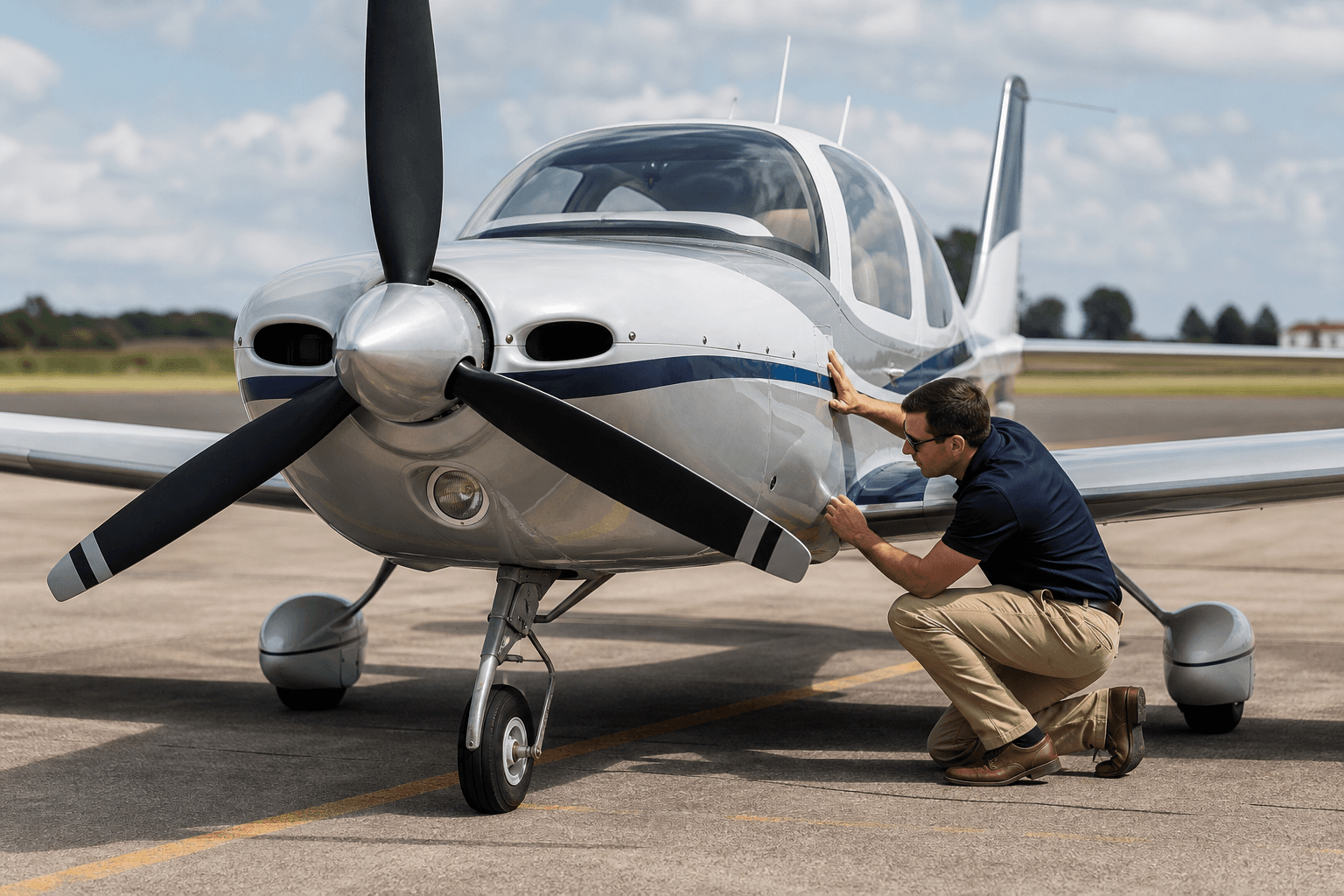
One of the fundamental steps pilots should take before embarking on a long trip is conducting a comprehensive pre-trip inspection of their aircraft. This inspection targets all critical mechanical components, fuel and oil levels, and control surfaces to ensure everything is in optimum condition. For pilots, this isn't merely a cursory check but a detailed evaluation to catch any minor issues that could escalate during extended operations away from home.
Routine maintenance tasks should never be overlooked before hitting the road—or sky. Pilots must confirm that basic servicing such as oil changes, tire checks, and filter replacements have been recently performed and documented. Completing these tasks well in advance not only reinforces the aircraft’s reliability but also avoids the hazards of attempting extensive repairs while away, where resources and tools could be limited.
Once routine maintenance is concluded, one vital recommendation is to undertake a ‘shakeout flight’ to test the aircraft’s readiness under real flight conditions. This post-maintenance verification flight allows pilots to detect leaks, unusual vibrations, or system irregularities that might have been introduced during recent work. This step ensures any lingering issues are resolved before committing to a long-distance journey, where mechanical problems can quickly become complicated and dangerous.
Pilots should avoid performing major or complex maintenance and parts replacements shortly before a trip. Such repairs carry risks of incomplete installation or unresolved complications that are difficult to troubleshoot far from familiar maintenance facilities. Instead, any significant maintenance should be scheduled well ahead of travel plans, allowing time for follow-up inspections and ensuring the aircraft is in solid condition when the trip begins.
In addition to preventive maintenance, being equipped for common maintenance needs during travel is critical. Pilots are encouraged to prepare a ‘fly-away’ tool kit comprising essential tools and diagnostic equipment suitable for typical on-the-spot fixes. Carrying this toolkit may alleviate minor troubleshooting demands while away and reduce potential delays caused by unexpected mechanical issues.
Alongside tools, bringing frequently needed spare parts and consumables tailored to the aircraft model can prove indispensable. Items such as spare fuses, bulbs, fuel additives, and even standard hardware should be carefully selected based on previous experience and the aircraft’s service manual recommendations. These provisions enhance the pilot’s self-sufficiency in managing emergent maintenance needs at outstations or unfamiliar airports.
Proper packing of the aircraft itself also plays a part in operational safety and maintenance integrity. Overloading or uneven distribution of cargo may strain airframe components or upset flight characteristics, leading to possible mechanical degradation or in-flight problems. Pilots should strictly adhere to weight and balance limitations outlined for their aircraft and secure all items to prevent in-flight movement.
Long cross-country journeys, such as flights to AirVenture Oshkosh, offer unmatched opportunities for adventure and camaraderie within the general aviation community. By carrying out thorough preflight inspections, completing routine maintenance early, flying a careful post-maintenance test, and preparing with the right tools and spares, pilots significantly lower their odds of facing disruptive mechanical failures far from home base. These prudent measures safeguard not only the aircraft and journey but also the pilot’s peace of mind while exploring the nation’s skies.
Read more
All MRO/Maintenance →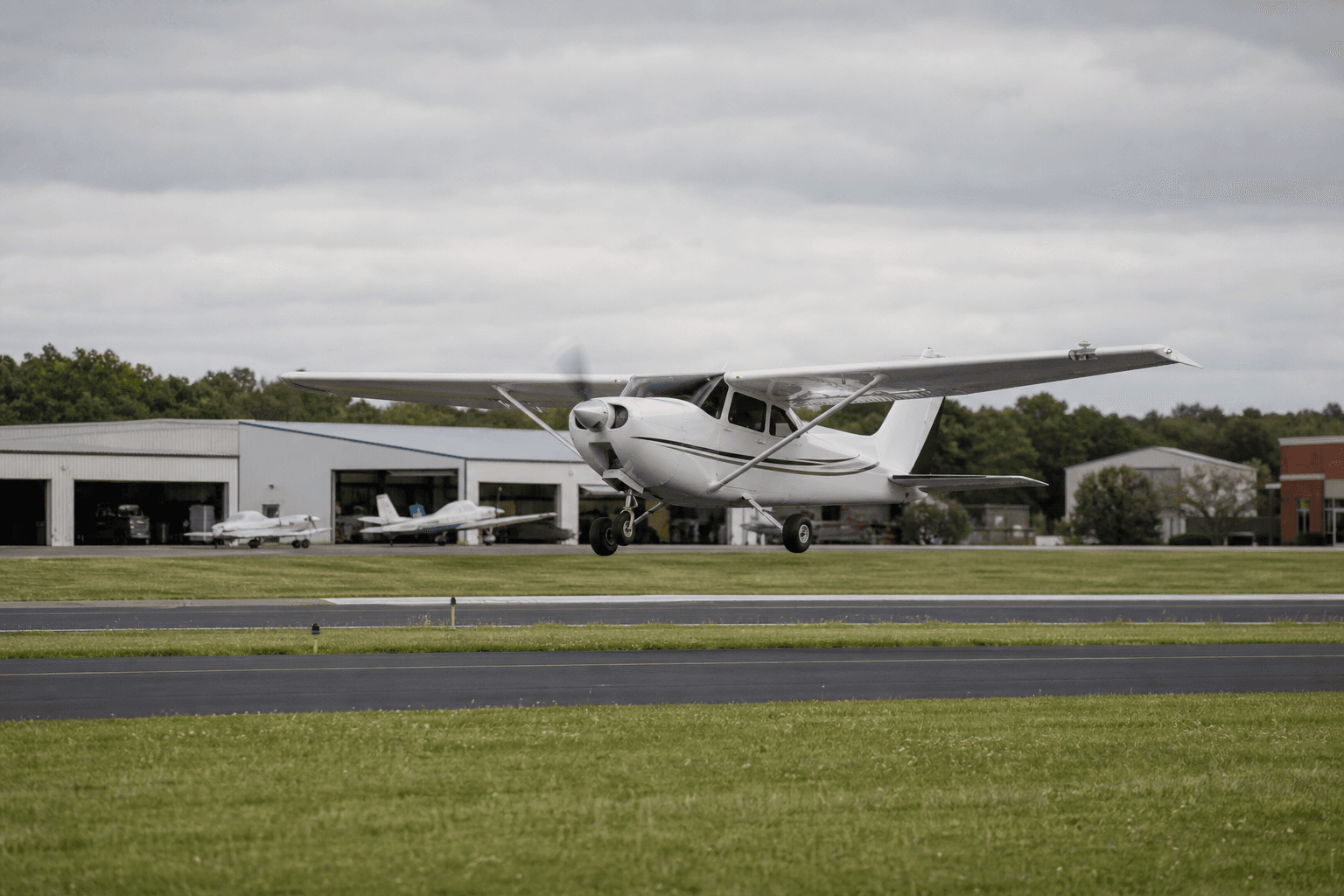
Danbury Municipal Airport Secures $4.2 Million FAA Grant for Secondary Runway Rehab
A decades-old airport record helped Connecticut’s Danbury Municipal Airport secure a $4.2 million FAA grant to rehabilitate its secondary runway, keeping it in service rather than facing possible closure. Officials uncovered records from the 1990s identifying the pavement as a noise-abatement runway rather than simply a crosswind runway. That designation made the project eligible for Airport Improvement Program funding after previous grant requests had been denied. Airport Administrator Mike Safranek told the Stamford Advocate he discovered the paperwork while reviewing archived airport records. Once the runway’s historical designation was documented, the FAA approved funding for the long-needed rehabilitation project, which the Danbury City Council has since accepted. Without the grant, airport officials said the city likely would not have been able to afford the estimated $4 million reconstruction project. The aging runway had deteriorated to the point where closing it was being considered. Although the runway is not the airport’s primary landing surface, it provides an alternate runway when crosswinds make operations on the main runway less favorable. Preserving that capability was a major factor behind the airport’s efforts to secure federal assistance. According to the Stamford Advocate , Danbury Municipal Airport is one of Connecticut's busiest general aviation airports, with about 70,000 annual operations and is home to is roughly 220 based aircraft. The airport supports flight schools, charter operators, maintenance businesses and aircraft storage facilities. Construction on the rehabilitated runway is expected to begin in the coming months.

Tail Strikes Ground 787 and A350 Composite Jets for Weeks While 777 Returns to Service Quicker
Here is why the composite materials used in the Boeing 787 and Airbus A350 make repairs more complex following impact incidents.

McFarlane Aviation Launches New Replacement Parts for Aging Cessna and Beechcraft Aircraft
McFarlane Aviation offers replacement and repair parts aimed at addressing both mechanical and structural concerns for several popular Cessna and Beechcraft models.
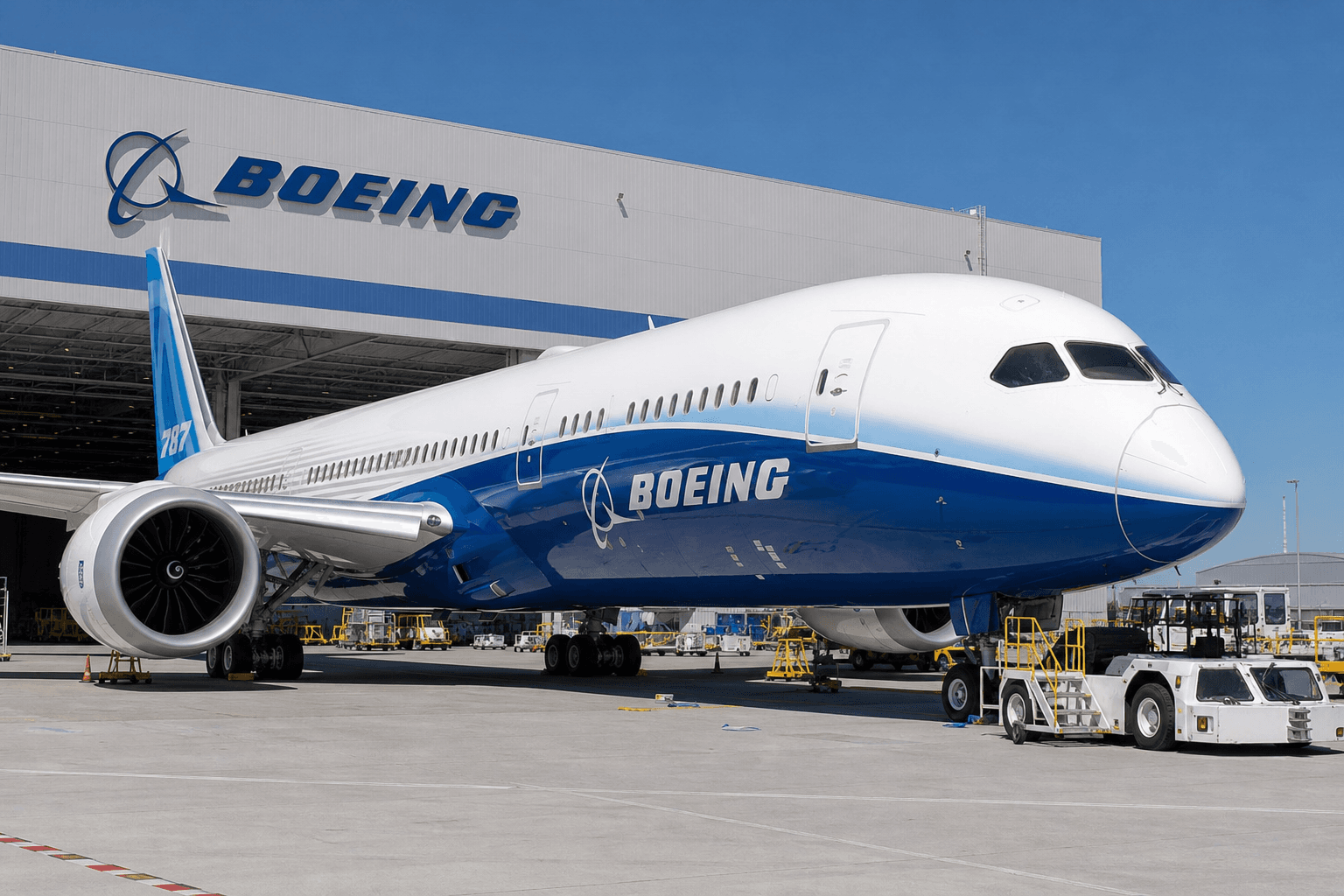
United's First 'Elevated' 787-9 Faces Persistent Maintenance Issues and Returns to Boeing
It remains unclear how long the flagship 787-9 will remain out of service and has been ferried to Moses Lake, a Boeing maintenance facility.
The Daily Touch & Go
The day's best aviation news in your inbox. Free, no spam.